
1kg Gold Price in Ghana Today (USD) |24K Licensed Export Guide for Buyers
| Attribute | Details |
| Gold Type | 24K Gold Bar (999.9 Fine Gold) |
| Weight | 1 Kilogram (1,000 grams) |
| Gold Content | 32.15 Troy Ounces of Pure Gold |
| Price Basis | International LBMA Gold Spot Price + Ghana market factors |
| Market Location | Ghana Gold Market |
| Foreign Buyers | Can purchase through licensed Ghana gold exporters |
| Verification Standards | Independent assay testing, refinery certification, and export documentation |
| Key Authorities | Ghana Gold Board (GoldBod) and Minerals Commission |
Estimated 1kg Gold Value in Ghana: The value of a 1kg gold bar changes daily based on the international gold spot price, USD/GHS exchange rate, gold purity, and market premiums. A standard 24K (999.9 fine) gold bar contains approximately 32.15 troy ounces, meaning its base value is calculated directly from the global gold price.
Foreign investors buying gold from Ghana should work only with licensed gold exporters and authorized dealers who can provide assay certificates, export permits, and legally required documentation.
Buy 1kg Gold Bars from Ghana
Looking to buy 1kg gold bars from Ghana? Gold Dealers Africa helps international buyers connect with verified Ghana gold suppliers, licensed exporters, and trusted gold dealers offering assay-certified 24K gold bars. Our team provides guidance on gold verification, export documentation, compliance requirements, and secure international shipping solutions for buyers in the USA, UK, UAE, Europe, and other global markets.
Contact Gold Dealers Africa today to check current 1kg gold bar availability, pricing, and Ghana gold export requirements.
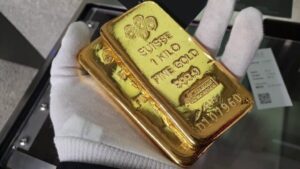
1kg Gold Price in Ghana Today (2026 Live Market Rates)
The price of 1kg gold in Ghana is mainly determined by the international gold spot price, USD/GHS exchange rates, gold purity, and local dealer or export premiums. The table below shows the estimated market value of 1 kilogram of gold by purity for investors, buyers, and gold dealers.
| Gold Purity | Gold Fineness | Price per Kilogram (GHS) | Approximate Price per Kilogram (USD) |
| 24K Gold | 99.9% Pure Gold | GHS 1,518,460.00 | $131,693.32 |
| 22K Gold | 91.6% Pure Gold | GHS 1,392,000.00 | $120,723.27 |
| 21K Gold | 87.5% Pure Gold | GHS 1,328,652.50 | $115,231.66 |
| 18K Gold | 75.0% Pure Gold | GHS 1,139,000.00 | $98,770.00 |
Understanding the 1kg Gold Price in Ghana
Market Trends and Pricing Dynamics
Daily Fluctuations:
The 1kg gold price in Ghana can change daily due to international market trends, currency fluctuations, and local demand-supply dynamics. Websites that track real-time prices can help you stay updated.
Historical Context
Over the past decade, gold prices have shown periods of volatility driven by global economic events, geopolitical tensions, and inflationary pressures. Understanding these trends can provide insights into whether the current price is favorable.
Influencing Factors:
1 Global Economic Conditions: Shifts in the global economy, such as trade disputes or changes in interest rates, can influence gold prices worldwide.
2 Local Factors: Ghana’s own mining production, regulatory policies, and exchange rates play a significant role in determining local prices.
3 Investor Sentiment: During uncertain times, gold’s status as a safe-haven asset drives up demand and, consequently, the price.
Steps to Buying 1kg of Gold in Ghana
1 Research and Market Analysis
- Monitor the Current Price: Use reliable financial news sites and dedicated gold price trackers to know the current market rate.
- Understand Premiums and Fees: Recognize that the listed price may include additional dealer premiums, taxes, or handling fees.
2 Identify Reputable Dealers
- Verify Dealer Credentials. Look for established dealers who are licensed by the Minerals Commission or the Precious Minerals Marketing Company (PMMC).
- Read Reviews and Testimonials: Customer feedback can provide insight into the dealer’s reliability and customer service.
3 Verify Authenticity and Documentation
- Request Certification: Ensure that the gold bar comes with a certificate of authenticity from a reputable assay laboratory.
- Review Serial Numbers and Mint Marks: These markers confirm the legitimacy of the gold bar and its manufacturer.
4 Secure a Safe Transaction Method
- Negotiate Payment Terms: Use secure payment methods and always get a detailed invoice.
- Consider bank transfer: When dealing with high-value transactions escrow services can protect both buyer and seller.
5 Finalize the Purchase
- Physical Inspection: If possible, inspect the gold bar in person or have a trusted representative do so.
- Arrange Secure Storage: Ensure that you have a plan for secure storage, whether it be a bank safe deposit box or professional vault services.
Trusted Gold Dealers and Gold Institutions in Ghana
Organization / Dealer Type Role What International Buyers Should Verify Ghana Gold Board (GoldBod) Government gold trading and regulatory institution responsible for overseeing Ghana’s gold purchasing and trading framework Confirm current approved channels and licensed participants Precious Minerals Marketing Company (PMMC) Ghanaian precious minerals organization involved in gold assaying, valuation, and precious mineral services Verify assay and gold testing services Minerals Commission Ghana Government body responsible for regulating mining and mineral operations Check exporter and mining license information Licensed Gold Exporters (LGEs) Authorized companies permitted to purchase and export gold from Ghana Confirm active export authorization and company registration Registered Gold Trading Companies in Accra Local gold dealers supplying international buyers through legal export channels Verify business registration, export documents, and compliance history Trusted Gold Dealers and Exporters in Ghana
Finding a trusted gold dealer in Ghana is one of the most important steps for international buyers purchasing 1kg gold bars, gold dore, or other precious metals. Because gold transactions involve large financial values, buyers should focus on verifying the exporter’s legal status, documentation, testing procedures, and export capability rather than relying only on online claims or advertisements.
Foreign investors should work only with registered Ghana gold exporters and authorized gold trading companies that can provide complete transaction records and comply with Ghana’s gold export regulations. Buyers should avoid informal sellers, unverified brokers, or individuals who cannot provide official documents.
Instead of relying on unverified dealer lists, international buyers should complete their own due diligence using the following checklist:
Requirement What Buyers Should Check License Confirm that the company is a legally registered Ghana gold exporter or authorized gold dealer. Verification Request an independent gold assay certificate confirming purity, weight, and authenticity. Documentation Ensure the seller provides export permits, commercial invoices, certificate of origin, and required customs documents. Payment Use secure business payment methods, preferably verified bank-to-bank transactions or approved trade payment arrangements. Shipping Confirm that the gold will be transported through insured international bullion logistics providers. How to Verify a Ghana Gold Exporter
Before entering into a gold purchase agreement, buyers should:
- Verify the exporter’s registration and authorization with relevant Ghana authorities.
- Request company details, business records, and export credentials.
- Confirm that gold is tested and documented before shipment.
- Review contracts carefully before making payments.
- Avoid sellers promising unusually low prices or requesting payment to personal accounts.
A professional gold exporter should provide transparency throughout the process, including supplier verification, gold testing, export documentation, and secure delivery arrangements.
Gold Dealers Africa connects international buyers with verified gold suppliers in Ghana and provides guidance on gold sourcing, compliance checks, documentation requirements, and secure gold shipping procedures.
1kg 24K Gold Price Estimates by City in Ghana (2026)
The price of 1kg of 24K gold in Ghana is primarily determined by the international gold spot price, gold purity, and the USD/GHS exchange rate. However, local market conditions can create differences between cities due to dealer premiums, refining availability, transportation costs, and whether the gold is in the form of refined bars or raw gold dore.
The following table provides estimated 1kg 24K gold market ranges by major gold trading locations in Ghana.
City / Region Market Focus Estimated Price Range per 1kg (GHS) Estimated Price Range per 1kg (USD) Accra (Greater Accra) Main export hub, financial center, refined gold bars, government and assay services GHS 1,518,460 – GHS 1,841,784 $131,690 – $163,500 Kumasi (Ashanti Region) Major gold trading center, jewellery manufacturing, local gold dealers GHS 1,510,000 – GHS 1,780,000 $130,900 – $158,000 Tarkwa & Prestea (Western Region) Mining district, gold production area, dore gold and mining supply networks GHS 1,480,000 – GHS 1,720,000 $128,300 – $152,700 Obuasi (Ashanti Region) Historic mining center, small-scale mining activities, gold trading GHS 1,475,000 – GHS 1,715,000 $127,900 – $152,300 Takoradi (Western Region) Logistics location, export support services, shipping connections GHS 1,505,000 – GHS 1,770,000 $130,500 – $157,000 Why Gold Prices May Differ Between Ghanaian Cities
Although gold follows a global market price, buyers may notice different quotations depending on location and transaction conditions.
Accra generally has higher access to export-ready gold products because it is the country’s main commercial and financial center. International buyers often complete verification, documentation, and export procedures through companies based in Accra.
Kumasi is one of Ghana’s largest gold trading markets, with strong connections to jewellery manufacturers, local dealers, and gold supply networks. Prices may vary depending on whether buyers are purchasing refined bars or locally sourced gold.
Mining regions such as Tarkwa, Prestea, and Obuasi may offer access to gold closer to production areas, but buyers must pay close attention to legal sourcing, licensing, assay verification, and export compliance.
Takoradi plays an important role in logistics and transportation, particularly for companies involved in moving commodities through Ghana’s export infrastructure.
Important Note for Gold Buyers
City-based price differences do not mean gold is always cheaper in mining regions. The final purchase price depends on:
- Gold purity and fineness (24K, 22K, 18K)
- Official assay results
- International gold spot price
- USD/GHS exchange rate
- Dealer premium
- Refining costs
- Export and compliance requirements
Foreign buyers purchasing 1kg gold from Ghana should focus on verified purity, legal documentation, and licensed exporters rather than choosing a location based only on price.
Step-by-Step Procedure for Buying and Exporting Gold From Ghana
Step 1: Select a Licensed Ghana Gold Exporter and Sign a Purchase Agreement
The first step for a foreign buyer is to identify and work with a legally registered Ghana gold exporter who has the required authorization to trade and export gold. International buyers should verify the exporter’s license status and confirm that the company has experience handling international gold transactions.
Once a trusted exporter has been selected, both parties enter into a formal Sales and Purchase Agreement (SPA). This agreement defines the quantity of gold being purchased, expected purity, pricing method, payment conditions, delivery terms, and responsibilities of both the buyer and seller.
Most commercial gold transactions use internationally recognized pricing references such as the LBMA gold price, with the final value adjusted according to purity, weight, market conditions, and agreed transaction terms.
Step 2: Official Notification and Export Preparation
After the purchase agreement is completed, the licensed exporter begins the official export preparation process. The exporter provides the required transaction information to the relevant authorities and arranges for the gold to undergo official inspection and valuation.
At this stage, the exporter prepares the necessary documentation, confirms shipment details, and ensures that all regulatory requirements are completed before the gold leaves Ghana.
Step 3: Government Assay, Testing, and Gold Valuation
Before export, the gold must undergo official testing to determine its exact quality and commercial value. The gold is delivered through approved procedures to a recognized assay facility where specialists examine the material using professional testing methods.
The assay process confirms:
- The gold purity level (such as 24K or 999.9 fine gold)
- The exact weight in kilograms and troy ounces
- The final payable gold content
After testing is completed, an official Assay Certificate is issued. This document provides buyers, banks, customs authorities, and international refineries with confirmation of the gold’s authenticity, purity, and value.
Step 4: Payment of Taxes, Fees, and Regulatory Charges
Before the gold shipment can be released for export, the exporter must complete all required government payments and administrative procedures. These costs vary depending on the type of gold, exporter classification, shipment value, and current Ghana regulations.
Possible export-related costs may include:
- Government assay and laboratory testing fees
- Export processing and administrative charges
- Customs documentation fees
- Secure transportation and insurance costs
- Refining or processing charges where applicable
Foreign buyers should request a detailed cost breakdown from the exporter before making payment to understand the full transaction cost.
Step 5: Customs Inspection, Documentation Review, and Gold Sealing
Once the gold has been assayed and all required fees have been completed, the shipment moves through Ghana’s customs clearance process.
Ghana Revenue Authority (GRA) officials and relevant authorities review the export documentation to confirm that the shipment complies with legal requirements.
The gold is then securely packaged, sealed, and prepared for international transportation. Official seals and security procedures help prevent unauthorized access or substitution during transit.
Step 6: Secure Transportation and International Shipment
After customs clearance, the gold is transported through approved secure logistics channels to the designated international departure point, normally through Kotoka International Airport (Accra) for commercial bullion shipments.
Professional bullion logistics providers may be used to handle:
- Secure collection and transportation
- Insurance coverage
- Airport handling
- International delivery arrangements
The shipment is transported under controlled security procedures until it reaches the buyer’s destination refinery, bank, or authorized receiving facility.
Required Documents for Exporting Gold From Ghana
A legal gold export transaction should include complete documentation proving the origin, quality, ownership, and legal movement of the gold.
Important documents include:
Gold Export License or Permit: Confirms that the exporter is legally authorized to export gold from Ghana.
Official Assay Certificate: Provides independent confirmation of gold purity, weight, and valuation.
Commercial Invoice: Shows the transaction value, buyer and seller information, gold quantity, and pricing details.
Packing List: Provides details of the shipment contents, packaging, and weight information.
Certificate of Origin: Confirms that the gold originates from Ghana.
Customs Export Documentation: Provides evidence that the shipment has been cleared by Ghana customs authorities.
Air Waybill (AWB): Confirms the shipment details and transportation arrangements with the approved carrier.
Taxes, Duties, and Export Costs When Buying Ghana Gold
The final cost of purchasing and exporting gold from Ghana depends on several factors, including gold purity, shipment size, exporter category, current government policies, and international logistics requirements.
Foreign buyers should consider costs related to:
- Gold assay and verification
- Government export processing
- Customs clearance
- Banking and payment compliance
- Insurance and secure bullion transportation
- Refining requirements
Because government charges and regulations can change, buyers should always request an updated quotation and compliance breakdown from a licensed Ghana gold exporter before completing a transaction.
Due Diligence Checklist for Foreign Gold Buyers
Before purchasing 1kg gold or larger quantities from Ghana, international buyers should complete proper verification.
Buyers should:
- Confirm the exporter is legally registered and authorized
- Request official assay certificates before shipment
- Verify gold purity and weight through independent inspection where possible
- Avoid sending money to personal bank accounts
- Use formal contracts and secure payment methods
- Confirm all export documents before shipment
Working with a verified Ghana gold exporter reduces the risk of fraud, counterfeit gold, illegal sourcing, and export delays.
Gold Dealers Africa connects international buyers with verified gold suppliers in Ghana and provides guidance on gold verification, export documentation, compliance procedures, and secure international shipping arrangements.
Required Documents When Buying 1kg Gold in Ghana
For the Buyer:
- Proof of Identity: A government-issued ID (passport, driver’s license) is typically required.
- Proof of Funds: Bank statements or letters of credit may be necessary when making large transactions.
- Tax Compliance Documents: Ensure y1kg gold price in Ghana Today| Live Rates & Trusted Gold Dealersou meet any local tax obligations that may be relevant to your purchase.
For the Seller/Dealer:
- License and Certification: Verify that the dealer is licensed by the appropriate Ghanaian authorities.
- Gold Assay Certificates: These documents confirm the purity and authenticity of the gold.
- Transaction Receipts and Invoices: Keep detailed records of every transaction for legal and tax purposes.
Can Foreigners Buy 1kg Gold in Ghana?
Yes, foreign investors can buy 1kg gold bars in Ghana, but transactions must be completed through legally registered gold exporters and authorized dealers. Ghana has strict regulations governing gold trading and exports to ensure that all gold leaving the country is properly verified, documented, and legally sourced.
International buyers from the USA, UK, UAE, Europe, and other markets should avoid informal sellers or unverified gold brokers who cannot provide proper documentation. Buying through a licensed exporter helps reduce risks related to counterfeit gold, illegal sourcing, and export delays.
Before purchasing 1kg gold from Ghana, buyers should confirm that the shipment includes:
- Gold assay certificate confirming purity and weight
- Commercial invoice showing the transaction details
- Official export documentation from authorized authorities
- Customs paperwork required for international shipment
- Seller verification and licensing records
A trusted Ghana gold exporter can assist foreign buyers with gold verification, compliance checks, export procedures, and secure delivery arrangements. Always complete proper due diligence before making a large gold purchase.
How to Buy 1kg Gold From Ghana (International Buyer Guide)
Buying 1kg gold from Ghana as a foreign investor requires careful due diligence, proper documentation, and working with legally authorized gold suppliers. Ghana is one of Africa’s largest gold-producing countries, but international buyers must follow official procedures to ensure the gold is legally sourced, properly verified, and safely exported.
Foreign investors from the USA, UK, UAE, Europe, India, and other international markets should purchase gold only through licensed Ghana gold dealers, authorized exporters, and registered gold trading companies that comply with Ghana’s gold export regulations.
Step 1: Contact a Licensed Ghana Gold Dealer or Exporter
The first step is to identify a trusted gold supplier that is legally permitted to sell and export gold from Ghana. Foreign buyers should work with companies that operate under the oversight of Ghana’s regulatory authorities, including the Ghana Gold Board (GoldBod) and the Minerals Commission.
A legitimate Ghana gold exporter should be able to provide evidence of:
- Legal business registration
- Gold trading or export authorization
- Verified sourcing channels
- Experience handling international gold transactions
Avoid purchasing from informal brokers or individuals who cannot provide official licensing and export documentation. A licensed exporter will guide the buyer through the purchase agreement, pricing process, compliance requirements, and shipment arrangements.
Step 2: Verify Gold Documents Before Payment
Before completing a 1kg gold purchase, international buyers should carefully review all documents connected to the transaction. Proper documentation confirms the gold’s origin, quality, ownership, and legal ability to be exported.
Important documents include:
Certificate of Origin:
This document confirms that the gold originates from Ghana and provides information about its legal source.
Gold Assay Report:
An official assay report confirms the gold’s purity, weight, and measured value. For investment-grade gold, buyers should verify that the gold meets the agreed purity standard, such as 24K or 999.9 fine gold.
Commercial Invoice:
The invoice provides details of the transaction, including buyer and seller information, gold quantity, purity, price, and payment terms.
Export Permit and Customs Documentation:
Legal gold exports require approved export documentation showing that the shipment has passed government procedures and customs requirements.
Step 3: Arrange Independent Gold Verification
Large gold purchases require independent verification to protect the buyer and confirm that the delivered gold matches the agreed specifications.
International buyers can request additional verification through recognized testing methods, including:
XRF Testing:
X-ray fluorescence (XRF) testing is a non-destructive method used to analyze the metal composition and estimate gold purity.
Fire Assay Testing:
Fire assay is one of the most accurate traditional methods for determining the exact gold content and is commonly used for high-value bullion transactions.
Refinery Confirmation:
For investment-grade gold bars, buyers may request confirmation from a recognized refinery or receiving facility to verify authenticity, purity, and acceptance standards.
Independent verification helps reduce risks associated with counterfeit gold, incorrect purity claims, or shipment disputes.
Step 4: Arrange Secure International Gold Shipping
After the gold has been verified, documented, and approved for export, the shipment must be handled through secure bullion logistics providers.
Professional gold transportation companies help manage:
- Secure collection and handling
- Insurance coverage
- International air freight
- Customs coordination
- Delivery to approved refineries, banks, or buyer facilities
Common secure logistics providers used for valuable shipments include:
Brink’s:
A global security company specializing in secure transportation and handling of precious metals.
Malca-Amit:
A specialist logistics provider offering insured transportation solutions for gold, diamonds, and other high-value commodities.
DHL Secure Logistics:
Provides specialized secure shipping solutions for valuable international shipments.
Important Tips for Foreign Buyers Purchasing 1kg Gold From Ghana
Before sending funds or signing a purchase agreement, buyers should:
- Verify the exporter’s legal status
- Confirm gold purity through independent testing
- Review all export documents
- Use secure payment methods
- Ensure insurance coverage during transportation
- Work with experienced gold professionals
A properly managed gold purchase from Ghana should provide complete transparency from supplier verification and gold testing to export approval and international delivery.
Gold Dealers Africa helps international investors connect with verified Ghana gold suppliers and understand the legal, documentation, verification, and shipping requirements involved in buying 1kg gold from Ghana.
Key Factors to Consider When Buying 1kg of Gold in Ghana
Legal and Regulatory Compliance
- Regulatory Bodies: Understand the role of the Minerals Commission and the PMMC in regulating gold trade in Ghana.
- Export and Import Restrictions: Be aware of the legal requirements if you plan to export the gold or convert it into cash in another country.
Price Transparency
- Market Research: Compare prices from multiple reputable sources before making a decision.
- Hidden Costs: Look out for hidden fees or additional premiums that may not be immediately apparent in the advertised price.
Storage and Security
- Secure Storage Options: Physical gold requires safe storage; consider professional vaults or secure deposit facilities.
- Insurance: Protect your investment by insuring your gold against theft, loss, or damage.
Market Volatility and Economic Conditions
- Economic Indicators: Monitor inflation rates, currency strength, and global economic health, as these can affect the gold price.
- Investment Horizon: Gold is typically a long-term investment understand that short-term volatility might occur, but gold remains a reliable store of value over time.
Why Trust Our Expertise
Our comprehensive guide is designed to empower you with the knowledge needed to make an informed decision when purchasing 1kg of gold in Ghana. Whether you’re a first-time buyer or an experienced investor, following these steps and considerations can help ensure a secure, transparent, and profitable transaction. We partner with reputable dealers and offer expert insights to simplify your gold-buying journey.
Conclusion
Purchasing 1kg of gold in Ghana is a robust investment that offers both security and potential for growth. By understanding the current market trends, following a structured buying process, and ensuring compliance with all necessary documentation and legal requirements, you can safeguard your investment and reap the benefits of gold’s enduring value.
Contact us today for personalized guidance and access to the best deals in the Ghanaian gold market. Secure your future with a tangible asset that has stood the test of time. Let us help you navigate the complexities of gold investment in Ghana with confidence and clarity.