
Gold Bar Price Predictions in Africa |(2026 Expert Forecast)
Gold bar prices in Africa are expected to remain strong and could continue rising throughout 2026, although short-term price corrections are possible. Analysts attribute this outlook to sustained central bank gold purchases, global economic uncertainty, inflation concerns, geopolitical tensions, a weaker U.S. dollar during some market cycles, and growing investment demand for physical gold. For investors, gold traders, and bullion buyers, 2026 could present valuable opportunities to purchase or sell gold depending on market conditions.
If you’re wondering whether 2026 is the right time to buy or sell gold bars in Africa, this guide provides expert insights based on current market trends, African gold production, export demand, and the economic factors influencing prices across Uganda, Ghana, South Africa, Tanzania, Mali, the Democratic Republic of Congo (DRC), Zimbabwe, and other leading gold-producing countries. You’ll also find practical guidance to help you make informed investment decisions and avoid costly mistakes when purchasing physical gold.
At Gold Dealers Africa Limited, we help individuals, investors, jewelers, and international bullion buyers source verified 24K and 22K gold bars directly from trusted suppliers across Africa. We provide transparent pricing, supplier verification, export documentation assistance, secure international shipping, and professional support throughout the buying process.
Planning to buy gold bars or looking for a trusted African gold supplier? Contact Gold Dealers Africa Limited today for a free quotation, live gold prices, and expert guidance before making your next investment. Our team is ready to help you source genuine, certified gold with confidence.
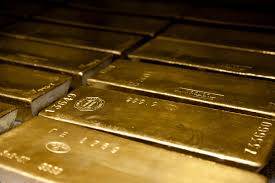
Understanding the Gold Market in Africa
Africa remains one of the world’s most important gold-producing regions, supplying a significant share of the global gold market in 2026. The continent is home to some of the largest gold mines and fastest-growing mining industries, with Ghana, South Africa, Mali, Tanzania, the Democratic Republic of Congo (DRC), Burkina Faso, Uganda, Sudan, and Zimbabwe playing major roles in global gold production. These countries continue to attract international investors, refiners, bullion dealers, and jewelry manufacturers seeking high-quality gold.
Gold bars are widely traded across Africa for investment, wealth preservation, international trade, jewelry manufacturing, and central bank reserves. As global demand for physical gold continues to grow, African gold remains an important source of supply for buyers in the United Arab Emirates (UAE), India, China, Europe, North America, and other international markets.
The African gold market is influenced by several factors, including the international spot price of gold, mining production levels, government regulations, export policies, currency exchange rates, geopolitical developments, and investor demand. Because gold is priced globally in U.S. dollars, changes in the international bullion market have a direct impact on the price of gold bars sold throughout Africa.
For investors, bullion buyers, and gold traders, understanding how the African gold market operates is essential for identifying profitable opportunities, reducing investment risks, and purchasing gold from verified and reputable suppliers.
Gold Bar Price Trends in Africa (Past 5 Years: 2022–2026)
The table below highlights the average international gold price per troy ounce over the past five years and the major global and African market events that influenced gold bar prices. While international spot prices provide the benchmark, physical gold bars sold in African countries often include additional premiums for refining, transportation, insurance, security, and export documentation.
| Year | Average Gold Price per Ounce (USD) | Major Influences & African Market Dynamics |
|---|---|---|
| 2022 | $1,800 | Gold prices remained resilient despite aggressive interest rate hikes by major central banks. The Russia–Ukraine conflict, supply chain disruptions, and a stronger U.S. dollar influenced bullion markets, while African exporters experienced higher logistics and shipping costs. |
| 2023 | $1,943 | Rising geopolitical tensions, banking sector uncertainty, and continued central bank gold purchases supported higher gold prices. African producers, including Ghana, Mali, Tanzania, and the DRC, benefited from sustained international demand for physical gold. |
| 2024 | $2,388 | Record central bank buying, persistent inflation, and strong investor demand pushed gold prices to new highs. Increased refining capacity and export activity across several African countries also strengthened regional bullion markets. |
| 2025 | $3,450 | Gold reached historic highs as investors sought safe-haven assets amid global economic uncertainty. Demand for investment-grade gold bars increased across Africa, particularly in South Africa, Nigeria, Egypt, Ghana, and Uganda, while export volumes remained strong. |
| 2026 | Market prices remain elevated (subject to ongoing market movements) | Gold prices continue to be supported by strong global investment demand, central bank purchases, inflation concerns, geopolitical risks, and increasing demand for certified physical bullion. African gold-producing countries continue expanding mining operations, refining capacity, and international exports, helping maintain the continent’s importance in the global gold supply chain. |
Note: The prices above represent average international spot gold prices and serve as a benchmark for the global bullion market. Physical gold bars purchased in African countries typically sell at a 1.5%–5% premium above the international spot price to cover refining, assaying, secure transportation, insurance, export documentation, taxes where applicable, and dealer margins. The final purchase price also varies depending on the purity (22K or 24K), bar size (100g, 250g, 500g, or 1kg), supplier, and destination country.
Key Factors Affecting Gold Bar Prices in Africa in 2026
Gold bar prices in Africa during 2026 are influenced by a combination of global economic conditions, African mining production, government regulations, investor demand, exchange rates, and transportation costs. Understanding these factors can help investors, bullion buyers, and gold traders make informed decisions before purchasing or selling gold.
1. Global Gold Market Trends
The international spot price of gold remains the most important factor affecting gold bar prices across Africa. Gold is traded globally in U.S. dollars, meaning any movement in international markets directly impacts local prices.
Key drivers include:
- Global inflation and interest rate policies.
- Central bank gold purchases, particularly by emerging economies.
- S. dollar strength or weakness.
- Safe-haven demand during economic or geopolitical uncertainty.
- Investment demand through ETFs and physical bullion.
When the global spot price rises, gold bars sold in African markets generally become more expensive.
2. African Gold Mining Production and Supply Chain
Africa is home to some of the world’s largest gold producers, including Ghana, South Africa, Mali, Tanzania, Uganda, the Democratic Republic of Congo (DRC), Burkina Faso, and Sudan. Gold production levels directly influence local supply and pricing.
Important factors include:
- Mining output and discoveries.
- Government mining policies and licensing.
- Export regulations and royalties.
- Environmental and sustainability requirements.
- Labor shortages or mining disruptions.
- Refining capacity and bullion availability.
Lower production or export restrictions can reduce supply, leading to higher gold bar prices.
3. Exchange Rates and Local Currency Performance
Since gold is internationally priced in U.S. dollars, fluctuations in African currencies significantly affect local gold prices.
Countries experiencing currency depreciation, such as the South African Rand, Ghanaian Cedi, Nigerian Naira, Ugandan Shilling, or Tanzanian Shilling, often see higher domestic gold prices because importing or purchasing gold becomes more expensive.
High inflation also encourages investors to buy physical gold as a store of value, increasing demand.
4. Geopolitical and Economic Stability
Political and economic developments continue to influence the African gold market throughout 2026.
Factors include:
- Political instability and regional conflicts.
- Changes in mining legislation.
- International sanctions and trade restrictions.
- Infrastructure development.
- Foreign direct investment (FDI) in mining and refining.
- Security conditions around major mining regions.
Stable mining environments generally improve supply, while disruptions often increase prices.
5. Demand from Local and International Buyers
Growing demand from both domestic and international markets remains a major driver of gold prices.
Demand comes from:
- Individual investors purchasing gold bars.
- Jewelry manufacturers.
- Commercial bullion dealers.
- Central banks increasing gold reserves.
- Institutional investors.
- International buyers from the UAE, India, China, Europe, and North America sourcing African gold.
Higher demand combined with limited supply generally leads to rising prices.
6. Transportation, Insurance, and Refining Costs
The final retail price of a gold bar also includes logistics and processing expenses.
These costs include:
- Secure transportation from mines to refineries.
- International shipping and export handling.
- Insurance during transit.
- Refining and assaying fees.
- Security services.
- Fuel and energy costs.
As logistics and refining expenses increase, the overall cost of purchasing gold bars in Africa also rises.
Conclusion
Gold bar prices in Africa during 2026 are shaped by both international market forces and regional developments. Investors should monitor the global spot price, African mining output, exchange rates, government regulations, geopolitical events, and international demand before making investment decisions. Staying informed about these factors can help buyers identify the best opportunities and manage investment risks in the African gold market.
2026 Expert Predictions for Gold Bar Prices in Africa
Following several years of strong gains in the global gold market, many financial institutions and commodity analysts expect gold prices to remain elevated throughout 2026. Although forecasts differ, most agree that the direction of gold prices will depend on inflation, central bank policies, geopolitical developments, investment demand, and the strength of the U.S. dollar.
Bullish Outlook (Higher Gold Prices)
Analysts with a bullish outlook believe that gold prices could continue reaching new highs if global economic uncertainty persists. Continued purchases by central banks, increasing demand for physical bullion, geopolitical tensions, inflation concerns, and lower interest rates could support further price growth.
Some market forecasts suggest gold could trade in the $4,500-$5,000 per troy ounce range if these conditions persist throughout 2026.
Potential impact on Africa:
- Higher international spot prices could increase the value of African gold exports.
- Gold mining companies may benefit from improved revenues and investment.
- Demand for physical gold bars could rise across South Africa, Ghana, Uganda, Tanzania, Nigeria, Egypt, Mali, and the Democratic Republic of Congo (DRC).
- Investors may increasingly purchase gold as a hedge against inflation and currency depreciation.
Bearish Outlook (Lower Gold Prices)
A more cautious outlook suggests that gold prices could decline if global inflation continues to ease, economic growth strengthens, and central banks maintain higher interest rates for longer than expected. A stronger U.S. dollar and rising bond yields could also reduce investor demand for gold.
Under this scenario, some analysts believe gold could trade between $3,800 and $4,300 per troy ounce during periods of market correction.
Potential impact on Africa:
- Export revenues for gold-producing countries could moderate.
- Buyers may find better opportunities to purchase physical gold bars at lower prices.
- Local retail premiums may remain relatively high because of refining, transportation, insurance, and export costs.
Neutral Outlook (Stable Gold Prices)
Many analysts expect gold prices to remain relatively stable during 2026, with normal market fluctuations driven by global economic data, central bank decisions, and investor sentiment. In this scenario, gold could consolidate within a range of approximately $4,300 to $4,700 per troy ounce while continuing to attract long-term investors.
Potential impact on Africa:
- Stable prices would support consistent trading activity across African bullion markets.
- Gold exports would likely remain strong as international demand for responsibly sourced African gold continues.
- Investors could benefit from predictable pricing while using gold as a long-term portfolio diversification asset.
Gold Dealers Africa Limited Market Outlook
Based on current market conditions, Gold Dealers Africa Limited expects gold to remain one of the world’s most attractive safe-haven assets throughout 2026. While short-term price corrections are possible, long-term demand for physical gold bars is expected to remain strong due to ongoing central bank purchases, global economic uncertainty, inflation concerns, and continued investment demand.
Note: Gold price forecasts are estimates, not guarantees. Actual market prices may vary depending on global economic conditions, monetary policy decisions, geopolitical events, investor sentiment, and supply and demand. Physical gold bars sold in African markets typically include an additional 1.5%–5% premium above the international spot price to cover refining, assaying, secure transportation, insurance, export documentation, and dealer margins.
Gold Prices by Country in Africa (2026)
If you’re comparing where to buy gold in Africa, the table below highlights the estimated 24K gold price per gram, export regulations, and the best buying options in the continent’s leading gold-producing countries. Prices may vary based on international spot rates, local premiums, taxes, and supplier fees.
| Country | 24K Gold Price (USD/Gram) | Export Status | Best Place to Buy Gold |
| Uganda | $142–$146 | Licensed exports through DGSM with required permits and documentation | Licensed dealers in Kampala and certified refineries |
| Ghana | $143–$147 | Regulated by the Minerals Commission and PMMC | PMMC-certified bullion dealers and licensed exporters |
| South Africa | $142–$145 | Fully regulated with SARS customs and SARB oversight | Rand Refinery distributors, bullion dealers, and major banks |
| Tanzania | $142–$146 | Mining Commission export permits required | Government mineral markets and licensed exporters |
| Kenya | $143–$148 | Ministry of Mining export license required | Licensed precious metal dealers in Nairobi and Mombasa |
| DR Congo (DRC) | $138–$144 | Strict due diligence and CEEC certification required | Authorized Ministry of Mines buying counters (Comptoirs d’achat) |
| Mali | $141–$145 | State-regulated exports under the Mining Code | Licensed export houses and approved trading counters |
| Zimbabwe | $142–$146 | Exports primarily through Fidelity Gold Refinery (FGR) | Fidelity Gold Refinery and authorized buying agents |
Note: Gold prices are estimates based on the international spot price and typical local market premiums. Actual buying prices depend on quantity, purity (22K or 24K), supplier premiums, shipping, insurance, and current market conditions.
Why Compare Gold Prices Across Africa?
Africa produces more than 20% of the world’s gold, making it one of the most attractive destinations for investors, bullion dealers, and wholesalers. Comparing gold prices, export regulations, and supplier networks helps buyers identify the most competitive markets while ensuring they purchase from licensed and reputable exporters.
How to Verify a Gold Seller
Buying gold is a significant investment, and verifying your supplier is one of the most important steps you can take to protect yourself from fraud. Whether you’re purchasing gold bars, nuggets, or dore bars, a legitimate gold seller should be transparent and willing to provide official documentation that proves the gold is legally sourced, properly tested, and authorized for export. Reviewing these documents before making any payment can help you avoid costly scams and ensure you’re dealing with a reputable supplier.
Gold Seller Verification Checklist
| ✔ Document | Why It Matters |
| Mining License | Confirms the gold was sourced from a legally licensed mining operation authorized by the relevant government authority. |
| Export License | Verifies the company is legally permitted to export gold to international buyers. |
| Company Registration Certificate | Confirms the business is officially registered and operating as a legal entity. |
| Tax Certificate (TIN/VAT) | Demonstrates that the company complies with national tax regulations and operates legitimately. |
| Assay Certificate | Confirms the gold’s purity, weight, and composition through laboratory testing. |
| Certificate of Origin | Shows the country and mining location where the gold was legally produced. |
| Refinery Documents | Verifies that the gold has been refined and processed by an accredited refinery. |
| Bill of Lading / Air Waybill | Confirms shipment details, transport arrangements, and ownership of the exported gold. |
Important: Never send money until these documents have been reviewed and, where possible, independently verified with the relevant government authority, refinery, or a trusted third-party inspection company.
Reasons to Invest in Gold Bars in Africa in 2026
Physical gold continues to be one of the most trusted investment assets in 2026. As global economic uncertainty persists and demand for precious metals remains strong, many investors are choosing African gold bars to diversify their portfolios and preserve long-term wealth.
1. Protection Against Inflation and Economic Uncertainty
Gold has historically served as a reliable store of value during periods of inflation and economic uncertainty. In 2026, fluctuations in global financial markets, inflationary pressures, and movements in African currencies such as the Nigerian Naira, Ghanaian Cedi, South African Rand, Ugandan Shilling, and Tanzanian Shilling continue to encourage investors to hold physical gold as a hedge against declining purchasing power.
2. Strong Global and African Demand for Gold
Demand for gold bars remains robust throughout 2026, supported by individual investors, institutional buyers, jewelry manufacturers, and central banks. Continued purchases by central banks and increasing demand for physical bullion across Asia, the Middle East, Europe, and North America are helping support gold prices and strengthening Africa’s role as one of the world’s leading gold-producing regions.
3. Expansion of Africa’s Gold Mining and Refining Industry
African governments and private investors continue to invest in modern mining operations, refining facilities, and responsible gold supply chains. Countries including Ghana, Uganda, Tanzania, South Africa, Mali, and the Democratic Republic of Congo (DRC) are expanding production capacity and improving export infrastructure. In addition, the African Continental Free Trade Area (AfCFTA) is expected to enhance regional trade by promoting easier movement of goods and encouraging investment across participating African economies.
4. Long-Term Potential for Capital Appreciation
Although short-term price fluctuations are normal, many analysts believe gold will remain an attractive long-term investment throughout 2026. Continued geopolitical uncertainty, inflation concerns, central bank reserve diversification, and growing investor demand for physical bullion could support higher gold prices over time. For investors seeking portfolio diversification and wealth preservation, certified 24K gold bars remain one of the most dependable tangible assets.
5. Easy Access to Verified Gold Suppliers
Purchasing investment-grade gold has become more accessible through reputable African bullion dealers. Companies such as Gold Dealers Africa Limited help investors source verified 24K and 22K gold bars, provide supplier verification, assist with export documentation, offer secure international shipping, and ensure compliance with applicable regulations. Working with a trusted dealer helps reduce the risks associated with counterfeit gold and fraudulent transactions.
Conclusion
Investing in gold bars in Africa during 2026 offers investors an opportunity to protect wealth, diversify investment portfolios, and benefit from one of the world’s most established precious metal markets. Before purchasing gold, buyers should compare live gold prices, verify supplier credentials, understand export requirements, and work with experienced companies such as Gold Dealers Africa Limited to ensure a secure and transparent transaction.
Where to Buy Gold Bars in Africa
Africa is home to some of the world’s largest gold producers, making it one of the best regions to buy investment-grade gold bars, dore bars, and raw gold directly from licensed miners, refineries, and authorized exporters. However, the best country depends on your priorities, whether you’re looking for lower premiums, LBMA-certified bullion, refinery-produced gold, or mine-direct purchases.
The table below compares some of the best countries to buy gold in Africa and why international investors choose them.
Best Countries to Buy Gold Bars in Africa
| Country | Why Buy Gold There | Typical Premium | Best For |
| Uganda | Mine-direct gold from licensed exporters with competitive pricing | Low | Investors seeking lower premiums and direct sourcing |
| Ghana | Africa’s leading gold producer with internationally recognized refineries | Medium | Certified gold bars and large-volume purchases |
| South Africa | Home to the world-renowned Rand Refinery and Krugerrand | Medium | LBMA-certified bullion and investment-grade gold |
| Tanzania | Large-scale gold mining with licensed exporters | Low–Medium | Gold bars, dore bars, and wholesale buyers |
| Democratic Republic of Congo (DRC) | Rich gold deposits and mine-direct opportunities | Low | Raw gold and dore bars (requires careful due diligence) |
| Mali | One of Africa’s largest gold-producing nations | Low | Bulk gold purchases and wholesale sourcing |
| Zimbabwe | High-purity gold supplied through licensed dealers | Medium | Investment and commercial buyers |
| Kenya | Regional gold trading hub with growing export market | Medium | East African gold sourcing and trade |
Important: Before buying gold from any African country, always verify the supplier’s mining license, export license, company registration, assay certificate, and export documentation to ensure the transaction is legal and secure.
Risks & Considerations Before Investing
1 Price Volatility. Gold prices can fluctuate, so timing the market is crucial.
2 Storage & Security Costs. Safeguarding physical gold requires secure vaults or bank deposits.
3 Government Regulations: Some African countries impose restrictions on gold ownership, mining, and exports.
Best Strategies for Investing in Gold Bars in Africa
1 Buy from Trusted Dealers & Refineries. To avoid counterfeit or illegal gold by purchasing from reputable sources.
2 Diversify Your Gold Investment. Always consider a mix of physical gold bars, gold ETFs, and digital gold.
3 Monitor Global Trends. Always stay updated on global gold prices and local economic developments to make informed decisions.
Final Verdict: Is It a Good Time to Invest?
Yes, 2026 is a promising year to invest in gold bars in Africa, especially for those looking to hedge against inflation, diversify their portfolio, or take advantage of rising demand. However, investors should carefully assess risks, choose secure storage options, and monitor market conditions.
Future Trends in the Gold Bar Market in Africa (2026 and Beyond)
The African gold market continues to evolve as governments, mining companies, refiners, and investors respond to changing global economic conditions and growing international demand for responsibly sourced gold. Looking beyond 2026, several important trends are expected to shape the production, trade, pricing, and investment landscape for gold bars across the continent.
1. Expansion of Local Gold Refining and Value Addition
African countries are continuing to invest in domestic gold refining facilities to increase the value of locally mined gold before export. Rather than exporting raw or semi-processed gold, governments are encouraging local refining to produce internationally recognized bullion that meets global quality standards. Countries such as Ghana, South Africa, Tanzania, Uganda, Rwanda, Zimbabwe, and the Democratic Republic of Congo (DRC) are expanding refining capacity and supporting value-added mineral processing.
Governments are also introducing policies that encourage domestic refining, strengthen mineral traceability, and increase revenue from the mining sector. These initiatives are expected to improve the availability of certified gold bars while supporting economic growth and job creation.
2. Growing Demand from Retail and Institutional Investors
Demand for physical gold bars is expected to remain strong throughout 2026 and beyond. Investors continue to view gold as a safe-haven asset that helps protect wealth during periods of inflation, currency depreciation, and market volatility.
In addition to individual investors, institutional buyers, commercial banks, central banks, bullion dealers, and wealth management firms are increasing their exposure to physical gold. Growing financial awareness and improved access to investment products are also making gold ownership more accessible across African markets.
3. Digital Innovation and Blockchain Technology
Technology is transforming the way gold is traded across Africa. More companies are exploring blockchain-based traceability systems to improve transparency throughout the gold supply chain, from mining and refining to export and final delivery.
Digital platforms are also making it easier for investors to monitor live gold prices, verify suppliers, complete secure transactions, and manage precious metal investments. As digital infrastructure continues to improve, technology is expected to enhance efficiency, reduce fraud, and increase confidence in African gold markets.
4. Global Gold Price Trends and Market Response
International economic conditions will continue to play a major role in determining gold prices. Factors such as inflation, central bank monetary policy, interest rates, geopolitical tensions, and global investment demand are expected to influence the international spot price throughout 2026 and beyond.
At the same time, growing demand from buyers in China, India, the United Arab Emirates (UAE), Europe, and North America is expected to support African gold exports, strengthening the continent’s position as one of the world’s leading gold suppliers.
5. Stronger Regulations and Regional Trade Integration
Many African governments are strengthening regulations governing gold mining, refining, exports, and responsible sourcing. Enhanced licensing systems, improved export controls, anti-smuggling initiatives, and greater regulatory oversight are expected to improve transparency and investor confidence.
The African Continental Free Trade Area (AfCFTA) is also expected to support regional trade by reducing barriers between participating countries, encouraging investment, and creating new opportunities for licensed gold dealers, refiners, and exporters across Africa.
6. Sustainable and Responsible Gold Production
Environmental, Social, and Governance (ESG) standards continue to influence the global gold industry. International buyers increasingly prefer responsibly sourced, conflict-free, and legally exported gold that complies with international due diligence standards.
In response, African mining companies and refiners are investing in safer mining practices, improved environmental management, responsible sourcing programs, and better supply chain traceability. These initiatives are expected to strengthen Africa’s reputation as a reliable source of high-quality investment-grade gold.
7. Increasing International Investment in Africa’s Gold Industry
Foreign investment in African mining, refining, and logistics infrastructure is expected to continue growing beyond 2026. International mining companies, private investors, and financial institutions are expanding exploration projects and modernizing production facilities across several gold-producing countries. These investments are expected to improve production efficiency, strengthen export capacity, and support long-term growth in Africa’s gold industry.
Outlook for 2026 and Beyond
The long-term outlook for the African gold market remains positive. Continued global demand for physical gold, expanding refining capacity, stronger regulatory frameworks, technological innovation, and increasing international investment are expected to support the growth of Africa’s gold industry. For investors seeking certified gold bars, working with reputable suppliers such as Gold Dealers Africa Limited provides access to verified sourcing, transparent pricing, export documentation assistance, and secure international delivery.
Common Gold Buying Mistakes to Avoid in Africa
Buying gold in Africa can be a profitable investment, but failing to carry out proper due diligence can result in financial loss, legal issues, or fraud. Whether you’re purchasing gold bars, doré bars, or raw gold, avoiding these common mistakes will help ensure a secure and successful transaction.
1. Buying Gold Without Independent Testing
Never rely solely on the seller’s claims. Always verify the gold’s purity and weight through an independent assay laboratory or accredited refinery before completing the purchase.
2. Paying Before Verifying the Supplier
One of the biggest mistakes buyers make is sending money before confirming the seller’s identity, licenses, and business registration. Always perform due diligence first.
3. Ignoring Export Permits
Legitimate international gold shipments require valid export permits issued by the relevant government authority. Purchasing gold without proper export documentation can lead to customs delays or confiscation.
4. Accepting Fake or Altered Certificates
Fraudsters often use forged assay reports, export permits, or certificates of origin. Always verify documents with the issuing authority before making payment.
5. Not Checking the Refinery
Ensure the gold has been refined or tested by a reputable refinery. Accredited refineries provide reliable assay certificates and quality assurance.
6. Buying from Unlicensed Dealers
Avoid individuals or companies that cannot provide valid mining, trading, or export licenses. Licensed suppliers are more likely to comply with local and international regulations.
7. Ignoring Current Gold Market Prices
If a seller offers gold at a price that is significantly below the international spot price, treat it as a warning sign. Extremely low prices are often associated with scams.
8. Failing to Inspect Shipping and Insurance Documents
Before the gold is shipped, confirm the Bill of Lading, Air Waybill, insurance coverage, and shipping details to ensure the consignment is legitimate and protected.
9. Skipping a Physical or Third-Party Inspection
Whenever possible, inspect the gold in person or hire an independent inspection company to verify the quantity, purity, and documentation before payment.
10. Not Using a Secure Purchase Agreement
Always use a written Gold Sales and Purchase Agreement (SPA) that clearly defines the gold specifications, payment terms, delivery conditions, inspection procedures, and dispute resolution process.
Pro Tip: The safest gold transactions involve a licensed supplier, independently verified documents, third-party gold testing, secure payment terms, and full compliance with the exporting country’s mining and customs regulations.
Conclusion: What Should Gold Investors Do in 2026?
Gold remains one of the world’s most trusted investment assets, and the outlook for 2026 continues to be positive despite ongoing market volatility. Although gold prices may experience short-term fluctuations due to changes in inflation, interest rates, central bank policies, geopolitical developments, and global economic conditions, physical gold continues to play an important role in preserving wealth and diversifying investment portfolios.
Whether you are a first-time buyer, an experienced investor, or an international bullion trader, staying informed about live gold prices, market trends, and export regulations will help you make more confident investment decisions.
Investment Strategy Recommendations
1. Long-Term Investors
If your goal is long-term wealth preservation, 24K certified gold bars remain an attractive investment. Gold has historically performed well during periods of inflation, currency depreciation, and economic uncertainty, making it a valuable asset for portfolio diversification.
2. Short-Term Traders
Short-term traders should closely monitor international spot gold prices, central bank interest rate decisions, inflation data, currency movements, and geopolitical events. Market volatility can create buying and selling opportunities, but careful timing and risk management are essential.
3. Investors and Gold Buyers in Africa
African investors should consider both the international gold price and local market conditions before purchasing gold bars. Exchange rate fluctuations, government regulations, refining costs, export policies, and dealer premiums can all affect the final purchase price. Buying from a licensed and reputable supplier helps reduce investment risk.
Buy Gold with Confidence from Gold Dealers Africa Limited
If you are planning to purchase certified 24K or 22K gold bars in Africa, Gold Dealers Africa Limited provides verified gold sourcing, competitive pricing, supplier verification, export documentation assistance, secure international shipping, and professional support throughout the buying process.
Contact Gold Dealers Africa Limited today for a free quotation, live gold prices, and expert guidance. Our experienced team is ready to help you source genuine investment-grade gold bars safely, transparently, and in full compliance with applicable regulations.
Frequently Asked Questions (FAQ) About Gold Bar Price Predictions in Africa (2026)
1. What factors influence gold bar prices in Africa in 2026?
Gold bar prices in Africa during 2026 are influenced by the international spot price of gold, global supply and demand, inflation, interest rates, central bank gold purchases, exchange rate movements, geopolitical events, mining production, refining costs, transportation expenses, and government regulations. Because gold is traded globally in U.S. dollars, changes in the value of the U.S. dollar also affect local gold prices across African markets.
2. How accurate are gold price predictions?
Gold price predictions are estimates based on economic data, historical trends, market analysis, and investor sentiment. While forecasts help investors understand potential market directions, no prediction can guarantee future prices because unexpected economic events, geopolitical developments, and changes in monetary policy can significantly influence the gold market.
3. Will gold bar prices rise or fall in Africa during 2026?
Most analysts expect gold prices to remain relatively strong throughout 2026, although short-term market corrections are possible. The direction of prices will largely depend on inflation, central bank interest rate decisions, geopolitical risks, global investment demand, and the strength of the U.S. dollar. Investors should monitor these factors before making buying or selling decisions.
4. Do central banks influence gold prices?
Yes. Central banks are among the world’s largest holders and purchasers of gold. When central banks increase their gold reserves, demand for physical bullion often rises, which can support higher gold prices. Monetary policy decisions, including interest rate changes and reserve diversification strategies, also influence investor confidence and the global gold market.
5. How do inflation and interest rates affect gold prices?
Gold is widely considered a hedge against inflation. During periods of high inflation, many investors increase their exposure to physical gold to help preserve purchasing power. Conversely, higher interest rates can reduce demand for gold by increasing the returns available from interest-bearing investments such as government bonds and savings products.
6. Can historical gold price trends predict future prices?
Historical price trends provide valuable insights into how gold has responded to previous economic cycles, but they cannot accurately predict future market performance on their own. Professional analysts combine historical data with current economic indicators, central bank policies, inflation trends, mining production, and global demand when developing gold price forecasts.
7. How do currency exchange rates affect gold bar prices in Africa?
Since gold is priced internationally in U.S. dollars, changes in local exchange rates directly influence gold prices across Africa. When an African currency weakens against the U.S. dollar, gold generally becomes more expensive in local currency. When the local currency strengthens, gold may become relatively more affordable for domestic buyers.
8. Where can I find reliable gold price forecasts and live gold prices?
Reliable gold market information is available from reputable financial organizations, bullion market analysts, and industry publications, including the World Gold Council, LBMA (London Bullion Market Association), Reuters, Bloomberg, and recognized precious metals market platforms. For investors looking to buy certified gold bars in Africa, Gold Dealers Africa Limited also provides market insights, verified supplier information, live pricing guidance, and assistance with sourcing investment-grade gold bars.
9. Is 2026 a good time to invest in gold bars in Africa?
Many investors consider 2026 an attractive time to invest in physical gold because it continues to serve as a long-term store of value during periods of economic uncertainty and inflation. However, every investment carries risk, and buyers should evaluate their financial objectives, monitor market conditions, and purchase only from verified and reputable gold suppliers.
10. Where can I buy certified gold bars in Africa?
Investors should purchase gold bars only from licensed and reputable dealers that provide supplier verification, assay certificates, transparent pricing, and complete export documentation. Gold Dealers Africa Limited assists local and international buyers with sourcing certified 24K and 22K gold bars, verifying suppliers, arranging secure international shipping, and ensuring compliance with applicable export regulations.