
Top 10 Gold Mining Companies in Ghana |(Ultimate 2026 Guide)
Ghana is Africa’s largest gold producer, with major mining companies including Newmont Ghana, Gold Fields Ghana, AngloGold Ashanti, Asante Gold, Perseus Mining, and Shandong Gold’s Cardinal Namdini operation driving the country’s gold production and export industry. In this 2026 ranking, we review the top 10 gold mining companies in Ghana, covering their operating mines, ownership structures, production activities, mining locations, and contribution to Ghana’s position as West Africa’s leading gold hub.
Ghana’s gold sector continues to attract global investors and international buyers due to its established mining infrastructure, rich mineral resources, skilled workforce, and long history of commercial gold production. Large-scale mining companies are expanding operations through new projects, improved processing technology, and responsible mining initiatives designed to increase production while supporting local economic development.
For international gold buyers, understanding Ghana’s leading mining companies provides valuable insight into the source, reliability, and supply networks behind African gold. Gold Dealers Africa Limited works with verified African gold suppliers and supports qualified buyers seeking professionally sourced gold products through transparent sourcing processes, purity verification, export documentation support, and secure international logistics.
Through established partnerships and sourcing networks across Africa, Gold Dealers Africa Limited helps investors, bullion traders, refineries, and businesses explore reliable gold supply opportunities while following applicable export regulations and international trading requirements.
Whether you are researching Ghana’s mining industry, evaluating African gold investment opportunities, or looking for trusted gold sourcing channels, this guide highlights the companies shaping Ghana’s gold sector in 2026 and their role in connecting African gold production with global markets.
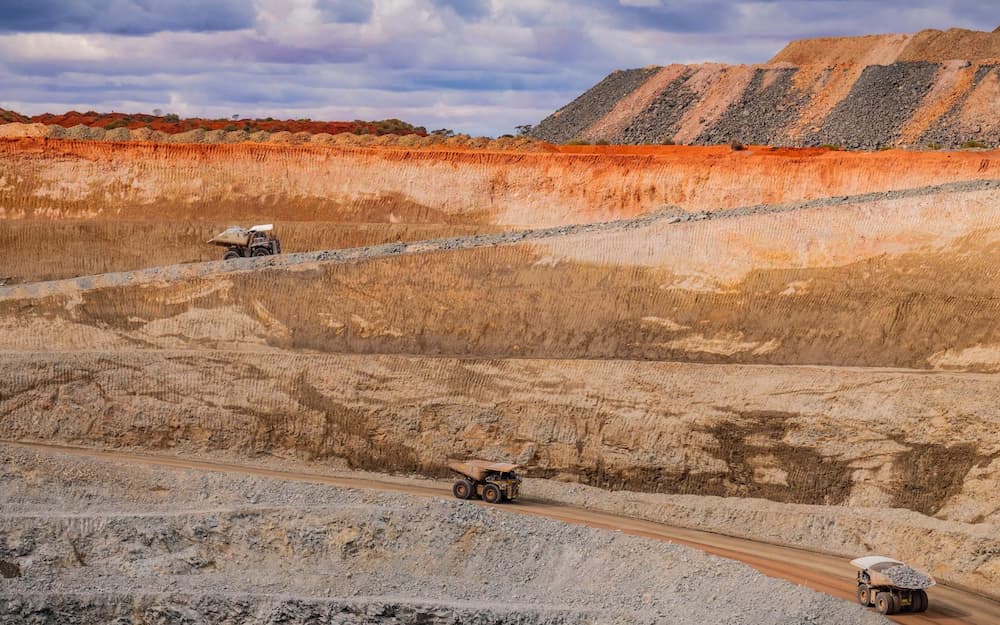
Top 10 Mining Companies in Ghana
- Newmont Ghana Gold Ltd
- Flagship Mine: Ahafo and Akyem Mines
- Parent Company: Newmont Corporation (USA)
- Operations: Large-scale open-pit mining
- Significance: Newmont is the largest gold producer in Ghana, with state-of-the-art sustainability practices and community engagement programs.
Newmont’s Ahafo and Akyem mines are among the most productive in West Africa, combining high-grade reserves with responsible mining standards.
- Gold Fields Ghana Ltd
- Flagship Mine: Tarkwa and Damang Mines
- Parent Company: Gold Fields Limited (South Africa)
- Operations: Open-pit mining and heap leach technology
- Significance: A major contributor to Ghana’s gold exports and employment.
Gold Fields Ghana is committed to long-term investment in the region and has established significant social development projects in the Western Region.
- AngloGold Ashanti (Ghana) Ltd
- Flagship Mine: Obuasi Gold Mine
- Parent Company: AngloGold Ashanti Limited (South Africa)
- Operations: Underground mining
- Significance: Operates one of Ghana’s oldest and most iconic mines.
After a temporary closure, the Obuasi Mine was modernized and reopened in 2019, now operating as a high-tech underground gold mine with international safety standards.
- Asanko Gold Ghana Ltd
- Flagship Mine: Asanko Gold Mine (in partnership with Gold Fields)
- Parent Company: Galiano Gold (Canada)
- Operations: Open-pit mining
- Significance: Known for consistent output and strong financial performance.
Asanko is an example of successful Canadian-African mining partnerships, leveraging joint ventures for operational efficiency and scalability.
- Chirano Gold Mines Ltd
- Flagship Mine: Chirano Gold Mine (Western North Region)
- Parent Company: Asante Gold Corporation (Canada) [acquired from Kinross in 2022]
- Operations: Underground and open-pit mining
- Significance: A key regional employer with robust exploration upside.
Asante Gold’s acquisition of Chirano has strengthened its footprint in Ghana and increased its production portfolio.
- Perseus Mining (Ghana) Ltd
- Flagship Mine: Edikan Gold Mine
- Parent Company: Perseus Mining Limited (Australia)
- Operations: Open-pit mining
- Significance: A solid mid-tier gold producer with regional growth plans.
Perseus has earned a reputation for efficient project development and is expanding into Côte d’Ivoire alongside its Ghanaian operations.
- Cardinal Namdini Mining Ltd
- Flagship Project: Namdini Gold Project (Northern Ghana)
- Parent Company: Shandong Gold Mining (China)
- Operations: Large-scale development project
- Significance: One of Ghana’s largest undeveloped gold resources.
With feasibility studies completed, the Namdini project is expected to bring new production to northern Ghana, opening opportunities in underexplored regions.
- Adamus Resources Ltd
- Flagship Mine: Nzema Gold Mine (Western Region)
- Parent Company: Nguvu Mining (recent acquirer)
- Operations: Open-pit mining
- Significance: Previously operated by Endeavour Mining; strategically located near the coast for efficient logistics.
Adamus has potential for expansion through adjacent license areas and infrastructure upgrades.
- Xtra-Gold Resources Corp.
- Flagship Project: Kibi Gold Belt
- Parent Company: Xtra-Gold Resources Corp. (Canada)
- Operations: Exploration-stage
- Significance: Focused on discovering and developing new gold resources in Ghana’s Eastern Region.
Xtra-Gold is targeting junior mining success through aggressive exploration in highly prospective areas.
- BCM International Ltd
- Business Model: Mining contractor and mine owner
- Operations: Ghana and other West African countries
- Significance: One of Africa’s largest contract mining and civil earthworks companies.
BCM operates both as a contractor for large firms and as an independent mine developer, giving it a unique hybrid position in the industry.
Steps to consider when choosing a gold mining company in Ghana
- Verify the Company’s Licensing & Registration
Why it matters: Gold trading and mining in Ghana are heavily regulated. Working with an unlicensed entity can lead to legal complications or fraud.
- Check with the Minerals Commission of Ghana to ensure the company is:
- Legally registered
- Holds a valid mining lease or gold export license
- Ask for their GRA (Ghana Revenue Authority) and GIPC (Ghana Investment Promotion Centre) registrations.
NOTE. Use the Minerals Commission’s online portal or visit their office to verify.
- Assess the Company’s Reputation & Track Record
Why it matters: A well-established gold company will have a strong record of safe operations, on-time deliveries, and regulatory compliance.
- Search for reviews and testimonials
- Look at how long they’ve been in operation
- Check for legal disputes, export violations, or community issues
- Review recent partnerships or deals with international buyers
Note: Reputable companies often have relationships with LBMA-accredited refineries and global logistics providers.
- Evaluate Operational Transparency
Why it matters: Trust and security are critical when dealing with precious metals.
Ask:
- Is the company willing to show their mine site, refinery, or export facility?
- Do they provide assay reports, gold bar serial numbers, and export certificates?
- Can they explain their sourcing (e.g., from large-scale vs. small-scale producers)?
Avoid any firm that resists providing documentation or insists on cash-only deals.
- Review Their Pricing, Terms, and Payment Security
Why it matters: Pricing structures should be clear and reflect international gold benchmarks (e.g., LBMA spot prices).
- Are they offering realistic prices, or does it sound “too good to be true”?
- Do they use secure escrow, LC (Letter of Credit), or bank-to-bank transfers?
- Are there any hidden charges (shipping, assay, taxes)?
Only deal with firms that offer written contracts and secure payment structures.
- Confirm Export Capability and Compliance
Why it matters: Only licensed exporters can ship gold from Ghana legally.
- Do they have an export license from the Minerals Commission?
- Can they show past exports, airway bills, or customs clearance documents?
- Are they linked to an authorized refinery like Asap Vasa or Gold Coast Refinery?
A compliant company should easily prove how it ships gold to clients legally and safely.
NOTE. Visit or Appoint a Local Agent
If you’re a foreign investor or buyer, consider:
- Visiting Ghana to inspect the operation in person
- Working with a licensed local consultant, lawyer, or gold agent who knows the regulations
Gold Production by Major Mining Companies in Ghana
Ghana’s position as Africa’s largest gold producer is supported by some of the continent’s most advanced mining operations, including large-scale open-pit mines, underground gold projects, and modern processing facilities. The country’s leading mining companies contribute the majority of Ghana’s annual gold output through high-capacity operations located across major mining regions such as the Ashanti, Western, and Northern regions.
Annual production levels can change depending on several operational factors, including ore grades, mine expansion projects, processing capacity, underground development activities, and market conditions. However, companies such as Newmont Ghana, Gold Fields Ghana, AngloGold Ashanti, Asante Gold, Shandong Gold, Perseus Mining, and Galiano Gold remain among the largest contributors to Ghana’s gold production.
Major Gold Producers and Estimated Annual Output in Ghana
| Mining Company | Main Mining Operations | Estimated Annual Gold Production | Key Highlights |
| Newmont Ghana | Ahafo South, Ahafo North, Akyem | 750,000 – 1,000,000+ ounces | One of Ghana’s largest gold producers. The Ahafo operations remain a major contributor, while Ahafo North expansion strengthens future production capacity. |
| Gold Fields Ghana | Tarkwa, Damang | 500,000 – 650,000+ ounces | Operates some of West Africa’s largest open-pit gold mines. Tarkwa is recognized for its long operating history and large-scale production capacity. |
| AngloGold Ashanti | Obuasi Gold Mine | 300,000 – 375,000+ ounces | Obuasi is one of the world’s most significant high-grade underground gold deposits and continues to expand production through modernization. |
| Asante Gold Corporation | Bibiani, Chirano | 350,000 – 400,000 ounces | A rapidly growing Ghanaian gold producer operating two established mining assets with strong expansion potential. |
| Shandong Gold | Namdini Gold Project | 280,000 – 350,000 ounces | A major modern open-pit mining project in Northern Ghana designed to become one of the country’s important gold operations. |
| Perseus Mining | Edikan Gold Mine | 180,000 – 220,000 ounces | Operates a long-life gold mining complex with established processing infrastructure and consistent production history. |
| Galiano Gold | Asanko Gold Mine | 140,000 – 170,000 ounces | Operates a major open-pit mining operation through a joint venture structure with strong regional importance. |
Production figures are estimates and may change annually depending on operational performance, mining conditions, ore grades, expansion projects, and processing results.
Key Factors Driving Ghana’s Gold Production Growth
Newmont Ghana’s Expanding Production Leadership
Newmont Ghana remains one of the most important contributors to Ghana’s gold industry. The company’s Ahafo South Mine has produced millions of ounces of gold since commercial operations began and continues to benefit from investment in technology, mine development, and processing improvements. The expansion of Ahafo North is expected to further strengthen Ghana’s long-term gold production capacity.
AngloGold Ashanti’s Obuasi Underground Revival
The Obuasi Gold Mine is one of Ghana’s most famous mining assets, with a history spanning more than a century. After major redevelopment investments, the underground operation has returned to modern production standards, focusing on extracting high-grade ore through advanced underground mining methods.
Asante Gold’s Rapid Expansion
Asante Gold has become one of Ghana’s fastest-growing gold producers following its acquisition and development of major assets including Bibiani and Chirano. The company’s strategy focuses on improving operational efficiency, increasing production, and extending mine life through exploration and resource development.
Growth of Northern Ghana Mining Projects
The development of projects such as Shandong Gold’s Namdini Mine highlights the increasing importance of Northern Ghana as an emerging gold-producing region. These new investments are expected to diversify Ghana’s mining landscape and create additional employment and economic opportunities.
Why Ghana’s Gold Production Matters to International Buyers
Ghana’s large-scale mining sector provides a significant portion of Africa’s gold supply and supports a global network of refiners, bullion traders, and investment markets. Understanding the country’s leading producers helps buyers evaluate the strength, reliability, and origin of African gold supply.
Gold Dealers Africa Limited works with verified African gold suppliers and supports qualified buyers seeking professionally sourced gold products through transparent sourcing channels, purity verification, export documentation assistance, and secure international logistics.
For investors, bullion traders, and businesses looking to understand African gold markets, Ghana’s mining companies remain key players in connecting the continent’s gold resources with international markets.
Gold Mining in Ghana: History, Laws & Economic Impact
How Ghana Became Africa’s Gold Powerhouse – and What You Need to Know About Its Mining Laws
A Rich Legacy: The History of Gold Mining in Ghana
Ghana, formerly known as the Gold Coast, has a gold mining legacy that stretches back over 1,000 years. Indigenous communities in ancient Ghana were extracting gold from riverbeds and surface deposits well before European colonization. By the 15th century, Ghana’s gold wealth attracted Portuguese traders, and later, the British established colonial control under the name “Gold Coast,” a direct reference to the region’s prolific mineral wealth.
In 1957, Ghana became the first African nation to gain independence. Since then, the country has continued to develop a modern mining industry, with both large-scale mining companies and artisanal and small-scale miners (ASMs) contributing significantly to national output.
Today, Ghana is:
- Africa’s gold producer
- Gold producer globally (as of 2024)
- A hub for both exploration and full-scale production
Ghana Mining Laws: Legal Framework for the Gold Industry
Legal and Regulatory Framework for Gold Mining in Ghana
Ghana’s gold mining industry operates under a comprehensive legal framework designed to regulate mineral exploration, extraction, environmental protection, revenue collection, and responsible investment. The main legislation governing the sector is the Minerals and Mining Act, 2006 (Act 703), together with subsequent amendments and supporting regulations.
Under Ghana’s Constitution, all minerals found in their natural state belong to the Republic of Ghana. Mineral ownership is vested in the President on behalf of the Ghanaian people, and companies must obtain the appropriate licenses and approvals before conducting exploration, mining, or gold export activities.
A clear understanding of Ghana’s mining regulations is essential for investors, mining companies, and international gold buyers seeking to participate in the country’s gold supply chain.
Key Mining Regulations and Requirements
Mining Licenses and Permits
Mining companies operating in Ghana must obtain official licenses from the relevant government authorities before beginning operations. Large-scale mining leases are available to both Ghanaian and foreign-owned companies that meet regulatory requirements, demonstrate technical capacity, and comply with environmental and financial obligations.
However, Ghana reserves small-scale and artisanal mining licenses exclusively for Ghanaian citizens under national mining laws. This policy aims to ensure that local communities benefit directly from Ghana’s mineral resources while promoting responsible small-scale mining practices.
Gold Royalties and Government Revenue
Mining companies in Ghana are required to contribute to national revenue through mineral royalties. Large-scale mining operators typically pay a 5% royalty on gross mineral revenue to the Government of Ghana.
These payments provide funding for national development programs and contribute to government revenue alongside corporate taxes, employee income taxes, and other mining-related payments.
Local Content and Ghanaian Participation Requirements
Ghana places strong emphasis on local participation in the mining sector through the Minerals and Mining (Local Content and Local Participation) Regulations, 2020 (L.I. 2431).
These regulations require mining companies to increase Ghanaian participation by:
- Developing plans to employ and train Ghanaian professionals.
- Increasing local workforce participation over time.
- Purchasing approved goods and services from Ghanaian suppliers.
- Supporting the development of local mining-related businesses.
Large-scale mining companies are also encouraged to strengthen Ghanaian ownership participation and contribute to the growth of the domestic mining supply chain.
Land Access and Community Compensation
Mining companies must work with local communities and landowners before beginning operations. Companies are required to negotiate access to surface rights, provide appropriate compensation where applicable, and maintain constructive relationships with communities affected by mining activities.
Responsible mining practices include consultation with traditional authorities, community engagement programs, and agreements that support local development.
Environmental Protection Requirements
Environmental responsibility is a major requirement for mining operations in Ghana. Before mine development begins, companies must complete environmental assessments and obtain approval from regulatory authorities.
Mining companies are required to:
- Conduct Environmental Impact Assessments (EIAs).
- Obtain environmental permits before construction and production.
- Implement land rehabilitation and mine closure plans.
- Manage water, waste, and ecological impacts responsibly.
These measures ensure that mining activities balance economic benefits with environmental protection.
Key Institutions Regulating Ghana’s Gold Industry
Several government agencies oversee Ghana’s mining sector and ensure compliance with national laws and international standards.
Minerals Commission
The Minerals Commission of Ghana is the primary regulatory body responsible for managing mineral resources. It oversees mining licenses, investment approvals, compliance monitoring, and implementation of mining policies.
Environmental Protection Agency (EPA)
The Environmental Protection Agency regulates environmental standards for mining companies. It reviews environmental impact assessments, issues permits, and monitors compliance with environmental protection requirements.
Ghana Geological Survey Authority (GGSA)
The Ghana Geological Survey Authority provides geological information and research data that supports mineral exploration, resource mapping, and mining development.
Bank of Ghana and Ghana Gold Board (GoldBod)
The Bank of Ghana and Ghana’s gold regulatory institutions play important roles in maintaining oversight of the formal gold trade, including gold purchasing programs, assaying standards, and export-related processes.
Economic Impact of Gold Mining in Ghana
Gold is one of Ghana’s most important economic sectors and remains the country’s leading source of foreign exchange earnings. The mining industry supports government revenue, employment creation, infrastructure development, and international trade.
Gold Export Revenue and Trade Importance
Gold exports represent a major share of Ghana’s export earnings, helping strengthen foreign currency reserves and supporting economic stability. High global gold prices and increased production from major mining companies have continued to drive strong export performance.
Contribution to GDP and Government Revenue
The mining and quarrying sector contributes significantly to Ghana’s economy through:
- Corporate taxes paid by mining companies.
- Mineral royalties.
- Employee income taxes.
- Dividends from government participation.
- Payments to local suppliers and contractors.
Gold mining remains one of the largest contributors to Ghana’s formal economy.
Employment and Local Economic Development
The gold sector creates thousands of direct and indirect employment opportunities across mining regions. Large-scale mining companies employ skilled workers, engineers, contractors, suppliers, and service providers, while supporting additional livelihoods through local business activities.
The industry also contributes to the formalization of small-scale and artisanal mining activities through improved regulation, training, and responsible sourcing programs.
Community Development and Social Investment
Mining companies in Ghana contribute to local development through Community Development Agreements (CDAs) and corporate social responsibility programs.
These initiatives commonly support:
- Construction of roads and community infrastructure.
- Healthcare facilities and medical programs.
- Schools and educational support.
- Clean water and sanitation projects.
- Vocational training and skills development.
- Agricultural support and local business development.
Through responsible investment and community partnerships, Ghana’s gold mining industry continues to play a major role in economic growth while creating opportunities for communities located near mining operations.
For international buyers and investors, understanding Ghana’s regulatory environment provides greater confidence when evaluating African gold supply chains. Gold Dealers Africa Limited supports qualified buyers by connecting them with verified African gold suppliers while emphasizing documentation, purity verification, responsible sourcing, and compliance with applicable export requirements.
Major Gold Mining Companies Operating in Ghana
Ghana’s mining success is driven by both international companies and strong local participation. Here are some of the top gold mining companies in Ghana:
| Company | Key Mines | Ownership |
| Newmont Ghana | Ahafo, Akyem | USA-based (Newmont Corp.) |
| Gold Fields Ghana | Tarkwa, Damang | South Africa |
| AngloGold Ashanti Ghana | Obuasi | South Africa |
| Asanko Gold | Asanko Mine | JV: Canada & South Africa |
| Chirano Gold Mines | Chirano | Canada (Asante Gold) |
| Perseus Mining Ghana | Edikan | Australia |
| Cardinal Namdini | Namdini Project | China (Shandong Gold) |
Challenges in the Sector
Despite its growth, Ghana’s mining sector faces challenges:
- Illegal (galamsey) mining: Environmental degradation and revenue loss
- Land disputes with local communities
- Fluctuating gold prices are affecting royalties and investment
- Smuggling of gold to neighboring countries and a lack of traceability
The government has taken steps to address these, including:
- Deployment of military task forces to combat illegal mining
- Establishment of a gold traceability system
- Support for legal artisanal miners through cooperatives and equipment leasing
Ghana’s Global Role in Gold Trade
Ghana exports gold primarily to:
- United Arab Emirates (UAE)
- Switzerland
- India
- South Africa
The country is now investing in local refining capacity, with facilities like:
- Gold Coast Refinery
- Asap Vasa Refinery
- Sahara Royal Gold Refinery
These aim to increase in-country value addition and reduce the export of raw gold.
How to Invest in Gold Mining in Ghana (2026 Guide)
Explore Gold Investment Opportunities, Leading Mining Companies, and Ghana’s Mining Regulations
Ghana is one of Africa’s most attractive destinations for gold mining investment and has established itself as the continent’s leading gold producer. The country offers significant opportunities for investors due to its rich mineral resources, long history of commercial mining, stable mining institutions, skilled workforce, and well-developed infrastructure supporting the gold industry.
Investing in Ghana’s gold sector provides exposure to one of the world’s most important gold-producing regions. Opportunities exist across large-scale mining companies, exploration projects, mining service businesses, gold processing facilities, and partnerships within the broader gold supply chain.
Why Invest in Gold Mining in Ghana?
Ghana’s gold industry is supported by a strong regulatory framework, including the Minerals and Mining Act, 2006 (Act 703), which provides clear guidelines for mineral exploration, licensing, ownership, and mining operations. The country welcomes qualified local and international investors while maintaining strict requirements for environmental protection, responsible mining, and compliance with government regulations.
As Africa’s largest gold producer, Ghana benefits from extensive gold reserves, established mining regions, and the presence of globally recognized mining companies such as Newmont Ghana, Gold Fields Ghana, AngloGold Ashanti, Asante Gold, and Perseus Mining. These companies operate some of the continent’s most productive gold mines and continue to invest in exploration, technology, and production expansion.
Ghana’s gold sector also provides investment opportunities beyond mining itself. Investors can participate through mining company shares, exploration projects, mining equipment supply, gold processing services, logistics, and partnerships with licensed gold trading companies.
Recent production growth has strengthened Ghana’s position in global gold markets. The country produced more than 4 million ounces of gold in recent years, generating billions of dollars in export revenue and reinforcing gold’s role as one of Ghana’s most important contributors to foreign exchange earnings and economic development.
For international investors, Ghana offers a combination of natural resource wealth, established mining expertise, government oversight, and access to global gold markets. However, successful investment requires careful due diligence, understanding of licensing requirements, verification of partners, and compliance with Ghana’s mining and export regulations.
Gold Dealers Africa Limited supports qualified investors and buyers interested in African gold opportunities by connecting them with verified suppliers, providing sourcing guidance, supporting documentation requirements, and facilitating secure gold trading processes across Africa.
Legal & Regulatory Framework for Gold Mining Investment in Ghana
Minerals and Mining Act, 2006 (Act 703) – Core Legal Reference
This act governs all mining activities and provides clear pathways for investment in exploration, production, and processing.
Key Provisions for Investors:
- 100% foreign ownership permitted for large-scale mining companies
- Ghanaian-only licensing for small-scale mining
- Mining leases available for up to 30 years (renewable)
- Mandatory local content in procurement, employment, and subcontracting
- 5% royalty on gross revenue
- Corporate tax: 35% standard for mining firms
Licensing Bodies:
- Minerals Commission. Grants licenses, monitors compliance
- Ghana Investment Promotion Centre (GIPC). Facilitates FDI
- Environmental Protection Agency (EPA). Approves environmental permits
Ways to Invest in Ghana’s Gold Sector
- 1. Direct Equity in Mining Companies
Invest directly in companies with operations in Ghana, either privately or through stock exchanges.
- Publicly Traded Mining Stocks (Ghana-Focused)
Some of the top gold mining companies with Ghana operations are listed on:
- Toronto Stock Exchange (TSX)
- New York Stock Exchange (NYSE)
- Australian Securities Exchange (ASX)
- Ghana Stock Exchange (GSE) – limited listings
Top Public Mining Companies Operating in Ghana
For investors seeking exposure to Ghana’s gold sector, several internationally listed mining companies provide opportunities to participate in one of Africa’s most important gold markets. These companies operate some of Ghana’s largest mines and are listed on major global stock exchanges, allowing institutional investors, funds, and individual shareholders to gain indirect exposure to Ghanaian gold production.
Publicly traded mining companies offer investors access to gold through equity ownership rather than direct ownership of physical gold. Their performance is influenced by factors such as gold prices, production levels, operating costs, mineral reserves, exploration success, regulatory conditions, and overall market performance.
Listed Gold Producers Operating in Ghana
| Company | Main Stock Exchange(s) | Major Ghana Mining Assets | Approximate Market Capitalization | Company Profile and Investment Focus |
| Newmont Corporation | NYSE: NEM | Ahafo Mine, Akyem Mine | ~$95B – $98B | One of the world’s largest gold producers with major tier-one mining assets. Newmont’s Ghana operations contribute significant annual gold production through large-scale, highly developed mining facilities. |
| AngloGold Ashanti | NYSE: AU / JSE | Obuasi Gold Mine | ~$39B – $40B | A global gold producer known for its high-grade underground mining expertise. The Obuasi operation remains one of Ghana’s most important gold assets following extensive redevelopment and modernization. |
| Gold Fields Limited | NYSE: GFI / JSE | Tarkwa Mine, Damang Mine | ~$28B – $30B | One of Ghana’s largest mining operators with extensive open-pit experience. Gold Fields focuses on efficient production, mine-life extension, and operational excellence at its Ghanaian assets. |
| Shandong Gold Mining | SSE: 600547 / HKEX | Namdini Gold Project | ~$18B – $19B (Parent Company) | A major Chinese gold producer developing the Namdini project in Northern Ghana. The operation represents a significant investment in Ghana’s expanding northern gold mining region. |
| Perseus Mining Limited | ASX: PRU / TSX | Edikan Gold Mine | ~$4.5B – $4.8B | A growing West African gold producer operating multiple mining assets. Perseus focuses on production growth, operational efficiency, and long-term value creation. |
| Asante Gold Corporation | CSE: ASE / GSE: ASG | Chirano Mine, Bibiani Mine | ~$450M – $500M | A Ghana-focused mining company expanding production through the development and optimization of established gold assets. |
| Galiano Gold Inc. | TSX: GLO / NYSE American | Asanko Gold Mine | ~$300M – $350M | A mid-tier gold producer operating the Asanko Gold Mine, focusing on responsible production, exploration, and extending the life of its Ghanaian operations. |
Why Investors Track Ghana’s Listed Gold Companies
Ghana’s publicly listed mining companies attract global attention because they combine access to significant gold resources with established operating experience. Investors often monitor these companies for:
- Gold production growth: Higher production can increase company revenues when gold prices remain strong.
- Mineral reserves and exploration success: New discoveries can extend mine life and increase future value.
- Operational efficiency: Lower production costs can improve profitability.
- Gold price exposure: Higher international gold prices generally support stronger mining company earnings.
- Dividend potential: Some established producers return profits to shareholders through dividends.
Risks Investors Should Consider
Although Ghana’s gold industry offers significant opportunities, investing in mining companies carries risks. Share prices may be affected by:
- Changes in global gold prices.
- Rising energy and operating costs.
- Currency fluctuations.
- Regulatory changes.
- Environmental and community obligations.
- Delays in mine expansion or development projects.
Investors should conduct independent research and seek professional financial advice before purchasing mining company shares.
Market capitalizations and company valuations change frequently based on gold prices, stock market conditions, company performance, and broader economic factors. Investors should confirm current financial information through official company reports and regulated financial sources.
Gold Dealers Africa Limited provides market information and gold sourcing support for qualified buyers interested in African gold markets, helping clients understand supply networks, verification requirements, and responsible gold trading practices.
Private Investment & Joint Ventures
For those looking to invest directly into exploration, processing plants, or small-scale mining, Ghana offers:
- Joint venture options with local operators
- Partnership schemes through the GIPC and the Minerals Commission
- Industrial parks like the Integrated Iron & Steel Development Corporation
You can also invest in:
- Gold buying and export businesses
- Refining and smelting operations
- Mining services and equipment supply
Investment Risks to Consider
Like any resource-based investment, Ghana’s mining sector has its share of risks. Here’s what to keep in mind:
| Risk | Mitigation |
| Gold price volatility | Hedge with futures/options or diversify geographically |
| Political or regulatory shifts | Ghana has strong legal continuity, but it always monitors policy |
| Illegal mining (galamsey) | Focus on regulated zones and partner with licensed operators |
| Land disputes & community unrest | Prioritize ESG and stakeholder engagement |
Ghana remains one of the most stable mining environments in Africa, with strong institutional oversight and clear dispute resolution channels.
Taxation & Repatriation of Profits
Ghana allows full repatriation of:
- Capital
- Profits
- Dividends
- Royalties
Standard corporate taxes for mining companies:
- 35% corporate income tax
- 5% royalty on gross gold sales
- Withholding taxes on foreign remittances (typically 8%–15%)
Tax incentives are available for:
- Greenfield exploration projects
- Investments in value-added processing (e.g., gold refining)
- Export-oriented businesses registered with the GIPC
Local Refining & Value Addition
Ghana is increasing local gold value addition with licensed refineries such as:
- Asap Vasa Refinery
- Gold Coast Refinery
- Sahara Royal Gold Refinery
These open up further investment options in:
- Refining joint ventures
- Bullion trade
- Export licensing services
Jobs in the Ghana Mining Sector: Top Employers & Salaries
Explore Career Opportunities, Salary Expectations, and How to Apply in Ghana’s Thriving Gold Mining Industry
Why Work in Ghana’s Mining Sector?
Ghana’s mining industry is a pillar of the national economy and a major source of employment, offering well-paying jobs across engineering, geology, metallurgy, safety, logistics, and finance. With over 300,000 direct and indirect jobs tied to the sector, mining in Ghana is a top career destination for both graduates and skilled professionals.
Ghana Gold Board (GoldBod) and the Future of Gold Trading in Ghana
The establishment of the Ghana Gold Board (GoldBod) represents a major transformation in Ghana’s gold trading ecosystem, creating a more centralized, transparent, and regulated framework for the buying, assaying, refining, and export of gold produced by artisanal and small-scale mining (ASM) operators.
Established under the Ghana Gold Board Act (Act 1140), GoldBod serves as the government-backed institution responsible for strengthening oversight of Ghana’s gold supply chain, improving traceability, increasing foreign exchange transparency, and ensuring that locally produced gold enters international markets through approved channels.
For international gold buyers, investors, and bullion traders, understanding GoldBod’s role is essential because it changes how gold from Ghana is legally sourced, verified, and exported.
How the GoldBod Supply Chain Works
Ghana’s formal gold supply chain follows a structured process designed to improve transparency and accountability:
Artisanal and Small-Scale Mining (ASM Operations)
⬇️
Ghana Gold Board (GoldBod) – Buying, Assaying, Verification & Traceability
⬇️
Approved Local Refineries and Licensed Export Channels
⬇️
International Gold Markets and Institutional Buyers
This structure helps ensure that gold entering global markets has a documented origin, verified quality, and compliance records.
Key Pillars of the GoldBod Market Reform
1. Centralized Gold Trading and Licensing System
One of the major objectives of GoldBod is to create a more organized gold trading environment by bringing licensed buyers, aggregators, and exporters under a unified regulatory framework.
Previously, Ghana’s artisanal and small-scale mining sector involved multiple layers of local buyers and intermediaries. GoldBod introduces stronger oversight by requiring participants in the formal gold supply chain to operate under approved licenses and regulatory supervision.
This approach helps:
- Reduce illegal gold trading activities.
- Improve government monitoring of gold flows.
- Increase transparency in gold purchases.
- Ensure foreign exchange earnings are captured through official channels.
For international buyers, this means working only with properly authorized entities is critical when sourcing Ghanaian gold.
2. Mine-to-Export Gold Traceability
A key focus of GoldBod is improving the traceability of Ghana’s gold supply chain. Modern international markets increasingly require buyers to understand where gold originates, how it was processed, and whether it meets responsible sourcing standards.
Through improved verification systems, gold can be tracked from mining communities through approved buying channels, assaying facilities, refineries, and export processes.
This provides international buyers with greater confidence regarding:
- Gold origin verification.
- Purity confirmation.
- Responsible sourcing practices.
- Compliance with international market requirements.
Traceability is especially important for buyers operating in markets such as Europe, the United States, and Asia, where responsible sourcing standards continue to become stricter.
3. Responsible Gold Sourcing and Environmental Compliance
GoldBod supports Ghana’s efforts to promote responsible mining practices and reduce risks associated with informal gold trading.
The regulated gold supply chain aims to encourage:
- Compliance with environmental regulations.
- Reduction of illegal mining activities.
- Better monitoring of mining practices.
- Protection against child labor and unsafe mining conditions.
- Proper payment of government royalties and taxes.
Responsible sourcing has become a major requirement for global bullion markets, and buyers increasingly seek gold that meets environmental, social, and governance (ESG) expectations.
4. Domestic Refining and Value Addition
A major objective of Ghana’s gold sector reforms is increasing domestic value addition by encouraging more gold processing and refining activities within the country.
Instead of exporting unprocessed gold, Ghana aims to strengthen local refining capacity, create additional employment opportunities, and retain more economic value from its mineral resources.
Domestic refining supports:
- Improved quality control.
- Professional assaying standards.
- Local job creation.
- Greater participation in the global gold value chain.
For international buyers, refined gold with proper certification provides greater confidence regarding purity, documentation, and market acceptance.
What GoldBod Means for International Gold Buyers and Investors
For foreign investors, bullion traders, and gold buyers, the introduction of GoldBod highlights the importance of conducting proper due diligence before entering Ghana’s gold market.
International buyers should ensure that they:
- Purchase gold through legally authorized channels.
- Work with verified suppliers and licensed partners.
- Confirm export documentation requirements.
- Obtain independent purity verification.
- Follow applicable import regulations in their destination country.
The Ghanaian gold market continues to offer significant opportunities due to the country’s large production capacity, established mining industry, and global reputation as a major gold producer. However, successful transactions depend on compliance, transparency, and working with reputable partners.
Gold Dealers Africa Limited supports qualified international buyers by connecting them with verified African gold supply networks, assisting with sourcing procedures, documentation requirements, purity verification, and secure international gold trading processes.
By combining responsible sourcing practices with professional supply chain management, Gold Dealers Africa Limited helps buyers navigate Africa’s evolving gold market while building confidence in every transaction.
Top Mining Companies Hiring in Ghana (2026)
Ghana’s mining sector remains one of the country’s largest employers, creating thousands of direct and indirect job opportunities across gold mining, engineering, geology, environmental management, equipment operations, logistics, processing, and mining support services.
With Ghana maintaining its position as Africa’s leading gold producer, major mining companies continue to invest in new projects, mine expansions, exploration activities, and workforce development programs. These companies provide opportunities for experienced mining professionals, graduates, technical workers, contractors, and local suppliers seeking careers in the mining industry.
The following mining companies are among the leading employers in Ghana’s mining sector in 2026:
| Company | Major Mining Sites | Employment & Career Opportunities |
| Newmont Ghana | Ahafo Mine, Akyem Mine, Ahafo North Project | One of Ghana’s largest mining employers, offering opportunities in engineering, geology, mining operations, environmental management, finance, safety, and technical services. |
| Gold Fields Ghana | Tarkwa Mine, Damang Mine | Employs across large-scale open-pit mining operations, including mining engineering, heavy equipment operation, processing, maintenance, and graduate training programs. |
| AngloGold Ashanti Ghana | Obuasi Gold Mine | Offers opportunities in underground mining, geology, metallurgy, engineering, health and safety, and mine development at one of Ghana’s most historic gold operations. |
| Asante Gold Corporation | Chirano Mine, Bibiani Mine | A growing gold producer creating jobs in mining operations, processing, exploration, administration, and technical services. |
| Perseus Mining Ghana | Edikan Gold Mine | Provides employment opportunities in production mining, maintenance, processing plants, environmental management, and skilled trades. |
| Cardinal Namdini Mining / Shandong Gold | Namdini Gold Project | One of Ghana’s major new mining developments, creating opportunities in construction, mining operations, equipment maintenance, processing, and support services. |
| Adamus Resources | Nzema Gold Mine | Provides jobs in gold production, plant operations, maintenance, environmental management, and community development programs. |
| Golden Star Resources | Wassa Gold Mine | Offers careers in underground and surface mining, geology, engineering, processing, and mine support functions. |
| Ghana Manganese Company | Nsuta Manganese Mine | Creates opportunities in mining operations, geology, transportation, processing, and mineral export activities beyond gold production. |
| Rocksure International | Multiple Mining Sites Across Ghana | A major Ghanaian mining services company providing employment in mining contracting, equipment operations, civil works, blasting, and technical services. |
Most In-Demand Mining Jobs in Ghana (2026)
Mining companies in Ghana regularly recruit professionals and skilled workers in areas such as:
- Mining engineers.
- Geological engineers and exploration geologists.
- Underground and open-pit mining operators.
- Heavy equipment operators.
- Metallurgists and mineral processing specialists.
- Electrical and mechanical technicians.
- Environmental officers.
- Health and safety professionals.
- Surveyors and laboratory technicians.
- Logistics and supply chain specialists.
There is also increasing demand for professionals with expertise in automation, digital mining technology, environmental sustainability, and responsible mining practices.
Graduate Training and Internship Opportunities
Many leading mining companies in Ghana operate graduate trainee programs, internships, and apprenticeship opportunities designed to develop local talent.
These programs provide young professionals with practical experience in:
- Mine operations.
- Mineral processing.
- Engineering projects.
- Safety management.
- Environmental monitoring.
- Leadership development.
Students and graduates interested in mining careers should regularly monitor official company career portals and recruitment announcements.
How to Apply for Mining Jobs in Ghana
Applicants should apply directly through official company websites, verified recruitment platforms, or authorized recruitment channels. Candidates should prepare:
- Updated curriculum vitae (CV).
- Academic certificates and professional qualifications.
- Relevant mining experience.
- Safety certifications where applicable.
- Technical skills documentation.
Job seekers should avoid recruitment scams and never pay unofficial agents promising guaranteed mining employment.
Gold Dealers Africa Limited provides information about Africa’s gold industry, mining companies, and supply networks while supporting international buyers seeking reliable and transparent gold sourcing opportunities across the continent.
Types of Mining Jobs in Ghana
| Category | Roles |
| Engineering & Technical | Mine Engineers, Mechanical Engineers, Plant Supervisors |
| Geology & Surveying | Exploration Geologists, GIS Analysts, Core Samplers |
| Safety & Environment | HSE Officers, Environmental Scientists, Reclamation Officers |
| Operations & Logistics | Blasting Supervisors, Equipment Operators, Supply Chain Managers |
| Finance & Admin | Accountants, HR Officers, Procurement Officers |
| Skilled Trades | Electricians, Welders, Mechanics, Drivers |
Many companies also offer:
- Graduate trainee programs
- Internships for university students
- Scholarships and local apprenticeship programs
Key Gold Refineries in Ghana
Ghana has invested in domestic refining capacity to capture more value before export. The major licensed refineries are: top 10 gold mining companies in Ghana
| Refinery Name | Location | Capacity | Notes |
| Asap Vasa Co. Ltd | Tema | 5 tons/day | Established 2015; LBMA-accredited assay lab |
| Gold Coast Refinery Ltd | Accra–East Legon | 3 tons/day | |
| Sahara Royal Gold Refinery Ltd | Accra–Airport | 2 tons/day | 2 tons/day Focuses on small-scale miner aggregates
|
Leveraging these facilities helps Ghana shift from exporting raw dore to higher‐value refined bars, boosting domestic processing and job creation.
Export Statistics & Top Trade Partners
Ghana’s gold export sector has experienced significant growth, strengthening the country’s position as Africa’s leading gold producer and one of the world’s important gold trading hubs. According to official Bank of Ghana trade data, gold export revenues reached a historic US$20.0 billion, increasing significantly from previous years and accounting for approximately 64.3% of Ghana’s total merchandise export earnings of US$31.1 billion.
The strong export performance was driven by several key factors, including record international gold prices, increased production from large-scale mining companies, improved formalization of artisanal and small-scale mining (ASM) gold flows, and stronger government oversight through the Ghana Gold Board (GoldBod).
Ghana Gold Export Revenue Growth (2023–2026)
Ghana’s gold export revenue has continued to strengthen into 2026, supported by elevated international gold prices, increased mining output, improved regulatory oversight, and the formalization of gold trading channels through government-backed initiatives. Gold remains Ghana’s most valuable export commodity, generating significant foreign exchange earnings and supporting economic growth.
| Year | Gold Export Revenue (US$ Billions) | Market Overview |
| 2023 | US$7.6 billion | Gold remained Ghana’s leading export product, supported by large-scale mining operations, international bullion demand, and established export markets. |
| 2024 | US$10.3 billion | Export earnings increased as global gold prices strengthened, mining production improved, and demand from international buyers remained strong. |
| 2025 | US$20.0 billion | Ghana recorded a significant rise in gold export revenue, driven by record gold prices, higher export values, increased production, and improved formalization of gold supply chains. |
| 2026 | Continued Strong Growth | Ghana’s gold sector remains a major contributor to national revenue, supported by expanding refining capacity, stronger traceability systems, and sustained global demand for African gold. |
Ghana Gold Export Revenue Trend
2023 → US$7.6 Billion
⬇️
2024 → US$10.3 Billion
⬇️
2025 → US$20.0 Billion
⬇️
2026 → Sustained Growth and Market Expansion
The continued growth of Ghana’s gold exports highlights the strategic importance of gold to the country’s economy. The sector plays a central role in generating foreign exchange, supporting government revenue, attracting international investment, and strengthening Ghana’s position as Africa’s leading gold-producing nation.
Ghana’s gold exports reach international markets through two main supply channels:
Large-Scale Mining (LSM) Gold:
Gold produced by major mining companies is typically exported through established international refining networks, including accredited refineries in Switzerland and South Africa, where gold is further processed to meet global bullion standards.
Artisanal and Small-Scale Mining (ASM) Gold:
Gold produced by licensed small-scale miners is increasingly moving through formal channels under Ghana’s regulatory framework, with major trading destinations including the United Arab Emirates, India, and other global bullion markets.
Key Gold Export Destinations from Ghana
| Destination Country | Main Gold Products | Estimated Export Share | Market Importance |
| United Arab Emirates (UAE) | ASM gold, doré bars, bullion shipments | 25% – 30% | Dubai remains one of the world’s leading gold trading centres through platforms such as the Dubai Multi Commodities Centre (DMCC), connecting African gold suppliers with international buyers. |
| India | Gold doré and refined gold bars | 18% – 22% | Strong jewellery demand makes India one of the largest global gold consumers, with major refiners and bullion traders supporting imports. |
| Switzerland | Refined large-scale mining bullion | 14% – 18% | Switzerland hosts some of the world’s largest precious metals refineries, including facilities serving institutional gold markets. |
| South Africa | Gold doré and regional refining flows | 4% – 8% | South Africa remains an important regional refining and trading centre through established precious metals infrastructure. |
| Other International Markets | Refined gold bars and bullion products | 10% – 15% | Growing trade connections include markets in the United Kingdom, Turkey, and major Asian precious metals centres. |
Key Insights for Gold Traders and International Buyers
Increased Formalization of Artisanal Gold Trade
The development of the Ghana Gold Board (GoldBod) has transformed Ghana’s artisanal gold trading environment by increasing government oversight, improving gold traceability, and encouraging transactions through licensed channels.
The move toward formal gold purchasing and assaying systems helps reduce informal trading risks while providing international buyers with greater confidence regarding gold origin, documentation, and compliance.
Growth of Domestic Gold Refining Capacity
Ghana is increasing its focus on domestic value addition by expanding local refining capacity. The growth of modern refining facilities allows more gold to be processed within Ghana before export rather than relying entirely on overseas refining centres.
Local refining supports:
- Higher-value gold exports.
- Improved purity verification.
- Greater transparency in the supply chain.
- Additional employment opportunities.
- Increased participation in global bullion markets.
Ghana’s Role in the Global Gold Supply Chain
As gold production and export systems continue to develop, Ghana remains a critical source of African gold for international markets. The combination of large-scale mining operations, formalized small-scale mining, improved regulation, and expanding refining infrastructure positions Ghana as a strategic supplier for global gold buyers.
Gold Dealers Africa Limited supports qualified international buyers by providing access to verified African gold supply networks, professional sourcing assistance, documentation support, purity verification coordination, and secure gold trading solutions.
Export Regulations & Licensing
Exporting gold from Ghana requires strict compliance under the Minerals and Mining Act, 2006 (Act 703) and related regulations:
- Registration & Licensing
- All exporters must register with the Minerals Commission and obtain an Export License.
- Small-scale miners export only through designated primary dealers.
- Assaying & Permits
- Gold must be assayed at an LBMA-accredited facility (e.g., Asap Vasa assay lab).
- A Certificate of Assay is submitted with the export application.
- Customs Clearance
- Exporters present the Assay Certificate to the Ghana Revenue Authority (GRA) for duty and tax assessment.
- The Bank of Ghana issues a Gold Export Permit to ensure foreign exchange repatriation.
- Traceability & AML
- Recent reforms mandate a gold traceability system, capturing origin data to combat smuggling.
- Exports must comply with anti-money-laundering (AML) and know-your-customer (KYC) requirements.
Main Export Routes
- Air Freight:
- Kotoka International Airport (Accra) handles most refined‐bar shipments under secure vault operations.
- Sea Freight (limited):
- Bulk dore bars may transit via Takoradi Port, though this is less common due to security considerations.
Secure transport corridors pass through police and military escorts, especially for artisanal gold aggregated in regional collection centers.
Companies with Direct Export Access
The following licensed entities both mine and export gold directly:
- Newmont Ghana Gold Ltd (Ahafo, Akyem)
- Gold Fields Ghana Ltd (Tarkwa, Damang)
- AngloGold Ashanti Ghana Ltd (Obuasi)
- Perseus Mining Ghana Ltd (Edikan)
- Asante Gold Corporation (Chirano, Bibiani)
These firms leverage their in-house refineries and assay labs to streamline export workflows and maximize margins.
Conclusion
Ghana’s gold mining industry remains one of the most dynamic and profitable sectors in Africa, driven by the strength of the top 10 gold mining companies in Ghana. From globally recognized leaders like Newmont Ghana and AngloGold Ashanti to rapidly expanding firms such as Asante Gold and Cardinal Namdini, these companies are not only increasing gold production but also fueling economic growth, job creation, and foreign investment.
Whether you’re looking to invest in gold mining in Ghana, find career opportunities in the mining sector, or understand which gold mining companies are most active in 2025, this guide offers valuable insights into Ghana’s key players. As the country continues to modernize its mining laws and boost local refining and export capacity, these companies are set to remain central to Ghana’s status as a top gold exporter in West Africa.
Frequently Asked Questions (FAQs) – Top 10 Gold Mining Companies in Ghana
1. Who are the top 10 gold mining companies in Ghana in 2026?
Ghana’s leading gold mining companies include some of the world’s largest mining corporations as well as fast-growing regional producers. The top companies shaping Ghana’s gold industry are:
- Newmont Ghana Gold Ltd – Operator of the Ahafo and Akyem mines and one of Ghana’s largest gold producers.
- Gold Fields Ghana Ltd – Owner and operator of the Tarkwa and Damang gold mining operations.
- AngloGold Ashanti Ghana – Operator of the historic Obuasi Gold Mine.
- Asante Gold Corporation – A rapidly expanding producer operating the Bibiani and Chirano mines.
- Perseus Mining Ghana Ltd – Operator of the Edikan Gold Mine in the Central Region.
- Cardinal Namdini Mining Ltd (Shandong Gold) – Developer and operator of the Namdini Gold Project.
- Golden Star Resources – Operator of the Wassa Gold Mine.
- Adamus Resources Ltd – Owner of the Nzema Gold Mine operation.
- Chirano Gold Mines Ltd (Asante Gold) – A major producing mine now operated by Asante Gold.
- Rocksure International – A leading Ghanaian mining services company involved in mine development and contracting.
Together, these companies represent a significant portion of Ghana’s gold production, investment activity, employment opportunities, and contribution to the national economy.
2. Which company is the largest gold producer in Ghana?
Newmont Ghana Gold Ltd is considered one of Ghana’s largest gold producers, operating major assets including the Ahafo Mine, Ahafo North Project, and Akyem Mine. These operations have consistently contributed some of the highest gold production volumes in Ghana, with combined annual output capacity reaching approximately 750,000 to over 1 million ounces depending on operational conditions.
Newmont’s large-scale operations, advanced mining technology, and long-term investment in Ghana have made it one of the country’s most important gold mining companies.
3. Where are the top gold mining companies in Ghana located?
Most of Ghana’s major gold mining companies operate within the country’s most mineral-rich regions, including:
- Ashanti Region: Home to the famous Obuasi Gold Mine operated by AngloGold Ashanti.
- Western Region: Hosts major operations such as Tarkwa, Damang, Nzema, and Wassa.
- Ahafo Region: Contains Newmont’s Ahafo mining operations around Kenyasi.
- Bono Region: Supports mining activities connected to major gold deposits.
- Upper East Region: Location of the large-scale Namdini Gold Project.
These regions form part of Ghana’s major gold belts, which contain some of West Africa’s most productive mineral deposits.
4. Are these gold mining companies involved in both mining and gold export?
Yes. Large-scale mining companies operating in Ghana are licensed to produce gold and export their output through approved regulatory channels. Companies such as Newmont Ghana, Gold Fields Ghana, and AngloGold Ashanti operate under Ghana’s mining laws and export requirements, ensuring that gold production follows government-approved procedures.
Export activities involve proper documentation, official verification, refining arrangements, and compliance with Ghana’s mineral export regulations.
5. Which Ghana gold mining companies are publicly traded?
Several major mining companies operating in Ghana are listed on international stock exchanges, allowing investors worldwide to participate in the gold sector.
Examples include:
- Newmont Corporation (NYSE: NEM) – One of the world’s largest gold producers.
- AngloGold Ashanti (NYSE: AU / JSE: ANG) – Global mining company operating Obuasi.
- Gold Fields Limited (NYSE: GFI / JSE: GFI) – Owner of Tarkwa and Damang mines.
- Asante Gold Corporation (CSE: ASE) – Ghana-focused gold producer.
- Perseus Mining Limited (ASX: PRU) – West African gold producer operating Edikan.
Investors should evaluate company performance, financial reports, operational risks, and market conditions before investing.
6. What is the most famous gold mine in Ghana?
The Obuasi Gold Mine, operated by AngloGold Ashanti, is Ghana’s most historic and internationally recognized gold mine. Located in the Ashanti Region, Obuasi has produced gold for more than a century and remains one of Africa’s most significant high-grade underground mining operations.
The mine represents Ghana’s long mining heritage and continues to play an important role in the country’s gold production industry.
7. Which company owns the Tarkwa and Damang gold mines?
Gold Fields Ghana Ltd owns and operates the Tarkwa and Damang gold mines located in Ghana’s Western Region.
The Tarkwa Mine is one of West Africa’s largest open-pit gold mining operations, while Damang is a major producing asset with a long history of commercial gold production.
8. What are the top exploration and development-stage gold companies in Ghana?
Ghana continues to attract exploration companies searching for new gold deposits. Some notable exploration and development projects include:
- Cardinal Namdini Mining Ltd / Shandong Gold – Developing the Namdini Gold Project in northern Ghana.
- Pelangio Exploration Inc. – Conducting exploration activities in Ghana.
- Cassius Mining Ltd – Advancing gold exploration opportunities.
These companies contribute to future gold supply by identifying and developing new mineral resources.
9. Are foreign investors allowed to invest in Ghana’s gold mining companies?
Yes. Ghana allows foreign investment in the mining sector through established legal frameworks, including regulations administered under the Ghana Investment Promotion Centre (GIPC) and the Minerals Commission.
International investors can participate through:
- Shares in publicly listed mining companies.
- Joint ventures.
- Mining service partnerships.
- Exploration investments.
Foreign participation has played an important role in developing Ghana’s modern mining industry.
10. What role does Rocksure International play in Ghana’s mining sector?
Rocksure International is one of Ghana’s leading indigenous mining service companies. The company provides mining support services including mine development, drilling, blasting, equipment operations, and project execution.
Rocksure supports large-scale mining operations and demonstrates the growing role of Ghanaian-owned companies within the country’s mineral industry.
11. Do Ghana’s major gold mining companies practice responsible mining?
Yes. Most large-scale mining companies operating in Ghana follow international environmental, social, and governance (ESG) standards. Their sustainability programs focus on:
- Environmental rehabilitation.
- Responsible water management.
- Community development.
- Local employment.
- Health and safety improvements.
- Support for surrounding communities.
Mining companies also work with Ghanaian regulators to comply with environmental and operational requirements.
12. How many people are employed by Ghana’s top mining companies?
Ghana’s major mining companies directly employ tens of thousands of workers across mining operations, processing plants, engineering, administration, and support services.
Collectively, the top mining companies provide more than 35,000 direct jobs, while supporting many additional indirect employment opportunities through contractors, suppliers, transport companies, and local businesses.
13. Which company acquired Chirano Gold Mine?
Asante Gold Corporation acquired the Chirano Gold Mine from Kinross Gold Corporation in 2022.
The acquisition strengthened Asante Gold’s position in Ghana’s mining sector by adding Chirano to its existing Bibiani Gold Mine operations.
14. What types of jobs are available at Ghana’s top mining companies?
Mining companies in Ghana offer a wide range of career opportunities, including:
- Mining engineers.
- Health, Safety and Environment (HSE) officers.
- Heavy equipment operators.
- Mechanical and electrical technicians.
- Human resource professionals.
- Laboratory technicians.
- Environmental specialists.
- Procurement and logistics officers.
Both technical and non-technical roles are available depending on company requirements and qualifications.
15. How can I apply for jobs with top gold mining companies in Ghana?
Applicants should apply through official company career websites, verified recruitment platforms, and professional networks such as LinkedIn.
Candidates should prepare:
- Updated CV.
- Academic certificates.
- Professional qualifications.
- Relevant work experience.
- Safety certifications where required.
Applicants should also be cautious of recruitment scams and avoid paying unauthorized individuals promising guaranteed mining jobs.
16. Why is Ghana attractive to international mining investors?
Ghana remains attractive to investors because of its:
- Long history of gold production.
- Large mineral reserves.
- Established mining regulations.
- Skilled workforce.
- Strong geological potential.
- Access to international gold markets.
The country continues to be one of Africa’s leading destinations for gold exploration, mining investment, and responsible mineral development.