
How to Buy Gold in Malawi | (Step-by-Step Purchasing Guide)
Looking to buy gold in Malawi safely and legally? Gold Dealers Africa Limited helps international and local investors source genuine 24K gold bars, gold nuggets, and investment-grade bullion from trusted and verified suppliers across Africa, including Malawi. Our team assists with supplier verification, purity testing, export documentation, secure logistics, and international delivery, ensuring every transaction complies with applicable mining and export regulations. Contact Gold Dealers Africa Limited today to receive verified quotations, current gold prices, and professional guidance on purchasing gold from Malawi with confidence.
Malawi is steadily emerging as one of Southern Africa’s promising gold-producing nations. Although traditionally known for agriculture, the country’s artisanal and small-scale mining (ASM) sector has expanded significantly over the past decade, creating new opportunities for gold production and investment. Gold mining activities are concentrated in areas such as Lilongwe, Mzimba, Kasungu, Nkhotakota, Balaka, and Mangochi, where licensed miners and cooperatives are increasing production. The Malawian government has strengthened oversight of the mining sector through updated licensing procedures, improved mineral governance, and efforts to formalize artisanal mining, making the market more transparent for legitimate buyers.
The growing interest in Malawi’s gold industry comes at a time when global demand for physical gold continues to reach record levels. According to the World Gold Council, central banks purchased over 1,000 tonnes of gold annually in recent years, while investors continue to increase allocations to physical bullion as a hedge against inflation, currency fluctuations, and geopolitical uncertainty. Gold remains one of the world’s most trusted safe-haven assets, attracting institutional investors, wealth managers, jewelry manufacturers, and private buyers seeking long-term value preservation. This sustained global demand has created favorable market conditions for sourcing responsibly mined African gold.
Buying gold in Malawi, however, requires understanding the country’s legal framework. Investors should only purchase from licensed gold dealers, registered mining companies, or authorized mineral traders operating under Malawi’s mining regulations. Legitimate transactions typically involve verifying the seller’s license, confirming gold purity through professional testing methods such as X-Ray Fluorescence (XRF) analysis, reviewing ownership documentation, and ensuring that all export permits and customs requirements are properly completed before international shipment. Working with experienced companies such as Gold Dealers Africa Limited significantly reduces the risks associated with counterfeit gold, illegal middlemen, and incomplete export documentation.
Current market conditions present attractive opportunities for investors looking to diversify their precious metals portfolio. Malawi’s expanding artisanal mining sector, improved regulatory environment, and growing international interest in responsibly sourced African gold have increased the availability of investment-grade gold products. At the same time, ongoing infrastructure development and government initiatives to formalize mining operations are expected to strengthen the country’s position within Southern Africa’s gold supply chain in the coming years.
In this comprehensive guide, you will learn how to buy gold in Malawi step by step, where to find trusted and licensed gold dealers, how to verify gold authenticity, the legal requirements for purchasing and exporting gold, current gold prices, payment methods, common scams to avoid, taxes and documentation, and expert tips for safely importing Malawian gold into countries such as the United States, United Kingdom, Canada, Europe, the UAE, and Asia. Whether you are purchasing your first gold bar or sourcing bulk quantities for investment or commercial purposes, this guide provides the information needed to make informed, secure, and compliant buying decisions.
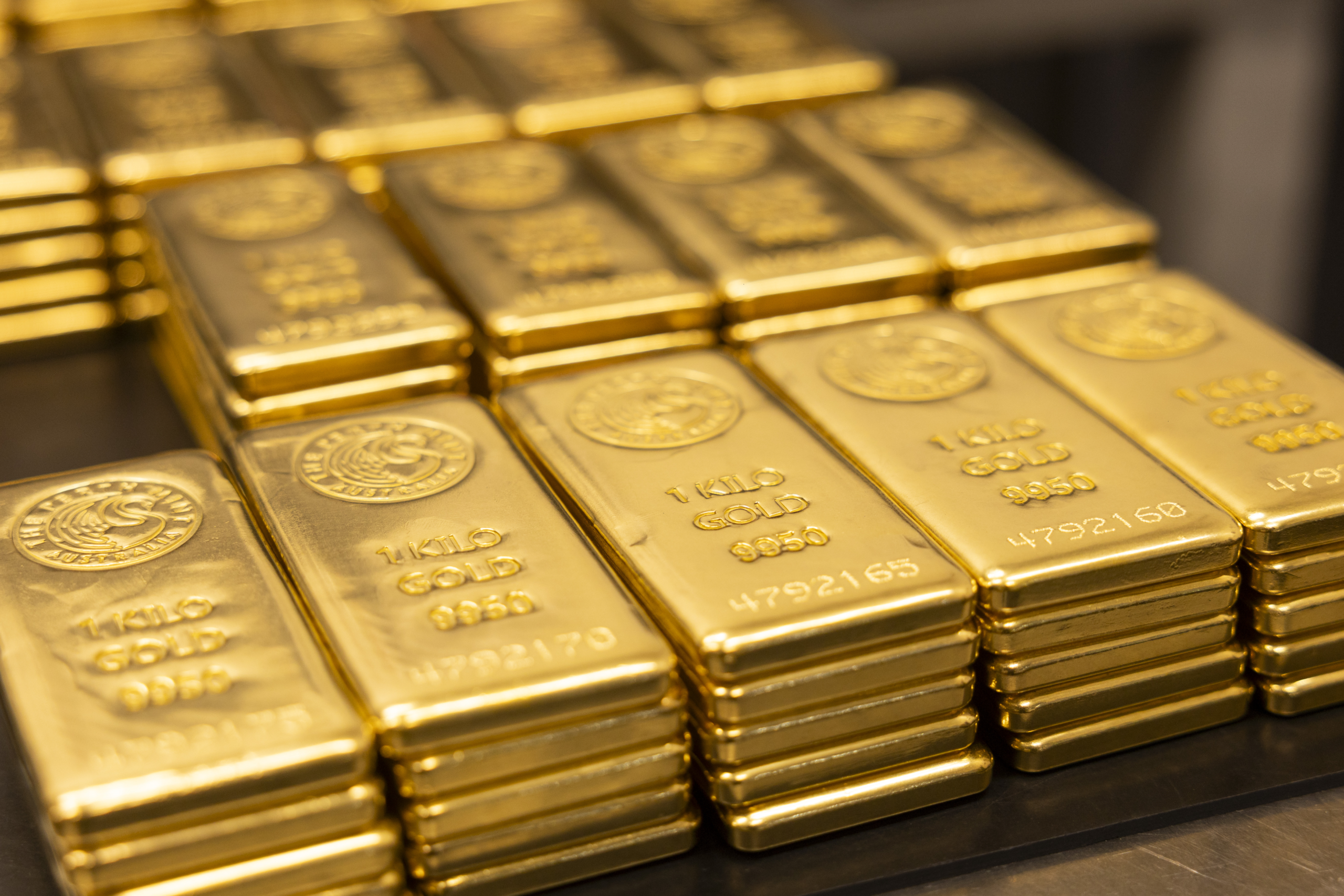
Why Buy Gold in Malawi?
Malawi is becoming an increasingly attractive destination for gold investors seeking new opportunities in Africa’s expanding precious metals market. While countries such as Ghana, South Africa, and Tanzania have long dominated African gold production, Malawi is rapidly developing its mining sector through increased exploration, formalization of artisanal mining, and government reforms aimed at attracting both domestic and foreign investment. The country’s relatively untapped mineral resources, improving regulatory environment, and strategic location within Southern Africa position it as an emerging source of investment-grade gold.
For investors, Malawi offers the opportunity to purchase gold at competitive prices while accessing a market with significant long-term growth potential. As global demand for physical gold continues to increase, many buyers are beginning to diversify their sourcing beyond traditional producing countries and are considering Malawi as part of their procurement strategy.
CURRENT GOLD PRICES IN MALAWI
Using your specified benchmark of $141.00/g for 24K gold and 1 USD = MWK 1,734, here are the corrected prices. I’ve calculated 22K at 91.67% and 18K at 75% purity.
24K Gold — 99.9% Purity
| Weight | USD | MWK |
|---|---|---|
| 1 g | $141.00 | MWK 244,494 |
| 5 g | $705.00 | MWK 1,222,470 |
| 10 g | $1,410.00 | MWK 2,444,940 |
| 50 g | $7,050.00 | MWK 12,224,700 |
| 100 g | $14,100.00 | MWK 24,449,400 |
| 500 g | $70,500.00 | MWK 122,247,000 |
| 1 kg | $141,000.00 | MWK 244,494,000 |
22K Gold — 91.67% Purity
| Weight | USD | MWK |
|---|---|---|
| 1 g | $129.25 | MWK 224,120 |
| 5 g | $646.25 | MWK 1,120,600 |
| 10 g | $1,292.50 | MWK 2,241,200 |
| 50 g | $6,462.50 | MWK 11,206,000 |
| 100 g | $12,925.00 | MWK 22,412,000 |
| 500 g | $64,625.00 | MWK 112,060,000 |
| 1 kg | $129,250.00 | MWK 224,120,000 |
18K Gold — 75% Purity
| Weight | USD | MWK |
|---|---|---|
| 1 g | $105.75 | MWK 183,371 |
| 5 g | $528.75 | MWK 916,854 |
| 10 g | $1,057.50 | MWK 1,833,708 |
| 50 g | $5,287.50 | MWK 9,168,525 |
| 100 g | $10,575.00 | MWK 18,337,050 |
| 500 g | $52,875.00 | MWK 91,685,250 |
| 1 kg | $105,750.00 | MWK 183,370,500 |
Benchmark used: $141.00 per gram for 24K × 1,734 MWK/USD.
These are indicative metal-value calculations, not guaranteed Malawi dealer/retail prices. Actual prices can differ because of premiums, assay/refining, fabrication, transport, taxes, and exchange-rate spreads.
Malawi’s Growing Gold Mining Industry
Although Malawi is not yet among Africa’s largest gold producers, its mining industry has experienced steady growth over the past decade. Gold production is driven primarily by artisanal and small-scale mining (ASM), with ongoing exploration indicating significant untapped mineral potential across the country. Government initiatives to formalize mining operations, improve licensing systems, and encourage responsible mineral development have strengthened confidence in Malawi’s mining sector.
Several regions have become important centers for gold exploration and production, including:
- Lilongwe District – Small-scale gold mining and exploration projects.
- Mzimba District – Known for alluvial gold deposits and artisanal mining activities.
- Kasungu District – Active exploration with increasing investor interest.
- Nkhotakota District – Gold-bearing rivers supporting artisanal production.
- Mangochi District – Emerging gold occurrences attracting exploration.
- Balaka District – Small-scale mining and geological surveys indicating mineral potential.
The Malawian government continues to encourage responsible mining through improved regulation under the Ministry responsible for Mining and the implementation of mining reforms designed to increase transparency and attract foreign investment. As more miners obtain legal licenses and modern mining techniques are adopted, annual gold production is expected to continue growing over the coming years.
For investors, this expanding production creates opportunities to establish relationships with licensed miners, registered dealers, and mineral exporters before the market becomes more competitive.
Why Investors Are Looking at Malawi
Malawi has attracted growing attention from gold investors because it represents an emerging market with significant room for expansion. Unlike mature mining jurisdictions where competition for supply is intense, Malawi still offers opportunities to source gold through developing supply chains supported by government efforts to formalize the mining sector.
One of Malawi’s advantages is its relatively lower operating costs compared with several larger African mining jurisdictions. Lower labor and operational expenses can contribute to competitive pricing for locally sourced gold when purchased through licensed dealers.
International exploration companies have also increased geological surveys across Malawi, identifying promising mineral belts that may support future commercial mining projects. As exploration expands, production volumes are expected to increase, creating additional opportunities for investors and bullion buyers.
Malawi’s mineral exports continue to grow as the government works to strengthen mining regulations, improve export procedures, and encourage value addition within the mining industry. Better infrastructure, improved licensing systems, and stronger oversight are helping increase international confidence in Malawian minerals.
Growing global demand for responsibly sourced African gold has also placed Malawi on the radar of international investors. Buyers from the United States, United Kingdom, Canada, Europe, the United Arab Emirates, India, and China are increasingly exploring emerging African markets to diversify their gold supply and secure long-term sourcing relationships.
Benefits of Buying Gold in Malawi
Purchasing gold from Malawi offers several advantages for investors seeking both wealth preservation and portfolio growth.
Investment Hedge Against Economic Uncertainty
Gold has historically maintained its value during periods of financial instability, making it one of the world’s most trusted safe-haven assets. Investors often increase gold holdings during inflationary periods, economic downturns, or geopolitical uncertainty.
Protection Against Inflation
Unlike many fiat currencies that lose purchasing power over time, physical gold has consistently served as a store of value. As inflation rises, gold prices often strengthen, helping investors preserve wealth over the long term.
Portfolio Diversification
Financial experts commonly recommend including precious metals within an investment portfolio to reduce overall risk. Gold typically has a low correlation with stocks and many other financial assets, making it an effective diversification tool during volatile market conditions.
Long-Term Wealth Preservation
Gold has retained purchasing power for centuries and continues to be recognized worldwide as a valuable asset. Whether purchasing 24K gold bars, bullion, or investment-grade gold, investors benefit from an internationally traded commodity with high liquidity and strong global demand.
Access to an Emerging Gold Market
Buying gold in Malawi also provides exposure to a developing mining sector with long-term growth potential. As production expands and regulatory reforms continue, investors who establish trusted sourcing relationships today may benefit from increased opportunities in the years ahead.
Need a trusted supplier? Gold Dealers Africa Limited connects buyers with verified gold dealers and licensed suppliers in Malawi and across Africa. We assist with supplier verification, gold purity testing, export documentation, secure international shipping, and compliance support, helping investors purchase authentic gold safely and confidently. Contact our team today for current gold prices and verified buying opportunities.
Is Buying Gold in Malawi Legal?
Yes. Buying gold in Malawi is legal for both Malawian citizens and foreign investors, provided the transaction complies with the country’s mining laws and regulations. Gold should only be purchased from licensed miners, registered gold dealers, or authorized exporters who operate legally under Malawi’s mining framework. Buyers are encouraged to conduct due diligence by verifying the seller’s licence, confirming the gold’s purity through an independent assay, and ensuring all required documentation is provided before completing a transaction. Purchasing through legitimate channels protects investors from fraud, illegal mining activities, and regulatory violations while ensuring the gold can be legally exported and imported into the destination country.
Malawi Mining and Minerals Act
The Mining and Minerals Act provides the legal framework governing mineral exploration, mining, trading, and exports in Malawi. The Act establishes the rules for acquiring mining rights, regulating mineral dealers, protecting mineral resources, and promoting responsible mining practices throughout the country.
Legal Ownership
Under Malawian law, mineral resources are owned and regulated by the State until they are legally extracted under a valid mining licence. Once gold has been lawfully mined and sold by an authorized miner or licensed dealer, ownership can be transferred to the buyer through a documented commercial transaction. Investors should always request proof that the gold originates from legal mining operations.
Buying Regulations
Gold purchases in Malawi should be conducted only through legally authorized businesses or individuals. Buyers should ensure that every transaction includes a commercial invoice, proof of ownership, purity certification, and any regulatory approvals required for domestic sales or exports. Conducting due diligence before payment is essential to reduce the risk of purchasing illegally sourced or counterfeit gold.
Dealer Licensing
Gold dealers and mineral traders operating in Malawi are required to obtain the appropriate licences issued by the relevant government authorities. Purchasing from licensed dealers provides greater confidence that the gold has been sourced legally and that the seller complies with Malawi’s mining and commercial regulations. Before purchasing, investors should verify the dealer’s licence, business registration, and export authorization where applicable.
Government Agencies Regulating Gold
Several government institutions regulate Malawi’s gold industry to ensure lawful mining, transparent trading, revenue collection, and compliance with export requirements.
Ministry Responsible for Mining
The Ministry responsible for Mining oversees mineral exploration, mining licences, mineral rights administration, and the implementation of Malawi’s mining laws. It regulates mining operations, promotes responsible mineral development, and supervises compliance within the gold sector.
Malawi Revenue Authority (MRA)
The Malawi Revenue Authority (MRA) administers taxes, customs duties, and other revenue related to mineral trading and exports. Gold exporters and traders must comply with applicable tax obligations and customs procedures administered by the MRA.
Reserve Bank of Malawi (RBM)
The Reserve Bank of Malawi (RBM) regulates foreign exchange transactions and oversees financial systems that facilitate international payments for gold purchases. Foreign investors should ensure that payments comply with Malawi’s foreign exchange regulations and banking requirements.
Customs Department
The Malawi Customs Department is responsible for inspecting and clearing gold exports at border points and airports. Customs officials verify export documentation, ensure compliance with national trade laws, and help prevent the illegal movement of precious minerals across international borders.
Can Foreigners Buy Gold in Malawi?
Yes. Foreign individuals, companies, bullion dealers, refiners, and institutional investors can legally purchase gold in Malawi, provided they comply with Malawian mining laws, customs regulations, and the import requirements of their destination country.
Legal Requirements
Foreign buyers should purchase gold only from licensed miners, registered mineral dealers, or authorized exporters. They should also verify the authenticity and purity of the gold, complete due diligence on the supplier, and use secure payment methods through regulated financial institutions.
Export Compliance
Gold exported from Malawi must comply with applicable export regulations, including obtaining the necessary export permits, customs clearance, and supporting approvals where required. Importers must also comply with the customs, tax, and precious metals regulations of the country receiving the shipment.
Documentation
Before purchasing or exporting gold from Malawi, buyers should ensure the following documents are available where applicable:
- Commercial Invoice
- Sales Agreement
- Gold Assay or Purity Certificate
- Export Permit or Export Authorization
- Certificate of Origin (where required)
- Customs Export Declaration
- Packing List
- Air Waybill or Shipping Documents
- Insurance Certificate for high-value shipments
Buy Gold in Malawi with Confidence: Gold Dealers Africa Limited assists international and local investors by connecting them with verified gold suppliers, arranging independent gold purity testing, conducting supplier due diligence, preparing export documentation, and coordinating secure international logistics. Contact our team today for professional assistance with buying genuine gold from Malawi safely and legally.
Types of Gold You Can Buy in Malawi
| Gold Type | Purity (Typical) | Best For | Advantages | Potential Risks / Considerations |
| 24K Gold Bars | 99.5%–99.99% Pure | Long-term investors, bullion buyers, institutions | Highest purity, internationally recognized, easy to store, high resale value, ideal for wealth preservation | Verify authenticity with an assay certificate and buy only from licensed dealers to avoid counterfeit bars or misrepresented purity. |
| Gold Nuggets | Varies (70%–98%+) | Collectors, refiners, investors | Natural form of gold, unique appearance, potential collectible value | Purity varies significantly. Nuggets should be professionally tested (e.g., XRF or fire assay) before purchase, and buyers should confirm their legal origin. |
| Gold Dore Bars | Usually 80%–95% Gold | Refineries, wholesalers, commercial buyers | Lower purchase cost than refined bullion, suitable for refining into investment-grade gold | Dore bars are not investment-grade bullion until refined. Buyers should verify composition, source, export permits, and refining costs before purchasing. |
| Gold Dust | Varies Widely | Licensed refiners and industrial buyers | Commonly available from artisanal mining operations and can be refined into pure gold | Highest fraud risk. Gold dust is frequently subject to adulteration, inaccurate purity claims, and illegal trading. Purchase only after independent laboratory testing and through licensed suppliers. |
| Investment Gold Coins | 99.9%–99.99% Pure | Individual investors and collectors | Highly liquid, internationally recognized, easy to trade, available in various sizes | Counterfeit coins exist in the market. Purchase coins from reputable dealers and verify authenticity, weight, and certification before investing. |
Where to Buy Gold in Malawi
Finding a reliable gold supplier is one of the most important steps when investing in gold in Malawi. Although the country’s gold industry is still developing, investors can purchase gold through licensed dealers, mining companies, authorized exporters, local traders, and reputable online suppliers. Regardless of the source, buyers should always verify the seller’s credentials, confirm the gold’s authenticity, and ensure the transaction complies with Malawi’s mining and export regulations.
For the safest experience, work with trusted companies such as Gold Dealers Africa Limited, which connects buyers with verified suppliers, conducts supplier due diligence, arranges independent gold purity testing, and assists with export documentation and secure international delivery.
Licensed Gold Dealers
Licensed gold dealers are generally the safest option for purchasing gold in Malawi. These businesses are authorized to buy, sell, and in some cases export gold in accordance with Malawi’s mining and commercial regulations. Purchasing from a licensed dealer significantly reduces the risk of fraud and provides buyers with greater confidence in the legality and authenticity of the transaction.
Before purchasing from any dealer, verify that they have:
- A valid mineral dealer or trading licence.
- Business registration documents.
- Gold assay or purity certificates.
- Commercial invoices and proof of legal ownership.
- Export authorization if the gold will be shipped internationally.
Licensed dealers are also more likely to provide transparent pricing based on current international gold market rates and maintain proper transaction records for regulatory compliance.
Gold Mining Companies
Some licensed gold mining companies in Malawi sell gold directly to refiners, institutional buyers, or qualified investors. Purchasing directly from a mining company can improve supply chain transparency because buyers can trace the gold closer to its source.
When buying from a mining company, investors should confirm:
- The company’s mining licence.
- Legal ownership of the gold.
- Independent purity testing.
- Production records where appropriate.
- Export eligibility for international shipments.
Direct purchases may be more suitable for commercial buyers or those seeking larger quantities of gold.
Gold Export Companies
Licensed gold export companies specialize in preparing gold for international markets. In addition to supplying gold, these companies often coordinate export permits, customs clearance, shipping documentation, insurance, and secure logistics.
Buying through an authorized exporter can simplify international transactions because the exporter is familiar with both Malawian export procedures and the import requirements of destination countries such as the United States, United Kingdom, Canada, the UAE, and Europe.
Investors should still verify that the exporter is legally authorized to export gold and request copies of all relevant documentation before completing payment.
Local Gold Traders
Local gold traders are active in many artisanal mining communities throughout Malawi and may offer competitive gold prices sourced directly from mining areas. However, transactions with informal traders generally involve greater risks than purchases through licensed dealers.
Potential risks include:
- Gold of uncertain purity or weight.
- Counterfeit or adulterated gold.
- Illegally sourced minerals.
- Missing ownership documentation.
- Lack of export authorization.
- Fraudulent payment requests.
- Difficulty resolving disputes after purchase.
If considering a purchase from a local trader, investors should conduct thorough due diligence, obtain an independent assay, verify the trader’s legal status, and avoid making payments before completing all necessary verification.
Online Gold Suppliers
Many investors now source gold through online suppliers that connect buyers with miners, dealers, refiners, and exporters across Africa. While reputable online suppliers can provide convenient access to the Malawian gold market, buyers should exercise caution before entering into any transaction.
Conduct the following due diligence before purchasing online:
- Verify the company’s business registration.
- Confirm mining or dealer licences where applicable.
- Review independent customer testimonials and references.
- Request recent gold assay or purity certificates.
- Verify export permits for international shipments.
- Confirm secure payment methods.
- Use written contracts detailing pricing, quantity, purity, delivery terms, and responsibilities.
- Arrange insured shipping through reputable logistics providers.
- Avoid suppliers requesting unusually large advance payments without verifiable documentation.
Working with an established company such as Gold Dealers Africa Limited adds an additional layer of protection. Our team performs supplier verification, independent due diligence, gold purity confirmation, export documentation review, and secure logistics coordination, helping investors purchase authentic gold from Malawi with confidence and in compliance with applicable regulations.
How to Buy Gold in Malawi Step-by-Step Guide
Buying gold in Malawi requires careful planning, legal compliance, and thorough due diligence. Whether you are purchasing a single investment-grade gold bar or sourcing large commercial quantities, following a structured buying process helps minimize risks, ensures regulatory compliance, and protects your investment. The following step-by-step guide outlines the essential stages every local and international buyer should complete before purchasing gold in Malawi.
Step 1 – Understand Current Gold Prices
Before contacting any seller, it is important to understand how gold prices are determined. Gold prices in Malawi are generally based on the London Bullion Market Association (LBMA) Gold Price, which serves as one of the world’s leading benchmarks for physical gold trading. Dealers also reference the international spot price, which reflects the current market value of gold traded globally in real time. Since international gold is priced in United States Dollars (USD), Malawian prices are typically calculated by converting the USD spot price into Malawian Kwacha (MWK) using the prevailing exchange rate, while also considering refining costs, dealer premiums, transportation expenses, taxes, and market demand.
Before making a purchase, compare prices from multiple licensed suppliers and review a live gold price table showing current prices per gram, ounce, kilogram, and common bullion bar sizes. Understanding current market prices allows buyers to recognize fair offers and avoid overpriced or suspiciously cheap gold.
Step 2 – Choose a Licensed Dealer
Selecting the right supplier is one of the most important decisions when buying gold in Malawi. Purchasing from a licensed dealer significantly reduces the risks of fraud, counterfeit gold, illegal mining activities, and incomplete export documentation. Reputable dealers operate transparently, comply with government regulations, and provide all necessary paperwork required for legal ownership and export.
Before committing to a purchase, verify that the dealer has:
- Valid business registration.
- Appropriate mining or mineral dealer licence.
- Tax registration and compliance records.
- A proven export history for international shipments.
- Positive customer reviews and industry reputation.
Working with an established company such as Gold Dealers Africa Limited can simplify this process by connecting buyers with verified suppliers that have already undergone extensive due diligence.
Step 3 – Verify Gold Purity
Never purchase gold without independently verifying its purity. Professional testing confirms that the gold matches the advertised purity and protects buyers from counterfeit or adulterated products. The most reliable testing method is X-Ray Fluorescence (XRF) analysis, which provides a fast and non-destructive measurement of the gold’s composition. For high-value commercial transactions, many refiners also use the Fire Assay method, which remains the international standard for determining precious metal purity.
Buyers should also inspect the gold for official hallmarks, refinery stamps, serial numbers, and accompanying assay certificates issued by accredited laboratories. These documents provide additional assurance that the gold meets internationally recognized quality standards.
Step 4 – Negotiate Pricing
Once the purity has been verified, negotiate the final purchase price with the supplier. The selling price is usually based on the current LBMA or spot gold price plus additional costs associated with preparing and delivering the gold. Buyers should understand every component of the quotation before agreeing to the transaction.
Pricing may include:
- Dealer premium.
- Refining or processing costs.
- Transportation and logistics charges.
- Insurance fees.
- Export and documentation costs where applicable.
Comparing quotations from multiple licensed dealers helps investors secure competitive pricing while ensuring complete transparency.
Step 5 – Sign a Purchase Agreement
A written purchase agreement protects both the buyer and the seller by clearly outlining the terms of the transaction. Never rely solely on verbal agreements when purchasing precious metals.
The agreement should specify:
- Quantity of gold being purchased.
- Gold purity and weight.
- Agreed purchase price.
- Payment method and payment schedule.
- Delivery terms and shipping arrangements.
- Responsibilities of both parties.
- Dispute resolution procedures where applicable.
A professionally prepared contract helps prevent misunderstandings and provides legal evidence if disputes arise.
Step 6 – Make Secure Payment
Payment should always be made using secure and traceable financial channels. Most reputable gold dealers accept bank wire transfers, which provide an auditable transaction record. For large international purchases, buyers often use escrow services or Letters of Credit (LCs) to protect both parties until contractual obligations have been fulfilled.
Avoid making large cash payments or transferring funds to individuals without verifying their identity, licences, and supporting documentation. Secure payment methods reduce financial risk and provide greater protection against fraud.
Step 7 – Arrange Secure Transportation
Because gold is a high-value commodity, secure transportation is essential. Investors should use experienced logistics companies that specialize in transporting precious metals and provide comprehensive insurance throughout transit.
The shipment process should include:
- Fully insured transportation.
- Secure packaging.
- Customs clearance procedures.
- Professional logistics coordination.
- Shipment tracking until delivery.
Using trusted logistics providers helps protect your investment from theft, loss, or delays during international transportation.
Step 8 – Obtain Export Documents
Before gold can legally leave Malawi, the exporter must obtain the necessary documentation required by both Malawian authorities and the destination country. Complete and accurate paperwork helps prevent customs delays and ensures compliance with international trade regulations.
Key export documents commonly include:
- Export Permit.
- Certificate of Origin.
- Gold Assay Report or Purity Certificate.
- Commercial Invoice.
- Packing List.
- Customs Export Declaration.
- Air Waybill or Shipping Documents.
- Insurance Certificate for high-value shipments.
Before finalizing any purchase, confirm that all documentation is complete and accurately reflects the gold being exported. Gold Dealers Africa Limited assists buyers throughout this process by coordinating document verification, export compliance, secure logistics, and international delivery, helping ensure every transaction is completed safely and legally.
How to Find Trusted Buyers and Sellers of Gold in Malawi
Finding a trusted gold buyer or seller in Malawi requires careful verification of licensing, business reputation, gold documentation, and compliance with government regulations. Because gold transactions involve high-value payments and strict legal requirements, buyers and sellers should work only with verified companies that can demonstrate transparency, experience, and proper documentation.
Verify Government Licensing and Business Registration
Before engaging with any gold buyer or seller in Malawi, confirm that the company is legally registered and authorized to participate in mineral trading activities. A trusted dealer should have valid business registration documents, mineral trading licences, tax registration, and official company information that can be independently verified.
Choose Experienced and Established Gold Dealers
Reliable gold buyers and sellers usually have a proven history of operating in the gold industry, with documented transactions, professional business profiles, and experience handling mineral trading procedures. Working with established companies reduces the risk of dealing with fraudulent sellers, illegal middlemen, or fake gold offers.
Confirm Gold Purity Through Independent Testing
A trusted gold seller should provide accurate proof of gold quality through professional testing methods such as XRF analysis or fire assay testing. Buyers should request assay certificates that confirm the gold’s purity, weight, and value before completing any transaction.
Check Gold Origin and Documentation
Legitimate gold suppliers should provide clear documentation showing where the gold was sourced and how it entered the legal supply chain. Important documents may include certificates of origin, purchase records, assay reports, and export documentation that demonstrate responsible sourcing.
Review Previous Export Experience
International buyers should choose gold sellers with experience in exporting minerals from Malawi. Companies with previous export history understand customs procedures, international compliance requirements, and secure logistics processes needed for successful gold shipments.
Compare Gold Prices With International Market Rates
Trusted gold buyers and sellers base their prices on international gold market benchmarks rather than unrealistic offers. Buyers should compare quoted prices with global spot gold prices and understand adjustments based on purity, weight, refining costs, and transportation expenses.
Use Secure Payment and Contract Procedures
Professional gold transactions should always be supported by written agreements, verified company bank accounts, and clear payment terms. Buyers and sellers should avoid informal arrangements and ensure that all transaction details, including quantity, purity, price, and delivery terms, are documented.
Work With Verified Gold Sourcing Companies
International investors who are unfamiliar with Malawi’s gold market can reduce risks by working with experienced gold sourcing companies that assist with supplier verification, due diligence, gold testing, export documentation, and secure delivery arrangements.
Avoid Unverified Gold Dealers and Fraudulent Offers
Gold buyers and sellers should be cautious of individuals or companies that cannot provide licences, offer prices far below market value, refuse independent testing, request unusual upfront payments, or fail to provide proper transaction documents.
Trusted Gold Dealer Verification Checklist
| Verification Requirement | Why It Matters |
| Valid mineral licence | Confirms the dealer is legally authorized to trade gold |
| Business registration | Confirms the company is a legitimate operating entity |
| Tax registration | Shows compliance with government financial requirements |
| Export history | Demonstrates experience handling legal gold shipments |
| Assay certificates | Confirms gold purity, weight, and quality |
| Company references | Helps verify reputation and previous transactions |
| Secure payment process | Protects both buyers and sellers during transactions |
Choosing trusted gold buyers and sellers in Malawi involves verifying legal documents, confirming gold authenticity, reviewing business history, and using secure transaction procedures. These steps help investors, miners, and international buyers access genuine gold while avoiding common risks associated with illegal trading and fraudulent offers.
Legal Rules When Buying Gold in Malawi
Buying gold in Malawi should be done through legitimate and properly documented channels. Buyers should verify that the seller is legally authorized to trade in gold or minerals and should request appropriate business, licensing, tax, and identification information before completing a transaction.
Buyers should also verify the legal origin of the gold. The seller should be able to explain where the gold was sourced and provide documentation supporting its provenance, particularly for larger commercial purchases. Gold with an unclear or suspicious origin should not be purchased.
Before making a significant payment, buyers should obtain an independent assay or purity test. The test should confirm the gold’s weight and fineness and, where appropriate, provide an assay certificate identifying the gold or batch being purchased.
A proper gold transaction should also have a clear paper trail. Buyers should retain the purchase agreement or invoice, seller information, assay certificate, proof of payment, weight and purity records, and any documents relating to the origin and transportation of the gold.
Large commercial transactions may also be subject to KYC and anti-money-laundering requirements. A legitimate dealer may request identification, company information, the purpose of the transaction, and information about the source of funds. Buyers should not attempt to structure payments to avoid applicable reporting or compliance requirements.
If the gold will be exported from Malawi, additional requirements may apply. A purchase agreement alone does not necessarily authorize a buyer to remove gold from the country. Exporters may need the appropriate mineral or export authorization, customs documentation, assay information, invoices, provenance records, and applicable tax or fee documentation.
Foreign buyers should be particularly careful because the rules for buying gold locally, importing gold into Malawi, and exporting gold from Malawi are not necessarily the same. Before committing significant funds, buyers should confirm the current requirements with the relevant Malawian mining and minerals authorities and the Malawi Revenue Authority.
Most importantly, buyers should avoid sellers offering gold at an unusually large discount while demanding full payment before verification, independent assay, documentation, or a formal contract. A legitimate gold transaction should provide a verifiable seller, identifiable gold, documented origin, independent testing, and a clear legal and financial trail.
Where Is Gold Found in Malawi?
Before buying gold from Malawi, investors and buyers often want to understand where gold is mined, which regions produce gold, and how the gold supply chain operates. Gold deposits in Malawi are found in several parts of the country, with exploration and small-scale mining activities occurring in different districts.
Malawi has significant mineral potential, and gold occurrences are mainly associated with alluvial deposits found in rivers and stream systems, as well as primary gold deposits located within geological formations. Most gold production has historically come from small-scale and artisanal miners, while exploration companies continue to investigate commercially viable deposits.
Understanding the origin of Malawi gold helps buyers verify supply sources, assess legitimacy, and ensure that gold is purchased through legal and traceable channels.
Gold Mining Areas in Malawi
Gold occurrences have been reported in several districts across Malawi, including Mzimba, Mangochi, Balaka, Kasungu, and Lilongwe. These areas attract exploration activities due to their mineral potential and geological characteristics.
Gold Mining in Mzimba
Mzimba District in northern Malawi is considered one of the areas with notable gold potential. Gold occurrences in the region are mainly associated with alluvial deposits found in river systems, where small-scale miners have historically recovered gold particles from sediments.
Mining activities in Mzimba involve:
- Artisanal and small-scale gold mining operations
- Exploration activities by licensed mining companies
- Gold recovery from river sediments and mineralized areas
Buyers sourcing gold from Mzimba should ensure that the material comes from legally registered miners and follows Malawi’s mineral licensing requirements.
Gold Mining in Mangochi
Mangochi District, located in southern Malawi near Lake Malawi, has also recorded gold occurrences. The area has attracted mineral exploration due to its diverse geological formations and potential mineral resources.
Gold activities in Mangochi include:
- Small-scale mining operations
- Mineral exploration projects
- Evaluation of gold-bearing areas
Gold buyers should verify documentation from suppliers operating in Mangochi to confirm legal ownership, mineral rights, and responsible sourcing practices.
Gold Mining in Balaka
Balaka District is another area associated with gold exploration and artisanal mining activities. The district’s geological environment has encouraged interest from miners and exploration companies searching for economically viable gold deposits.
Gold trading from Balaka should involve:
- Licensed mineral dealers
- Verified mining operators
- Proper gold testing procedures
- Legal documentation showing the source of the gold
Independent assay testing is important because alluvial gold can vary significantly in purity and quality.
Gold Mining in Kasungu
Kasungu District in central Malawi has mineral potential, including reported gold occurrences in certain areas. The region has attracted interest from mining stakeholders due to its geological structures and mineral exploration opportunities.
Gold activities in Kasungu involve:
- Local mining communities
- Geological surveys
- Exploration initiatives
Investors interested in Kasungu gold should work with authorized suppliers who can provide evidence of legal mining operations and mineral documentation.
Gold Mining in Lilongwe
Lilongwe District, Malawi’s capital region, has also been associated with mineral exploration activities, including investigations into gold-bearing areas.
The region benefits from:
- Improved infrastructure
- Access to government mining institutions
- Connection to mineral trading networks
However, buyers should distinguish between exploration areas and commercially producing mines, as not every reported gold occurrence represents an active mining operation.
Map of Gold Mining Areas in Malawi
A gold mining map of Malawi can help buyers and investors understand the location of major gold exploration zones.
Key gold potential areas include:
📍 Northern Region
- Mzimba District
📍 Central Region
- Kasungu District
- Lilongwe District
📍 Southern Region
- Mangochi District
- Balaka District
How Gold From Malawi Reaches Buyers
Gold sourced from Malawi typically follows a supply chain involving:
- Licensed miners – Extract gold legally from approved mining areas.
- Mineral dealers – Purchase, verify, and trade gold according to regulations.
- Assay laboratories – Test gold purity and determine value.
- Export companies – Handle documentation and international shipment.
- International buyers – Purchase verified gold through compliant channels.
Why Gold Origin Matters for Buyers
Knowing where gold comes from helps buyers:
- Confirm legal ownership of the gold
- Avoid illegally sourced minerals
- Verify supplier claims
- Meet international compliance requirements
- Build transparent sourcing relationships
When purchasing Malawi gold, always request proof of origin, licensing documents, assay certificates, and export records before completing a transaction.
Gold Buying Scams in Malawi and How to Avoid Them
Buying gold in Malawi can provide opportunities for investors and international buyers, but the market also attracts fraudulent sellers who attempt to exploit buyers through fake products, false documentation, and misleading offers. Understanding common gold scams and knowing how to verify genuine gold is essential before entering any transaction.
Trusted gold buyers and sellers should follow proper verification procedures, including checking licences, confirming documentation, testing gold purity, and working with reputable laboratories.
Common Malawi Gold Scams
Fake Gold Bars
One of the most common gold scams involves counterfeit gold bars presented as genuine investment-grade gold. Fraudsters may use gold-plated metals, mixed alloys, or fake branded bars designed to look like products from recognized refineries.
Warning signs include:
- Gold bars offered without proper documentation
- Missing serial numbers or refinery certificates
- Sellers refusing independent testing
- Prices significantly below international market rates
Before purchasing gold bars, buyers should always verify authenticity through professional testing and confirm the seller’s legal credentials.
Fake Assay Certificates
Assay certificates provide information about gold purity, weight, and quality, but fraudulent sellers may create fake reports to make low-quality gold appear genuine.
Buyers should check:
- Name and accreditation of the testing laboratory
- Certificate reference numbers
- Date of testing
- Gold weight and purity details
- Whether the laboratory can independently confirm the report
A genuine gold transaction should allow buyers to verify assay results directly with the issuing laboratory.
Unrealistic Below-Market Gold Prices
Offers that appear too good to be true are one of the biggest warning signs in gold trading. Fraudulent sellers often attract buyers by offering gold at prices far below the international gold spot price.
Common tactics include:
- Claiming urgent sales
- Offering large discounts without explanation
- Pressuring buyers to act quickly
- Promising guaranteed profits
Professional gold dealers normally price gold based on factors such as:
- Global spot gold prices
- Purity level
- Weight
- Refining costs
- Transportation and export expenses
Advance Payment Fraud
Advance payment scams occur when sellers request money upfront before providing verified gold or legal documentation. After receiving payment, fraudulent sellers may disappear or provide excuses for delays.
Buyers should protect themselves by:
- Verifying the company before payment
- Using written contracts
- Confirming gold availability
- Conducting independent inspections
- Using secure payment procedures
Avoid sending large payments to unknown individuals or unverified companies.
Fake Export Documents
Some scammers create false export permits, customs documents, or shipping papers to make illegal gold transactions appear legitimate.
Important documents to verify include:
- Export licences
- Customs documentation
- Certificates of origin
- Commercial invoices
- Assay certificates
Buyers should confirm documents with the relevant authorities or issuing institutions whenever possible.
Illegal Middlemen
Illegal brokers often operate without mineral licences and claim to have access to gold supplies from miners or government sources. They may act as intermediaries while providing false information about ownership, quantity, or legality of the gold.
Risks of dealing with unlicensed middlemen include:
- Fake gold supplies
- Missing documentation
- Legal problems
- Financial losses
Buyers should work directly with licensed mineral dealers, registered companies, mining operators, or verified sourcing partners.
How to Verify Real Gold
Before purchasing gold from Malawi, buyers should use professional verification methods to confirm authenticity, purity, and value.
XRF Testing (X-Ray Fluorescence Analysis)
XRF testing is a fast, non-destructive method used to analyze gold composition. The test identifies the percentage of gold and other metals contained in a sample.
XRF testing helps confirm:
- Gold purity level
- Presence of other metals
- Approximate karat value
- Whether the material matches seller claims
Many professional gold buyers use XRF testing as an initial verification step before completing transactions.
Fire Assay Testing
Fire assay is considered one of the most accurate methods for determining gold purity. The process analyzes the actual gold content within a sample and is commonly used by professional laboratories, refineries, and large-scale gold traders.
Fire assay results provide:
- Precise gold percentage
- Reliable valuation information
- Independent confirmation of purity
For high-value transactions, fire assay testing provides stronger assurance than visual inspection alone.
Density Testing
Density testing helps determine whether a gold item has the expected weight-to-volume ratio of genuine gold.
Because pure gold has a specific density, this method can help identify:
- Hollow items
- Gold-plated materials
- Incorrectly represented gold products
Density testing is often used alongside other verification methods for better accuracy.
Weight Verification
Accurate weighing is essential because gold value depends heavily on weight and purity.
Professional buyers should verify:
- Exact gold weight
- Measurement units (grams, ounces, kilograms)
- Calibration of weighing equipment
- Difference between gross and net gold weight
Always use certified scales during gold transactions.
Independent Laboratory Testing
For large gold purchases, buyers should use independent laboratories that are not connected to the seller. Independent verification provides an unbiased assessment of gold quality and reduces the risk of fraudulent claims.
A trusted gold transaction should involve:
- Independent purity testing
- Verified documentation
- Transparent pricing
- Clear ownership records
Gold Buyer Safety Checklist in Malawi
| Verification Step | Why It Matters |
| Confirm dealer licence | Ensures the seller is legally authorized |
| Verify company registration | Confirms the business exists |
| Test gold independently | Confirms authenticity and purity |
| Check assay certificates | Validates gold quality claims |
| Compare market prices | Prevents unrealistic deal offers |
| Review export documents | Confirms legal shipment procedures |
| Use written agreements | Protects both parties |
By understanding common gold scams in Malawi and applying professional verification methods, buyers can reduce risks and confidently purchase genuine gold through licensed and transparent channels. Proper due diligence, independent testing, and verified documentation are essential for building trust in Malawi’s gold market.