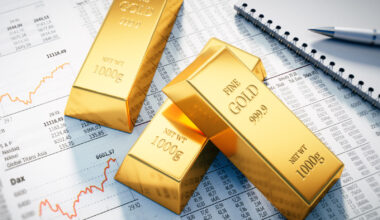
Price of Gold in Malawi (2026) | Live 24K, 22K Rates in MWK
Last Updated: 8/02/2026
The gold rate today in Malawi is MWK 225,326 per gram for 24K pure gold (99.9% purity), based on the international gold spot price converted into Malawian Kwacha (MWK). This page provides the latest 24K gold prices in Malawi per gram, ounce, and kilogram, including popular investment weights such as 1g, 5g, 10g, 50g, 100g, 500g, and 1kg gold bars for investors, traders, and buyers.
Gold prices in Malawi fluctuate throughout the day due to changes in global bullion markets, the USD/MWK exchange rate, local gold supply and demand, transportation costs, and dealer premiums. The prices displayed represent the estimated spot value of 24K investment gold before additional retail charges or dealer markups. Buyers should always confirm gold purity through professional testing and complete transactions through trusted, licensed gold dealers.
Price of Gold in Malawi 2026 | Real-Time 24K Gold Rates
Are you looking to buy gold in Malawi, sell gold, or monitor today’s gold price in Malawi Kwacha? Gold continues to be one of the world’s most valuable assets, offering investors a way to preserve wealth, diversify portfolios, and protect against inflation and currency fluctuations.
Gold Dealers Africa Limited provides reliable gold market information, updated gold price insights, and access to trusted gold trading networks across Africa. We help buyers compare 24K, 22K, and 18K gold prices, understand market trends, and make informed decisions when purchasing gold bars, nuggets, and refined bullion.
For international buyers from the USA, UK, Europe, UAE, and Asia, Gold Dealers Africa Limited guides sourcing gold responsibly through verified dealers, proper documentation, and secure trading processes. Our focus is transparency, compliance, and connecting serious buyers with reliable gold opportunities across Africa.
Check today’s gold price in Malawi, compare gold prices by weight, and contact Gold Dealers Africa Limited to connect with trusted gold dealers and make a secure gold investment decision.
Current Market Price Overview in Malawi
The current gold market in Malawi reflects a combination of global gold spot prices, the exchange rate between the US dollar and the Malawian Kwacha, and local supply-demand factors. Prices are typically:
- Influenced by International Trends. If global gold prices rise (due to inflation fears, geopolitical tensions, or currency weakness), Malawi’s gold prices follow the same upward trend.
- Adjusted for Currency Exchange Rates. Since gold is priced globally in USD, any depreciation of the Malawian Kwacha against the dollar makes gold more expensive locally.
- Affected by Local Market Conditions. Import costs, dealer premiums, and mining activity within Malawi can also impact final retail prices.
At any given time, the per gram, per ounce, and per tola rates in Malawi are aligned with the global market but adjusted for local realities, ensuring buyers and sellers have up-to-date, location-specific values.
Current 24K Gold Price in Malawi (MWK vs USD)
The table below shows the estimated value of 24K pure gold (99.9% purity) based on the current benchmark price of approximately MWK 225,326 per gram (about $129.50 per gram). Actual market prices may vary depending on international gold spot prices, USD/MWK exchange rates, dealer premiums, assay costs, and local market conditions.
| Weight | 24K Pure Gold Price (MWK) | USD Equivalent |
| 1g | MWK 225,326 | $129.50 |
| 2g | MWK 450,652 | $259.00 |
| 5g | MWK 1,126,630 | 647.50 |
| 8g | MWK 1,802,612 | $1,036.00 |
| 10g | MWK 2,253,264 | $1,295.00 |
| 12g | MWK 2,703,917 | $1,554.00 |
| 20g | MWK 4,506,520 | 2,590.00 |
| 50g | MWK 11,266,300 | $6,475.00 |
| 100g | MWK 22,532,600 | $12,950.00 |
| 250g | MWK 56,331,500 | $32,375.00 |
| 500g | MWK 112,663,000 | $64,750.00 |
| 1kg | MWK 225,326,000 | $129,500.00 |
Live 22K Gold Prices in Malawi: Gram, Tola & Bar Prices (MWK/USD)
| Weight | Price in MWK | Price in USD |
| 1g | MWK 187,500 | $110.00 |
| 2g | MWK 375,000 | $220.00 |
| 5g | MWK 937,500 | $550.00 |
| 8g | MWK 1,500,000 | $880.00 |
| 10g | MWK 1,875,000 | $1,100.00 |
| 12g | MWK 2,250,000 | $1,320.00 |
| 20g | MWK 3,750,000 | $2,200.00 |
| 50g | MWK 9,375,000 | $5,500.00 |
| 100g | MWK 18,750,000 | $11,000.00 |
| 250g | MWK 46,875,000 | $27,500.00 |
| 500g | MWK 93,750,000 | $55,000.00 |
| 1kg | MWK 187,500,000 | $110,000.00 |
Note: These figures represent a benchmark gold value calculated from a gold price of MWK 187,500 ($110) per gram. Actual retail and dealer prices in Malawi may vary depending on gold purity, assay results, market demand, dealer premiums, transportation costs, and exchange-rate movements.
Live 18K Gold Prices in Malawi (75% of 24K)
| Weight | Price in MWK | Price in USD |
|---|---|---|
| 1g | MWK 153,450 | $90.00 |
| 2g | MWK 306,900 | $180.00 |
| 5g | MWK 767,250 | $450.00 |
| 10g | MWK 1,534,500 | $900.00 |
| 20g | MWK 3,069,000 | $1,800.00 |
| 50g | MWK 7,672,500 | $4,500.00 |
| 100g | MWK 15,345,000 | $9,000.00 |
| 250g | MWK 38,362,500 | $22,500.00 |
| 500g | MWK 76,725,000 | $45,000.00 |
| 1kg | MWK 153,450,000 | $90,000.00 |
note
- Prices reflect pure 24K, 22K, and 18K gold, excluding dealer premiums, making charges, and shipping costs.
- MWK values are approximate using 1 USD = 1,705 MWK adjust according to live rates.
- Prices fluctuate daily with global gold spot prices, USD/MWK exchange rates, and local market demand.
Real-Time Exchange Rates for Malawi (MWK) – Weekly & Monthly Trends
Stay updated with the latest MWK exchange rates against major currencies. These rates impact local gold prices in Malawi and help buyers and investors make informed decisions.
| Currency Pair | Current Rate | 7-Day Change | 30-Day Change |
|---|---|---|---|
| USD/MWK | 1 USD = 1,755 MWK | ▲ +0.9% | ▲ +3.2% |
| EUR/MWK | 1 EUR = 1,910 MWK | ▲ +0.7% | ▲ +2.8% |
| GBP/MWK | 1 GBP = 2,240 MWK | ▲ +1.1% | ▲ +3.5% |
| ZAR/MWK | 1 ZAR = 97 MWK | ▼ -0.3% | ▲ +2.0% |
| KES/MWK | 1 KES = 13.1 MWK | ▼ -0.6% | ▲ +1.6% |
Notes:
- Rates are approximate and based on interbank market data.
- Exchange rates fluctuate daily due to market demand, foreign reserves, inflation, and economic conditions.
Weekly Trend (Past 7 Days)
- USD/MWK: Malawi Kwacha gradually weakened; USD gained ~0.9% over the week.
- EUR/MWK: Euro appreciated steadily, rising 0.7%.
- GBP/MWK: British Pound strengthened the most in the week, up 1.1%.
- ZAR/MWK: South African Rand dipped slightly by 0.3%.
- KES/MWK: Kenyan Shilling declined moderately by 0.6%.
Monthly Trend (Past 30 Days)
- USD/MWK: MWK lost ~3.2% against USD due to inflationary pressures and forex shortages.
- EUR/MWK: Euro gained 2.8% versus MWK.
- GBP/MWK: Pound appreciated 3.5%, the highest among major currencies.
- ZAR/MWK: Rand strengthened moderately by 2.0% over the month.
- KES/MWK: Kenyan Shilling gained 1.6% against MWK
note. Fluctuations in USD/MWK and other currency rates directly affect local gold prices. Track these rates daily to time your purchases and maximize value.
Key Factors Influencing Gold Prices Locally in Malawi
- Exchange Rates (MWK vs USD): Gold is priced globally in USD, so if the Malawi Kwacha weakens against the dollar, local gold prices increase even if international prices stay the same. For example, if USD rises from 1,700 MWK to 1,750 MWK, the MWK price of gold goes up proportionally.
- Global Gold Market Price: International gold prices, driven by supply and demand, geopolitical tensions, inflation trends, and central bank activity, directly affect Malawi’s local gold rates. When global prices rise, local prices usually follow.
- Import Costs & Taxes: Most refined gold is imported into Malawi. Shipping, insurance, and import duties add to the base cost, and changes in government tax policies can cause sudden price jumps.
- Local Demand & Supply: Gold prices can spike during festive seasons, cultural events, or when local supply is limited, as higher demand pushes prices up temporarily.
- Inflation & Economic Stability: When inflation rises or the economy shows instability, investors tend to buy gold as a safe asset, increasing demand and driving local prices higher.
- Dealer Premiums: Local jewelers and bullion dealers apply their own margins to gold prices. Premiums vary depending on competition, location (e.g., Lilongwe vs rural areas), and the type of gold (bars versus jewelry).
Gold Bars for Sale in Malawi – Available Sizes & Investment Options
Gold bars in Malawi are available in different weights to meet the needs of individual investors, collectors, businesses, and international buyers. The most suitable gold bar size depends on investment goals, budget, storage preferences, and whether the buyer is purchasing for personal wealth preservation or larger-scale trading.
| Gold Bar Weight | Gold Purity | Best For |
| 1 Gram Gold Bar | 24K (99.9%) | First-time investors, small buyers, and gifts |
| 5 Gram Gold Bar | 24K (99.9%) | Entry-level bullion investors building gold holdings |
| 10 Gram Gold Bar | 24K (99.9%) | Individual investors seeking affordable physical gold |
| 20 Gram Gold Bar | 24K (99.9%) | Medium-sized investors and wealth preservation |
| 50 Gram Gold Bar | 24K (99.9%) | Serious bullion buyers and private investors |
| 100 Gram Gold Bar | 24K (99.9%) | Long-term investors and high-value purchases |
| 250 Gram Gold Bar | 24K (99.9%) | Large private investors and commercial buyers |
| 500 Gram Gold Bar | 24K (99.9%) | Wholesale buyers and institutional investors |
| 1 Kilogram Gold Bar | 24K (99.9%) | Large investors, businesses, and international buyers |
Buying Gold Bars in Malawi
Gold bars in Malawi can be sourced through licensed gold dealers, mineral traders, and approved exporters, particularly in major trading hubs such as Lilongwe, Blantyre, Mzuzu, and Zomba. Buyers should always verify that gold bars come with proper documentation, including assay certificates, purity verification, invoices, and proof of legal ownership.
International buyers from the USA, UK, Dubai, and Europe should work with trusted gold suppliers who can assist with verification, export procedures, secure logistics, and compliance requirements.
Gold Dealers Africa Limited connects buyers with trusted gold trading networks across Africa, providing market information, dealer verification, and guidance for secure gold purchasing.
How to Interpret Price Charts & Trends in Malawi
A. Understanding Chart Types
- Line Charts. Show price movement over time (good for spotting general trends).
- Candlestick Charts. Show opening, closing, high, and low prices for a period (better for short-term trading).
- Bar Charts. Similar to candlesticks but with simpler bars.
B. Key Trend Patterns
- Uptrend. Prices making higher highs and higher lows, market bullish.
- Downtrend. Prices making lower highs and lower lows, market bearish.
- Sideways Trend. Prices moving within a range, market waiting for direction.
C. Indicators to Watch
- Moving Averages (MA). Helps smooth out short-term fluctuations.
- Example: If gold price stays above its 50-day MA, it’s generally bullish.
- Relative Strength Index (RSI). Shows if gold is overbought (>70) or oversold (<30).
- Volume. High trading volume with price movement confirms the trend’s strength.
D. Practical Interpretation for Malawi
-
- If USD/MWK is rising & gold in USD is stable, Local gold price will rise (due to currency depreciation).
- If global gold price rises & MWK is stable, Local price still rises.
How to Buy or Trade Gold in Malawi — Safely
1 Understand the Legal & Regulatory Framework
- Licensing Authority:
In Malawi, gold trading is regulated by the Ministry of Mining and monitored by the Reserve Bank of Malawi for financial compliance. - Requirements for Buyers:
- Individuals: No special license needed for small-scale purchases from licensed vendors.
- Businesses/Exporters: Must hold a Gold Trading License issued by the government.
- Export Regulations:
All gold exports must be declared to the Malawi Revenue Authority (MRA) and comply with customs rules.
Note: Avoid buying from unlicensed street dealers you risk fake gold, legal trouble, and confiscation.
Where to Buy Gold in Malawi
Location Type of Gold Available Main Gold Sources Best For Buyer Tips Lilongwe Gold bars, gold nuggets, raw gold Licensed dealers, refiners, traders International investors, wholesale buyers Verify export permits and request purity certificates before purchasing. Blantyre 24K gold bars, doré gold, nuggets Gold trading companies and private dealers Commercial buyers and exporters Buy from registered businesses with documented supply chains. Mzuzu Alluvial gold, artisanal gold Small-scale miners and cooperatives Buyers seeking locally mined gold Conduct XRF or fire assay testing before payment. Kasungu Raw gold, placer gold Artisanal mining communities Bulk raw gold buyers Confirm mining licenses and legal ownership of the gold. Ntcheu Gold nuggets and concentrates Small-scale mining operations Local traders and investors Use secure escrow or bank transfers for larger purchases. Machinga Raw gold and alluvial deposits River-based artisanal miners Gold processors Inspect the gold physically before completing the transaction. Mangochi Gold concentrates Local mining groups Regional buyers Request origin documentation and assay reports. Balaka Raw gold Independent miners Small-volume buyers Compare prices with international spot gold prices. Karonga Gold exploration material Exploration projects and local miners Long-term investors Ensure environmental and mining regulations are followed. Through Verified African Gold Dealers 24K bullion bars, doré bars, refined gold Licensed exporters across Malawi Overseas buyers from the USA, UK, Europe, UAE, and Asia Purchase only from verified exporters that provide export permits, assay certificates, invoices, and secure international shipping. Can Foreigners Buy Gold in Malawi?
Yes, foreigners, including buyers from the United Kingdom, United States, Dubai, and other international markets, can purchase gold from Malawi, but all transactions must comply with Malawi’s mining, trading, and export regulations. International buyers should work with licensed gold dealers, mineral traders, or approved exporters who are authorized to legally sell and export gold.
Foreign investors cannot simply purchase gold from informal sellers and ship it internationally. The gold must come from a verified supply chain with proper documentation proving its legal origin, ownership, and compliance with Malawi’s mineral laws.
Before purchasing gold from Malawi, foreign buyers should verify that the seller can provide essential documents, including:
- Valid mineral dealer or export license issued by the relevant Malawian authorities.
- Gold assay certificate confirming purity, weight, and quality.
- Commercial invoice showing the transaction value and seller details.
- Certificate of origin or proof of legal source confirming where the gold was obtained.
- Export permits and customs documentation required for international shipment.
- Shipping and insurance documents for secure transportation.
For buyers in the UK, USA, and Dubai, importing gold also requires compliance with the regulations of the destination country. Buyers should understand customs requirements, import declarations, reporting obligations, and any applicable taxes or documentation before arranging shipment.
Working with a trusted company such as Gold Dealers Africa Limited helps international buyers navigate the sourcing process by connecting them with verified suppliers, supporting due diligence, and ensuring that gold transactions follow responsible trading practices.
Foreign buyers interested in purchasing gold from Malawi should always complete proper verification, independent testing, and documentation checks before making payment. A transparent and compliant process protects buyers while supporting Malawi’s growing gold industry.
Gold Prices & Licensed Buyers Across Major Malawian Cities
Malawi’s gold market is steadily expanding as artisanal and small-scale mining activities increase across the country. Gold prices generally track the international spot price, with the final selling price determined by factors such as purity, weight, assay results, dealer premiums, and current market demand. Buyers should expect prices for 24K gold to fluctuate daily in line with global bullion markets.
Lilongwe, the capital city, is the country’s primary commercial hub for gold trading. Many licensed mineral dealers, exporters, and precious metals traders operate from Lilongwe, making it one of the best places for international buyers seeking 24K gold bars, doré bars, and investment-grade bullion. Reputable dealers should provide assay certificates, tax invoices, and all required export documentation.
Blantyre is Malawi’s largest business center and another important location for purchasing gold. Buyers can find registered gold trading companies offering refined gold bars, raw gold, and gold nuggets sourced from mining regions throughout the country. Businesses in Blantyre commonly serve commercial buyers, exporters, and investors looking to purchase larger quantities of gold.
Mzuzu, in northern Malawi, serves as a regional trading center for gold produced by nearby artisanal mining communities. Buyers visiting Mzuzu should work with licensed dealers and ensure that every purchase is supported by professional purity testing, such as XRF analysis or fire assay, before completing the transaction.
Kasungu is located near several small-scale mining areas where raw and alluvial gold is traded. Gold sourced from this region is typically sold through licensed buying agents and mining cooperatives. International buyers should verify the legal origin of the gold and confirm that all mining and export requirements have been met.
In Machinga and Mangochi, gold trading is primarily driven by artisanal miners and local traders who supply raw gold and gold concentrates to licensed dealers. Although these markets are smaller than Lilongwe and Blantyre, they can provide sourcing opportunities for buyers seeking locally mined gold through compliant trading channels.
Balaka and Karonga also contribute to Malawi’s growing gold sector through artisanal mining and mineral exploration projects. While commercial trading volumes remain relatively modest, buyers may find licensed dealers handling locally produced gold. As with any purchase, proper due diligence, independent assay testing, and verification of export permits are essential before making payment.
Regardless of where you purchase gold in Malawi, always work with licensed dealers who can provide proof of legal ownership, assay certificates, export permits, and complete transaction records. Following these steps helps ensure compliance with Malawian mining regulations while giving international buyers greater confidence when sourcing gold from the country.
Buying Procedure in Malawi — Step-by-Step
- Identify a Licensed Dealer: Always choose a seller registered with the Ministry of Mining to ensure authenticity and legal compliance.
- Verify Purity & Weight: Ask for an assay certificate or test the gold with a reputable jeweler to confirm purity.
- Compare Prices: Check at least 2–3 licensed dealers to ensure you get a fair market price based on current MWK/USD rates.
- Negotiate & Lock the Price: Agree on the price, factoring in the current exchange rate, dealer margin, and global gold spot price.
- Make Secure Payment: Use bank transfers, mobile money, or other traceable methods to pay safely.
- Collect Documentation: Always get a signed receipt, invoice, and assay certificate for your records.
- Arrange Transport or Storage: For small purchases, secure storage at home or bank vaults; for larger quantities, consider professional logistics services.
- Export (if applicable): If sending gold abroad, work with a licensed exporter who can provide export permits and handle customs clearance.
Safety & Fraud Prevention Tips for Gold Buyers in Malawi
Category Tips Why It Matters Dealers Always buy from licensed and verified dealers Avoid counterfeit gold and illegal transactions Payment Methods Use bank transfers, mobile money, or escrow services Secure payments reduce risk of theft or fraud Documentation Obtain invoice, receipt, and assay certificate Proof of purchase protects your investment and ensures authenticity Testing Test gold with XRF machines, acid tests, or certified assay labs Confirms purity and weight before final payment Transaction Location Conduct deals in secure environments (bank offices, licensed dealer premises) Minimizes risk of theft or unsafe transactions Export Checks For international buyers, ensure export permits and licensed logistics Complies with Malawi Revenue Authority regulations and avoids legal issues Compare Prices Check prices from at least 2–3 dealers Ensures fair market pricing and prevents overpaying Stay Informed Follow government regulations, market trends, and currency rates Helps anticipate changes in gold pricing and reduces risk Historical Gold Price Trends in Malawi (2026)
Understanding historical gold price movements helps investors, traders, jewelers, and bullion buyers make more informed purchasing decisions. While Malawi’s gold market closely follows international bullion prices, local prices in Malawian Kwacha (MWK) are also influenced by exchange rate movements, transportation costs, dealer premiums, and domestic demand. Tracking both 24K (99.9% pure investment gold) and 22K (91.6% purity) prices provides valuable insight into market trends and potential buying opportunities.
10-Day Gold Price History (MWK per Gram)
The table below shows the recent 10-day price movement for 24K and 22K gold in Malawi.
Date 24K Gold Price (MWK/g) 22K Gold Price (MWK/g) Daily Trend 01 Aug 2026 MWK 225,326 MWK 206,549 Pullback (-1.50%) 31 Jul 2026 MWK 228,750 MWK 209,687 Up (+0.44%) 30 Jul 2026 MWK 227,748 MWK 208,769 Up (+1.62%) 29 Jul 2026 MWK 224,114 MWK 205,438 Slight Dip 28 Jul 2026 MWK 226,769 MWK 207,871 Correction (-1.14%) 27 Jul 2026 MWK 229,391 MWK 210,275 Up (+1.56%) 26 Jul 2026 MWK 225,875 MWK 207,052 Flat 25 Jul 2026 MWK 225,872 MWK 207,049 Flat 24 Jul 2026 MWK 225,744 MWK 206,932 Slight Dip 23 Jul 2026 MWK 230,141 MWK 210,962 10-Day Peak Key Market Insights
During these 10 days, 24K gold traded between MWK 224,114 and MWK 230,141 per gram, representing a relatively narrow price range of approximately 2.6%. This level of movement reflects the stability typically seen in the global gold market over short timeframes while still providing opportunities for buyers and sellers to monitor favorable entry or exit points.
Throughout the period, 22K gold consistently traded at a 8% to 9% discount relative to 24K gold, reflecting its lower purity due to alloying metals commonly used in jewelry manufacturing. Investors purchasing bullion generally prefer 24K gold, while 22K remains popular for jewelry and certain retail markets.
The primary factors influencing gold prices in Malawi include fluctuations in the international gold spot price, changes in the USD/MWK exchange rate, local dealer premiums, transportation and insurance costs, and overall demand from domestic buyers and exporters. Since most gold traded in Malawi is ultimately linked to international bullion markets, movements in global prices are typically reflected in local prices within a short period.
HOW LOCAL TRANSPORTATION OR REGIONAL DEMAND SLIGHTLY AFFECTS PRICING IN THESE MARKETS.
Malawi’s gold trade is concentrated in several major commercial centers, with Lilongwe, Blantyre, Mzuzu, and Zomba serving as the country’s key gold trading hubs. These cities connect artisanal miners, licensed gold dealers, refiners, exporters, and international buyers, making them the primary locations for purchasing raw gold, gold nuggets, doré bars, and refined bullion.
Lilongwe is the country’s largest hub for licensed gold trading and exports. Because many dealers and exporters operate in the capital, buyers often benefit from greater competition and access to a wider selection of investment-grade gold. Prices generally remain close to the international spot price, with only modest dealer premiums.
Blantyre is Malawi’s commercial and financial center and plays an important role in the gold supply chain. Gold sourced from mining areas is frequently traded here before being exported. The city’s established transport infrastructure helps keep logistics costs relatively low, contributing to competitive pricing for both domestic and international buyers.
Mzuzu serves northern Malawi and sources much of its gold from nearby artisanal mining communities. Since gold often travels longer distances from remote mining areas, transportation, security, and handling costs can slightly increase dealer premiums compared with larger markets such as Lilongwe and Blantyre.
Zomba functions as an important regional trading center for buyers sourcing gold from southern and eastern Malawi. While trading volumes are generally lower than in the country’s largest cities, regional demand and the cost of transporting gold from mining areas can lead to small variations in purchase prices.
Although gold prices across Malawi closely follow the global gold spot price, local transportation costs, regional demand, dealer competition, security expenses, and export logistics can cause slight differences between markets. International buyers should compare quotes from several licensed dealers and ensure that every purchase includes an assay certificate, proof of legal ownership, and the necessary export documentation before completing the transaction.
Investing in Gold from Malawi: Expert Tips & Pitfalls
Category Expert Tips Common Pitfalls to Avoid Gold Type Invest in 24K for pure value; 22K for a balance of purity & jewelry Buying low-purity or uncertified gold can reduce resale value Buying Strategy Purchase in tranches to manage timing risk Investing a lump sum during MWK depreciation or price spikes Dealer Selection Always use licensed dealers verified by Malawi Ministry of Mining Buying from unlicensed or street dealers Pricing Awareness Track USD/MWK exchange rates and global gold prices daily Ignoring exchange rate fluctuations, leading to overpaying Storage & Security Use bank vaults, insured storage, or secure home safes Storing large gold amounts unsecured at home Investment Type Mix physical gold with ETFs or savings accounts for diversification Relying only on physical gold, reducing liquidity Exit Plan Plan where and how to sell before buying, especially for exports No clear exit strategy, making it hard to liquidate at fair value Market Monitoring Use price charts, moving averages, and local demand indicators Ignoring market trends, seasonal spikes, or global news Regulatory Considerations & Pro Tips for Gold Investors in Malawi
Category Key Points Investor Actions / Tips Licensed Dealers Only buy from sellers registered with the Ministry of Mining Verify dealer license online or request proof before purchase Export Compliance Gold exports require approval from Malawi Revenue Authority (MRA) Obtain valid export permits for international sales Documentation Invoice, assay certificate, and receipt are mandatory Always keep copies of all documents for verification and future resale Currency Monitoring USD/MWK fluctuations directly impact local gold prices Track exchange rates daily to time purchases and maximize returns Investment Size Start small before committing large amounts Buy manageable quantities first, then scale gradually Holding Strategy Long-term holding (3–10 years) preserves wealth Plan for storage, insurance, and secure facilities Government Policies Changes in mining, import/export, and taxation affect gold investment Stay informed on policy updates via official Malawi government channels Note:
Investing in gold from Malawi can be highly rewarding if you focus on licensed channels, safe storage, exchange rate monitoring, and a clear exit plan. Combining physical gold with international gold instruments gives flexibility, liquidity, and long-term security.Reserve Bank of Malawi (RBM) Local Gold Purchase Scheme
The Reserve Bank of Malawi (RBM) has introduced a local gold purchase scheme as part of its efforts to strengthen the country’s foreign exchange reserves, support formal gold trading, and encourage the growth of the mining sector. Through this initiative, the central bank purchases eligible gold produced within Malawi from approved suppliers, helping channel more gold through regulated and transparent markets.
The scheme is intended to encourage artisanal and small-scale miners, licensed gold dealers, mining cooperatives, and gold exporters to sell legally produced gold through formal channels. By creating a reliable domestic buyer, the RBM aims to improve market transparency, increase export earnings, and reduce the amount of gold traded through informal networks.
How RBM Gold Purchases Work
Gold sold to the Reserve Bank of Malawi must generally meet the bank’s quality and documentation requirements. Sellers may be required to provide proof of legal ownership, mining or dealer licenses where applicable, assay results confirming purity, and identification documents. The gold is typically tested to verify its weight and purity before a purchase is completed.
RBM Buying Prices vs. International Spot Prices
The Reserve Bank of Malawi does not necessarily purchase gold at the exact international spot price. Instead, the final buying price may reflect factors such as:
- The current international gold spot price.
- The verified purity of the gold.
- Assay and refining costs.
- Administrative and transaction expenses.
- Applicable taxes, fees, or regulatory requirements.
As a result, the RBM buying rate may differ slightly from the international bullion price quoted on global markets. Private licensed gold dealers may also offer prices that vary depending on market demand, export opportunities, competition, and the quantity of gold being sold.
For miners and investors, comparing the official RBM buying price with offers from licensed private buyers can help identify the most competitive selling option while ensuring the transaction complies with Malawi’s mining and financial regulations.
Benefits of the Local Gold Purchase Scheme
The RBM’s gold purchasing program provides several advantages for Malawi’s gold sector. It offers miners and licensed traders access to a regulated domestic buyer, supports the formalization of artisanal mining, contributes to higher foreign exchange reserves, and promotes greater confidence among local and international investors. By encouraging transparent trading practices, the scheme also helps strengthen Malawi’s reputation as an emerging destination for responsible gold sourcing.
Note: Gold purchase policies, eligibility requirements, and buying prices may change over time. Miners, traders, and investors should consult the Reserve Bank of Malawi and the relevant government mining authorities for the latest information before selling or purchasing gold.
This section targets valuable search queries such as Reserve Bank of Malawi gold buying price, RBM gold purchase scheme, Malawi gold buying rates, sell gold to Reserve Bank of Malawi, RBM gold price today, and official gold buyers in Malawi, helping attract high-intent traffic from miners, traders, and investors while remaining accurate and avoiding unsupported claims about specific current rates.
Malawi Gold Mining Industry
Malawi’s gold mining industry is still developing compared with major African producers such as Ghana, South Africa, and Tanzania, but the country has growing potential due to increasing exploration activities, artisanal mining operations, and government efforts to formalize mineral production. Gold exploration and small-scale mining activities are attracting interest from local investors and international companies looking for new mineral opportunities in Africa.
Major Gold Mining Areas in Malawi
Gold deposits in Malawi are found in several regions, with exploration and artisanal mining activities reported in areas such as Machinga, Mangochi, Balaka, Ntcheu, Dedza, Kasungu, and northern districts including Karonga and Mzimba. Many of these areas contain alluvial gold deposits, where gold particles are recovered from river sediments and shallow mining sites.
The country’s gold potential is mainly associated with geological formations that extend through parts of the East African region. Continued geological surveys and exploration programs are helping identify commercially viable deposits that could support future large-scale mining projects.
Gold Production in Malawi
Malawi’s gold production remains relatively small compared with established gold-producing nations in Africa. Much of the country’s current output comes from artisanal and small-scale miners (ASM) rather than large industrial mines. Production levels vary depending on mining activity, seasonal conditions, access to equipment, and market demand.
The government has been working to improve mineral sector transparency by encouraging licensed mining operations, improving mineral trading systems, and supporting responsible sourcing practices. Increased investment in exploration, processing facilities, and formal trading channels could help Malawi increase its future gold production.
Artisanal Gold Mining in Malawi
Artisanal and small-scale gold mining plays an important role in Malawi’s gold sector by providing income opportunities for local communities. Many small-scale miners recover gold using traditional methods, particularly in areas with alluvial deposits.
However, artisanal mining faces challenges including limited access to modern equipment, technical skills, financing, and formal markets. Supporting miners through licensing, training, improved processing technology, and safer mining practices is essential for developing a more sustainable gold industry.
International buyers interested in sourcing gold from Malawi should work only with licensed suppliers and verify documentation, including mineral ownership records, assay certificates, and export approvals.
Future Outlook for Malawi Gold Mining
The future of gold mining in Malawi depends on continued exploration, responsible investment, and stronger regulation of the mining sector. As global demand for gold remains strong, Malawi has opportunities to attract mining companies, improve artisanal mining practices, and develop a more organized gold supply chain.
Growth in exploration activities, improved geological data, and increased participation from responsible investors could position Malawi as an emerging gold market in Africa. For buyers and investors, understanding Malawi’s developing gold industry provides valuable insight into future sourcing opportunities and market potential.
Conclusion
Investing or trading gold in Malawi offers a reliable way to preserve wealth, hedge against inflation, and diversify your portfolio. By focusing on licensed dealers, transparent pricing, and secure storage, you can minimize risks and maximize returns. Understanding the influence of global gold prices, USD/MWK exchange rates, and local market dynamics is essential for making informed decisions. Whether you choose physical gold, coins, or international gold instruments, combining careful planning with expert strategies ensures a safer and more profitable investment journey in Malawi
Frequently Asked Questions About Gold in Malawi
What is the gold price in Malawi today?
The gold price in Malawi today depends on the international gold spot price, the USD/MWK exchange rate, and local market conditions. The price of 24K pure gold (99.9% purity) is usually quoted per gram in Malawian Kwacha (MWK), with final dealer prices varying depending on gold purity, weight, transportation costs, and seller premiums. Buyers should check updated gold rates before purchasing or selling gold in Malawi.
Is gold cheaper in Malawi?
Gold in Malawi may sometimes appear competitively priced because the country has local gold production and access to artisanal mining sources. However, the actual purchase price depends on global gold prices, currency exchange rates, dealer margins, assay costs, and export requirements. International buyers should compare Malawi gold prices with other African markets while considering shipping, certification, and compliance costs.
Can foreigners buy gold in Malawi?
Yes, foreign buyers can purchase gold from Malawi, but transactions must follow the country’s mining, trading, and export regulations. International investors should work with licensed gold dealers or exporters who can provide proper documentation, including proof of legal ownership, assay certificates, invoices, and export permits. Buying through verified suppliers helps ensure compliance when importing gold into countries such as the USA, UK, UAE, or Europe.
Where can I buy gold bars in Malawi?
Gold bars in Malawi can be sourced through licensed gold dealers, mineral traders, and approved exporters, particularly in major commercial centers such as Lilongwe and Blantyre. Buyers should confirm that gold bars come with proper documentation, including purity certification and transaction records. For larger purchases, international buyers should use established dealers who can arrange secure handling, verification, and export support.
How much is 1 kg of gold in Malawi?
The price of 1 kilogram of 24K gold in Malawi changes according to the live international gold market and the current USD/MWK exchange rate. To calculate the value, multiply the current 24K gold price per gram by 1,000 grams. For example, if 24K gold is trading at approximately MWK 225,326 per gram, then 1 kilogram of gold has an estimated spot value of about MWK 225,326,000 before dealer premiums, taxes, refining costs, or export-related charges.
Is Malawi gold pure?
Malawi gold can vary in purity depending on its source, mining method, and processing stage. Raw gold from artisanal mining areas may contain impurities and should be professionally tested using methods such as XRF analysis or fire assay before purchase. Investment-grade gold is typically refined to 24K purity (99.9% or higher), while lower-purity gold may be used for jewelry or further refining.
- Licensing Authority: