Gold Uganda Complete Guide 2026 |Prices, Export laws & Dealers
Gold Uganda, are you looking to buy gold in Uganda or explore profitable gold investment opportunities? Gold dealers Africa Limited, a trusted leader in the African gold market, is here to help you access high-quality gold safely and conveniently. Whether you are searching for 24K, 22K, or 18K gold bars, gold coins, or gold jewelry in Uganda, we provide real-time gold prices in Uganda, updated daily, to help you make informed decisions.
Our services also cover licensed gold dealers in Uganda, gold authentication and verification, and guidance on exporting gold from Uganda legally. For beginners, we offer a step-by-step guide to buying gold in Uganda, helping you avoid scams and find genuine sellers. Investors can also benefit from insights on gold market trends, historical price charts, and profit potential for gold trading in Uganda.
At Gold dealers Africa Limited, we prioritize safety, transparency, and reliability. Whether you want to buy gold online in Uganda, compare dealer prices vs market rates, or get expert advice on investing in gold bars, our team ensures you access premium gold products backed by full compliance with Ugandan laws.
Gold Buying Guide in Uganda
| Step | Action | Details / Tips | |
| 1 | Research Gold Prices | Check current 24K, 22K, and 18K gold prices in Uganda. Compare with dealer prices and market rates. | |
| 2 | Choose the Type of Gold | Decide between gold bars, gold coins, or jewelry depending on your investment goal. | |
| 3 | Select a Licensed Dealer | Only buy from trusted and licensed gold dealers in Uganda to avoid scams. | |
| 4 | Verify Authenticity | Request certificates, assay reports, or use gold testing methods. | |
| 5 | Decide Payment Method | Use secure methods like bank transfer, mobile money, or verified online payments. Avoid cash-only deals. | |
| 6 | Understand Taxes & Regulations | Know Uganda gold export laws, taxes, and documentation required. | |
| 7 | Arrange Safe Delivery | For online purchases, choose insured delivery or collect from a verified location. | |
| 8 | Track Market Trends | Follow historical gold prices, market trends, and investment tips for future buying decisions. |
Gold Price Today in Uganda (2026) – 24K, 22K, 18K & 14K Gold Rates
Gold prices in Uganda are influenced by the international spot gold price, USD/UGX exchange rate, local market demand, and dealer premiums. The table below shows estimated 2026 gold prices in Uganda by purity and weight.
| Gold Purity | Weight | Price (UGX) | Price (USD) |
|---|---|---|---|
| 24K Gold (99.9% Pure) | 1 Gram | 516,438 UGX | $134 |
| 10 Grams | 5,164,380 UGX | $1,340 | |
| 100 Grams | 51,643,800 UGX | $13,400 | |
| 1 Kilogram | 516,438,000 UGX | $134,000 | |
| 22K Gold (91.6% Pure) | 1 Gram | 474,598 UGX | $123 |
| 10 Grams | 4,745,980 UGX | $1,230 | |
| 100 Grams | 47,459,800 UGX | $12,300 | |
| 1 Kilogram | 474,598,000 UGX | $123,000 | |
| 18K Gold (75% Pure) | 1 Gram | 388,218 UGX | $101 |
| 10 Grams | 3,882,180 UGX | $1,010 | |
| 100 Grams | 38,821,800 UGX | $10,100 | |
| 1 Kilogram | 388,218,000 UGX | $101,000 | |
| 14K Gold (58.5% Pure) | 1 Gram | 302,857 UGX | $79 |
| 10 Grams | 3,028,570 UGX | $790 | |
| 100 Grams | 30,285,700 UGX | $7,900 | |
| 1 Kilogram | 302,857,000 UGX | $79,000 |
Important Notes About Uganda Gold Prices (2026)
- 24K gold has the highest value because it contains approximately 99.9% pure gold and is preferred for bullion investment, gold bars, and international trading.
- 22K gold is commonly used for jewellery because it offers a balance between high gold content and durability.
- 18K and 14K gold contain more alloy metals, making them stronger and more suitable for everyday jewellery.
- Actual buying and selling prices may vary depending on the dealer, refinery charges, jewellery workmanship, certification, and market conditions.
- International buyers should verify gold purity through recognised testing methods such as XRF analysis or fire assay before completing large transactions.
Uganda Gold Price Formula (2026)
Gold value = Weight × Purity × International gold price × USD/UGX exchange rate
For example:
- A 1 kg 24K gold bar contains approximately 999.9 grams of pure gold.
- The final export or retail price may include refining costs, logistics, insurance, documentation fees, and dealer margins.
This section can target searches such as:
- Gold price today in Uganda
- 24K gold price per gram Uganda 2026
- 1kg gold price Uganda
- Gold rate Uganda Shillings today
- 22K and 18K gold prices Uganda
Historical Gold Price Trends in Uganda (2020–2026)
Understanding historical gold price trends in Uganda helps investors, traders, and jewelers make informed decisions. Gold prices in Uganda are influenced by global market trends, local supply, exchange rates, and regional demand. Below is a summary of the average 24K gold price per gram over the past seven years.
| Year | Average 24K Gold Price per Gram (UGX) | Average 24K Gold Price per Gram (USD) | Notes / Market Factors |
|---|---|---|---|
| 2020 | 280,000 UGX | $72 | Moderate global demand; impact of early COVID-19 market uncertainty. |
| 2021 | 310,000 UGX | $80 | Rising global gold demand and local market adjustments. |
| 2022 | 340,000 UGX | $88 | Inflationary pressures and stronger international gold prices. |
| 2023 | 375,000 UGX | $97 | Increased investor interest in East African gold markets. |
| 2024 | 400,000 UGX | $103 | Expanded gold mining and refining operations in Uganda. |
| 2025 | 450,000 UGX | $116 | Higher global spot prices and export activity. |
| 2026 | 516,438 UGX | $134 | Current rate reflecting global gold surge and local market premiums. |
Key Insights from 2020–2026 Trends
- Steady Growth: Uganda’s gold prices have increased consistently over the last seven years, reflecting global demand, inflation, and mining expansion.
- Investor Appeal: Rising prices make Uganda a strong market for long-term gold investments.
- Local vs Global Prices: While the global spot price serves as a benchmark, local premiums and logistics costs influence the final market price in UGX.
- Market Predictability: Historical data allows buyers to anticipate trends and plan purchases strategically, especially for bulk or export transactions.
Gold Price Predictions in Uganda – 2026
Uganda’s gold market continues to grow as global demand for 24K gold bars and bullion remains strong. Based on current trends, historical data, and international market forecasts, gold prices in Uganda are expected to remain bullish throughout 2026.
Factors influencing Uganda’s gold price predictions include:
- Global Spot Price Movements: Rising international gold rates due to inflation and investor demand.
- Regional Supply and Demand: Increased gold production from Uganda and neighboring countries affects availability.
- Currency Fluctuations: Exchange rate movements between the Ugandan Shilling (UGX) and US Dollar (USD) can impact local pricing.
- Investor and Export Activity: High interest from international buyers and local exporters supports price growth.
Predicted Gold Prices for 2026 (Uganda)
| Gold Purity | Weight | Predicted Price (UGX) | Predicted Price (USD) |
|---|---|---|---|
| 24K Gold | 1 Gram | 540,000 UGX | $140 |
| 10 Grams | 5,400,000 UGX | $1,400 | |
| 100 Grams | 54,000,000 UGX | $14,000 | |
| 1 Kg | 540,000,000 UGX | $140,000 | |
| 22K Gold | 1 Gram | 496,000 UGX | $129 |
| 10 Grams | 4,960,000 UGX | $1,290 | |
| 100 Grams | 49,600,000 UGX | $12,900 | |
| 1 Kg | 496,000,000 UGX | $129,000 | |
| 18K Gold | 1 Gram | 406,000 UGX | $105 |
| 10 Grams | 4,060,000 UGX | $1,050 | |
| 100 Grams | 40,600,000 UGX | $10,500 | |
| 1 Kg | 406,000,000 UGX | $105,000 | |
| 14K Gold | 1 Gram | 317,000 UGX | $82 |
| 10 Grams | 3,170,000 UGX | $820 | |
| 100 Grams | 31,700,000 UGX | $8,200 | |
| 1 Kg | 317,000,000 UGX | $82,000 |
note
- Prices are expected to increase moderately throughout 2026 due to global inflation, rising demand, and export growth.
- Buyers planning to purchase 24K gold bars or bullion should monitor the market closely to optimize timing.
- Working with licensed dealers and verified suppliers ensures buyers get authentic gold at competitive prices.
Gold Sellers in Uganda: Types, Locations & Verification Guide (2026)
Uganda has a growing gold trading sector with sellers ranging from licensed mineral dealers and gold refineries to jewellery shops and bullion suppliers. Buyers should verify that any gold seller is properly registered, licensed, and able to provide documentation proving the legal origin and authenticity of the gold.
| Gold Seller Type | Examples / Trading Areas | Gold Products Available | Ideal Buyers | Verification Requirements |
| Licensed Gold Dealers | Kampala gold trading offices, licensed mineral dealer networks | Raw gold, gold dore bars, refined gold bars, bullion | International buyers, investors, exporters | Verify mineral dealer license, company registration, export approvals, assay reports |
| Gold Refineries | Kampala and major refining centers in Uganda | 24K refined gold bars, certified bullion, dore processing services | Bullion buyers, international refineries, institutional investors | Check refinery accreditation, assay certificates, purity reports, export compliance |
| Gold Mining Companies | Busia, Mubende, Karamoja, Buhweju and other mining regions | Gold dore, mined gold, mineral concentrates | Licensed traders and processing companies | Confirm mining license, legal ownership, production records, traceability documents |
| Gold Jewellery Sellers | Kampala jewellery markets, shopping centers, local jewellers | 24K, 22K, 18K and 14K gold jewellery | Retail buyers and personal investors | Request purity hallmark, weight verification, purchase invoice |
| Bullion Suppliers | Kampala-based bullion trading companies and export partners | 1g–1kg+ 24K gold bars and investment gold | High-net-worth buyers and international investors | Verify assay report, refinery certificate, export documentation |
| Gold Export Companies | Kampala and Entebbe International Airport logistics networks | Export-ready gold shipments | Overseas buyers and commercial importers | Verify export license, customs records, shipping documents |
How to Verify Gold Sellers in Uganda
Before purchasing gold from any seller, buyers should confirm:
| Verification Step | What to Check |
| Company Registration | Confirm the business is registered with the Uganda Registration Services Bureau (URSB). |
| Mineral Dealer Licence | Verify licensing status through the relevant mining authorities under Uganda’s mining regulations. |
| Gold Testing | Request professional purity testing through XRF analysis or certified assay procedures. |
| Documentation | Check invoices, assay reports, certificates of origin, and export permits where applicable. |
| Physical Inspection | Arrange gold inspection at a verified office, refinery, or approved trading location before payment. |
| Secure Payments | Use documented banking channels such as SWIFT transfers, letters of credit, or verified escrow arrangements for large transactions. |
Trusted Gold Seller Checklist
A reliable gold seller in Uganda should provide:
✅ Verified company details
✅ Proof of legal gold sourcing
✅ Purity and weight certificates
✅ Transparent pricing based on international gold rates
✅ Export compliance documents for international shipments
✅ Secure transaction procedures
Gold Dealers Africa Limited connects buyers with verified gold suppliers in Uganda and provides support with gold sourcing, documentation verification, and export procedures for international clients.
Top Gold Mining Areas in Uganda
| Mining Area | District / Region | Type of Gold | Key Features / Notes |
|---|---|---|---|
| Busia | Eastern Uganda | Alluvial & Nugget Gold | Known for recent large-scale gold discoveries; active mining operations and export potential. |
| Karamoja | Northeastern Uganda | Alluvial Gold | Artisanal mining dominates; gold extracted from rivers and streams; growing interest from investors. |
| Kibale | Western Uganda | Hard Rock & Alluvial Gold | Mix of small-scale and licensed mining projects; verified exporters operate here. |
| Wakiso & Mpigi | Central Uganda | Alluvial & Small-scale Mining | Accessible region near Kampala; mainly small-scale miners supplying local and regional markets. |
| Busumbu | Northern Uganda | Nugget & Dore Bars | Emerging gold mining area with artisanal mining; raw gold often sold to licensed dealers. |
| Kitgum | Northern Uganda | Alluvial Gold | Artisanal gold mining; some licensed exporters process and refine gold for trade. |
| Nakasongola | Central Uganda | Alluvial Gold | Small-scale mining activity; growing interest in certified gold supply. |
| Hoima | Western Uganda | Hard Rock Gold | Some exploration projects underway; potential for larger-scale gold production. |
note
- Eastern and Northern Uganda are hotspots for gold exploration and alluvial mining.
- Western Uganda offers both small-scale and hard rock mining opportunities.
- Buyers should focus on licensed suppliers and verified exporters operating in these regions to ensure authenticity, legal compliance, and secure transactions.
- Many international buyers source gold from Busia, Karamoja, and Kibale, where mining activity is highest and export logistics are well-established.
History of Gold Mining in Uganda
Gold mining in Uganda has a long but under-documented history:
- Pre-colonial Era: Local communities practiced small-scale gold panning in rivers, especially in Kigezi and Busia. Gold was used mainly for ornaments and trade.
- Colonial Period (1890s–1962): British colonialists identified several gold belts. Small commercial mines were set up, but gold exports remained limited compared to cotton and coffee.
- Post-Independence (1962–1980s): Mining slowed down due to political instability under regimes like Idi Amin. Most operations collapsed, leaving only artisanal miners.
- 1990s Revival: With economic liberalization, artisanal mining surged in Mubende, Karamoja, and Busia. Foreign companies began showing interest again.
- 2000s–2010s: Uganda positioned itself as a gold trading hub. Large quantities of gold were exported, though controversies arose about smuggling from neighboring countries (especially the DRC).
- Recent Developments (2020–2025):
- Busia discovery (2023) has put Uganda on the global gold map.
- Government policies now aim to formalize artisanal miners, issue refining licenses, and make gold Uganda’s leading export.
- Gold is now Uganda’s top foreign exchange earner, surpassing coffee.
Note:
- Uganda’s top gold areas are Kigezi, Karamoja, Busia, and Mubende, each with unique opportunities.
- The history of mining shows a shift from artisanal panning to large-scale commercial interest.
- With discoveries like Busia, Uganda is on track to become a major African gold producer.
Uganda’s Gold Mining Laws & Regulations 2026
| Regulation / Law | Description | Key Requirements for Buyers & Investors | Authority / Governing Body |
|---|---|---|---|
| Mining Act 2022 (Updated 2026) | Governs all mining activities, including exploration, extraction, and sale of minerals. | Investors must obtain a mining license, comply with environmental standards, and pay royalties. | Ministry of Energy and Mineral Development (MEMD) |
| Mineral Rights & Licensing | Specifies types of licenses: exploration, small-scale, and large-scale mining. | Buyers sourcing gold must ensure their supplier is licensed under the appropriate category. | MEMD |
| Export Regulations | Controls the export of gold and requires permits for all shipments leaving Uganda. | Exporters must obtain official export permits, certificates of origin, and customs clearance. | Uganda Revenue Authority (URA) & MEMD |
| Assay & Refinery Compliance | Gold must be assayed and verified by licensed refineries before export or sale. | Buyers should request assay certificates to confirm purity and authenticity. | MEMD & Licensed Refineries |
| Environmental & Safety Regulations | Mining operations must follow safety and environmental protection rules. | Investors must ensure suppliers adhere to environmental standards to avoid legal risks. | National Environment Management Authority (NEMA) |
| Taxation & Royalties | Defines taxes, royalties, and fees applicable to gold mining and export. | Buyers and exporters should factor royalties, VAT, and income tax into pricing. | Uganda Revenue Authority (URA) |
| Anti-Money Laundering (AML) Compliance | Gold transactions are subject to AML regulations to prevent illegal trade. | Buyers must work with licensed dealers who follow KYC (Know Your Customer) and AML standards. | Financial Intelligence Authority (FIA) |
Artisanal vs Industrial Gold Mining in Uganda
| Aspect | Artisanal Mining | Industrial Mining |
| Scale of Operations | Small-scale, manual tools, family or community-based. | Large-scale, mechanized, run by licensed companies. |
| Licensing | Often unlicensed or informal, though the government is pushing for formalization. | Fully licensed with strict legal requirements. |
| Employment | Provides jobs to thousands of local miners (informal sector). | Employs fewer workers but with better pay and training. |
| Technology Used | Simple tools (pans, pickaxes), low recovery rates. | Advanced machinery (crushers, refining plants), high recovery rates. |
| Environmental Impact | Higher due to poor waste management and mercury use. | Regulated under ESIA guidelines, but still significant. |
| Contribution to the Economy | Local income generation, but limited tax revenue. | Major contributor to GDP, taxes, and export earnings. |
| Risks | Safety hazards, child labor, and lack of protective gear. | Safer, but may displace communities due to large concessions. |
Environmental & Social Impacts of Gold Mining in Uganda
Gold mining contributes to Uganda’s economy, but it comes with environmental and social challenges that need regulation and sustainable practices.
Environmental Impacts
- Deforestation – Large areas of forests in Mubende, Karamoja, and Kigezi are cleared for mining.
- Water Pollution – Use of mercury and cyanide contaminates rivers, affecting aquatic life and communities.
- Soil Degradation – Unregulated artisanal mining leaves open pits and eroded landscapes.
- Biodiversity Loss – Mining encroaches on wildlife habitats, especially in forested regions.
- Carbon Emissions – Industrial operations increase energy use and carbon footprint.
Social Impacts
- Employment & Livelihoods – Mining provides jobs to thousands, especially in artisanal mining communities.
- Conflicts Over Land – Tensions arise between artisanal miners and licensed companies (e.g., Mubende).
- Child Labor Risks – In artisanal mines, children are sometimes involved in unsafe conditions.
- Community Development – Industrial mining can boost infrastructure (roads, schools, clinics).
- Health Hazards – Mercury exposure, accidents, and lack of safety equipment endanger miners.
Future of Gold Mining in Uganda (2025 & Beyond)
Uganda is positioning itself as one of Africa’s fastest-growing gold producers. The future of gold mining looks promising due to discoveries, government reforms, and global demand.
Key Future Trends
- Expansion of Busia Goldfields – The 2023 discovery in Busia could make Uganda a top 5 African gold producer.
- Formalization of Artisanal Mining – The Government is pushing for artisanal miners to join cooperatives and work under legal frameworks.
- Increase in Gold Refining – Local refineries are being set up to add value before export, boosting Uganda’s revenue.
- Digital Gold Trade Platforms – Use of technology for licensing, exports, and real-time gold trading will reduce smuggling.
- Sustainability & ESG Focus – Investors will demand compliance with environmental and social governance (ESG) standards.
Gold Market Predictions for Uganda 2026 & Beyond
Uganda’s gold sector is expected to continue expanding as new mining projects, refining capacity, and international investment reshape the country’s position in Africa’s precious metals market. Growth will depend on responsible mining practices, regulatory improvements, infrastructure development, and stronger connections with global bullion markets.
| Area | 2026 & Beyond Outlook |
|---|---|
| Gold Production Growth | Uganda’s gold production capacity is expected to increase as mining activities expand in regions such as Busia, Karamoja, Mubende, and other mineral-rich areas. Increased exploration, improved processing technology, and investment in formal mining operations could significantly boost national gold output over the coming years. |
| Gold Exports & Foreign Exchange Earnings | Gold is expected to remain one of Uganda’s most important export commodities and a major source of foreign currency earnings. Continued growth in refining and regional gold trading could strengthen Uganda’s role as an East African gold export hub. |
| Gold Price Outlook | Local gold prices are expected to remain influenced by global bullion trends, inflation, currency movements, and investor demand. With continued international demand for safe-haven assets, Uganda’s 24K gold prices are likely to remain strong, although daily prices will fluctuate with global markets. |
| Foreign Investment Growth | Uganda is likely to attract more international mining companies, refineries, logistics providers, and bullion investors as the regulatory environment develops and opportunities in exploration and mineral processing expand. |
| Refining & Value Addition | Growth in domestic gold refining capacity could allow Uganda to capture more value within the country instead of exporting lower-value raw or semi-processed gold. This may create opportunities for certified bullion production and international partnerships. |
| Community Development Impact | If managed transparently, mining revenues could contribute to improvements in infrastructure, including roads, electricity access, skills development, and local business opportunities in mining communities. |
Key Factors That Will Shape Uganda’s Gold Future
- Formalization of artisanal and small-scale mining (ASM) to improve traceability and responsible sourcing.
- Implementation of mining regulations under the Mining and Minerals Act, 2022 to strengthen investor confidence.
- Expansion of gold refining facilities to support export of higher-value refined bullion.
- International compliance requirements, including responsible sourcing standards such as OECD Due Diligence Guidance.
- Global gold demand, driven by central bank purchases, investment demand, and economic uncertainty.
Long-Term Outlook
Uganda has the potential to become a major gold trading and refining centre in East Africa. However, sustainable growth will depend on transparent licensing, legal supply chains, environmental protection, and cooperation between government agencies, mining companies, exporters, and local communities.
Note:
- Impacts: Gold mining in Uganda has environmental costs (deforestation, pollution) and social consequences (conflicts, health risks).
- Future: With Busia’s huge deposits and government reforms, Uganda is entering a golden era of mining, but sustainability and regulation will be crucial.
Licensed Gold Dealers in Uganda
| Dealer/Company Name | Location | License Type | Services Offered |
| African Gold Refinery (AGR) | Entebbe | Refining & Export License | Gold refining, export, and certification. |
| Bullion Refinery Ltd | Kampala | Export License | Gold buying, refining, and export services. |
| Gold Buyers Africa Ltd | Kampala | Trading & Export License | Licensed dealer for buying and exporting gold across Africa. |
| Gold Prices in Africa | Kampala | Mining & Trading License | Mining operations, buying, and export. |
| Uganda Gold Miners Cooperative (UGMC) | Mubende | Cooperative License | Artisanal mining cooperative, certified gold sales. |
| Auric Mining Company | Busia | Exploration & Export License | Gold trading and export from Busia goldfields. |
Note: The list includes some of the major registered and recognized dealers; always verify licensing with the Directorate of Geological Survey and Mines (DGSM) before transactions.
️ Best Places to Buy Gold in Kampala
| Place/Dealer | Location | Type | Why Buy Here? |
| Gold Buyers Africa Office | Central Kampala | Licensed Dealer | Trusted company offering high-quality, certified gold. |
| Entebbe Road Gold Shops | Near Nakasero & Entebbe Road | Retail Shops | Convenient location, multiple dealers to compare prices. |
| African Gold Refinery Sales Desk | Kampala/Entebbe | Refinery Office | Direct from the refinery, guaranteed purity. |
| Uganda Bullion Market (Private Offices) | Kampala CBD | Wholesale Market | Bulk purchases for investors and exporters. |
| Bank of Uganda Authorized Dealers | Kampala | Official Institutions | Secure, compliant purchases with transparency. |
NOTE:
- The licensed dealer list builds trust and credibility for investors.
- The Kampala gold buying table helps buyers choose secure and reliable locations.
How to Identify a Trusted Gold Seller in Uganda
When buying gold in Uganda, it is essential to verify sellers to avoid fraud and fake dealers. Here are the key steps:
- Check Licensing – Ensure the seller is licensed by the Directorate of Geological Survey and Mines (DGSM).
- Verify Physical Office – Trusted dealers have a registered office in Kampala, Entebbe, or mining districts.
- Ask for Gold Assay Certificate – A genuine seller provides assay reports from certified refineries.
- Cross-Check with Bank of Uganda – Some transactions require approval for export compliance.
- Look for Track Record – Choose sellers with a known history, client testimonials, or international recognition.
- Secure Transaction Methods – Trusted sellers use banks, escrow, or licensed clearing agents, not cash-only deals.
- Transparency in Pricing – A good dealer bases prices on international spot rates plus minimal margins.
Gold Refineries in Uganda
| Refinery Name | Location | Capacity | Services |
| African Gold Refinery (AGR) | Entebbe | > 200 tons/year | Gold refining, certification, and export. |
| Bullion Refinery Ltd | Kampala | Medium-scale | Refining, gold trading, export services. |
| Metallic Refinery (Uganda) | Kampala | Small-scale | Local refining for artisanal miners. |
| Victoria Gold Star Refinery | Kampala | Expanding | Refining, smelting, export logistics. |
Note: AGR remains the largest and most recognized, but several mid-size refineries are emerging to support Uganda’s gold boom.
Updated Gold Market Prices vs. Dealer Prices in Uganda (24K Gold) – 2026
Based on an international gold spot price of approximately $130.35 USD per gram and a USD/UGX exchange rate of around 3,770 UGX per USD, the estimated market value of 24K gold in Uganda has increased significantly. Local dealer prices are typically higher than the international spot-equivalent price due to refining, assaying, certification, logistics, security, and dealer margins.
| Weight | International Market Value (UGX) | Average Dealer Price (UGX) | Dealer Premium Difference |
| 1 Gram | ~491,500 UGX | 501,000 – 516,000 UGX | +9,500 to +24,500 UGX |
| 10 Grams | ~4,915,000 UGX | 5,013,000 – 5,160,000 UGX | +98,000 to +245,000 UGX |
| 100 Grams | ~49,150,000 UGX | 50,130,000 – 51,600,000 UGX | +980,000 to +2,450,000 UGX |
| 1 Kilogram | ~491,500,000 UGX | 501,300,000 – 516,000,000 UGX | +9,800,000 to +24,500,000 UGX |
Why Uganda Gold Dealer Prices Are Higher Than Spot Prices
| Factor | Impact on Local Gold Prices |
| Refining & Assaying | Certified 24K gold bars and bullion products usually command a premium because of purity verification, refinery processing, and certification costs. |
| Transaction Volume | Large purchases such as 100g and 1kg gold bars generally receive lower percentage premiums because processing costs are spread over a larger quantity. |
| Security & Logistics | Secure transportation, insurance, storage, and handling costs add to the final selling price. |
| Dealer Margins | Local gold dealers typically apply premiums ranging from approximately 2%–5%, depending on market conditions, availability, and buyer volume. |
| Currency Exchange Movements | Changes in the USD/UGX exchange rate directly affect local gold prices because international gold is priced in US dollars. |
Premium Comparison by Gold Size
| Gold Size | Typical Premium Range | Reason |
| 1g Gold Bar | Around 5% | Higher packaging, certification, and handling costs per gram. |
| 10g Gold Bar | Around 3%–5% | Lower cost per gram compared with smaller bars. |
| 100g Gold Bar | Around 2%–3% | More efficient pricing for larger buyers. |
| 1kg Gold Bar | Around 2% | Institutional and wholesale buyers usually receive tighter margins. |
Important Note for Buyers
Actual gold prices in Uganda may vary daily depending on:
- International gold spot prices.
- USD/UGX exchange rates.
- Gold purity and refinery certification.
- Dealer reputation and licensing.
- Market supply and demand.
For international buyers purchasing Ugandan gold, verifying purity certificates, assay reports, export documentation, and dealer licensing is essential before completing any transaction.
How to Export Gold from Uganda (Step-by-Step Guide)
Exporting gold from Uganda is legal if done through licensed dealers and in compliance with government regulations. Here’s the process:
Step 1: Obtain an Export License
- Apply through the Directorate of Geological Survey and Mines (DGSM).
- Only licensed companies or individuals can export.
Step 2: Source Gold from Licensed Dealers
- Ensure gold is bought from certified miners or refineries with proper documentation.
Step 3: Assay & Certification
- Gold must be tested and certified at an approved refinery/assay office (e.g., African Gold Refinery).
Step 4: Apply for Export Clearance
- Submit documents to DGSM and Uganda Revenue Authority (URA) for clearance.
Step 5: Pay Applicable Taxes & Fees
- Export duties, royalties, and VAT (if applicable) must be cleared.
Step 6: Secure Transport & Logistics
- Gold is transported through Entebbe International Airport using licensed clearing agents and security escorts.
Step 7: Final Customs & Shipment
- Customs inspects and clears the gold.
- Shipment is made to the buyer’s destination, with full tracking and insurance.
Documents Required to Export Gold from Uganda
| Document | Purpose |
| Export License (DGSM) | Legal authority to export gold. |
| Mining/Trading License | Confirms seller is legally registered. |
| Assay Certificate | Proves purity and weight of gold. |
| Proforma Invoice & Sales Contract | Commercial proof of transaction. |
| Customs Declaration (URA) | Required for export clearance. |
| Tax Clearance Certificate | Confirms taxes and royalties are paid. |
| Airway Bill / Transport Documents | For shipping through Entebbe Airport. |
| Certificate of Origin | Shows the gold is legally mined in Uganda. |
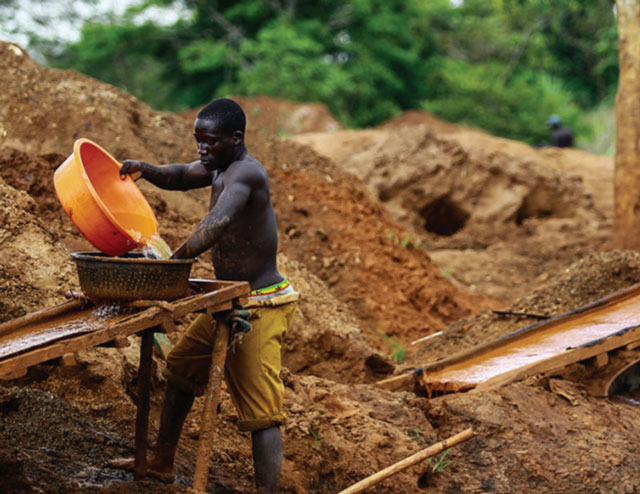
Uganda Gold Export Laws & Taxes (2026)
Exporting gold from Uganda requires compliance with government regulations, licensing requirements, and tax obligations. Buyers and international investors need to understand these rules to ensure legal, secure, and hassle-free gold transactions.
| Law / Regulation | Description | Requirements for Exporters / Buyers | Governing Authority |
|---|---|---|---|
| Gold Export Permit | All gold shipments must be approved before leaving Uganda. | Exporters must obtain a valid gold export permit specifying quantity, purity, and destination. | Ministry of Energy & Mineral Development (MEMD) |
| Assay Verification | Gold must be tested and certified by a licensed refinery before export. | Buyers should always request an assay certificate confirming weight and purity. | MEMD & Licensed Refineries |
| Customs Declaration | All exported gold must be declared to Uganda Revenue Authority (URA). | Submit export permit, invoice, packing list, and assay certificate to customs. | Uganda Revenue Authority (URA) |
| Export Taxes & Royalties | Exported gold is subject to royalties, taxes, and fees. | Current rates include: 4–6% royalty on mineral value + applicable VAT and export fees. | URA & MEMD |
| Anti-Money Laundering (AML) Compliance | Gold exports are regulated under Uganda’s AML and KYC laws to prevent illegal trade. | Exporters must maintain transaction records, verify buyers, and report large transactions to authorities. | Financial Intelligence Authority (FIA) |
| Foreign Exchange Regulations | Payments for exported gold must comply with Uganda’s currency and banking rules. | Exporters receive payments in USD or other approved currencies through regulated banks. | Bank of Uganda (BoU) |
Key Notes for Buyers
- Always work with licensed exporters and verified dealers to ensure compliance with Uganda’s export laws.
- Confirm that all gold comes with assay certificates, export permits, and customs approval.
- Include royalties, taxes, and export fees in your total cost calculations.
- Following Uganda’s legal framework ensures smooth international shipping and secure transactions.
Fake Gold Scams in Uganda – How to Avoid Them
Uganda’s growing gold market has attracted not only genuine dealers but also fraudsters. Buyers must be cautious to avoid scams.
Common Scams
- Fake Gold Bars & Nuggets – Tungsten-filled or plated metals sold as gold.
- Non-Licensed Dealers – Individuals posing as exporters without DGSM licenses.
- Advance Payment Fraud – Demanding deposits, then disappearing with no delivery.
- Smuggling Scams – Gold offered at “cheap” prices but sourced illegally from DRC.
- Document Forgery – Fake assay certificates and export permits were shown to buyers.
How to Avoid Scams
- Always buy from licensed dealers/refineries.
- Verify export license with the Directorate of Geological Survey and Mines (DGSM).
- Demand an assay certificate from a recognized refinery (e.g., AGR Entebbe).
- Never rely on cash-only deals; use banks or escrow.
- Visit the dealer’s registered office in Kampala before any purchase.
Gold Jewelry Shops in Kampala
Kampala has several jewelry shops where buyers can get 24K, 22K, and 18K ornaments.
| Shop Name | Location | Specialty | Why Buy Here |
| Nakasero Gold Jewelry | Nakasero, Kampala | 22K & 18K jewelry | Trusted jewelers with years of service. |
| Gold Buyers Africa Jewelry Desk | Central Kampala | 24K bars & custom jewelry | Licensed dealer offering high-purity gold jewelry. |
| Owino Gold & Jewelry Stalls | Owino Market | Affordable gold-plated & 18K items | Budget-friendly, wide variety. |
| Victoria Jewelers | Kampala Road | 22K wedding & engagement rings | Known for custom bridal jewelry. |
| Kampala City Arcade Shops | Downtown Kampala | 18K & 22K ornaments | Accessible with multiple sellers to compare. |
Updated 24K, 22K & 18K Gold Jewellery Prices in Uganda (2026)
Gold jewellery prices in Uganda vary depending on gold purity, weight, craftsmanship, design complexity, making charges, wastage, and dealer margins. Unlike investment gold bars, jewellery prices include additional manufacturing costs because buyers are paying for both the gold content and the workmanship.
The estimates below are based on a 24K gold market reference price of approximately $130.35 per gram and a USD/UGX exchange rate of around 3,770 UGX per USD, with typical Ugandan retail jewellery premiums applied.
| Gold Purity | Weight | Price Range (UGX) | Price Range (USD) | Notes |
|---|---|---|---|---|
| 24K Gold (99.9% Pure) | 1 Gram | 550,000 – 600,000 UGX | $145 – $158 | Highest purity gold. Common for premium jewellery, heavy chains, investment-style pieces, and wealth preservation jewellery. |
| 5 Grams | 2,750,000 – 3,000,000 UGX | $724 – $789 | Popular for solid pendants, bracelets, and smaller luxury pieces. | |
| 10 Grams | 5,500,000 – 6,000,000 UGX | $1,447 – $1,579 | Preferred for high-value jewellery purchases and long-term gold ownership. | |
| 22K Gold (91.6% Pure) | 1 Gram | 505,000 – 550,000 UGX | $133 – $145 | Popular choice for bridal jewellery and traditional gold designs due to its balance of purity and strength. |
| 5 Grams | 2,525,000 – 2,750,000 UGX | $664 – $724 | Common for rings, bracelets, chains, and wedding jewellery. | |
| 10 Grams | 5,050,000 – 5,500,000 UGX | $1,329 – $1,447 | Frequently used for heavier necklaces, bangles, and complete jewellery sets. | |
| 18K Gold (75% Pure) | 1 Gram | 415,000 – 460,000 UGX | $109 – $121 | More durable due to alloy content; widely used for modern jewellery and gemstone settings. |
| 5 Grams | 2,075,000 – 2,300,000 UGX | $546 – $605 | Suitable for everyday rings, designer pieces, and lighter chains. | |
| 10 Grams | 4,150,000 – 4,600,000 UGX | $1,092 – $1,211 | Common for designer bracelets, earrings, and custom jewellery. |
Factors Affecting Gold Jewellery Prices in Kampala
| Factor | Impact on Price |
|---|---|
| Making Charges | Handmade designs, detailed engraving, stone settings, and custom work increase the final retail price. |
| Gold Wastage Allowance | Jewellers may include approximately 2–5% fabrication wastage costs during melting, shaping, and polishing. |
| Dealer Premiums | Retail shops add margins to cover sourcing, testing, security, and operational costs. |
| Brand Reputation | Established jewellers with certified products may charge higher premiums due to trust and quality assurance. |
| Buyback Value | Gold jewellery resale prices are usually lower than retail prices because buyers deduct refining costs, labour charges, and purity adjustments. |
Buying Tip for Uganda Gold Jewellery Buyers (2026)
Before purchasing gold jewellery in Kampala, buyers should request:
- Purity verification (24K, 22K, or 18K hallmark).
- Accurate weight measurement.
- Purchase invoice showing gold purity and weight.
- Professional testing where required (XRF or assay testing).
For buyers focused mainly on investment returns, certified 24K gold bars generally have lower premiums than jewellery, because jewellery includes additional design and manufacturing costs.
Notes for Gold Jewellery Buyers in Uganda (2026)
Jewellery premiums: Retail jewellery prices include additional costs beyond the gold value, including manufacturing, design, craftsmanship, shop margins, and brand premiums.
Purity differences:
- 24K gold offers the highest gold content and investment value but is softer and more prone to scratches.
- 22K gold provides a strong balance between purity and durability and remains popular in Uganda and East Africa.
- 18K gold contains more alloy metals, making it stronger and better suited for everyday jewellery.
Market fluctuations: Gold jewellery prices change regularly due to international gold prices, USD/UGX exchange rates, inflation, and local market demand.
Buyer protection: Always purchase from licensed jewellery dealers or verified gold suppliers. Request a purity certificate, invoice, and proper receipt confirming the gold karat and weight before completing a purchase.
Investment tip: For buyers focused mainly on preserving wealth, certified 24K gold bars or bullion products usually carry lower premiums compared with finished jewellery.
Physical Verification Guarantee for International Gold Buyers
At Gold Dealers Africa Limited, international buyers are encouraged to complete proper due diligence and verify gold authenticity before making any payment. Buyers may arrange a physical inspection and verification at an approved location, such as a DGSM-licensed mineral dealer office in Kampala or an authorized gold refining facility in Uganda, subject to appointment and regulatory requirements.
During the verification process, buyers can inspect and confirm key details, including:
- Gold weight verification using calibrated professional weighing equipment.
- Purity testing and assay confirmation through recognized testing methods such as XRF analysis or certified assay procedures.
- Gold bar documentation, including assay reports, invoices, and chain-of-custody records.
- Exporter and dealer licensing information to confirm regulatory compliance.
- Packaging, seals, and shipment preparation procedures before international dispatch.
We recommend that international buyers never rely only on online communication, photographs, or unofficial documents when purchasing gold. A physical verification process provides greater transparency, reduces fraud risks, and helps buyers confirm that the gold, documentation, and supplier details match before completing a transaction.
For overseas investors, refineries, and bullion buyers seeking gold from Uganda, arranging an independent inspection at a verified location is an important step toward secure and compliant gold trading.
Secure Payment Methods for International Gold Transactions
At Gold Dealers Africa Limited, we prioritize secure, transparent, and compliant payment procedures for international gold buyers. High-value gold transactions should always follow recognized financial channels that provide proper documentation, traceability, and protection for both buyers and sellers.
For commercial gold purchases, payments are processed through secure methods such as:
- Bank-to-Bank Wire Transfer (SWIFT): International payments sent through recognized banking networks with transaction records and compliance checks.
- Letters of Credit (LC): A secure trade finance method where a bank provides payment assurance once agreed transaction conditions are fulfilled.
- Verified Escrow Accounts: Independent escrow arrangements where funds are securely held and released according to agreed transaction milestones and verification requirements.
We do not recommend or accept unsecured payment methods for high-value gold purchases, including:
- Cash payments for international transactions.
- Payments sent to unverified personal accounts.
- Unofficial mobile money accounts without verified business documentation.
- Any payment arrangement that bypasses proper compliance checks.
Before funds are transferred, buyers should verify:
- The legal identity and registration of the supplier.
- Gold documentation, including assay reports and export approvals.
- Contract terms, invoices, and shipment procedures.
- The receiving bank account details and authorized beneficiary information.
Using regulated payment channels helps protect buyers, supports anti-money laundering compliance, and creates a clear audit trail throughout the gold export process. Request a Secure Gold Transaction Consultation
Speak with our team about verified documentation, payment structures, and compliant gold export procedures.
How to Verify Authentic Gold Jewelry in Uganda
- Check the Hallmark – Authentic jewelry has purity stamps (e.g., “999” for 24K, “916” for 22K, “750” for 18K).
- Request Assay Test – Jewelers should provide purity testing certificates.
- Magnet Test – Real gold is non-magnetic. If it sticks, it’s fake.
- Acid Test – Jewelers use nitric acid to verify purity.
- Weight & Density – Gold is heavy; fake alloys often feel lighter.
- Buy from Licensed Shops – Always buy from recognized jewelry stores or licensed dealers in Kampala.
Note:
- Fake gold scams are common in Uganda, but can be avoided with due diligence.
- Kampala offers both luxury and affordable gold jewelry shops.
- Jewelry prices depend on purity (24K, 22K, 18K).
- Buyers should always verify authenticity using hallmarks, certificates, and trusted dealers.
Get a Verified Gold Price Quote Today
Looking to buy certified 24K gold bars, bullion, or gold from Uganda and East Africa? Our team helps international buyers connect with verified suppliers, confirm documentation, and understand the complete export process.
✅ Current gold prices and availability
✅ Purity and assay verification support
✅ Export documentation guidance
✅ Secure logistics coordination
Request Your Gold Quote Today and speak with a verified gold trading representative.
[Get Gold Price Quote]