
Gold Buying Process in Africa |Step-by-Step (24K, 22K & 18K)
Buying gold in Africa can be highly profitable, but it requires knowledge, careful planning, and trusted partners. Understanding the gold buying process ensures that investors and collectors make secure purchases, avoid scams, and get the best value for their money. From verifying gold purity (24K, 22K, and 18K) and checking live gold prices to navigating legal requirements, documentation, and export laws, each step is crucial.
At Gold dealers Africa Limited, we guide clients through every stage of the gold buying journey. Whether you are interested in 1 gram, 10 gram, or 1 kilogram gold bars, or looking for licensed and trusted gold dealers in Africa, our team ensures authenticity, safety, and compliance. We also provide up-to-date gold prices across African countries, advice on safe payment methods, and secure gold transport and delivery, making your investment seamless and risk-free.
By following the proper process, investors can confidently purchase gold while avoiding common pitfalls, understanding taxes, duties, and negotiation tips, and ensuring that every transaction is legal and transparent.
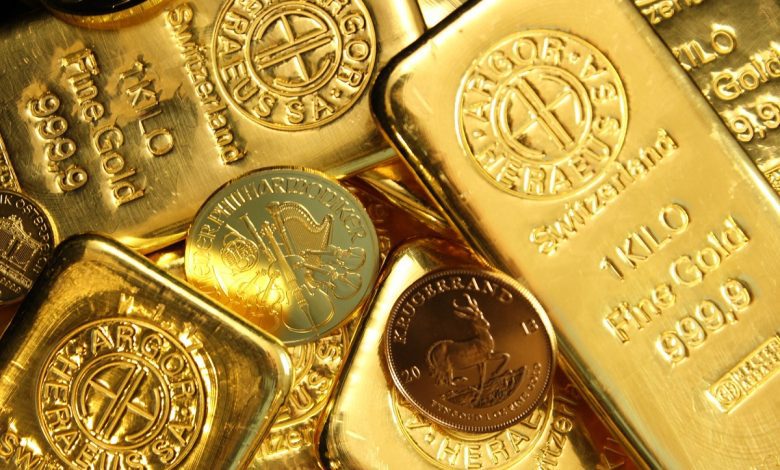
What is the Gold Buying Process?
The gold buying process refers to the step-by-step procedures involved when an individual or company acquires gold, whether in the form of bars, nuggets, coins, or jewelry. It ensures that buyers obtain authentic, legally sourced gold at fair market prices. The process generally includes:
- Research & Market Analysis. Checking current gold prices, historical trends, and verifying the seller’s credibility.
- Verification of Purity & Authenticity. Confirming the gold’s quality (24K, 22K, 18K, etc.) through assay reports or testing methods.
- Legal Compliance. Ensuring all necessary documents, licenses, and taxes are in place to avoid illegal trade or confiscation.
- Negotiation & Payment. Agreeing on price terms, payment method (cash, wire transfer, escrow), and securing receipts.
- Delivery or Export. Receiving the gold physically or arranging secure transportation/export through licensed channels.
Reasons Why Understanding the Process is key for Investors
- Avoiding Scams & Fraud
- The gold trade, especially in Africa and global hotspots, attracts fake dealers and counterfeit products. Understanding the process protects investors from losing money to scams.
- Ensuring Legal & Tax Compliance
- Governments impose strict laws on the gold trade. Knowing the process helps investors comply with import/export regulations, taxes, and documentation requirements.
- Maximizing Profitability
- By learning how pricing, purity, and market timing work, investors can buy gold at the right time and location to maximize returns.
- Guaranteeing Authenticity & Security
- Understanding verification methods (assay, hallmark, certificate of authenticity) ensures that the investor receives real, high-quality gold and avoids counterfeit risks.
Common Mistakes to Avoid When Buying Gold
- Not Verifying Authenticity and Purity
- Many buyers rely solely on the seller’s word without checking the gold’s purity (e.g., 24K, 22K, and 18K). Fake or under-karated gold is common in the market.
- Tip: Always request assay reports, hallmark stamps, or use a professional gold tester before purchase.
- Ignoring Legal and Tax Requirements
- Buying gold without proper documents, licenses, or export permits can lead to legal trouble, confiscation, or financial loss.
- Tip: Work only with licensed dealers and ensure you comply with import/export laws, especially in Africa, Dubai, and Europe.
- Paying Without Secure Agreements
- Some buyers transfer funds upfront without contracts, receipts, or escrow services, which makes them vulnerable to fraud.
- Tip: Use secure payment methods (bank transfer, escrow, letter of credit) and always get a written sales contract.
- Failing to Compare Prices and Market Trends
- Buying gold at the wrong time or from the wrong place can cost investors thousands of dollars. Prices vary daily and across regions.
- Tip: Monitor international gold price charts, compare dealer rates, and understand premiums before making a purchase.
How to Buy Gold Safely in Africa
Africa is one of the richest continents in gold deposits, with leading producers like Ghana, South Africa, Uganda, Tanzania, Mali, and the Democratic Republic of Congo. However, the gold trade in Africa is also full of risks—scams, fake dealers, and unregulated transactions. To buy gold safely, investors must follow a structured approach.
1. Work with Licensed and Verified Dealers
- Always check whether the seller has a valid license from the local Ministry of Energy & Mineral Development or Mining Authority.
- Avoid street brokers or unregistered agents who often sell fake or smuggled gold.
- Trusted companies like Gold Buyers Africa and Gold Prices in Africa Ltd provide verified sourcing and export support.
2. Verify Purity and Authenticity
- Test the gold at a government-recognized refinery or an independent assay office.
- Look for hallmark stamps and certificates confirming the gold’s purity (24K, 22K, or 18K).
- Never rely solely on verbal assurances.
3. Follow Legal and Tax Procedures
- Each African country has specific laws on buying and exporting gold. For example:
- Uganda & Kenya: Export permits and taxes must be cleared before gold leaves the country.
- Ghana: Foreign buyers must register with the Precious Minerals Marketing Corporation (PMMC).
- Ensure all documents (invoices, licenses, and customs clearances) are in place before payment.
4. Use Secure Payment Methods
- Avoid carrying large amounts of cash.
- Opt for bank transfers, escrow services, or letters of credit.
- Only release full payment after gold has been tested and verified.
5. Arrange Safe Transport & Insurance
- Gold must be transported through authorized logistics companies with insurance coverage.
- Avoid informal courier services that risk theft or loss.
6. Understand the Market Price
- Check live gold prices in Africa and global spot rates before purchasing.
- Some dealers inflate local prices, so compare across markets.
Note. Buying gold in Africa can be highly profitable, but only when done carefully. Work with licensed dealers, verify purity, follow all legal steps, and use secure transactions to avoid scams. For safe purchases, many investors partner with trusted firms like Gold Buyers Africa and Gold Prices in Africa Ltd, which ensure authenticity, compliance, and secure export.
Gold Buying Process in Uganda, Kenya, Ghana & Tanzania
| Step | Uganda | Kenya | Ghana | Tanzania |
| 1. Identify Licensed Dealer | Work with a dealer licensed by the Ministry of Energy & Mineral Development. | Buy from sellers licensed by the Ministry of Mining & Petroleum. | Purchase through PMMC (Precious Minerals Marketing Corporation) or licensed dealers. | Verify the seller is licensed by the Mining Commission of Tanzania. |
| 2. Verify Purity & Authenticity | Use government refineries or independent assayers in Kampala. | Test at accredited labs or Central Bank–approved refiners. | PMMC provides official assays before export. | Gold must be assayed at government-licensed refineries. |
| 3. Documentation & Legal Compliance | Export requires a license, invoice, and clearance from Uganda Revenue Authority. | Obtain export permit, customs clearance, and tax compliance documents. | Foreign buyers must register with PMMC; export licenses are mandatory. | Obtain Mining Commission approval, export permit, and pay royalty taxes. |
| 4. Secure Payment | Use escrow, bank transfer, or LC; avoid cash deals. | Bank transfer preferred; escrow services recommended. | Payments handled via PMMC (secure channel). | Secure bank payments or LC; avoid cash transactions. |
| 5. Export & Transport | Licensed logistics companies arrange insured delivery. | Transport through customs-approved logistics firms. | PMMC oversees all exports; delivery via secure channels. | Export handled by licensed clearing agents with insurance cover. |
Online Gold Buying Process – What You Must Know
With technology advancing, many investors now buy gold online directly from African sellers and international dealers. While it offers convenience, the risks are higher if not done carefully.
How Online Gold Buying Works:
- Choose a Trusted Online Dealer – Only use platforms or websites of licensed gold exporters (e.g., Gold Buyers Africa, Gold Prices in Africa Ltd).
- Check Live Gold Prices – Ensure the price reflects international spot rates plus reasonable local premiums.
- Verify Seller Credentials – Request business licenses, registration documents, and previous buyer references.
- Secure Payment Gateways – Use bank transfers, escrow accounts, or letters of credit. Never pay via untraceable methods (e.g., Western Union, crypto to unknown wallets).
- Contracts & Invoices – Always sign a purchase agreement and obtain an official invoice before sending money.
- Delivery & Insurance – Ensure shipment is arranged by authorized logistics companies with full insurance coverage.
Risks of Online Gold Buying
- Fake websites impersonating licensed companies.
- Unverified brokers offering below-market deals.
- Advance-payment scams with no delivery.
Safety Tips
- Work only with verified, licensed companies.
- Use escrow services or LC to hold funds until delivery is confirmed.
- Always cross-check the company’s license with the Ministry of Mines in the respective country.
How to Verify Authentic Gold Before Buying
| Verification Method | Description | Why It’s Important |
| Hallmark/Stamp Check | Look for karat markings (24K, 22K, 18K) or refinery stamps. | Ensures purity and authenticity from a certified source. |
| Magnet Test | Pure gold is non-magnetic. If it sticks to a magnet, it’s likely fake or alloyed. | Quick and simple preliminary test. |
| Density Test | Pure gold has a density of ~19.3 g/cm³. Weighing and measuring volume confirms this. | Detects fake or alloyed metals. |
| Acid/Nitric Test | A small scratch tested with acid reacts differently based on purity. | Widely used professional method to verify gold purity. |
| Professional Assay/ XRF Machine | Jewelers or refineries test gold using specialized equipment. | Provides accurate and certified purity verification. |
| Receipt & Documentation | Request invoices, certificates, or export permits. | Protects you legally and ensures transparency. |
Fake Gold Scams – Red Flags in the Gold Buying Process
| Red Flag | What It Means | Risk to Buyer |
| Extremely Low Prices | Seller offers gold far below market value. | High chance of counterfeit or stolen gold. |
| No Paperwork Provided | Seller refuses to give receipts, certificates, or permits. | Illegal transactions, risk of seizure, and scams. |
| Pressure to Pay Quickly | Seller pushes for immediate payment without due diligence. | Buyer loses money before verifying authenticity. |
| Deals in Unofficial Locations | Meetings in hotels, parking lots, or hidden spots. | Unsafe, high risk of robbery or fake gold. |
| Mixed Metals & Gold-Plated Items | Fake sellers mix tungsten or copper and coat it with gold. | Loss of investment due to worthless metals. |
| Unlicensed Dealers | Individuals or companies not registered with the mining/export authorities. | Buyer faces legal issues and potential fraud. |
Gold Purity Testing Methods (24K, 22K, 18K)
| Testing Method | How It Works | Accuracy Level | Best For |
| Visual Inspection | Check hallmark stamps (24K, 22K, 18K) and color differences. | Low | Quick initial check. |
| Magnet Test | Pure gold is not magnetic; alloys may stick. | Low–Medium | Spotting obvious fakes. |
| Density Test | Pure gold density is ~19.3 g/cm³; lower readings suggest alloys. | Medium | Verifying weight-to-volume ratio. |
| Acid/Nitric Test | Acid applied to a small scratch shows a reaction based on purity. | Medium–High | On-the-spot purity check. |
| Electronic Tester | Portable devices measure the electrical conductivity of gold. | High | Jewelers and investors. |
| XRF Machine (X-Ray Fluorescence) | Non-destructive test showing exact karat and composition. | Very High | Professional labs, refineries, and licensed dealers. |
Licensed & Trusted Gold Dealers – Why They Matter
| Reason | Why It’s Important | Benefit to Buyer |
| Legal Compliance | Licensed dealers follow mining, trade, and export laws. | Avoids fines, seizures, and illegal transactions. |
| Authentic Gold Guaranteed | Certified dealers test and verify gold purity before sale. | Protects your investment from scams. |
| Transparent Pricing | Reputable dealers follow international spot gold rates. | Ensures fair market value purchase. |
| Proper Documentation | Licensed sellers issue receipts, certificates, and permits. | Needed for export and resale purposes. |
| Buyer Safety | Trusted dealers conduct transactions in secure offices or banks. | Reduces risk of fraud, theft, or fake deals. |
| After-Sale Support | Ongoing services like storage, resale, or export handling. | Long-term partnership and trust. |
Documents Required for Gold Buying & Export
When purchasing and exporting gold in Africa, proper documentation is essential to prove the authenticity, legal ownership, responsible sourcing, and compliance of the transaction. These documents protect both buyers and sellers by confirming that the gold has been legally acquired, properly tested, and authorized for international trade.
Gold Purchase Invoice
A gold purchase invoice serves as official proof of the transaction between the buyer and the seller. It records important details such as the quantity of gold purchased, agreed price, seller information, buyer information, and transaction date. This document is usually issued by a licensed gold dealer, exporter, or refinery and helps establish legal ownership of the gold.
Certificate of Origin
A certificate of origin confirms where the gold was produced and identifies the country or region from which it was sourced. This document supports supply chain transparency and helps international buyers verify that the gold complies with responsible sourcing requirements. It is typically issued or verified through relevant mining authorities, government agencies, or recognised industry bodies.
Assay Report (Purity Test)
An assay report confirms the quality, weight, and purity of the gold being traded. It verifies whether the gold meets the stated specifications, such as 24K, 22K, or 18K purity. This document is issued by an accredited laboratory, government assay office, or recognised refinery and is one of the most important documents for determining the true value of the gold.
Export Permit
An export permit provides legal authorisation for gold to leave the country of origin. It confirms that the exporter has met government requirements and that the shipment is approved for international trade. Export permits are normally issued by the Ministry of Mines, Minerals Commission, Gold Board, or relevant trade authority, depending on the country.
Customs Declaration Form
A customs declaration form is required when gold is presented for export and import clearance. It provides customs authorities with details about the shipment, including the type of gold, quantity, value, exporter, and destination country. This document is processed through the national customs authority to ensure compliance with border regulations.
Tax Clearance Certificate
A tax clearance certificate confirms that applicable taxes, duties, royalties, or government charges related to the gold transaction have been properly addressed. This document is usually issued by the national revenue authority and may be required before export approval is completed.
Transport and Logistics Documents
Transport and logistics documents provide evidence of the secure movement of gold from the seller to the buyer. These may include airway bills, insurance certificates, secure packaging records, and shipping documentation issued by approved airlines, precious metals logistics companies, or freight providers.
For international gold transactions, these documents work together to create a complete compliance record. Buyers should verify each document through the relevant issuing authority and avoid purchasing gold that cannot be supported by proper legal, assay, and export documentation.
CIF vs FOB Gold Contracts in Africa
When buying gold from Africa, international buyers and exporters commonly use FOB (Free on Board) and CIF (Cost, Insurance and Freight) contracts to define who is responsible for costs, risks, shipping arrangements, and delivery obligations. Understanding the difference is essential because the contract type affects the final gold purchase price, logistics control, insurance responsibility, and export process.
FOB Gold Contract (Free on Board)
Under an FOB gold contract, the seller is responsible for preparing the gold for export and delivering it to the agreed shipping point, usually the airport or export facility in the country of origin. Once the gold has been loaded onto the agreed transport method and the required export procedures are completed, the buyer assumes responsibility for the shipment.
In a typical FOB gold transaction, the seller handles:
- Gold production or sourcing.
- Assay and purity verification.
- Export documentation.
- Government approvals and permits.
- Customs clearance in the exporting country.
- Delivery to the agreed departure point.
The buyer is responsible for:
- International transportation costs.
- Insurance after the shipment point.
- Import customs clearance.
- Taxes and duties in the destination country.
- Final delivery arrangements.
FOB contracts are commonly preferred by experienced gold buyers who want greater control over shipping, insurance providers, and international logistics. Large bullion traders and refineries often use FOB arrangements because they can negotiate their own transport and insurance terms.
CIF Gold Contract (Cost, Insurance and Freight)
Under a CIF gold contract, the seller takes responsibility for arranging the international shipment of the gold up to the buyer’s destination port or agreed location. The seller includes the cost of transportation and insurance in the final gold price.
In a CIF gold transaction, the seller typically manages:
- Gold sourcing and verification.
- Assay certification.
- Export permits and documentation.
- Customs procedures in the origin country.
- International freight arrangements.
- Shipment insurance.
The buyer is responsible for:
- Import clearance in the destination country.
- Local taxes and duties.
- Final delivery after arrival.
- Any additional destination charges.
CIF contracts are often preferred by buyers who want a simpler purchasing process because the exporter manages more of the logistics chain. However, buyers should carefully verify the shipping company, insurance coverage, and documentation because fraudulent sellers sometimes use fake CIF offers to request advance payments.
FOB vs CIF Gold Contract Comparison
| Feature | FOB Gold Contract | CIF Gold Contract |
|---|---|---|
| Meaning | Seller delivers gold to the agreed export point; buyer manages international shipping. | Seller arranges shipping and insurance to the agreed destination. |
| Seller Responsibility | Export preparation, documentation, and delivery to the shipment point. | Export preparation, documentation, freight, and insurance arrangement. |
| Buyer Responsibility | International freight, insurance, import clearance, and destination costs. | Import clearance, local taxes, and final delivery costs. |
| Buyer Control | Higher control over logistics and insurance providers. | Lower control because seller manages transportation. |
| Best For | Experienced traders, refineries, and institutional buyers. | Buyers who prefer convenience and a complete delivery arrangement. |
| Risk Area | Buyer must manage international logistics correctly. | Buyer must verify seller credibility and shipping arrangements. |
Which Is Better for Buying African Gold?
The best option depends on the buyer’s experience, transaction size, and logistics capability.
FOB contracts are often preferred by professional buyers because they provide greater control over international shipping, insurance, and customs arrangements. This can reduce costs for experienced companies handling large gold transactions.
CIF contracts are convenient for buyers who prefer the seller to manage transportation and insurance. However, buyers must conduct strong due diligence to confirm that the exporter is legitimate and that all shipping documents are genuine.
Regardless of whether a buyer chooses FOB or CIF, a safe gold transaction should always include:
- Verified gold supplier.
- Independent assay report.
- Clear Sale and Purchase Agreement (SPA).
- Valid export documentation.
- Secure payment method.
- Recognised logistics provider.
- Proper insurance coverage.
The contract type does not determine whether gold is genuine or safe to buy. Verification, compliance, and supplier due diligence remain the most important protections in African gold transactions.
How to Export Gold Legally from Ghana and Uganda
Exporting gold legally from Ghana or Uganda requires strict compliance with government regulations, licensing requirements, mineral verification procedures, customs rules, and international trade standards. Gold cannot be legally exported simply by purchasing it from a local seller; exporters must prove the gold’s origin, purity, ownership, and compliance with national mining laws.
Both Ghana and Uganda have established regulatory systems designed to control gold exports, prevent illegal mineral trading, and ensure that exported gold meets international market requirements.
How to Export Gold Legally from Ghana
Ghana is one of Africa’s largest gold producers, and gold exports are controlled through authorized government channels. Buyers and exporters must complete licensing, assaying, documentation, and customs procedures before gold can leave the country.
Step 1: Obtain the Required Gold Trading or Export Licesce
The first requirement is working through an authorized gold exporter or obtaining the necessary approval to legally trade and export gold. Exporters must comply with Ghana’s mineral regulations and operate through approved regulatory channels.
International buyers should work only with licensed Ghanaian gold exporters and registered companies rather than informal agents or unverified sellers.
Step 2: Purchase Gold from Approved Sources
Gold must come from legal and traceable sources, including licensed miners, approved gold traders, or authorized suppliers. The buyer should verify:
- Seller registration details.
- Gold ownership records.
- Responsible sourcing documentation.
- Mining or trading authorization.
Buying gold from unlicensed sellers creates risks of confiscation, financial loss, and legal problems.
Step 3: Complete Gold Assay and Valuation
Before export, gold must undergo official testing to confirm:
- Weight.
- Purity level.
- Gold content.
- Commercial value.
Assay documentation provides evidence that the gold meets international trading standards and supports accurate export declarations.
Step 4: Obtain Export Documentation
Legal gold exports from Ghana require proper documentation, which may include:
- Gold assay certificate.
- Certificate of origin.
- Commercial invoice.
- Export permit or approval documents.
- Customs declaration.
- Tax and fee payment records.
- Shipping and insurance documents.
These documents prove that the gold has passed official procedures and is authorised for international shipment.
Step 5: Complete Customs Clearance and Secure Shipment
Before leaving Ghana, gold shipments must pass customs verification. Authorities may check documentation, shipment details, and compliance requirements before approving export.
Gold should be transported using professional secure logistics providers with:
- Insurance coverage.
- Tracking.
- Controlled chain of custody.
- Approved precious metals transportation procedures.
How to Export Gold Legally from Uganda
Uganda has become an important gold trading and refining centre in East Africa. Gold exports are regulated by government authorities to ensure that exporters comply with licensing, taxation, and mineral traceability requirements.
Step 1: Obtain a Mineral Dealer’s Licence
Anyone trading gold commercially in Uganda must obtain the appropriate authorisation, including a Mineral Dealer’s Licence (MDL) where required.
The licence confirms that the company or individual has legal authority to purchase and trade minerals.
Step 2: Source Gold from Legal Suppliers
Ugandan exporters must ensure that gold is obtained from legitimate sources. Proper records should show:
- Seller information.
- Gold purchase records.
- Origin details.
- Mineral documentation.
Working with informal or unlicensed suppliers increases the risk of illegal gold entering the supply chain.
Step 3: Conduct Gold Testing and Verification
Before export, gold must be tested to confirm its purity and value. Verification may involve:
- Government-approved assay facilities.
- Accredited laboratories.
- Certified refining facilities.
The assay report supports the export declaration and confirms the quality of the gold being shipped.
Step 4: Obtain Export Approval and Pay Required Charges
Uganda requires exporters to complete mineral export procedures and settle applicable government charges. Export documentation may include:
- Mineral export permit.
- Assay certificate.
- Commercial invoice.
- Certificate of origin.
- Customs documentation.
- Tax clearance records.
Step 5: Customs Clearance and International Shipping
After approval, gold shipments must pass through customs procedures before leaving Uganda. Exporters must ensure that:
- Documentation matches the shipment.
- Taxes and fees are paid.
- Secure logistics arrangements are in place.
Gold should be shipped through recognised precious metals logistics providers rather than informal transport methods.
Ghana vs Uganda Gold Export Process
Ghana and Uganda share similar requirements because both countries require exporters to prove that gold is legally sourced, tested, documented, and approved for export.
The main steps in both countries are:
- Work with a licensed gold exporter or obtain required licences.
- Verify gold origin and ownership.
- Complete independent assay testing.
- Obtain export permits and customs approvals.
- Pay applicable taxes, royalties, and government fees.
- Ship gold through secure insured logistics providers.
Final Advice for International Gold Buyers
The safest way to export gold from Ghana or Uganda is to avoid shortcuts and work only with verified suppliers who can provide complete documentation. Genuine gold exports require transparency, official verification, and compliance with national regulations.
A legitimate exporter should be able to provide proof of licensing, assay results, export approval, and secure shipping arrangements before any payment is made. Proper compliance protects buyers from counterfeit gold, illegal exports, customs problems, and financial losses.
Documents Required for Gold Buying & Export
When purchasing and exporting gold in Africa, documentation is critical to prove authenticity, legality, and compliance with both local and international laws.
Country Regulations Table
| Country | Governing Authority | Export Tax / Levy Rate | Key Legal Requirement |
|---|---|---|---|
| Ghana | Ghana Gold Board (GoldBod) & Precious Minerals Marketing Company (PMMC) | 1.5% Withholding Tax + 0.2524% Assay Fee | All small-scale gold exports must be processed through authorised GoldBod/PMMC-approved channels with official assaying and export documentation. |
| Uganda | Directorate of Geological Survey and Mines (DGSM) & Uganda Revenue Authority (URA) | $200/kg (Refined Gold) or 5% of value (Unrefined Gold) | Gold trading requires an official Mineral Dealer’s Licence (MDL), mineral export permits, and compliance with Uganda’s mining regulations. |
| Tanzania | Mining Commission of Tanzania | 6% Royalty + 1% Inspection Fee | Exported gold must comply with government requirements, including verification through licensed gold trading and refining channels. |
| Kenya | Ministry of Mining and Petroleum | 2% Royalty on FOB Value | Gold dealers must hold valid licences, and exports require approval under Kenya’s mining and mineral trading regulations. |
African countries have strict laws governing gold trading and export to curb smuggling and ensure state revenue.
Taxes & Duties in the Gold Buying Process
Gold buying and exporting in Africa involves several taxes and charges that vary by country, but generally include:
| Type of Tax/Duty | Description | When Applied |
| Royalty Fee | Percentage of gold value payable to the government (ranges 3%–6%). | Paid at point of purchase/export. |
| Export Duty | A charge is applied when gold is shipped abroad. | At customs clearance. |
| Withholding Tax | Deducted at source on payments to miners/suppliers. | During purchase from local dealers. |
| VAT (Value Added Tax) | Some countries apply VAT on gold sales (e.g., South Africa). | At the point of sale or export. |
| Assay & Certification Fees | Payment for purity testing and certification. | Before export clearance. |
| Customs Handling Charges | Processing and clearance costs at borders/airports. | During shipment. |
How Gold Prices Are Determined During Buying
Gold prices are influenced by both global market forces and local trade factors. Buyers should understand these before entering a transaction.
| Factor | Description | Impact on Price |
| International Spot Price | The global benchmark price for gold (24K). Updated daily in USD/oz. | Sets the base price for all gold trades. |
| Purity (Karat System) | 24K = pure gold, 22K & 18K have alloys. | Higher purity = higher price. |
| Weight (Grams/Kilograms) | Gold is sold by weight (1g, 10g, 100g, 1kg bars). | Price increases proportionally with weight. |
| Local Market Premiums | Dealers add markup for handling, refining, or scarcity. | Raises price above international spot rate. |
| Taxes & Duties | Government royalties, VAT, and export duties. | Buyer pays extra fees depending on the country. |
| Supply & Demand | Availability of gold in local markets vs. buyer demand. | High demand can push prices up. |
| Currency Exchange Rates | Local currency value vs USD. | Weak local currency = higher price in local terms. |
Negotiation Tips in the Gold Buying Process
Successful negotiation ensures fair pricing and reduces risk when buying gold, especially in Africa.
| Tip | How to Apply It | Benefit to Buyer |
| Research Market Prices | Check live international gold rates before negotiations. | Avoids overpaying above fair value. |
| Verify Purity with Assay | Test gold purity before agreeing on a final price. | Ensures price matches gold quality. |
| Negotiate Premiums, Not Spot Price | Spot price is fixed, but premiums (dealer fees) can be reduced. | Saves money on extra costs. |
| Buy in Bulk | Larger quantities often attract discounts. | Reduces per-gram or per-kg cost. |
| Request Documentation | Demand invoices, permits, and certificates. | Protects against scams and fake gold. |
| Use Licensed Dealers Only | Work with government-approved dealers/refineries. | Guarantees legality and safer transactions. |
| Avoid Pressure Deals | Walk away if pushed to pay immediately. | Prevents losses in fraudulent situations. |
Safe Payment Methods in the Gold Buying Process
When buying gold, selecting the right payment method is essential for protecting both the buyer and seller. A secure payment system provides transaction records, reduces fraud risks, confirms the legitimacy of the deal, and ensures compliance with international gold trading regulations.
Bank Wire Transfer (SWIFT)
A bank wire transfer through the SWIFT network allows the buyer to send funds directly from their bank account to the verified bank account of the gold dealer, exporter, or company. This method is widely used in international gold transactions because it creates a clear financial record and allows banks to monitor large-value transfers.
SWIFT payments are considered secure because they are traceable, recognised globally, and commonly accepted by professional gold suppliers. This payment method is best suited for large gold purchases, international transactions, and business-to-business deals where both parties have completed proper verification.
Escrow Services
An escrow service involves an independent third party holding the buyer’s funds until the agreed conditions of the transaction are completed. The payment is released only after the buyer receives and confirms the gold according to the contract terms.
Escrow reduces risk because neither party has full control over the funds during the transaction process. It is especially useful for first-time transactions, new supplier relationships, or high-value purchases where trust has not yet been established.
However, buyers should verify that the escrow provider is legitimate because scammers sometimes create fake escrow accounts to steal funds.
Letter of Credit (LC)
A Letter of Credit (LC) is a bank-backed payment instrument commonly used in international commodity trading. The buyer’s bank guarantees payment to the seller once the seller meets the agreed conditions, such as providing valid gold documentation and shipping records.
Letters of Credit reduce the risk of non-payment for sellers and non-delivery for buyers. They are mainly used for large-value gold transactions between established companies, refineries, exporters, and institutional buyers.
Cash Payment Under Bank Supervision
For some local gold transactions, cash payments may be completed under proper banking supervision. Instead of exchanging large amounts of cash privately, the transaction is conducted at a bank branch where funds can be verified and recorded.
This approach reduces the risk of counterfeit currency and creates an official payment record. It may be suitable for smaller domestic purchases where both parties are present and the transaction is supervised by a recognized financial institution.
Digital Bank Transfers (RTGS/ACH)
Digital bank transfer systems such as RTGS (Real-Time Gross Settlement) and ACH payments allow buyers to send money electronically through regulated banking networks. These methods are commonly used for local or regional gold transactions where fast settlement is required.
They provide security because payments are recorded electronically and can be traced through the banking system. They are often suitable for domestic gold purchases and transactions within African banking networks.
Cryptocurrency Payments (BTC, USDT)
Some gold buyers and sellers may consider cryptocurrency payments such as Bitcoin (BTC) or USDT because they allow fast, borderless transfers. Blockchain transactions can provide transparency and speed, especially in regions where traditional banking access is limited.
However, cryptocurrency payments require additional caution because transactions are usually irreversible and regulatory rules vary between countries. This method should only be considered when dealing with licensed suppliers, verified companies, and transactions that comply with applicable financial regulations.
Payment Methods to Avoid
Buyers should avoid unsafe payment methods that provide little protection or verification. These include direct street cash payments, sending money to unknown personal accounts, untraceable mobile transfers, and paying large deposits before confirming the seller’s identity, gold authenticity, and export documentation.
A safe gold transaction should always involve verified suppliers, written agreements, traceable payments, and proper documentation. The payment method should protect both parties while supporting legal and transparent gold trading.
Gold Shipping & Delivery – How It Works
Gold delivery must be handled with high security and legal compliance to ensure safe arrival to the buyer.
| Step | Process | Who Handles It | Why It Matters |
| 1. Assay & Certification | Gold is tested for purity and certified. | Licensed refinery/laboratory. | Confirms authenticity before shipping. |
| 2. Secure Packaging | Gold sealed in tamper-proof, barcoded containers. | Dealer or logistics company. | Prevents theft, tampering, or substitution. |
| 3. Export Documentation | Invoice, certificate of origin, export permit, and customs declaration. | Licensed dealer & customs. | Ensures the legality of shipment. |
| 4. Transport to Airport/Port | Gold moved under armed security. | Licensed security transport company. | Protects shipment in transit. |
| 5. Air Cargo Handling | Gold booked as high-value cargo (HVC) with insurance. | Airline & freight forwarder. | Provides tracking & insurance coverage. |
| 6. Customs Clearance at Destination | Customs verifies documents & taxes before release. | Buyer’s clearing agent/customs authority. | Prevents seizures or delays. |
| 7. Final Delivery to Buyer | Released to the buyer or their bank after clearance. | Courier/logistics partner. | Ensures secure handover to the rightful owner. |
Insurance & Security in Gold Transport
Transporting gold is one of the most sensitive stages of the buying and selling process. Proper insurance and security measures protect buyers and sellers from theft, loss, or damage.
| Aspect | Description | Why It’s Important |
| Insurance Coverage | Gold shipments are insured against theft, loss, or damage during transit. | Provides financial protection and peace of mind for high-value shipments. |
| Armed Security Transport | Licensed security companies escort gold shipments with trained personnel and armored vehicles. | Prevents robbery and unauthorized access. |
| Tamper-Proof Packaging | Gold is sealed in secure, barcoded containers that show signs of tampering. | Ensures gold isn’t swapped or tampered with during transport. |
| Tracking Systems | GPS tracking and real-time monitoring of shipments. | Allows both buyer and seller to track movement and respond quickly to risks. |
| Secure Storage at Transit Points | Gold is kept in high-security vaults or bonded warehouses between shipment legs. | Reduces risk during loading, unloading, or customs clearance. |
| Compliance with Legal Requirements | Transport must follow national laws, export/import permits, and customs regulations. | Prevents legal issues, seizure, or penalties. |
| Contingency Planning | Backup routes and emergency response plans in case of delays, theft attempts, or accidents. | Minimizes financial and operational risk during transit. |
Key Tip: Always work with licensed dealers, professional logistics companies, and insurers when transporting gold. Avoid street-level or unverified delivery services, as they expose buyers to high risks.
Gold Assay Test Cost and Methods
A gold assay test is the process of scientifically determining the purity, weight, and actual gold content of a sample. Assaying is one of the most important steps in any gold transaction because it confirms whether gold bars, gold dore, nuggets, or jewellery contain the amount of gold claimed by the seller.
The cost of a gold assay test depends on the testing method, location, laboratory reputation, sample size, and whether the buyer requires a basic purity check or a full certification report.
Common Gold Assay Methods
Fire Assay Method
Fire assay is considered one of the most accurate and internationally recognised methods for measuring gold purity. The process involves melting the gold sample with chemical reagents, separating the precious metals, and measuring the actual gold content.
Fire assay is commonly used by refineries, government assay offices, and professional gold traders because it provides highly accurate results. It is often required for large commercial gold transactions where precise valuation is necessary.
Typical cost: approximately $50–$200 per sample, depending on the laboratory, location, and level of reporting required.
X-Ray Fluorescence (XRF) Testing
XRF testing is a fast, non-destructive method that analyses the surface composition of gold using X-ray technology. It can quickly estimate gold purity without damaging the sample.
XRF testing is widely used by gold dealers, jewellers, and trading companies for initial verification before conducting a more detailed assay.
Typical cost: approximately $20–$100 per test, depending on the provider and whether a formal report is required.
Electronic Gold Testing
Electronic gold testing uses specialized equipment to estimate purity by measuring the electrical properties of the metal. It is commonly used for jewellery and smaller transactions.
While useful for preliminary checks, electronic testing may not provide the same accuracy as fire assay, especially for gold bars or dore where impurities may not be evenly distributed.
Typical cost: approximately $10–$50 per test.
Acid Test Method
The acid test is a traditional method where specific acids are applied to the gold sample to estimate purity. It is inexpensive and commonly used by small jewellery businesses.
However, acid testing is less reliable for high-value gold transactions because it only tests a small surface area and may not detect plated or mixed metals.
Typical cost: approximately $5–$20 per test.
Gold Assay Cost by Transaction Type
For small buyers purchasing jewellery or small gold items, basic testing may cost only a few pounds. For commercial gold transactions involving kilograms of gold dore or bullion, professional assay certificates from recognised laboratories may cost significantly more because they include detailed verification, documentation, and valuation services.
Large-scale buyers usually include assay costs as part of the overall gold sourcing process, together with refining, export documentation, insurance, and logistics expenses.
Why Gold Assay Testing Is Important Before Buying Gold
A professional assay protects buyers from:
- Fake gold bars made from tungsten, brass, or copper.
- Incorrect purity claims.
- Underweight gold products.
- Misrepresented gold dore.
- Fraudulent seller documentation.
A legitimate gold transaction should never rely only on appearance, photographs, or seller promises. Independent assay verification provides evidence of the gold’s true value before payment or export.
Where Gold Assay Tests Are Conducted
Gold assays are usually performed by:
- Government-approved assay offices.
- Accredited laboratories.
- Certified refineries.
- Recognised precious metals testing facilities.
In African gold markets, official assay procedures are commonly required before legal export. Buyers should ensure that assay reports come from recognised institutions and match the gold shipment being purchased.
The safest approach is to complete independent assay testing before releasing final payment, especially for high-value gold purchases. A verified assay report is one of the most important protections against gold fraud.
Common Gold Scams & Red Flags to Avoid
Buying gold can be a profitable investment, but the high value of precious metals also makes the market attractive to fraudsters. Many gold scams target international buyers by using unrealistic prices, fake documents, and false promises of direct access to mining sources. Understanding the common warning signs can help buyers avoid financial losses and illegal transactions.
Unrealistic Gold Discounts Below Market Price
One of the biggest red flags is a seller offering gold at a price far below the international spot price. Claims such as “20% below market price,” “50% discount gold,” or “urgent mine liquidation deals” are commonly used to attract inexperienced buyers.
Because gold is traded globally, legitimate sellers usually price gold close to international benchmarks such as the LBMA gold price. While commercial buyers may negotiate competitive premiums, extremely low prices often indicate fake gold, illegal sourcing, or fraudulent schemes.
Fake Gold Bars and Gold-Plated Metals
Some scammers provide fake gold bars made from cheaper metals such as brass, copper, or tungsten coated with a thin layer of gold. These products can appear genuine during a simple visual inspection but have little or no investment value.
Buyers should always verify gold through professional testing methods such as:
- X-ray fluorescence (XRF) testing.
- Fire assay analysis.
- Independent refinery verification.
- Accredited laboratory reports.
Never rely only on photographs, videos, seller claims, or unofficial testing results before making a payment.
Fake Government Certificates and Documents
Fraudsters often create counterfeit documents to make illegal gold transactions appear legitimate. These may include fake:
- Gold export permits.
- Assay certificates.
- Certificates of origin.
- Customs documents.
- Government approval letters.
A document alone does not prove that gold exists or that a seller has legal authority to export it. Buyers should independently verify important documents with the relevant government authorities or issuing institutions.
Fake PMMC, GoldBod, or Mining Authority Claims
Some scammers use the names and logos of recognised institutions to gain buyer trust. They may claim that their gold has been approved by organisations such as PMMC, GoldBod, or mining authorities while providing forged paperwork.
Buyers should confirm licences, company registration details, and export approvals through official channels rather than trusting documents provided only by the seller.
Advance Payment and Processing Fee Scams
A common fraud method involves requesting upfront payments for supposed expenses before the gold is delivered. Scammers may ask buyers to pay for:
- Customs clearance.
- Insurance.
- Export permits.
- Government fees.
- Storage charges.
- Security arrangements.
After receiving payment, the seller may disappear or continue demanding additional fees. Legitimate transactions should use secure payment structures with clear contracts and verified parties.
Fake Escrow and Fake Lawyer Accounts
Some fraudsters create fake escrow services or pretend to represent lawyers, banks, or international trade companies. They may provide professional-looking websites and contracts to convince buyers that their funds are protected.
Before using any escrow service, buyers should independently verify the company, financial institution, and legal representatives involved. Unknown escrow providers or private payment arrangements should be treated with caution.
Unlicensed Gold Dealers
Buying gold from individuals without proper licences creates significant risks. Unlicensed sellers may not have legal ownership of the gold, may not be authorised to export it, or may be selling illegally sourced minerals.
Buyers should work with:
- Licensed gold exporters.
- Registered gold trading companies.
- Recognised refineries.
- Government-approved channels.
Pressure to Complete the Deal Quickly
Scammers often create urgency by claiming that the offer is available for only a short time or that another buyer is waiting. This pressure is designed to prevent proper verification.
A legitimate gold seller should allow enough time for:
- Document checks.
- Supplier verification.
- Independent gold testing.
- Contract review.
Buying Gold Without Proper Export Documentation
Gold that cannot be supported by official documentation may create serious legal problems. Attempting to export undocumented gold can lead to confiscation, financial loss, customs delays, or legal penalties.
Before completing a transaction, buyers should confirm that the gold includes proper:
- Purchase invoice.
- Assay report.
- Certificate of origin.
- Export permit.
- Customs documentation.
- Shipping records.
Advice for Avoiding Gold Scams
The safest way to buy gold is to focus on verification, compliance, and transparency rather than unrealistic bargains. Genuine gold transactions involve proper documentation, independent testing, secure payment methods, and licensed suppliers.
A trustworthy gold seller will not avoid verification procedures, hide documentation, or promise impossible discounts. In the gold market, a realistic price combined with proper compliance is a much safer opportunity than a suspiciously cheap offer.
Frequently Asked Question
Can you buy gold in Africa below market spot price?
Genuine commercial gold transactions rarely trade more than 1% to 3% below international LBMA spot prices. Because gold is a globally traded commodity, legitimate suppliers usually price gold close to international market benchmarks after considering purity, refining, assay costs, and transaction expenses. Any seller offering gold at 10%–30% below market price should be treated as a major warning sign, as such offers are often associated with counterfeit gold, stolen metals, illegal sourcing, or advance-fee scams.
Is cash payment legal when buying gold in Africa?
Small local gold transactions may sometimes involve cash payments, but large commercial gold purchases and international exports generally require traceable and regulated payment methods. Professional gold transactions commonly use bank transfers through systems such as SWIFT, Letters of Credit (LC), or verified escrow arrangements to meet Anti-Money Laundering (AML) requirements and support official customs clearance. Buyers should avoid making large cash payments to unknown sellers because they create significant risks of fraud, lack of documentation, and legal complications.
How do you verify if a gold dealer is licensed in Africa?
To verify whether a gold dealer is legitimate, buyers should confirm the company’s licence and registration directly with the relevant government mining or mineral authority. Verification should be completed through official channels rather than relying only on documents provided by the seller.
Examples of regulatory bodies include:
- Uganda: Ministry of Energy and Mineral Development (MEMD) / Directorate of Geological Survey and Mines (DGSM).
- Ghana: Ghana Gold Board (GoldBod) and relevant authorised gold trading authorities.
- Tanzania: Mining Commission of Tanzania.
Buyers should never rely only on emailed PDF licences, certificates, or scanned documents. A legitimate supplier should allow independent verification of their licence status, company registration, export authorisation, and compliance records before any payment is made.