
Gold Prices in Ghana 2026 | Live 24K, 22K Rates & Buyer’s Guide
Gold Prices in Ghana remain among the most closely followed in Africa because Ghana is one of the continent’s largest gold-producing countries and a major hub for gold trading. In 2026, buyers can compare live 24K, 22K, and 18K gold prices in Ghana, understand local market premiums, and identify trusted sources for purchasing gold bars, gold jewellery, dore gold, and other gold products. Whether you are an investor, international buyer, jewellery purchaser, or gold trader, knowing the current gold price and legal buying process is essential before making a transaction.
Ghana’s strong mining sector, established gold supply chains, and growing refining capacity make it an attractive market for gold buyers worldwide. However, gold prices can vary depending on purity, international spot prices, exchange rates, dealer premiums, assay verification, and sourcing requirements. Working with verified suppliers helps buyers access genuine gold with proper documentation and transparent pricing.
GolddealersAfrica.com provides gold market insights, price comparisons, and buyer guidance to help investors and traders understand the Ghana gold market. Through market research, supplier information, and gold trading guidance, buyers can make informed decisions when sourcing gold from Ghana while considering quality standards, verification procedures, and compliance requirements.
This complete guide covers:
- Current gold prices in Ghana per gram (2026)
- Live 24K, 22K, and 18K gold rates
- Factors affecting Ghana gold prices
- How to buy gold safely in Ghana
- Gold purity testing and verification
- Licensed gold dealers and export requirements
- Payment methods and transaction security
Whether you are looking to buy gold in Ghana for investment, jewellery, or international trade, this guide provides the latest market information and practical steps to help you understand pricing, avoid risks, and connect with reliable gold sources.
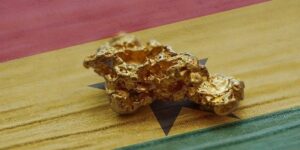
24K Gold Prices in Ghana (USD) – 2026
24K gold (99.9% purity) is the highest purity commonly traded for investment purposes. Prices vary depending on gold spot prices, refinery certification, dealer premiums, and transaction volume.
| Weight | Estimated Price (USD) |
| 1 gram | $133 – $136 |
| 5 grams | $665 – $680 |
| 10 grams | $1,330 – $1,360 |
| 50 grams | $6,650 – $6,800 |
| 100 grams | $13,300 – $13,600 |
| 250 grams | $33,250 – $34,000 |
| 1 kilogram | $133,000 – $136,000 |
22K Gold Prices in Ghana (USD) – 2026
22K gold (91.6% purity) contains less pure gold than 24K and is commonly used for jewellery and some forms of dore gold. Prices depend on purity verification and market demand.
| Weight | Estimated Price (USD) |
| 1 gram | $122 – $125 |
| 5 grams | $610 – $625 |
| 10 grams | $1,220 – $1,250 |
| 50 grams | $6,100 – $6,250 |
| 100 grams | $12,200 – $12,500 |
| 250 grams | $30,500 – $31,250 |
| 1 kilogram | $122,000 – $125,000 |
18K Gold Prices in Ghana (USD) – 2026
18K gold (75% purity) contains 75% pure gold and is commonly used in jewellery manufacturing. Its value is calculated based on the pure gold content plus local market premiums.
| Weight | Estimated Price (USD) |
| 1 gram | $100 – $102 |
| 5 grams | $500 – $510 |
| 10 grams | $1,000 – $1,020 |
| 50 grams | $5,000 – $5,100 |
| 100 grams | $10,000 – $10,200 |
| 250 grams | $25,000 – $25,500 |
| 1 kilogram | $100,000 – $102,000 |
Note on Gold Prices in Ghana
Gold prices in Ghana change regularly due to movements in the international gold market, the USD/GHS exchange rate, refinery charges, dealer premiums, and local supply conditions. Buyers should always verify:
- Current international gold spot price
- Gold purity through independent assay testing
- Seller credentials and licences
- Certificate of origin and transaction documentation
For large purchases, wholesale buyers may negotiate different prices depending on quantity, refinery source, and contract terms.
Documents Needed When Buying in Ghana
1 License to Purchase Precious Minerals. Issued by the Minerals Commission of Ghana, this license authorizes individuals or companies to purchase gold directly from licensed sellers or local miners. Without this license, purchasing gold is illegal under Ghanaian law.
2 Tax Identification Number (TIN). A Tax Identification Number is required for all transactions involving precious minerals. It ensures that the buyer is registered with the Ghana Revenue Authority for tax purposes and complies with tax obligations related to the purchase.
3 Gold Export License (if exporting). For buyers intending to export the gold out of Ghana, an export license is mandatory. This document is issued by the Precious Minerals Marketing Company (PMMC) or other authorized entities. It allows the buyer to transport gold legally across international borders.
4 Invoice or Sales Receipt. A detailed invoice or sales receipt from the seller is essential. This document should include information such as the quantity and purity of the gold, the price, and the seller’s license details. It serves as proof of purchase and ensures transparency in the transaction.
Note: Always verify the authenticity of sellers and ensure compliance with Ghana’s gold trade regulations to avoid fraudulent activities.
Gold Dore vs. Investment-Grade Bullion: Understanding What You’re Buying
Not all gold described as “24K” is the same. In Ghana, much of the gold sold by licensed mining companies and artisanal producers is gold dore, while investment products sold by refineries and mints are investment-grade bullion. Understanding the difference helps buyers know what they are purchasing and what additional refining or verification may be required.
Gold Dore (Unrefined Mine Bars)
Gold dore is the semi-refined gold produced directly from mining operations. Although it is often referred to as 24-karat gold, dore bars typically contain 90%–93% gold, with the remaining percentage consisting of naturally occurring silver and trace base metals. Because the exact composition varies from one batch to another, every shipment must be professionally assayed to determine its precise gold content.
In Ghana, gold dore intended for export is normally tested at the Precious Minerals Marketing Company (PMMC) Assay Laboratory in Accra. The assay confirms the bar’s purity and weight before export documentation is completed. The final purchase price is usually based on the verified assay results rather than an estimated purity.
Investment-Grade Minted Bullion
Investment-grade bullion consists of fully refined gold bars manufactured by accredited refineries or government mints. These bars generally have a minimum purity of 99.5%, with many investment bars refined to 99.99% (often marketed as 24K or 999.9 fine gold). Each bar is produced to strict quality standards and is typically stamped with the refiner’s name, weight, purity, serial number, and, where applicable, accompanied by a certificate of authenticity.
Because investment-grade bullion has already been refined and certified, it is widely accepted by banks, bullion dealers, and institutional investors around the world and usually commands a higher premium than gold dore.
Gold Dore vs. Investment Bullion
| Feature | Gold Dore | Investment-Grade Bullion |
| Stage of production | Semi-refined mine product | Fully refined investment gold |
| Typical purity | Approximately 90%–93% (varies by batch) | 99.5%–99.99% fine gold |
| Assay required | Yes, before export and pricing | Already refined and certified, though buyers may still independently verify |
| Pricing basis | Based on verified assay results | Based on weight, purity, and market premium |
| Primary buyers | Refineries, wholesalers, industrial processors | Investors, banks, bullion dealers, and collectors |
| Export process | Requires PMMC assay and export documentation | Export still requires applicable customs and regulatory documentation |
Understanding whether you are purchasing gold dore or investment-grade bullion is essential when buying gold from Ghana. Gold dore offers opportunities for refiners and large-scale buyers but requires independent assay and refining before reaching investment quality. Investors seeking immediately tradable gold generally prefer refined bullion bars with internationally recognized purity standards and complete documentation.
Legal Requirements for Buying & Exporting Gold in Ghana
Ghana has a regulated gold trading and export system designed to ensure that gold is legally sourced, properly verified, documented, and exported through authorized channels. Whether you are a local buyer, international investor, or gold trading company, understanding the legal requirements for buying and exporting gold in Ghana helps reduce the risks of fraud, illegal transactions, shipment delays, and compliance issues.
Buy Gold From a Licensed Gold Dealer
The first legal requirement when buying gold in Ghana is to work with a licensed and verified gold dealer. Buyers should confirm that the supplier is legally authorized to trade gold and operates within Ghana’s mineral regulations. Verifying company registration details, trading permissions, physical business location, tax information, and business history helps ensure that the gold purchase is conducted through a legitimate supply chain.
Verify the Source and Origin of the Gold
Before purchasing gold, buyers should confirm that the gold has a legal and traceable origin. Responsible gold trading requires documentation showing where the gold was sourced, whether from licensed mining operations, approved suppliers, or recognized gold trading channels. Source verification helps prevent the purchase of illegally mined gold and supports international responsible sourcing standards.
Conduct Gold Testing and Purity Verification
Gold must be tested and verified before purchase or export to confirm its purity, weight, and market value. Professional testing methods such as fire assay and X-Ray Fluorescence (XRF) analysis are commonly used to determine gold quality. Buyers should request an official assay report or certificate of purity to confirm whether the gold meets the agreed specifications, such as 24K investment-grade gold.
Obtain Proper Gold Purchase Documentation
Every legal gold transaction in Ghana should be supported by complete documentation. Buyers should receive records such as commercial invoices, sales agreements, receipts, assay certificates, and proof of gold origin. These documents provide evidence of ownership, support future resale, and are essential when arranging international shipments or customs clearance.
Comply With Ghana Gold Export Regulations
Exporting gold from Ghana requires compliance with the country’s mineral export regulations and approval processes. Exporters must ensure that the shipment is supported by the required export authorizations, customs declarations, assay documentation, and certificates confirming the legality of the gold. International buyers should confirm that the exporter has the necessary permissions before making payment or arranging shipment.
Follow Ghana’s Gold Regulatory Framework
Gold trading in Ghana is overseen by government institutions responsible for regulating mining, licensing, gold purchasing, valuation, and exports. Buyers and exporters should work within the approved regulatory framework and verify current requirements with relevant authorities, including the Ghana Gold Board (GoldBod), the Minerals Commission of Ghana, and the Ghana Revenue Authority Customs Division.
Meet Anti-Money Laundering and KYC Requirements
Because gold is a high-value commodity, buyers and exporters must comply with anti-money laundering (AML) and know-your-customer (KYC) requirements. Large transactions may require identification documents, company registration information, proof of address, and details about the source of funds. These procedures help ensure transparency and support secure international gold trading.
Use Secure Payment Methods
Gold transactions should be completed using secure and traceable payment methods to protect both buyers and sellers. Bank transfers, regulated payment channels, and structured trade payment solutions provide transaction records and reduce the risks associated with large cash payments. Buyers should ensure that payment details match the official sales agreement and supporting documents.
Comply With International Import Requirements
International buyers purchasing gold from Ghana must also comply with the import regulations of their destination country. Depending on the destination, buyers may need to meet customs requirements, provide import declarations, arrange insurance, and work with approved precious metals logistics providers. Understanding both Ghana’s export rules and the buyer’s country import requirements helps prevent shipment delays.
Common Gold Scams in Ghana & How to Avoid Them
Ghana is one of Africa’s leading gold-producing countries, attracting thousands of local and international buyers every year. While many licensed mining companies and gold dealers operate legally, the industry has also become a target for fraudsters. Understanding the most common gold scams can help investors avoid financial losses and purchase gold safely.
Fake Gold Sellers
One of the most common scams involves individuals or companies claiming to sell large quantities of gold without proper licenses or proof of ownership. These sellers often advertise attractive prices well below the market rate to lure buyers. Once payment is made, they either disappear or deliver fake or low-purity gold.
To avoid this scam, always verify that the dealer is registered with Ghana’s relevant authorities and operates from a physical business location. Request company registration documents, export licenses where applicable, and independent references before committing to any transaction.
Gold Dust and Dore Bar Fraud
Scammers frequently advertise gold dust or dore bars with promises of exceptionally high purity and huge discounts. In many cases, the product contains little or no gold, or its purity is significantly lower than claimed.
Protect yourself by insisting on independent testing through X-ray fluorescence (XRF) analysis or fire assay before completing the purchase. Never rely solely on certificates provided by the seller.
Advance Fee Scams
Fraudsters may request advance payments for export permits, customs clearance, refinery charges, taxes, or transportation before any gold is delivered. After receiving the funds, they invent additional fees or disappear altogether.
Legitimate transactions should include clear contracts detailing all costs and payment terms. Avoid sending money for unexpected charges without independently confirming the requirements with the appropriate authorities or a trusted legal adviser.
Fake Export Documents
Some scammers create counterfeit export permits, refinery certificates, customs documents, and laboratory reports that appear authentic. Unsuspecting buyers may believe the shipment is legal when, in reality, no gold exists.
Verify every document directly with the issuing authority or accredited institution whenever possible. Genuine documentation should match the seller’s company details and the specific shipment.
Counterfeit Gold Bars
Counterfeit bars made from tungsten or other heavy metals are increasingly sophisticated. They may carry fake refinery logos, serial numbers, and packaging that closely resemble genuine products.
Buy only from reputable dealers offering bullion produced by recognized refiners. Check serial numbers, inspect tamper-evident packaging, and arrange independent verification before accepting delivery.
Unrealistically Low Prices
If a seller offers gold at prices significantly below the current international market price, it should be treated as a warning sign. Genuine gold traders rarely sell precious metals far below prevailing market values because gold prices are globally transparent.
Compare the quoted price with the current international spot price and be cautious of deals that seem unusually profitable.
Pressure to Make Immediate Payment
Scammers often create artificial urgency by claiming another buyer is ready to purchase the gold or that prices will increase dramatically within hours. Their goal is to prevent buyers from carrying out proper due diligence.
Take sufficient time to verify the seller, inspect the gold, and review all documentation before transferring any funds.
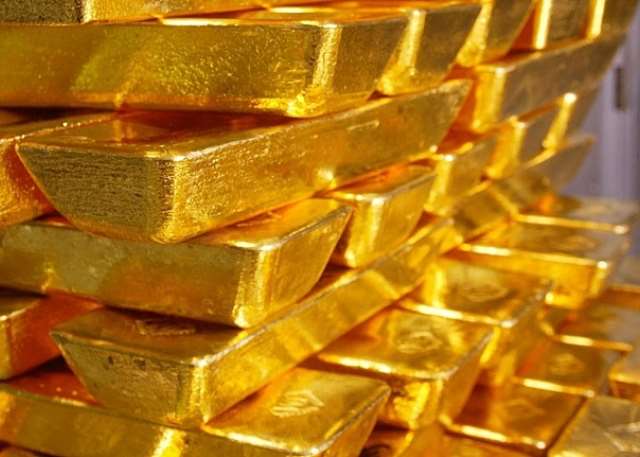
PMMC Export Procedure for Gold Exports from Ghana
All legally exported gold from Ghana must follow a regulated process supervised by the relevant government authorities. Understanding the export procedure helps international buyers verify that the gold they purchase complies with Ghanaian law and international trade standards.
Assaying and Purity Verification
Before gold can be exported, it must undergo mandatory testing at the Precious Minerals Marketing Company (PMMC) Assay Laboratory in Accra. PMMC specialists analyses the gold using internationally recognized testing methods to determine its exact purity, weight, and composition. After successful verification, PMMC issues an official Assay Certificate confirming the gold’s fineness. This certificate is a key document required for customs clearance and provides buyers with assurance that the shipment matches the declared specifications.
Export Levy and Government Charges
Artisanal and small-scale gold exports are subject to Ghana’s official 3% withholding tax/export levy, which must be paid before an export permit is finalized. The levy is calculated on the assessed export value of the gold and forms part of the government’s revenue collection process. Buyers should ensure that this payment has been completed by the exporter, as legitimate exporters will provide supporting tax payment receipts together with other export documentation.
Customs Clearance and Shipping Documentation
Once the gold has been assayed and all government fees have been paid, the exporter completes customs clearance before shipment. Standard export documentation typically includes the PMMC Assay Certificate, Customs Declaration Form, Bank Export Form, commercial invoice, packing list, and the Bill of Lading (or Air Waybill for air freight). Ghana Customs verifies these documents before authorizing the shipment for export. International buyers should request copies of all export documents before funds are released, as this helps confirm the legality of the transaction and reduces the risk of fraud or shipment delays.
Steps When Choosing Gold Prices in Ghana
1 Understand the Gold Purity. Verify whether you need 24K, 22K, or 18K gold, as purity affects the price and suitability for investment or jewelry.
2 Research Current Market Prices. Stay updated on global gold price trends, as they directly influence local prices in Ghana.
3 Verify the Seller’s Credibility. Always buy from reputable dealers or suppliers. Ensure they provide purity certifications for the gold.
4 Compare Prices across Vendors. Check prices from multiple sellers to ensure you’re getting the best deal without compromising quality.
Factors That Affect Gold Prices in Ghana
1 Global Gold Prices. Ghana’s gold prices are influenced by fluctuations in the international gold market, including demand and supply trends.
2 Exchange Rates. The strength of the Ghanaian cedi (GHS) against the US dollar (USD) significantly impacts gold prices in local markets.
3 Local Demand and Supply. Seasonal demand, mining activities, and export levels can drive prices up or down in Ghana.
4 Government Policies. Taxes, export duties, and regulations imposed by the government play a role in determining gold prices.
Payment Methods Used in Ghana
1 Bank Transfers. This is the most secure and commonly used payment method for large gold purchases.
2 Mobile Money (MoMo). Widely used for smaller transactions, mobile money platforms like MTN MoMo are fast and convenient.
3 Cash Payments. Cash transactions are popular in local markets but require caution to avoid counterfeit issues.
4 Cryptocurrency. Some dealers in Ghana now accept cryptocurrency like Bitcoin for gold transactions, offering a modern payment alternative.
Ways to Check the Authenticity of Gold in Ghana
1 Magnet Test. Pure gold is non-magnetic, so it will not be attracted to a magnet. Bring a strong magnet close to the gold item; if it sticks or shows any magnetic pull, it likely contains other metals and is not pure gold.
2 Density Test. Gold has a high density of approximately 19.3 g/cm³. You can calculate its density by weighing the gold and measuring its volume like water displacement. The gold may be impure or fake if the density is significantly low.
3 Acid Test. Gold reacts differently to specific acids based on its purity. A small scratch is made on the gold surface, and a drop of nitric acid is applied. Genuine gold will remain unaffected, while fake gold may discolor or dissolve. It’s recommended to use this test with the assistance of a professional.
4 Certification and Documentation Check. Always ask for a certificate of authenticity or documents from the seller, such as assay reports or receipts indicating the purity and weight of the gold. Ensure the seller is licensed by the Precious Minerals Marketing Company (PMMC) or the Minerals Commission of Ghana to guarantee the gold’s authenticity.
Conclusion. Gold prices in Ghana are highly competitive, making the country a hotspot for gold buyers and investors. By understanding the prices for 24K, 22K, and 18K gold, evaluating market factors, and using secure payment methods, you can ensure a successful and safe gold-buying experience in Ghana. Always deal with trusted suppliers to guarantee the quality and authenticity of your gold purchase.
Frequently Asked Questions (FAQs)
Can foreigners legally buy gold in Ghana?
Yes. Foreign investors can legally buy gold in Ghana, provided they purchase through a licensed gold dealer or exporter that complies with Ghana’s mining and export regulations. Buyers should ensure the transaction includes proper documentation, official assay reports where required, and all necessary export permits before the gold leaves the country.
What is the current export tax on gold in Ghana?
Export taxes, royalties, and other statutory charges may vary depending on the type of gold, the seller, and current government regulations. Before purchasing, buyers should confirm the latest rates with the Minerals Commission, the Ghana Gold Board (GoldBod) or other relevant authorities, as tax policies may change.
Is gold cheaper when bought directly from local miners in Ghana?
Gold purchased directly from licensed small-scale miners may sometimes be offered at a slight discount compared with refined bullion. However, buyers should also factor in assay fees, refining costs, transport, insurance, export documentation, and other transaction expenses. Extremely large discounts are uncommon and should be treated as a warning sign for potential fraud.
How can I verify that a gold dealer in Ghana is legitimate?
A legitimate gold dealer should have a registered business, operate from a verifiable physical address, and comply with Ghana’s mining and trading regulations. Before making any payment, request company registration documents, licences, assay certificates, references from previous clients, and arrange independent testing of the gold through an accredited laboratory.
What documents should I receive when buying gold in Ghana?
A legitimate gold transaction should include a commercial invoice, sales agreement, assay or purity certificate, packing list, export permit (where applicable), customs documentation, and proof of ownership. International buyers should confirm that all documents comply with both Ghanaian export requirements and the import regulations of the destination country.

Pingback: Where to Buy Gold in Ghana| 1kg Prices, Buying tips and Trusted Dealers