
How Much is 1kg Gold Price in Africa Today? (Uganda, Ghana & DRC Rates)
The current price of 1kg of 24K gold in Africa typically ranges between $136,000 and $141,000, depending on the country, global spot prices, refining costs, taxes, export regulations, and local market demand. Major gold trading hubs such as Uganda, Ghana, South Africa, Tanzania, Mali, Kenya, Nigeria, and the Democratic Republic of Congo (DRC) offer investment-grade gold, but prices and sourcing conditions vary across each market.
As a leading African precious metals company, Gold Dealers Africa Limited helps international buyers compare live 1kg gold prices, connect with verified gold suppliers, and purchase high-purity 24K gold bars with complete export documentation, independent gold testing, and secure international delivery. Whether you are an investor, refinery, wholesaler, or jewelry manufacturer, we provide transparent pricing and trusted sourcing across Africa’s leading gold-producing countries.
In this guide, you’ll find the latest 1kg gold prices in Africa, compare rates by country, understand the factors influencing gold prices, and learn how to buy investment-grade gold safely from verified African suppliers.
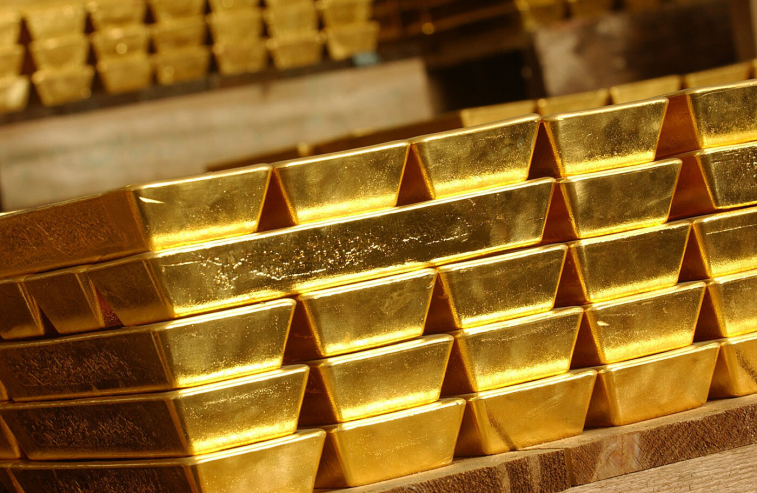
Top African countries to Buy 1kg Gold From
The world price of gold is around $60,000 per kilogram and local factors like currency exchange rates, mining costs, government regulations, and market demand can control the price of gold in each country.
1 Uganda
Uganda has come out as a key player in Africa’s gold market with increasing mining activity, especially in Karamoja, Mubende, and Busia. The increasing demand for gold in Uganda has grown due to its neighboring countries with outstanding mining activities with the government’s efforts to standardize the sector have further stabilized prices.
2 Ghana
Ghana being known as the ‘gold coast’ it’s the largest gold producer in Africa with consistent offers of competitive gold prices. The country’s gold industry is well-developed with outstanding mining operations and the price of gold in Ghana is driven by both international market trends and the strength of the Ghanaian cedi (GHS).
3 South Africa
South Africa is known to have the deepest and most famous gold mines in the world but its gold production has slowed for some years in recent years while the country remains a dominant force in the African gold market. Local pricing can be determined by both the exchange rate of the South African rand (ZAR) and the high costs of mining in this region.
4 Nigeria
Nigeria is known for its oil wealth and is also expanding its gold mining sector where the country has seen a rise in gold purchases, and the prices of gold are affected by the local currency (naira), demand for gold in the Nigerian market, and the country’s efforts to encourage more formal mining activities.
5 Mali
Mali is one of Africa’s top gold producers, with its political instability in past years which makes the demand for gold in Mali remain high. The gold prices in Mali are largely influenced by international trends and can be affected by local currency fluctuations and government regulations.
6 Kenya
Kenya has an outstanding growth in gold production mostly in with an increase in artisanal mining which has made the country’s gold market grow rapidly, with gold prices often being competitive due to government initiatives aimed at formalizing mining operations.
7 Tanzania
Tanzania is another important African gold producer, with its gold mining sector benefiting from a government push to increase local production and exports. Prices in Tanzania are competitive, with an expanding middle class driving increased demand.
8 Democratic Republic of Congo (DRC)
The DRC is known for its rich gold resources mostly in the eastern regions where they face challenges like political instability and artisanal mining practices but still, the DRC gives competitive gold prices, mostly for those engaged in large-scale and formal mining ventures.
9 Zambia
Is One of the Best Countries to Buy 1kg of Gold in Africa, often overshadowed by gold giants like Ghana and South Africa, is fast emerging as one of Africa’s most attractive destinations for gold buyers, especially those seeking to purchase 1kg gold bars for investment or export. With a growing gold mining sector, government-backed regulation, and favorable trade conditions, Zambia is gaining the attention of serious gold investors worldwide.
The Role of Purity in Gold Pricing: 24k vs. 22k
When buying gold in Africa the purity of the gold is a key factor in determining its price. The two most common purity standards are 24k and 22k, with 24k gold being pure gold 99.9% pure and 22k gold 91.7% pure.
24k Gold. This is the highest purity 24k gold considered to be pure gold containing 99.9% with a higher price per kilogram because it is free from any alloy metals which makes it the most searched metal for investment, jewelry, and industrial uses due to its high value and malleability.
22k Gold. This gold is 91.6% pure gold with slightly less pure form, mixed with alloys like copper or silver to make it more durable in jewelry. It is less expensive than 24k gold, but still considered high quality, and is often preferred for manufacturing and crafting jewelry due to its durability.
Current 1kg gold price in Africa
Updated 1 kg Gold Prices (USD)
Prices reflect current global spot market benchmarks (approximately $137,500/kg for 24K and $126,000/kg for 22K) along with typical regional market variations, including refining costs, import/export charges, logistics, and local demand.
| Country | 24K Gold (USD/kg) | 22K Gold (USD/kg) |
| Uganda | $136,800 | $125,400 |
| Kenya | $138,000 | $126,500 |
| Ghana | $139,200 | $127,600 |
| Tanzania | $138,500 | $126,900 |
| Mali | $135,500 | $124,200 |
| Nigeria | $141,000 | $128,800 |
| DR Congo | $136,500 | $127,000 |
| Zambia | $138,800 | $127,200 |
Key Drivers for Current Prices
- Global Spot Benchmark: The international benchmark for 24K gold is approximately $137,500 per kilogram (around $4,275–$4,300 per troy ounce).
- 22K Gold Valuation: Since 22K gold is 91.67% pure, its benchmark value is approximately $126,000 per kilogram.
- Regional Market Variations: Prices across East and West Africa may vary due to refining costs, transportation, insurance, export documentation, taxes, and local supply and demand. Raw dore gold may trade at a slight discount, while refined investment-grade bars often command a premium.
Spot Price vs. Local Discount: Why African Gold Often Trades Below International Spot Price
Many first-time buyers wonder why gold sourced from countries such as the Democratic Republic of Congo (DRC) or Uganda is often offered at 5%–15% below the international spot price. The discount does not necessarily indicate lower-quality gold. Instead, it typically reflects the additional costs, risks, and market conditions involved in moving gold from the mine to the international buyer.
Why Is African Gold Sold Below Spot Price?
Several factors contribute to the discount applied to locally sourced gold:
- Refining Costs: Artisanal gold is often sold as doré bars or raw gold that must be refined to investment-grade purity (typically 99.5% or 99.99%). Buyers factor future refining expenses into the purchase price.
- Transportation and Insurance: Secure transport, armored logistics, customs clearance, and insurance from mining regions to international markets increase overall costs, reducing the amount buyers are willing to pay at the source.
- Export Documentation and Compliance: Licensed exporters must obtain export permits, assay certificates, customs documentation, and comply with local mining regulations. These compliance costs are often reflected in the negotiated purchase price.
- Supply Chain Risk Premium: Gold sourced from remote or high-risk regions may carry additional commercial, security, and financing risks. Buyers typically price these risks into their offers.
- Market Liquidity: Gold sold directly by artisanal miners or local traders usually has fewer immediate buyers than gold traded on major bullion exchanges, leading to negotiated discounts.
Typical Local Discount Ranges
While discounts vary depending on purity, quantity, supplier credibility, and market conditions, buyers may encounter approximate ranges such as:
| Country | Typical Discount from Spot* | Common Reasons |
| Uganda | 3%–10% | Refining, export costs, logistics |
| DRC (Congo) | 5%–15% | Logistics, compliance, security considerations |
| Ghana | 1%–5% | Mature export market and competitive supply |
| Tanzania | 2%–8% | Export fees, refining, transportation |
| Mali | 3%–10% | Inland logistics and export processing |
*Actual discounts vary by transaction, gold purity, quantity, market conditions, and applicable regulations.
1kg Gold Price Comparison in Africa (2026)
The table below compares estimated 1kg gold prices across Africa’s leading gold markets. Prices are based on international spot prices with typical regional refining, logistics, and export cost variations. Actual quotations may vary depending on purity, supplier, transaction volume, and market conditions.
| Country | 24K Gold Price (1kg) | 22K Gold Price (1kg) | Export Taxes & Fees | Best For | Can Foreigners Buy? | Typical Discount from Spot* |
| Uganda | $137,500 | $126,000 | Export permit, royalties, applicable export levies | Wholesale buyers, exporters | ✅ Yes | 2–5% |
| Ghana | $138,200 | $126,700 | Royalties, regulatory fees, export permits | LBMA-quality sourcing | ✅ Yes | 1–3% |
| South Africa | $139,000 | $127,500 | VAT exemptions for investment gold, export compliance | Refined bullion & Krugerrands | ✅ Yes | 0–2% |
| Tanzania | $137,900 | $126,400 | Royalties, inspection and export clearance fees | Mining companies & investors | ✅ Yes | 2–4% |
| Mali | $137,300 | $125,900 | Export permits, mining royalties | Bulk gold purchases | ✅ Yes | 3–6% |
| Kenya | $138,600 | $127,100 | Import/export compliance and taxes | Regional trading hub | ✅ Yes | 1–3% |
| Nigeria | $138,000 | $126,500 | Export permits and regulatory fees | Gold traders & refiners | ✅ Yes | 2–5% |
| DR Congo (DRC) | $136,800 | $125,300 | Export permits, royalties, due diligence requirements | High-volume sourcing | ✅ Yes | 4–8% |
| Zambia | $138,100 | $126,600 | Export licensing and mineral royalties | Investment gold | ✅ Yes | 2–4% |
| Zimbabwe | $137,700 | $126,200 | Export licensing and government approvals | Mining partnerships | ✅ Yes | 2–5% |
*Typical Discount from Spot: Refers to negotiated wholesale discounts available on large-volume purchases from verified suppliers. Actual discounts depend on quantity, payment terms, refining status (doré vs. refined bullion), logistics, and prevailing market conditions.
Why Compare Gold Prices Across African Countries?
Although gold follows the global spot market, the final purchase price of a 1kg gold bar varies by country due to:
- Local taxes, royalties, and export regulations
- Refining and assay costs
- Transportation and insurance expenses
- Gold purity and certification (24K vs. 22K)
- Supply availability and mining production
- Currency exchange rates and local demand
Gold Dealers Africa Limited helps international buyers compare prices across Africa, verify legitimate suppliers, arrange independent gold testing, secure export documentation, and coordinate insured international delivery, ensuring a safe and transparent gold purchasing process.
How Buyers Can Avoid Misleading Discounts
Extremely large discounts such as 20%, 30%, or more below the global spot price should be treated with caution. Legitimate suppliers generally price gold close to prevailing market values after accounting for refining, logistics, taxes, export costs, and commercial risk. Buyers should always verify the supplier’s licensing, request independent assay reports, confirm export documentation, and use secure payment arrangements before completing a transaction.
Understanding the relationship between the international spot price and local African gold pricing helps buyers evaluate offers realistically, negotiate with confidence, and distinguish genuine commercial discounts from potential fraud.
Benefits of Buying 1kg Gold in Africa?
Africa is home to some of the world’s richest gold reserves, and purchasing gold from the continent offers several advantages for buyers:
1 Competitive Prices
Due to the abundance of gold resources and the variety of mining operations across Africa, many countries can give competitive gold prices compared to other countries. Buyers can often find gold at lower costs mostly when buying directly from local miners or gold dealers in countries like Ghana, Uganda, Tanzania, and South Africa.
2 Direct Access to Fresh Supply
Many African gold markets are typically closer to the source providing buyers with direct access to freshly mined gold. This gives an outstanding advantage when it comes to price negotiations and avoiding the added costs of intermediaries.
3 Political Support for Gold Trading
Many African governments have policies to support and promote gold mining and trading with favorable conditions for buyers like efforts to formalize mining sectors, transparency, and support local gold trading activities which makes stability makes it easier for buyers to engage in secure transactions.
4 Diverse Market Options
From formal mining operations to artisanal gold markets, Africa offers a variety of buying options to suit different preferences. While formal mining operations in South Africa, Ghana, and Mali provide large-scale, regulated gold, countries like the DRC and Uganda offer access to artisanal gold that may be priced more competitively.
5 Strong Demand and Growth Potential
Africa’s growing gold industry is increasingly attracting international investors. This demand continues to drive up the competitiveness of gold prices in countries like Kenya, Uganda, and Tanzania. The potential for future growth makes purchasing gold in Africa an appealing option for investors.
How to Buy 1kg of Gold Safely in Africa
Steps to safely buy 1kg of gold in Africa, tailored for serious investors, exporters, and local buyers. These steps help ensure security, legal compliance, and genuine transactions:
- Work Only with Licensed Gold Dealers
Always buy from registered and government-approved dealers. Licensed gold sellers will provide:
- Assay certificates
- Business registration documents
- Official export licenses (if exporting)
Avoid unverified brokers or street vendors, as many scams in Africa come from informal or unregulated channels.
- Verify the Gold Purity and Documentation
Before any payment:
- Request an assay report from a certified refinery.
- Inspect the gold bar for markings (weight, purity, refinery stamp, serial number).
- Cross-check the documents (origin, ownership, and license) to confirm authenticity.
Professional dealers will allow third-party verification if needed.
- Use a Secure Location for the Transaction
Arrange to inspect and buy the gold at a secure, neutral location, such as:
- A government-authorized refinery
- A reputable logistics company vault
- A licensed gold trading office
Avoid private locations or unofficial venues, especially in high-risk regions.
- Ensure Legal Compliance and Tax Payments
In countries like Ghana, DRC, or Tanzania, you must:
- Pay applicable royalties and export taxes (e.g., 3% in Ghana)
- Complete customs documentation (like the Gold Export Certificate)
- Use approved shipping agents for international transport
Doing it legally protects your gold from seizure or export delays.
- Use Escrow or Secure Payment Methods
Protect your funds with secure payment arrangements:
- Use escrow services that hold your money until the gold is verified
- For large purchases, set up a bank-to-bank transfer with buyer protection terms
- Avoid cash or informal payment channels without proper documentation
This minimizes the risk of fraud and ensures traceability.
Where to Buy 1kg Gold Safely in Africa
| Country | Recommended Source | Gold Available | Verification Required | Export Assistance | Best For |
| Uganda | Licensed gold dealers, accredited refiners, and verified mining companies | 24K Gold Bars, Gold Dore Bars | Government export license, assay certificate, KYC verification | ✅ Yes | International investors and wholesale buyers |
| Ghana | PMMC-licensed exporters and certified gold dealers | 24K Gold Bars, Gold Dore | Export permit, refinery certificate, supplier verification | ✅ Yes | LBMA-quality gold sourcing |
| South Africa | Rand Refinery distributors and authorized bullion dealers | Refined 24K Gold Bars, Investment Bullion, Krugerrands | LBMA certification and dealer verification | ✅ Yes | Investment-grade bullion |
| Tanzania | Licensed mining companies and mineral dealers | Gold Bars, Gold Dore | Export permit, assay report, supplier due diligence | ✅ Yes | Bulk gold purchases |
| Mali | Government-authorized exporters and mining companies | Gold Dore Bars, 24K Gold Bars | Export license, refinery documentation | ✅ Yes | Wholesale buyers |
| Kenya | Licensed bullion dealers and precious metals traders | Gold Bars and Investment Gold | Dealer license, assay certificate | ✅ Yes | Regional gold trading |
| Nigeria | Registered gold exporters and licensed dealers | Gold Bars and Gold Dore | Export permit and supplier verification | ✅ Yes | Commercial buyers |
| DR Congo (DRC) | Verified mining companies and licensed exporters | Gold Dore Bars, 24K Gold Bars | ICGLR documentation, export permit, assay report | ✅ Yes | High-volume gold sourcing |
| Zambia | Licensed mineral exporters and gold dealers | Gold Bars and Gold Nuggets | Export authorization and quality certification | ✅ Yes | Investment buyers |
| Zimbabwe | Government-approved gold exporters and refiners | Gold Bars and Gold Dore | Export approval, assay certificate | ✅ Yes | Institutional and wholesale buyers |
Buy Verified 1kg Gold with Gold Dealers Africa Limited
Gold Dealers Africa Limited connects international buyers with verified and legally compliant gold suppliers across Africa. We help reduce fraud risks by providing:
- ✅ Verified gold suppliers and mining partners
- ✅ Independent purity testing (XRF and Fire Assay)
- ✅ Export permits and customs documentation
- ✅ Secure insured international shipping
- ✅ Competitive wholesale pricing based on live market rates
- ✅ End-to-end transaction support from inquiry to delivery
Request a Gold Quote | Verify a Gold Supplier | Contact a Gold Expert
Local Tax & Export Duty Breakdowns
International gold buyers need to understand the taxes, royalties, and export duties that apply before purchasing gold from Africa. These charges vary by country and can significantly affect the final landed cost of gold. Knowing the applicable government fees also helps buyers verify that suppliers are operating legally and that export documentation complies with local regulations.
- Ghana: Gold exports are subject to government-approved taxes, royalties, and regulatory fees. For eligible artisanal and small-scale gold exports, buyers should factor in applicable withholding taxes (commonly around 3%, where required under the relevant regulations), royalties, export permit fees, and assay or certification costs. Requirements may vary depending on the exporter, the type of mining license, and current government regulations, so it is important to confirm the latest rates with licensed exporters and the appropriate authorities.
- Uganda: Export charges depend on whether the gold is raw, semi-processed, or fully refined, as well as the exporter’s licensing status and current regulations. Buyers should expect potential costs for export duties or levies (where applicable), mineral export permits, refinery or assay certification, customs clearance, and secure logistics. Since Uganda’s mining and export regulations are periodically updated, working with a licensed exporter ensures compliance and provides accurate documentation of all government fees before shipment.
Including a transparent breakdown of taxes, royalties, export duties, and logistics costs allows buyers to calculate the true cost of purchasing African gold and reduces the risk of unexpected charges during the export process.
Key Factors Influencing Gold Prices in Africa
1 Purity Levels.24K gold has 99.9% purity, while 22K gold contains 91.67% gold. Higher purity commands higher prices.
2 Mining Costs. Labor, machinery, and refining processes differ across countries.
3 Demand and Supply. Global market trends and geopolitical stability affect gold prices.
4 Logistics. Transportation, storage, and customs clearance costs impact final pricing.
Conclusion. Buying 1kg of gold in Africa can be a highly attractive option for buyers looking for competitive pricing mostly in key markets like Ghana, South Africa, and Tanzania. The factors of local currency fluctuations, mining conditions, and government policies play key roles in determining the price, with both 24k and 22k purity options available. With Africa’s rich gold reserves, diverse mining operations, and favorable conditions for buyers, this continent remains an ideal source for gold purchases. if you’re looking to invest or acquire gold for other purposes, African markets give some of the best deals worldwide.
How Long Does Gold Export Take From Africa?
The time required to export gold from Africa depends on the country of origin, supplier documentation, gold verification process, export permits, customs clearance, and destination requirements. A properly documented gold shipment from a licensed exporter can often be completed within 4–15 business days, while delays may occur if additional inspections, compliance checks, or documentation updates are required.
Average Gold Export Processing Time by African Country
| Country | Typical Export Time | Main Factors Affecting Export Speed |
| Uganda | 5–10 days | Gold testing, export documentation, customs clearance, and secure logistics arrangements |
| Ghana | 4–8 days | PMMC/export approval procedures, assay certification, and regulatory compliance |
| Tanzania | 5–12 days | Mineral export permits, government inspections, and documentation processing |
| Kenya | 4–7 days | Dealer verification, customs procedures, and international shipping arrangements |
| DR Congo (DRC) | 7–15 days | Due diligence checks, export permits, regional documentation, and security considerations |
| Mali | 7–14 days | Export authorization, gold verification, and transportation logistics |
| South Africa | 3–7 days | Established refining infrastructure, bullion certification, and export compliance |
| Nigeria | 5–10 days | Export licensing, regulatory approvals, and customs processing |
| Zambia | 5–12 days | Mineral export documentation and inspection procedures |
| Zimbabwe | 7–14 days | Government approval processes, refining requirements, and export clearance |
Factors That Can Delay Gold Export
Several factors may affect the export timeline, including:
- Gold verification and assay testing: Independent testing may be required to confirm purity and value before shipment.
- Export permits: Government approvals must be completed before gold can legally leave the country.
- Documentation accuracy: Missing or incorrect paperwork can delay customs clearance.
- Banking and payment verification: International transactions may require additional compliance checks.
- Shipping arrangements: Secure logistics providers must coordinate insured transportation and delivery schedules.
- Destination country requirements: Import regulations may add additional processing time.
Required Documents for Exporting Gold From Africa
Exporting gold internationally requires proper documentation to prove the legality, ownership, quality, and shipment details of the gold. Requirements vary by country, but legitimate gold exporters typically need a complete document package before the shipment can pass government inspections, customs clearance, and international import procedures.
Gold Export Documentation Checklist
| Required Document | Purpose |
| ✅ Export Permit | Official authorization issued by the relevant government authority allowing the legal export of gold from the country of origin. |
| ✅ Assay Certificate | Independent laboratory report confirming the gold’s purity, weight, and precious metal content before export. |
| ✅ Certificate of Origin | Document verifying the country where the gold was mined, processed, or legally sourced. |
| ✅ Commercial Invoice | Official sales document showing the buyer, seller, gold quantity, value, payment terms, and transaction details. |
| ✅ Packing List | Detailed shipment record showing the number of packages, gold weight, packaging information, and shipment contents. |
| ✅ Air Waybill (AWB) | Transport document issued by the airline or logistics provider confirming shipment details and cargo movement. |
| ✅ Customs Declaration | Government declaration submitted to customs authorities containing information required for export clearance. |
| ✅ Insurance Certificate | Proof that the gold shipment is insured against approved risks during international transportation. |
Additional Documents Often Required for Gold Transactions
Depending on the country and destination market, buyers and exporters may also need:
- Mineral Dealer License – Proof that the exporter is legally authorized to trade precious metals.
- Tax Clearance Certificate – Evidence that applicable government taxes and fees have been addressed.
- KYC (Know Your Customer) Documents – Identification and company verification documents for buyers and sellers.
- Responsible Sourcing Documents – Supply chain records confirming ethical and compliant gold sourcing.
- Refinery Certificate – Documentation from an accredited refinery confirming processing and quality standards.
Why Proper Documentation Matters
Complete documentation protects buyers from illegal shipments, counterfeit gold, and regulatory problems. International refineries, banks, customs authorities, and professional gold buyers require accurate paperwork before accepting gold shipments.
Gold Dealers Africa Limited helps international buyers navigate the gold export process by assisting with supplier verification, assay confirmation, export documentation, customs compliance, and secure delivery arrangements across Africa.
How Gold Dealers Africa Limited Helps Speed Up Export
Gold Dealers Africa Limited assists international buyers by coordinating the complete gold export process, including supplier verification, gold testing, export documentation, customs procedures, and secure international delivery.
By working with verified exporters and experienced logistics partners, we help buyers reduce delays and complete gold transactions through a transparent and compliant export process.
Why Does African Gold Sometimes Trade Below the Global Spot Price?
Many international gold buyers search for African gold because some suppliers offer prices below the global spot market. However, it is important to understand that African gold is not automatically cheaper than the international gold price. The difference usually comes from the type of gold being traded, the stage of processing, local operating costs, and the expenses required to move gold from mining regions into international bullion markets.
A large portion of African gold exports involve gold dore bars, which are semi-refined products containing gold mixed with small amounts of silver and other metals. Unlike internationally traded 99.5%–99.99% pure investment-grade gold bars, dore gold requires additional refining, laboratory testing, documentation, and secure transportation before it can be accepted by major refineries and financial institutions.
For this reason, wholesale buyers may negotiate 5%–15% discounts on gold doré, depending on purity, quantity, supplier reliability, refining arrangements, and export requirements. These discounts represent the costs and risks involved in converting raw or semi-refined gold into internationally accepted bullion.
Refining Costs
One of the main reasons African gold can trade below the global spot price is the cost of refining. Gold produced from many African mining regions is sold as dore bars with approximately 85%–98% gold content, rather than fully refined bullion.
Before the gold can enter international investment markets, it must undergo:
- Professional assaying to determine exact gold content
- Chemical or electrolysis refining to remove impurities
- Quality certification from an accredited refinery
- Melting and casting into internationally recognized bullion bars
Refining companies charge processing fees based on gold content, volume, and required services. These costs are normally deducted during negotiations between miners, exporters, and international buyers, reducing the purchase price compared with fully refined gold.
Export Permits and Government Fees
Legal gold exports from African countries require strict compliance with government regulations designed to control mineral trading, prevent illegal exports, and ensure proper revenue collection.
Depending on the country of origin, gold transactions may involve:
- Mineral export licenses
- Government royalties and taxes
- Gold declaration documents
- Assay certificates
- Customs clearance procedures
- Responsible sourcing documentation
These regulatory requirements create additional expenses for exporters and buyers. The cost of obtaining permits and completing compliance procedures is often reflected in the final negotiated gold price.
Logistics and International Transportation Costs
Moving gold from remote mining areas to international markets requires specialized logistics because gold is a high-value asset that must be handled under strict security conditions.
Transportation expenses may include:
- Secure collection from mining areas
- Armored vehicle transportation
- Protected storage before export
- Airport security handling
- International precious metals air freight
- Customs clearance at destination
- Delivery to a refinery, vault, or financial institution
Countries with limited infrastructure or longer transportation routes may have higher logistics costs, which can influence the discount offered by sellers.
Insurance Costs
Gold shipments require specialized insurance coverage due to their high value and the risks associated with international transportation.
Insurance providers consider factors such as:
- Total shipment value
- Origin and destination countries
- Transportation method
- Security arrangements
- Route risk assessment
The cost of insuring gold shipments is included in the overall transaction expenses. Higher insurance premiums can reduce the amount sellers receive and affect wholesale pricing negotiations.
Security Risks and Due Diligence Requirements
Gold trading requires strong security controls, especially when sourcing from mining regions where supply chains can be complex.
Professional buyers often require:
- Verified supplier records
- Legal ownership documentation
- Chain-of-custody verification
- Independent gold testing
- Compliance checks
- Secure storage and transportation arrangements
These measures protect buyers from counterfeit gold, illegal mineral sources, and fraudulent transactions. However, they also increase the operational costs involved in bringing African gold into international markets.
Why Gold Doré May Sell at a 5%–15% Discount Below Spot Price
Gold doré may trade below the international spot price because buyers must account for the costs required to transform semi-refined gold into investment-grade bullion.
| Factor | How It Affects Gold Pricing |
| Gold purity (85%–98%) | Lower purity requires additional refining, reducing the immediate value compared with 99.99% pure bullion. |
| Refining and assay costs | Buyers deduct refinery charges, laboratory testing, and processing fees before final settlement. |
| Export permits and compliance | Government approvals, documentation, and regulatory fees increase transaction costs. |
| Logistics and insurance | Secure transportation and insurance premiums reduce the seller’s final proceeds. |
| Supplier verification and due diligence | Professional buyers invest in compliance checks to reduce transaction risks. |
| Purchase volume | Larger wholesale transactions may receive better pricing due to economies of scale. |
| Market conditions | Supply availability, gold demand, and global price movements influence negotiated discounts. |
Understanding Realistic Gold Discounts
A genuine wholesale discount reflects the costs associated with refining, compliance, logistics, and risk management. Buyers should understand that a 5%–15% discount is generally associated with gold dore or wholesale transactions requiring further processing, while fully refined 24K investment-grade gold normally trades close to the international spot price.
Offers claiming extremely large discounts, such as 20%, 30%, or 50% below the current market price for refined gold, should be approached carefully and require extensive verification before any transaction.
Buy Verified African Gold Through Gold Dealers Africa Limited
Gold Dealers Africa Limited helps international investors, refineries, and gold buyers source genuine African gold through verified suppliers and compliant trading channels. We assist with supplier verification, independent gold testing, export documentation, secure logistics, and international delivery arrangements.
By working with trusted partners across Africa’s major gold-producing regions, Gold Dealers Africa Limited provides buyers with a transparent process for purchasing investment-grade gold while reducing the risks associated with unverified suppliers.
Frequently Asked Questions (FAQs) 1kg Gold Price in Africa
Which African country has the cheapest 1kg gold?
The cheapest place to buy 1kg of gold in Africa depends on several factors, including gold purity, local supply, refining costs, export regulations, taxes, and transaction volume. Countries such as Uganda, Ghana, Mali, Tanzania, and the Democratic Republic of Congo (DRC) are often considered competitive sourcing markets because they have significant gold production and established trading networks. However, legitimate gold prices generally remain close to the international spot price, with differences mainly coming from refining discounts, export costs, and wholesale agreements rather than large price gaps.
Can I buy gold directly from miners?
Yes, international buyers can purchase gold directly from miners in some African countries, but the process usually requires working through licensed mining companies, registered exporters, or authorized gold dealers. Direct purchases from small-scale miners often require additional verification, including supplier due diligence, gold testing, export licensing, and compliance checks to confirm that the gold is legally sourced and approved for international trade.
Why is African gold cheaper than Dubai?
African gold may appear cheaper than Dubai because some transactions involve gold doré or semi-refined gold, which still requires refining, certification, transportation, and export processing before reaching international markets. Dubai is a major global bullion trading hub where prices are closely linked to international spot rates. The difference between African sourcing prices and Dubai market prices usually reflects refining costs, logistics, taxes, insurance, and supply chain expenses rather than the gold itself being naturally cheaper.
Is 24K gold better than 22K gold?
24K gold is generally preferred for investment purposes because it has a higher purity level, typically around 99.9% pure gold, making it the standard choice for bullion bars and institutional buyers. 22K gold contains approximately 91.6% gold mixed with other metals, making it harder and more suitable for jewelry and certain investment products. The better option depends on the buyer’s purpose: investors usually choose 24K gold, while jewelry buyers may prefer 22K gold for durability.
Can gold be shipped to the USA?
Yes, gold can be legally shipped from Africa to the USA when the transaction complies with both export regulations in the country of origin and U.S. import requirements. International gold shipments typically require proper documentation, including export permits, assay certificates, commercial invoices, customs declarations, and secure insured transportation through approved precious metals logistics providers.
How much are gold export taxes?
Gold export taxes and fees vary significantly by African country and depend on government regulations, gold type, and transaction structure. Export costs may include royalties, mineral export fees, inspection charges, customs processing fees, and licensing costs. Buyers should confirm the current requirements in the specific country where the gold is sourced because regulations can change frequently.
How can I avoid gold scams?
To avoid gold scams, buyers should only work with verified gold dealers, licensed exporters, and established suppliers. Important safety steps include confirming company registration, requesting independent assay reports, verifying export permits, checking ownership documentation, avoiding unrealistic below-market offers, and using secure payment and shipping procedures. Professional buyers should never rely only on online promises without completing proper due diligence.
What is the minimum order for buying gold?
The minimum gold order depends on the supplier, country, and transaction type. Some dealers offer small investment products such as 1g, 10g, 100g, or 1oz gold bars, while wholesale African gold transactions commonly begin from larger quantities such as 100 grams, 1kg, or more. Bulk buyers and refineries usually negotiate pricing based on shipment size and long-term supply agreements.
How long does gold shipping take?
Gold shipping times depend on the origin country, export approval process, destination requirements, and logistics provider. Once documentation is complete, international gold shipments commonly take approximately 5–15 business days, although additional time may be required for government approvals, customs inspections, compliance checks, or secure transportation arrangements.
Gold Dealers Africa Limited helps international buyers source gold safely by connecting them with verified suppliers, assisting with gold verification, export documentation, secure logistics, and compliant international delivery.