
Uganda Gold Discovery in Busia |Real Potential or Speculation?
Uganda Gold Discovery in Busia: Uganda has confirmed one of Africa’s largest gold discoveries in the Busia District of Eastern Uganda. Government geological surveys estimate the country holds approximately 31 million metric tonnes of gold ore, with the potential to produce around 320,158 metric tonnes of refined gold. Based on current international gold prices, the deposit has been valued at more than $12 trillion, making it one of the most significant mineral discoveries in Uganda’s historyGold Uganda and positioning the country as a major future gold producer.
The discovery has drawn global attention from mining companies, investors, and precious metals buyers seeking opportunities in Uganda’s expanding mining sector. Busia, already known for its artisanal gold mining activities, is expected to become a strategic hub for large-scale gold exploration, processing, and exports. The project is anticipated to create thousands of jobs, attract billions of dollars in investment, and contribute significantly to Uganda’s economic growth, provided the resources are commercially recoverable and developed responsibly.
Quick Answer:
Where was the gold discovered? Busia District, Eastern Uganda.
How much gold was discovered? Approximately 31 million metric tonnes of gold ore with an estimated 320,158 metric tonnes of refined gold.
What is it worth? More than $12 trillion at current gold prices.
Why is it important? The discovery could transform Uganda into one of Africa’s leading gold-producing nations and attract substantial foreign investment in mining.Looking to Buy Gold from Uganda?
Whether you’re an investor, refinery, bullion dealer, or wholesale buyer, Gold Dealers Africa helps connect qualified buyers with licensed gold suppliers in Uganda. We support every stage of the sourcing process—from supplier due diligence to secure international delivery.
Our services include:
- ✅ Verification of licensed gold suppliers
- ✅ Independent assay and purity testing coordination
- ✅ Export documentation and regulatory guidance
- ✅ Secure, fully insured international shipping
- ✅ Customs clearance assistance
- ✅ End-to-end transaction support and due diligence
We work with clients seeking 24K gold bars, gold doré bars, and investment-grade bullion, helping ensure transactions are conducted in accordance with applicable laws and industry best practices.
Ready to source gold from Uganda? Contact Gold Dealers Africa today to discuss current availability, request supplier verification, or receive guidance on the gold export process. Our team is available to help you make informed and secure purchasing decisions.

Fact Check: Did Uganda Really Discover a $12 Trillion Gold Deposit?
The claim that Uganda discovered a $12 trillion gold deposit has generated worldwide attention since it was announced in 2022. While Uganda has identified significant gold-bearing ore, the country’s actual economically recoverable gold reserves have not yet been independently verified under internationally recognized reporting standards.
The widely cited figure of 31 million metric tonnes comes from Uganda’s Ministry of Energy and Mineral Development (MEMD). According to the ministry, geological surveys identified approximately 31 million tonnes of gold ore across several mineral-rich regions, including Busia, Karamoja, Kassanda, Buhweju, and other prospective mining areas.
However, it is important to understand that gold ore is not the same as pure gold. Gold ore is simply rock containing varying concentrations of gold. The amount of gold that can ultimately be recovered depends on several factors, including the ore grade, recovery rate, mining technology, processing methods, operating costs, environmental regulations, and whether the deposit can be mined profitably.
Ugandan officials estimated that the identified ore could potentially yield around 320,158 tonnes of refined gold, leading to headlines claiming the discovery was worth approximately $12 trillion based on prevailing international gold prices. However, this estimate has not been independently verified through internationally recognized mineral reporting standards such as the JORC Code (Australia) or NI 43-101 (Canada). These standards require extensive geological drilling, laboratory analysis, resource modeling, and economic studies before mineral resources can be classified as reliable reserves.
Mining experts therefore remain cautious. Initial exploration results often identify mineralized zones, but only detailed exploration and feasibility studies can determine whether those deposits contain sufficient recoverable gold to justify commercial mining. Many mineral discoveries are revised upward or downward as additional drilling and testing are completed.
Uganda nevertheless remains one of Africa’s most promising emerging mining jurisdictions. Continued exploration by government agencies and private mining companies could significantly expand the country’s proven gold resources over the coming years. However, until independent technical reports confirm the size, grade, and economic viability of the deposits, the $12 trillion valuation should be viewed as a preliminary estimate rather than an established fact.
Bottom Line: Uganda has discovered substantial gold-bearing ore, making the announcement an important geological milestone. However, the widely reported $12 trillion valuation is based on estimated potential gold content, not independently verified recoverable reserves. The true value of the discovery will only become clear after further drilling, independent geological verification, and comprehensive commercial feasibility studies.
Major Gold Mining Areas in Busia
The Busia District, located in Uganda’s Eastern Region, has emerged as a focal point for gold mining activities. Key areas include:
- Alupe Village, Buteba Sub-county: Home to the Wagagai Mining Project, this location is experiencing substantial development to create a large-scale gold mining and refining facility.
- Tiira and Amonikakine: These artisanal mining hubs have long been centers for small-scale gold extraction, contributing to the local economy and providing livelihoods for many residents.
Scale of the Discovery
The extensive exploration surveys, including aerial geophysical and geochemical analyses, have unveiled:
- 31 million metric tonnes of gold ore: A testament to the vast mineral wealth beneath Uganda’s soil.
- 320,158 tonnes of refined gold: Potentially extractable, marking one of the most significant gold discoveries globally.
This discovery not only promises substantial economic benefits for Uganda but also has the potential to reshape the global gold market dynamics.
Why you should choose the Busia gold deposits in Uganda for investment or mining ventures:
- Massive Gold Potential
Busia is home to one of Uganda’s largest known gold reserves, with an estimated 30 million metric tonnes of gold ore discovered in the area.
Potential yield: Up to 210 metric tonnes of refined gold, making it one of East Africa’s richest undeveloped gold zones. Uganda Gold Discovery in Busia
- Strategic Investment by Major Players
The area has attracted serious foreign investment, notably:
- Wagagai Mining (U) Limited, a Chinese firm, is building a $200 million gold refinery in Busia.
- This boosts investor confidence and confirms the deposit’s commercial viability.
- Supportive Legal Framework
Uganda’s Mining and Minerals Act, 2022 provides:
- Legal security for investors.
- Clear licensing categories (from artisanal to large-scale).
- A 15% government stake without up-front capital requirements (free carried interest).
Ensures predictable, transparent mining operations.
- Government Backing and Infrastructure
The Ugandan government has shown strong political will to develop the mining sector:
- Infrastructure like roads and energy around Busia is improving.
- Customs and border access are close by, easing gold export logistics via Kenya’s ports.
- High Economic Return Potential
Gold prices remain high globally, and Busia offers:
- Low operational costs compared to other regions.
- A chance to enter a rapidly growing market Uganda’s gold exports surged from $201M to $2.3B in 2023.
- A first-mover advantage before full-scale commercial mining saturates the area.
NOTE. Busia combines high-grade reserves, solid infrastructure, government support, and international interest making it one of the most promising gold investment hotspots in East Africa.
Uganda Gold Discovery Timeline
| Year | Key Event |
| 2022 | Uganda’s Ministry of Energy and Mineral Development (MEMD) announced the discovery of approximately 31 million metric tonnes of gold-bearing ore, with an estimated potential of 320,158 tonnes of refined gold, sparking global headlines about a $12 trillion discovery. |
| 2023 | Government agencies and private companies continued geological surveys, exploration drilling, and resource assessments in gold-rich areas including Busia, Karamoja, Kassanda, and Buhweju. Mining experts called for independent verification of the estimates. |
| 2024 | Development of major mining projects accelerated, including progress on the Wagagai Mining project in Busia. Investment in Uganda’s mining infrastructure and mineral processing capacity increased. |
| 2025 | Uganda continued expanding its gold refining and value-addition industry, with ongoing investment in refineries, export infrastructure, and policies aimed at increasing domestic mineral processing. Exploration of new gold prospects also continued. |
| 2026 | Uganda remains one of Africa’s fastest-growing mining destinations. While exploration and investment continue, the 31 million tonnes refers to gold-bearing ore, not proven gold reserves. The estimated $12 trillion valuation has not yet been independently verified under international reporting standards such as JORC or NI 43-101. |
Key Takeaway
Uganda’s gold story is still unfolding. The country has identified substantial gold-bearing ore and continues attracting mining investment, but the size of its economically recoverable gold reserves and whether the deposits are truly worth $12 trillion will only be confirmed after further exploration, independent geological verification, and commercial feasibility studies.
How to Invest in Uganda’s Gold Mining: Step-by-Step Guide
- Conduct Geological Surveys and Exploration
Begin by collaborating with certified geologists or mining consultants to perform preliminary geological surveys. Utilize techniques such as remote sensing, geochemical sampling, and aerial mapping to identify potential gold-bearing areas. Focus on regions like Karamoja, Mubende, Buhweju, and Busia, known for their gold deposits.
- Verify Legal Ownership and Licensing
Ensure that you have the legal rights to the land by verifying ownership and obtaining the necessary licenses. Uganda’s Directorate of Geological Survey and Mines (DGSM) issues various licenses, including Exploration Licenses and Mining Leases.
- Assess Deposit Viability
Conduct core drilling, trenching, and assay tests to determine the gold grade (grams per ton), ore body size, and extraction potential. Use certified laboratories for accurate testing to ensure the economic viability of the project.
4. Evaluate Accessibility and Infrastructure
Assess the deposit’s access to roads, water, electricity, and labor. Remote or inaccessible areas may significantly increase operational costs. Additionally, evaluate security risks in the region, especially in volatile areas like Karamoja.
- Conduct Environmental and Social Impact Assessments (ESIA)
Ugandan law requires all mining operations to undergo an Environmental and Social Impact Assessment. Engage with local communities, conduct stakeholder meetings, and obtain a Certificate of Approval from the National Environmental Management Authority (NEMA) to ensure compliance with sustainability and social responsibility standards.
Investment Risks and Challenges of the Busia Gold Discovery
While the Busia gold discovery has generated significant interest from investors and mining companies, every mining project carries risks that should be carefully evaluated before making investment decisions. Understanding these challenges provides a more balanced perspective and helps investors make informed decisions.
Commodity Price Risk
Gold prices fluctuate in response to global economic conditions, inflation, interest rates, central bank policies, and investor demand. Although gold has historically been considered a safe-haven asset, prolonged declines in international gold prices could reduce the profitability of mining operations in Busia. Investors should monitor global gold market trends rather than relying solely on current prices.
Licensing and Regulatory Delays
Mining projects in Uganda require multiple approvals before commercial production can begin. Investors may experience delays while obtaining exploration licenses, mining leases, environmental approvals, and export permits. Regulatory reviews, land access negotiations, and compliance requirements can extend project timelines and increase development costs.
Environmental and Social Obligations
Mining companies operating in Busia are required to comply with Uganda’s environmental laws, including Environmental and Social Impact Assessments (ESIAs), land restoration plans, water management, and waste disposal requirements. These obligations increase operating costs but are essential for protecting local communities and ecosystems. Failure to comply may result in penalties, project suspensions, or legal action.
Political and Regulatory Changes
Mining legislation, royalty rates, taxation policies, and export regulations can change over the life of a mining project. Future amendments to Uganda’s Mining and Minerals Act or related regulations could affect production costs, licensing requirements, or investor returns. Investors should remain informed about policy developments and assess regulatory risk as part of their due diligence.
Community Relations and Land Access
Successful mining projects depend on maintaining positive relationships with local communities and landowners. Disagreements over land compensation, relocation, employment opportunities, or environmental concerns can delay project development or increase operational costs. Strong community engagement and transparent communication are essential for the long-term success of mining operations.
Exploration and Resource Uncertainty
Although Uganda’s government has announced substantial gold ore resources in Busia, the quantity of economically recoverable gold will ultimately depend on detailed geological drilling, independent resource estimates, ore grades, metallurgical testing, and feasibility studies. Not all identified gold ore can be mined profitably, and future exploration may revise current estimates upward or downward.
Infrastructure and Operational Challenges
Large-scale mining requires reliable roads, electricity, water supply, skilled labor, and processing facilities. Delays in infrastructure development or higher-than-expected operating costs may affect project schedules and profitability. Investors should evaluate the availability of supporting infrastructure before committing capital.
Currency and Financing Risks
International mining projects are also exposed to exchange rate fluctuations, rising financing costs, and global economic uncertainty. Changes in interest rates or reduced access to project financing can affect construction schedules and overall project economics.
Risk vs. Opportunity
Despite these risks, Busia remains one of Uganda’s most promising mining regions due to ongoing exploration, significant private investment, improving infrastructure, and government efforts to formalize the mining sector. However, prospective investors should conduct independent technical, legal, financial, and environmental due diligence before making investment decisions. A balanced assessment of both opportunities and risks provides the strongest foundation for responsible investment.
How Gold Mining Works: From Discovery to Export
Understanding how gold mining works helps explain why a gold discovery announcement does not immediately become a profitable mine. Before gold reaches international markets, it passes through several technical and regulatory stages that can take many years to complete.
1. Exploration
The mining process begins with exploration, where geologists search for areas that may contain gold deposits. Companies use geological mapping, satellite imagery, geophysical surveys, geochemical sampling, and historical mining records to identify promising locations.
In Uganda, exploration has focused on regions such as Busia, Karamoja, Kassanda, Buhweju, and Mubende, where geological studies indicate the presence of gold-bearing rocks.
2. Drilling
Once a promising area is identified, mining companies carry out exploration drilling. Core samples are drilled from underground to determine:
- The depth of the gold deposit
- The size of the mineralized zone
- The concentration (grade) of gold
- The continuity of the ore body
Thousands of drill holes may be required before a company can accurately estimate the size of a deposit.
3. Sampling and Assays
Rock samples collected during drilling are sent to accredited laboratories for assay testing.
Laboratories analyze the samples to determine:
- Gold concentration (grams per tonne or g/t)
- Presence of other valuable minerals
- Ore quality and consistency
- Potential recovery rates
These assay results form the basis for calculating mineral resources and determining whether a deposit is economically viable.
4. Resource Estimation and Feasibility Studies
Geologists use drilling and assay data to build a 3D geological model of the deposit. Engineers then conduct feasibility studies to evaluate whether mining can be profitable.
These studies assess:
- Estimated mine life
- Capital and operating costs
- Expected gold recovery
- Environmental impacts
- Infrastructure requirements
- Market conditions and gold prices
Only after these studies can a project move toward commercial development.
5. Ore Processing
After mining begins, the extracted gold ore is transported to a processing plant where the gold is separated from the surrounding rock.
Typical processing steps include:
- Crushing and grinding the ore
- Gravity separation
- Flotation (where applicable)
- Cyanide leaching or other extraction methods
- Recovery of gold concentrate
The efficiency of processing depends on the ore type and mining technology used.
6. Gold Refining
Recovered gold is refined to remove impurities and increase its purity.
Refineries typically produce:
- 5% purity (Good Delivery standard)
- 99% fine gold
- Gold bars
- Gold granules
- Investment-grade bullion
Refining is a key step for producing gold that meets international trading standards.
7. Export and International Trade
Before refined gold can be exported, producers must comply with national mining and export regulations.
The export process generally includes:
- Export permits and licenses
- Assay and purity certificates
- Customs clearance
- Security and insured transportation
- Anti-money laundering (AML) and Know Your Customer (KYC) compliance
- Delivery to international refineries, bullion banks, manufacturers, or investors
Gold is commonly transported using secure logistics providers with fully insured shipments.
Gold Mining Process at a Glance
| Stage | Purpose | Typical Outcome |
| Exploration | Identify areas that may contain gold | Potential mineral targets |
| Drilling | Collect underground rock samples | Geological data and core samples |
| Sampling & Assays | Measure gold content | Gold grade (grams per tonne) |
| Resource Estimation | Estimate the size of the deposit | Mineral resource model |
| Feasibility Study | Assess technical and economic viability | Decision on whether to develop the mine |
| Ore Processing | Extract gold from mined ore | Gold concentrate or dore bars |
| Refining | Increase gold purity | Investment-grade gold bars (up to 99.99%) |
| Export | Deliver gold to global markets | Legally exported refined gold |
Key takeaway: A discovery of gold-bearing ore is only the beginning of the mining process. It can take 5–15 years of exploration, drilling, testing, permitting, construction, and investment before a discovery becomes a fully operational commercial gold mine. This is why announcements such as Uganda’s reported 31 million tonnes of gold ore require further independent verification and feasibility studies before the deposits can be classified as proven, economically recoverable gold reserves.
Gold mining areas in Uganda
- Busia District (Eastern Uganda)
Key Sites: Alupe, Buteba, Tiira, Amonikakine
Home to Uganda’s largest gold mining project, the Wagagai Gold Mining Project which is estimated reserves exceeding 31 million tonnes of gold ore.
Activity: Both artisanal and large-scale mining, with increasing foreign investment and refinery infrastructure.
Significance: Central to Uganda’s gold boom; expected to transform the country into a regional refining hub.
- Mubende District (Central Uganda)
Key Sites: Kitumbi, Bukuya
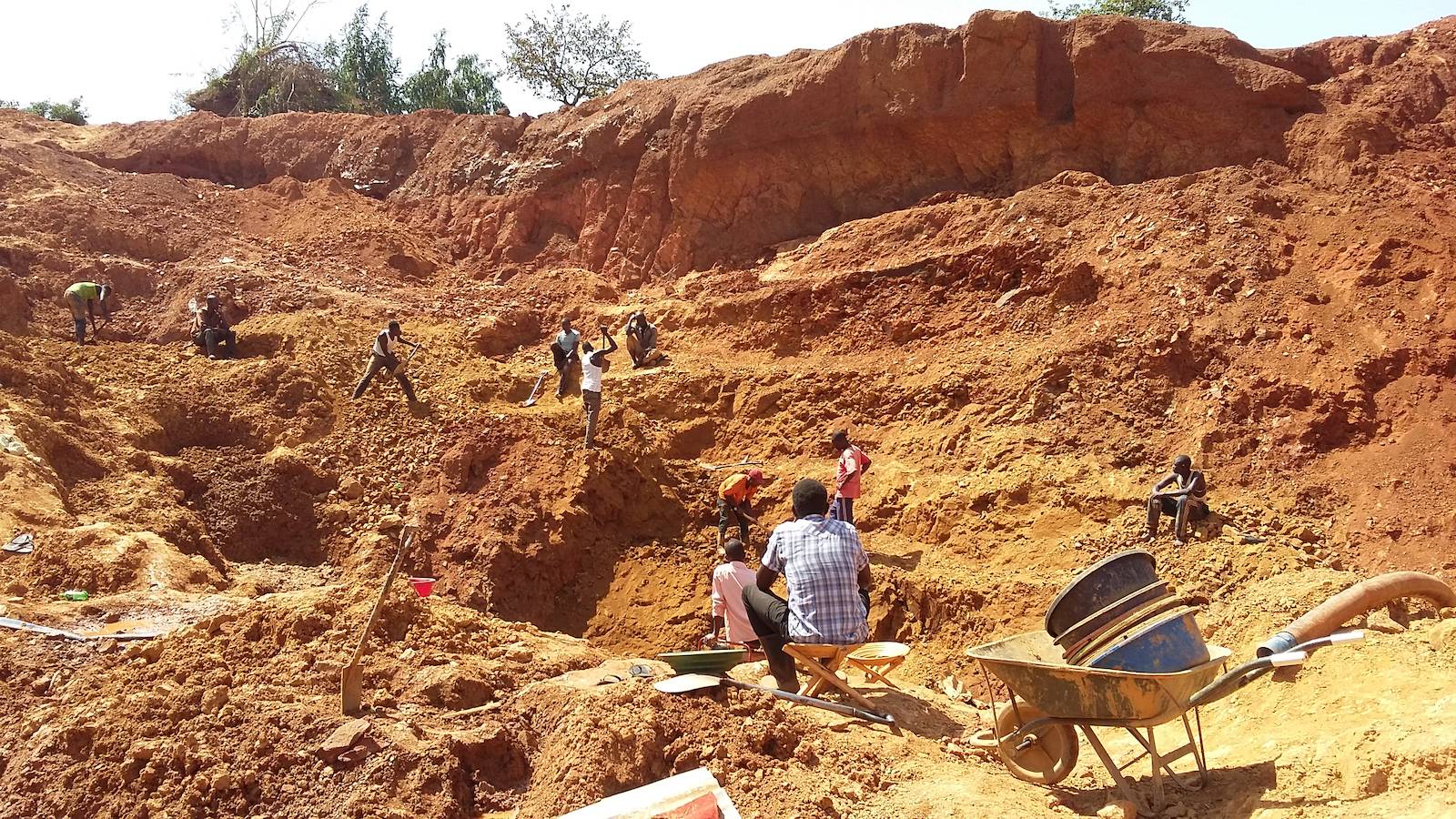
It is known as the largest artisanal gold mining area in Uganda, having Thousands of small-scale miners extract gold from quartz-rich veins using basic tools.
Challenge: Previously faced mass eviction due to licensing conflicts with larger mining firms.
Significance: Rich in gold but needs better regulation to balance small-scale and commercial mining.
- Karamoja Region (Northeastern Uganda)
Key Sites: Moroto, Nakapiripirit, Kotido
Contains untapped gold reserves and a range of minerals (including marble and limestone).
Ongoing exploration by both local and international firms; small-scale miners also operate in the region.
Which is historically unstable, but improving infrastructure is attracting investors.
Significance: Holds high potential for future large-scale mining developments.
- Buhweju District (Western Uganda)
Key Sites: Kajani, Rwengwe
It’s a known source of alluvial gold, often mined in rivers and valleys, with Informal mining by locals using pans and sluices.
Environmental concern: Reports of deforestation and river pollution due to unregulated operations.
Significance: An important artisanal gold source with environmental protection challenges.
5. Namayingo District (Eastern Uganda)
Key Sites: Banda, Sigulu Islands
Situated near Lake Victoria, this area has both land-based and island mining having Local miners and small firms target shallow deposits with basic equipment.
- Environmental concern: Gold mining near water bodies risks mercury pollution and fish depletion.
Significance: Promising gold deposits, but needs environmental safeguards.
Summary Table
| Region | Key Areas | Type of Mining | Significance |
| Busia | Alupe, Tiira, Buteba | Large-scale & artisanal | Uganda’s largest gold discovery |
| Mubende | Kitumbi, Bukuya | Artisanal | Historically largest small-scale site |
| Karamoja | Moroto, Kotido | Exploration & artisanal | High potential, under development |
| Buhweju | Kajani, Rwengwe | Alluvial/artisanal | Environmentally sensitive zone |
| Namayingo | Banda, Sigulu | Artisanal | Near Lake Victoria, high risk areas |
Economic impacts of the gold discovery on Uganda’s GDP.
- Increased Government Revenue from Taxes and Royalties
- The new gold discovery, estimated at over $12 trillion in value, will significantly boost government income through royalties, corporate taxes, and export duties. Uganda gold discovery in Eastern Region
- Under the Mining and Minerals Act, 2022, gold mining companies are required to pay royalties (typically 5% for large-scale operations).
- With companies like Wagagai Mining Ltd expected to process 1–1.5 tons of refined gold annually, Uganda could collect millions in direct annual revenue.
Impact: A stronger national budget, better public service funding, and reduced dependency on foreign aid.
- Expansion of Infrastructure and Local Development
- Gold mining projects in Busia and beyond require investment in roads, power lines, water systems, and processing plants.
- These infrastructure projects stimulate the construction and transport sectors, creating spillover growth in local economies.
- New mining towns often bring markets, schools, and hospitals, enhancing regional development.
Impact: Long-term GDP growth from multi-sector stimulation and improved regional integration.
- Job Creation and Reduction in Unemployment
- The formalization of Uganda’s gold sector will generate thousands of new jobs, from engineers and geologists to miners and local suppliers.
- In regions like Busia, which already has high artisanal mining activity, converting informal miners into legal workers improves both productivity and incomes.
- The Wagagai project alone is expected to employ over 3,000 workers.
Impact: Increased household income, higher consumption, and stronger GDP through employment-driven demand.
- Boost in Foreign Direct Investment (FDI)
- Uganda’s gold discovery has attracted attention from international mining companies, particularly from China, UAE, and India.
- Investments in exploration, refining, and export operations bring in foreign capital, improve technology transfer, and support skills training for Ugandans.
- With rising gold exports, Uganda will also improve its trade balance and foreign reserves.
Impact: A healthier macroeconomic position and sustained growth in Uganda’s GDP.
Type of Gold to Be Produced in Busia
The gold deposits in Busia are predominantly found in quartz-rich veins, indicating the presence of high-purity gold. Notably, processing just three trucks of material from a site in Busia yielded over 2 kilograms of pure gold, underscoring the richness of the ore.
The Wagagai Mining Project is set to process up to 5,000 tonnes of gold ore per day, with an expected annual output of 1 to 1.5 tonnes of refined gold. The facility employs advanced flotation techniques to efficiently separate gold from the ore, ensuring high-quality production.
Gold Production Comparison: Uganda vs Leading African Gold Producers (2025–2026)
| Country | Estimated Annual Gold Production | Major Gold Mine(s) | Mining Status |
| Uganda | Emerging producer (commercial production growing) | Busia, Wagagai Project, Karamoja, Buhweju, Kassanda | Exploration and mine development |
| Ghana | 130 tonnes/year | Obuasi, Tarkwa, Ahafo | Africa’s leading gold producer |
| South Africa | 100 tonnes/year | Mponeng, South Deep | Mature mining industry |
| Mali | 90 tonnes/year | Loulo-Gounkoto, Fekola | Major West African producer |
| Tanzania | 60 tonnes/year | Geita, Bulyanhulu, North Mara | Established commercial producer |
| Burkina Faso | 55 tonnes/year | Essakane, Houndé | Significant exporter |
| Sudan | 45 tonnes/year | Ariab and artisanal mining regions | Large artisanal sector |
| Zimbabwe | 36 tonnes/year | Blanket, Freda Rebecca | Growing gold exports |
Note: Production figures are approximate recent estimates and may vary slightly by reporting source and year.
Uganda’s Gold Potential Compared with Africa
| Category | Uganda | Leading African Producers |
| Exploration Potential | ⭐⭐⭐⭐⭐ Very High | Moderate to High |
| Proven Gold Reserves | Still being verified | Well established |
| Large-Scale Commercial Mines | Developing | Numerous operating mines |
| Gold Refining Capacity | Growing | Advanced in several countries |
| Investment Opportunity | High-growth emerging market | Mature mining markets |
| International Verification | Ongoing | Widely reported under JORC/NI 43-101 and similar standards |
Key Insight
While Ghana, South Africa, Mali, and Tanzania are currently Africa’s largest commercial gold producers, Uganda is one of the continent’s most promising emerging gold jurisdictions. The country’s reported 31 million tonnes of gold-bearing ore has attracted significant international interest, but its full economic value will depend on continued exploration, independent resource verification, and successful commercial mine development.
Implications for Uganda and the Eastern Region
The gold discovery in Busia heralds a new era for Uganda’s mining sector, with several anticipated benefits:
- Economic Growth: The mining activities are projected to contribute significantly to Uganda’s GDP, with the Wagagai project alone expected to generate substantial tax revenues and royalties
- Employment Opportunities: The development of mining infrastructure is set to create thousands of jobs, both directly within the mining operations and indirectly through ancillary services.
- Infrastructure Development: Increased investment in the region is likely to spur improvements in transportation, energy, and social amenities, enhancing the overall quality of life for residents.
- Global Investment Attraction: Uganda’s newfound mineral wealth positions it as a lucrative destination for international investors seeking opportunities in the mining sector.
Future Outlook: Uganda’s Role in Global Gold Supply
- Significant Gold Discoveries
Uganda has unveiled a massive 31 million tonne gold ore deposit, valued at approximately $12 trillion. This discovery positions Uganda as a potential major player in global gold production.
- Surge in Gold Exports
In 2023, Uganda’s gold exports increased more than tenfold, reaching a value of $2.3 billion, up from $201 million the previous year. This surge is attributed to new processing plants and the suspension of export tariffs.
- Formalization and Investment Opportunities
Efforts to formalize the mining sector aim to attract foreign investment, improve regulatory compliance, and ensure sustainable practices. Companies like Wagagai Mining Ltd. are developing large-scale operations, indicating growing investor confidence.
- Strategic Positioning in Global Markets
With its significant gold reserves and strategic location, Uganda is poised to influence global gold markets. The country’s commitment to formalizing the sector and improving infrastructure enhances its attractiveness to international investors.
Estimated Value of Gold in Busia
The Ugandan government announced the discovery of approximately 30 million metric tonnes of gold ore in the Busia district. This discovery is part of a larger national estimate of 31 million metric tonnes, valued at over $12 trillion. However, it’s important to note that these figures are preliminary and have been met with some skepticism from experts who call for further verification.
Extractable Gold from Busia Mines
The actual amount of extractable gold depends on the grade of the ore. Assuming an average yield of 7 grams of refined gold per metric tonne of ore, the 30 million tonnes in Busia could potentially yield approximately 210 metric tonnes of refined gold. This estimate is based on standard industry averages and may vary depending on the specific characteristics of the ore.
Development and Investment
To capitalize on these resources, Wagagai Mining (U) Limited, a subsidiary of China’s Liaoning Hongda Group, has invested approximately $200 million in developing a large-scale gold mining and refining facility in Busia. The facility is designed to process up to 5,000 tonnes of gold ore per day, with an expected annual output of 1 to 1.5 tonnes of refined gold. This project is anticipated to create over 3,000 jobs and contribute significantly to the local and national economy.
While the Busia gold discovery holds substantial promise for Uganda’s economic development, the actual benefits will depend on accurate assessments of extractable quantities, responsible mining practices, and effective management of the resources.
Gold mining laws in Uganda.
- Mining and Minerals Act, 2022
- Uganda’s new Mining and Minerals Act (2022) replaced the outdated Mining Act of 2003.
- It introduces stricter licensing procedures, clearer guidelines on mineral rights, and ensures local community involvement.
- All gold mining operations, whether artisanal or large-scale, require a valid mineral license issued by the Directorate of Geological Survey and Mines (DGSM).
- The law emphasizes value addition in Uganda, encouraging local refining instead of raw export.
Key takeaway: Only licensed and registered entities can mine or export gold legally.
- Environmental and Social Impact Assessments (ESIA)
- Before any gold mining activity begins, companies must conduct an Environmental and Social Impact Assessment (ESIA).
- The National Environment Management Authority (NEMA) must approve this report to ensure mining does not harm local ecosystems, rivers, or communities.
- This includes reforestation, soil rehabilitation, and proper waste disposal plans.
Key concern: Unregulated artisanal miners often skip this process, leading to water pollution and deforestation.
- Ban on Mercury Use in Artisanal Gold Mining
- Mercury, a common but dangerous substance used to extract gold, is banned in Uganda under environmental laws and international agreements like the Minamata Convention.
- The government promotes mercury-free technologies (like gravity separation and flotation) to protect human health and water bodies.
- Despite this, illegal use persists in small-scale mines, especially in Busia and Karamoja.
Health risk: Mercury contamination poses serious threats to miners and surrounding communities.
- Land Rights and Community Consent
- Under Ugandan law, mining companies must negotiate with local landowners or communities before accessing land.
- Customary land rights, prevalent in rural areas such as Busia, must be respected, even if the state owns the minerals.
- Disputes often arise when artisanal miners are evicted in favor of licensed large-scale operators, such as the Wagagai Mining Project.
Environmental justice issue: Displacement and lack of compensation for local communities remain controversial.
Artisanal Gold Mining in Uganda
Dominant Role in Gold Production
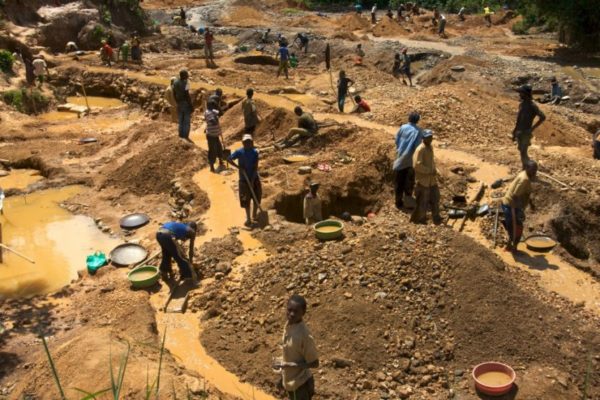
ASGM accounts for over 90% of Uganda’s gold production, making it the backbone of the country’s gold sector. This mining activity is common in regions such as Karamoja, Mubende, Buhweju, and Busia. Miners typically use basic tools and methods, often working informally without official licenses.
Employment and Livelihoods
The sector provides direct employment to approximately 300,000 individuals, with estimates suggesting that over 500,000 people are involved when including indirect roles. ASGM serves as a crucial livelihood source, especially in rural areas where alternative employment opportunities are limited.
Challenges and Environmental Concerns
Despite its economic importance, ASGM faces several challenges:
- Informality and Lack of Regulation: Many operations could benefit from obtaining the necessary licenses, as this would help address important issues related to taxation, safety, and environmental compliance.
- Environmental Degradation: The use of mercury in gold extraction poses significant health risks and environmental hazards, contaminating water sources and ecosystems.
- Social Issues: Child labor and unsafe working conditions are prevalent in some mining communities, raising human rights concerns.
Government Initiatives
Acknowledging both the significant potential and the numerous challenges within the artisanal and small-scale gold mining (ASGM) sector, the Ugandan government has embarked on a series of reforms designed to formalize this vital industry. Central to these efforts is the Mining and Minerals Act of 2022, a comprehensive legislative framework crafted to regulate the activities of artisanal miners. This act not only seeks to establish legal guidelines that ensure compliance and safety but also aims to promote safer mining practices that protect both miners and the environment. Additionally, the legislation is geared towards integrating artisanal miners into the formal economy, providing them with the support and resources necessary to thrive within a structured and sustainable framework.
Gold Reserves in Eastern Uganda
Eastern Uganda, particularly the Busia District, has emerged as a focal point in the country’s gold mining sector due to significant discoveries in recent years.
Geological Significance of Busia
The gold deposits in Busia are primarily located within a greenstone belt, a type of geological formation known for hosting substantial gold mineralization. These belts are composed of ancient volcanic and sedimentary rocks that have undergone metamorphism, creating favorable conditions for gold deposition.
Development Initiatives
To harness these resources, Wagagai Mining (U) Limited, a subsidiary of China’s Liaoning Hongda Group, has invested approximately $200 million in developing a large-scale gold mining and refining facility in Busia. The facility is designed to process up to 5,000 tonnes of gold ore per day, with an expected annual output of 1 to 1.5 tonnes of refined gold. This project is anticipated to create over 3,000 jobs and contribute significantly to the local and national economy.
Considerations and Outlook
While the discovery holds substantial promise for Uganda’s economic development, experts emphasize the need for accurate assessments of extractable quantities, responsible mining practices, and effective management of the resources. The actual benefits will depend on these factors, as well as on the global gold market dynamics.
The Wagagai Gold Mining Project: Uganda’s Billion-Dollar Gold Venture
Overview: What Is the Wagagai Gold Project?
The Wagagai Gold Mining Project, based in Busia District in Uganda’s Eastern Region, is the country’s largest gold development initiative. Backed by Liaoning Hongda Group of China, the project is valued at over $200 million and is expected to transform Uganda into a regional gold refining and export hub.
With an estimated annual output of 1 to 1.5 tonnes of refined gold, Wagagai is a cornerstone of Uganda’s strategic mining future and a major contributor to its gold production pipeline.
Location and Scale
- Location: Alupe Village, Buteba Sub-county, Busia District
- Land size: Approximately 2.4 square kilometers
- Ore to be processed: 5,000 tonnes per day
- Infrastructure: Includes a gold processing plant, tailings storage facility, and dedicated power and water systems
Economic Significance
The Wagagai project is expected to play a major role in Uganda’s economy:
- Job Creation. Over 3,000 direct and indirect jobs are projected in mining, logistics, and plant operations.
- Revenue Generation. The government will collect royalties, taxes, and foreign exchange earnings from gold exports.
- Local Business Growth. Boost to service sectors like hospitality, transport, catering, and housing in Busia.
Technology and Processing
Wagagai uses advanced flotation and gravity separation techniques to extract gold from quartz-rich ore, ensuring high recovery rates with minimal environmental impact. The facility is designed to meet international refining standards and will contribute to Uganda’s gold value addition strategy, a key requirement under the Mining and Minerals Act, 2022.
Environmental & Regulatory Compliance
The project has secured:
- An approved Environmental and Social Impact Assessment (ESIA) from NEMA
- A Mining License from Uganda’s Ministry of Energy and Mineral Development
Wagagai has committed to:
- Using mercury-free extraction methods
- Implementing sustainable waste and water management systems
- Providing community development support in education, health, and infrastructure
Geopolitical and Strategic Impact
The Wagagai Project strengthens Uganda’s position in the global gold supply chain and enhances its leverage in East African trade. With Uganda also operating a gold refinery in Entebbe, the country is transitioning from a raw-material exporter to a refined gold exporter, thereby adding local value.
Looking Ahead
As production begins, Uganda stands to gain:
- A massive boost to GDP
- Improved trade balance
- Increased investor confidence in its mineral sector
The Wagagai Gold Mining Project is not just a mine, it’s a national asset signaling Uganda’s rise in the global precious metals market.
Conclusion
The discovery of vast gold reserves in the Busia District marks a transformative milestone for Uganda. With strategic development and sustainable practices, this golden opportunity holds the promise of propelling the nation towards unprecedented economic prosperity and establishing it as a key player in the global gold industry.