
Top 10 Gold Deposits in Tanzania |2026 Prices & Export Guide
Tanzania is one of Africa’s leading gold-producing countries, offering opportunities for international buyers, investors, jewelers, and bullion traders looking to buy gold from Tanzania through licensed exporters and verified gold dealers. The country is home to some of Africa’s largest gold deposits, particularly in the Geita, Mara, Shinyanga, and Lake Victoria Goldfields regions, where both large-scale mining companies and licensed small-scale producers contribute to Tanzania’s gold supply chain.
Gold Dealers Africa Limited helps US, UK, European, Middle Eastern, and Asian buyers source Tanzanian gold through verified exporters, supplier due diligence, gold verification, export documentation support, and secure international logistics. Contact our team to discuss your gold requirements and connect with trusted gold suppliers in Tanzania.
Unlike many buyers assume, international investors usually cannot purchase gold directly from major mining companies such as Barrick or AngloGold Ashanti. Instead, gold is purchased through licensed mineral dealers, authorized exporters, refineries, and approved trading companies that can provide the required documentation for legal export. Available products may include 24K gold bars, gold dore bars, raw gold, and gold nuggets, depending on supplier availability and buyer requirements.
Tanzania has developed a strong gold industry supported by major mining regions, established trading centers, and export infrastructure connecting African gold producers with global markets. Cities such as Mwanza, Geita, Kahama, Shinyanga, and Dar es Salaam play an important role in gold trading, mineral processing, documentation, and international export activities.
For buyers from the United States, United Kingdom, Dubai, Europe, and Asia, understanding the Tanzanian gold market is essential before making a purchase. This guide covers Tanzania’s top gold deposits, where to buy gold, how gold export works, how to verify licensed dealers, current gold prices, and the steps required to safely source gold from Tanzania.
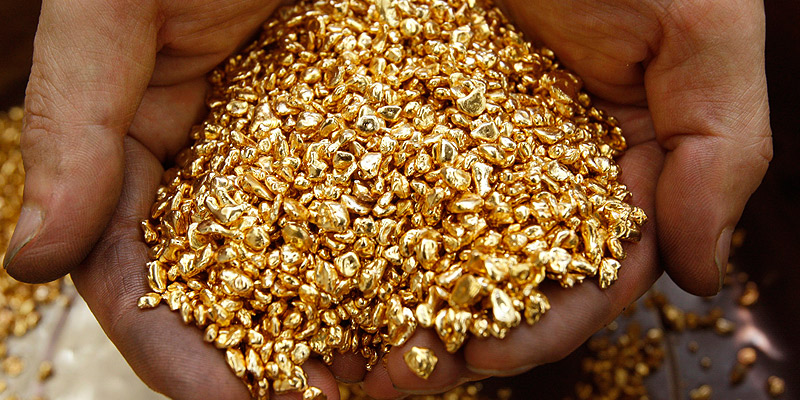
Top 10 Gold Deposits in Tanzania
Tanzania hosts some of Africa’s richest and most productive gold deposits, primarily located along the Lake Victoria Gold Belt, as well as other emerging zones. Here’s a breakdown of the ten most significant deposits by resource scale, production, and economic value: Gold deposits in Tanzania
- Bulyanhulu Gold Mine (Shinyanga Region)
Owned by Barrick Gold Corporation, this mine stands out as one of the deepest and richest in Tanzania. Renowned for its high-grade gold veins, it operates as an underground mine with remarkable estimated reserves of approximately 10 million ounces. The mine has a substantial output, producing between 200,000 and 300,000 ounces of gold annually, which significantly contributes to the region’s mining industry and economy. Gold deposits in Tanzania
- North Mara Gold Mine (Mara Region)
The Barrick Gold Corporation owns it. Strong production record; located near the Kenya border, it is an Open-pit and underground mine. Estimated Reserves 4 million ounces with an Output of over 250,000 oz/year
- Geita Gold Mine (Geita Region)
Tanzania’s largest gold mine, a major contributor to the country’s GDP, is owned by AngloGold Ashanti. It is an Open-pit with Estimated Reserves of 7–8 million ounces, having an Output of 500,000 oz/year (largest in Tanzania)
- Buckreef Gold Project (Geita Region)
It is rapid development and expansion, with a new processing plant built in 2022. Owned by TRX Gold (Tanzanian Gold Corporation), it’s an Open-pit (expanding to underground) with Estimated Reserves: 2–3 million ounces
- Nyanzaga Gold Project (Mwanza Region)
Feasibility stage completed; full mining license issued in 2023, which is owned by OreCorp Ltd (in partnership with the government), it is an Open-pit transitioning to underground with Estimated Reserves of 3 million ounces
- Golden Pride Mine (Tabora Region)
It is owned by the Resolute Mining (closed in 2013), it’s an Open-pit, Tanzania’s first modern gold mine; its success opened doors for future exploration with a total mined of 2.2 million ounces (over its lifetime). Gold deposits in Tanzania
- Sekenke Gold Mine (Singida Region)
It the Tanzania’s first gold mine, dating back to colonial times, having a Total Mined of 500,000 ounces (early 20th century)
- Kanzirangoma Project (Singida Region)
Emerging mid-sized deposit under exploration; part of Shanta’s Singida expansion. It is owned by Shanta Gold with an Estimated Resource of 500,000–800,000 ounces
- Lupa Goldfields (Mbeya Region)
It is owned by multiple artisanal and junior mining companies, having a Total Potential of 1 million+ ounces, with historically mined and still active with artisanal miners; the government is considering formalization.
- Itetemia Gold Project (near Mwanza)
Close to Bulyanhulu, holds strategic exploration value, and it is owned by Lake Victoria Gold Ltd with estimated Reserves: 500,000 ounces
Current Gold Prices in Tanzania (2026)
Note for Investors & Traders: The figures below are based on the pricing information you provided. Gold prices in Tanzania are influenced by the international gold market, exchange rates, gold purity, assay results, and local refining and trading costs. Final transaction prices may vary depending on the supplier, quantity purchased, and prevailing market conditions.
Official Tanzanian Mining Commission Indicative Rates
| Weight / Unit | World Market Price (USD) | World Market Price (TZS) | Local Mineral Market Rate (TZS) | Local Buying Centre Rate (TZS) |
| Per Gram (1g) | $130.10 USD | 347,680 TZS | 312,910 TZS | 305,960 TZS |
| Per Troy Ounce (31.1g) | $4,067.20 USD | 10,812,800 TZS | 9,731,500 TZS | 9,515,300 TZS |
| Per Kilogram (1kg) | $130,100.00 USD | 347,680,000 TZS | 312,910,000 TZS | 305,960,000 TZS |
Physical Gold Product & Trade Pricing (2026)
For investors, bullion buyers, and international traders purchasing physical gold in Tanzania, prices are generally determined by the live gold market, refinery premiums, assay results, and transaction volume.
| Gold Product | Typical Purity | Price Calculation Formula | Estimated Price (USD / TZS) | Notes & Delivery Terms |
| 1g Gold Bar | 99.9% (24K) | Spot Price + 5%–8% Premium | ~$138 USD / 368,000 TZS | Mwanza or Dar es Salaam mint |
| 10g Gold Bar | 99.9% (24K) | Spot Price + 3%–5% Premium | ~$1,350 USD / 3,600,000 TZS | Immediate delivery in sealed CertiCard packaging |
| 100g Gold Bar | 99.9% (24K) | Spot Price + 2%–3.5% Premium | ~$13,300 USD / 35,500,000 TZS | TMAA assay certificate available |
| 1kg Gold Bar | 99.99% Pure | Spot Price + 1.5%–2.5% Premium | ~$132,000 USD / 352,000,000 TZS | Export clearance through local refinery |
| Gold Dore Bar | 85%–93% Purity | 3%–6% Discount below Spot Price | Quoted after TMAA assay testing | Commonly sourced from licensed mining operations |
| Raw / Artisanal Gold | 78%–88% Purity | Local Buying Centre Rate less smelting costs | $112–$116 USD per gram | Minimum purchase lots typically start from 1kg |
Key Statutory Costs & Export Regulations (2026)
International buyers should be aware of the principal statutory charges and regulatory requirements that may apply when exporting gold from Tanzania.
| Requirement | Details |
| Government Royalty | 6% applied to the gross mineral value during export clearance. |
| Inspection & Clearing Fee | 1% payable to the Tanzania Revenue Authority (TRA) and the Tanzania Mining Commission, where applicable. |
| Domestic Set-Aside Requirement | 20% of processed or mined gold may be required to be offered to the local market or the Bank of Tanzania (BOT) before export approval, in accordance with applicable regulations. |
Disclaimer: The prices above are indicative and are based on the information provided. Actual buying and selling prices fluctuate with the international gold spot market, exchange rates, assay results, supplier premiums, and changes in Tanzanian mining and export regulations. Buyers should obtain a live quotation from a licensed exporter before completing any transaction.
Major gold mining regions in Tanzania.
1. Geita Region (Northwest Tanzania)
It is known as the largest gold-producing area in the country and is located on the western shore of Lake Victoria, having various Mines like
- Geita Gold Mine. Operated by AngloGold Ashanti, Tanzania’s largest gold mine.
- Buckreef Gold Project. Managed by TRX Gold; undergoing expansion.
Importance:
- Geita accounts for a significant share of national gold output, with robust infrastructure, processing plants, and road access.
- Strong government-private partnerships have made Geita a model for responsible mining. Gold deposits in Tanzania
- Shinyanga Region
It’s known for high-grade underground gold deposits located south of Mwanza, northwest Tanzania
Having various Mines like
- Bulyanhulu Gold Mine. Owned by Barrick Gold, one of the richest underground gold mines in Africa.
- Buzwagi Gold Mine (closed). Previously, one of the largest open-pit operations.
Importance:
- Shinyanga holds deep vein deposits and hosts advanced processing infrastructure.
- It is a historic contributor to Tanzania’s gold exports and mining workforce.
- Mara Region
It’s known as the Border-region deposits near Kenya, located in the Northeast of Lake Victoria with various Mines. Like North Mara Gold Mine, which is operated by Barrick Gold, both open-pit and underground.
Importance:
- Plays a strategic role in Tanzania-Kenya trade.
- The region’s proximity to regional hubs enhances export logistics via land and air routes.
- Mwanza Region
Located in the South of Lake Victoria, it’s known for its key exploration and refining activity with various projects:
- Nyanzaga Gold Project. Developed by OreCorp and the Tanzanian government.
- Itetemia Project. Near Bulyanhulu, under exploration. Gold deposits in Tanzania
Importance:
- Mwanza acts as a logistics and processing hub for the surrounding gold mines.
- Growing investor interest due to high-potential undeveloped sites.
- Mbeya Region (Lupa Goldfields)
It is located in Southwestern Tanzania, known for Historical and artisanal gold mining with notable Mines like
- New Luika Gold Mine. Operated by Shanta Gold, it combines open-pit and underground mining.
Importance:
- Lupa Goldfields is rich in alluvial and hard-rock gold.
- Strong artisanal mining presence with growing formalization efforts.
How to Buy Gold from Tanzania
Buying gold from Tanzania is a straightforward process when you work with licensed exporters and follow the country’s legal export procedures. The table below outlines the typical steps international buyers take when purchasing gold through verified suppliers.
| Step | Description |
| 1. Inquiry | Contact Gold Dealers Africa Limited with your gold requirements, including the type of gold (gold bars, gold dore bars, raw gold, or gold nuggets), desired quantity, preferred purity, and destination country. |
| 2. Supplier Matching | We connect qualified buyers with verified and licensed Tanzanian gold exporters that can supply the requested products in compliance with applicable mining and export regulations. |
| 3. Verification | The supplier provides supporting documentation for review, which may include assay reports, purity certificates, export permits, commercial invoices, and business registration details. Independent refinery or third-party verification can also be arranged where appropriate. |
| 4. Agreement | Once the buyer is satisfied with the verification process, both parties negotiate and finalize the sales contract, pricing, delivery terms (such as FOB or CIF), payment conditions, and shipment schedule. |
| 5. Export | The licensed exporter prepares the required export documentation, completes customs clearance procedures, and coordinates secure transportation through approved logistics providers in accordance with Tanzanian regulations. |
| 6. Delivery | The gold is shipped using insured international logistics and delivered to the agreed destination, with supporting shipping and customs documentation provided to facilitate import clearance where required. |
Mining Laws in Tanzania
Tanzania is one of Africa’s top gold producers, backed by strong legal frameworks, vast mineral reserves, and government-driven reforms. Here’s everything investors need to know:
- The Mining Act, 2010 (Revised in 2017 and 2019)
This is the primary legal framework for mineral extraction and licensing. Key points include:
- The government holds a minimum 16% free-carried interest in all mining companies.
- Mandatory mineral beneficiation and value addition within the country.
- Increased royalty rates (e.g., 6% for gold).
- Natural Wealth and Resources (Permanent Sovereignty) Act, 2017
Declares that all natural resources belong to the Tanzanian people, which prohibits international arbitration outside Tanzania without approval, and it ensures the state plays a central role in negotiation and profit-sharing.
- Local Content Regulations (2018)
Mining companies must prioritize Tanzanian goods, services, labor, and partnerships. Companies are required to submit annual local content plans.
- Tanzania Extractive Industries Transparency and Accountability Act (2015)
It encourages transparency in revenue collection, contracts, and ownership, and supports compliance with the EITI (Extractive Industries Transparency Initiative). Gold deposits in Tanzania
Reasons Tanzania’s Gold Deposits Matter for Investors
- Large Untapped Reserves
Tanzania holds over 60 million ounces in gold reserves and Major deposits in Geita, Shinyanga, Mara, Mwanza, and Mbeya are still under-explored.
- Stable Investment Climate
Despite regulatory tightening, Tanzania maintains macroeconomic stability, supportive mining infrastructure, and a growing GDP.
- Strategic Geographic Position
Access to ports like Dar es Salaam and proximity to regional trade blocs like the EAC and SADC make Tanzania a logistical gateway for gold exports.
4. Government-Backed Partnerships
New joint ventures and public-private mining agreements (PPMAs) reduce investor risk while aligning with national development goals.
How to Verify a Mineral Dealer License (MDL) in Tanzania
A Mineral Dealer License (MDL) verification is an important due diligence step for international gold buyers, investors, and traders who want to purchase gold legally from Tanzania. The MDL confirms that a company or individual is authorized by Tanzanian authorities to trade minerals, including gold, within the legal framework established under the country’s mining regulations.
Before entering into a gold purchase agreement, buyers should verify that the supplier holds a valid and active Mineral Dealer License and that the license details match the company information provided during the transaction.
Steps to Verify a Mineral Dealer License (MDL)
| Step | Verification Process |
| 1. Request the MDL Certificate | Ask the gold dealer or exporter to provide a copy of their current Mineral Dealer License issued by the Tanzania Mining Commission. The document should show the license number, holder name, business details, issue date, and expiry date. |
| 2. Confirm License Holder Details | Check that the name on the MDL matches the company’s registered business name, directors, physical address, and other corporate information provided by the supplier. Any mismatch should be investigated before proceeding. |
| 3. Verify Through Tanzania Mining Commission | Confirm the license status through the Tanzania Mining Commission (Tume ya Madini), which regulates mineral trading and licensing activities in Tanzania. Buyers can request confirmation that the license is valid and active. |
| 4. Check License Category and Scope | Ensure the license type permits the supplier to conduct the intended activity, such as buying, trading, handling, or exporting gold. A dealer license and an export license may be separate approvals depending on the transaction structure. |
| 5. Review Supporting Documents | A legitimate gold supplier should provide supporting documents such as company registration certificates, tax identification details, assay reports, invoices, and export permits where applicable. |
| 6. Verify Gold Source Documentation | Request evidence showing that the gold was legally sourced from licensed miners, mining cooperatives, or authorized suppliers. Responsible sourcing records help reduce compliance risks for international buyers. |
Why MDL Verification Matters for Gold Buyers
Verifying a Mineral Dealer License helps international buyers avoid fraudulent sellers, illegal gold transactions, and regulatory problems during export or import. A valid MDL demonstrates that the supplier has been recognized by Tanzanian authorities as an approved participant in the mineral trading sector.
For buyers from the United States, United Kingdom, Europe, Dubai, and Asia, MDL verification is one of the key steps in supplier due diligence before purchasing Tanzanian gold. Buyers should also confirm gold purity through independent assay testing, review export documentation, and ensure all payments and shipping arrangements follow applicable legal requirements.
Documents to Request Before Buying Gold From Tanzania
Before completing a transaction, international buyers should request:
- Valid Mineral Dealer License (MDL)
- Company registration certificate
- Tax Identification Number (TIN)
- Gold assay certificate
- Commercial invoice
- Purchase agreement or sales contract
- Export permit (where applicable)
- Certificate of origin or supporting sourcing documents
- Shipping and customs documentation
Working only with verified licensed dealers and exporters helps create a safer and more transparent gold purchasing process in Tanzania.
Can Foreign Investors Buy Gold from Tanzania?
Yes, foreign investors can legally buy gold from Tanzania, but purchases are generally made through licensed mineral dealers, exporters, refiners, or authorized gold trading companies rather than directly from large-scale mining companies such as Barrick Gold or AngloGold Ashanti. Major mining operations produce gold for commercial refining and international markets under long-term sales agreements, so they do not typically sell gold directly to individual buyers or small investors.
Licensed Tanzanian exporters offer a variety of gold products to meet different investment and commercial needs. Buyers can purchase refined 24K gold bars, gold dore bars (semi-refined bullion produced by mines and processing plants), raw gold, and natural gold nuggets, depending on the supplier’s inventory and export authorization. Each product differs in purity, processing stage, and intended use, making it important to verify specifications before completing a purchase.
Before any gold is exported from Tanzania, the transaction must comply with the country’s mining and export regulations. Legitimate exports require the appropriate government-issued export permits, customs documentation, assay certificates confirming the gold’s purity, and other supporting paperwork required by Tanzanian authorities and the destination country. International buyers should always work with licensed exporters that can provide complete documentation and ensure the gold is legally sourced, properly tested, and eligible for export. Following these procedures helps reduce the risk of fraud, ensures compliance with applicable laws, and provides a smoother purchasing process for investors importing Tanzanian gold.
Investment Guides for Tanzania (2026)
For investors planning to enter Tanzania’s mining sector or purchase gold from licensed exporters, reviewing authoritative government publications and internationally recognized guidance can help improve compliance, reduce investment risks, and support informed decision-making. The resources below provide valuable information on investment procedures, mining regulations, licensing, and responsible mineral sourcing.
Tanzania Investment Centre (TIC) Investment Guide
The Tanzania Investment Centre (TIC) provides guidance for foreign and domestic investors establishing mining-related businesses in Tanzania. Its investment guide explains business registration procedures, available investment incentives, land acquisition processes, sector-specific opportunities, and the general framework for investing in the country’s mining industry.
Tanzania Mining Commission Publications
The Tanzania Mining Commission publishes regulatory information, industry updates, licensing guidance, and reports covering mineral production, compliance requirements, and mining sector developments. Investors can also use the Commission’s online Mining Cadastre Portal to verify mining licenses, concession ownership, and the legal status of mineral rights before entering into commercial agreements.
Ministry of Minerals – Mining Sector Investor Guide
The Ministry of Minerals provides official guidance on Tanzania’s mining policies, licensing procedures, mineral rights, ownership structures, environmental obligations, local content requirements, and taxation applicable to mining investments. These publications are valuable references for companies seeking to establish mining operations or source minerals legally within Tanzania.
OECD Due Diligence Guidance for Responsible Mineral Supply Chains
The OECD Due Diligence Guidance for Responsible Supply Chains of Minerals from Conflict-Affected and High-Risk Areas is widely recognized as an international best-practice framework for responsible mineral sourcing. Gold buyers, refiners, financial institutions, and multinational companies frequently use this guidance to assess supply chain risks, promote transparency, and support ethical sourcing throughout the gold trade.
Tanzania EITI (Extractive Industries Transparency Initiative) Reports
The Extractive Industries Transparency Initiative (EITI Tanzania) publishes transparency reports that provide information on government revenues, mineral production, royalty payments, company disclosures, and the contribution of the extractive sector to the national economy. These reports help investors better understand governance, revenue management, and transparency within Tanzania’s mining industry.
World Gold Council Resources
The World Gold Council publishes research on global gold demand, responsible gold mining, central bank purchases, investment trends, and sustainability standards. These resources help investors place Tanzania’s gold industry within the broader international bullion market and evaluate long-term investment opportunities.
LBMA Responsible Sourcing Programme
For buyers seeking investment-grade gold, the London Bullion Market Association (LBMA) Responsible Sourcing Programme outlines internationally recognized standards for responsible precious metals sourcing. Understanding LBMA expectations can help investors evaluate suppliers, refiners, and supply chains that aim to meet global best practices for compliance, transparency, and responsible sourcing.
Where to Buy Gold in Tanzania
Tanzania is one of Africa’s leading gold-producing countries, offering opportunities for local and international investors to purchase investment-grade gold through licensed dealers, refiners, and authorized export companies. While gold is mined across several regions, buyers should purchase only from businesses that comply with Tanzanian mining laws and can provide export documentation, assay certificates, and proof of legal sourcing.
Mwanza
Mwanza is widely regarded as Tanzania’s commercial gold trading hub due to its proximity to major mining operations in the Lake Victoria Goldfields. The city is home to numerous licensed gold dealers, mineral traders, and export companies that supply gold bars, gold dore bars, raw gold, and gold nuggets. Many international buyers begin their sourcing process in Mwanza because of its established gold trading network and access to production from nearby mines.
Geita
Geita is one of Tanzania’s most important gold mining regions and is home to the Geita Gold Mine, one of the country’s largest gold producers. Although gold is not typically sold directly by large mining companies, licensed dealers and exporters operating in the region purchase legally produced gold for resale to qualified domestic and international buyers. Geita is an important sourcing location for businesses seeking high-quality Tanzanian gold.
Dar es Salaam
Dar es Salaam serves as Tanzania’s primary commercial and export gateway for precious metals. Many licensed gold export companies, logistics providers, customs agents, and financial institutions are based in the city, making it a preferred location for completing international gold transactions. Buyers frequently finalize documentation, inspections, payments, and export arrangements in Dar es Salaam before shipping gold overseas.
Kahama
Kahama, located in the Shinyanga Region, has developed into an important center for gold mining and mineral trading because of its proximity to several productive gold deposits. Licensed mineral dealers in the area work with local producers and authorized suppliers to market legally sourced gold to exporters and international investors.
Shinyanga
Shinyanga is another significant gold-producing region in northwestern Tanzania. The area supports both large-scale and small-scale mining activities, creating opportunities for licensed traders and export companies to source gold for domestic refining and international markets. Buyers should always verify that suppliers hold valid mining and export licenses before entering into any transaction.
Licensed Gold Export Companies
International buyers should purchase Tanzanian gold only through licensed export companies authorized by the Government of Tanzania. Reputable exporters can provide essential documentation, including assay certificates, invoices, export permits, certificates of origin where applicable, and customs clearance paperwork. Working with licensed exporters helps ensure the gold is legally sourced, accurately tested for purity, and exported in compliance with Tanzanian regulations and the import requirements of the destination country. Before completing any purchase, investors should conduct due diligence by verifying the company’s licensing status, business registration, and export credentials to reduce risk and facilitate a secure transaction.
Artisanal Gold Mining and Local Trade in Tanzania
Artisanal and small-scale gold mining (ASGM) plays a vital role in Tanzania’s gold sector, contributing significantly to local employment and gold output. It is estimated that over 1.5 million Tanzanians are directly involved in artisanal mining, with an even greater number relying on it for indirect income through support services, local markets, and gold trade.
Where Artisanal Mining Happens
Artisanal mining is widespread across gold-rich regions such as:
- Geita
- Shinyanga
- Mwanza
- Tabora
- Singida
- Mbeya
These areas often host small, informal mining operations alongside large industrial mines. Local miners extract gold using basic tools and techniques, often working in groups or cooperatives.
Gold Trade and Local Markets
After extraction, most artisanal gold enters the local trade networks. Gold buyers, both licensed and informal, frequent mining sites to purchase raw gold or dore bars. Popular trading hubs include:
- Mwanza City. A central point for gold refining and export.
- Arusha. A commercial center for gold dealers, especially near the Kenyan border.
- Geita Town. Near major gold mines with active local trading.
Tanzania has also developed Gold Buying Centres, officially regulated trading points that aim to bring transparency, fair pricing, and traceability to the sector.
Challenges in the Artisanal Mining Sector
Despite its economic importance, the artisanal gold mining sector faces several challenges:
- Health and safety risks due to unsafe mining conditions
- Environmental degradation from mercury use and land disruption
- Limited access to financing, equipment, and training
- Regulatory compliance, as many miners operate informally or without licenses
Government Efforts and Support
To support artisanal miners, the Tanzanian government has:
- Introduced formal licensing and support cooperatives
- Launched the Mining Cadastral Portal to ease access to legal mining areas
- Promoted mercury-free mining technologies
- Encouraged local refining and value addition to gold before export
Note. Tanzania’s artisanal mining and local gold trade form the backbone of rural economies in gold-rich regions. With increasing efforts to formalize and support the sector, artisanal miners are becoming key players in the gold supply chain, contributing to both local development and national gold exports.
Tanzania Mining Due Diligence
Tanzania mining due diligence is the comprehensive legal, technical, operational, regulatory, and financial review conducted before investing in a mining project, acquiring mineral rights, entering a joint venture, or purchasing gold and other minerals from Tanzania. The purpose of this process is to verify that mineral assets are legally owned, operations comply with Tanzanian mining laws, and transactions can be completed without unnecessary legal, financial, or regulatory risks. For international investors and gold buyers, conducting thorough due diligence helps reduce the risk of fraud, title disputes, export delays, and non-compliance with applicable regulations.
Verification of Mineral Rights and License Status
The first stage of due diligence involves confirming the validity of the mining or prospecting rights associated with a project. Investors should verify whether the operation holds the appropriate license, such as a Prospecting License (PL), Primary Mining License (PML), Mining License (ML), or Special Mining License (SML). Information can be verified through the Tanzania Mining Commission’s Mining Cadastre Portal to confirm that the license is active, legally registered, and not subject to overlapping claims or ownership disputes. Reviewing license history, expiry dates, boundary coordinates, and compliance with statutory payments helps establish that the mineral rights are legitimate.
Legal and Regulatory Compliance
A legal review should assess whether the mining operation complies with the Mining Act of Tanzania and other applicable regulations governing mineral development and exports. This includes confirming that the company has obtained the necessary operating approvals, complies with licensing conditions, and meets local content and reporting requirements where applicable. Investors should also review shareholder structures, joint venture agreements, and any government participation requirements that may apply to large-scale mining projects under Tanzanian law.
Environmental and Social Compliance
Responsible investors should verify that mining operations have obtained the required environmental approvals before production begins. This typically includes reviewing Environmental and Social Impact Assessment (ESIA) documentation, environmental certificates issued by the relevant authorities, mine rehabilitation and closure plans, and community development commitments. Assessing environmental compliance helps reduce operational risks while demonstrating responsible sourcing practices that are increasingly expected by international bullion markets and institutional buyers.
Tax, Financial, and Corporate Review
Financial due diligence includes reviewing the company’s corporate structure, financial records, tax compliance, royalty payments, and regulatory obligations. Investors should confirm that the business is properly registered, maintains accurate financial records, and complies with obligations administered by the Tanzania Revenue Authority (TRA). Reviewing audited financial statements and outstanding liabilities can help identify financial risks before completing an investment or purchase.
Verification of Gold Dealers and Exporters
When purchasing physical gold, buyers should verify that the supplier holds the appropriate licenses to trade and export minerals in Tanzania. Licensed dealers and exporters should be able to provide business registration documents, mineral dealer or export licenses where applicable, assay certificates confirming purity, commercial invoices, export permits, and customs documentation. Conducting supplier verification significantly reduces the risk of purchasing illegally sourced gold or encountering fraudulent transactions.
Gold Quality and Refinery Verification
Before payment is completed, buyers should verify the weight and purity of the gold through an independent assay laboratory or recognized refinery where appropriate. Assay reports help confirm that the gold meets the agreed specifications, while refinery verification provides additional assurance regarding authenticity and quality. Independent testing is considered a best practice for international bullion transactions.
Export Documentation and International Compliance
Before gold leaves Tanzania, buyers should ensure that all required export documentation has been prepared in accordance with Tanzanian law. Depending on the transaction, this may include export permits, assay certificates, commercial invoices, packing lists, customs declarations, certificates of origin where applicable, and shipping documents. Import requirements in the destination country should also be reviewed to help facilitate customs clearance and regulatory compliance.
Why Due Diligence Matters for International Buyers
For investors and bullion buyers from the United States, United Kingdom, Europe, the Middle East, and Asia, conducting comprehensive mining due diligence provides greater confidence that a transaction is legally compliant and commercially sound. Verifying mineral rights, supplier credentials, regulatory compliance, gold quality, and export documentation helps reduce legal and financial risks while supporting responsible sourcing practices. Working with licensed exporters and experienced legal, logistics, and compliance professionals can further improve the security and transparency of international gold transactions.
Gold Export Process in Tanzania (2026)
Exporting gold from Tanzania involves several regulated steps designed to ensure that gold is legally sourced, properly valued, documented, and transported according to Tanzanian mining laws and international trade requirements. International buyers should work with licensed mineral dealers, exporters, and secure logistics providers to complete the process successfully.
1. Gold Sourcing From Licensed Suppliers
The first step in the Tanzanian gold export process is sourcing gold from legally approved suppliers, including licensed mineral dealers, mining companies, gold trading companies, and authorized exporters. Buyers should verify that the supplier holds the required licenses and can provide proof that the gold was obtained through legal mining and trading channels. Gold exported from Tanzania may include refined gold bars, gold dore bars, raw gold, and gold nuggets, depending on the supplier and buyer requirements.
2. Gold Testing and Assay Verification
Before gold can be exported, it must undergo professional testing to determine its exact weight, purity, and commercial value. Authorized assay facilities analyze the gold to confirm its gold content, especially for dore bars and raw gold where purity levels can vary significantly. The assay certificate provides important evidence of the gold quality and is used to calculate the final transaction value.
3. Mineral Valuation and Documentation Preparation
After the gold has been tested, the product undergoes official valuation and the required export documentation is prepared. The exporter must organize documents such as assay reports, commercial invoices, mineral valuation records, purchase agreements, and other supporting paperwork required for legal export. Accurate documentation ensures transparency and helps prevent delays during customs clearance.
4. Obtaining Gold Export Permit Approval
A licensed Tanzanian exporter must obtain the necessary export approvals from the relevant government authorities before shipping gold internationally. The exporter submits the required documents and complies with regulations established by institutions such as the Tanzania Mining Commission and customs authorities. Export approval confirms that the gold transaction meets Tanzania’s legal requirements.
5. Payment of Government Royalties and Fees
Before the gold shipment is released for export, applicable government charges must be paid according to Tanzanian mining regulations. These may include mineral royalties, inspection fees, valuation charges, and other statutory payments related to the export transaction. Completing these payments is necessary for obtaining final clearance for shipment.
6. Gold Refining and Secure Packaging
Depending on the type of gold being exported, the product may be refined, certified, or prepared for international shipment. Investment-grade gold bars are normally packaged with weight and purity details, while gold dore bars may be shipped to approved refineries for further processing. The exporter ensures that the gold is securely packaged and matches all documentation before transportation.
7. Secure Gold Transportation and Shipping
Once all approvals are completed, the gold is transported through specialized precious metals logistics providers that offer secure handling, insurance, and international delivery services. Shipping arrangements may be completed under terms such as CIF (Cost, Insurance and Freight), where the exporter arranges transportation and insurance to the destination, or FOB (Free On Board), where the buyer assumes responsibility after the agreed shipping point.
8. Customs Clearance at Destination Country
After the gold arrives in the buyer’s country, the importer must complete customs clearance procedures according to local laws. The buyer may need to provide documents such as invoices, assay certificates, import declarations, and proof of legal purchase to customs authorities. Proper preparation helps ensure smooth delivery and reduces the risk of shipment delays.
9. Final Delivery to the Buyer
The final stage involves delivering the gold to the buyer through insured and secure channels after all customs and regulatory requirements have been completed. Depending on the agreement, delivery may occur through a secure airport facility, licensed vault, refinery, or another approved location. The buyer receives the gold together with the relevant transaction and compliance documents.
Tanzania Gold Export Process Summary
| Step | Description |
| Gold Sourcing | Gold is purchased from licensed miners, mineral dealers, or approved exporters with legal documentation. |
| Assay Testing | The gold is tested to confirm purity, weight, and market value. |
| Documentation | Export documents, invoices, assay certificates, and compliance records are prepared. |
| Export Approval | Government authorities review and approve the gold shipment before export. |
| Fees and Royalties | Applicable government charges are paid before final clearance. |
| Packaging and Logistics | Gold is securely packaged and transported through approved precious metals logistics providers. |
| International Shipping | The shipment moves under agreed CIF or FOB terms to the buyer’s destination. |
| Customs Clearance | The buyer completes import procedures in the destination country. |
| Final Delivery | Gold is delivered securely to the buyer with supporting documentation. |
Challenges and Outlook for Tanzania’s Gold Deposits
Tanzania holds some of the richest gold reserves in East Africa, but the sector faces several challenges that impact both large-scale investors and small-scale miners. Despite these, the long-term outlook remains positive due to the country’s vast unexplored potential and ongoing reforms. Gold deposits in Tanzania
- Regulatory Changes and Compliance
Tanzania has made significant changes to its mining laws in recent years, requiring mining companies to partner with the government and process minerals locally. While this protects national interests, it can create uncertainty for foreign investors, especially regarding taxation, licensing, and export rules.
- Environmental and Safety Concerns
Both industrial and artisanal mining contribute to environmental degradation, including deforestation, soil erosion, and mercury pollution. Unsafe mining conditions, especially in artisanal sites, pose serious health and safety risks. This remains a major barrier to sustainable and responsible gold production.
- Informal and Unregulated Artisanal Mining
Over 1 million Tanzanians are involved in small-scale mining, much of which remains unlicensed or informal. This limits access to financing, training, and technology, and makes it difficult to track gold production or enforce environmental regulations. Formalization efforts are ongoing but still in early stages.
- Infrastructure and Technology Gaps
Although Tanzania has improved its road networks and power supply in mining areas, many rural gold-rich regions still lack modern infrastructure, mining equipment, and refining facilities. This affects productivity, increases operational costs, and reduces competitiveness in global markets.
Outlook: Strong Growth with Continued Reform
Despite these challenges, Tanzania’s gold sector shows strong long-term promise:
- Vast underexplored gold reserves remain untapped
- The government is promoting value addition and gold refining locally
- New partnerships and investment opportunities are emerging through public-private initiatives
- ASGM (artisanal and small-scale gold mining) is being formalized to improve production and traceability
With sustained reform and responsible investment, Tanzania is well-positioned to remain a top gold producer in Africa while also creating opportunities for local and international stakeholders.
Buy Gold From Tanzania Through Gold Dealers Africa Limited
Gold Dealers Africa Limited helps international investors, bullion dealers, jewelers, and wholesale buyers source legally traded gold from Tanzania through a network of verified suppliers and licensed export partners. Our goal is to simplify the buying process by connecting clients with reputable exporters while promoting transparency, regulatory compliance, and secure international transactions.
Before introducing a supplier, we carry out due diligence to help verify business registration, licensing, and the supplier’s ability to provide legally sourced gold. We also encourage independent verification of all documents and recommend that buyers confirm licensing with the relevant Tanzanian authorities before proceeding with any transaction.
Where applicable, we assist buyers in arranging refinery verification and independent assay testing so the gold’s weight, purity, and quality can be confirmed before shipment. This helps provide greater confidence when purchasing investment-grade gold bars, gold dore bars, raw gold, or other approved gold products.
Our team also supports clients with export documentation by coordinating with licensed exporters to prepare the paperwork required for legal international shipments. Depending on the transaction, this may include commercial invoices, assay certificates, export permits, customs documentation, packing lists, and other documents required by Tanzanian authorities and the destination country.
For overseas buyers in the United States, the United Kingdom, Europe, the Middle East, and Asia, we can help coordinate secure shipping through experienced logistics providers that specialize in transporting precious metals. Available shipping arrangements may include FOB (Free On Board), where responsibility transfers to the buyer after the shipment is loaded for export, or CIF (Cost, Insurance and Freight), where the seller arranges transportation and insurance to the agreed destination port, subject to the terms of the sales contract.
We also assist with customs coordination and airport delivery by working with licensed exporters, customs brokers, and secure logistics companies to help ensure shipments are prepared in accordance with applicable export and import requirements. Depending on the agreed delivery terms, gold can be transported through secure logistics services with tracking, insurance options, and documentation designed to facilitate customs clearance.
Whether you are purchasing a single investment-grade gold bar or arranging a large wholesale order, Gold Dealers Africa Limited aims to make the sourcing process more transparent by helping buyers connect with verified exporters, review documentation, coordinate secure logistics, and navigate the legal requirements involved in international gold transactions.
Conclusion
Tanzania’s gold deposits are not only abundant but also strategically significant to the country’s economy and Africa’s mining landscape. With well-established gold belts in regions like Geita and Shinyanga, along with growing interest from both local and international investors, Tanzania remains a top destination for gold exploration and trade. Although challenges such as regulatory shifts, environmental concerns, and artisanal mining issues persist, ongoing reforms and infrastructure development indicate a promising future. Whether you’re an investor, trader, or industry observer, the opportunities within Tanzania’s gold sector are substantial and continuously evolving.