
Gold Mines in Mali West Africa |Buy Authentic 24K Gold Direct
Mali is one of Africa’s largest gold-producing countries, ranking among the top gold producers on the continent and playing a major role in West Africa’s mining sector. The country is rich in gold deposits located mainly across its western and southern regions, where large-scale mining companies and artisanal miners extract significant quantities of gold each year. With major mining operations, extensive mineral reserves, and a long history of gold production, Mali gold continues to attract international investors, bullion buyers, and precious metals companies.
Mali is generally ranked as the third-largest gold producer in Africa, behind major producers such as Ghana and South Africa, with annual gold output commonly exceeding 60 metric tonnes per year depending on mining performance and market conditions. The country’s gold industry is a key contributor to national exports, government revenue, employment, and foreign investment, making it one of the most important gold markets in West Africa.
The largest gold deposits in Mali are concentrated in major mining regions including the Kéniéba gold district in western Mali, the Bougouni region in southern Mali, the Sikasso region, and areas around Kayes and Koulikoro. These regions host some of the country’s most important mines, including Loulo-Gounkoto, Fekola, Syama, Morila, and Yatela, which have helped establish Mali as a globally recognized gold-producing nation.
Investors buy Mali gold because of the country’s significant gold reserves, competitive mining sector, experienced mining workforce, and potential access to African gold supply chains. Gold produced in Mali is processed through established mining operations and exported through regulated channels to international markets. For buyers, however, supplier verification, gold testing, and proper export documentation remain essential to ensure safe and compliant transactions.
Looking to source verified Mali gold? Gold Dealers Africa helps buyers connect with trusted suppliers, verify documentation, and arrange secure gold transactions.
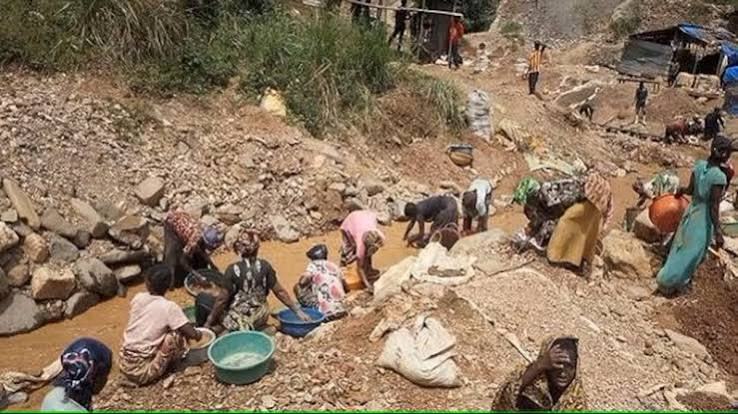
Overview of Gold Mining in Mali
Mali has developed into one of Africa’s most important gold-producing countries, with a mining industry that combines centuries of traditional gold extraction with modern industrial mining operations. The country’s abundant mineral resources, especially in western and southern regions, have made Mali’s gold production a major contributor to the African gold market. Today, gold remains Mali’s most valuable export commodity and a key driver of economic growth, government revenue, and foreign investment.
Mali’s Position as a Major African Gold Producer
Mali is among Africa’s leading gold producers, consistently ranking within the top three to five gold-producing countries on the continent. The country’s gold industry is supported by large-scale mining operations operated by international mining companies, as well as thousands of artisanal and small-scale miners working across gold-rich regions.
Mali gold production plays a central role in the national economy, contributing a significant share of export earnings and attracting billions of dollars in mining investment. Gold exports provide foreign currency revenues, support employment opportunities, and contribute to infrastructure development in mining regions.
The importance of gold extends beyond Mali’s borders, as the country is an important supplier within the global gold market. Gold extracted from Mali’s major mines is processed, refined, and exported to international markets where it contributes to the global supply of investment gold, bullion products, and precious metals.
Key reasons Mali remains important among Africa gold producing countries include:
- Large proven gold reserves
- Established mining infrastructure
- Long history of gold extraction
- Presence of major international mining companies
- Strong export potential for precious metals
Major gold-producing areas include the Kéniéba gold district in western Mali, the Bougouni region, Sikasso, Kayes, and Koulikoro, which contain some of the country’s most productive deposits.
History of Gold Mining in Mali
Gold mining in Mali has a history that stretches back more than a thousand years. Long before modern mining companies arrived, communities across West Africa practiced traditional gold mining using simple tools and techniques to recover gold from rivers, alluvial deposits, and surface formations.
The ancient Mali Empire (13th–17th centuries) became one of the world’s most famous gold trading civilizations. Under rulers such as Mansa Musa, Mali gained international recognition for its enormous gold wealth and its role in trans-Saharan trade routes connecting West Africa with North Africa, Europe, and the Middle East.
During this period, gold from the region was traded for goods such as salt, textiles, and other valuable commodities. The wealth generated from gold helped establish cities such as Timbuktu and strengthened Mali’s influence as a major economic center.
Modern industrial gold mining began developing in Mali during the late 20th century as geological surveys identified large commercial deposits. The introduction of advanced exploration techniques, foreign investment, and large-scale mining technology transformed Mali into one of Africa’s leading gold producers.
Today, the country hosts internationally recognized mining operations such as:
- Loulo-Gounkoto Gold Complex
- Fekola Mine
- Syama Gold Mine
- Morila Gold Mine
- Yatela Gold Mine
These operations use modern extraction, processing, and environmental management systems to produce gold for international markets.
How Much Gold Does Mali Produce?
Mali produces significant quantities of gold every year, making it one of the most important contributors to African gold supply. Annual production levels fluctuate depending on mine performance, exploration activity, operational challenges, and changes in global gold prices.
Recent estimates place Mali’s annual gold output at approximately 60–70 metric tonnes per year, although figures may vary between government reports, mining company results, and international mining databases.
| Year | Gold Production Estimate | Africa Ranking |
| 2024 | Approximately 60–70 tonnes | Major African gold producer; among the top producers on the continent |
| 2025 | Approximately 60+ tonnes (estimated) | Expected to remain one of Africa’s leading gold-producing countries |
Mali’s production comes from a combination of large industrial mines and artisanal mining activities. Major industrial producers continue to provide a stable supply of gold through internationally managed operations, while artisanal miners contribute additional output from numerous small-scale mining areas.
The country’s position among Africa gold producing countries ensures that Mali remains an important destination for mining investment and international gold buyers. However, buyers seeking Mali gold should prioritize verified suppliers, independent purity testing, and complete export documentation to ensure that gold transactions comply with legal and international trade requirements.
For investors interested in sourcing authentic African gold, Gold Dealers Africa helps buyers connect with verified suppliers, confirm gold documentation, arrange purity verification, and coordinate secure gold transactions from Mali and other major African gold markets.
Where Are Gold Mines Located in Mali?
Gold mines in Mali are concentrated mainly across the western and southern regions of the country, where geological formations contain some of West Africa’s richest gold deposits. The most important gold-producing areas include Kayes, Sikasso, Koulikoro, and emerging exploration zones in Gao and northern Mali. These regions contain a mix of large-scale industrial mines operated by international mining companies and artisanal mining sites operated by local communities.
Mali’s gold deposits are largely associated with the Birimian Greenstone Belt, a mineral-rich geological zone extending across several West African countries. This geological setting has created favorable conditions for gold formation and has made Mali one of the most important destinations for gold exploration and mining investment in Africa.
Mali Gold Mining Map
Interactive Map Recommendation:
Add an interactive Mali mining map showing major gold regions, mines, and mining districts. Each location marker can include:
- Mine or region name
- Operating company
- Annual production estimates
- Type of mining operation
- Link to detailed mine profile
Suggested map markers:
| Location | Region | Major Gold Sites |
| Kayes | Western Mali | Loulo-Gounkoto, Sadiola, Yatela |
| Kéniéba | Kayes Region | Fekola, Loulo-Gounkoto Gold Complex |
| Sikasso | Southern Mali | Syama, Morila |
| Bougouni | Southern Mali | Gold exploration projects |
| Koulikoro | Western-central Mali | Artisanal gold mining areas |
| Gao | Northern Mali | Exploration targets |
Kayes Gold Mining Region
The Kayes gold mining region in western Mali is the country’s most important gold-producing area and home to some of the largest industrial mining operations. Located near the Senegalese border, Kayes has benefited from extensive geological exploration and contains major deposits within the Kéniéba gold district, one of West Africa’s most productive mining zones.
The region hosts internationally recognized mines including the Loulo-Gounkoto Gold Complex, operated by Barrick Gold, and the Fekola Mine, operated by B2Gold. These mines produce significant quantities of Mali gold production and contribute substantially to national exports and government revenues.
Beyond industrial mining, Kayes also has a long tradition of artisanal gold mining. Thousands of local miners operate small-scale sites using traditional methods to recover gold from surface deposits and alluvial areas. While artisanal mining provides important economic opportunities for communities, responsible sourcing, environmental management, and legal compliance remain important considerations for international gold buyers.
The combination of world-class deposits, established mining infrastructure, and experienced mining communities makes Kayes one of Mali’s most attractive regions for gold investment.
Sikasso Gold Mining Region
The Sikasso gold mining region is located in southern Mali and represents another major gold-producing area with significant geological potential. The region contains gold-bearing zones associated with the West African Birimian geological formations, making it attractive for both industrial mining companies and exploration investors.
One of the most important operations in the region is the Syama Gold Mine, operated by Resolute Mining. Syama is recognized as one of Mali’s largest gold mines and uses modern processing technology to extract gold from extensive ore deposits.
Sikasso is also home to numerous mining communities involved in artisanal and small-scale gold production. Local communities have historically relied on gold mining as an important source of income, with mining activities supporting trade, employment, and regional economic development.
The region’s combination of existing mines, exploration opportunities, and skilled mining communities continues to attract interest from companies seeking new gold resources in Mali.
Koulikoro Gold Areas
The Koulikoro region contains several historic gold mining areas and has supported small-scale gold production for generations. Located near Mali’s capital, Bamako, Koulikoro benefits from its proximity to transportation networks and established trading routes.
Gold mining in Koulikoro is mainly associated with artisanal and small-scale mining activities, where local miners recover gold from deposits using traditional techniques. These operations contribute to local economies by creating employment opportunities and supporting businesses involved in equipment supply, transportation, and gold trading.
Although Koulikoro has fewer large industrial mines compared with Kayes and Sikasso, the region remains important due to its historical connection with Mali’s gold industry and its ongoing exploration potential.
For buyers interested in Mali gold suppliers, gold from artisanal regions requires additional due diligence, including supplier verification, gold testing, responsible sourcing checks, and complete export documentation.
Gao and Northern Gold Exploration Areas
The Gao region and northern Mali represent emerging areas of gold exploration with significant geological interest. While northern Mali currently contributes less gold production compared with Kayes and Sikasso, geological surveys indicate potential for future discoveries.
Exploration companies continue to evaluate mineral prospects in parts of northern Mali to identify commercially viable gold deposits. Advances in exploration technology and increasing demand for gold resources have encouraged continued investment in underexplored areas.
The development of new mining projects in northern regions could expand Mali’s future gold production capacity and strengthen the country’s position among major Africa gold producing countries.
However, investors and buyers should carefully assess operational conditions, infrastructure availability, regulatory requirements, and responsible sourcing standards before engaging in transactions involving emerging mining areas.
Looking to source verified Mali gold? Gold Dealers Africa helps buyers connect with trusted suppliers, verify gold documentation, confirm purity, and arrange secure gold transactions across Africa.
Largest Gold Mines in Mali
Mali is home to some of the most productive gold mines in West Africa, with large-scale operations contributing significantly to Mali gold production and the country’s position among the leading Africa gold producing countries. These mines are located mainly in the Kayes and Sikasso regions and are operated by internationally recognized mining companies using modern extraction and processing technologies.
The largest gold mines in Mali produce thousands of kilograms of gold annually and supply international markets with investment-grade gold after refining and quality verification. The table below highlights the country’s major gold mines, their operators, locations, mining methods, and importance to Mali’s gold industry.
| Mine | Company | Location | Type | Approximate Production & Importance |
| Loulo-Gounkoto Gold Complex | Barrick Gold | Kayes Region | Underground & Open Pit | One of Mali’s largest gold-producing operations, combining the Loulo underground mines and Gounkoto open-pit mine. A major contributor to national gold exports. |
| Fekola Mine | B2Gold | Kayes Region | Open Pit | One of West Africa’s largest open-pit gold mines, producing significant annual gold output and supporting Mali’s mining economy. |
| Morila Gold Mine | Firefinch Limited | Sikasso Region | Open Pit | Historic gold mine that has produced millions of ounces of gold since discovery and remains an important asset in Mali’s mining sector. |
| Syama Gold Mine | Resolute Mining | Sikasso Region | Underground & Open Pit | Major gold operation known for automated underground mining technology and long-term production potential. |
| Sadiola Gold Mine | Allied Gold Corporation | Kayes Region | Open Pit | One of Mali’s longest-running gold mines with extensive reserves and a strong history of industrial gold production. |
Loulo-Gounkoto Gold Complex
The Loulo-Gounkoto Gold Complex is one of Mali’s largest and most important gold mining operations. Located in the Kayes Region near the Senegal border, the complex consists of multiple deposits, including the Loulo underground mines and the Gounkoto open-pit mine.
Operated by Barrick Gold, Loulo-Gounkoto uses a combination of underground and open-pit mining methods to extract gold from highly mineralized deposits. The operation has produced millions of ounces of gold and remains a key contributor to Mali’s annual gold exports.
The mine benefits from extensive infrastructure, modern processing facilities, and experienced mining personnel. Its consistent production profile makes it one of the most attractive gold assets in West Africa for investors and mining companies.
Fekola Mine
The Fekola Mine, operated by B2Gold, is located in the Kéniéba district of western Mali’s Kayes Region. Since beginning commercial production, Fekola has become one of Mali’s largest gold mines and a major contributor to the country’s position as a leading African gold producer.
Fekola is an open-pit mining operation that uses modern drilling, blasting, processing, and recovery techniques to extract gold efficiently. The mine produces gold doré bars that are later refined to meet international bullion standards.
The operation has attracted significant investment due to its large reserves, high production capacity, and long-term mining potential. Its success demonstrates the importance of Mali’s geological resources and the country’s role in the global gold supply chain.
Morila Gold Mine
The Morila Gold Mine is one of Mali’s most famous gold operations and has historically been among the country’s largest producers. Located in the Sikasso Region, Morila has produced several million ounces of gold since it began operations.
The mine uses open-pit mining methods and has undergone changes in ownership throughout its history. Currently associated with Firefinch Limited, Morila remains an important part of Mali’s mining heritage and continues to represent the country’s significant gold resource potential.
Its long production history has contributed to local employment, infrastructure development, and government revenues while strengthening Mali’s reputation as a major gold-producing nation.
Syama Gold Mine
The Syama Gold Mine, located in southern Mali’s Sikasso Region, is operated by Resolute Mining and is recognized as one of the country’s most technologically advanced gold operations.
Syama combines open-pit and underground mining methods and has gained international attention for its use of automation and modern underground mining technology. The mine processes gold ore through advanced recovery systems to produce gold doré for export and refining.
With substantial remaining resources and continued investment in operational improvements, Syama remains an important contributor to Mali gold production and demonstrates the country’s ability to support large-scale modern mining operations.
Sadiola Gold Mine
The Sadiola Gold Mine is located in the Kayes Region and is one of Mali’s oldest industrial gold mines. Operated by Allied Gold Corporation, the mine has played an important role in developing Mali’s modern mining industry.
Sadiola is an open-pit operation with significant historical production and remaining mineral resources. The mine has benefited from established infrastructure, experienced workers, and a long record of commercial gold extraction.
As Mali continues to expand its gold sector, operations such as Sadiola highlight the country’s ability to attract international mining investment and maintain its position as one of Africa’s leading gold producers.
For buyers interested in Mali gold, it is important to source only through verified suppliers and ensure gold transactions include proper documentation, purity testing, and legal export procedures. Gold Dealers Africa helps international buyers connect with trusted African gold suppliers, verify gold documentation, and arrange secure gold transactions.
Major Gold Mining Companies Operating in Mali
Mali’s gold industry is supported by several internationally recognized mining companies that operate some of the largest and most productive gold mines in West Africa. These companies have invested heavily in exploration, mine development, modern processing facilities, and responsible mining practices, helping Mali maintain its position among the leading Africa gold producing countries.
The operations of companies such as Barrick Gold, B2Gold, Resolute Mining, and Allied Gold contribute significantly to Mali gold production, export revenues, employment, and the country’s role in the global gold supply chain.
| Company | Mine | Location | Mining Method | Importance |
| Barrick Gold | Loulo-Gounkoto Complex | Kayes Region | Underground & Open Pit | One of Mali’s largest gold producers and a major West African mining asset |
| B2Gold | Fekola Mine | Kayes Region | Open Pit | Among Mali’s largest gold mines with significant annual production |
| Resolute Mining | Syama Mine | Sikasso Region | Underground & Open Pit | Advanced gold operation known for automation and modern mining technology |
| Allied Gold | Sadiola Mine | Kayes Region | Open Pit | Historic producer with plans to expand production and extend mine life |
Barrick Gold – Loulo-Gounkoto Complex
Barrick Gold’s Loulo-Gounkoto Gold Complex is one of the most important gold mining operations in Mali and a major contributor to the country’s annual gold production. Located in the Kayes Region of western Mali, near the Senegal border, the complex consists of the Loulo underground mines and the Gounkoto open-pit mine.
The operation uses both underground and open-pit mining methods to extract gold from extensive mineral deposits. Loulo-Gounkoto has produced millions of ounces of gold since development and continues to rank among Barrick’s most significant assets globally.
Barrick Gold, one of the world’s largest gold mining companies, operates mines across multiple continents, including Africa, North America, and South America. The company’s international experience in exploration, mine development, and processing has helped establish Loulo-Gounkoto as a world-class mining operation.
The mine contributes significantly to Mali gold production through high-volume gold extraction, modern processing facilities, and a long-term approach to resource development. Its production supports Mali’s gold exports and strengthens the country’s position in the international gold market.
For investors researching gold mines in Mali West Africa, Loulo-Gounkoto represents one of the country’s most established and productive gold assets.
B2Gold – Fekola Mine
The Fekola Mine, operated by B2Gold Corporation, is one of Mali’s largest and most important gold mines. Located in the Kéniéba district of the Kayes Region, western Mali, Fekola has become a major driver of the country’s modern gold production industry.
Fekola is a large-scale open-pit gold mine that uses advanced mining equipment, processing technology, and efficient recovery systems to produce gold doré bars. Since beginning commercial production, the mine has consistently contributed substantial gold output, making it a key asset in B2Gold’s international mining portfolio.
B2Gold is a Canadian-based international gold producer with operations and development projects in several countries. The company’s experience in large-scale mining has supported Fekola’s growth into one of Mali’s most productive gold operations.
The importance of Fekola extends beyond production. The mine has created employment opportunities, supported local businesses, contributed government revenues, and attracted international investment into Mali’s mining sector.
Because of its scale, production capacity, and long-term resource potential, Fekola is considered one of the most valuable gold mining assets in West Africa and a major reason Mali remains among the world’s important gold-producing regions.
Resolute Mining – Syama Mine
The Syama Gold Mine, operated by Resolute Mining, is one of Mali’s most technologically advanced gold operations. Located in the Sikasso Region of southern Mali, Syama combines open-pit and underground mining methods to access extensive gold resources.
Syama is particularly recognized for its use of advanced underground mining technology and automation systems. The operation has introduced modern approaches such as automated equipment, digital mine management systems, and advanced processing techniques to improve efficiency and safety.
The mine’s underground expansion has increased its production potential and demonstrated Mali’s ability to support highly technical mining operations. Syama produces gold doré that is exported through approved channels and refined to meet international market standards.
Resolute Mining’s long-term investment in Syama highlights the importance of technology and innovation in maintaining competitive gold production. The mine continues to play a significant role in Mali gold production and supports the country’s reputation as an attractive destination for mining investment.
Allied Gold – Sadiola Mine
The Sadiola Gold Mine is one of Mali’s oldest and most historically important industrial gold mines. Located in the Kayes Region, Sadiola has played a major role in the development of Mali’s modern mining industry and has produced millions of ounces of gold since operations began.
Operated by Allied Gold Corporation, Sadiola is an open-pit mining operation with significant remaining mineral resources and opportunities for future expansion. The company is focused on extending the mine’s operating life through additional exploration, resource evaluation, and potential production improvements.
Sadiola’s long mining history has created valuable infrastructure, technical expertise, and established relationships within Mali’s mining sector. The operation continues to contribute to regional employment, economic activity, and national gold exports.
Expansion plans at Sadiola reflect the continued confidence of international mining companies in Mali’s gold potential. As investment increases, the mine could strengthen its position as one of the country’s important gold-producing assets.
For buyers interested in Mali gold, it is essential to work with verified suppliers who can provide gold purity verification, legal documentation, and compliant export procedures. Gold Dealers Africa helps buyers connect with trusted suppliers, verify gold documentation, and arrange secure gold transactions across Africa.
Types of Gold Found and Produced in Mali
Mali produces several forms of gold throughout the mining and refining process, ranging from naturally occurring gold deposits extracted from the ground to refined bullion products prepared for international investment markets. The country’s gold resources are found mainly within the Birimian Greenstone Belt, a geological formation that extends across West Africa and contains some of the continent’s most important gold deposits.
Understanding the different types of Mali gold helps investors, buyers, and mining companies recognize how gold moves from geological deposits through mining, processing, refining, and international trade. The main types include gold ore deposits, artisanal gold nuggets, gold dore bars, and refined 24K gold bars.
| Gold Type | Purity / Form | Source | Common Uses |
| Gold Ore Deposits | Gold-bearing rock containing varying amounts of gold | Industrial mines and exploration areas | Processed to extract gold |
| Artisanal Gold Nuggets | Naturally occurring gold with varying purity | Small-scale mining operations | Collectibles, jewelry, refining |
| Gold Dore Bars | Approximately 70%–95% gold before final refining | Industrial mining operations | Sent to refineries for purification |
| Refined 24K Gold Bars | 99.9%–99.99% pure gold | Accredited refineries | Investment, bullion trading, wealth preservation |
Gold Ore Deposits
Gold ore deposits are the primary source of gold mined in Mali and are extracted through large-scale mining operations and exploration projects. These deposits occur within mineral-rich geological formations, particularly the Birimian Greenstone Belt, which hosts many of West Africa’s major gold resources.
Gold is commonly found within quartz veins, where hydrothermal activity deposited gold particles inside fractures and rock formations over millions of years. These quartz-hosted deposits are often explored and mined because they can contain economically valuable concentrations of gold.
Mali’s major mining regions, including Kayes, Sikasso, and Koulikoro, contain extensive mineralized zones where gold is associated with altered rocks, sulfide minerals, and ancient geological structures. Mining companies use geological surveys, drilling programs, and advanced exploration technology to identify deposits suitable for commercial extraction.
Once discovered, gold ore is removed through open-pit or underground mining methods and transported to processing facilities. The ore is crushed, milled, and treated through recovery processes to separate gold from surrounding minerals before further refining.
Artisanal Gold Nuggets
Artisanal gold nuggets are naturally occurring pieces of gold recovered by small-scale miners using traditional mining methods. For centuries, communities across Mali have practiced artisanal gold mining, making it an important part of the country’s mining history and rural economy.
Small-scale miners often search for gold in alluvial deposits, riverbeds, and surface areas where natural weathering has released gold particles from surrounding rocks. Traditional methods may include washing sediment, using simple tools, and manually separating heavier gold particles from other materials.
Artisanal gold can vary significantly in purity depending on its geological origin and the presence of other metals such as silver. Before being sold internationally, artisanal gold should undergo proper testing, verification, and responsible sourcing checks to confirm authenticity and legal compliance.
For international buyers interested in Mali gold nuggets, working with verified suppliers is essential because artisanal gold supply chains require additional due diligence to confirm origin, documentation, and responsible sourcing practices.
Gold Dore Bars
Gold dore bars are semi-refined gold products produced by mining companies after extracting gold from ore. They represent an intermediate stage between mined gold and fully refined investment bullion.
After gold ore is processed at mining facilities, the recovered gold is melted into dore bars containing a mixture of gold, silver, and other trace metals. The gold content of dore bars typically ranges between 70% and 95%, depending on the mine and processing methods used.
Mali’s large-scale mining operations produce gold dore bars that are transported through approved supply chains to accredited refineries. During refining, impurities are removed, and the gold is upgraded to internationally accepted purity levels.
Before export, dore bars undergo weighing, sampling, assaying, and documentation procedures to verify their quality and ensure compliance with international precious metals trading requirements.
Refined 24K Gold Bars
Refined 24K gold bars represent the final investment-grade form of gold produced after the refining process is completed. These bars typically have a purity of 99.9% to 99.99% fine gold and are suitable for international bullion markets.
After gold dore bars from Mali are refined, the finished gold can be cast into investment products such as 1-gram, 10-gram, 100-gram, 1-kilogram gold bars, and larger institutional bullion bars. These products are valued by investors because of their high purity, liquidity, and acceptance in global precious metals markets.
Investment-grade gold should be accompanied by documentation such as:
- Assay certificates
- Refinery certificates
- Weight and purity details
- Certificates of authenticity
- Legal export documentation
For buyers looking to purchase Mali gold bars or investment-grade African gold, verifying the supplier, confirming purity, and reviewing all documentation are essential steps. Gold Dealers Africa helps international buyers connect with verified suppliers, arrange gold testing, confirm documentation, and support secure gold transactions across African markets.
Types of Gold Found and Produced in Mali
Mali produces different forms of gold throughout the mining and refining process, from naturally occurring gold deposits discovered in mineral-rich geological zones to refined bullion products traded on international markets. The country’s gold resources are mainly associated with the Birimian Greenstone Belt, a geological formation that extends across West Africa and contains some of the continent’s most important gold deposits.
The type of gold produced in Mali depends on the mining method, processing stage, and level of refinement. Large-scale mining companies typically produce gold ore and gold dore bars before refining, while artisanal miners may recover natural gold nuggets from alluvial deposits. After refining, Mali gold can become high-purity 24K gold bars suitable for international investment.
Gold Ore Deposits
Gold ore deposits are the primary source of gold mined in Mali and form the foundation of the country’s large-scale mining industry. These deposits contain gold trapped within rocks and minerals that require extraction and processing before the gold can be recovered.
Many Mali gold deposits are found within quartz veins, where gold particles were deposited through ancient geological processes involving heat, pressure, and mineral-rich fluids moving through cracks in rocks. These quartz-hosted deposits are important targets for mining companies because they can contain commercially valuable concentrations of gold.
Mali’s major gold regions, including Kayes, Sikasso, and Koulikoro, contain extensive mineralized zones where gold is associated with altered rocks, sulfide minerals, and ancient geological structures. Mining companies use geological mapping, exploration drilling, and laboratory analysis to identify areas with sufficient gold grades for commercial mining.
Large mining operations extract these deposits using either open-pit mining or underground mining methods. After extraction, gold-bearing ore is crushed, processed, and treated to separate gold from other minerals before being converted into semi-refined or refined gold products.
Artisanal Gold Nuggets
Artisanal gold nuggets are naturally occurring pieces of gold recovered by small-scale miners using traditional mining methods. Mali has a long history of artisanal gold mining, with local communities extracting gold from rivers, streams, and surface deposits for generations.
Small-scale miners often recover gold nuggets from alluvial deposits, where natural erosion has released gold particles from surrounding rocks and transported them into riverbeds and sediment areas. Using traditional tools and techniques, miners separate heavier gold particles from sand, gravel, and other materials.
The purity of artisanal gold nuggets can vary depending on their geological origin and the presence of other metals such as silver or copper. Before entering international markets, these nuggets require proper testing, including purity verification and weight assessment.
Although artisanal mining provides important economic opportunities for local communities, international buyers should ensure that artisanal gold is sourced responsibly and supported by appropriate documentation. Working with verified suppliers helps reduce risks associated with undocumented gold and unclear supply chains.
Gold Dore Bars
Gold dore bars are semi-refined gold products created during the first stages of industrial gold processing. They represent the transition between mined gold ore and fully refined investment bullion.
After mining companies extract gold from ore, the recovered material is melted into dore bars containing a mixture of gold, silver, and small amounts of other metals. The gold content of dore bars can vary, but they commonly contain approximately 70%–95% gold before final refining.
Major gold mines in Mali produce dore bars as part of their standard mining operations. These bars are sampled, weighed, and tested before being transported through approved channels to accredited refineries where impurities are removed.
The refining process upgrades gold dore bars into higher-purity gold products while ensuring compliance with international precious metals standards. Before export, dore bars require proper documentation, including assay reports, ownership records, and export paperwork.
Refined 24K Gold Bars
Refined 24K gold bars are the final investment-grade form of gold produced after the refining process removes impurities from gold dore. These bars typically contain 99.9% to 99.99% pure gold, making them suitable for international bullion markets and institutional investors.
After refining, gold from Mali can be manufactured into different bullion sizes, including:
- 1 gram gold bars
- 10 gram gold bars
- 100 gram gold bars
- 1 kilogram gold bars
- Large institutional bullion bars
Investment-grade gold bars must meet strict quality requirements and are usually accompanied by documentation such as:
- Assay certificates
- Refinery certificates
- Weight and purity verification
- Certificate of authenticity
- Export and customs documents
Refined 24K gold bars from Mali can be traded internationally when they are processed through legitimate supply chains and meet the requirements of buyers, refineries, and financial institutions.
For investors looking to purchase Mali gold bars or African investment gold, supplier verification, independent gold testing, and proper export documentation are essential. Gold Dealers Africa helps buyers connect with verified suppliers, confirm gold authenticity, review documentation, and arrange secure gold transactions from Mali and other African gold markets.
Mali Gold Prices Today
Mali uses the West African CFA franc (XOF) as its official currency, which is pegged to the Euro (€1 = 655.957 XOF). The estimated gold prices below are based on the current international gold spot price for physical gold (~$4,285.00 per troy ounce) and an approximate exchange rate of $1 USD = 569.43 XOF.
Gold prices in Mali are influenced by global bullion markets, currency exchange rates, refining costs, export regulations, and local demand from miners, traders, jewelers, and investors.
24K Gold Price in Mali
| Weight | USD Price | CFA Franc (XOF) Price |
| 1 gram | $137.76 | 78,445 XOF |
| 10 grams | $1,377.60 | 784,450 XOF |
| 1 ounce (31.1035 g) | $4,285.00 | 2,439,985 XOF |
| 1 kilogram (1,000 g) | $137,760.00 | 78,445,000 XOF |
Factors Affecting Mali Gold Prices
Although Mali is one of Africa’s largest gold-producing countries with a significant industrial and artisanal mining sector, local gold prices do not always move exactly in line with mine production costs. The final market price depends on several important factors:
International Gold Spot Price
Gold is traded globally in US Dollars per troy ounce. International benchmarks, including the London Bullion Market Association (LBMA) gold price, provide the reference value used by buyers, sellers, refiners, and traders in Mali.
USD/XOF Exchange Rate
Because international gold prices are quoted in USD, movements in the USD/XOF exchange rate directly affect gold prices in Mali. When the US Dollar strengthens against the CFA franc, the local price of gold generally increases even if the global gold price remains unchanged.
Refining and Purity Costs
Gold produced from industrial mines and artisanal mining areas (orpaillage) often requires processing, refining, and purity verification before reaching investment-grade standards. Refining charges, transportation costs, and assaying services contribute to the final price of 24K gold.
Export Fees and Mining Regulations
Mali’s precious metals market is affected by government regulations, mining laws, royalties, export requirements, and customs procedures. Changes in mining policies and taxation can influence the costs faced by exporters and international gold buyers.
Local Gold Demand and Artisanal Trading
Domestic demand from jewelers, investors, and regional gold traders influences pricing within Mali. Major trading centers such as Bamako play an important role in the movement of gold from mining areas to international markets.
Seasonal factors, mining activity levels, transportation conditions, and supply availability from artisanal miners can also create differences between local market prices and international benchmark prices.
How Gold Mining Works in Mali
Gold mining in Mali combines modern industrial mining operations with traditional artisanal and small-scale gold mining (ASM) activities that have existed for centuries. The process begins with geological exploration to locate gold deposits, followed by mine development, extraction, ore processing, refining, and export preparation. As one of Africa’s leading gold-producing countries, Mali uses advanced mining technology alongside community-based mining methods to supply gold to regional and international markets.
The journey of Mali gold production starts deep underground, where gold-bearing rocks are discovered and extracted. Depending on the deposit size, location, and economic value, mining companies may use open-pit mining, underground mining, or artisanal mining techniques. Understanding how gold is mined in Mali helps investors, buyers, and gold traders understand how raw gold is transformed into refined bullion products.
Exploration and Geological Surveys
The first stage of gold mining in Mali is exploration, where mining companies identify areas with potential gold deposits through geological research and scientific surveys. Mali’s gold resources are mainly associated with the Birimian Greenstone Belt, one of West Africa’s most important mineral-rich geological formations.
Before a mine is developed, exploration companies conduct detailed studies to determine whether a gold deposit is commercially viable. These activities include:
- Geological mapping: Identifying rock formations and structures associated with gold deposits.
- Geochemical sampling: Testing soil, rock, and sediment samples for traces of gold minerals.
- Geophysical surveys: Using technology to study underground geological structures.
- Exploration drilling: Collecting rock samples to estimate gold grades and mineral reserves.
Major exploration activities take place in Mali’s leading gold regions, including:
- Kayes Region
- Sikasso Region
- Koulikoro Region
- Bougouni Gold District
After exploration confirms a valuable deposit, mining companies conduct feasibility studies to evaluate:
- Estimated gold reserves
- Mining methods
- Processing requirements
- Infrastructure needs
- Environmental impact
- Project investment costs
Successful exploration allows companies to move forward with mine construction, including processing plants, transportation systems, and mining infrastructure.
Industrial Gold Mining Process
Industrial gold mining in Mali is conducted by major mining companies operating some of West Africa’s largest gold mines, including:
- Loulo-Gounkoto Gold Complex
- Fekola Mine
- Syama Gold Mine
- Morila Gold Mine
- Sadiola Gold Mine
These operations use advanced equipment, professional mining teams, and modern processing technologies to extract gold efficiently and safely.
Gold Extraction
Gold extraction begins when mining companies remove gold-bearing ore from underground deposits or surface formations.
Open-pit mining is used when gold deposits are located near the surface. Large machinery, including excavators, drilling equipment, and haul trucks, removes layers of rock to access the ore.
Underground mining is used when gold deposits are located deeper beneath the earth. Mining companies create shafts, tunnels, and underground networks to reach high-grade gold zones.
After extraction, gold ore is transported to processing facilities where valuable gold particles are separated from waste materials.
Gold Ore Processing
Gold processing separates gold from surrounding rock and minerals through several stages. The process usually includes:
- Crushing large rocks into smaller pieces
- Grinding ore to release gold particles
- Recovering gold through gravity separation or chemical processing
- Producing concentrated gold material
The purpose of processing is to maximize gold recovery while improving efficiency and reducing waste.
The recovered gold is then melted into gold dore bars, which contain gold mixed with other metals such as silver and copper.
Gold Refining Process
Gold refining is the final stage that transforms gold dore into high-purity investment gold. During refining, impurities are removed, and the gold content is increased to internationally accepted standards.
Refined Mali gold can achieve:
- 9% purity (999 fine gold)
- 99% purity (999.9 fine gold)
Before entering international markets, refined gold requires verification through:
- Assay testing
- Weight measurement
- Purity certification
- Export documentation
These procedures ensure that gold shipments meet international precious metals trading requirements.
Artisanal and Small-Scale Gold Mining in Mali
Artisanal and small-scale mining (ASM) is an important part of Mali’s gold industry and supports thousands of local miners and communities. Unlike industrial mines, ASM operations usually involve smaller teams using traditional techniques and basic equipment to recover gold from surface deposits and alluvial areas.
Artisanal gold mining has existed in Mali for centuries and continues to contribute to national gold supply. Many small-scale miners operate in gold-rich areas including:
- Kayes
- Sikasso
- Koulikoro
- Bougouni
Local miners may recover gold from:
- River sediments
- Alluvial deposits
- Shallow mining areas
- Surface gold-bearing materials
After extraction, artisanal gold often moves through local supply chains where it may be collected, tested, refined, and prepared for export.
The ASM sector contributes to Mali’s economy by:
- Creating employment opportunities
- Supporting rural communities
- Providing income for mining families
- Adding to national gold production
However, artisanal gold requires careful verification because international buyers must confirm responsible sourcing, legal ownership, gold purity, and export compliance.
From Mali Gold Mine to International Market
The complete journey of Mali gold follows several stages:
- Geological exploration identifies gold deposits.
- Mining operations extract gold-bearing ore.
- Processing facilities recover gold from ore.
- Refining companies improve gold purity.
- Gold is tested, documented, and prepared for export.
- Verified buyers receive legally sourced gold products.
For investors looking to buy Mali gold bars, gold dore, or African investment gold, working with verified suppliers is essential. Gold Dealers Africa helps buyers connect with trusted suppliers, verify gold documentation, arrange purity testing, and support secure gold transactions across Mali and other African gold markets.
Mali Gold Export Process (For International Buyers)
Buying Mali gold for international investment requires a secure and transparent process that ensures the gold is authentic, legally sourced, properly documented, and safely delivered. International buyers should work with verified gold suppliers who understand Mali’s export requirements, gold verification procedures, and international precious metals trading standards.
The export process involves selecting a licensed supplier, confirming gold authenticity, reviewing required documentation, and arranging secure transportation to the buyer’s destination.
Step 1: Find a Licensed Gold Supplier
The first step in buying Mali gold is choosing a verified supplier who has the necessary legal authorization, business registration, and experience in gold trading. Buyers should conduct due diligence by confirming the supplier’s mining license, export authorization, company registration, and ability to provide legal proof of gold ownership.
Gold Dealers Africa helps buyers connect with trusted Mali gold suppliers, verify supplier credentials, and support safe gold sourcing decisions.
Step 2: Verify Gold Authenticity
Before completing a gold purchase, buyers should verify the authenticity, purity, and quality of the gold through professional testing methods. XRF testing, fire assay analysis, purity certificates, and independent verification help confirm that the gold matches the agreed specifications and meets international investment standards.
Gold Dealers Africa assists buyers with gold verification, purity confirmation, and documentation checks to support secure Mali gold transactions.
Step 3: Review Export Documentation
International gold shipments require complete export documentation to confirm the legal origin, ownership, value, and compliance of the transaction. Buyers should review important documents such as export permits, certificates of origin, commercial invoices, assay certificates, and customs paperwork before the gold is shipped.
Gold Dealers Africa helps clients review gold export documentation and ensures buyers understand the compliance requirements involved in international gold transactions.
Step 4: Secure Gold Transportation
The final stage of exporting Mali gold is arranging secure transportation through professional precious metals logistics providers. Gold shipments should be properly insured, securely packaged, tracked, and transported according to international shipping and customs requirements.
Gold Dealers Africa supports buyers with secure logistics coordination, insurance guidance, and international delivery arrangements for verified Mali gold purchases.
How to Buy Gold From Mali Safely
Buying gold from Mali can provide access to one of Africa’s most important gold markets, but international buyers must follow a careful verification process to avoid fraud, compliance issues, and unreliable suppliers. A safe gold purchase requires working with trusted dealers, confirming gold authenticity, reviewing export documentation, and using secure payment and delivery methods.
Whether you are purchasing Mali gold bars, gold dore bars, gold nuggets, or investment-grade bullion, the safest approach is to work with experienced gold professionals who understand supplier verification, gold testing, export procedures, and international logistics.
Avoid Illegal Gold Brokers
One of the biggest risks when buying Mali gold is dealing with illegal brokers or unverified intermediaries who claim to represent miners, exporters, or government-approved suppliers. These sellers may provide false information, fake documents, or unrealistic offers designed to pressure buyers into making quick payments.
Common warning signs include:
- Sellers offering gold at prices far below international market rates
- Lack of company registration or supplier information
- Missing export documents or unclear gold origin
- Pressure to make immediate payments
- Refusal to allow independent gold testing
- Communication only through unofficial channels
Legitimate gold transactions should include clear documentation, verified supplier details, and a transparent purchasing process. Buyers should always confirm who owns the gold, where it comes from, how it was tested, and whether it can legally be exported.
Avoiding illegal brokers helps protect investors from counterfeit gold, financial losses, and compliance problems when importing gold into another country.
Work With Verified African Gold Dealers
Working with a verified African gold dealer provides buyers with greater confidence throughout the gold purchasing process. A professional dealer helps connect buyers with reliable suppliers while ensuring that gold transactions follow proper verification, documentation, and export procedures.
Gold Dealers Africa supports international buyers through:
Supplier Verification
Gold Dealers Africa helps buyers identify trustworthy gold suppliers by reviewing supplier information, business credentials, transaction history, and available documentation. Supplier verification helps reduce risks associated with unauthorized sellers and undocumented gold.
Gold Testing
Before purchase, gold should be tested and verified to confirm its purity and quality. Gold Dealers Africa supports verification procedures using recognized methods such as XRF testing, fire assay analysis, and purity certification to ensure buyers receive gold that matches agreed specifications.
Export Assistance
International gold purchases require accurate export documentation and compliance procedures. Gold Dealers Africa assists buyers with understanding required documents, including invoices, assay certificates, certificates of origin, export paperwork, and customs requirements.
Logistics Support
Secure delivery is an important part of buying gold internationally. Gold Dealers Africa helps coordinate professional logistics solutions, including secure transportation arrangements, insurance guidance, shipment tracking, and delivery coordination.
Working with an experienced gold dealer allows buyers to focus on their investment goals while receiving professional support throughout the transaction process.
Mali Gold Buying Checklist
Before purchasing Mali gold, international buyers should confirm the following requirements:
✓ Supplier license – Verify that the seller has legal authorization and proper business registration.
✓ Gold purity report – Request assay results, XRF testing reports, or refinery certificates confirming gold quality.
✓ Export documents – Confirm that the shipment includes required export permits, invoices, certificates, and customs paperwork.
✓ Contract agreement – Ensure the transaction has a clear written agreement covering gold specifications, pricing, payment terms, and delivery conditions.
✓ Secure payment method – Use verified banking channels or approved payment structures that provide transaction protection.
✓ Shipping insurance – Confirm that gold shipments are properly insured and transported through secure precious metals logistics providers.
Following this checklist helps investors reduce risks and make informed decisions when buying Mali gold from Africa. By choosing verified suppliers, confirming gold authenticity, and using professional transaction support, buyers can access Mali’s gold market with greater confidence.
Looking to source verified Mali gold? Gold Dealers Africa helps international buyers connect with trusted suppliers, verify gold documentation, arrange gold testing, and support secure gold transactions from Mali and across Africa.
Mali Gold Mining Regulations and Export Laws
Mali’s gold industry is governed by a comprehensive legal framework designed to regulate mineral exploration, mining operations, gold trading, and international exports. As one of Africa’s largest gold producers, Mali requires mining companies, artisanal miners, and gold exporters to comply with government licensing requirements, environmental standards, taxation rules, and responsible sourcing regulations. Understanding Mali’s gold mining regulations and export laws is essential for investors, international gold buyers, and businesses seeking to legally source Malian gold.
The country’s mining sector is supervised by government authorities responsible for issuing exploration and mining permits, monitoring production activities, and ensuring compliance with Mali’s Mining Code. Gold exporters must obtain the required authorizations, follow customs procedures, provide documentation proving legal ownership and origin, and meet international due diligence standards before shipping gold abroad.
Mali’s gold export framework includes requirements related to export permits, taxes, royalties, refinery partnerships, and anti-money laundering controls. Buyers must verify suppliers, conduct gold purity testing, and ensure transactions comply with international responsible gold sourcing guidelines such as OECD Due Diligence Guidance.
For companies looking to buy gold from Mali, understanding the legal requirements helps reduce risks associated with illegal mining, fraudulent sellers, and undocumented gold shipments while ensuring secure and transparent gold trade between Mali and global markets.
Mali Gold vs Other African Gold Markets
Africa has some of the world’s most important gold-producing regions, with each market offering different opportunities for investors, gold buyers, and international traders. Mali, Ghana, Uganda, Tanzania, and South Africa are among the most recognized African gold markets, but they differ in production levels, buyer demand, mining structure, and export potential.
Understanding these differences helps international buyers identify the best markets for buying African gold, sourcing gold suppliers, and establishing reliable trade relationships.
| Country | Gold Production | Buyer Demand | Market Overview |
| Mali | High | Strong | Mali is one of Africa’s largest gold producers, supported by major mining operations and a large artisanal mining sector. The country attracts international buyers due to its significant gold deposits and export potential. |
| Ghana | Very High | Strong | Ghana is Africa’s leading gold producer and has one of the most developed gold industries. Strong government oversight, established refineries, and global mining companies make Ghana a major gold trading hub. |
| Uganda | Growing | Emerging | Uganda’s gold sector is expanding due to new mining investments, regional trade, and increased interest in gold refining and export activities. The country is becoming an important East African gold market. |
| Tanzania | High | Strong | Tanzania has a well-established gold industry, with major mining regions such as Geita, Mwanza, and Shinyanga. It is a key supplier of gold in East Africa with growing international demand. |
| South Africa | Historic | Mature | South Africa has one of the world’s most famous gold mining histories. Although production has declined from past levels, it remains a major gold refining and investment market through companies such as Rand Refinery. |
Mali Gold Market Advantages
Mali remains one of Africa’s top destinations for gold sourcing because of:
- Large gold reserves and active mining regions
- Strong artisanal and small-scale mining activity
- Established gold export channels
- Competitive sourcing opportunities
- High international buyer interest
Major gold-producing areas include Kéniéba, Sikasso, Kayes, and the western gold belt, where both industrial and artisanal mining activities take place.
Mali vs Ghana Gold Market
Ghana has a larger and more formalized gold industry compared with Mali. Ghana benefits from:
- Higher annual gold production
- Established mining companies
- Government-controlled gold trading systems
- More developed refining infrastructure
However, Mali offers strong opportunities for buyers seeking African gold suppliers due to its extensive artisanal mining network and large gold deposits.
Mali vs Uganda Gold Market
Uganda is an emerging gold hub in East Africa, supported by:
- New mining investments
- Gold refining development
- Regional supply networks from neighboring countries
Compared with Mali, Uganda currently has lower domestic gold production but is growing as a gold trading, refining, and export center.
Mali vs Tanzania Gold Market
Tanzania and Mali are both major African gold producers.
Tanzania advantages:
- Large-scale mining operations
- Established export procedures
- Strong mining regulations
Mali advantages:
- Significant gold reserves
- Large artisanal mining sector
- Long history of gold production
Both markets attract international gold buyers looking for African gold supply opportunities.
Mali vs South Africa Gold Market
South Africa remains a global gold investment center because of:
- Rand Refinery
- Krugerrand gold coins
- Advanced financial infrastructure
- International bullion reputation
Mali, however, is more focused on gold production and sourcing, while South Africa is stronger in refining, investment products, and bullion distribution.
Best African Gold Markets for International Buyers
The ideal market depends on the buyer’s objective:
| Buyer Goal | Recommended Market |
| Large-scale gold production | Ghana, Mali, Tanzania |
| Established refining infrastructure | South Africa, Ghana |
| Emerging investment opportunities | Uganda, Mali |
| African gold supplier networks | Mali, Ghana, Tanzania |
| Gold investment products | South Africa |
For international buyers looking to purchase gold from Africa safely, choosing a market with verified suppliers, proper documentation, gold-testing procedures, and legal export channels is essential.
Why Buy Gold From Mali?
Mali has become one of Africa’s most important gold markets, attracting international investors, mining companies, and gold buyers due to its large mineral resources, established mining industry, and strong position in the global gold supply chain. The country offers opportunities to source gold through legal, verified channels while benefiting from decades of mining experience and ongoing sector growth.
Large Gold Deposits
Mali is home to some of Africa’s largest gold reserves, with extensive deposits located across major gold-producing regions such as Kayes, Sikasso, and Koulikoro. The country’s rich geology supports several world-class mining operations, including Loulo-Gounkoto, Fekola, and Syama, making Mali a key destination for international mining companies and gold investors seeking reliable long-term supply opportunities.
Competitive African Gold Market
Mali’s gold market is highly competitive due to its strong production levels, active mining sector, and established regional trading networks. As one of West Africa’s leading gold producers, Mali provides access to both industrial mining output and artisanal gold supply chains. International buyers interested in African gold sourcing can benefit from the country’s large supply base when working with licensed exporters and verified gold suppliers.
Experienced Mining Industry
Mali has a centuries-old tradition of gold mining, combined with modern exploration techniques and large-scale mining operations. The country has developed significant expertise in gold extraction, processing, and trading, supported by skilled local miners, international mining companies, and established industry infrastructure. This experience has helped Mali maintain its reputation as a major gold-producing nation in Africa.
Investment Opportunities
Mali’s expanding gold sector creates opportunities for investors interested in gold mining, exploration, refining, trading, and supply chain development. Growing global demand for gold, driven by investment demand and economic uncertainty, continues to increase interest in Mali’s mineral resources. Investors can explore opportunities through responsible mining partnerships, licensed gold trading companies, and compliant export channels that meet international standards.
Frequently Asked Questions About Gold Mines in Mali
Mali’s gold mining sector attracts global attention due to its large reserves, major industrial mines, and active artisanal mining communities. Below are answers to common questions about Mali gold mines, gold production, buying opportunities, supplier verification, purity standards, and export procedures.
Where is gold mined in Mali?
Gold is mined across several regions of Mali, including Kayes, Sikasso, Koulikoro, and the western gold belt, where extensive mineral deposits support both large-scale mining operations and artisanal gold production. Major mining activities are concentrated around areas such as Kéniéba, Loulo, and Syama, which have become important centers for Mali’s gold industry.
Is Mali one of Africa’s biggest gold producers?
Yes, Mali is recognized as one of Africa’s leading gold-producing countries and consistently ranks among the continent’s top gold producers. The country’s gold industry contributes significantly to national exports and attracts international mining companies due to its strong geological potential and substantial gold reserves.
What are the largest gold mines in Mali?
Some of Mali’s largest and most important gold mines include Loulo-Gounkoto, Fekola, and Syama Gold Mine. These mines are operated by major mining companies and produce significant volumes of gold through modern exploration, extraction, and processing methods.
Can foreigners buy gold from Mali?
Foreign buyers can purchase gold from Mali, but transactions must follow the country’s legal requirements and international responsible sourcing standards. International buyers should work with licensed gold exporters, verified dealers, and authorized trading companies that can provide proper documentation, gold testing certificates, and export approvals.
How do I verify a Mali gold supplier?
To verify a Mali gold supplier, buyers should confirm the company’s legal registration, mining or trading licenses, export authorization, gold ownership documents, and independent purity testing results. Working with established gold dealers that provide transparent documentation and secure logistics support helps reduce the risks of fraud and illegal gold transactions.
Is Mali gold pure?
Mali gold can have high purity levels, especially when properly refined and tested. Raw gold from artisanal sources may require refining before reaching investment-grade standards. Professional buyers typically use methods such as X-ray fluorescence (XRF) testing or fire assay analysis to confirm gold purity and quality.
How is Mali gold exported?
Mali gold exports are conducted through regulated channels that require official documentation, government approvals, customs procedures, and compliance with international trade requirements. Exporters must follow rules related to licensing, taxation, origin verification, and responsible sourcing before gold can be shipped to international markets.
Buy Verified Gold From Mali, West Africa
Buying gold from Mali requires working with trusted suppliers, proper documentation, and a secure supply chain. As one of Africa’s leading gold-producing countries, Mali offers opportunities for international buyers seeking 24K gold, gold bars, gold nuggets, and raw gold from verified sources.
Gold Dealers Africa connects international buyers with verified African gold suppliers, helping businesses and investors source gold safely through supplier verification, independent gold testing, export documentation support, and secure delivery solutions.
Our team helps buyers reduce risks by ensuring every gold transaction follows professional sourcing standards, including:
- Verified gold supplier checks
- Gold purity testing and quality verification
- Export documentation assistance
- Secure transportation and logistics support
- Guidance for international gold buyers
Whether you are looking to purchase gold from Mali for investment, trading, or commercial purposes, working with a trusted African gold partner helps ensure a transparent and reliable buying process.
Why Work With Gold Dealers Africa?
- Access to verified gold suppliers across Africa
- Support throughout the gold purchasing process
- Assistance with compliance and export requirements
- Professional guidance for international buyers
Start Your Mali Gold Purchase Process Today
Connect with our gold specialists to discuss your requirements and receive assistance sourcing verified gold from Mali and other African markets.
Request Gold Quote
Verify Supplier
Contact Gold Expert