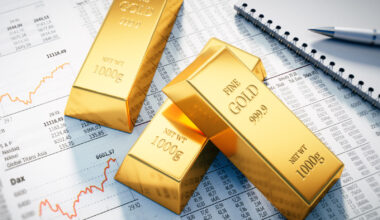
Buy Gold Mined in South Africa |100% Certified 24K Bullion, Pricing
Gold mined in South Africa is among the world’s most recognized and trusted sources of investment-grade gold. Although the country no longer holds the position of the world’s largest producer, South Africa remains one of the leading gold-producing nations, supplying high-quality 24K gold bars, gold dore bars, gold bullion, and refined gold to international investors, refineries, and precious metals markets. The country’s rich geological reserves, world-class mining expertise, and internationally respected refineries continue to make South African gold a preferred choice for buyers seeking authentic, high-purity precious metals.
South Africa has played a defining role in the global gold industry for more than a century. The discovery of massive deposits in the Witwatersrand Basin transformed the country into the world’s leading gold producer and helped establish Johannesburg as one of the world’s major mining and financial centers. Today, despite increased competition from countries such as Ghana, China, Australia, and Russia, gold mined in South Africa continues to contribute significantly to global gold supply through large-scale mining operations, advanced refining facilities, and internationally recognized bullion products.
Investors continue to choose South African gold because of its exceptional purity, strong mining regulations, globally recognized refineries such as Rand Refinery, and internationally traded products including the famous Krugerrand gold coin. Whether purchasing physical gold for wealth preservation, portfolio diversification, or long-term investment, buyers value South African gold for its proven quality, transparent supply chains, and global market acceptance.
If you’re looking to buy verified gold mined in South Africa, Gold Dealers Africa Limited connects investors with licensed and vetted gold suppliers across South Africa and other leading African mining countries. We assist with supplier verification, gold purity testing, export documentation, secure logistics, and international delivery, ensuring you receive genuine investment-grade gold from trusted sources. Contact Gold Dealers Africa Limited today to source authentic South African gold with confidence.
Why South Africa Is Famous for Gold Mining
South Africa is famous for gold mining because it possesses one of the richest gold-bearing geological formations ever discovered and has shaped the global gold industry for more than 130 years. The country’s vast mineral wealth, advanced mining technology, internationally recognized refineries, and long history of commercial gold production have made gold mined in South Africa synonymous with quality and investment value. Although annual production has declined from its historical peak, South Africa remains one of the world’s leading gold-producing countries and continues to supply high-purity gold bars, gold bullion, and refined precious metals to international markets.
History of Gold Mining
The modern South African gold industry began in 1886 with the discovery of gold on the Witwatersrand Reef near present-day Johannesburg. This discovery triggered one of the world’s largest gold rushes, attracting miners, engineers, investors, and entrepreneurs from around the globe. The rapid expansion of gold mining transformed South Africa into the world’s dominant gold producer for much of the 20th century and laid the foundation for the country’s industrial and financial development.
For decades, gold mined in South Africa accounted for a significant share of the world’s total gold supply. Massive underground mines were developed to access exceptionally rich ore bodies located thousands of meters below the Earth’s surface. The industry’s success contributed to the growth of modern cities, extensive railway networks, sophisticated mining technologies, and internationally respected refining facilities that continue to support the country’s precious metals sector today.
The Witwatersrand Gold Basin
The Witwatersrand Gold Basin, commonly called the Witwatersrand Basin or simply “The Rand,” is widely regarded as the most productive gold deposit ever discovered. Located primarily in Gauteng Province, the basin has produced more than 40% of all the gold ever mined in human history, making it the single most important gold-producing geological formation in the world.
Many of South Africa’s largest and deepest gold mines are situated within the Witwatersrand Basin, including operations around Carletonville, Westonaria, Klerksdorp, Welkom, and Johannesburg. These mines extract gold from underground reefs located at depths exceeding 3,000 to 4,000 meters, requiring advanced engineering, ventilation systems, and specialized mining techniques. Even after more than a century of production, the basin still contains substantial gold resources, ensuring that gold mined in South Africa remains an important part of the global precious metals market.
South Africa’s Contribution to Global Gold Production
South Africa has played an unparalleled role in global gold production and remains one of the most influential countries in the international bullion industry. During the 1970s, the country produced more than 1,000 metric tonnes of gold annually, accounting for nearly 70% of global gold output at its peak. While production has gradually declined as high-grade deposits became deeper and more expensive to mine, South Africa continues to rank among the world’s major gold producers.
Today, South African gold mining companies operate some of the deepest and most technologically advanced underground mines anywhere in the world. The country’s annual gold production generally ranges between 90 and 110 metric tonnes, depending on market conditions and mining activity, with leading producers including Harmony Gold, AngloGold Ashanti, Sibanye-Stillwater, and Gold Fields. Major mining regions include Gauteng, Free State, North West Province, and Mpumalanga, all of which contribute to the country’s ongoing gold output.
South Africa’s influence extends well beyond mining. The country is home to the internationally respected Rand Refinery, one of the world’s largest precious metals refineries, and is the birthplace of the iconic Krugerrand, one of the best-selling investment gold coins globally. These institutions reinforce the reputation of gold mined in South Africa as a trusted source of investment-grade bullion and continue to attract investors seeking certified, high-purity African gold.
Where Is Gold Mined in South Africa?
Gold is mined across several provinces in South Africa, with the country’s richest deposits concentrated within the world-famous Witwatersrand Basin and surrounding mineral belts. These mining regions are home to some of the deepest and most productive underground gold mines in the world, supplying investment-grade gold bars, gold bullion, and refined precious metals to global markets. Understanding where gold is mined in South Africa can help investors identify the country’s most important mining hubs and the companies driving production.
| Province | Major Gold Mine(s) | Estimated Gold Production | Investment Potential |
| Gauteng | Mponeng Mine, South Deep Mine, Kloof Mine | Very High | ⭐⭐⭐⭐⭐ Home to the Witwatersrand Basin, world-class infrastructure, major gold reserves, and internationally recognized mining operations. |
| Free State | Target Mine, Joel Mine, Tshepong Operations | High | ⭐⭐⭐⭐ Established mining district with large underground reserves and long-term production potential. |
| North West Province | Moab Khotsong Mine, Great Noligwa Mine | High | ⭐⭐⭐⭐ Rich deep-level deposits operated by major international mining companies with strong exploration prospects. |
| Mpumalanga | Barberton Mines (Fairview, Sheba, Consort) | Moderate | ⭐⭐⭐ Historic high-grade greenstone belt known for premium-quality gold and ongoing exploration opportunities. |
| Limpopo | Eersteling Gold Mine and emerging exploration projects | Low to Moderate | ⭐⭐⭐ Growing exploration activity with future development potential, though current production is relatively limited. |
Gauteng
Gauteng is the heart of South Africa’s gold mining industry and contains the legendary Witwatersrand Gold Basin, the world’s richest gold-producing geological formation. The province is home to iconic mines such as Mponeng, one of the deepest gold mines on Earth, South Deep, one of the world’s largest gold reserves, and Kloof Mine. Gauteng continues to produce significant quantities of gold mined in South Africa and remains the country’s leading destination for investors interested in mining, refining, and gold trading.
Free State
The Free State has been a major gold-producing region for decades and hosts some of South Africa’s largest underground mining complexes. Mines including Target, Joel, and Tshepong contribute substantially to national gold production. Rich ore bodies, experienced mining operators, and well-developed infrastructure make the province an important source of investment-grade gold and a key contributor to South Africa’s mining economy.
North West Province
North West Province contains several deep-level gold mines, including Moab Khotsong and Great Noligwa, which are renowned for extracting high-grade gold from some of the deepest mining operations in the world. The province remains attractive to investors due to its extensive mineral resources, modern mining technology, and continued exploration for new gold deposits.
Mpumalanga
Mpumalanga is best known for the historic Barberton Greenstone Belt, one of the oldest gold-producing regions on Earth. Mines such as Fairview, Sheba, and Consort continue to produce high-quality gold while supporting ongoing exploration projects. The province is particularly important for geological research and offers opportunities for future gold discoveries alongside established mining operations.
Limpopo
Although Limpopo contributes a smaller share of South Africa’s total gold production, the province remains important due to its mineral potential and expanding exploration programs. Historic operations such as Eersteling Gold Mine, South Africa’s first commercial gold mine, together with newer exploration projects, indicate continued opportunities for future investment as companies evaluate untapped gold resources.
Top 10 Gold Mines in South Africa
South Africa is home to some of the deepest, oldest, and most productive underground gold mines in the world. These operations are owned by leading international mining companies and collectively contribute a significant share of the country’s annual gold production. The table below highlights the major gold mines, their owners, approximate annual production, mining depth, and location.
| Rank | Gold Mine | Owner | Province | Approx. Annual Gold Production | Approx. Mining Depth | Investment Highlights |
| 1 | South Deep Mine | Gold Fields | Gauteng | 9–11 tonnes | Up to 3,000 m | One of the world’s largest known gold ore reserves with a long mine life. |
| 2 | Mponeng Mine | Harmony Gold | Gauteng | 7–9 tonnes | Over 4,000 m | Among the deepest operating gold mines in the world and a major producer of high-grade gold. |
| 3 | Kloof Mine | Sibanye-Stillwater | Gauteng | 8–10 tonnes | Up to 3,300 m | Mature operation with extensive infrastructure and proven reserves. |
| 4 | Driefontein Mine | Sibanye-Stillwater | Gauteng | 5–7 tonnes | Around 3,400 m | Historic producer within the Witwatersrand Basin with established processing facilities. |
| 5 | Moab Khotsong Mine | Harmony Gold | North West | 6–8 tonnes | Around 3,000 m | High-grade underground mine known for consistent production. |
| 6 | Tshepong Operations | Harmony Gold | Free State | 5–6 tonnes | Up to 2,300 m | Important contributor to South Africa’s Free State gold production. |
| 7 | Target Mine | Harmony Gold | Free State | 2–4 tonnes | Around 2,300 m | Large underground operation with ongoing exploration potential. |
| 8 | Joel Mine | Harmony Gold | Free State | 1–2 tonnes | Around 1,400 m | Established producer supplying investment-grade gold. |
| 9 | Barberton Mines (Fairview, Sheba & Consort) | Pan African Resources | Mpumalanga | 3–4 tonnes | Up to 2,000 m | Historic high-grade mining complex within the Barberton Greenstone Belt. |
| 10 | Burnstone Mine | Pan African Resources | Mpumalanga | 2–3 tonnes (ramping up) | Around 1,000 m | Expanding underground operation with growth potential and modern mining infrastructure. |
Note: Annual production figures are approximate and can vary from year to year based on ore grades, mine plans, operational performance, and prevailing gold prices. For the latest reported production, refer to the mining companies’ annual reports and the Minerals Council South Africa.
For this section, you should target both informational and commercial search intent while naturally incorporating keywords such as gold mined in South Africa, largest gold mines in South Africa, South African gold mines, buy South African gold, gold suppliers South Africa, and gold investment South Africa.
Largest Gold Mines in South Africa
South Africa is home to some of the largest and deepest gold mines in the world. These operations have produced millions of ounces of gold over several decades and continue to support the country’s reputation as one of Africa’s leading gold-producing nations. Operated by internationally recognized mining companies, these mines supply investment-grade gold to refineries, bullion dealers, manufacturers, and investors worldwide. Understanding where gold is mined in South Africa helps investors identify reliable sources of high-quality gold and appreciate the scale of the country’s mining industry.
| Mine | Company | Province | Approx. Annual Production | Status |
| South Deep Mine | Gold Fields | Gauteng | 9–11 tonnes | Active |
| Mponeng Mine | Harmony Gold | Gauteng | 7–9 tonnes | Active |
| Driefontein Mine | Sibanye-Stillwater | Gauteng | 5–7 tonnes | Active |
| Kloof Mine | Sibanye-Stillwater | Gauteng | 8–10 tonnes | Active |
| Beatrix Mine | Sibanye-Stillwater | Free State | 4–5 tonnes | Active |
| Harmony Gold Operations | Harmony Gold Mining Company | Gauteng, Free State & North West | 30+ tonnes (combined operations) | Active |
South Deep Mine
South Deep Mine, located approximately 45 kilometers southwest of Johannesburg in Gauteng Province, is the largest known gold reserve in South Africa and one of the most significant underground gold mines globally. Owned and operated by Gold Fields Limited, the mine contains substantial mineral reserves that are expected to support production for several decades. Its location within the renowned Witwatersrand Basin places it among the world’s most valuable gold mining assets.
The mine uses highly mechanized underground mining methods to improve productivity, worker safety, and operational efficiency. Unlike many older South African mines that rely heavily on conventional labor-intensive techniques, South Deep incorporates advanced drilling systems, automated equipment, and digital mine planning technologies to maximize ore recovery.
South Deep consistently produces investment-grade gold that is refined into bullion bars and supplied to international precious metals markets. Its gold contributes to South Africa’s exports and supports investors seeking reliable sources of high-purity bullion. The mine’s long reserve life and continued capital investment make it one of the country’s most strategically important mining operations.
For investors interested in gold mined in South Africa, South Deep represents the strength of the country’s modern mining sector. Gold produced from this operation ultimately reaches refineries and bullion markets where it is traded globally. Buyers sourcing South African gold should always work with licensed dealers who can verify origin, purity, and export documentation.
Mponeng Mine
Mponeng Mine is internationally recognized as one of the deepest operating gold mines in the world, extending more than four kilometers beneath the Earth’s surface. Operated by Harmony Gold Mining Company, the mine is located within the Witwatersrand Basin in Gauteng Province, one of the richest gold-producing regions ever discovered.
Mining at such extreme depths requires sophisticated ventilation systems, cooling technology, seismic monitoring, and advanced engineering to maintain safe working conditions. These innovations have enabled Mponeng to remain productive despite increasingly challenging mining environments.
The mine continues to produce significant quantities of high-grade gold, contributing to South Africa’s annual output and reinforcing the country’s reputation as a leading supplier of investment-quality precious metals. Its production supports refineries, bullion dealers, central banks, and institutional investors worldwide.
Because of its exceptional depth, proven reserves, and long production history, Mponeng remains one of the most iconic examples of gold mined in South Africa. Investors seeking South African gold often associate the mine with quality, engineering excellence, and the country’s long-standing mining heritage.
Driefontein Mine
Driefontein Mine, owned by Sibanye-Stillwater, is another major gold-producing operation within Gauteng Province. For decades it has ranked among South Africa’s highest-producing mines and continues to extract gold from the world-famous Witwatersrand Reef.
The mine benefits from extensive underground infrastructure, modern ore processing facilities, and experienced mining personnel. Continuous investment in exploration and operational improvements has helped extend the life of the mine while maintaining efficient production levels.
Gold from Driefontein is refined into internationally traded bullion products that meet strict quality standards. The mine plays an important role in supporting South Africa’s gold exports and contributes to employment, regional development, and foreign exchange earnings.
Its combination of proven reserves, operational experience, and established infrastructure makes Driefontein an important asset for both the South African mining industry and investors interested in responsibly sourced African gold.
Kloof Mine
Kloof Mine is one of Sibanye-Stillwater’s flagship gold operations and has been a cornerstone of South Africa’s mining industry for many years. Located within the Witwatersrand Basin, the mine consists of several producing shafts that access extensive underground gold reefs.
The operation combines advanced mining techniques with modern processing facilities to maximize gold recovery while maintaining internationally accepted safety and environmental standards. Ongoing exploration continues to identify additional mineral resources capable of supporting future production.
Kloof’s consistent output makes it one of South Africa’s leading contributors to annual gold production. The mine supplies high-quality ore that is refined into bullion for international investors, jewelry manufacturers, and industrial users.
Its strategic location, reliable production history, and strong operator make Kloof one of the country’s most valuable gold mining assets and an important source of investment-grade South African gold.
Beatrix Mine
Beatrix Mine, situated in the Free State Province and operated by Sibanye-Stillwater, has been producing gold for several decades. The mine comprises multiple underground shafts that exploit rich ore bodies within the Free State Goldfields, one of South Africa’s historic mining regions.
The operation employs modern underground mining practices and continuously upgrades its infrastructure to improve safety, efficiency, and productivity. Beatrix also supports thousands of jobs and contributes significantly to the local economy through procurement, skills development, and community investment.
Gold produced at Beatrix is processed to international refining standards and enters global bullion markets through accredited refineries. The mine remains an important contributor to South Africa’s gold sector despite the challenges associated with deep-level underground mining.
For buyers looking to purchase gold mined in South Africa, Beatrix represents another trusted source of high-quality precious metal produced by one of the country’s leading mining companies.
Harmony Gold Operations
Harmony Gold Mining Company is one of South Africa’s largest gold producers, operating multiple mines across Gauteng, the Free State, and North West Province. Its portfolio includes world-renowned assets such as Mponeng, Moab Khotsong, Target, Tshepong, Joel, and several other underground operations that collectively produce more than 30 tonnes of gold annually.
The company invests heavily in exploration, mine modernization, worker safety, and environmental sustainability to ensure long-term production and responsible mining practices. Harmony’s operations contribute significantly to South Africa’s economy through exports, tax revenue, employment, and infrastructure development.
Gold produced across Harmony’s mining portfolio is refined into internationally traded bullion that meets strict quality standards and is widely accepted by investors around the world. This extensive production network reinforces South Africa’s position as one of Africa’s most important gold-producing countries.
Investors seeking verified South African gold should work with reputable suppliers that can provide assay certificates, proof of origin, export permits, and secure international logistics. Gold Dealers Africa Limited assists buyers by connecting them with licensed gold suppliers, arranging independent gold purity verification, managing export documentation, and coordinating secure delivery to international destinations.
Gold Prices in South Africa Today
Below is the current estimated gold price in South Africa (ZAR) based on the latest global gold spot market price (~$4,290 per troy ounce) and the prevailing USD/ZAR exchange rate (~R16.30). Gold prices in South Africa change continuously based on international bullion markets, currency movements, and local market conditions.
| Gold Unit / Purity | Price in ZAR | Price in USD |
| 24K Gram | R2,253.35 | $137.92 |
| 22K Gram | R2,065.57 | $126.43 |
| 18K Gram | R1,690.01 | $103.44 |
| 1 Troy Ounce (24K) | R69,922.11 | $4,289.70 |
| 1 Kilogram (24K) | R2,253,350.00 | $137,917.00 |
24K Gold Price per Gram in South Africa
- Price in ZAR: R2,253.35 per gram
- Price in USD: $137.92 per gram
24-karat gold represents pure gold with approximately 99.9% purity. It is the standard reference price used for investment gold products, including gold bars, bullion, and raw investment-grade gold.
1 Ounce Gold Price in South Africa
- Price in ZAR: R69,922.11 per troy ounce
- Price in USD: $4,289.70 per troy ounce
Note: 1 troy ounce equals approximately 31.1035 grams. The troy ounce is the international benchmark unit used for trading physical gold, bullion bars, and gold coins such as the South African Krugerrand.
1 kg Gold Price in South Africa
- Price in ZAR: R2,253,350.00 per kilogram
- Price in USD: $137,917.00 per kilogram
One-kilogram gold bars are commonly traded by institutional investors, wholesale bullion dealers, high-net-worth investors, and professional gold traders because of their large value and lower premium compared with smaller gold bars.
USD vs ZAR Gold Price Impact
- USD / ZAR Exchange Rate: 1 USD = R16.30 ZAR
- ZAR / USD Inverse Rate: 1 ZAR = $0.0613 USD
Because international gold prices are quoted in US Dollars (USD), movements in the USD/ZAR exchange rate directly affect the local gold price in South Africa. A weaker South African Rand generally increases the price of gold in Rand terms, while a stronger Rand can reduce the local gold price.
Historical Gold Price Chart
The table below highlights monthly historical benchmark prices for 1 troy ounce of 24K gold in South African Rand (ZAR) over recent periods:
| Date Period | Price per Ounce (ZAR) | Monthly Change (%) |
| July 2026 | R67,068.92 | -3.51% |
| June 2026 | R69,510.33 | -8.02% |
| May 2026 | R75,571.49 | -3.18% |
| April 2026 | R78,056.71 | -4.10% |
| March 2026 | R81,387.25 | +1.34% |
| December 2025 | R72,334.27 | +2.87% |
| August 2025 | R59,538.08 | +0.34% |
| July 2025 | R59,338.94 | — |
Which Companies Mine Gold in South Africa?
South Africa’s gold mining industry is led by several globally recognized mining companies that operate some of the deepest and most productive underground mines in the world. These companies are responsible for extracting gold mined in South Africa, investing in advanced mining technologies, maintaining international safety standards, and supplying high-purity gold to global bullion markets. Their operations contribute significantly to South Africa’s economy through employment, exports, infrastructure development, and foreign investment.
Whether you are an investor researching the gold industry or looking to buy verified South African gold, understanding the country’s leading mining companies helps identify reputable sources of investment-grade gold bars, bullion, and refined precious metals.
| Company | Headquarters | Major South African Mines | Primary Province(s) | Status |
| Gold Fields Limited | Johannesburg | South Deep Mine | Gauteng | Active |
| Harmony Gold Mining Company | Johannesburg | Mponeng, Moab Khotsong, Target, Tshepong, Joel | Gauteng, Free State, North West | Active |
| Sibanye-Stillwater | Johannesburg | Kloof, Driefontein, Beatrix | Gauteng, Free State | Active |
| AngloGold Ashanti | Johannesburg (founded) | Surface retreatment projects and historical assets | Various | Limited South African operations |
| Pan African Resources | Rosebank, Johannesburg | Barberton Mines, Evander Mines | Mpumalanga | Active |
Gold Fields
Gold Fields Limited is one of South Africa’s largest and most respected gold mining companies. Founded in 1887, the company has evolved into a global producer with mining operations across several continents. In South Africa, its flagship operation is South Deep Mine, one of the world’s largest gold ore reserves and a highly mechanized underground mine located in Gauteng Province.
Gold Fields focuses on responsible mining, environmental stewardship, worker safety, and technological innovation. The company produces high-quality gold that is refined into investment-grade bullion and supplied to international markets. South Deep’s long mine life and significant mineral reserves make Gold Fields an important contributor to South Africa’s gold production.
Company Profile: https://www.goldfields.com
Harmony Gold
Harmony Gold Mining Company Limited is South Africa’s largest domestic gold producer by volume and operates several world-renowned underground mines. Its portfolio includes Mponeng, one of the deepest gold mines on Earth, as well as Moab Khotsong, Target, Tshepong, and Joel.
Harmony invests heavily in mine modernization, exploration, safety improvements, and sustainable mining practices. The company’s extensive operations supply gold to global refineries and bullion markets while supporting thousands of jobs across South Africa. Harmony continues to play a leading role in maintaining South Africa’s position as one of Africa’s top gold-producing countries.
Sibanye-Stillwater
Sibanye-Stillwater is a diversified mining company and one of South Africa’s largest gold producers. Its principal gold operations include Kloof Mine, Driefontein Mine, and Beatrix Mine, all of which are located within South Africa’s historic goldfields.
The company is recognized for its expertise in deep-level underground mining, mineral resource development, and sustainable mining practices. In addition to gold, Sibanye-Stillwater is a major producer of platinum group metals and has expanded into battery metals, making it one of the world’s leading diversified mining companies.
Gold produced from Sibanye-Stillwater’s South African mines contributes significantly to the country’s annual gold production and global bullion supply.
AngloGold Ashanti
AngloGold Ashanti is one of the world’s best-known gold mining companies and has deep historical roots in South Africa. Although the company has reduced its direct mining footprint within the country in recent years, it remains an influential player in the global gold industry through its international operations and continued investment in exploration and mining technology.
AngloGold Ashanti helped shape South Africa’s mining industry over many decades and contributed substantially to the country’s historical gold production. The company remains an important name for investors researching the history and evolution of gold mined in South Africa.
Pan African Resources
Pan African Resources PLC is a mid-tier gold producer with a strong operational presence in South Africa. The company owns the Barberton Mines, which include the Fairview, Sheba, and Consort operations, as well as the Evander Mines in Mpumalanga.
Pan African Resources focuses on efficient underground mining, tailings retreatment, responsible environmental management, and operational innovation. Its high-grade gold production and ongoing exploration projects continue to strengthen South Africa’s mining sector while providing investors with exposure to established gold-producing assets.
As demand for responsibly sourced bullion grows, Pan African Resources remains an important contributor to the supply of investment-grade South African gold.
Types of Gold Mined in South Africa
South Africa produces a wide range of gold products that serve different markets, including investment, refining, jewelry manufacturing, and industrial applications. After extraction from underground mines, gold is processed into various forms depending on its purity, stage of refinement, and intended use. From high-purity 24K gold bars to gold dore bars, gold nuggets, gold concentrates, and investment bullion, gold mined in South Africa is recognized worldwide for its quality and compliance with international refining standards.
The table below compares the main types of gold produced in South Africa, their typical purity, common uses, and the buyers who most often purchase them.
| Gold Type | Typical Purity | Common Uses | Typical Buyers |
| 24K Gold | 99.9%–99.99% (999–999.9 Fine Gold) | Investment bars, bullion, central bank reserves, high-end jewelry | Investors, bullion dealers, banks, refineries |
| Gold Dore Bars | 70%–95% Gold (varies by mine) | Refining into investment-grade gold | LBMA refineries, precious metals refiners, wholesalers |
| Gold Nuggets | 80%–98% Gold (natural variation) | Collectibles, jewelry, refining, private investment | Collectors, jewelers, investors |
| Gold Concentrates | Gold-bearing ore concentrate (purity varies) | Further processing and refining | Smelters, refiners, mining companies |
| Investment Bullion | 99.5%–99.99% Fine Gold | Wealth preservation, portfolio diversification, institutional investment | Individual investors, wealth managers, central banks |
24K Gold
24K gold is the purest form of commercially traded gold and typically has a purity of 99.9% to 99.99%. South Africa is internationally known for producing high-quality 24K gold, which is refined into investment-grade bullion bars and coins that meet globally accepted standards.
This gold is widely purchased by private investors, bullion dealers, financial institutions, and central banks because of its exceptional purity and liquidity. Common products include 1-ounce, 100-gram, and 1-kilogram gold bars, many of which are refined to internationally recognized specifications. Investors seeking gold mined in South Africa often prioritize 24K gold for long-term wealth preservation and portfolio diversification.
Gold Dore Bars
Gold dore bars are semi-refined bars produced directly at mining operations before undergoing final purification at a refinery. Their gold content typically ranges between 70% and 95%, depending on the ore body and processing method, with the remainder consisting mainly of silver and trace metals.
South African mining companies transport dore bars to accredited refineries where they are refined into 99.99% pure investment-grade gold. Dore bars are commonly traded between mining companies, refiners, and institutional buyers rather than retail investors. They form an essential link in the precious metals supply chain and are the starting point for many investment-grade gold products.
Gold Nuggets
Gold nuggets are naturally occurring pieces of native gold recovered during mining and exploration activities. Their purity varies based on geological conditions but generally ranges from 80% to 98% gold, with the balance made up of naturally occurring silver and other minerals.
Although large nuggets are less common in South Africa than in some alluvial mining regions, they remain highly valued by collectors, museums, jewelry manufacturers, and investors due to their natural appearance and rarity. Many nuggets are refined into pure gold, while exceptional specimens are sold as premium collectibles.
Gold Concentrates
Gold concentrates are mineral-rich materials produced after crushing and processing gold-bearing ore. Instead of containing refined gold, concentrates consist of finely ground minerals with a high concentration of gold particles that require additional treatment through smelting and refining.
Mining companies produce concentrates as an intermediate product before final gold extraction. These materials are sold to specialized smelters and refineries capable of recovering the precious metal efficiently. Gold concentrates play a critical role in maximizing recovery from South Africa’s underground gold deposits and improving the economic value of mined ore.
Investment Bullion
Investment bullion refers to refined gold bars and coins manufactured to internationally accepted purity standards, generally 99.5% to 99.99% fine gold. South Africa is home to the renowned Rand Refinery, one of the world’s leading precious metals refiners, which produces investment-grade bullion for domestic and international markets.
Investment bullion is widely used for wealth preservation, inflation protection, retirement planning, and portfolio diversification. Products such as 1 kg gold bars, 100 g gold bars, and the famous Krugerrand are recognized globally for their quality and market acceptance. Buyers seeking gold mined in South Africa should purchase investment bullion only from licensed dealers that provide assay certificates, proof of origin, and secure export documentation to ensure authenticity and compliance with international regulations.
How Gold Is Mined in South Africa
South Africa is renowned for its advanced mining industry, with many of its gold deposits located thousands of meters below the Earth’s surface. Extracting gold mined in South Africa requires sophisticated engineering, specialized equipment, strict safety procedures, and internationally recognized refining standards. From deep underground extraction to the production of investment-grade bullion, every stage of the mining process is designed to maximize gold recovery while meeting environmental and regulatory requirements.
The journey from ore to refined gold involves underground or surface mining, ore processing, gold extraction, refining, quality testing, and export preparation. Understanding this process helps investors appreciate the value, authenticity, and quality of South African gold products.
| Mining Stage | Purpose | Main Technologies | Final Output |
| Underground Mining | Extract gold-bearing ore from deep deposits | Shaft sinking, drilling, blasting, mechanized loaders | Gold-bearing ore |
| Open-Pit Mining | Recover gold from near-surface deposits | Excavators, haul trucks, drilling equipment | Gold-bearing ore |
| Ore Processing | Separate gold from crushed ore | Crushing, milling, gravity separation, flotation, cyanide leaching | Gold concentrate or dore |
| Refining Process | Increase purity to investment-grade standards | Smelting, electrorefining, chemical refining, fire assay | 99.9%–99.99% pure gold |
| Export Preparation | Verify, package, and document gold for shipment | Assay testing, secure packaging, export permits, customs documentation | Certified gold bars ready for international trade |
Underground Mining
Most gold mined in South Africa comes from deep underground deposits within the world-famous Witwatersrand Basin. Mines such as Mponeng, South Deep, Kloof, and Driefontein access ore bodies located between 2,000 and more than 4,000 meters below the surface, making them among the deepest gold mines in the world.
Underground mining begins with the construction of vertical shafts that transport workers, equipment, and ore between the surface and production levels. Miners drill into gold-bearing rock, use controlled blasting to break the ore, and transport the material to the surface using conveyors, rail systems, and heavy-duty hoisting equipment. Modern operations increasingly use mechanized machinery, remote-controlled equipment, and digital monitoring systems to improve safety, efficiency, and productivity.
Open-Pit Mining
Although deep underground mining dominates South Africa’s gold industry, some deposits are economically extracted using open-pit mining where gold-bearing ore occurs closer to the surface. This method involves removing overburden with large excavators and haul trucks before drilling and blasting exposed ore.
Open-pit mining generally offers lower operating costs, higher production rates, and easier equipment access than deep underground mining. However, it is only suitable where geological conditions permit economical surface extraction. Ore recovered from open-pit mines is transported to nearby processing plants for further treatment and gold recovery.
Ore Processing
After extraction, the gold-bearing ore is transported to a processing plant where it undergoes several stages designed to recover as much gold as possible. The ore is first crushed and milled into a fine powder to release gold particles trapped within the surrounding rock.
Depending on the characteristics of the deposit, processing may include gravity separation, flotation, and cyanide leaching to extract gold from the ore. The recovered material is then smelted into gold dore bars or concentrated for further refining. Throughout this stage, laboratories conduct regular sampling and quality control tests to maximize recovery while ensuring compliance with environmental and operational standards.
Refining Process
Gold recovered from processing plants is transported to accredited refineries where it is purified into investment-grade bullion. During refining, impurities such as silver, copper, and other trace metals are removed through smelting, electrorefining, and advanced chemical refining techniques.
The refined gold is tested using internationally accepted methods, including fire assay and X-ray fluorescence (XRF) analysis, to verify its purity. Once certified, the gold is cast into bullion bars, minted into coins, or manufactured into other investment products. Many South African gold products meet 99.9% to 99.99% purity standards and are accepted by international bullion markets and financial institutions.
Export Preparation
Before gold mined in South Africa can be exported, it must comply with national regulations and international trade requirements. Each shipment undergoes purity verification, weight confirmation, and documentation to ensure legal compliance and traceability throughout the supply chain.
Export preparation typically includes independent assay certificates, invoices, packing lists, certificates of origin where applicable, export permits, customs declarations, and secure packaging designed for high-value shipments. Gold is commonly transported through specialized logistics providers that offer insured, secure delivery to refineries, bullion dealers, banks, and investors worldwide.
Investors purchasing South African gold should always work with licensed and reputable dealers that provide complete documentation, verified purity reports, and transparent export procedures. Gold Dealers Africa Limited assists clients throughout the sourcing process by verifying suppliers, arranging independent gold testing, coordinating export documentation, and managing secure international logistics to ensure every shipment meets recognized industry standards.
This section strengthens topical authority by covering the complete mining-to-market process while naturally incorporating commercial keywords and trust signals that support both SEO performance and conversions.
Is South African Gold High Quality?
Yes. South African gold is internationally recognized for its high quality, exceptional purity, and strict refining standards. For more than a century, South Africa has been one of the world’s most respected gold-producing nations, supplying investment-grade gold to central banks, bullion dealers, jewelry manufacturers, and private investors worldwide. Gold mined in the country’s leading operations undergoes rigorous testing, refining, and certification before entering the global precious metals market.
The quality of gold mined in South Africa is maintained through internationally accepted refining processes, independent laboratory testing, and comprehensive quality assurance procedures. Investment-grade gold bars produced by accredited refineries typically achieve 99.9% to 99.99% purity (999 to 999.9 fine gold), making them suitable for international trading, wealth preservation, and long-term investment.
Gold Quality Standards at a Glance
| Quality Factor | Standard | Why It Matters to Investors |
| Gold Purity | 99.9%–99.99% (24K Fine Gold) | Higher purity increases global market acceptance and resale value. |
| LBMA Standards | Good Delivery specifications | Ensures gold meets internationally recognized bullion standards. |
| Refining | Accredited refining processes | Removes impurities and produces investment-grade bullion. |
| Assaying | Independent laboratory verification | Confirms gold purity, weight, and composition before sale. |
| XRF Testing | Non-destructive elemental analysis | Provides rapid verification of gold composition without damaging the bar. |
| Fire Assay | International reference method | The most accurate laboratory technique for determining precious metal content. |
| Certificate of Authenticity | Issued by refinery or authorized dealer | Confirms the bar’s identity, purity, weight, and traceability. |
Purity
The purity of South African gold is one of the primary reasons it is highly valued by investors. After extraction, gold undergoes refining to remove silver, copper, and other naturally occurring metals. Investment bullion is commonly refined to 99.9% or 99.99% purity, equivalent to 24-karat gold, which is the preferred standard for bullion bars, central bank reserves, and institutional investments.
High-purity gold offers greater liquidity because it is widely accepted by bullion markets, precious metals exchanges, and accredited dealers worldwide. Investors purchasing South African gold should always verify the stated purity through official assay documentation before completing a transaction.
LBMA Standards
Many investment-grade gold bars associated with South Africa are refined in accordance with the London Bullion Market Association (LBMA) Good Delivery Standards, the benchmark used throughout the international bullion market. These standards specify strict requirements for gold purity, bar dimensions, weight tolerances, marking, and responsible sourcing.
Gold that meets LBMA Good Delivery requirements is widely recognized by banks, bullion dealers, exchanges, and institutional investors. Purchasing gold refined to these standards provides greater confidence in authenticity, market acceptance, and resale potential.
Refining
Following extraction, gold is transported to specialized refineries where impurities are removed through advanced metallurgical processes. These facilities use smelting, electrorefining, and chemical refining techniques to transform gold dore bars into investment-grade bullion.
South Africa is home to internationally respected refining expertise, including the renowned Rand Refinery, which has supplied high-quality bullion to global markets for decades. Modern refining ensures consistent purity, accurate weight, and compliance with international quality specifications before gold is released for investment or commercial use.
Assaying
Assaying is the scientific process used to verify the purity and precious metal content of gold. Before bullion is sold or exported, samples are tested by qualified laboratories to confirm that the gold meets the declared specifications.
Independent assaying protects both buyers and sellers by providing objective verification of purity, reducing the risk of fraud, and ensuring compliance with international trading requirements. Professional assay reports are a critical part of responsible gold trading and should accompany investment-grade bullion whenever possible.
XRF Testing
X-ray Fluorescence (XRF) testing is a fast, non-destructive analytical method used to determine the elemental composition of gold. The equipment directs X-rays onto the sample and measures the energy emitted by different elements, allowing technicians to estimate purity without cutting, drilling, or damaging the bullion.
XRF testing is widely used by bullion dealers, refiners, and inspection laboratories because it provides immediate results and is ideal for routine verification during buying, selling, and export procedures. While highly reliable for screening, XRF analysis is often complemented by additional laboratory testing for final certification.
Fire Assay
Fire assay is regarded as the international reference method for determining gold purity and remains the most accurate laboratory technique available. During the process, a carefully prepared sample is heated at extremely high temperatures so that precious metals can be separated from impurities and measured with exceptional precision.
Because of its high level of accuracy, fire assay is commonly used by accredited refineries, mining companies, and independent laboratories when certifying investment-grade bullion. Many official assay certificates rely on fire assay results to verify compliance with international purity standards.
Certificates of Authenticity
A Certificate of Authenticity provides documented proof that a gold bar or bullion product meets the stated purity, weight, and identification standards. Depending on the product and supplier, the certificate may include details such as the refinery name, serial number, gross and fine weight, purity level, assay results, and date of certification.
When purchasing gold mined in South Africa, investors should always request supporting documentation, including assay certificates, invoices, and any applicable export documentation. Buying through reputable companies such as Gold Dealers Africa Limited helps ensure that gold has been sourced from verified suppliers and is accompanied by appropriate documentation that supports authenticity, traceability, and compliance with international trade requirements.
Can Foreigners Buy Gold Mined in South Africa?
Yes, foreigners can buy gold mined in South Africa, but the purchase and export process must follow strict legal, regulatory, and compliance requirements. South Africa has a well-established precious metals industry with regulations designed to prevent illegal trading, money laundering, and the export of undocumented gold. International buyers, investors, and bullion dealers can legally purchase South African gold when working with licensed suppliers, approved refineries, and authorized exporters.
For overseas investors looking to buy South African gold, the process involves verifying the supplier, confirming gold purity, obtaining the correct export approvals, preparing customs documentation, and ensuring compliance with both South African laws and the regulations of the importing country.
| Requirement | Purpose | Key Considerations |
| Legal Verification | Confirms the transaction is with an authorized seller | Work with licensed dealers, miners, or approved exporters |
| Export Licenses | Allows gold to leave South Africa legally | Required permits must be obtained before shipment |
| Taxes & Duties | Ensures compliance with financial obligations | Costs depend on transaction type and applicable regulations |
| Customs Documentation | Provides shipment transparency | Includes invoices, permits, certificates, and declarations |
| International Shipping | Ensures secure delivery | Requires specialized precious metals logistics providers |
Legal Requirements
Foreign buyers must purchase gold through legitimate channels that comply with South Africa’s precious metals regulations. The country’s gold industry is regulated through institutions responsible for monitoring mining, refining, trading, and exporting precious metals.
Buyers should verify that suppliers have appropriate registrations, licenses, and documentation proving the lawful origin of the gold. Reputable sellers should be able to provide information such as:
- Company registration details
- Precious metals trading authorization where applicable
- Proof of gold ownership or supply chain documentation
- Independent assay certificates
- Invoices showing transaction details
- Export documentation when applicable
Due diligence is essential because purchasing undocumented gold can create legal and financial risks for both buyers and sellers. International investors should avoid unverified intermediaries offering gold at prices significantly below market rates.
Export Licenses
Gold exports from South Africa are controlled under the country’s precious metals regulatory framework. A foreign buyer cannot simply purchase gold and arrange international shipment without following the required export procedures.
Authorized exporters typically handle the export process, including obtaining the necessary approvals, coordinating inspections, and preparing documentation required by South African authorities. Exporters may work with mining companies, refineries, or licensed precious metals dealers to ensure that shipments comply with national regulations.
Before purchasing, international buyers should confirm:
- The exporter is legally authorized to export gold
- The gold has been properly refined and tested
- Required permits are available
- Shipment details match the official documentation
Working with experienced gold exporters reduces delays and ensures compliance throughout the transaction.
Taxes
The taxation of gold transactions in South Africa depends on factors such as the type of gold being purchased, the seller’s status, the transaction structure, and the destination country.
Investment gold and commercial gold exports may have different tax treatments. Foreign buyers should consider potential costs related to:
- South African transaction requirements
- Export-related charges
- Banking and payment compliance
- Import taxes or duties in the destination country
- Local regulations affecting investment gold purchases
Because tax rules differ between countries, international buyers should consult qualified tax or customs professionals in both South Africa and their home country before completing a large gold purchase.
Customs Documentation
Proper documentation is essential when importing gold mined in South Africa into another country. Customs authorities require clear evidence showing the origin, value, purity, and legality of precious metals shipments.
Common documents may include:
- Commercial invoice
- Packing list
- Certificate of origin
- Assay certificate showing gold purity
- Refinery certificate or certificate of authenticity
- Export permits
- Import declarations required by the destination country
- Insurance and shipping documents
Import requirements vary depending on the buyer’s location. For example, buyers in the United States, European Union, United Kingdom, Middle East, and Asia may have different reporting, customs, and financial compliance requirements.
International Shipping
Transporting gold internationally requires specialized security procedures because precious metals are high-value assets. Professional gold exporters typically use secure logistics providers experienced in handling bullion shipments.
International gold shipments may involve:
- Insured precious metals transportation
- Secure packaging and handling procedures
- Airport and customs coordination
- Tracking and chain-of-custody documentation
- Delivery to approved refineries, vaults, banks, or bullion dealers
Companies such as Gold Dealers Africa Limited help international buyers navigate the sourcing process by connecting them with verified suppliers, arranging gold verification, supporting documentation preparation, and coordinating secure logistics solutions.
Foreign investors interested in purchasing South African gold bars, gold dore bars, or investment bullion should ensure every transaction follows both South African export regulations and the importing country’s customs and financial compliance requirements. Buying through a trusted and verified gold dealer provides greater confidence that the gold is authentic, legally sourced, and suitable for international investment.
How to Buy Gold Mined in South Africa
Buying gold mined in South Africa requires careful verification to ensure the gold is authentic, legally sourced, properly documented, and delivered securely. International buyers should work with trusted gold dealers who can verify suppliers, confirm gold purity, arrange export compliance, and coordinate secure international delivery. Whether purchasing 24K gold bars, gold dore bars, or investment bullion, following a professional buying process helps investors reduce risks and obtain genuine South African gold.
Step 1 – Choose a Verified Gold Dealer
The first step when buying South African gold is selecting a verified and reputable gold dealer with experience in precious metals sourcing and international transactions. A trusted dealer should provide transparent information about their suppliers, company registration, gold verification procedures, and previous export experience to ensure buyers receive legally sourced and authentic gold.
Need assistance sourcing verified South African gold? Contact Gold Dealers Africa Limited for supplier verification, export documentation, and secure international delivery.
Step 2 – Verify Purity
Before purchasing gold, buyers should confirm the purity and quality of the gold through recognized testing methods such as XRF testing, fire assay, and refinery certification. Investment-grade South African gold is typically refined to 99.9%–99.99% purity, and proper assay documentation confirms the gold’s weight, composition, and authenticity.
Need assistance sourcing verified South African gold? Contact Gold Dealers Africa Limited for supplier verification, export documentation, and secure international delivery.
Step 3 – Request Export Documents
Legal international gold purchases require complete export documentation to prove the origin, ownership, purity, and compliance of the shipment. Buyers should request documents such as commercial invoices, assay certificates, certificates of authenticity, export permits, customs declarations, and shipping records before the gold leaves South Africa.
Need assistance sourcing verified South African gold? Contact Gold Dealers Africa Limited for supplier verification, export documentation, and secure international delivery.
Step 4 – Arrange Secure Payment
A secure payment process protects both buyers and sellers during high-value gold transactions. Buyers should use verified banking channels, formal purchase agreements, and transparent payment procedures that match the gold quantity, purity, pricing, and delivery terms outlined in the official documentation.
Need assistance sourcing verified South African gold? Contact Gold Dealers Africa Limited for supplier verification, export documentation, and secure international delivery.
Step 5 – Insured Delivery
The final stage of purchasing gold mined in South Africa is arranging secure and insured transportation through experienced precious metals logistics providers. Professional delivery services ensure the gold is safely packaged, tracked, insured, and transported with the required customs and security procedures until it reaches the buyer’s approved destination.
Need assistance sourcing verified South African gold? Contact Gold Dealers Africa Limited for supplier verification, export documentation, and secure international delivery.
Why Buy South African Gold From Gold Dealers Africa Limited
Buying gold mined in South Africa requires a trusted partner who understands gold sourcing, supplier verification, quality testing, export compliance, and international delivery. Gold Dealers Africa Limited helps investors, bullion buyers, and international clients source genuine South African gold through a structured process focused on transparency, verification, and secure transactions.
From 24K gold bars and investment bullion to gold dore bars, our approach is designed to connect buyers with verified gold suppliers while ensuring every stage of the transaction follows professional precious metals trading practices. By combining supplier due diligence, independent testing, export assistance, and secure logistics coordination, Gold Dealers Africa Limited helps clients purchase South African gold with greater confidence.
Verified Suppliers
Gold Dealers Africa Limited works with carefully evaluated gold suppliers to help clients access legitimate sources of South African gold. Supplier verification is an essential step in reducing risks associated with undocumented gold, false claims, and unreliable intermediaries.
Our verification process focuses on reviewing supplier credentials, business documentation, gold sourcing information, transaction history, and compliance requirements. By connecting buyers with trusted suppliers, we help ensure that gold transactions are conducted through transparent and responsible channels.
Independent Gold Testing
Authenticity and purity verification are critical when purchasing investment gold. Gold Dealers Africa Limited supports buyers by arranging independent gold testing through recognized methods, including XRF analysis and fire assay verification where required.
Testing confirms important details such as gold purity, weight, and composition. Investment-grade gold is typically refined to 99.9%–99.99% purity, and proper verification documentation gives buyers greater confidence before completing a purchase.
Export Documentation
International gold transactions require accurate documentation to meet both exporting and importing country requirements. Gold Dealers Africa Limited assists clients with the documentation process needed for compliant gold shipments.
Depending on the transaction, documentation may include:
- Commercial invoices
- Assay certificates
- Certificates of authenticity
- Export documentation
- Shipping records
- Customs-related paperwork
Proper documentation helps create a transparent supply chain and reduces delays during international transportation.
Worldwide Delivery
Gold Dealers Africa Limited assists international clients by coordinating secure delivery solutions for approved gold shipments. Because precious metals require specialized handling, shipments are arranged through experienced logistics providers with appropriate security procedures.
Clients can receive support with:
- International shipping coordination
- Secure transportation arrangements
- Insurance requirements
- Customs preparation
- Delivery tracking
Whether purchasing gold from South Africa, Uganda, Ghana, Tanzania, or other African markets, our team helps clients navigate the process from sourcing to final delivery.
Transparent Pricing
Gold Dealers Africa Limited believes in providing clear and transparent pricing based on international gold market conditions. Gold prices are influenced by global spot prices, purity levels, weight, refining costs, and transaction requirements.
Clients receive pricing information based on:
- Current gold market rates
- Gold purity and weight
- Refining standards
- Logistics requirements
- Applicable transaction costs
Transparent pricing allows buyers to understand the value of their investment and make informed purchasing decisions.
Secure Transactions
Security is a priority when handling high-value gold transactions. Gold Dealers Africa Limited follows structured procedures designed to protect buyers and sellers throughout the purchasing process.
Secure transaction practices include:
- Verified business communication
- Documented agreements
- Compliance checks
- Secure payment procedures
- Shipment confirmation
By maintaining clear records and professional processes, we help clients complete gold purchases with greater confidence.
Dedicated Client Support
Every gold transaction involves important decisions regarding sourcing, verification, documentation, and delivery. Gold Dealers Africa Limited provides dedicated support to guide clients through each stage of the buying process.
Our team assists buyers with:
- Selecting suitable gold products
- Understanding purity and certification
- Reviewing supplier information
- Preparing export requirements
- Coordinating delivery solutions
Why Investors Choose Gold Dealers Africa Limited
Gold Dealers Africa Limited focuses on building trust through verification, transparency, and professional service. Our commitment is to help clients source verified South African gold while providing guidance throughout the complete buying journey.
Contact Gold Dealers Africa Limited today to discuss sourcing 24K gold bars, gold bullion, and investment-grade gold from verified African suppliers. Our team can assist with supplier verification, gold testing, export documentation, and secure international delivery.
South African Gold vs Other African Gold
Africa is one of the world’s most important gold-producing regions, with countries such as South Africa, Ghana, Tanzania, Uganda, the Democratic Republic of Congo (DRC), and Mali supplying gold to regional and international markets. While gold mined in South Africa is internationally recognized for its refining standards, mining history, and established infrastructure, other African gold-producing countries also offer significant opportunities for investors and bullion buyers.
The table below compares major African gold markets based on typical purity standards, production levels, export processes, and investment potential.
| Country | Purity | Production | Export Ease | Investment Potential |
| South Africa | 99.9%–99.99% refined gold (24K investment bullion) | One of Africa’s historic gold producers with world-class mines including South Deep, Mponeng, Kloof, and Driefontein | High – established mining regulations, refineries, logistics networks, and international market access | ⭐⭐⭐⭐⭐ Strong potential due to trusted refineries, Rand Refinery, LBMA connections, and globally recognized bullion products |
| Ghana | Commonly refined to 99.9%+ after processing | Africa’s largest gold producer with major mining regions including Ashanti, Western, and Eastern regions | High – established gold export sector with regulated gold trading channels | ⭐⭐⭐⭐⭐ Attractive due to high production volumes, strong mining industry, and growing investment demand |
| Tanzania | Often refined to 99.5%–99.99% depending on processing stage | One of Africa’s leading gold producers with major mines around Geita, Shinyanga, and Mwanza | Moderate to High – regulated export system with mining companies and gold trading centers | ⭐⭐⭐⭐ Strong opportunity due to large reserves, active mining sector, and expanding gold infrastructure |
| Uganda | Varies from dore gold to refined bullion depending on source and processing | Emerging gold market with increasing refining, trading, and regional supply activity | Moderate – requires compliance with licensing, export procedures, and documentation requirements | ⭐⭐⭐⭐ Growing potential due to regional location, refining growth, and increasing investor interest |
| DRC (Democratic Republic of Congo) | Varies widely; gold requires verification and refining before investment use | Significant gold resources concentrated in Ituri, South Kivu, North Kivu, and Haut-Uele | Moderate – export requires strong due diligence due to traceability and compliance concerns | ⭐⭐⭐ High potential due to large untapped reserves but requires careful supplier verification |
| Mali | Typically refined to investment standards after processing | One of Africa’s largest gold producers with major mining areas in western and southern Mali | Moderate – established mining sector but requires compliance with export regulations | ⭐⭐⭐⭐ Strong potential due to large reserves, experienced mining companies, and consistent production |
Key Differences for Gold Investors
South African gold stands out because of its long mining history, advanced refining capabilities, and globally recognized gold products such as Rand Refinery bars and Krugerrand coins. Buyers looking for internationally accepted bullion often prefer gold that has been refined and certified through established channels.
Ghanaian gold attracts investors because Ghana is currently one of Africa’s largest gold producers and has a well-developed mining and export industry. The country’s gold sector benefits from major industrial mining operations and government-regulated trading systems.
Tanzanian gold offers strong investment potential due to its large-scale mining operations, significant reserves, and established export infrastructure. The country has become one of Africa’s most important gold markets.
Ugandan gold represents an emerging opportunity due to growing refining capacity, regional trade connections, and increasing interest from international buyers. However, investors should prioritize verified suppliers and complete documentation.
DRC gold has significant geological potential, but buyers must pay close attention to responsible sourcing, traceability, and compliance requirements when purchasing gold from the region.
Mali gold remains an important African gold market with substantial production from both large-scale mining companies and smaller mining operations. Investors should ensure all purchases follow legal export procedures and verified supply chains.
For investors comparing African gold markets, the best choice depends on factors such as purity verification, supplier reliability, export compliance, refining standards, and secure delivery options. Working with experienced dealers such as Gold Dealers Africa Limited helps buyers access verified gold suppliers while ensuring proper documentation, testing, and international transaction support.
Risks When Buying South African Gold
Although gold mined in South Africa is recognized globally for its quality and investment value, buyers must remain cautious when purchasing gold internationally. The high value of gold attracts legitimate businesses as well as fraudulent sellers who may provide false documents, counterfeit products, or unrealistic offers designed to deceive investors.
Whether purchasing 24K gold bars, gold dore bars, or investment bullion, buyers should conduct proper due diligence, verify suppliers, confirm gold authenticity, and ensure all export and transaction documents are legitimate. Understanding common risks helps investors make safer decisions when buying South African gold.
| Risk | Description | How Buyers Can Protect Themselves |
| Fake Export Permits | Fraudulent documents claiming approval to export gold internationally | Verify permits with relevant authorities and work with licensed exporters |
| Counterfeit Gold | Fake or lower-purity gold presented as genuine bullion | Request independent testing, assay reports, and refinery certificates |
| Below-Market Prices | Unrealistically cheap gold offers designed to attract buyers | Compare prices with international spot gold rates and avoid unrealistic discounts |
| Illegal Brokers | Unverified intermediaries operating without proper authorization | Deal directly with established companies and verified suppliers |
| Advance Fee Scams | Fraudsters requesting upfront payments before providing gold | Use secure payment structures and verified transaction agreements |
Fake Export Permits
One of the most common risks in international gold trading is the use of fake export permits and forged documentation. Fraudulent sellers may provide official-looking certificates, government stamps, or export approvals to convince buyers that a shipment is legal.
A genuine gold transaction should include verifiable documentation that matches the supplier, gold quantity, purity, and shipment details. Buyers should confirm that exporters are authorized to conduct precious metals transactions and avoid relying only on scanned documents provided by unknown intermediaries.
Counterfeit Gold
Counterfeit gold remains a major concern for international buyers because fraudulent sellers may attempt to pass fake products or incorrectly represented gold purity as genuine investment gold.
Before purchasing South African gold, buyers should request professional verification through recognized testing methods such as:
- XRF testing for elemental analysis
- Fire assay for accurate purity confirmation
- Independent laboratory reports
- Refinery certificates
- Certificates of authenticity
Investment-grade gold should have clear documentation showing its weight, purity, and source. Reputable dealers provide verification information before completing a transaction.
Below-Market Prices
Offers that appear too good to be true are often a warning sign in the gold industry. Since gold is traded globally based on international spot prices, legitimate sellers generally operate within a reasonable market range after considering refining, logistics, insurance, and transaction costs.
Fraudulent sellers often advertise gold at extremely low prices to create urgency and encourage buyers to send money quickly. Investors should compare offers against current gold market prices and carefully investigate any seller offering unusually large discounts.
Illegal Brokers
Illegal brokers and unverified middlemen can create significant risks for gold buyers. These individuals may claim to represent mining companies, exporters, or government-approved suppliers without having the authority to sell gold.
Working with unauthorized brokers can result in:
- Missing documentation
- Unverified gold origin
- Payment disputes
- Compliance problems during import
- Loss of investment funds
Buyers should confirm company registration, business history, physical presence, and industry reputation before entering into any agreement.
Advance Fee Scams
Advance fee scams involve fraudulent sellers requesting large upfront payments for supposed gold shipments that may never be delivered. These scams often involve fake contracts, false promises of discounted gold, and pressure to complete payments quickly.
Safer purchasing practices include:
- Verifying the seller before payment
- Using formal purchase agreements
- Confirming gold documentation
- Working through recognized financial channels
- Avoiding payments to unrelated third parties
Professional gold transactions should follow a clear process where documentation, verification, and delivery arrangements are established before final payment.
How to Stay Safe
Buying gold mined in South Africa safely requires a careful verification process and a commitment to working only with trusted industry participants. Investors can reduce risks by following these steps:
- Choose verified gold dealers with a proven business history
- Confirm supplier licenses and company details
- Request independent purity testing
- Review assay certificates and authenticity documents
- Verify export documentation
- Compare prices with international gold market rates
- Use secure payment methods
- Arrange insured international delivery
Gold Dealers Africa Limited helps clients reduce transaction risks by supporting supplier verification, gold testing procedures, export documentation review, and secure delivery coordination. Working with experienced professionals provides greater confidence when sourcing authentic South African gold bars, bullion, and other investment-grade gold products.
Frequently Asked Questions About Gold Mined in South Africa
Below are answers to the most common questions investors and international buyers ask about gold mined in South Africa, including gold authenticity, mining locations, import requirements, pricing, purity standards, and supplier verification. These FAQs help buyers understand the South African gold market and make informed purchasing decisions when sourcing investment-grade gold.
Is South African Gold Real?
Yes, South African gold is real and internationally recognized as a high-quality precious metal. South Africa has a long history of gold production and is home to globally respected mining companies, refineries, and bullion products. Genuine South African gold should be supported by proper documentation, including assay certificates, purity verification reports, and proof of legal sourcing.
Where Is Gold Mainly Mined in South Africa?
Gold in South Africa is mainly mined in the Witwatersrand Basin, one of the richest gold-bearing regions ever discovered. Major gold-producing areas include Gauteng, Free State, North West Province, and Mpumalanga. Some of the country’s most famous mines include South Deep, Mponeng, Kloof, Driefontein, Beatrix, and Barberton Mines.
Can I Import South African Gold?
Yes, international buyers can import gold mined in South Africa, provided the transaction follows South African export regulations and the import requirements of the destination country. Buyers must ensure the gold is purchased from a legitimate supplier and supported by required documents such as invoices, assay certificates, export documentation, customs declarations, and shipping records.
Is South African Gold Expensive?
The price of South African gold is mainly determined by the international gold spot price, purity, weight, refining costs, and transaction requirements. South African gold is not necessarily more expensive than gold from other countries, but certified investment-grade products may include costs related to refining, certification, logistics, and secure delivery.
What Is the Purity of South African Gold?
Investment-grade South African gold is commonly refined to 99.9%–99.99% purity, also known as 24-karat gold or fine gold. Gold dore bars produced from mines may have lower purity, often ranging between approximately 70% and 95%, before being refined into high-purity bullion suitable for international markets.
How Do I Verify a South African Gold Supplier?
To verify a South African gold supplier, buyers should check company registration details, business history, licensing information, supplier relationships, and previous transaction experience. A reliable supplier should provide gold verification documents, including assay certificates, refinery certificates, purity reports, and relevant export documentation.
Why Is South African Gold Popular Among Investors?
South African gold is popular among investors because of the country’s established mining industry, internationally recognized refineries, strong gold production history, and globally accepted bullion products. Investors value South African gold for its liquidity, quality standards, and reputation within international precious metals markets.