
Where to Buy Gold in Tanzania | Official 2026 Market Hubs
If you’re searching for where to buy gold in Tanzania, you’re looking at one of Africa’s most active and rapidly growing gold markets. Tanzania ranks among the continent’s top gold-producing countries, with major mining regions such as Geita, Mwanza, Shinyanga, Chunya, and Mara supplying gold to local and international buyers. These regions are home to government-regulated mineral markets, licensed dealers, and export-ready suppliers, making Tanzania a strategic destination for investors seeking genuine gold opportunities.
However, knowing where to buy gold in Tanzania safely and legally is critical. While the country offers significant investment potential, the market also contains risks such as unlicensed brokers, fake documentation, and fraudulent “discount gold” schemes. Buyers who fail to verify sellers, assay reports, and export permits can face financial losses, customs complications, or even shipment seizures.
To help investors navigate the market, Tanzania has established official mineral market hubs in key gold-producing regions, including Geita, Mwanza, Kahama, Chunya, and Dar es Salaam. These government-supervised trading centers provide greater transparency, verified pricing, licensed trading environments, and legal pathways for gold exports.
Whether you are looking to buy 1kg gold bars, gold nuggets, gold doré bars, or investment-grade bullion, understanding the right buying channels is essential. This guide explains where to buy gold in Tanzania in 2026, highlights the country’s official market hubs, compares trusted buying options, and outlines the step-by-step process for purchasing and exporting gold legally.
Gold Prices in Africa Limited assists international buyers by connecting them with verified suppliers, providing market insights, supporting due diligence, and helping clients follow the proper legal procedures for secure gold transactions. Whether you’re a first-time investor or a wholesale buyer sourcing large quantities, having access to reliable information can help you buy gold in Tanzania with greater confidence and reduced risk.
In this guide, you’ll learn:
- Where to buy gold in Tanzania safely
- Official government mineral markets in Tanzania
- The best gold-producing regions for buyers
- Current gold prices and market trends
- How to verify a legitimate gold seller
- Tanzania’s gold export procedures and requirements
- Common scams to avoid when buying gold
This comprehensive guide is designed to help investors, traders, and international buyers make informed decisions while accessing one of Africa’s most important gold markets.

Tanzania Gold Mining Laws: The Legal Framework for International Buyers
The Tanzanian gold market is strictly regulated, and every legitimate transaction must comply with the rules set by the Ministry of Minerals, which oversees licensing, trading, and export activities to ensure transparency and prevent illegal dealings.
Before any gold can legally leave the country, an official Mineral Export Permit must be obtained from the relevant authorities, and without this permit, export shipments are considered illegal and may be confiscated.
In addition, all gold transactions are subject to government charges, including a royalty fee of approximately 6% on the value of the gold and a clearance fee of around 1%, both of which are mandatory for compliant and legally recognized export processes.
Official Gold Market Hubs in Tanzania (2026)
Tanzania has established official mineral markets and buying centers to formalize gold trading, improve transparency, and ensure miners receive fair prices. These hubs are regulated by the Mining Commission and serve as key locations for legal gold transactions.
| Official Market Hub | Region | Main Gold Sources | Key Activities | Why It Matters to Buyers |
| Mwanza Minerals Market | Mwanza | Geita, Mwanza, Kagera | Gold buying, assaying, trading, export preparation | One of Tanzania’s busiest gold trading centers, attracting licensed dealers and exporters. |
| Geita Minerals Market | Geita | Geita Gold Belt | Gold trading, miner-to-buyer transactions, verification | Located in Tanzania’s leading gold-producing region, offering direct access to gold suppliers. |
| Kahama Minerals Market | Shinyanga | Kahama mining areas | Gold buying, compliance checks, mineral auctions | Important hub for artisanal and small-scale gold production. |
| Nzega Minerals Market | Tabora | Nzega and neighboring districts | Gold trading and licensing support | Connects miners with licensed buyers under government supervision. |
| Chunya Minerals Market | Mbeya | Chunya Goldfields | Gold sales, assaying, market pricing | Serves one of southern Tanzania’s historic gold-producing regions. |
| Lwamgasa Minerals Market | Geita | Artisanal mining communities | Gold trading and mineral verification | Popular among small-scale miners selling directly to licensed buyers. |
| Dar es Salaam Export Hub | Dar es Salaam | Nationwide supply | Export documentation, logistics, customs clearance | Tanzania’s primary gateway for international gold exports. |
| Dodoma Regulatory Hub | Dodoma | Nationwide | Licensing, policy administration, compliance oversight | Headquarters for mining regulatory authorities and licensing activities. |
Tanzania’s Leading Gold-Producing Regions
| Region | Estimated Importance | Notable Operations |
| Geita | Highest gold production | Geita Gold Mine and numerous artisanal miners |
| Shinyanga | Very high | Kahama mining district |
| Mwanza | High | Trading, refining, and logistics center |
| Tabora | Growing | Nzega gold projects |
| Mbeya | Moderate | Chunya goldfields |
| Mara | High | North Mara Gold Mine |
What Happens at an Official Minerals Market?
| Service | Description |
| Gold Assaying | Purity testing to determine the gold content. |
| Price Discovery | Gold is priced according to international market rates and local conditions. |
| Buyer Verification | Licensed dealers and brokers are verified before trading. |
| Tax Collection | Government royalties and fees are collected transparently. |
| Export Facilitation | Documentation can be prepared for legal export transactions. |
| Compliance Monitoring | Authorities monitor transactions to reduce illegal trading. |
Why International Buyers Use Official Market Hubs
- Access to licensed sellers and brokers.
- Better transparency on pricing and purity.
- Reduced risk of fraud and counterfeit gold.
- Easier verification of export documentation.
- Compliance with Tanzanian mining laws and international trade standards.
Gold Buying Workflow in Tanzania
Buyer Identifies Licensed Seller
↓
Seller Verification & Due Diligence
↓
Gold Inspection & Assay Testing
↓
Sales Agreement Signed
↓
Secure Payment (Wire / Escrow / LC)
↓
Export Permit & Government Clearance
↓
Insured International Shipment
↓
Customs Clearance
↓
Gold Delivered to Buyer
This workflow reflects how legitimate commercial gold transactions are typically conducted in Tanzania and helps buyers distinguish professional operations from high-risk or fraudulent schemes. By ensuring that funds and gold move through regulated channels, investors can significantly reduce risks while maintaining full legal compliance.
Key factors to consider when buying gold in Tanzania
1. Dealer Licensing and Legal Authorization
Before buying gold in Tanzania, it is essential to confirm that the dealer is fully licensed by the Ministry of Minerals. A legitimate dealer must be legally registered and authorized to trade and export gold under Tanzanian mining laws. This ensures that the transaction is not only legal but also protected by government regulations. Working with unlicensed sellers exposes buyers to major risks such as fake gold, confiscation, or inability to export the metal internationally.
2. Gold Purity and Assay Certification
Gold purity is one of the most important factors because it determines the real value of your investment. In Tanzania, serious buyers should always request an official assay certificate from a recognized laboratory or refinery, confirming that the gold meets 24K standards (99.9% purity). Without proper certification, there is a high risk of receiving impure or adulterated gold that does not meet international investment standards.
3. Pricing Based on Global Market (LBMA Spot Price)
All legitimate gold transactions in Tanzania are generally linked to the international LBMA spot price, with a small premium depending on logistics, taxes, and dealer margins. Buyers should be cautious of prices that are significantly below market value, as this is often a warning sign of fraud or illegal sourcing. Understanding global pricing helps investors negotiate fairly and avoid overpaying or falling into unrealistic “cheap gold” offers.
4. Export Process and Documentation Compliance
If you plan to move gold out of Tanzania, the export process is a critical factor to consider. Legal export requires an official export permit from the Ministry of Minerals, along with tax clearance, customs approval, and secure logistics arrangements. Buyers should ensure that the seller or agent can fully handle documentation and compliance; otherwise, the gold may be delayed, seized, or rejected at international borders.
Current Gold Prices in Tanzania
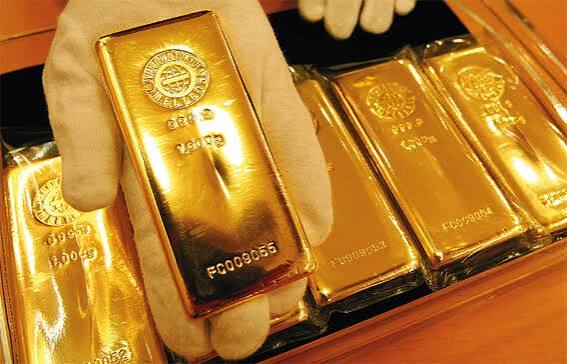
Tanzania’s gold pricing is closely linked to the international LBMA spot rate, currently averaging around $134 per gram. However, local market pricing varies depending on purity, processing stage, and whether the gold is raw, semi-refined, or fully refined bullion. These prices reflect standard commercial transactions at or near government-regulated mineral trading hubs before applying mandatory 6% royalties and 1% clearance fees at the point of export.
| Type of Gold | Price Per Gram (USD) | Minimum Commercial Order | Purity / Notes |
| Raw Alluvial Gold | $110 – $118 | 100g | 75% – 85% purity (unrefined / doré gold directly from artisanal mining sources) |
| Refined Gold (22K) | $120 – $125 | 50g | 91.6% purity, suitable for jewelry manufacturing and semi-investment trading |
| Gold Bars (24K / Bullion) | $132 – $135 | 1 kg | 99.9% purity, fully refined investment-grade bullion requiring formal banking escrow and export approval |
Commercial Buyer Alert (Critical Market Insight)In Tanzania’s regulated gold trade, pricing is tightly connected to global bullion markets and competitive bidding within government-approved mineral hubs. Because of this structure, legitimate suppliers rarely offer deep discounts.
Any offer priced more than 10–15% below the international LBMA spot price should be treated with extreme caution, as it is a strong indicator of fraud, non-existent stock, or gold that cannot pass official assaying and export verification.
Authentic suppliers typically trade close to global market rates due to strict government oversight, taxation, and the competitive nature of licensed dealer auctions.
Legal Requirements for Buying & Exporting Gold in Tanzania
Buying gold in Tanzania is legal, but it is strictly regulated under national mining and export laws. These regulations are designed to ensure transparency, prevent illegal trade, and protect both buyers and the government revenue system.
Understanding these requirements is essential for any investor or trader looking to purchase and export gold safely from Tanzania.
1. Tanzania Mining Act (Cap. 123) – Legal Foundation
All mineral trading activities in Tanzania are governed by the Mining Act (Cap. 123), which sets the legal framework for exploration, extraction, sale, and export of minerals, including gold.
Under this law:
- Only licensed miners, dealers, and exporters are allowed to sell or trade gold commercially
- Every gold transaction must be traceable and documented
- Unlicensed buying, selling, or transporting of gold is considered illegal and can lead to confiscation or prosecution
- The government retains authority to verify the origin of all gold before export
Note. For buyers, this means you must only deal with government-licensed gold dealers or exporters who can provide valid documentation.
2. Export Permit from the Ministry of Minerals
To legally move gold out of Tanzania, an Export Permit must be issued by the Ministry of Minerals.
This is one of the most important legal steps in the entire process.
Key requirements for export approval:
- Valid mineral trading or export license from the seller
- Assay certificate confirming gold purity (usually 99.5%–99.99% for 24K)
- Purchase agreement or sales contract
- Tax clearance from the Tanzania Revenue Authority (TRA)
- Physical inspection of the gold by government officers
Once approved, the Ministry issues an official export permit allowing the gold to be transported through authorized exit points such as Dar es Salaam International Airport.
Note. Without this permit, gold cannot legally leave Tanzania.
3. Anti-Money Laundering (AML) Compliance
Tanzania enforces strict Anti-Money Laundering (AML) regulations in all high-value commodity transactions, especially gold.
This is meant to prevent illegal financial flows and ensure transparency in international trade.
What buyers must provide:
- Valid government-issued identification (passport or national ID)
- Proof of funds (bank statement or financial reference letter)
- Signed KYC (Know Your Customer) documentation
- Source of funds declaration for large transactions
Why this matters:
- Transactions above certain thresholds are automatically reported to financial authorities
- Buyers who cannot prove legitimate funds may be refused service
- This protects both the buyer and seller from legal risks
Note. Serious investors should expect AML checks as a normal part of the process, not a barrier.
4. VAT and Tax Regulations on Gold Export
Tanzania applies specific tax rules on gold depending on its form and export status.
Key point:
- Refined gold intended for export may be exempt from VAT, depending on classification and export structure
- However, processing fees, royalties, and licensing fees may still apply before export approval
Important considerations:
- VAT exemptions are only valid when gold is officially exported through legal channels
- Informal or unlicensed transactions do NOT qualify for any tax exemptions
- Export documentation must clearly state the gold form (bars, dore, nuggets) and purity
Proper structuring of the transaction ensures buyers do not face unnecessary tax burdens or delays at customs.
Why These Legal Requirements Matter for Buyers?
These regulations are not obstacles; they are protection mechanisms for investors.
When followed correctly, they ensure:
- The gold is authentic and traceable
- The transaction is legally protected
- The export process is smooth and insured
- The buyer avoids scams, fake gold, or confiscation
In serious gold trading markets like Tanzania, compliance is what separates professional investors from high-risk buyers.
Note. Any legitimate gold transaction in Tanzania will always involve:
- Licensing verification
- Government export approval
- AML/KYC compliance
- Documented taxation and clearance
If any seller avoids these steps, it is a major red flag.
Gold Types for Sale in Tanzania
| Gold Type | Purity Level | Form | Description | Best For | Price Position |
| Gold Bars (Bullion) | 99.9% (24K) | Cast or minted bars (1g–1kg+) | Refined investment-grade gold produced by refineries and licensed exporters | Investors, bulk buyers, export traders | Closest to LBMA spot + small premium |
| Gold Nuggets | 80%–95%+ (varies) | Natural raw pieces | Unrefined gold found directly from mining sites may contain impurities | Traders, refiners, collectors | Slight discount vs refined gold |
| Gold Dore Bars | 85%–95% | Semi-refined bars | Crude gold-silver alloy produced at mining sites before full refining | Export processing companies | Below the refined gold price |
| Gold Dust (Alluvial Gold) | 70%–90% (varies) | Fine particles | Small granular gold collected from the river or alluvial mining areas | Refiners, bulk processors | Discounted due to purity variation |
| Gold Coins | 99.9% (24K) | Minted coins | Official or private minted coins used for investment and trade | Investors and collectors | Slight premium over bars |
| Scrap Gold | 14K–22K | Mixed jewelry/material | Recycled gold from jewelry or industrial use requires refining | Refiners, recyclers | Lowest value per gram |
| Refined Investment Gold | 99.99% (24K) | Bars/ingots | Highest purity gold refined for international trading standards | High-net-worth investors | Highest price, premium quality |
Where to Buy Gold in Tanzania (Commercial Hubs)
Tanzania’s gold trade is structured around government-regulated trading centers and licensed private dealers. For any serious buyer, these are the only safe and legally recognized entry points into the market, as they ensure authenticity, traceability, and compliance with national mining laws.
Government-Approved Mineral Trading Markets
The Tanzanian government has established official mineral trading hubs to centralize gold transactions, reduce fraud, and ensure that all gold is properly documented and taxed. These markets are supervised by the Ministry of Minerals and are the safest places for both local and international buyers to source gold.
| Location | Trading Hub Type | What You Will Find | Why It Is Important |
| Geita | Regional Mineral Market | Gold from small-scale miners and licensed aggregators | One of Tanzania’s richest gold-producing regions with strong government oversight |
| Chunya (Mbeya Region) | Mineral Buying Center | Raw gold, nuggets, and small bullion transactions | Known for artisanal mining supply chain under official regulation |
| Kahama (Shinyanga Region) | Trading & Aggregation Hub | Large-scale gold aggregation and verified dealers | Strategic hub connecting miners to exporters and refineries |
| Dar es Salaam | Export & Dealer Hub | Licensed exporters, refiners, and corporate buyers | Main exit point for international gold trade and export permits |
These official markets are essential because every gram of gold traded here is recorded, verified, and linked to government compliance systems, significantly reducing the risk of counterfeit or illegal material.
Licensed Dealers (Corporate Gold Suppliers)
In addition to government trading hubs, buyers can also purchase gold through licensed dealer companies, which are officially registered with the Tanzanian Ministry of Minerals and hold valid Dealer Licenses allowing them to buy, aggregate, and export gold legally.
These corporate entities operate under strict regulatory supervision, meaning they are required to maintain full documentation for every transaction, including source verification, assay certificates, tax compliance, and export records. For international buyers, working with a licensed dealer is often the most efficient option because they handle the entire process sourcing, refining, paperwork, and export logistics within a legally approved framework.
However, it is critical to verify that any dealer you engage with has a valid and current license, as unlicensed brokers or intermediaries are one of the most common sources of fraud in the Tanzanian gold market.
Where to Buy Gold in Dar es Salaam and Regional Tanzanian Trading Hubs.
The safest way to buy gold in Tanzania is to deal only with licensed gold dealers who are officially registered under the Ministry of Minerals, because these entities are legally permitted to purchase, store, refine, and export gold under strict government supervision. Working with such dealers ensures that every transaction is properly documented, including formal sales contracts, invoices, and traceable ownership records that protect the buyer throughout the entire process. In most cases, these licensed dealers also provide internationally recognized assay certificates, which confirm the purity and authenticity of the gold, typically at 24K (99.9% or higher), giving buyers confidence that they are receiving genuine bullion suitable for investment or export.
Another highly secure option is to purchase gold directly from government-approved mining companies operating in Tanzania, as these companies supply gold in bulk quantities under regulated conditions and are subject to constant oversight by mining authorities. This makes them a reliable source for investors looking to acquire larger volumes of gold with stable pricing that is closely aligned with global market rates. For international buyers, working with authorized export agents is equally important, as these professionals manage the entire export process, including obtaining mineral export permits, completing customs clearance procedures, arranging insurance coverage, and ensuring secure international logistics from Tanzania to the destination country.
Additionally, buyers can enhance security by engaging with certified refineries and assay laboratories, which play a critical role in verifying gold purity, refining raw material into internationally accepted bullion bars, and ensuring that the final product meets global trading standards. However, it is essential to avoid informal sellers or unlicensed traders, especially those who cannot provide valid documentation, physical office verification, or proof of licensing from government authorities. Any offer that appears significantly below the global LBMA spot price should also be treated with caution, as legitimate gold transactions rarely deviate far from international market rates without hidden risks. Ultimately, purchasing gold safely in Tanzania depends on strict adherence to legal requirements, proper documentation, and engagement only with verified institutions that operate transparently within the country’s mining and export regulatory framework.
Step-by-Step Commercial Guide: How to Buy Gold in Tanzania Safely
Buying gold in Tanzania safely and legally requires following a structured process. Each step is designed to protect the buyer from fraud, ensure authenticity, and guarantee that the gold can be exported without legal complications.
Step 1: Verify the Seller’s License
The first and most critical step is confirming that the seller is a legally registered and licensed gold dealer approved by the Tanzanian Ministry of Minerals. Every legitimate dealer must hold a valid Dealer License, which authorizes them to trade and handle gold within the country.
Before engaging in any transaction, buyers should request a copy of this license and independently verify it through the Ministry’s official channels or regional mineral offices. This step is essential because many scams in the gold market come from unlicensed intermediaries pretending to be legitimate suppliers. If the license cannot be verified, the transaction should be stopped immediately.
Step 2: Assaying and Testing
Once the seller is verified, the next step is to confirm the quality and purity of the gold through professional assaying. This involves testing the gold in a government-approved laboratory or at an official mineral trading hub to determine its karat value (such as 22K or 24K) and confirm its authenticity.
Assaying protects the buyer from adulterated or misrepresented gold. No payment should be fully released before the results are confirmed and agreed upon by both parties. In professional transactions, both buyer and seller typically witness the testing process to ensure transparency and trust.
Step 3: Secure Documentation
After the gold has been tested and approved, the transaction must be backed by complete legal documentation. This includes an official sales invoice, an assay certificate showing purity results, and a Mineral Export Permit issued by the Ministry of Minerals if the gold is intended for export.
These documents are not optional; they are legal proof of ownership and compliance. Without them, the gold cannot be lawfully transported out of Tanzania, and the buyer risks confiscation at customs or financial loss. Proper documentation also ensures traceability, which is required by international trade standards.
Step 4: Secure Payment
The final step is completing payment through safe and traceable banking methods. In the professional gold trade, cash transactions are highly discouraged due to security risks and lack of traceability. Instead, buyers should use structured financial instruments such as bank-to-bank transfers, Letters of Credit (LCs), or escrow arrangements.
These methods ensure that funds are only released once all conditions, such as verification, assaying, and documentation, are fully satisfied. This protects both buyer and seller, reduces fraud risk, and ensures the transaction is recognized by financial institutions and export authorities.
By following these four steps carefully, buyers can significantly reduce risk and operate confidently within Tanzania’s regulated gold market.
Top Gold Buyers in Tanzania
Adding a detailed buyer comparison table helps improve user experience, trust, and SEO rankings because readers can quickly compare companies before making a decision.
| Gold Buyer | Location | Gold Products Purchased | Minimum Quantity | Key Services Offered | Why Buyers Choose Them |
| Tanzania Refining Corporation (TRC) | Dodoma | Gold doré bars, raw gold, gold concentrates | Varies by contract | Gold refining, assaying, export support, compliance verification | One of Tanzania’s major refining facilities offers internationally recognized refining standards and transparent transactions. |
| Mwanza Precious Metals Exchange (PMX) | Mwanza | Raw gold, nuggets, artisanal miner production | Small to large quantities | Gold trading, price discovery, market access | Provides a regulated marketplace where miners and buyers can trade at competitive market prices. |
| State Mining Corporation (STAMICO) | Nationwide | Gold from licensed miners and suppliers | Varies | Mineral trading support, compliance assistance | Government-linked institution promoting legal and transparent mineral trade. |
| Licensed Gold Exporters in Dar es Salaam | Dar es Salaam | Gold bars, refined gold, investment-grade bullion | Typically, 1kg+ | International sourcing, export documentation, logistics support | Preferred by international investors seeking export-ready gold with proper documentation. |
| Gold Buyers Africa | Tanzania & East Africa | 24K gold bars, gold nuggets, investment gold | Flexible quantities | Gold sourcing, due diligence, export guidance, refinery coordination | Assists international buyers with supplier verification, logistics, compliance checks, and export procedures. |
| Private Licensed Gold Dealers | Geita, Shinyanga, Mwanza | Raw gold, nuggets, doré bars | Small to large volumes | Local sourcing, assay testing, transaction facilitation | Often provide direct access to mining regions where gold production is concentrated. |
| Mineral Auctions & Trading Centers | Various Regions | Artisanal and small-scale mined gold | Small quantities accepted | Transparent auctions, government oversight | Enables buyers to access legally traded gold through official channels. |
Major Gold Buying Regions in Tanzania
| Region | Why It Matters for Gold Buyers | Main Gold Activities |
| Geita | Tanzania’s largest gold-producing region | Large-scale mining, gold trading, and processing |
| Mwanza | Commercial hub for the gold trade in northern Tanzania | Gold buying, assaying, export preparation |
| Shinyanga | Strong artisanal and small-scale mining sector | Raw gold sourcing and local trade |
| Dar es Salaam | Main export gateway | Gold exports, refinery services, logistics |
| Dodoma | Government and regulatory center | Licensing, compliance, refining activities |
How to Verify a Legitimate Gold Buyer in Tanzania
| Verification Step | What to Check | Importance |
| Business Registration | Certificate of incorporation and tax registration | Confirms legal operation |
| Mining Commission License | Valid mineral dealer or broker license | Required for legal gold trading |
| Assay Report | Independent purity analysis | Confirms gold quality |
| Export Documentation | Export permits and customs clearance | Essential for international transactions |
| Refinery Verification | Refinery-issued certificate | Confirms authenticity and purity |
| Secure Payment Terms | Escrow, bank transfer, or Letter of Credit | Reduces fraud risk |
Tip for International Buyers
The safest gold transactions in Tanzania usually involve:
- Supplier verification.
- Independent assay testing.
- Refinery confirmation.
- Export permit approval.
- Secure bank-to-bank payment.
- Insured international shipping.
This process helps protect buyers from common scams while ensuring compliance with Tanzanian mining and export regulations.
Safe Payment & Delivery Options in Tanzania
When buying gold in Tanzania, payment and delivery must follow strict, traceable, and legally compliant procedures. The goal is to protect both buyer and seller while ensuring the gold can be verified, documented, and exported without risk of seizure or fraud.
1. Bank-to-Bank Transfers (Recommended Standard)
The most widely accepted method for legitimate gold transactions is a direct bank-to-bank transfer between the buyer’s and seller’s corporate accounts. This method is preferred because it is fully traceable, regulated by financial institutions, and aligned with Tanzanian banking laws.
In professional trade, payment is only released after verification steps such as assaying, documentation approval, and agreement on final weight and purity. This reduces the risk of disputes and ensures full financial transparency.
2. Letters of Credit (LCs) for Large Transactions
For high-value or bulk purchases (especially 1kg+ bullion deals), international buyers often use Letters of Credit issued by reputable banks. An LC acts as a financial guarantee, meaning the bank only releases funds when all agreed conditions, such as assay confirmation, export permit issuance, and documentation, are met.
This is one of the safest structures for cross-border gold trade because it protects both parties and ensures compliance with international trade standards.
3. Escrow Arrangements (Third-Party Protection)
In some structured deals, funds are held in a neutral escrow account managed by a trusted financial institution or legal representative. Payment is only released once the gold has been verified, tested, and prepared for export under agreed conditions.
Escrow systems are especially useful for first-time transactions between international buyers and Tanzanian suppliers, as they minimize fraud risk and enforce accountability on both sides.
4. Delivery Through Licensed Export Channels
Gold is never shipped informally in legitimate transactions. Instead, delivery is handled through licensed exporters approved by the Ministry of Minerals, using secured logistics partners.
Once all taxes (royalties and clearance fees) are paid and the Mineral Export Permit is issued, the gold is transported under strict customs supervision, usually via insured air cargo services from Dar es Salaam or designated export points.
Each shipment is accompanied by full documentation, including assay certificates, export permits, and commercial invoices, ensuring smooth clearance at both Tanzanian and destination-country customs.
Key Safety Principle
In Tanzania’s gold market, any request for cash payments, informal handovers, or unverified shipping methods should be treated as a major red flag. Legitimate transactions always involve banks, licensed exporters, and government-approved documentation at every stage.
Common Scams When Buying Gold in Tanzania
Understanding the most frequent fraud patterns in the Tanzanian gold market is essential for protecting your investment. Most scams rely on urgency, lack of verification, and unrealistic pricing. Recognizing them early is the difference between a safe transaction and a total financial loss.
1. Fake Gold Bars (Tungsten-Filled or Plated Gold)
One of the most sophisticated scams involves fake bullion bars that appear genuine but contain tungsten or other heavy metals inside. Tungsten has a similar density to gold, making it difficult to detect without proper testing equipment.
These bars are often gold-plated to look authentic and may even carry forged serial numbers or counterfeit refinery stamps. In legitimate trade, every gold bar must be verified through assaying at government-approved laboratories and cross-checked with refinery databases. Without this verification, buyers risk purchasing high-value counterfeit metal that has no resale or export value.
2. “Too Cheap” Offers (Below LBMA Market Price)
Any offer significantly below the London Bullion Market Association (LBMA) spot price is a major warning sign. Fraudsters often attract buyers by advertising gold at unrealistically low prices, claiming “direct miner access” or “urgent liquidation deals.”
In reality, legitimate gold pricing in Tanzania is closely tied to global markets, with only small variations due to purity, logistics, and government fees. Deep discounts especially 20–30% below spot price are almost always used to lure buyers into fake or non-existent supply schemes.
3. Advance Tax or Payment Scams
Another common tactic involves requesting upfront payments for taxes, clearance fees, transport, or community charges before the buyer sees or tests the gold. Scammers often create pressure by claiming delays or legal requirements to justify immediate cash payments.
In real transactions, all taxes and royalties are handled through formal banking channels and official invoices, not informal cash requests to individuals. Any demand for advance cash outside structured financial systems should be treated as a serious red flag.
4. Sellers Without Assay Certificates
Legitimate gold transactions always include a certified assay report, which confirms purity, weight, and authenticity, issued by an approved laboratory or government trading hub.
Sellers who cannot provide assay certificates are either dealing in unverified material or operating outside legal channels. Without this documentation, buyers have no proof of purity or value, making it impossible to legally export or resell the gold internationally.
Final Insight
In Tanzania’s gold market, most scams rely on bypassing official procedures. If a transaction avoids assaying, licensing, banking channels, or government documentation, it is highly likely to be fraudulent. Always insist on full transparency, verified paperwork, and regulated processes before committing funds.
Avoiding Red Flags and Scams
The Tanzanian gold market offers real opportunities, but it also attracts fraudulent intermediaries who rely on misinformation and urgency to trap inexperienced buyers. Understanding common warning signs is essential for protecting your capital and ensuring every transaction is legitimate and traceable.
Below-Market Prices (Too-Good-To-Be-True Offers)
One of the most common scams in the gold trade is the offer of gold at prices significantly below the London Bullion Market Association (LBMA) spot price, often 20–30% lower than the global market rate. While this may appear like a great opportunity, it is almost always a red flag.
Legitimate gold pricing is closely tied to global spot rates, with only small variations due to refining costs, transport, and government fees. Any seller offering large discounts is typically either dealing in non-existent gold, impure material misrepresented as bullion, or illegal supply chains that cannot be exported legally. In many cases, once payment is made, the seller disappears or provides gold that fails assaying tests.
Serious buyers should always compare offers against real-time international prices and treat unusually low pricing as a strong indicator of fraud rather than a bargain.
Upfront Cash for “Taxes” or Local Fees
Another major scam tactic involves requesting upfront cash payments under the guise of taxes, community charges, local mining fees, or clearance costs. Fraudsters often claim that these payments are required before gold can be released, transported, or shown for inspection.
In a legitimate Tanzanian gold transaction, all official taxes, royalties, and government fees are handled through formal banking channels and documented processes, not informal cash handovers to individuals. No licensed dealer or government-authorized trading hub should request personal cash payments outside of official invoicing systems.
Any demand for immediate cash payments to “facilitate” the movement of gold is a serious warning sign and should be treated as a potential scam attempt. Real transactions are always supported by invoices, receipts, and regulated payment systems, ensuring full accountability and traceability.
By recognizing these red flags early, buyers can avoid the most common pitfalls in the Tanzanian gold market and focus only on verified, transparent, and legally compliant transactions.
Legitimate Commercial Trade vs Gold Scams in Tanzania
| Feature | Legitimate Transaction | Common Scam Pattern |
| Pricing Structure | Tied closely to the LBMA global spot price, usually within a 1%–5% variation depending on purity, logistics, and export fees | Offers heavily discounted prices, often 20%–30% below market value, to attract quick buyers |
| Payment Protocol | Secure and traceable payments such as bank-to-bank wire transfers, escrow services, or Letters of Credit (LC) | Requests for cash upfront, Western Union, MoneyGram, or cryptocurrency with no recovery option |
| Testing Location | Gold is tested and verified at official Ministry of Minerals trading hubs or accredited government laboratories | Testing done in private warehouses, informal settings, or remote locations without official oversight |
| Logistics Handling | Fully insured and legally cleared air cargo shipments are handled through licensed logistics companies and customs channels | Hand-carried luggage methods or smuggling routes with no insurance or legal documentation |
| Documentation | Provides official TRA invoices, verified assay certificates, and government-approved export permits | Fake or photocopied documents, forged stamps, or missing licensing and export authorization |
Frequently Asked Questions (FAQ) – Buying Gold in Tanzania
Q: Can a foreigner legally buy gold in Tanzania?
Yes, foreigners are legally allowed to buy gold in Tanzania, but only through official and regulated channels. International buyers cannot purchase gold informally from individual miners or unlicensed traders. Instead, all transactions must be carried out through a licensed gold dealer, an authorized corporate entity, or a government-regulated mineral trading platform, ensuring full compliance with Tanzanian mining laws and export regulations. This structure protects foreign investors and ensures that the gold can be legally documented and exported without complications.
Q: What is the total tax and export duty on Tanzanian gold?
In Tanzania, legal gold exports are subject to government-imposed charges, including a 6% royalty fee on the total value of the gold and an additional 1% clearance fee. These charges are mandatory and are applied to ensure proper revenue collection from mineral resources. Buyers should always factor these costs into their total purchase price, as they form part of the official export compliance process required before gold can leave the country.
Q: Can I carry gold out of Tanzania via commercial airlines?
No, it is not permitted to personally carry commercial quantities of gold in your luggage when leaving Tanzania. All gold exports must go through official customs procedures at approved exit points such as Julius Nyerere International Airport in Dar es Salaam. The shipment must be accompanied by a valid Mineral Export Permit, and the transportation must be handled by licensed and insured logistics companies such as Brinks, Malca-Amit, or DHL. This ensures the gold is securely transported and legally cleared for international delivery.
Q: How do I verify a Tanzanian gold dealer’s license?
You can verify the legitimacy of a gold dealer by contacting the Ministry of Minerals in Tanzania, either through their regional offices or official registry systems. A genuine dealer will have a valid mining or trading license number that can be cross-checked before any payment is made. Serious buyers are strongly advised to verify licensing status and company registration before entering into any financial agreement to avoid fraud or illegal transactions.