
Uganda Gold Export Procedure 2026 | Law, Costs & Guide
Uganda has established itself as one of Africa’s fastest-growing gold trading, refining, and export hubs, serving international buyers from the United Arab Emirates (Dubai), Europe, Asia, and the United States. Its strategic location bordering major gold-producing countries—including the Democratic Republic of Congo (DRC), Tanzania, South Sudan, and Kenya—has made Uganda a key gateway for the regional gold trade. According to Uganda’s external trade statistics, gold accounted for more than 40% of the country’s total export earnings in May 2026, reinforcing its position as Uganda’s largest export commodity and one of the country’s most significant sources of foreign exchange.
As global demand for investment-grade 24K gold bars, dore bars, and LBMA-standard bullion continues to rise, understanding the Uganda Gold Export Procedure 2026 is essential for exporters, international investors, gold dealers, mining companies, and bullion buyers seeking to source gold legally and securely from East Africa.
Exporting gold from Uganda is governed by the Mining and Minerals Act, 2022, together with regulations administered by the Directorate of Geological Survey and Mines (DGSM), the Uganda Revenue Authority (URA), the Uganda National Bureau of Standards (UNBS), and other government agencies involved in customs, taxation, and export compliance. Before any shipment leaves the country, exporters must ensure the gold has been refined to internationally accepted purity standards, typically 99.9% (24K) for investment bullion, successfully assayed, and accompanied by all required licenses, permits, certificates, and customs documentation.
Failure to comply with Uganda’s export regulations can result in shipment delays, financial penalties, seizure of gold, or cancellation of export approvals. For this reason, buyers should only transact with licensed mineral dealers, accredited gold refineries, and verified exporters that can demonstrate full legal compliance and provide authentic documentation for every shipment.
This comprehensive Uganda Gold Export Procedure 2026 guide explains every stage of the export process, including licensing requirements, mandatory export documents, assay and refinery certification, customs clearance, export fees and government charges, transit gold regulations, airport inspection procedures, and the complete step-by-step process for exporting gold through Entebbe International Airport. The guide also outlines the most common gold trading scams, practical due diligence measures, and best practices for verifying suppliers before making international payments.
Whether you are purchasing investment bullion, exporting commercial quantities of gold, investing in East Africa’s mining sector, or expanding your precious metals business, this guide provides reliable, up-to-date information to help you navigate Uganda’s legal gold export system confidently while reducing compliance risks and working with trusted, verified suppliers.
Need a Trusted Gold Export Partner?
Gold Dealers Africa Limited helps international buyers source certified 24K gold, verify suppliers, and navigate Uganda’s legal export procedures with secure documentation and compliance support. Contact our team today to buy gold safely from verified African exporters
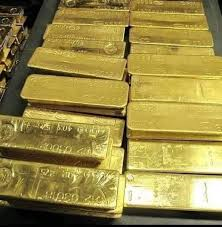
Overview of Gold Export in Uganda
Uganda’s gold export sector is regulated under the Mining & Minerals Act 2022 and overseen by the Directorate of Geological Survey and Mines (DGSM).
Key highlights:
- Uganda produces over 50 tons of gold annually, refined to 99.99% purity.
- Most exports go to Dubai, India, Switzerland, and Asia.
- Licensed refineries issue assay certificates, ensuring international buyers receive verified gold.
- The government introduced a $200 per kilogram export levy in 2026, part of its effort to formalize and regulate gold exports.
Gold exports in Uganda are attractive due to zero VAT on refined gold, efficient export processing, and globally recognized certifications.
Legal Requirements to Export Gold
| Legal Requirement | Issuing Authority | Purpose | Notes |
| Export Permit | Directorate of Geological Survey & Mines (DGSM) | Legal authorization to export gold | Mandatory for all exporters |
| Tax Identification Number (TIN) | Uganda Revenue Authority (URA) | Confirms tax compliance | Required for both locals and foreigners |
| Temporary Dealer Permit | DGSM | Allows foreigners or occasional exporters to trade gold | Needed for first-time foreign buyers |
| Purity Certificate | Licensed Refinery | Verifies gold karat & weight | Must accompany gold for customs clearance |
| Commercial Invoice | Exporter | Documents the gold sale for customs and the buyer | Includes price, weight, and buyer details |
| Export Documentation | DGSM / Customs | Ensures legal compliance | Required for customs clearance at Entebbe Airport |
| Logistics & Insurance Proof | Shipping Company | Confirms secure transport | Recommended for international shipments |
Export Taxes & Levies ($200/kg Export Levy)
When exporting gold from Uganda, understanding the taxes and levies is crucial. In 2026, Uganda maintained a $200 per kilogram export levy on refined gold, alongside other applicable charges. These fees are designed to formalize the gold trade, ensure legal compliance, and support government revenue while keeping Uganda competitive in the international gold market.
- Export Levy
- Amount: $200 per kilogram of refined gold
- Applicable to: All gold exported through Uganda’s licensed refineries and export channels
- Purpose: Official government fee for regulatory oversight
- Payment: Paid to the Directorate of Geological Survey & Mines (DGSM) before customs clearance
This levy is mandatory for both local and foreign exporters. Failure to pay may result in confiscation of gold or legal penalties.
- VAT and Tax Holiday
- VAT: 0% on refined gold exports (2026 regulation)
- New refineries: May qualify for a 5-year tax holiday to encourage investment
- Impact: Reduces the overall cost of exporting gold and increases profitability for legitimate exporters
- Other Fees Related to Export
| Fee | Amount | Notes |
| Refining Fee | 1–3% of gold value | Charged by licensed refineries for purification and assay |
| Assay Certification | $50–150 | Required to verify gold purity before export |
| Logistics & Insurance | $500–$2,000 | Armored transport and insured shipment via Entebbe Airport |
Tip: Always confirm the exact levy and fees with the refinery and DGSM, as rates can slightly vary depending on gold quantity, purity, and export route.
- Why the Export Levy Matters
- Ensures compliance with Uganda’s Mining & Minerals Act 2022
- Confirms the gold is legally exported through licensed refineries
- Protects exporters from legal penalties and confiscation
- Helps maintain trust with international buyers, especially in Dubai, India, and Switzerland
2026 Regulatory Updates on Gold Export in Uganda
Uganda’s gold export sector has experienced significant regulatory attention in 2026, particularly from Parliament and government oversight bodies. These discussions aim to improve transparency, increase national revenue, and strengthen Uganda’s position as a major gold trading hub in Africa.
Parliamentary Debate on Export Levy (COSASE – February 2026)
In February 2026, Uganda’s Committee on Commissions, Statutory Authorities and State Enterprises (COSASE) held discussions regarding the country’s gold export taxation framework.
Several Members of Parliament raised concerns that the current gold export levy of approximately $200 per kilogram is extremely low compared to the international market value of gold, which averages around $150,000 per kilogram.
During the debate, some lawmakers suggested that Uganda may consider:
- Increasing the export levy to boost national revenue
- Strengthening monitoring systems for gold exporters
- Improving transparency in gold trade documentation
- Ensuring that gold exported from Uganda contributes more significantly to the national economy
While no immediate law change has been implemented yet, analysts believe the government may review gold export taxation policies in the coming years.
For investors and international buyers, this means staying informed about future policy adjustments that could affect export costs and licensing requirements.
Uganda’s Ban on Exporting Unprocessed Gold
Uganda has also strengthened regulations concerning the export of raw or unprocessed gold.
Under current enforcement policies, the government requires that:
- All gold intended for export must be refined locally
- The gold must reach a minimum purity of 99.9%
- Exporters must present a refinery certificate and assay report
- Gold must be processed through licensed refineries operating in Uganda
This policy aims to:
- Increase local value addition in the mining sector
- Promote the growth of Ugandan gold refineries
- Improve traceability and transparency in gold trade
- Reduce illegal gold smuggling across borders
As a result, most gold exported from Uganda today is shipped as refined gold bars or bullion, rather than raw gold ore or unprocessed nuggets.
Impact on International Gold Buyers
For international buyers purchasing gold from Uganda in 2026, these regulations mean that:
- Gold exports must comply with strict documentation requirements
- Buyers will receive refined gold with certified purity
- Transactions are processed through licensed exporters and refineries
- Export shipments must pass through official customs clearance at Entebbe International Airport
These measures are designed to increase trust in Uganda’s gold supply chain and protect international investors from fraudulent transactions.
Regulatory Outlook for Uganda’s Gold Industry
Uganda’s gold sector continues to expand rapidly due to growing regional production from Uganda, the Democratic Republic of Congo (DRC), South Sudan, and Tanzania.
Industry experts expect the following developments in the near future:
- Possible revision of export levies
- Stronger monitoring of gold supply chains
- Expansion of gold refining capacity in Uganda
- Increased government oversight of gold trading companies
These reforms are expected to make Uganda one of the most regulated and transparent gold export markets in East Africa.
Gold Purity Certification & Assay Testing
Certified purity is mandatory for export. Licensed Ugandan refineries conduct:
| Testing Method | Description | Purpose |
| Fire Assay | Gold is melted to determine purity | Ensures accuracy for LBMA standards |
| XRF Analysis | Non-destructive quick test | Preliminary purity verification |
| Spectrometry | Lab-based precise analysis | Confirm international-grade 24K, 22K, 18K |
Gold Purity Certificates Include:
- Refinery name and stamp
- Purity level (e.g., 24K, 22K)
- Weight of gold
- Batch/serial number
- Date of assay
These certificates are mandatory for customs clearance and international acceptance.
Step-by-Step Export Process for Gold from Uganda
Exporting gold from Uganda requires following a clear legal and procedural framework to ensure compliance, safety, and international acceptance. Below is a complete breakdown of each step:
Step 1: Verify Refinery & Gold Purity
Before exporting, your gold must be processed at a licensed refinery approved by the Directorate of Geological Survey and Mines (DGSM).
Key actions:
- Choose a DGSM-licensed refinery (e.g., African Gold Refinery, Bullion Refinery Limited, Euro Gold Refinery).
- Have your gold tested for purity using fire assay, XRF, or spectrometry methods.
- Obtain an official gold purity certificate stating:
- Gold type (24K, 22K, 18K)
- Purity percentage
- Weight
- Refinery stamp and serial number
Why this step matters: International buyers only accept gold certified by recognized refineries, and customs require purity verification.
Step 2: Export Permit Application
Once your gold is refined and certified, you must apply for an export permit with DGSM.
Requirements:
- Submit a purity certificate from the refinery
- Provide exporter details (name, company, TIN)
- For foreigners: attach a temporary dealer permit or business license
- Include commercial invoice and buyer information
Tips:
- Applications can take 24–48 hours if all documents are in order.
- Keep digital copies for customs and buyer verification.
Step 3: Pay Export Levy & Fees
Uganda imposes several fees to regulate gold exports:
| Fee | Amount | Notes |
| Export levy | $200 per kg | Mandatory under 2026 regulations |
| Assay certificate | $50–$150 | Required for customs clearance |
| Refining fee | 1–3% of gold value | Charged by the refinery |
| Logistics & insurance | $500–$2,000 | Armored transport to the airport or the buyer |
Pro Tip: Factor these costs into your sale price to ensure profitability.
Step 4: Customs Clearance at Entebbe Airport
After paying fees:
- Present export permit, assay certificate, and commercial invoice to Uganda Revenue Authority (URA) customs at Entebbe International Airport.
- Gold is weighed, verified, and inspected by customs officials.
- Ensure that serial numbers on gold bars match purity certificates.
Tip: Using a licensed export agent or logistics partner helps speed up customs clearance.
Step 5: Secure Shipping to Buyer
Once customs clearance is complete:
- Use armored transport and insured shipping for safety.
- Popular shipping destinations include Dubai, India, Switzerland, and Europe.
- Track the shipment and provide documentation to the buyer for transparency.
- Keep proof of insurance and tracking in case of discrepancies.
Extra Tip: Only ship through trusted couriers or logistics companies that specialize in precious metals to minimize risk.
- $200/kg levy, assay, refining, and logistics costs.
- Customs Clearance – Present documents at Entebbe Airport; gold is inspected.
- Secure Shipping – Transport gold via insured, armored logistics to the buyer.
Online Mining Cadastre Portal Requirement
Under the Mining and Minerals Act, 2022, mineral dealers, gold exporters, and other licensed operators are required to register through the Online Mining Cadastre Portal, which is managed by the Directorate of Geological Survey and Mines (DGSM) under the Ministry of Energy and Mineral Development (MEMD). The portal serves as the government’s digital platform for administering mineral rights, licenses, and regulatory compliance.
Eligible applicants use the Online Mining Cadastre Portal to submit applications for mineral dealer licenses, apply for gold export permits, renew existing licenses, update company information, and track the status of regulatory applications electronically. Supporting documents, including company registration records, identification documents, and other compliance information, are uploaded through the portal as part of the application process.
Before exporting gold from Uganda, exporters should ensure that their registration on the Online Mining Cadastre Portal is current and that all required licenses and export approvals have been issued. Failure to maintain valid registration or obtain the necessary digital approvals may delay or prevent the issuance of export permits and customs clearance.
For international buyers, confirming that a supplier is properly licensed through Uganda’s official mining regulatory system is an important due diligence step that helps reduce legal and commercial risks when purchasing gold from Uganda.
Refined vs. Unrefined Gold Taxes ($200/kg vs. 5% Levy)
| Gold Type | Typical Purity | Applicable Export Charge | How the Charge Is Applied | Example on 1 kg Shipment | Notes |
|---|---|---|---|---|---|
| Refined Gold Bullion (24K) | 99.9% or higher | US$200 per kg | Fixed government levy per kilogram of refined gold exported | US$200 | Applies to refined investment-grade gold bars meeting export requirements. |
| Unrefined Gold (Dore Bars/Raw Gold) | Usually 80%–99% | 5% Export Levy | Calculated as 5% of the declared export value | If the shipment is valued at US$100,000, the levy is US$5,000 | The levy varies with the market value of the gold, making it significantly higher when gold prices increase. |
Key Difference
| Refined Gold | Unrefined Gold |
|---|---|
| Fixed US$200 per kilogram levy | 5% of the shipment’s declared value |
| Costs are predictable | Costs increase as gold prices rise |
| Exported as refined bullion | Exported as dore bars or other unrefined forms |
| Preferred by many international investors and bullion buyers | Often requires further refining before reaching end markets |
Note: Export charges and tax treatment are subject to changes in Ugandan legislation and administrative regulations. Exporters should confirm the latest requirements with the relevant government authorities before shipping gold.
ICGLR Certification & OECD Due Diligence Requirements
Uganda is a member of the International Conference on the Great Lakes Region (ICGLR) and participates in regional initiatives designed to promote the responsible trade of minerals. For certain cross-border gold movements particularly transit gold originating from ICGLR member states such as the Democratic Republic of Congo (DRC) and South Sudan exporters may need to comply with the ICGLR Regional Certification Mechanism (RCM). Where applicable, this includes obtaining an ICGLR Regional Certificate in addition to the standard Certificate of Origin and other export documentation to help demonstrate the lawful origin and traceability of the gold.
International buyers, refiners, and financial institutions increasingly expect suppliers to follow the OECD Due Diligence Guidance for Responsible Supply Chains of Minerals from Conflict-Affected and High-Risk Areas (CAHRAs). The OECD framework recommends a risk-based approach that includes identifying the source of minerals, assessing supply chain risks, maintaining traceability records, implementing appropriate risk management measures, and conducting ongoing due diligence to support responsible sourcing.
For gold exported from Uganda, particularly transit gold, exporters should maintain comprehensive documentation demonstrating the legal origin and chain of custody of the shipment. This may include:
- ICGLR Regional Certificate (where applicable).
- Certificate of Origin issued by the appropriate authority.
- Export Permit issued by the relevant Ugandan authorities.
- Assay Report confirming the gold’s purity.
- Commercial Invoice and Packing List.
- Customs Export Declaration and related shipping documents.
- Records supporting supply chain traceability and responsible sourcing.
Compliance with ICGLR certification requirements (where applicable) and the OECD Due Diligence Guidance helps improve transparency, supports responsible mineral trade, facilitates international market access, and provides greater confidence to overseas buyers, refiners, and financial institutions purchasing gold from Uganda.
Cost Breakdown for Exporting Gold from Uganda
Exporting gold from Uganda involves several mandatory fees, which buyers and exporters must consider when calculating profitability. Understanding each cost helps ensure legal compliance, safe transactions, and transparent pricing.
- Export Levy
- Amount: $200 per kilogram of refined gold (2026 rate)
- Payable to: Directorate of Geological Survey and Mines (DGSM)
- Purpose: Legal authorization for gold export and regulation of the trade
- Note: Applies to all exported gold, whether by local or foreign buyers
- Refining Fees
- Amount: 1–3% of the gold’s value, depending on the refinery
- Purpose: Covers purification, melting, and assay procedures
- Notes: Fees vary by refinery and purity level; always confirm before refining
- Assay & Purity Certification
- Amount: $50–$150 per shipment, depending on lot size
- Purpose: Verifies the karat and weight of gold for customs and buyers
- Importance: Required for customs clearance and international acceptance
- Logistics & Insurance
- Amount: $500–$2,000 per shipment, depending on size and destination
- Purpose: Safe transport via armored couriers or logistics providers
- Notes: Always ensure your shipment is protected against theft or loss
- Miscellaneous Costs
- Amount: $50–$100
- Purpose: Documentation, handling, or additional minor administrative fees
- Notes: Usually includes temporary permits, certificate copies, or local transport
Local Gold vs. Transit Gold Regulations in Uganda
| Requirement | Local Gold (Mined in Uganda) | Transit Gold (Imported for Re-export) |
|---|---|---|
| Source of Gold | Extracted from licensed mines within Uganda. | Originates from another country (e.g. DRC, Tanzania, South Sudan or Kenya) and passes through Uganda for export. |
| Certificate of Origin | Required. Must confirm the gold was legally mined in Uganda. | Required. Must identify the country of origin and accompany the shipment throughout transit. |
| ICGLR Certificate | May be required where applicable under regional mineral traceability requirements. | Typically required for gold originating from ICGLR member states to demonstrate lawful sourcing and traceability. |
| Export Documentation | Export permit, assay report, customs declaration, invoice, packing list, and other required regulatory documents. | Transit documentation, import records, Certificate of Origin, ICGLR documentation (where applicable), export permit, customs declaration, and supporting commercial documents. |
| Traceability Requirements | Gold must be traceable to a licensed Ugandan miner, dealer, or refinery. | Gold must remain traceable from the country of origin through Uganda until final export. |
| Government Verification | Authorities verify mining licenses, ownership, assay results, and export compliance. | Authorities verify lawful importation, transit records, ownership, origin, and export compliance. |
| Customs Clearance | Processed through Uganda Revenue Authority (URA) before export. | Subject to customs verification for both transit compliance and export clearance. |
| Purpose | Export of Ugandan-produced gold to international markets. | Re-export of foreign-origin gold through Uganda to overseas buyers. |
Key Compliance Points
- Local gold should be sourced from licensed Ugandan mining operations or authorised mineral dealers and supported by documentation demonstrating legal origin.
- Transit gold must retain complete traceability from its country of origin and comply with applicable regional and Ugandan customs requirements.
- For gold originating in ICGLR member states, exporters should ensure compliance with the ICGLR Regional Certification Mechanism (RCM) where it applies, including any required certification and traceability measures.
- International buyers should verify the authenticity of all Certificates of Origin, export permits, assay reports, and customs documentation before completing payment or shipment.
How Foreigners Can Export Gold from Uganda
Foreign buyers and investors are increasingly interested in exporting gold from Uganda, thanks to its high-quality certified gold and streamlined export procedures. However, foreigners must follow strict legal steps to ensure compliance and avoid scams.
- Obtain a Temporary Dealer Permit
- Issued by the Directorate of Geological Survey and Mines (DGSM).
- Allows foreigners to buy, refine, and export gold legally.
- Usually valid for short-term exports or trial shipments.
Tip: Always apply before purchasing gold from a refinery to avoid legal issues.
- Use a Licensed Refinery
- Only DGSM-licensed refineries are allowed to refine and certify gold for export.
- Popular options include:
- African Gold Refinery (AGR) – Entebbe
- Bullion Refinery Limited – Kampala
- Euro Gold Refinery (U) SMC Ltd – Nakawa
- Refineries provide purity certificates (24K, 22K, or 18K), which are mandatory for customs clearance.
Tip: Always verify the refinery’s license on DGSM’s official portal.
- Apply for an Export Permit
- Foreign exporters must submit:
- Temporary dealer permit
- Refinery purity certificate
- Commercial invoice
- Passport copy
- DGSM issues a legal export permit for the quantity of gold being shipped.
- Pay Export Taxes & Fees
- Export levy: $200 per kilogram of gold (2026)
- Assay fee: $50–$150 for purity verification
- Refinery fee: 1–3% of gold value
- Logistics & insurance: $500–$2,000 depending on shipment size
Tip: Ensure all fees are paid before customs clearance to avoid shipment delays.
- Customs Clearance at Entebbe
- Present all documents to URA customs at Entebbe International Airport.
- Customs inspects gold, verifies certificates, and ensures fees are paid.
- Once cleared, gold is ready for shipment.
- Secure International Shipping
- Use insured armored transport or trusted logistics companies.
- Popular export destinations: Dubai, India, Switzerland, and Europe.
- Keep all tracking and insurance documentation for buyer verification.
Pro Tip: Always ship through experienced precious metal couriers to minimize risk.
- Safety & Compliance Tips for Foreign Exporters
- Never deal with unlicensed middlemen.
- Verify gold purity certificates and refinery licenses.
- Record serial numbers of gold bars before shipping.
- Maintain all export documents for legal compliance.
Step-by-Step Export Procedure at Entebbe International Airport
| Step | Export Procedure | Purpose |
|---|---|---|
| 1. Prepare Export Documents | Gather the export permit, commercial invoice, packing list, assay report, Certificate of Origin (where applicable), and any other required regulatory documents. | Ensures the shipment meets legal export requirements before arriving at the airport. |
| 2. Secure Packaging | Package the gold in tamper-evident, sealed containers with accurate labels and shipment details. | Protects the shipment and maintains the chain of custody. |
| 3. Arrival at Entebbe International Airport | Deliver the shipment to the designated cargo terminal through an authorized freight forwarder or secure logistics provider. | Registers the shipment for export processing. |
| 4. Customs Declaration | Submit the export declaration and supporting documents to the Uganda Revenue Authority (URA). | Enables customs to verify the shipment and applicable export requirements. |
| 5. Regulatory Verification | Relevant authorities review the export permit, assay report, Certificate of Origin (where applicable), and other supporting documents. | Confirms the shipment complies with Ugandan export regulations. |
| 6. Physical Inspection | Customs or authorized officials may inspect the shipment and verify the weight, packaging, seals, and supporting documentation. | Confirms the shipment matches the declared export information. |
| 7. Payment of Applicable Charges | Pay any applicable export levies, customs fees, and other government charges before final clearance. | Satisfies financial obligations required for export approval. |
| 8. Export Clearance | Once all inspections and document checks are completed, the shipment receives export clearance. | Authorized the gold for international export. |
| 9. Air Cargo Loading | The shipment is transferred to the approved airline or secure cargo operator for international transportation. | Ensures secure handling during departure from Uganda. |
| 10. Delivery to Destination | The shipment arrives in the destination country for customs clearance and delivery to the consignee. | Completes the international gold export process. |
Note: The exact procedures, documentation requirements, inspections, and applicable charges may vary depending on the shipment, destination country, and current Ugandan regulations. Exporters should confirm the latest requirements with the relevant government authorities before shipping gold.
Key Documents Checklist for Exporting Gold from Uganda (2026)
Before exporting gold from Uganda, exporters and international buyers must ensure that all mandatory legal documents are prepared and verified by the relevant authorities. Missing documentation can delay shipments or lead to penalties at customs.
Must-Have Documents for Gold Export in Uganda
- Gold Export License – Issued by the Ministry of Energy and Mineral Development, allowing a company to legally export gold.
- Assay Report / Purity Certificate – Confirms the gold purity (usually 99.9%) issued by a licensed refinery or laboratory.
- Certificate of Origin – Confirms where the gold was mined (Uganda, DRC, Tanzania, etc.).
- Export Permit – Official authorization allowing the shipment to leave the country.
- Proof of Export Levy Payment – Receipt confirming payment of the government export levy when applicable.
Additional documents may include a commercial invoice, packing list, and airway bill, depending on the shipping method and destination country.
Having these documents ready ensures smooth customs clearance at Entebbe International Airport and protects both buyers and sellers during international gold transactions.
Gold Export Taxes in Uganda: Local Gold vs Transit Gold
One of the most common questions asked by international buyers is whether all gold exported from Uganda is subject to the $200/kg export levy. The answer depends on the origin of the gold.
Uganda acts as a regional gold trading hub, meaning gold from neighboring countries such as DRC, South Sudan, and Tanzania often passes through Uganda for refining and export.
Uganda Gold Export Tax Comparison (2026)
| Category | Description | Export Levy | Required Document | Key Notes |
| Locally Mined Gold | Gold extracted from Ugandan mines | $200 per kg | Export Levy Payment Receipt | Must be refined locally to at least 99.9% purity before export |
| Transit Gold (DRC / Tanzania / South Sudan) | Gold is transported into Uganda for refining and export | Exempt from the $200/kg levy | Certificate of Origin from the source country | Proof of origin must be presented to customs authorities |
| Refined Gold Bullion | Gold processed by Ugandan refineries | Depends on origin | Refinery Certificate | Must meet international bullion purity standards |
| Smuggled or Undeclared Gold | Gold without proper documentation | Not permitted | None | Subject to seizure and legal penalties |
This system allows Uganda to maintain its position as an important refining and export hub for East and Central African gold.
Adding recognized government agencies and industry organizations strengthens topical authority and helps demonstrate that the page covers the full regulatory ecosystem. You can include a section like this:
Key Government Agencies & Industry Organizations Involved in Gold Exports
| Agency / Organization | Role in Uganda’s Gold Export Process | Official Function |
|---|---|---|
| Directorate of Geological Survey and Mines (DGSM) | Regulates mineral trading, licensing, and export compliance. | Oversees mineral licensing, inspections, and administration under Uganda’s mining laws. |
| Uganda Revenue Authority (URA) | Customs clearance and export declarations. | Processes customs documentation, export verification, and applicable taxes and levies. |
| Uganda Registration Services Bureau (URSB) | Company registration. | Registers businesses and maintains the official register of companies operating in Uganda. |
| Uganda National Chamber of Commerce and Industry (UNCCI) | Certificates of Origin. | Issues Certificates of Origin for qualifying exports to support international trade requirements. |
| Uganda National Bureau of Standards (UNBS) | Standards and quality compliance. | Develops and enforces national standards and may be involved where product standards apply. |
| Bank of Uganda (BoU) | Financial oversight. | Oversees monetary policy and foreign exchange regulations relevant to international trade. |
| GREDAU (Gold Refiners, Exporters and Dealers Association of Uganda) | Industry association. | Represents licensed participants in Uganda’s gold refining, exporting, and trading sector while promoting responsible business practices. |
| Civil Aviation Authority (CAA) | Air cargo operations. | Regulates civil aviation and airport operations, including cargo handling at Entebbe International Airport. |
Why These Organizations Matter
International buyers should verify that exporters are legally registered with URSB, obtain a Certificate of Origin from UNCCI where required, comply with DGSM licensing and export regulations, complete URA customs procedures, and work with reputable industry participants. Dealing with businesses that are members of recognized organizations such as GREDAU can provide an additional indicator of industry engagement, although membership itself is not a substitute for government licensing or regulatory compliance.
Why Transit Gold is Exempt from Export Levy
Transit gold is exempt from Uganda’s $200/kg export levy when the exporter provides a valid Certificate of Origin from the country where the gold was mined.
This policy was introduced to:
- Encourage regional gold trade through Uganda
- Support the country’s gold refining industry
- Attract international investors and traders
- Improve traceability of gold entering global markets
Because of this policy, Uganda has become a major gateway for exporting gold sourced from the Democratic Republic of Congo (DRC), Tanzania, and South Sudan.
How Customs Verifies Transit Gold in Uganda
When gold from neighboring countries such as DRC, Tanzania, or South Sudan passes through Uganda for refining and export, customs authorities must verify that it qualifies as transit gold and is therefore exempt from the $200/kg export levy. The verification process ensures that the gold is legally sourced and properly documented before it leaves the country.
| Verification Step | What Customs Checks | Required Document | Purpose of the Check |
| 1. Certificate of Origin Verification | Confirms the country where the gold was mined (e.g., DRC or Tanzania). | Certificate of Origin issued by authorities in the source country | Determines whether the gold qualifies as transit gold and is exempt from Uganda’s export levy. |
| 2. Import Declaration Review | Customs checks records showing the gold legally entered into Uganda for refining or export. | Import declaration/customs entry forms | Prevents illegal gold smuggling and ensures traceability of the shipment. |
| 3. Assay and Purity Testing | Gold is tested by licensed laboratories or refineries to confirm purity levels. | Assay Report or Refinery Certificate | Confirms the gold meets export standards (usually 99.9% refined gold). |
| 4. Export Documentation Review | Authorities verify that the exporter has proper authorization to ship gold internationally. | Export Permit, Commercial Invoice, Packing List | Ensures the export is conducted by a licensed gold trading company. |
| 5. Physical Inspection of Shipment | Customs officials inspect the gold bars or bullion before shipment. | Packing list and security seal verification | Confirms the weight, packaging, and declared value match the documentation. |
| 6. Airport Export Clearance | Final approval is given before the gold leaves Uganda. | Airway Bill and customs clearance forms | Allows the shipment to depart legally through Entebbe International Airport. |
Why This Verification Process Is Important
The transit gold verification system helps Uganda:
- Maintain transparency in regional gold trade
- Prevent illegal gold smuggling
- Protect international buyers and investors
- Strengthen Uganda’s reputation as a trusted gold export hub in Africa
Once customs completes these verification steps, the gold shipment is cleared for export to major international markets such as Dubai, Switzerland, India, China, Europe, and the United States.
Why Uganda Is a Major Gold Export Hub in Africa
Uganda has developed a strong reputation as a regional gold trading and refining center because of several factors:
- Strategic location in East and Central Africa
- Presence of licensed gold refineries
- Favorable export regulations for transit gold
- Access to international shipping routes through Entebbe Airport
As a result, many international investors and gold buyers prefer sourcing gold through licensed Ugandan exporters who handle refining, certification, and export documentation.
Avoiding Gold Export Scams in Uganda
Gold trading in Uganda is lucrative, but it also attracts fraudsters and unlicensed operators. Following proper precautions is essential to protect your investment and ensure legal compliance.
- Verify Refinery Licenses
- Only use DGSM-licensed refineries.
- Check the official DGSM portal for license verification.
- Avoid unknown or unregistered refineries that promise higher payouts.
Tip: Licensed refineries provide assay certificates, proper receipts, and digital verification for exported gold.
- Confirm Gold Purity Certificates
- Always ensure you receive a purity certificate from the refinery.
- Check that the certificate includes:
- Refinery stamp
- Gold type (24K, 22K, 18K)
- Weight and serial number
- Never export gold without a verified certificate, as customs and buyers will reject uncertified gold.
- Avoid Upfront Fees to Unknown Agents
- Real refineries pay you for gold; they do not demand large upfront “refining” or “export” fees.
- Be suspicious of unverified middlemen claiming faster clearance.
- Use Verified Export Documentation
- Always have:
- Export permit from DGSM
- Commercial invoice
- TIN verification from URA
- Assay certificate
- Keep digital and physical copies for audit and buyer verification.
- Secure Logistics & Insurance
- Only use insured, armored logistics providers.
- Avoid transporting gold through unsecured channels.
- Maintain tracking and insurance documentation for your shipment.
- Record All Serial Numbers
- Note serial numbers from assay certificates and gold bars.
- This helps track your gold in case of theft or dispute.
- Deal with Trusted Buyers
- Export to verified international buyers with a reputation for reliability.
- Use references, contracts, and escrow services when possible.
- Common Scam Red Flags
| Scam Type | Warning Signs |
| Fake Refineries | No DGSM license, offers unusually high payouts |
| Upfront Fees | Requests for “refining” or “export” fees before gold is received |
| Unverified Buyers | No references or escrow, insists on cash transfers |
| Fake Assay Certificates | Poor formatting, missing refinery stamp, or serial numbers |
FAQ About Gold Export in Uganda
- Is it legal to export gold from Uganda?
Yes, it is legal to export gold from Uganda as long as the exporter complies with government regulations. Exporters must obtain the required gold export license from the Ministry of Energy and Mineral Development, ensure the gold is tested and certified for purity, and pay the required export levy (approximately $200 per kilogram) before shipment.
- What documents are required to export gold from Uganda?
Exporting gold from Uganda requires several official documents, including:
- Gold Export License
- Certificate of Origin
- Assay Report (Purity Certificate)
- Export Permit from the Ministry of Energy
- Commercial Invoice
- Airway Bill for shipment
- Proof of export levy payment
These documents ensure the gold is legally sourced and approved for international trade.
- How much tax is charged when exporting gold from Uganda?
Uganda currently charges an export levy of about $200 per kilogram of gold. Additional costs may include:
- Assay testing fees
- Documentation fees
- Shipping and insurance costs
- Handling fees at the airport
These fees vary depending on the quantity and export destination.
- Can foreigners export gold from Uganda?
Yes, foreigners can export gold from Uganda. However, they must either partner with a licensed Ugandan gold exporter or obtain the necessary export permits through registered companies. Working with a licensed gold dealer ensures compliance with Uganda’s mining and export laws.
- Where is gold tested before export in Uganda?
Gold intended for export must be tested and verified by approved assay laboratories or refineries. The assay process confirms the purity level (for example, 22K, 23K, or 24K gold) and provides an official report required for export clearance.
- How long does the gold export process take in Uganda?
The gold export process typically takes 2 to 5 business days once all documents and payments are completed. The timeline depends on:
- Assay testing duration
- Permit processing
- Export levy clearance
- Airport customs procedures
Working with experienced exporters can speed up the process.
- What purity of gold is commonly exported from Uganda?
Most gold exported from Uganda ranges between 22K and 24K purity (91% – 99.99%). The gold is usually sold in the form of gold bars, gold nuggets, or dore bars, depending on the refining stage.
- What is the safest way to ship gold from Uganda internationally?
Gold is typically shipped using insured and secure courier services from Entebbe International Airport. Common destinations include Dubai, Europe, Asia, and the United States. Shipments must be declared to customs and accompanied by the required export documents.
- What are common gold export scams to avoid in Uganda?
Buyers should watch out for:
- Fake export permits
- Sellers requesting large upfront payments
- Fake assay certificates
- Non-existent gold stock
To avoid scams, buyers should always work with verified gold dealers, licensed exporters, and legally registered companies.
- Can international buyers purchase gold directly from Uganda?
Yes, international buyers can purchase gold directly from Uganda through licensed gold trading companies and exporters. Many dealers also assist with:
- Gold sourcing
- Assay testing
- Export documentation
- Secure international shipping
This makes Uganda one of the major gold trading hubs in East Africa.
Is There VAT on Gold in Uganda?
No. Refined gold intended for export in Uganda is generally VAT-exempt (0% VAT) as of 2026.
The Ugandan government introduced this tax policy to encourage legal gold exports, attract foreign buyers, and strengthen the country’s position as a regional gold trading hub. Because gold exports bring foreign exchange into the economy, the government applies a zero VAT rate to refined bullion exported internationally.
However, exporters must still comply with other regulatory requirements such as:
- Paying the $200 per kilogram export levy for locally mined gold
- Providing a refinery assay report confirming purity (usually 99.9%)
- Submitting the required export permits and customs documentation
This VAT exemption mainly applies to refined gold bullion that is officially exported, not to gold sold locally within Uganda.
Can I Export Gold from Uganda as an Individual?
No. In Uganda, individuals are not allowed to export gold without a registered company and the appropriate mining trade license.
To legally export gold, a person or business must:
- Register a company in Uganda through the Uganda Registration Services Bureau (URSB).
- Apply for a Mineral Dealer’s License from the Directorate of Geological Survey and Mines (DGSM).
- Obtain a gold export permit for each shipment.
- Ensure the gold is refined and certified by a licensed refinery.
These requirements are designed to ensure that all gold exports are conducted by registered, traceable, and regulated entities, reducing the risk of illegal trading and protecting international buyers.
Many foreign investors, therefore, choose to partner with licensed gold exporting companies in Uganda that already hold the necessary permits and export approvals.
How Long Is a Temporary Mineral Dealer’s Permit Valid in Uganda?
A Temporary Mineral Dealer’s Permit in Uganda is typically valid for one year, although the exact duration and renewal conditions may depend on the Directorate of Geological Survey and Mines (DGSM) regulations at the time of application.
This permit allows companies to:
- Legally buy and trade gold within Uganda
- Work with licensed miners or mining cooperatives
- Prepare gold for refining and export
Before the permit expires, the license holder must apply for renewal or upgrade to a full mineral dealer’s license if they intend to continue trading.
Because regulations can change, exporters and investors are advised to check the current licensing status with DGSM or the Ministry of Energy and Mineral Development before conducting large gold transactions.