
How to Choose a Reliable Gold Buyer (2026 Guide) |15 Checks
Selling gold can be a highly valuable transaction, but choosing the wrong buyer can result in underpayment, payment delays, legal complications, or exposure to gold scams. Whether you are a small-scale miner, gold exporter, jewelry seller, or international investor, selecting a reliable gold buyer requires careful verification of licensing, reputation, payment methods, and compliance procedures.
With many gold buyers in Africa and international trading companies offering to purchase gold, it is important to know how to separate legitimate licensed gold buyers from unverified traders. A professional buyer should provide transparent gold testing, fair pricing based on current market rates, secure payment options, proper documentation, and support with legal export requirements.
The right gold buyer does more than offer a price; they provide a secure trading process that protects the seller’s interests from the first inquiry to final payment. By checking company registration, verifying mineral trading licenses, confirming gold assay procedures, and reviewing experience, sellers can reduce risks and build relationships with trusted partners.
This guide explains the 15 most important things to check before selling gold, including how to verify a buyer’s credentials, understand gold valuation methods, avoid common fraud schemes, confirm payment security, and choose a partner that follows responsible gold trading standards.
Whether you are selling gold bars, gold dore bars, raw gold, gold nuggets, gold jewelry, or scrap gold, these verification steps will help you make informed decisions and work with reputable gold buying companies in Africa and global markets.
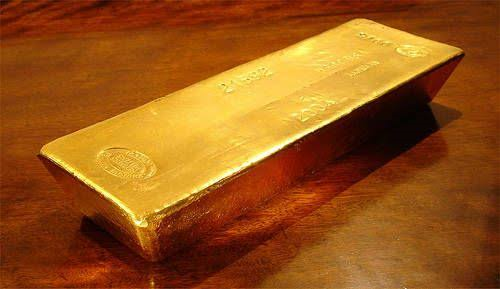
How Do I Choose a Reliable Gold Buyer?
A reliable gold buyer should be licensed and legally registered, operate from a verifiable business location, and provide transparent gold testing and valuation procedures. Before selling, confirm that the buyer uses recognized methods such as XRF testing or fire assay, offers prices linked to current international gold spot prices, provides secure payment options, and follows all required legal and export regulations. A trustworthy buyer should also have a strong industry reputation, clear documentation processes, and a proven record of completing gold transactions professionally.
The 15-Point Checklist for Choosing a Trusted Gold Buyer
Before selling gold, it is important to carefully evaluate the buyer’s legal status, experience, payment process, and ability to complete secure transactions. Use this checklist to identify trusted gold dealers, avoid gold buyer fraud, and choose a professional partner for your gold sale.
1. Verify the Buyer’s License and Registration
Always confirm that the gold buyer is legally registered and authorized to purchase gold in their operating country. Check official government records, mining authorities, or mineral regulatory agencies to ensure the company has valid approval to conduct gold trading activities.
2. Confirm Government Regulatory Approval
A reliable gold buyer should operate under the supervision of recognized government institutions responsible for mining, minerals, and precious metals trading. Verification through official authorities helps confirm that the company follows legal requirements.
3. Check the Company’s Physical Office and Business Presence
A legitimate gold buyer should have a verifiable business location, official contact information, and a professional company profile. Avoid traders who operate only through anonymous online accounts or refuse to provide a physical business address.
4. Review Years of Experience in Gold Trading
Experience is an important indicator of reliability. Established gold buying companies usually have a proven history of working with miners, exporters, investors, refineries, or commercial clients.
5. Research Reputation and Customer Reviews
Before completing a transaction, review customer feedback, industry references, and business reputation. Positive experiences from previous clients can provide insight into payment reliability, communication, and professionalism.
6. Understand How the Buyer Tests Gold Purity
A professional buyer should clearly explain their testing methods, including the use of XRF analysis, fire assay testing, or other recognized verification techniques. Transparent testing ensures accurate valuation of your gold.
7. Request an Independent Gold Assay Report
For high-value transactions, request independent laboratory verification of gold purity and composition. An unbiased assay report helps both parties agree on the true value of the gold.
8. Confirm the Gold Pricing Method
A trustworthy buyer should explain how they calculate their offer using factors such as gold weight, purity, international spot prices, refining costs, and market conditions. Avoid buyers who cannot provide a clear pricing formula.
9. Compare Offers From Multiple Buyers
Obtaining multiple offers helps you understand current market value and identify unrealistic prices. The highest offer is not always the safest option, especially if it comes from an unverified buyer.
10. Check Available Payment Methods
Reliable buyers use secure and traceable payment methods such as verified bank transfers, Letters of Credit, or regulated escrow arrangements. Avoid buyers requesting payments through personal accounts, cash-only arrangements, or untraceable channels.
11. Review the Purchase Agreement Before Selling
A professional gold transaction should include a written agreement covering the gold description, weight, purity, price, payment terms, delivery conditions, and responsibilities of both parties.
12. Confirm Export and Documentation Support
If your gold will be shipped internationally, verify that the buyer understands export requirements and can assist with necessary documentation, including export permits, certificates of origin, commercial invoices, and customs procedures.
13. Verify Responsible Gold Sourcing Practices
Responsible buyers maintain transparent supply chains and ensure gold is legally sourced. Ask about sourcing procedures, ownership verification, and compliance with international responsible mineral guidelines.
14. Avoid Buyers Requesting Advance Fees
Be cautious of buyers who demand upfront payments for supposed taxes, customs clearance, insurance, or processing before purchasing your gold. These requests are common warning signs of gold scams.
15. Confirm Long-Term Business Reliability
A trusted gold buyer should demonstrate professionalism, transparent communication, and the ability to build long-term partnerships. Reliable buyers focus on repeat business and maintain strong relationships with suppliers and international clients.
Reliable Gold Dealers Near Kampala
| Gold Dealer | Location | Services | Why Choose Them |
| Gold Dealers Africa Limited | Kampala, Uganda | Gold buying, gold selling, gold export assistance, assay services, secure bank payments | Licensed operations, competitive pricing, transparent transactions, professional customer support |
| Uganda Gold Consult Limited | Kampala | Gold buying, refining, export consultancy | Offers gold sourcing and export advisory services |
| Bullion Refinery Uganda | Kampala Metropolitan Area | Gold refining, purity testing, bullion trading | Provides gold assay and refining services |
| Licensed Precious Metals Dealers | Greater Kampala | Gold buying, gold valuation, precious metals trading | Verify licensing and regulatory compliance before transacting |
Disclaimer: Always verify that any gold dealer is properly licensed, complies with Ugandan mining and export regulations, and uses secure payment methods before completing a transaction. Conduct your own due diligence, as licensing and business status may change over time.
Understanding Gold Value Payouts: How Much Do Gold Buyers Actually Pay?
Before selling gold, it is important to understand how professional buyers calculate payouts compared with the international gold market price. Many sellers expect to receive the full gold spot price, but buyers typically pay a percentage of the gold’s melt value because they must account for refining costs, testing expenses, transportation, operational costs, market risks, and business margins.
The amount you receive depends on the type of buyer, the form of gold being sold, purity level, transaction size, and whether the gold requires additional processing. Large refineries and bullion dealers usually offer higher payouts because they handle greater volumes and have direct access to international markets, while smaller retail buyers may offer lower rates due to additional operating costs.
| Buyer Type | Typical Payout Percentage of Melt Value | Best For |
| Refineries and Bullion Dealers | Approximately 90%–95% of melt value | Best suited for large quantities of gold, investment bars, certified bullion, and high-purity gold products where refining costs are lower per unit. |
| Dedicated Local Gold Buyers | Approximately 75%–85% of melt value | Suitable for scrap jewelry, broken chains, gold rings, and smaller gold quantities requiring testing and processing. |
| Retail Jewelry Stores | Approximately 60%–70% of melt value | Often used by customers exchanging old jewelry for store credit, redesign services, or new jewelry purchases rather than maximizing cash value. |
| Pawn Shops | Approximately 50%–60% of melt value | Usually chosen for urgent cash needs, but they often provide lower offers because they take higher risks and resell through different channels. |
Factors That Influence Gold Payout Offers
Several factors determine the final amount offered by a gold buyer, including:
Gold Purity:
Higher-purity gold, such as 24K bullion or investment bars, generally receives higher payouts because it requires less processing before entering the market.
Gold Weight:
Larger quantities often receive better rates because testing, refining, and transaction costs are spread across a larger amount of gold.
Gold Form:
Gold bars and investment products usually attract higher offers than scrap jewelry because their purity and value are easier to verify.
Current Gold Spot Price:
Buyers use international gold benchmarks such as the LBMA Gold Price to calculate the underlying value of gold before applying their commercial margin.
Testing and Refining Costs:
Raw gold, dore bars, and scrap gold may require additional processing, which can reduce the final payout percentage.
Understanding these factors helps sellers set realistic expectations and compare offers from different licensed gold buyers. A trustworthy buyer should explain how the final price was calculated and provide transparent information about deductions and payment terms.
Essential Pre-Sale Questions to Ask Your Gold Buyer
Before agreeing to sell your gold, asking the right questions can help you verify the buyer’s legitimacy, understand the valuation process, and avoid common problems such as underpayment, delayed payments, or gold buyer fraud. Professional licensed gold buyers should provide clear answers about their credentials, testing methods, payment procedures, and export capabilities.
Is Your Gold Buying Business Licensed and Registered?
Before completing any transaction, ask the buyer to provide proof of company registration, mineral trading authorization, and relevant government approvals. A legitimate buyer should allow you to verify their license through official regulatory institutions rather than relying only on scanned certificates or verbal claims.
How Do You Test Gold Purity and Determine Value?
Ask the buyer which testing methods they use to confirm gold quality. Professional buyers should explain whether they use XRF analysis, fire assay testing, density testing, or certified laboratory services. Understanding the testing process helps ensure that your gold is valued accurately based on its actual purity.
Will I Receive an Independent Assay Report?
For high-value gold transactions, request an independent assay report confirming the gold’s weight, purity, and composition. An unbiased report provides transparency and helps both parties agree on the true market value of the gold before payment is made.
How Do You Calculate Your Gold Price Offer?
Ask the buyer to explain how they calculate their offer and whether it is based on current international gold prices, such as LBMA benchmarks. A professional buyer should clearly explain deductions for refining, logistics, taxes, or other transaction costs instead of providing an unexplained final price.
What Payment Method Will You Use?
Confirm how and when payment will be completed before transferring ownership of the gold. Reliable gold buying companies typically use secure methods such as verified bank transfers, Letters of Credit, or regulated escrow services. Avoid buyers who request unusual payment methods or transfers to personal accounts.
How Long Does Payment Take After Gold Verification?
Ask for a clear payment timeline after inspection, testing, and agreement confirmation. A trustworthy buyer should provide written payment terms and explain whether funds are released immediately after verification or after completion of export and compliance procedures.
Who Pays for Gold Testing and Inspection Costs?
Clarify whether assay, laboratory testing, transportation, or inspection costs are covered by the buyer or deducted from the final payment. Understanding these charges in advance prevents unexpected deductions after the gold has already been evaluated.
Can You Assist With Gold Export Documentation?
If the transaction involves international shipping, ask whether the buyer can support export procedures and required documentation. Experienced buyers should understand requirements such as export permits, certificates of origin, commercial invoices, assay certificates, customs declarations, and secure logistics arrangements.
Where Will the Gold Inspection Take Place?
Confirm whether inspection will happen at a registered refinery, certified laboratory, buyer facility, or another approved location. Professional buyers should provide a secure and transparent inspection process where both parties can verify the results.
Can You Provide References From Previous Clients?
Ask whether the buyer can provide evidence of previous transactions, industry relationships, or business references. Established trusted gold dealers usually have a history of working with miners, exporters, investors, jewelry companies, or commercial buyers.
Final Advice Before Selling Gold
A reliable gold buyer should be transparent about licensing, testing, pricing, payment, and documentation from the beginning of the transaction. Taking time to ask these questions helps sellers avoid scams, compare offers accurately, and work with professional gold buyers in Africa and international markets.
How Do You Calculate Your Gold Payout Rate Per Gram?
Before selling gold, always ask the buyer to explain exactly how they calculate their payout rate per gram. A professional and transparent gold buyer should provide a clear mathematical breakdown showing how the final offer was determined instead of giving an unexplained flat price.
A reliable buyer typically starts with the current international gold spot price and adjusts it according to the purity of your gold. The calculation considers the percentage of pure gold contained in the item, then applies any standard business deductions such as refining costs, testing fees, transportation expenses, and commercial margins.
The basic formula is:
Gold Payout Per Gram = Current Gold Spot Price × Gold Purity Percentage − Buyer’s Standard Costs or Margin
For example, if the current gold spot price is $140 per gram:
- 24K gold (99.9% purity):
$140 × 99.9% = approximately $139.86 per gram before buyer deductions. - 18K gold (75% purity):
$140 × 75% = approximately $105 per gram before buyer deductions. - 14K gold (58.3% purity):
$140 × 58.3% = approximately $81.62 per gram before buyer deductions.
After calculating the melt value, the buyer may deduct legitimate costs related to refining, assay testing, logistics, and business operations. These deductions should be clearly explained before the transaction is completed.
Be cautious if a buyer provides only a fixed price without showing how it was calculated. Professional licensed gold buyers should be able to explain the relationship between the gold spot price, purity percentage, weight, and final payment offer.
Transparent pricing calculations help sellers compare offers, avoid underpayment, and identify trustworthy gold buying companies that follow professional gold trading practices.
Are Your Scales State-Certified and Calibrated?
Accurate weight measurement is one of the most important steps in determining the value of your gold. Before completing a sale, ask the buyer whether their weighing equipment is officially certified, regularly calibrated, and approved for commercial precious metal transactions.
Professional gold buyers should use precision electronic scales that meet local Weights and Measures authority requirements. Certified scales help ensure that the gold weight recorded during inspection is accurate and that both the buyer and seller receive a fair valuation.
During the weighing process, the seller should be able to clearly see the scale display at all times. This prevents disputes and ensures transparency because the recorded weight directly affects the final payment amount.
A reliable gold buyer should be willing to:
- Explain when the scale was last calibrated
- Show valid certification or inspection records
- Allow the seller to observe the weighing process
- Record the exact weight used for payment calculations
Be cautious of buyers who weigh gold out of your view, use unknown equipment, or refuse to provide information about their weighing procedures. Even a small difference in recorded weight can significantly affect the value of large gold transactions.
Working with licensed gold buyers who use certified weighing equipment, transparent testing methods, and documented procedures helps sellers receive accurate payments and reduces the risk of unfair valuation.
What Happens If I Choose Not to Accept Your Gold Offer?
Before selling gold, it is important to understand your rights as a seller and ensure that the buyer provides a pressure-free transaction process. A professional and trustworthy gold buyer should allow you enough time to review the offer, compare prices, and make your own decision without intimidation or unnecessary pressure.
If you decide not to accept the buyer’s offer, a reputable company should return your gold items immediately and allow you to leave without additional obligations. The buyer should respect your decision whether you accept the offer or choose to sell to another company.
Be cautious of buyers who use aggressive sales tactics, create artificial urgency, or attempt to pressure you into completing a transaction quickly. Warning signs may include statements such as:
- “This price is only available for the next few minutes.”
- “You must decide immediately before the market changes.”
- “You cannot take your gold back after inspection.”
A legitimate buyer should not hold your gold hostage, refuse to return your items, or charge unexpected administrative, evaluation, or appraisal fees simply because you decided not to sell.
Before allowing any inspection, confirm the buyer’s policies regarding:
- Return of gold after evaluation
- Any inspection or testing charges
- Storage responsibilities during assessment
- Time allowed to review an offer
Professional licensed gold buyers understand that trust is essential in gold trading. They provide transparent offers, clear procedures, and respectful service rather than relying on pressure tactics.
Choosing a buyer who values transparency and customer choice helps protect you from unfair practices and ensures a safer gold-selling experience.
How to Verify Gold Buyers in Uganda
Uganda has a regulated mineral trading system managed by government authorities responsible for mining oversight. Before working with a gold buyer, verify that the company has the required licenses and approvals from the relevant government institutions.
Check with:
- Ministry of Energy and Mineral Development (MEMD) – responsible for overall mining sector regulation and policy.
- Directorate of Geological Survey and Mines (DGSM) – oversees mineral licensing, exploration, and mining-related activities.
When verifying a Ugandan gold buyer, check:
- Valid mineral dealer or trading license
- Company registration details
- Export authorization where applicable
- Physical business location
- Gold sourcing and documentation procedures
A legitimate buyer should be transparent about where the gold comes from, how it is tested, and how transactions are documented.
How to Verify Gold Buyers in Ghana
Ghana is one of Africa’s largest gold-producing countries and has strict regulations governing gold trading and exports. Buyers should be verified through recognized government institutions responsible for mineral regulation.
Check with:
- Minerals Commission of Ghana – regulates mining activities and licensing.
- Official government gold trading authorities – confirm authorized gold purchasing and export activities.
Before selling gold in Ghana, confirm:
- Trading authorization
- Company registration
- Export permissions
- Responsible sourcing procedures
- Compliance with Ghana’s gold trading regulations
Avoid buyers who cannot provide official documentation or who request unusual payment arrangements outside normal banking channels.
How to Verify Gold Buyers in Kenya
Kenya regulates mineral dealers through its mining authorities. Anyone buying or trading gold commercially should hold the appropriate licenses required under Kenyan mining regulations.
Verify:
- Mineral dealer license
- Company registration records
- Physical office details
- Export compliance documents
- Gold testing procedures
Working with a licensed Kenyan gold buyer helps ensure that transactions follow national mineral laws and protects sellers from illegal trading risks.
How to Verify Gold Buyers in Tanzania
Tanzania has a regulated gold trading sector managed through government mining institutions. Gold buyers should have valid approvals before purchasing or exporting gold.
Verify dealers through:
- Mining Commission of Tanzania
Check that the buyer has:
- Valid trading licenses
- Registered company information
- Approved gold purchasing activities
- Proper export documentation
Professional buyers should follow official procedures for gold valuation, payment, and transportation.
How to Verify Gold Buyers in South Africa
South Africa has one of Africa’s most established precious metals industries, with strict controls on gold trading and refining.
When verifying a buyer, check compliance with relevant South African regulatory institutions responsible for:
- Precious metals licensing
- Mineral trading
- Business registration
- Export compliance
Confirm:
- Legal registration
- Precious metals authorization where required
- Refinery relationships
- Secure transaction procedures
- Responsible sourcing standards
Established South African gold buyers should provide clear documentation and operate through recognized industry channels.
General Warning Signs When Verifying Any African Gold Buyer
Regardless of the country, be cautious if a buyer:
- Refuses to provide license information
- Has no verifiable physical office
- Promises prices far above market rates
- Requests upfront “release fees” or unexpected charges
- Demands cryptocurrency or untraceable payments
- Avoids written agreements and documentation
A legitimate gold buyer will welcome verification because transparency builds trust and protects both the buyer and seller.
A comparison table is an excellent addition. It improves readability, increases the chances of appearing in Google’s featured snippets, and helps readers quickly understand the differences between trustworthy and risky buyers.
What Makes a Reliable Gold Buyer?
Choosing the right gold buyer is about more than receiving the highest offer. A reputable buyer operates transparently, follows legal requirements, uses recognized gold testing methods, and provides clear documentation throughout the transaction. The comparison below highlights the key differences between a trustworthy gold buyer and one that may expose you to fraud or financial loss.
| Factor | Reliable Gold Buyer | Risky Buyer |
| License & Registration | Holds valid government-issued licenses and readily provides verification documents. | Cannot provide proof of licensing or avoids verification requests. |
| Gold Testing | Uses recognized testing methods such as XRF analysis or independent fire assay and explains the results. | Relies only on in-house testing without transparency or independent verification. |
| Pricing Method | Bases offers on the current international gold spot price, adjusted for purity and weight. | Makes random offers with little or no explanation of how the value was calculated. |
| Payment Methods | Pays through secure, traceable methods such as bank transfers, escrow services, or other documented payment channels. | Requests cash-only transactions, cryptocurrency, or other difficult-to-trace payment methods without proper safeguards. |
| Business Location | Operates from a verified physical office with clear contact information and established business records. | Has no verifiable office address and communicates only through messaging apps or anonymous online profiles. |
| Documentation | Provides purchase agreements, receipts, assay reports, invoices, and export documentation when applicable. | Uses incomplete, altered, or unverifiable paperwork, or refuses to issue written records. |
| Industry Reputation | Has positive customer reviews, a proven trading history, and references from previous clients. | Has little or no business history, inconsistent reviews, or reports of unresolved disputes. |
| Legal Compliance | Follows national mining regulations, anti-money laundering requirements, and responsible sourcing standards. | Encourages bypassing legal procedures or proposes undocumented transactions. |
| Communication | Answers questions clearly, explains each step of the process, and allows sufficient time for review. | Pressures sellers into making immediate decisions or avoids providing clear information. |
| Transparency | Clearly explains fees, commissions, timelines, and transaction requirements before any agreement is signed. | Introduces unexpected charges or changes terms after negotiations have begun. |
Key Takeaway
A reliable gold buyer is transparent, properly licensed, and willing to verify every stage of the transaction. If a buyer cannot demonstrate legal authorization, explain how your gold is valued, or provide secure payment and proper documentation, consider it a warning sign and continue your search for a reputable buyer.
Common Gold Buyer Scams to Avoid
Gold trading is a legitimate global business, but it is also targeted by fraudsters who take advantage of sellers and investors through deceptive practices. Understanding how these scams operate can help you recognize warning signs early, protect your investment, and complete transactions only with licensed and reputable gold buyers.
Fake Gold Buyers
Fake gold buyers often create convincing websites, copy the names and logos of established companies, or use stolen business registration documents to appear legitimate. Before agreeing to sell your gold, always verify that the buyer is properly licensed, operates from a genuine business location, and can be confirmed through the appropriate government authority.
Advance Fee Scams
Advance fee scams occur when a buyer requests money before completing the purchase, claiming the payment is needed for customs clearance, insurance, airport handling, export permits, storage, or release fees. Reputable gold buyers explain all legitimate costs in advance and do not repeatedly demand unexpected payments after negotiations have begun.
Fake Payment Proof
Some fraudsters attempt to convince sellers that payment has been made by sending forged bank transfer confirmations, altered SWIFT receipts, or edited screenshots of online banking transactions. Never release your gold until your bank has confirmed that the funds have been successfully received and fully cleared into your account.
Fake Export Licenses
Fraudsters may also provide counterfeit export permits, assay certificates, certificates of origin, customs declarations, or other government documents to create the appearance of a legal transaction. Every important document should be verified with the issuing authority whenever possible, especially for high-value gold sales involving international buyers.
Identity Impersonation
Another common scam involves criminals impersonating legitimate gold dealers, refinery representatives, logistics companies, or government officials by using similar email addresses, cloned websites, or fake social media accounts. Always communicate through officially published contact details and independently confirm the identity of every business before sharing documents or arranging a transaction.
Unrealistic Gold Price Offers
An offer that is significantly higher than the current international gold spot price should be treated with caution because it is often used to attract unsuspecting sellers into fraudulent schemes. Professional gold buyers calculate their offers based on market prices, gold purity, weight, and agreed commercial terms rather than making unrealistic promises.
High-Pressure Sales Tactics
Scammers frequently create a false sense of urgency by insisting that an offer will expire within hours or claiming that immediate action is required to avoid additional fees or losing the transaction. A trustworthy gold buyer allows sufficient time for independent verification, document review, and informed decision-making without applying unnecessary pressure.
How to Protect Yourself
The best way to avoid gold buyer scams is to work only with licensed and well-established companies that provide transparent pricing, recognized gold testing methods, secure payment procedures, and complete documentation. Taking the time to verify licenses, confirm business registration, and ensure that payments have cleared before releasing your gold can significantly reduce the risk of financial loss and help you complete a safe, professional transaction.
Ready to Sell Gold to a Reliable Buyer?
Gold Dealers Africa Limited purchases gold bars, gold dore bars, gold nuggets, raw gold, and investment bullion from licensed miners, exporters, refineries, and precious metals dealers across Africa. We offer competitive pricing based on live international gold markets, professional assay services, secure bank payments, and assistance with compliant export procedures.
If you are looking for a reliable gold buyer in Africa, contact Gold Dealers Africa Limited today for a confidential consultation and a no-obligation quote. Our experienced team is ready to verify your gold, review your documentation, and guide you through a transparent and secure selling process.
Get your gold valuation today and discover why businesses worldwide trust Gold Dealers Africa Limited for safe and professional gold transactions.