
How to Verify a Legit Gold Dealer in Africa |(2026 Guide)
How do you know if a gold dealer is legitimate, and is it safe to buy gold in Africa? A legitimate gold dealer in Africa is licensed by the country’s mining or mineral authority and can provide verifiable documentation such as export permits, assay certificates, tax compliance records, certificates of origin, and company registration documents. Buying gold in Africa can be safe and highly profitable when working with licensed dealers, certified refineries, and government-approved exporters, while conducting proper due diligence throughout the transaction process.
Africa is one of the world’s largest gold-producing regions, supplying millions of ounces of gold annually to global markets. Leading producers such as Ghana, South Africa, Tanzania, Uganda, Mali, Burkina Faso, Sudan, and the Democratic Republic of Congo (DRC) continue to attract investors, bullion traders, jewelers, refiners, and wholesale buyers seeking access to high-quality gold at competitive prices. As global demand for physical gold continues to rise in 2026, African gold remains a key source for international precious metals markets.
However, alongside legitimate opportunities, buyers must also navigate a complex marketplace where fraudulent dealers, fake export documents, counterfeit gold, and illegal trading networks can pose significant risks. This makes dealer verification one of the most important steps in any gold transaction. Before purchasing gold, buyers should independently verify licenses, confirm export approvals, validate assay reports, and ensure that all documentation has been issued by the appropriate government authorities.
A legitimate gold dealer operates within established legal and regulatory frameworks and can clearly demonstrate the origin, ownership, purity, and export authorization of the gold being sold. Reputable dealers work with licensed mines, approved refineries, recognized logistics providers, and government agencies responsible for regulating the gold sector. These safeguards help ensure that the gold has been legally sourced, accurately assayed, and prepared for export in compliance with national and international regulations.
Failure to conduct proper due diligence can expose buyers to financial losses, shipment delays, customs seizures, regulatory penalties, and fraudulent transactions. For this reason, experienced investors, institutional buyers, and professional bullion traders follow strict verification procedures before transferring funds or signing purchase agreements.
In this comprehensive 2026 guide, you will learn how to identify a legitimate gold dealer in Africa, verify licenses and export permits, authenticate gold documentation, avoid common scams, assess supplier credibility, and safely complete gold transactions. By following these proven verification steps, you can protect your investment, reduce risk, and ensure that every gold purchase is secure, transparent, and fully compliant with international gold trading standards.
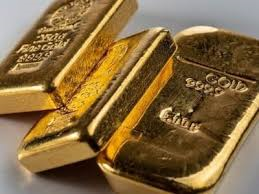
Why Verifying a Gold Dealer in Africa Is Critical?
1. Prevents Fraud and Fake Gold Transactions
Verifying a dealer helps ensure you are dealing with a legitimate seller who actually owns or can legally source gold. Without verification, buyers are exposed to risks such as fake gold bars, incorrect purity claims (e.g., selling lower karat gold as 24K), or complete payment scams where no gold is delivered.
- Ensures Legal Compliance and Safe Export
A verified dealer operates under national mining and export regulations. This means the gold comes with proper documentation such as export permits, tax clearance, and origin certificates. This is especially important for international buyers who need legally recognized paperwork to clear customs in destination countries like Dubai, the UK, or the USA.
- Protects You from Legal and Customs Risks
Unverified gold transactions can lead to serious issues at customs, including confiscation of gold or legal penalties if the gold is linked to illegal mining or smuggling. Working with a verified dealer reduces this risk because the supply chain is transparent and traceable.
4. Guarantees Better Quality, Pricing, and Trust
Verified dealers are more likely to provide accurate weight measurements, certified purity (22K/24K), and pricing aligned with global market rates. They also maintain reputation standards, which build long-term trust and allow repeat business, especially for bulk.
How to Verify a Legit Gold Dealer in Africa
| Verification Step | What You Should Check | Why It Matters | Red Flags to Avoid |
| 1. Business License Verification | Confirm the dealer has a valid mining, trading, or export license issued by a national authority (e.g., Mining Commission, Ministry of Energy & Minerals) | Proves the dealer is legally authorized to trade gold | No license, expired documents, or refusal to show paperwork |
| 2. Company Registration Details | Check the official company registration number and legal business name | Ensures the business actually exists and is recognized by the government | Fake company names or inconsistent registration details |
| 3. Export Permits & Documentation | Ask for export permits, customs clearance papers, and tax compliance certificates | Confirms gold can be legally exported internationally | No export documents or “we handle later” excuses |
| 4. Physical Office or Mining Site | Verify a real office location or licensed mining/aggregation site | Shows operational legitimacy and transparency | Only online communication, no physical address |
| 5. Assay Certificate (Gold Purity Test) | Request an official assay report showing purity (e.g., 22K or 24K) from a certified lab | Confirms gold quality and prevents fake purity claims | No assay report or unclear testing sources |
| 6. Payment Method Transparency | Use traceable payment systems (bank transfer, escrow services) | Protects against fraud and payment loss | Cash-only deals or pressure for instant payment |
| 7. Government or Authority Linkage | Confirm the dealer is registered with the national mining authorities or export boards | Adds regulatory oversight and accountability | No connection to any recognized authority |
| 8. Client References & Track Record | Check past client reviews, export history, or business references | Builds trust through proven transactions | No history, fake reviews, or unverifiable testimonials |
Best Countries to Buy Gold Safely in Africa (2026 Overview)
| Country | Safety Level for Buyers | Why It Is Safe / Attractive | Key Gold Market Hubs | Key Notes for Investors |
| Ghana | Very High | Strong mining regulations, established export systems, and government oversight (PMMC) | Accra, Tarkwa, Obuasi | One of Africa’s most trusted formal gold markets with a stable legal framework |
| South Africa | Very High | Mature mining industry, LBMA-linked refineries, strict compliance laws | Johannesburg, Gauteng | Best for refined gold and institutional-grade investment products |
| Tanzania | High | Improving regulatory systems and export controls through the Mining Commission | Mwanza, Dar es Salaam | Strong artisanal mining sector being formalized |
| Uganda | High | Regional gold trading hub with growing export documentation systems | Kampala, Entebbe | Major aggregation point for gold from neighboring countries |
| Mali | Medium–High | Large gold production, but regulatory consistency varies | Bamako, Kayes | Good production base, but requires strict dealer verification |
| Burkina Faso | Medium–High | High gold output with improved oversight | Ouagadougou, Houndé | A growing mining sector, but security considerations exist in some regions |
| Kenya | Medium | Smaller production but active trading networks | Nairobi, the western Kenya regions | More trading/aggregation than large-scale mining |
| Democratic Republic of Congo (DRC) | Medium–Low | Extremely rich gold reserves, but high informal mining activity | Ituri, South Kivu (informal hubs) | High risk of illegal trade exposure—strict verification required |
Country-Specific Regulators
In the global gold trade, regulatory bodies are the highest level of trust verification. Any legitimate gold transaction in Africa must be supervised, licensed, or approved by a government authority. These institutions ensure compliance with mining laws, export controls, taxation, and anti-smuggling frameworks.
For investors and buyers, knowing the correct regulator is essential for avoiding fraud and confirming that gold is legally sourced and exportable.
Official Gold Regulatory Bodies in Africa (Key Markets)
| Country | Regulatory Body (Authority) | Function in Gold Sector |
| Ghana | Minerals Commission / GoldBod (Ghana Gold Board) | Issues mining licenses, regulates exports, and oversees gold trading through licensed exporters (LGE system) |
| South Africa | South African Diamond and Precious Metals Regulator (SADPMR) | Controls licensing, export permits, and compliance with the Precious Metals Act |
| Tanzania | Mining Commission of Tanzania | Regulates mining operations, exports, and mineral trading permits |
| Uganda | Ministry of Energy and Mineral Development (MEMD) | Oversees mining policy, licensing, and mineral export approvals |
| Mali | Ministry of Mines, Energy, and Water | Manages mining concessions and export regulation |
| Burkina Faso | Ministry of Energy, Mines, and Quarries | Issues mining permits and supervises gold exports |
| DR Congo (DRC) | Ministry of Mines | Controls mining rights, export licensing, and the formalization of the ASM sector |
| South Sudan | Ministry of Mining | Regulates exploration, artisanal mining, and export approvals |
Why These Regulators Matter
These institutions are not just administrative bodies; they are the legal gatekeepers of Africa’s gold economy. Their roles include:
- Issuing licensed gold exporter (LGE) approvals
- Enforcing anti-smuggling and anti-money laundering (AML) laws
- Verifying mine-to-export traceability
- Approving international gold shipments
- Ensuring compliance with global standards (OECD, LBMA guidelines)
Key Trust Insight for Buyers
If a gold dealer cannot:
- Reference one of these regulators
- Provide documentation linked to them
- Or show a valid export license issued under their authority
Then the transaction should be considered high-risk or non-compliant
The “Golden Rules” of Verification: Indicators of Legitimacy
In the global gold trade, legitimate gold is never sold through informal channels such as WhatsApp discounts, street transactions, or unverified social media brokers. Real gold trading is a highly regulated industry that operates through licensed exporters, refineries, and government-approved institutions. Any deviation from this structure is a major warning sign of fraud.
Validating the Export License (LGE Status)
A genuine gold dealer or exporter must hold a Licensed Gold Exporter (LGE) permit, issued by the relevant national mining authority.
In Africa, these regulatory bodies include:
- Ghana Gold Board (GoldBod) (formerly PMMC – Precious Minerals Marketing Company)
- Minerals Commission of Ghana
- South African Department of Mineral Resources & Energy (DMRE)
- Rand Refinery (South Africa) – sets international refining and purity standards
What a Valid LGE License Ensures:
- Legal right to purchase and export gold
- Traceability of gold origin (mine-to-export chain)
- Compliance with international standards (AML/KYC rules)
- Verification of purity (usually 22K–24K with assay certificates)
Note:
If the seller cannot provide a verifiable LGE license number or refuses regulatory confirmation, the transaction should be considered high-risk or potentially fraudulent.
Physical Presence vs. Virtual Ghosting
One of the strongest indicators of legitimacy in the gold trade is physical operational presence.
Legitimate Dealer Characteristics:
- Registered office in a mining or trading hub (e.g., Accra, Johannesburg, Nairobi)
- Access to a refinery, smelting facility, or authorized vault
- Verifiable business registration documents
- Willingness to allow site inspection or third-party verification
Red Flag Indicators (Very Important)
| Warning Sign | Meaning |
| Refuses site visits or inspections | Possible fake or non-existent operation |
| Operates only via WhatsApp or Telegram | High risk of scam activity |
| No physical address or company registration | Not legally recognized |
| Offers “below-market gold discounts.” | Common fraud tactic |
| Avoids documentation (assay, export papers) | Illegal or untraceable gold |
Key Rule:
If a dealer cannot physically show their refinery, office, or licensed export channel, the transaction should not proceed under any circumstances.
Note. The global gold market is built on traceability, licensing, and physical verification. Institutions like GoldBod (Ghana) and Rand Refinery (South Africa) exist specifically to ensure that gold moves through auditable, legal, and internationally recognized channels. Any deal outside this structure carries significant legal and financial risk.
How to Verify a Legit Gold Dealer in Africa Online (Step-by-Step)
| Verification Step | What to Check Online | Trusted Proof / Evidence | Red Flags to Avoid | Result of Passing Step |
| 1. Company Registration | Check the official business name on government registry websites | Certificate of incorporation, business license number | No registration details or fake certificates | Confirms legal existence |
| 2. Mining / Trading License | Verify license with national mining authority (e.g., Minerals Commission, Ghana, MEMD, Uganda) | Valid mining or gold trading license | License not verifiable online or expired documents | Confirms legal authorization |
| 3. Website Authenticity | Check the official website domain, SSL security (https) | Professional website, company email domain | Free email (Gmail/Yahoo), no website or copied site | Confirms digital legitimacy |
| 4. Physical Address | Verify office location using Google Maps or business listings | Real office address with images & reviews | Fake address or no trace online | Confirms real operations |
| 5. Assay Certificate | Request a gold purity report (24K / 99.99%) from a certified lab | Hallmark or assay report from a recognized lab | No purity documents or unclear reports | Confirms gold authenticity |
| 6. Export License | Check if the dealer is authorized for international export | Export permit issued by the government authority | Claims of export ability without documents | Confirms global trading rights |
| 7. Online Reputation | Check Google reviews, Trustpilot, forums, and LinkedIn presence | Verified reviews and business profiles | No reviews or fake-looking testimonials | Confirms market trust |
| 8. Communication Channels | Check professional email, phone, and business response | Corporate email + verified contact numbers | Only WhatsApp or unprofessional communication | Confirms business professionalism |
| 9. Payment Method | Check if they accept bank transfers (traceable payments) | Bank account in the company name | Cash-only or crypto-only demands | Confirms financial transparency |
| 10. Contract & Agreement | Ensure a formal sales contract is provided | Signed agreement with terms & conditions | No paperwork or verbal-only deals | Confirms legal protection |
Comparison of Legal vs Illegal Gold Trade Flows in Africa
| Aspect | Legal Gold Trade Flow | Illegal Gold Trade Flow |
| Definition | Gold mined, processed, and traded under government licensing and regulation | Gold is extracted and traded outside official regulatory systems |
| Mining Source | Licensed industrial mines and registered artisanal miners | Unlicensed artisanal mining or unauthorized extraction sites |
| Regulation | Strict government oversight (mining commissions, export authorities) | No official regulation or weak enforcement |
| Documentation | Full documentation: mining licenses, export permits, tax records | No formal documentation or falsified paperwork |
| Traceability | Fully traceable from mine to export (chain of custody) | Limited or no traceability |
| Taxation | Taxes, royalties, and export duties paid to the government | Taxes are avoided or evaded |
| Refining Process | Done in certified refineries (often LBMA-linked facilities) | Done in informal or unregulated facilities |
| Export Method | Legal export through customs and approved logistics channels | Smuggling through porous borders or unofficial routes |
| Market Destination | International bullion markets (Dubai, London, Switzerland, etc.) | Informal traders and black-market buyers |
| Pricing | Transparent pricing based on global gold rates | Often discounted or inconsistent pricing |
| Risk Level | Low legal and financial risk | High risk (confiscation, penalties, fraud) |
| Investor Access | Open to institutional and verified investors | Limited to informal cash-based buyers |
| Country Benefit | Generates national revenue, jobs, and foreign exchange | Loss of revenue and economic leakage |
| Examples of Strong Control Countries | Ghana, South Africa, Tanzania, Uganda (regulated exports) | Remote mining zones in DRC, Sahel regions (informal trade hotspots) |
Technical Verification: Documents and Assays
In legitimate gold transactions, documentation and scientific verification are just as important as the physical metal itself. Every legal gold deal must be backed by a clear paper trail and independently verified purity results. Without these, the gold cannot be safely exported, traded internationally, or accepted by major refineries and banks.

The Essential Document Checklist
A compliant gold transaction must include a set of core documents that confirm origin, legality, purity, and export authorization.
| Document | Purpose | Issuing Authority | Why It Matters |
| Certificate of Origin | Confirms where the gold was mined and ensures it is not from a conflict or illegal source | National mining authority or licensed exporter | Prevents trade in conflict or smuggled gold |
| Assay Certificate | Confirms purity level (e.g., 22K–24K) and metal composition | Government-accredited laboratories (e.g., Ghana Standards Authority) | Ensures the buyer receives the correct gold quality |
| Export Permit / License (LGE documentation) | Legal authorization to export gold out of the country | Institutions such as Ghana GoldBod (formerly PMMC) or national mining commissions | Required for international shipment and customs clearance |
| Tax Clearance / Royalty Receipt | Proof that all government royalties and taxes have been paid | Ministry of Finance / Revenue Authority | Confirms the gold is legally cleared for trade |
| Bank of Ghana Form A2 (or equivalent) | Foreign exchange and export payment approval document | Central Bank (e.g., Bank of Ghana or equivalent national bank) | Ensures legal currency conversion and international payment tracking |
Key Insight:
If even one of these documents is missing, the transaction is considered non-compliant and high-risk for international trade or export rejection.
Independent Assaying (Critical for Buyer Protection)
One of the most important rules in professional gold trading is:
Never rely solely on the seller’s assay report.
Even when documents appear legitimate, purity verification must be confirmed through independent third-party laboratories.
Why Independent Assaying Is Necessary
- Prevents overstated purity claims by sellers
- Confirms actual carat value (22K, 23K, 24K)
- Detects impurities, alloy mixing, or fake bars
- Provides internationally recognized certification for resale or refinery acceptance
Trusted Independent Assay Institutions
| Laboratory | Region | Why It Is Trusted |
| ALS Chemex (ALS Global) | Global (Africa, Europe, Asia) | One of the world’s largest and most recognized mineral testing labs |
| Alfred H. Knight (AHK) | UK, Africa, Middle East | Specializes in precious metals inspection and certification |
| SGS (Société Générale de Surveillance) | Global | Widely accepted ISO-certified testing authority |
| Bureau Veritas | Global | International inspection and certification standards |
What Independent Assaying Provides
A proper third-party assay report includes:
- Gold purity percentage (e.g., 99.99%)
- Trace metal composition (silver, copper, etc.)
- Weight confirmation
- Bar or nugget identification number
- Official laboratory stamp and certification
Red Flag Warning
| Risk Behavior | Why It Is Dangerous |
| Seller insists, “Our own lab is enough.” | Potential manipulation of results |
| Refuses third-party testing | Possible fake or low-quality gold |
| No assay certificate provided | Gold cannot be legally verified or exported |
| Reluctance to use international labs | High risk of fraud or non-compliance |
Key Insight
In the global gold industry, documents and independent assays form the legal backbone of every transaction. Institutions like Ghana GoldBod (formerly PMMC) and international labs such as ALS Chemex and SGS ensure that gold meets global standards for purity, legality, and export readiness. Without these checks, even physical gold has no guaranteed market value or legal export status
Country-by-Country Gold Export Compliance Checklist (Africa 2026)
This checklist is designed for investors, gold buyers, and exporters who need to understand the exact legal steps required to export gold from Africa. Each country has different licensing systems, but all follow one core rule: no gold can be exported without government approval, assay verification, and licensed exporter authorization.
Ghana – Gold Export Compliance Checklist
Ghana is one of the most structured gold export markets in Africa, regulated through the Minerals Commission and Ghana Gold Board (GoldBod, formerly PMMC).
| Step | Requirement | Authority |
| 1 | Obtain Mineral Trading License or work with a Licensed Gold Exporter (LGE) | Minerals Commission / GoldBod |
| 2 | Verify gold origin (ASM or LSM registered source) | Minerals Commission |
| 3 | Assay testing and purity certification (22K–24K) | Ghana Standards Authority |
| 4 | Obtain Export Permit (LGE clearance) | GoldBod |
| 5 | Tax & royalty clearance | Ghana Revenue Authority |
| 6 | Central Bank approval for foreign exchange | Bank of Ghana (Form A2 equivalent) |
| 7 | Final customs clearance and export shipment | Ghana Customs Service |
Key Insight: Ghana requires full traceability from mine to export, making it one of the safest gold sourcing countries in Africa.
South Africa – Gold Export Compliance Checklist
South Africa has one of the most advanced regulatory systems in Africa under the SADPMR (South African Diamond and Precious Metals Regulator).
| Step | Requirement | Authority |
| 1 | Obtain Precious Metals Refining or Trading License | SADPMR |
| 2 | Source gold from registered mines or refiners | DMRE (Department of Mineral Resources & Energy) |
| 3 | Independent assay and refining certification | Rand Refinery / Accredited labs |
| 4 | Export permit application | SADPMR |
| 5 | Tax clearance and VAT compliance | SARS (South African Revenue Service) |
| 6 | Customs export declaration | South African Customs |
Key Insight: South Africa is highly regulated, and most exports must pass through Rand Refinery standards.
Tanzania – Gold Export Compliance Checklist
Tanzania has strengthened its mining laws in recent years through the Mining Commission of Tanzania.
| Step | Requirement | Authority |
| 1 | Obtain Mineral Trading License | Mining Commission |
| 2 | Source gold from licensed miners or auctions | Mining Commission |
| 3 | Assay certification (government-approved labs) | Tanzania Bureau of Standards |
| 4 | Export permit approval | Mining Commission |
| 5 | Tax and royalty clearance | Tanzania Revenue Authority |
| 6 | Customs export processing | Tanzania Customs |
Key Insight: Tanzania requires all gold to pass through formal trading channels or government auctions.
Uganda – Gold Export Compliance Checklist
Uganda is an emerging gold hub regulated by the Ministry of Energy and Mineral Development (MEMD).
| Step | Requirement | Authority |
| 1 | Obtain Mineral Dealer’s License | MEMD |
| 2 | Source gold from licensed artisanal or commercial miners | MEMD |
| 3 | Independent assay and valuation | Accredited labs / MEMD-approved facilities |
| 4 | Export approval certificate | MEMD |
| 5 | Tax clearance certificate | Uganda Revenue Authority (URA) |
| 6 | Bank of Uganda foreign exchange compliance | Bank of Uganda |
| 7 | Customs export clearance | Uganda Customs |
Key Insight: Uganda’s gold sector is rapidly formalizing, improving export transparency.
Mali – Gold Export Compliance Checklist
Mali is one of Africa’s largest gold producers, regulated by the Ministry of Mines, Energy, and Water.
| Step | Requirement | Authority |
| 1 | Mining or trading license | Ministry of Mines |
| 2 | Source verification from licensed mines | Ministry of Mines |
| 3 | Assay certificate from an approved lab | National Geological Service |
| 4 | Export authorization | Ministry of Mines |
| 5 | Tax and royalty payment clearance | Tax Authority of Mali |
| 6 | Customs export documentation | Mali Customs |
Burkina Faso – Gold Export Compliance Checklist
| Step | Requirement | Authority |
| 1 | Licensed gold trader or exporter permit | Ministry of Energy, Mines, and Quarries |
| 2 | Verified mining source documentation | Mining Authority |
| 3 | Assay certification | Approved national labs |
| 4 | Export permit approval | Ministry of Mines |
| 5 | Tax clearance | Burkina Faso Revenue Authority |
| 6 | Customs clearance | Customs Directorate |
DR Congo (DRC) – Gold Export Compliance Checklist
| Step | Requirement | Authority |
| 1 | Mining or trading license | Ministry of Mines |
| 2 | Source verification (ASM or LSM registered site) | Mining Cadastre |
| 3 | Assay and valuation certificate | Approved laboratories |
| 4 | Export permit authorization | Ministry of Mines |
| 5 | Tax compliance certificate | DRC Revenue Authority |
| 6 | Customs clearance | DRC Customs |
Universal Red Flags (Applies to ALL Countries)
| Risk Behavior | Meaning |
| No export license shown | Illegal or fake operation |
| WhatsApp-only trading | High fraud risk |
| No assay certificate | Unverified gold purity |
| No government regulator involvement | Non-compliant gold |
| “Discount gold deals” | Common scam tactic |
The 4-Pillar Due Diligence Framework for Buying Gold in Africa (2026)
Successfully sourcing gold from Africa requires more than simply finding a supplier with attractive prices. International gold buyers, refiners, institutional investors, jewelers, and bullion traders must conduct thorough due diligence to ensure the gold is legally sourced, properly documented, and eligible for export under both local and international regulations.
With increased regulatory scrutiny from customs authorities, financial institutions, and international compliance bodies, buyers can no longer rely solely on supplier claims or informal assurances. Every gold transaction should undergo multiple layers of legal, technical, and operational verification before funds are transferred.
To protect your investment, avoid fraud, and ensure smooth export clearance through major international trading hubs such as Dubai, Zurich, London, Singapore, Hong Kong, and New York, every transaction should successfully pass the following Four-Pillar Due Diligence Framework.
1: Verification of Legal Gold Exporter Status (LGE)
Confirm the Supplier Is Legally Authorized to Trade and Export Gold
The first and most important step in any gold transaction is verifying that the seller is legally authorized to buy, sell, refine, or export gold within their country.
One of the most common warning signs of fraud is when a supplier claims that export licenses will be obtained “after payment” or promises to “arrange permits later.” Legitimate dealers already possess the necessary licenses before conducting business.
What Every Buyer Should Request
A reputable supplier should immediately provide:
- Gold Export License
- Precious Minerals Dealer License
- Company Registration Certificate
- Tax Identification Documents
- Government-issued Trading Permits
- Export Authorization Certificates
Key Regulatory Authorities in Major African Gold Markets
Ghana
- Minerals Commission
- GoldBod (Ghana Gold Board)
South Africa
- South African Diamond and Precious Metals Regulator (SADPMR)
Tanzania
- Mining Commission of Tanzania
Uganda
- Ministry of Energy and Mineral Development (MEMD)
- Directorate of Geological Survey and Mines (DGSM)
Mali
- Ministry of Mines
Burkina Faso
- Ministry of Energy, Mines and Quarries
Why This Verification Matters
Confirming legal exporter status helps buyers:
✔ Avoid fraudulent intermediaries
✔ Reduce legal risks
✔ Ensure customs compliance
✔ Verify supplier legitimacy
✔ Protect capital before payment
2: Establish a Complete and Verifiable Document Trail
Every Legitimate Gold Shipment Must Be Fully Documented
Gold is one of the most heavily regulated commodities in international trade. A legitimate shipment must be supported by a complete chain of documentation proving ownership, legality, origin, purity, and export authorization.
Missing documents often indicate elevated transaction risks and may result in customs delays or shipment confiscation.
Essential Documents Every Buyer Should Verify
Certificate of Origin
Confirms:
- Source country
- Mining location
- Legal extraction status
- Non-conflict sourcing
This document helps establish traceability throughout the supply chain.
Official Assay Certificate
An assay certificate confirms:
- Gold purity
- Metal composition
- Weight
- Refining quality
Assays should be issued by recognized laboratories or government-approved testing facilities.
Examples include:
- Ghana Standards Authority
- Government Mineral Laboratories
- Accredited Refinery Laboratories
Export Permit
This document authorizes the legal export of gold from the source country.
The permit should include:
- Exporter’s name
- Quantity
- Purity
- Shipment destination
- Government authorization details
Tax and Royalty Payment Receipts
Buyers should request evidence that all applicable taxes, royalties, and export duties have been paid.
Examples include:
- Royalty receipts
- Export levy payments
- Customs clearance records
- Revenue authority approvals
Foreign Exchange and Banking Compliance Documents
Some countries require documentation proving compliance with foreign exchange regulations.
Examples include:
- Central bank approvals
- Foreign exchange declarations
- International payment authorizations
Why Documentation Is Critical
A complete document trail helps:
✔ Verify ownership
✔ Prove legal sourcing
✔ Reduce customs risks
✔ Strengthen banking compliance
✔ Support international audits
3: Independent Third-Party Assaying and Gold Verification
Never Rely Solely on a Seller’s Internal Assay Report
One of the most important principles in bullion procurement is independent verification.
Golden Rule of Gold Buying
Never accept a supplier’s internal laboratory report as the sole confirmation of gold purity.
Independent testing significantly reduces the risk of:
- Counterfeit bullion
- Under-purity gold
- Weight discrepancies
- Contract disputes
What Should Be Independently Verified?
Before final payment:
- Gold purity
- Total weight
- Metal composition
- Refining quality
Globally Recognized Assaying Organizations
Buyers should consider verification from internationally respected testing companies such as:
SGS (Société Générale de Surveillance)
One of the world’s leading inspection and verification companies.
Alfred H. Knight (AHK)
Specializes in precious metals testing and commodity inspection.
ALS Global / ALS Chemex
International laboratory group providing mineral testing and certification services.
Benefits of Independent Assaying
✔ Confirms actual gold content
✔ Reduces fraud risk
✔ Protects investment capital
✔ Supports legal compliance
✔ Improves transaction transparency
4: Validate the Supplier’s Physical and Digital Presence
Verify That the Business Actually Exists
Many gold scams operate exclusively through messaging applications and social media platforms.
Fraudulent brokers often:
- Communicate only via WhatsApp
- Avoid physical meetings
- Offer unrealistic discounts
- Refuse independent inspections
- Lack of registered office locations
Warning Signs of Potential Fraud
- Gold is priced 10–20% below international market rates
- Pressure to transfer funds quickly
- No physical office addresses
- No export history
- No government registrations
- No independent references
- Refusal to allow site visits
What Legitimate Gold Companies Typically Have?
Professional gold dealers maintain:
- Registered corporate headquarters
- Licensed trading offices
- Refining facilities
- Secure storage locations
- Government registrations
- Public business records
Recommended Verification Methods
- Conduct physical site inspections
- Verify office addresses
- Request video inspections
- Confirm company registration
- Review previous export history
- Check independent references
Why Physical Verification Matters
Legitimate gold businesses welcome reasonable due diligence because transparency strengthens trust and facilitates long-term business relationships.
2026 African Gold Risk and Compliance Matrix
The following matrix provides a general overview of regulatory maturity, transaction safety, and compliance environments across major African gold-producing countries.
| Country | Risk & Compliance Level | Primary Regulatory Authority | Main Gold Trading Hub |
| Ghana | 🟢 Very High Compliance | Minerals Commission / GoldBod | Accra |
| South Africa | 🟢 Very High Compliance | SADPMR / DMRE / Rand Refinery | Johannesburg |
| Tanzania | 🟡 High Compliance | Mining Commission of Tanzania | Mwanza / Dar es Salaam |
| Uganda | 🟡 High Compliance | Ministry of Energy & Mineral Development | Kampala / Entebbe |
| Burkina Faso | 🟠 Moderate Compliance | Ministry of Energy, Mines and Quarries | Ouagadougou |
| Mali | 🟠 Moderate Compliance | Ministry of Mines | Bamako |
| Sudan | 🔴 Elevated Compliance Risk | Ministry of Minerals | Khartoum |
| DR Congo (DRC) | 🔴 Higher Due Diligence Required | Ministry of Mines | Eastern Regional Hubs |
Final Thoughts: Why Due Diligence Is Essential When Buying Gold in Africa
Africa offers some of the world’s most attractive gold sourcing opportunities, but successful buyers understand that compliance is just as important as pricing. The safest transactions are those supported by verified licenses, complete documentation, independent testing, and transparent business operations.
By following this 4-Pillar Due Diligence Framework, investors, bullion traders, refiners, and wholesale gold buyers can significantly reduce fraud risks, satisfy international compliance requirements, and confidently source gold from Africa’s leading gold-producing countries in 2026 and beyond.
Frequently Asked Questions
Can I buy gold dust in Africa?
Buying gold dust in Africa is extremely high-risk and, in many cases, linked to scams or unregulated artisanal sources. While gold dust does exist in small-scale mining areas, it is rarely exported legally in that form. Most legitimate gold is refined into bars or dore bars and sold through licensed exporters with assay certificates and government approval. Buyers should avoid informal “gold dust deals” offered via WhatsApp or street brokers.
What is the tax on gold export in Tanzania?
In Tanzania, gold exports are subject to:
- 4% Royalty Tax on the gross value of gold
- 1% Clearing Fee (export processing and administrative charges)
These charges are enforced by the Mining Commission of Tanzania and the Tanzania Revenue Authority (TRA).
Is it legal to buy gold directly from miners in Africa?
In most African countries, it is not legal for foreigners to buy directly from miners unless the buyer works through a licensed dealer or government-approved exporter. All transactions must follow national mining regulations.
What documents do I need to buy gold in Africa?
You typically need:
- Valid passport or company registration
- Purchase agreement from a licensed exporter
- Assay certificate (purity verification)
- Export license (LGE or equivalent)
- Tax clearance documents
Can foreigners legally buy gold in Ghana?
Yes. Foreigners can legally buy gold in Ghana only through licensed exporters and regulated institutions such as GoldBod (formerly PMMC). Direct informal purchases are illegal.
Ghana is considered one of the safest countries due to:
- Strong regulatory systems (Minerals Commission, GoldBod)
- Licensed Exporter (LGE) structure
- Transparent export documentation process
Is gold cheaper in Africa?
Yes, gold can appear cheaper in Africa due to:
- Proximity to mining sources
- Lower distribution costs
However, legal export costs, royalties, and compliance fees must be added to the final price.
What is LGE in gold trading?
LGE stands for Licensed Gold Exporter. It is a government-issued permit allowing a company to legally purchase and export gold internationally.
Which African country produces the most gold?
As of 2025–2026, Ghana is the leading gold producer in Africa, followed by South Africa and Mali.
What is the difference between gold dust and gold bars?
- Gold dust: Unrefined, often artisanal, high fraud risk
- Gold bars (dore/refined): Certified, assay-tested, export-ready, legally tradable
Who regulates gold exports in Ghana?
Gold exports in Ghana are regulated by:
- Ghana Gold Board (GoldBod, formerly PMMC)
- Minerals Commission of Ghana
- Bank of Ghana (foreign exchange controls)
What is the safest way to buy gold in Africa?
The safest method is:
- Work with a licensed exporter (LGE holder)
- Verify assay certificate from accredited labs
- Confirm export license and tax clearance
- Use bank-approved payment channels
What is the role of assay certificates in gold trade?
An assay certificate confirms:
- Gold purity (e.g., 22K–24K)
- Metal composition
- Weight verification
- Laboratory certification
It is required for international trade and refinery acceptance.
Why is gold export controlled in Africa?
Gold is controlled to:
- Prevent smuggling and illegal mining
- Ensure tax and royalty collection
- Maintain national foreign exchange stability
- Track conflict-free sourcing compliance