
Gold Market Trends 2026 |Live Prices, Forecasts & How to Buy
Gold prices in 2026 have reached historic levels, trading near $4,050 per troy ounce as of late July, representing a gain of more than 20% compared with the previous year. The strong rally has been driven by several global factors, including rising geopolitical tensions, higher oil prices, uncertainty surrounding Federal Reserve interest rate decisions, inflation concerns, and continued gold purchases by central banks seeking to strengthen their reserves.
Market analysts remain bullish on gold’s outlook for the rest of 2026. Major financial institutions have released ambitious forecasts, with JPMorgan projecting gold could rise toward $6,300 per ounce by the end of the year, while Standard Chartered expects an average price of approximately $4,488 in 2026, with gold potentially reaching around $4,750 during the fourth quarter.
For investors in the United States, record-high gold prices have increased the importance of buying from trusted sources that provide competitive pricing, verified purity, and secure transactions. Many buyers are now looking beyond traditional markets and exploring opportunities with licensed African gold dealers that offer certified gold bars, assay documentation, export compliance support, and reliable international shipping solutions to the USA.
As demand for physical gold continues to grow, understanding gold market trends in 2026 can help investors make informed decisions, compare opportunities, and choose reputable suppliers for long-term wealth protection.
Why US Investors Are Buying Gold From Africa in 2026
In 2026, more US investors, private buyers, and precious metal traders are exploring African gold markets as demand for physical gold continues to grow worldwide. Africa remains one of the world’s most important gold-producing regions, with countries such as Ghana, Uganda, Tanzania, South Africa, Mali, and the Democratic Republic of Congo contributing significant amounts of gold to the global market.
For many investors, buying gold from Africa provides access to major gold-producing regions and opportunities to source 24K gold bars, bullion products, and other investment-grade gold closer to the point of production. As gold prices reach historic levels, buyers are increasingly looking for reliable suppliers who can offer competitive pricing, verified purity, and transparent transactions.
African gold markets attract international attention because the continent has a long history of gold mining and contains some of the world’s largest known gold deposits. Established mining companies, licensed exporters, and professional gold dealers supply international markets with refined gold products that meet global trading requirements.
However, buying gold internationally requires careful research and due diligence. US investors should only work with licensed and verified gold dealers who can provide complete documentation, including:
- Independent assay certificates confirming gold purity and weight.
- Valid export permits and regulatory approvals.
- Proof of ownership and legal source of the gold.
- Commercial invoices and transaction records.
- Secure, insured international shipping arrangements.
A legitimate African gold transaction follows a structured process that includes gold testing, documentation verification, export compliance, and secure transportation. Professional dealers often use recognized testing methods such as X-ray fluorescence (XRF) analysis or fire assay to confirm the quality of the gold before shipment.
For US buyers interested in physical gold ownership, African suppliers can provide a range of investment options, including 1 gram, 10 gram, 100 gram, 250 gram, 500 gram, and 1 kilogram gold bars. Larger investors may also seek wholesale bullion opportunities supported by proper export documentation and international logistics.
The growing interest in African gold does not mean buyers should choose suppliers based only on price. Extremely low offers, missing paperwork, and pressure to make immediate payments are common warning signs of unreliable sellers. Successful gold purchases depend on transparency, verification, and working with trusted partners.
As gold remains a major wealth preservation asset in 2026, US investors looking beyond traditional markets are increasingly considering Africa as a source of certified bullion. By choosing licensed dealers, confirming documentation, and following secure buying procedures, investors can access African gold opportunities while reducing transaction risks.
Current State of the Gold Market in 2026
The gold market has entered 2026 at historically strong levels, with prices reaching record highs as investors, central banks, and institutions continue increasing exposure to precious metals. Gold has been supported by a combination of geopolitical uncertainty, inflation concerns, currency movements, and growing demand for safe-haven assets.
Gold prices are trading near $4,050 per troy ounce in 2026, reflecting a significant increase compared with previous years. The strong performance has been driven by continued investor interest, central bank accumulation, concerns about global economic stability, and expectations surrounding monetary policy decisions in major economies.
Strong Investor Demand and Market Value Growth
The increase in gold prices has significantly expanded the overall value of the global gold market. Investors have continued turning to gold as a way to protect wealth during periods of market volatility, rising government debt concerns, and uncertainty surrounding economic growth.
Demand has remained strong across several sectors, including:
- Central bank purchases, as countries diversify their foreign currency reserves.
- Investment demand, including gold ETFs, institutional portfolios, and private investors.
- Physical gold purchases, including bars and coins from retail and high-net-worth buyers.
- Jewellery demand, particularly in major markets such as China, India, and the Middle East.
Supply Growth Remains Limited
On the supply side, the gold market continues to face long-term production challenges. Although global mining operations continue producing significant quantities of gold, supply growth remains constrained by rising operational costs, stricter environmental requirements, and the difficulty of discovering and developing new deposits.
Gold recycling also remains an important part of global supply. However, many holders choose to keep their gold during periods of rising prices because they expect further appreciation, reducing the amount of recycled gold entering the market.
Central Banks Continue Supporting Gold Prices
One of the defining trends of the current gold market is continued central bank buying. Many countries have increased their gold reserves to strengthen financial stability and reduce dependence on traditional reserve currencies.
This consistent institutional demand has created a strong foundation for gold prices and has become one of the most important factors supporting the market’s long-term outlook.
Institutional Investors Shift Toward Gold Exposure
Institutional and high-net-worth investors continue to show strong interest in gold as a portfolio diversification tool. While some investment flows have shifted between different market channels, demand for exchange-traded funds (ETFs), physical bullion, and other gold-related investments remains significant.
Gold’s historical role as a hedge against inflation, currency weakness, and financial market uncertainty continues to attract investors looking for stability during unpredictable economic conditions.
What the Current Gold Market Means for Buyers
The current gold market environment presents both opportunities and challenges for investors. High prices reflect strong demand, but they also highlight the importance of buying from trusted suppliers who provide transparent pricing, verified purity, and proper documentation.
For buyers interested in physical gold, including 24K gold bars, bullion coins, and investment-grade products, understanding current market conditions helps make better purchasing decisions. Working with licensed dealers, confirming assay certificates, and comparing market prices remain essential steps when investing in gold in 2026.
Historical Context and Evolution
To understand the current trends, it is essential to examine gold’s historical performance, which reveals its role as a safe-haven asset during times of crisis. In the 1970s, gold prices surged from $35 per ounce to over $800 amid stagflation and the breakdown of the Bretton Woods system, marking the beginning of its modern investment appeal.
The 2008 global financial crisis saw gold rise from $700 to nearly $1,900 by 2011, as investors sought refuge from financial institution collapses and stock market declines.
During the COVID-19 pandemic in 2020, gold hit $2,067 per ounce, reflecting uncertainty and stimulus-driven inflation fears, as noted in historical data from TradingEconomics.
These cycles underscore gold’s resilience and its tendency to perform well during economic and geopolitical turmoil, a pattern evident in 2026’s rally.
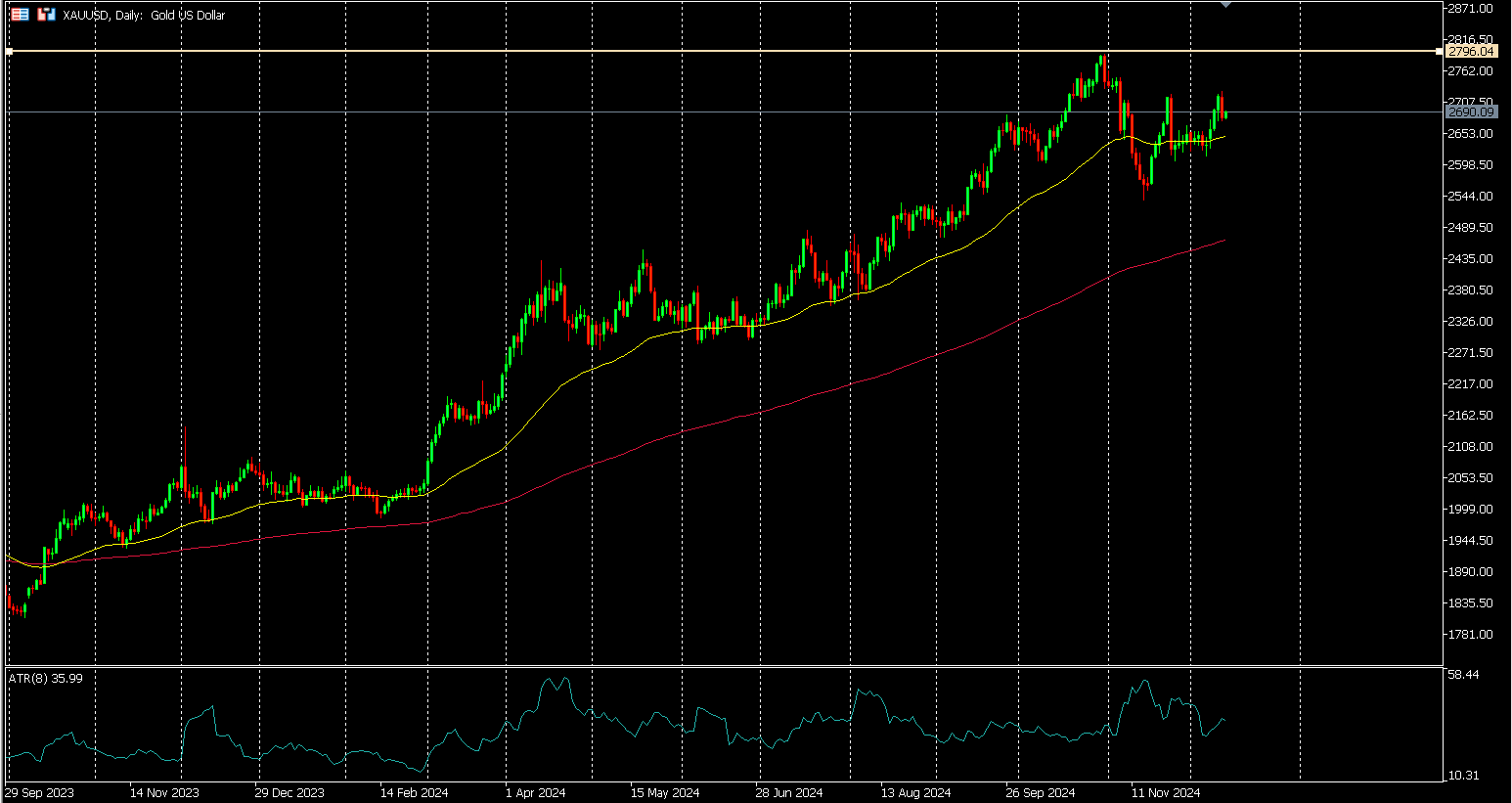
Gold Forecast 2026: What Investors Should Expect as Prices Reach Record Highs
The gold forecast for 2026 remains one of the most closely watched topics among investors, financial institutions, and precious metal buyers worldwide. After gold reached historic levels near $4,050 per troy ounce, attention has shifted toward whether prices can continue rising, stabilize, or experience short-term corrections during the remainder of the year.
The outlook for gold in 2026 is supported by several powerful market forces, including strong central bank buying, geopolitical uncertainty, inflation concerns, currency movements, and increasing demand for physical gold. Many investors continue viewing gold as a reliable store of value during periods of economic uncertainty and market volatility.
Central banks have become a major driver of the gold market, adding significant amounts of gold to their reserves as they seek greater financial stability and diversification. This ongoing demand has created strong underlying support for prices and reduced the amount of available supply in global markets.
Investor demand is also expected to remain strong in 2026. Individuals, institutions, and wealth managers are increasingly looking at 24K gold bars, bullion coins, and gold-backed investments as ways to protect purchasing power and diversify portfolios. Demand from major markets such as the United States, China, India, and the Middle East continues to influence global gold prices.
Interest rate decisions by the US Federal Reserve will remain a key factor affecting gold performance. Lower interest rates could provide additional support for gold by reducing the appeal of interest-bearing assets, while a stronger US dollar or higher rates could create temporary pressure on prices.
For buyers looking to purchase physical gold in 2026, understanding market conditions is essential. High gold prices have increased the importance of working with trusted dealers who provide verified purity, independent assay certificates, transparent pricing, secure shipping, and proper export documentation.
Whether you are investing in small gold bars, purchasing bullion for long-term wealth preservation, or sourcing larger quantities for international trade, following the gold forecast 2026 can help you make better decisions in a rapidly changing market.
Gold Price Prediction 2026: Market Outlook and Future Forecast
The gold price prediction for 2026 remains positive, with many analysts expecting gold to remain at historically high levels due to strong investor demand, central bank purchases, geopolitical uncertainty, and concerns about inflation and currency stability.
After reaching record levels near $4,050 per troy ounce in 2026, gold continues to attract attention from investors looking for a safe-haven asset that can preserve wealth during uncertain economic conditions. While short-term price movements may occur, the long-term outlook for gold remains supported by strong market fundamentals.
Factors Supporting Higher Gold Prices in 2026
Central Bank Gold Purchases
Central banks remain one of the biggest sources of gold demand. Many countries are increasing their gold reserves to diversify their holdings and reduce dependence on traditional currencies. Continued central bank buying could provide strong support for gold prices throughout 2026.
Inflation and Economic Uncertainty
Gold has historically performed well during periods of inflation and economic instability. Concerns about rising government debt, currency depreciation, and reduced purchasing power continue encouraging investors to hold physical gold.
Interest Rate Expectations
Federal Reserve interest rate decisions will remain a major influence on gold prices. If interest rates decline, gold may benefit because lower yields can increase demand for non-interest-bearing assets. However, higher rates and a stronger US dollar could create temporary pressure on prices.
Geopolitical Risks
Global conflicts, trade tensions, and political uncertainty often increase demand for gold as investors seek protection from market volatility. Continued uncertainty could support higher gold prices in 2026.
Limited Gold Supply Growth
Gold production remains constrained by high mining costs, environmental regulations, and challenges in discovering new deposits. Limited supply growth combined with strong demand may support prices over the long term.
Possible Gold Price Scenarios for 2026
| Scenario | Potential Market Outcome |
|---|---|
| Bullish Scenario | Gold continues rising as central banks buy more gold, inflation remains high, and investors increase exposure to precious metals. |
| Moderate Scenario | Gold remains near record levels as strong demand balances with interest rate and currency pressures. |
| Bearish Scenario | Gold experiences a correction if the US dollar strengthens significantly, interest rates remain high, or global economic confidence improves. |
What Gold Price Predictions Mean for Investors
For investors, the 2026 gold outlook highlights the importance of choosing the right buying strategy. Higher prices can create opportunities for long-term wealth protection, but buyers should focus on purchasing genuine gold from trusted suppliers.
Investors interested in 24K gold bars, bullion coins, and investment-grade gold products should verify purity, request assay certificates, compare market prices, and work with reputable dealers before completing a purchase.
As global demand for gold continues to grow, the future price direction will depend on the balance between central bank demand, economic conditions, interest rates, geopolitical events, and available supply.
Best Gold Products to Buy in 2026
As gold prices reach historic levels in 2026, investors are carefully choosing the right gold products based on their budget, investment goals, and long-term strategy. The best gold investment depends on whether you are looking for affordable entry into the market, wealth preservation, portfolio diversification, or large-scale bullion ownership.
Physical gold remains a preferred choice for many investors because it provides direct ownership of a tangible asset. Popular options include gold bars, investment coins, and internationally recognised bullion products.
| Gold Product | Best For | Key Benefits | Considerations |
|---|---|---|---|
| 1 oz Gold Bars | First-time investors and individual buyers | Affordable entry point, globally recognised, lower premiums than many smaller bars, easy to store and resell | Requires secure storage and buyers should verify refinery reputation |
| 100g Gold Bars | Serious investors building wealth | Lower premium per gram compared with smaller bars, efficient for long-term holding, suitable for portfolio diversification | Higher upfront cost compared with smaller gold products |
| 1kg Gold Bars | Large buyers, institutions, and high-net-worth investors | Best value per gram, ideal for significant gold holdings, recognised in international bullion markets | Requires professional storage, insurance, and secure handling |
| American Gold Eagle Coins | US investors and collectors | Government-backed coin, widely recognised, easy resale market, combines investment and collectability | Usually carries higher premiums than gold bars |
| African Gold Bars | International buyers and global investors | Access to gold-producing regions, available in various sizes, potential wholesale opportunities through licensed suppliers | Requires careful verification of dealer licensing, assay certificates, and export documentation |
| PAMP Suisse Gold Bars | Premium bullion investors | Globally recognised refinery brand, strong resale demand, tamper-evident packaging | Premiums may be higher due to brand recognition |
| Gold Krugerrand Coins | Global investors and collectors | One of the world’s most recognised gold coins, highly liquid internationally | Coin premiums can vary depending on market demand |
| Small Gold Bars (1g–10g) | Beginners and regular buyers | Allows gradual gold accumulation with smaller budgets | Higher premium per gram compared with larger bars |
Which Gold Product Is Best in 2026?
The right gold product depends on your investment objective:
- First-time investors: 1 oz gold bars and recognised gold coins offer a simple way to enter the market.
- Long-term wealth preservation: 100g and 1kg gold bars usually provide better value because of lower premiums per gram.
- US investors: American Gold Eagle coins and certified bullion bars offer strong recognition and resale opportunities.
- International buyers: African gold bars can provide access to major gold-producing regions when purchased through verified dealers with proper documentation.
What to Check Before Buying Gold in 2026
Before purchasing any gold product, investors should verify:
- Gold purity (normally 24K or 99.9% for investment bars).
- Independent assay certificates.
- Refinery or manufacturer reputation.
- Serial numbers and tamper-evident packaging where applicable.
- Dealer licensing and business reputation.
- Secure payment and insured delivery options.
With gold prices at historically high levels, choosing the right product and buying from a trusted source are essential steps for protecting your investment and maximising long-term value.
Key Drivers Shaping Gold Market Trends in 2026
Several major economic, geopolitical, and financial factors are influencing the direction of the gold market in 2026. After reaching historic highs near $4,050 per troy ounce, gold continues to attract strong interest from investors, central banks, and institutions seeking protection against inflation, currency uncertainty, and global market risks.
Geopolitical Uncertainty and Safe-Haven Demand
Geopolitical tensions remain one of the strongest drivers of gold demand in 2026. Conflicts, diplomatic instability, and concerns about global security continue to encourage investors to move capital into safe-haven assets such as gold.
During periods of uncertainty, investors often increase their exposure to physical gold, bullion funds, and gold-backed financial products as a way to preserve wealth and reduce portfolio risk. Concerns about disruptions to energy markets, international trade, and economic stability have continued to support demand for precious metals.
Inflation and Protection Against Currency Weakness
Persistent inflation concerns remain an important factor supporting gold prices. When the purchasing power of major currencies declines, investors often turn to gold because of its long history as a store of value.
Unlike fiat currencies, gold has a limited supply and cannot be created through monetary policy decisions. This makes it attractive to investors looking for protection against rising living costs, government debt concerns, and long-term currency depreciation.
US Dollar Movement and Global Gold Demand
The strength of the US dollar continues to play a major role in gold price movements. Since gold is traded internationally in US dollars, changes in the dollar’s value influence affordability for buyers around the world.
A weaker dollar can increase demand from non-US markets by making gold cheaper in local currencies. Major gold-consuming regions, including India, China, and other emerging markets, continue to influence global demand through jewellery purchases, investment demand, and private wealth preservation.
Central Bank Gold Purchases
Central bank buying remains one of the most important long-term supports for the gold market in 2026. Many central banks have increased their gold reserves as part of broader strategies to diversify foreign currency holdings and strengthen financial security.
Strong official-sector demand has created a structural source of support for gold prices. Emerging-market central banks, in particular, have continued adding gold to reserves as they seek greater independence from traditional reserve currencies.
Interest Rates and Federal Reserve Policy
Monetary policy remains a key factor affecting gold prices. Federal Reserve decisions on interest rates influence investor behaviour because higher interest rates can increase the attractiveness of income-generating assets compared with non-yielding gold.
However, expectations of future rate cuts or lower borrowing costs can support gold demand by reducing pressure from higher yields and encouraging investors to increase exposure to precious metals.
Investment Demand From ETFs and Institutional Buyers
Investor demand has strengthened as individuals and institutions seek alternatives during periods of market volatility. Gold-backed exchange-traded funds (ETFs), investment funds, and institutional portfolios continue to provide important sources of demand.
Many investors use gold as a portfolio diversification tool because it historically performs differently from stocks, bonds, and other financial assets, especially during periods of economic uncertainty.
Limited Supply and Mining Challenges
Gold supply growth remains constrained by challenges facing the mining industry. Global mine production has remained relatively stable as companies face higher exploration costs, stricter environmental regulations, and longer timelines required to develop new mining projects.
Limited new supply, combined with continued demand from investors, jewellery markets, and central banks, may provide additional support for gold prices over the long term.
What These Trends Mean for Gold Buyers and Investors in 2026
The combination of geopolitical risks, inflation concerns, central bank demand, investor interest, and supply limitations continues to shape the gold market outlook in 2026.
For buyers looking to purchase physical gold, understanding these market drivers can help with timing decisions, choosing the right investment products, and selecting reliable suppliers. Whether buying 24K gold bars, bullion coins, or other investment-grade gold products, working with verified dealers and ensuring proper documentation remains essential in a high-value global market.
Buying Gold From Africa as a US Buyer
A growing number of US-based investors, collectors, and precious metal buyers are exploring opportunities to source gold from Africa because of the continent’s rich gold-producing regions, competitive market access, and availability of investment-grade bullion. Buying directly from licensed African gold dealers can provide access to certified 24K gold bars, gold dore, and other precious metal products while allowing buyers to work closer to major mining and refining markets.
However, purchasing gold internationally requires careful due diligence. US buyers should work only with verified dealers who can provide proper documentation, including assay certificates confirming purity and weight, export permits, commercial invoices, and proof that the transaction complies with international trade regulations.
Before completing a purchase, buyers should understand how African gold transactions are structured. Legitimate suppliers typically follow a process that includes gold testing through recognized methods such as XRF analysis or fire assay, verification of ownership, government-approved export procedures, and secure transportation arrangements. These steps help protect buyers from counterfeit products, unrealistic offers, and non-compliant transactions.
African gold markets vary by country, with major producing nations such as Ghana, Uganda, Tanzania, South Africa, and the Democratic Republic of Congo offering different opportunities and regulatory frameworks. Experienced buyers evaluate the supplier’s licensing status, refinery partnerships, export history, and ability to provide transparent pricing linked to international gold market rates.
For US investors seeking physical gold, working with an established African dealer can provide access to larger gold bars, including 1 gram, 10 gram, 100 gram, 1 kilogram, and other investment sizes. Reputable suppliers also assist with international shipping arrangements, customs documentation, and delivery procedures to ensure the gold reaches the buyer securely.
The key to a successful gold purchase from Africa is choosing a trusted partner, verifying every document, and understanding the complete buying process before sending funds. With proper research and compliance checks, US buyers can access certified African gold while making informed investment decisions in the global precious metals market.
Regional Influences and Market Dynamics
Regional dynamics significantly shape gold market trends, with Asia leading consumption. India, the second-largest gold consumer, accounts for 800–900 tonnes annually, driven by cultural demand for jewelry during weddings and festivals like Diwali.
The country’s gold prices, influenced by a weaker rupee and high import duties (10%) and GST (3%), have seen a 30% year-to-date increase, reaching ₹101,962 per 10 grams for 24K, as per MCX data.
China, the top consumer, has also seen strong demand, with urban middle-class buyers favoring gold bars and digital investments amid domestic economic challenges, contributing to global price pressures.
Western markets, such as the US and Europe, contribute through investment demand, with ETFs playing a significant role in absorbing gold.
ETF inflows reached $5 billion in Q1 2025, a stark contrast to outflows in 2023, as reported by Reuters, reflecting a shift toward gold as a portfolio diversifier.
These regional variations highlight gold’s universal appeal, though price sensitivity differs based on local economic conditions, with Asia driving consumption and the West focusing on investment.
Do You Have to Declare Gold at US Customs?
Yes, gold may need to be declared when entering the United States, depending on the value, method of transportation, and how the gold is imported. Although legal investment gold such as gold bullion bars and many gold coins can be imported into the USA, travellers and businesses must follow US Customs and Border Protection (CBP) reporting requirements to avoid delays, penalties, or possible seizure.
For individuals carrying gold into the United States, CBP focuses on the total value of certain reportable assets. If the combined value of gold, cash, and other monetary instruments reaches $10,000 or more, the amount must be properly declared when entering the country. This requirement applies even when the gold has been legally purchased and is intended for personal investment, wealth preservation, or collection purposes.
When importing gold from Africa or other international markets through a dealer, the process is usually handled through secure commercial shipping channels. A reputable gold supplier should provide essential documents such as a commercial invoice, assay certificate, export permits, customs declarations, and proof of the gold’s origin. These documents help verify that the shipment is legitimate and meets international trade requirements.
Failure to properly declare reportable gold or provide accurate documentation can lead to customs delays, additional inspections, financial penalties, or temporary seizure while authorities verify the shipment. These issues can occur even when the gold itself is genuine and legally owned.
For US investors buying gold internationally, choosing a verified dealer is one of the most important steps. Professional suppliers should understand export regulations, work with secure logistics providers, and provide complete paperwork before shipping gold to the United States.
By following CBP requirements, maintaining proper documentation, and working with licensed gold dealers, buyers can import gold safely and confidently while reducing the risk of compliance problems.
Is It Legal to Import Gold Into the USA?
Yes, importing gold into the United States is generally legal for individuals, investors, and businesses. US residents can purchase and import investment gold products such as gold bars, bullion coins, and other approved precious metal products from international suppliers, provided the transaction complies with US customs, import regulations, and applicable trade laws.
Unlike some commodities, gold bullion is not generally prohibited from entering the United States. However, buyers must ensure that the gold is sourced from legitimate suppliers and that all required documentation is available. This may include invoices, certificates of authenticity, assay reports showing gold purity and weight, and export documents from the country of origin.
One of the most important factors for US buyers is verifying the country of origin and the dealer’s legal status before purchasing. Gold originating from countries subject to US sanctions, trade restrictions, or specific government controls may face import limitations or additional compliance requirements. Working with licensed gold dealers who follow international export procedures helps reduce the risk of customs delays or rejected shipments.
When importing gold from Africa or other international markets, buyers should confirm that the supplier can provide proper export documentation, secure shipping arrangements, and evidence that the gold has passed recognized testing procedures. Professional dealers typically work with established logistics providers and follow compliance requirements for international precious metals transportation.
US buyers should also understand that gold shipments may require customs declarations depending on the value, form, and method of transportation. Keeping complete transaction records, including purchase agreements, payment confirmations, and shipping documents, helps demonstrate the legitimacy of the investment.
Buying gold internationally can be a safe and legal way to diversify an investment portfolio when buyers choose verified dealers, confirm regulatory requirements, and complete proper due diligence before placing an order.
What Taxes Apply When Buying or Selling Gold in the USA?
Understanding the tax treatment of gold is important for US investors purchasing physical gold bars, coins, or other precious metal products. In general, physical gold is treated as a collectible asset for US federal tax purposes, meaning that profits from selling gold may be subject to capital gains taxes depending on the circumstances of the transaction and how long the gold was held.
When buying gold, there is usually no federal sales tax on investment-grade bullion in many situations, but state and local tax rules can vary. Some states may apply sales tax to certain gold purchases, while others provide exemptions for qualifying precious metal investments. Buyers should check the regulations in their state before completing a transaction.
For large cash purchases, gold dealers may have reporting obligations under US regulations. If a transaction meets certain requirements, the dealer may need to file IRS Form 8300, which reports large cash payments received in a trade or business. This reporting requirement does not mean the transaction is illegal or that the buyer owes tax immediately; it is a compliance measure designed to improve financial transparency.
Gold buyers should keep complete records of every purchase, including invoices, payment confirmations, assay certificates, and details showing the gold’s weight and purity. These records can help establish the original purchase price and may be needed when calculating potential capital gains if the gold is sold in the future.
For investors importing gold from Africa or other international markets, maintaining documentation is especially important. Proper records of the purchase agreement, export documents, shipping information, and customs declarations can help demonstrate the legitimacy and value of the investment.
Tax rules related to gold can vary depending on the type of gold purchased, the state where the buyer resides, and future changes in tax regulations. Buyers should consult a qualified tax professional for advice specific to their situation. Gold Dealers Africa Limited does not provide tax or legal advice.
How Is Gold Shipped Safely to the US?
Shipping gold internationally requires secure logistics, proper documentation, and trusted transportation partners. Reputable gold dealers use specialized shipping methods designed to protect high-value precious metals during transit from the exporting country to the United States.
Professional bullion suppliers typically arrange fully insured, tracked, and secure international shipments through experienced precious metals logistics providers. Depending on the shipment value and destination, this may include armored courier services, secure air freight, and specialized precious metal transportation companies. These services help reduce risks such as loss, theft, or damage while the gold is being transported.
A reliable gold dealer should provide buyers with clear shipping information before purchase, including the insurance coverage, tracking process, estimated delivery timeline, customs handling procedures, and required documentation. Buyers should understand who is responsible for the shipment at each stage and confirm that the gold is insured until it reaches the agreed delivery location.
International gold shipments normally require supporting documents such as commercial invoices, assay certificates confirming purity and weight, export permits from the country of origin, customs declarations, and proof of ownership. Proper documentation helps customs authorities verify the shipment and reduces the likelihood of delays during import clearance.
For high-value gold purchases, many professional dealers require secure payment arrangements and delivery confirmation, including signature verification when the shipment arrives. Buyers should avoid sellers who cannot explain their shipping process, provide tracking information, or confirm how the gold is protected during transportation.
Before purchasing gold from Africa or another international market, US buyers should ask the dealer:
- What shipping company will handle the delivery?
- Is the shipment fully insured during transit?
- What documents will accompany the gold?
- How long will delivery take after export approval?
- Who manages customs clearance in the United States?
Choosing a dealer with secure logistics procedures, transparent documentation, and international shipping experience helps ensure that gold arrives safely and complies with US import requirements.
Gold Investment Options and Strategies in 2026
Investors looking to benefit from gold market opportunities in 2026 have several options available, each offering different levels of risk, liquidity, cost, and potential returns. The best choice depends on an investor’s financial goals, investment timeline, risk tolerance, and whether they prefer direct ownership of physical gold or exposure through financial products.
Physical Gold: Bars, Coins, and Jewellery
Physical gold remains one of the most popular ways to invest in precious metals because it provides direct ownership of a tangible asset. Investors can purchase 24K gold bars, bullion coins, and gold jewellery from trusted dealers, refineries, and financial institutions.
Gold bars are often preferred by serious investors because they generally have lower premiums compared with jewellery and provide a closer connection to the international spot price. Popular investment sizes include 1 gram, 5 gram, 10 gram, 100 gram, and 1 kilogram gold bars.
However, physical gold also comes with additional considerations. Investors must account for storage costs, insurance, transportation, and dealer premiums. Jewellery usually carries higher premiums because the price includes design, craftsmanship, and retail margins, which can reduce investment returns compared with bullion products.
Digital Gold Investment
Digital gold allows investors to own fractional amounts of gold without physically storing bars or coins. These platforms enable investors to purchase smaller quantities while the provider manages storage and security.
The main advantage of digital gold is accessibility, allowing investors to start with smaller amounts and buy gold gradually. However, investors should carefully review platform fees, ownership structures, withdrawal options, and whether the underlying gold is fully backed by physical reserves.
Gold-Backed Government Investments
Some countries offer government-backed gold investment products designed for investors who want exposure to gold without holding physical bullion. These products may provide additional benefits, such as interest payments or tax advantages, depending on local regulations.
For example, India’s Sovereign Gold Bonds (SGBs) have historically attracted conservative investors because they combine gold price exposure with fixed interest payments. However, investors should consider factors such as maturity periods, liquidity restrictions, and government policy changes before investing.
Gold ETFs and Mutual Funds
Gold exchange-traded funds (ETFs) and mutual funds provide a convenient way to gain exposure to gold prices through financial markets. These products are traded on major exchanges and allow investors to buy and sell gold exposure without handling physical metal.
Gold ETFs are popular among institutional investors and traders because they offer:
- High liquidity
- Easy buying and selling
- No personal storage requirements
- Exposure to gold price movements
However, investors should consider management fees, tracking differences, and whether the fund is backed by physical gold or gold-related assets.
Gold Futures and Trading Contracts
Gold futures traded through major markets such as COMEX and other commodity exchanges allow investors to speculate on future gold prices. These instruments can provide significant opportunities but also involve higher risks due to leverage and margin reures are generally more suitable for experienced traders who understand market volatility and risk management strategies.quirements.
Because price movements can create large gains or losses quickly, gold fut
Choosing the Right Gold Investment Strategy
The best gold investment approach depends on individual objectives:
- Long-term wealth protection: Physical gold bars and coins may suit investors seeking direct ownership.
- Portfolio diversification: Gold ETFs can provide convenient exposure without storage responsibilities.
- Small or regular investments: Digital gold may allow gradual accumulation.
- Active trading: Futures may appeal to experienced investors comfortable with higher risk.
Many investors choose a diversified approach by combining physical gold with financial gold products. Holding different forms of gold can provide a balance between security, liquidity, and growth potential while supporting long-term wealth preservation goals.
Before investing, buyers should research the product, verify the provider, understand all costs involved, and consider professional financial advice based on their personal circumstances.
Gold Market Future Outlook and Projections 2026
Looking ahead, the gold market outlook for 2026 remains strongly supported by investor demand, central bank purchases, geopolitical uncertainty, and expectations surrounding global interest rates. After reaching historic highs near $4,050 per troy ounce in 2026, gold continues to attract attention from investors seeking protection against inflation, currency risks, and economic uncertainty.
Several major financial institutions expect gold prices to remain elevated throughout 2026. Bullish forecasts are supported by continued central bank accumulation, strong demand from gold-backed exchange-traded funds (ETFs), increased interest from Asian markets, and expectations that monetary policy changes could support precious metals. Some analysts believe gold could continue moving higher if geopolitical tensions, inflation concerns, and currency volatility persist.
The strongest price scenarios are based on several key drivers:
Continued Central Bank Gold Buying
Central banks around the world have increased gold purchases as they diversify reserves and reduce dependence on traditional currencies. Strong official-sector demand has become one of the most important factors supporting gold prices and may continue to provide a long-term price foundation.
Interest Rates and US Dollar Movement
Federal Reserve interest rate decisions will remain a major influence on gold prices in 2026. Lower interest rates could support gold by reducing the opportunity cost of holding non-yielding assets. However, a stronger US dollar or tighter monetary policy could limit gains and create short-term price corrections.
Geopolitical Risks and Safe-Haven Demand
Ongoing geopolitical tensions, financial market uncertainty, and concerns about global economic stability continue to increase demand for safe-haven assets. During periods of uncertainty, investors often turn to physical gold, bullion funds, and gold-backed investments to preserve wealth.
Growing Demand From Investors and Emerging Markets
Demand from major gold markets, including China, India, and other emerging economies, is expected to influence prices throughout 2026. Jewellery demand, investment purchases, and central bank accumulation will continue shaping global gold consumption.
Potential Risks to Gold Prices in 2026
Although the long-term outlook remains positive, several factors could slow gold’s rise. A stronger US dollar, higher-than-expected interest rates, improving economic conditions, or reduced investor concerns could temporarily reduce demand for gold.
Market corrections are also possible after strong price increases, as some investors may take profits. However, many analysts believe structural factors such as inflation concerns, government debt levels, and central bank buying will continue supporting gold over the long term.
Long-Term Gold Price Outlook
Beyond 2026, many analysts expect gold to remain an important asset for wealth preservation. Some long-term forecasts suggest gold prices could reach significantly higher levels over the coming decades due to increasing investment demand, limited new mine supply, and continued central bank accumulation.
Future developments in the gold industry may also influence prices, including technological innovations in gold trading, improved supply-chain transparency, responsible mining requirements, and environmental regulations that could affect future mine production.
For investors, the 2026 gold market outlook highlights the importance of understanding price trends, choosing trusted suppliers, and buying verified physical gold products. Whether purchasing small gold bars or larger bullion investments, careful research and proper verification remain essential in a changing global gold market.
Gold Price Comparison: USA vs Other Major Gold Markets in 2026
Gold is traded globally based on the international spot price, but the final price buyers pay can vary between countries due to dealer premiums, taxes, currency exchange rates, import costs, local demand, and availability of bullion products. Comparing gold prices across major markets helps investors understand where they may find competitive opportunities and what factors influence the final purchase price.
| Gold Market Comparison | Why Investors Compare | Key Factors Affecting Prices |
|---|---|---|
| USA vs Dubai Gold Price | Popular comparison for buyers searching for affordable gold and international bullion opportunities | Dubai is known for its large gold trading market, competitive dealer margins, and strong jewellery demand. US buyers compare prices to evaluate premiums, taxes, and availability of investment bars. |
| USA vs Canada Gold Price | Important comparison for North American investors | Both markets follow international gold prices, but differences may occur due to currency exchange rates, dealer premiums, shipping costs, and local demand. |
| USA vs UK Gold Price | Common comparison among global investors and bullion buyers | UK investors often compare London’s role as a major gold trading centre with US bullion markets, including differences in premiums and investment products. |
| USA vs Switzerland Gold Price | Popular among high-value bullion investors | Switzerland is a major refining and storage hub with internationally recognised refineries, while US buyers compare access, certification, and storage options. |
| USA vs Africa Gold Price | Growing interest among investors seeking gold-producing regions | African markets may provide access to gold closer to mining sources, but buyers must verify licensing, export compliance, assay certificates, and secure shipping arrangements. |
Why Gold Prices Differ Between Countries
Although gold has a global market price, the amount a buyer pays can differ depending on several factors:
Dealer Premiums
Gold dealers add premiums above the international spot price to cover refining, certification, transportation, storage, and operating costs. Premiums may vary depending on the size of the gold bar and the seller.
Taxes and Import Regulations
Some countries apply taxes, duties, or reporting requirements that can affect the final purchase price. Investment-grade gold may receive different treatment depending on local regulations.
Currency Exchange Rates
Because gold is mainly priced in US dollars, exchange rate movements can affect how buyers in different countries experience price changes.
Market Demand
Major gold markets such as the USA, Dubai, Switzerland, China, and India have different levels of investor and jewellery demand, which can influence local premiums.
Availability of Certified Bullion
Markets with established refineries, vaulting services, and bullion dealers may offer a wider selection of recognised products such as PAMP Suisse, Credit Suisse, Perth Mint, Rand Refinery, and other internationally recognised gold bars.
USA Gold Buyers: What Matters More Than Price
While comparing international gold prices can help investors understand market differences, the cheapest advertised price is not always the best option. US buyers should also consider:
- Gold purity and authenticity verification.
- Independent assay certificates.
- Dealer reputation and licensing.
- Secure shipping and insurance.
- Export and import documentation.
- Buyback options after purchase.
For investors purchasing physical gold in 2026, the safest approach is to compare both price and trust factors. A properly documented gold bar from a verified supplier provides greater long-term value than an unusually cheap offer with unclear origin or limited documentation.
How Do You Verify Gold Is Genuine Before Buying?
Verifying the authenticity of gold is one of the most important steps for any investor purchasing gold internationally. Before completing a transaction, buyers should confirm the gold’s purity, weight, ownership, and documentation to reduce the risk of counterfeit products, inaccurate claims, or fraudulent sellers.
A reputable gold supplier should provide an independent third-party assay certificate confirming important details such as the gold’s purity level, weight, and testing results. Buyers should be cautious of relying only on certificates issued by the seller themselves, as independent verification from recognized laboratories, refineries, or accredited assayers provides stronger confidence.
US buyers purchasing gold from Africa should also verify that the dealer is legally authorized to trade and export gold. Request the supplier’s mining license, gold trading license, or export license number where applicable, and confirm that the company operates through the proper regulatory channels in its country of origin.
For investment-grade bullion, buyers should consider purchasing serial-numbered gold bars with tamper-evident packaging from recognized refiners. These products are easier to authenticate and resell because they include identifying information linked to the refinery, weight, and purity.
Additional verification steps include:
- Confirming the dealer’s business registration and reputation.
- Checking whether the gold has been tested using recognized methods such as X-ray fluorescence (XRF) analysis or fire assay.
- Reviewing transaction documents, including invoices, assay reports, and export paperwork.
- Avoiding sellers offering gold at prices significantly below international market rates.
- Using secure payment methods with clear transaction records.
A legitimate gold transaction should always include transparency from the supplier. Before sending payment, buyers should understand where the gold comes from, how it was tested, what documentation is provided, and how delivery will be completed.
Ready to buy? See our guide to buying African gold bars online in the USA