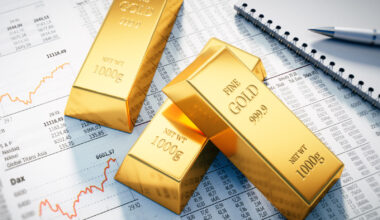
Top 10 Gold Exporting Countries in Africa |2026 Buyers Guide
Ghana, South Africa, Sudan, Mali, Burkina Faso, Tanzania, the Democratic Republic of Congo (DRC), Uganda, Ethiopia, and Zimbabwe are among Africa’s important gold-producing and gold-trading markets. However, the best country for buying or exporting gold depends on more than production volume. Licensing requirements, export regulations, taxes and royalties, refinery access, gold purity, logistics, payment procedures, and the ability to independently verify the supplier can significantly affect the safety and cost of a transaction.
For international gold buyers, investors, refiners, and wholesale dealers, choosing the right African gold market is only the first step. You also need to know where to source legitimate gold, how to verify a gold dealer, what documents are required for export, how gold is assayed, what fees may apply, and how to avoid gold trading scams in Africa. This 2026 guide compares major gold-exporting countries in Africa and explains the legal export process, pricing considerations, documentation, and due-diligence steps buyers should understand before committing funds.
Gold Dealers Africa Limited helps international buyers and commercial clients explore gold sourcing opportunities across African markets while focusing on supplier verification, transaction due diligence, documentation, and secure export coordination. Whether you are looking for 24K gold bars, gold dore, raw gold, investment gold, or wholesale African gold, our team can help you understand the sourcing and export requirements before you proceed.
Looking to Buy Gold from Africa?
Do not send money to an unknown gold seller based on a WhatsApp conversation, certificate, or unusually cheap offer. Contact Gold Dealers Africa Limited before you commit funds. Tell us the country you want to source from, the quantity and purity you require, and your destination, and we can help you understand the appropriate verification, documentation, and export steps for your proposed gold transaction.
Start your gold sourcing inquiry today with Gold Dealers Africa Limited and take the next step toward a properly verified African gold transaction.
Current Gold Prices in Africa
Gold prices across Africa generally track the international spot price, while the actual price offered by dealers can vary according to purity, location, assay results, taxes, premiums, exchange rates, and transaction size.
| Gold Purity | 1g | 10g | 100g | 1kg |
| 24K (99.99%) | $140.00 | $1,400 | $14,000 | $140,000 |
| 22K (91.67%) | $128.34 | $1,283.38 | $12,833.80 | $128,338 |
| 18K (75.00%) | $105.00 | $1,050 | $10,500 | $105,000 |
Reference: approximately $4,355.70 per troy ounce on August 10, 2026. Calculated prices are indicative metal values; actual dealer quotations may differ because of premiums, refining/assay costs, taxes, currency conversion, and local market conditions.
Looking to buy or sell gold in Africa? Gold Dealers Africa can help buyers connect with verified gold dealers and understand current market pricing, documentation, and transaction requirements. Contact Gold Dealers Africa before sending payment or committing to a gold transaction.
Top 10 Best Countries in Africa for Gold Export Business
1 Ghana
Why it’s a top gold exporter: Ghana is Africa’s leading gold producer, with well-established mining companies and refineries.
Key cities: Accra, Tarkwa, Obuasi
- Regulations: A license from the Precious Minerals Marketing Company (PMMC) is required.
2 South Africa
- Why it’s a top gold exporter: Home to some of the world’s largest gold mines and refineries.
- Key cities: Johannesburg, Cape Town
- Regulations: Gold exports must comply with South African Reserve Bank rules.
3 Sudan
- Why it’s a top gold exporter: Sudan has recently become one of Africa’s biggest gold producers.
Key cities. Khartoum, Darfur
- Regulations: Government involvement in gold trade is high—exporters must work with licensed dealers.
4 Mali
- Why it’s a top gold exporter: Strong mining industry and government-supported gold trade.
Key cities. Bamako, Sikasso
- Regulations: Exporters need authorization from the Malian Ministry of Mines.
5 Burkina Faso
- Why it’s a top gold exporter: A major producer in West Africa with a strong mining industry.
Key cities Ouagadougou, Bobo-Dioulasso
- Regulations: Strict export documentation requirements.
6 Democratic Republic of Congo (DRC)
- Why it’s a top gold exporter: Has vast untapped gold reserves but requires due diligence.
- Key cities: Kinshasa, Ituri
- Regulations: Exporters must ensure compliance with conflict-free gold regulations.
7 Tanzania
- Why it’s a top gold exporter: Well-regulated gold mining sector with growing exports.
- Key cities: Dar es Salaam, Geita
- Regulations: All gold exports must go through the Tanzania Mineral Audit Agency (TMAA).
8 Ethiopia
- Why it’s a top gold exporter: Increasing gold production and government support for exporters.
Key cities: Addis Ababa, Oromia
- Regulations: Exports require the National Bank of Ethiopia’s approval.
9 Uganda
- Why it’s a top gold exporter: A key transit hub for gold exports from neighboring countries.
Key cities: Kampala, Entebbe
- Regulations: Requires licenses from the Uganda Directorate of Geological Survey and Mines.
10 Kenya
- Why it’s a top gold exporter: A growing market with strong investment in gold trade.
Key cities: Nairobi, Migori
- Regulations: Exporters must work with licensed gold traders and follow government export procedures.
Comparison Table for Gold Exporting Countries in Africa [2026]
The African gold market in 2026 includes major producing and exporting countries such as Ghana, South Africa, Tanzania, Mali, Burkina Faso, Sudan, the Democratic Republic of Congo, Zimbabwe, Uganda, Ethiopia and Kenya. However, gold production is not the same as gold exports. Production figures show how much gold is mined, while export data reflects how much gold legally leaves a country through regulated channels.
Because complete 2026 mine-production statistics are not available on a consistent basis across all African countries, this table uses the latest authoritative production data available for each market and separately reflects the 2026 regulatory and buyer considerations. Production figures should therefore not be interpreted as confirmed full-year 2026 output.
| Country | Latest Reported Gold Production | 2026 Export & Regulatory Framework | Major Gold / Trading Hubs | 2026 Buyer Considerations |
|---|---|---|---|---|
| Ghana | Latest authoritative estimate | Ghana’s current gold-sector regulatory and export framework | Accra, Kumasi and major mining areas | Verify the seller’s current authorization, gold origin, assay, taxes and export documentation |
| South Africa | Latest authoritative estimate | South African mining, precious-metals and applicable export regulations | Johannesburg, Germiston, Cape Town | Major refining infrastructure; verify exporter status, origin, assay and export requirements |
| Sudan | Latest authoritative estimate | Applicable Sudanese mining, gold-trading and export requirements | Khartoum and regional gold markets | Conduct enhanced security, sanctions, origin and counterparty due diligence |
| Mali | Latest authoritative estimate | Ministry of Mines and applicable mining and export requirements | Bamako and major mining regions | Verify exporter authorization, origin, assay, taxes and royalties |
| Burkina Faso | Latest authoritative estimate | Applicable mining and precious-metals regulations | Ouagadougou and major mining areas | Carefully assess security, responsible sourcing and supplier credentials |
| DRC | Latest authoritative estimate | Ministry of Mines and applicable mineral-trading, traceability and export requirements | Kinshasa and eastern trading centres | Verify origin, traceability, exporter authorization and responsible-sourcing documentation |
| Tanzania | Latest authoritative estimate | Mining Commission, Ministry of Minerals and applicable export requirements | Dar es Salaam, Mwanza and Geita | Verify dealer/export authorization, assay, royalties, taxes and export documents |
| Zimbabwe | Latest authoritative estimate | Government-regulated gold purchasing and export framework | Harare and major mining regions | Confirm the legally authorized gold purchasing and export route |
| Côte d’Ivoire | Latest authoritative estimate | Applicable mining and precious-metals export framework | Abidjan and major mining areas | Verify exporter authorization, origin, assay and export documentation |
| Guinea | Latest authoritative estimate | Ministry of Mines and Geology and applicable export requirements | Conakry and Upper Guinea | Verify licensed exporter status, gold origin, assay and applicable fees |
| Ethiopia | Latest authoritative estimate | Applicable Ethiopian mining, export and foreign-exchange requirements | Addis Ababa and producing regions | Verify current exporter/dealer authorization and official documentation |
| Uganda | Latest authoritative estimate | Ministry of Energy and Mineral Development and applicable mining/export requirements | Kampala, Entebbe and producing regions | Verify dealer/export authorization, gold origin, assay and export documentation |
| Kenya | Latest authoritative estimate | Applicable Kenyan mining and mineral-export requirements | Nairobi and western gold-producing areas | Verify dealer authorization, gold origin, assay and applicable export requirements |
Gold Production vs Gold Exports in 2026
A country’s gold-production figure does not represent the quantity of gold that an international buyer can automatically purchase and export. Gold may be sold domestically, refined locally, held within the financial system, exported by authorized companies, or subject to specific government purchasing arrangements.
For example, a country can rank highly for gold production while having strict rules governing who may purchase, refine or export that gold. An international buyer should therefore evaluate the legal export route, supplier authorization, gold origin, assay, taxes, royalties, customs requirements and logistics rather than selecting a country solely because it appears high on a production ranking.
2026 Gold Buyer Safety Check
Before paying an African gold supplier in 2026, verify that the company is legally identifiable and authorized to conduct the proposed transaction. Confirm the origin and purity of the gold, independently verify assay documentation, check that the payment beneficiary corresponds with the legitimate contracting party, and confirm the applicable export and customs requirements.
A certificate, company website, WhatsApp account or unusually cheap price should not be treated as proof that a gold transaction is legitimate.
Best African Gold Markets for International Buyers in 2026
There is no single African country that is automatically the best destination for every international gold buyer. Ghana and South Africa offer substantial gold-sector infrastructure, while Tanzania, Mali, Zimbabwe, Burkina Faso, the DRC, Uganda and other markets have their own sourcing opportunities and regulatory requirements.
The most suitable market depends on the quantity and purity required, the origin of the gold, the supplier’s authorization, assay and refining arrangements, destination country, applicable taxes and duties, shipping requirements and payment structure.
Gold Dealers Africa Limited helps international buyers understand African gold sourcing, supplier verification, documentation and export requirements. If you are looking to purchase gold from Africa in 2026, contact Gold Dealers Africa Limited before sending funds to an unfamiliar supplier so you can establish the appropriate verification and transaction requirements for your proposed purchase.
HOW TO CONNECT WITH VERIFIED AFRICAN GOLD SUPPLIERS
- Use Licensed Gold Marketplaces and Exchanges
Online platforms like the African Gold Refinery, DMCC (Dubai Multi Commodities Centre), or Uganda Gold Market often list licensed and verified African gold suppliers. These platforms work under international compliance standards, so they conduct due diligence and KYC (Know Your Customer) checks on listed sellers.
Tip: Always request to see government-issued export licenses and assay reports when dealing with suppliers listed on these platforms.
- Attend Gold and Mining Trade Shows in Africa
Trade expos such as the Mining Indaba in South Africa or Kenya Mining Week offer the chance to meet legitimate gold producers and exporters face-to-face. These events attract certified suppliers, mining companies, and government officials.
Tip: Verify a supplier’s company registration and licensing status before any deal. Cross-check with the host country’s mining ministry.
- Work with Government-Registered Exporters
Most African countries require gold exporters to be registered and licensed through a government mining or minerals authority. You can directly request a list of verified exporters from:
- Ministry of Mines (e.g., Ghana, Tanzania, DRC)
- Chamber of Mines
- Customs and Excise departments
Tip: Use official government emails or websites to validate these exporters; don’t rely on random LinkedIn contacts or WhatsApp introductions.
4. Partner with Local Gold Buying Agencies or Refiners
Reputable gold buying centers and local refiners often act as intermediaries between buyers and small-scale miners. Agencies like:
- Gold Buyers Africa
- Gold prices in Africa
- Rand Refinery (South Africa)
Have established supply chains and can guarantee the source and purity of gold.
Tip: Request verifiable documentation: refinery certificates, proof of funds, and export documentation (FCO, preform invoice, etc.)
- Hire a Gold Trade Consultant or Due Diligence Firm
Engaging a local gold trade consultant or legal firm experienced in African gold transactions is crucial. These professionals can:
- Verify supplier documents
- Conduct background checks
- Arrange secure in-country visits
- Ensure compliance with anti-fraud and anti-money laundering laws
Tip: Look for consultants with a proven track record and references. They often charge a fee, but can save you from scams or fake suppliers.
Note. Due to the high risk of fraud in African gold trade, always conduct third-party verification and never send money without proper legal protection and documentation (e.g., SPA, Sale and Purchase Agreement).
Gold-Producing Countries vs Gold-Exporting Countries in Africa
Gold production and gold exports are not the same thing. A country may produce large quantities of gold but have a highly regulated export system, limited access for foreign buyers, significant domestic refining requirements, or restrictions on who can legally purchase and export gold. Conversely, a country can function as an important gold-exporting or trading hub because it has established refineries, airports, financial infrastructure, licensed dealers, and international logistics even when much of the gold originated elsewhere.
For international buyers, this distinction matters because the largest gold-producing country is not necessarily the best country from which to buy or export gold. Buyers should consider production, legal ownership of the gold, licensing, assay facilities, export procedures, taxes and royalties, refinery access, transportation, payment arrangements, and supplier verification before selecting a sourcing market.
Top Gold-Producing Countries in Africa
Africa’s major gold-producing markets include Ghana, South Africa, Mali, Burkina Faso, Sudan, Tanzania, Zimbabwe, the Democratic Republic of Congo, Guinea, and Côte d’Ivoire. Production figures can change from year to year because of mine expansions, operational disruptions, security conditions, artisanal production, and differences in how individual countries report gold output.
| Country | Recent Production Estimate* | Major Mining Regions | Major Mines / Operations | Export Significance |
| Ghana | 130–150 tones/year | Ashanti, Western, Western North, Eastern | Obuasi, Ahafo, Tarkwa, Akyem | Major African gold-export market with established government-regulated trading and export structures |
| South Africa | 90–100 tones/year | Gauteng, Free State, North West | South Deep and major Witwatersrand operations | Major refining and bullion market with internationally recognized refining infrastructure |
| Mali | 60–70 tones/year | Kayes, Sikasso | Loulo-Gounkoto, Fekola, Morila | Significant producer and exporter, with government involvement in the gold sector |
| Burkina Faso | 50–60+ tones/year | Sahel, Centre-Nord, Est, Sud-Ouest | Essakane, Houndé, Bomboré | Important producer, but security and regulatory conditions require careful due diligence |
| Sudan | Production estimates vary significantly | Red Sea, River Nile, Northern and other gold-producing states | Large artisanal and industrial operations | Important gold market, but buyers face heightened regulatory, security, sanctions and due-diligence considerations |
| Tanzania | 50–60 tones/year | Geita, Shinyanga, Mara | Geita, Bulyanhulu, North Mara | Important producer with established mining and export infrastructure |
| Zimbabwe | 30–40 tones/year | Midlands, Matabeleland, Mashonaland | Blanket and numerous smaller operations | Significant producer with a tightly regulated gold purchasing and export system |
| DRC | Official figures vary; artisanal production is substantial | Ituri, South Kivu, North Kivu, Maniema, Haut-Uélé | Kibali and numerous artisanal operations | Important source market, but traceability, security and responsible-sourcing checks are particularly important |
| Guinea | 50+ tones/year | Upper Guinea, Kankan, Siguiri | Siguiri and other operations | Important West African producer and export market |
| Côte d’Ivoire | 50+ tones/year | Savanes, Worodougou, Zanzan and other regions | Ity, Tongon, Yaouré | Growing producer and established regional gold-export market |
Production figures are indicative recent ranges rather than a single definitive 2026 ranking. Gold output varies by reporting year and source, and artisanal production may not be fully captured in official statistics. For publication, cite the latest available national statistics, World Gold Council data, USGS estimates, or other authoritative sources for the specific year being discussed.
Major Gold-Exporting Markets in Africa
Gold-exporting markets require a different analysis from gold-producing countries. The important question for an international buyer is not simply how much gold a country produces, but how gold can legally move from the country to an overseas buyer.
Export structures differ considerably. Some countries have government-controlled purchasing systems, while others allow licensed private dealers, mining companies, refiners, or approved exporters to participate in international transactions. Buyers should therefore verify the current licensing framework before entering into a contract.
| Country | Export Structure | Licensing / Regulatory Authority | Refinery / Assay Infrastructure | Major Trading Hub | Buyer Considerations |
| Ghana | Regulated gold purchasing and export framework involving authorized market participants | Relevant Ghanaian minerals and gold-sector authorities, including the current government gold-trading framework | Gold Coast Refinery and other assay/refining facilities | Accra | Verify the seller’s current authorization, gold origin, assay, taxes, and export documentation |
| South Africa | Mining companies, dealers, refiners and authorized exporters operate within a regulated framework | Department of Mineral and Petroleum Resources and other applicable authorities | Rand Refinery and established assay infrastructure | Johannesburg | Strong refining infrastructure, but buyers must verify the seller, origin, documentation and applicable export controls |
| Tanzania | Licensed dealers and mining-sector participants operate through regulated mineral trading and export channels | Ministry of Minerals and Mining Commission | Mineral markets, assay laboratories and refinery infrastructure | Dar es Salaam, Mwanza | Confirm dealer licensing, export documentation, royalties, taxes and assay requirements |
| Uganda | Licensed mineral dealers and exporters operate under the national mining regulatory framework | Directorate of Geological Survey and Mines / Ministry of Energy and Mineral Development | Kampala and other licensed assay/refining facilities | Kampala / Entebbe | Verify dealer and exporter authorization, source of gold, assay, export documentation and applicable fees |
| Zimbabwe | Gold purchasing and export is highly regulated, with Fidelity-related structures playing a central role | Ministry of Mines and Mining Development and applicable gold-sector authorities | Fidelity Gold Refinery and assay infrastructure | Harare | Buyers should confirm the authorized purchasing/export route before arranging a transaction |
| Mali | Mining companies, licensed buyers and government-regulated channels participate in gold exports | Ministry responsible for Mines and applicable regulatory authorities | Bamako and mining-sector assay facilities | Bamako | Verify exporter authorization, origin, taxes, royalties and current export rules |
| Burkina Faso | Gold exports operate under government mining and precious-metals regulations | Ministry responsible for Mines and relevant authorities | Ouagadougou and approved assay/trading facilities | Ouagadougou | Security, responsible sourcing, supplier verification and current export requirements require particular attention |
| DRC | Industrial and artisanal gold moves through regulated and informal channels, depending on origin | Ministry of Mines, SAEMAPE and other applicable authorities | Regional assay and trading infrastructure varies considerably | Kinshasa and eastern trading centers | Traceability, responsible sourcing, security, origin and export authorization are critical |
| Sudan | Gold is traded through government-regulated and other market channels | Relevant Sudanese mining and mineral authorities | Khartoum and other gold-market infrastructure varies | Khartoum and other regional centers | Conduct enhanced sanctions, security, origin and counterparty due diligence before any transaction |
| Guinea | Licensed exporters, mining companies and regulated gold-trading participants operate within the national framework | Ministry of Mines and Geology and applicable authorities | Conakry and regional assay/trading facilities | Conakry | Confirm exporter authorization, gold origin, assay, taxes and export requirements |
Which African Country Is Best for Buying Gold?
There is no single African country that is automatically the best destination for every international gold buyer. Ghana may be attractive because of its significant production and established gold market, South Africa has major refining and bullion infrastructure, Tanzania has an established mineral trading sector, and Uganda can be relevant for regional sourcing. Other producing countries may offer substantial gold supply but require additional due diligence because of regulatory, security, traceability, or logistics considerations.
The right market depends on what you are buying, how much gold you require, where the gold originated, where it will be refined, your destination country, and whether the supplier can legally export the material. Before agreeing to a transaction, buyers should verify the supplier’s legal identity, applicable license, assay results, gold origin, export documentation, taxes, and payment arrangements.
Gold production tells you where gold is mined. Gold-export infrastructure tells you how that gold can legally reach an international buyer. Understanding both is essential before choosing an African gold supplier.
How to Buy Gold From Africa Safely in 2026
Buying gold from Africa can provide access to major producing and trading markets, but an international buyer should never treat a low price, a gold certificate, or a supplier’s online presence as proof that a transaction is legitimate. A safe gold purchase requires verification of the country, supplier, gold origin, purity, documentation, export process, destination-country requirements, logistics and payment structure before substantial funds are released.
Whether you are buying gold bars, gold dore, refined 24K gold, raw gold or wholesale quantities, the following process can help reduce the risk of fraud, regulatory problems and financial loss.
Step 1: Identify the Producing or Exporting Country
Start by identifying where the gold actually comes from and where the transaction will be legally exported. These are not always the same country. Gold may be mined in one country, transported to another for refining or trading, and then exported through a different jurisdiction.
For example, an international buyer researching how to buy gold from Africa may consider markets such as Ghana, South Africa, Tanzania, Mali, Uganda, Zimbabwe or the DRC. However, each country has different rules governing mining, mineral trading, gold purchasing, refining and exports.
Before selecting a country, investigate its current 2026 requirements for mineral dealers, exporters, royalties, taxes, assay procedures and customs documentation. Do not select a supplier simply because the seller claims that a particular African country offers gold at a large discount to the international market.
Step 2: Verify the Supplier’s Legal Registration and Authorization
Once you have identified the country and potential supplier, verify that the company legally exists and is authorized to conduct the type of gold transaction being proposed.
Request the company’s registered legal name, registration information, physical business address, applicable mineral-trading or dealer authorization, export authorization where required, tax information and the identity of the authorized representative signing the transaction.
The company name should be consistent across the registration documents, contract, invoice, bank account and export paperwork. If a seller asks you to pay a personal bank account or an unrelated third-party company, stop and investigate before transferring money.
A website, WhatsApp account, business card or social-media profile is not sufficient evidence that a gold dealer is legitimate. Verify the company independently through official or trusted sources.
Step 3: Request an Independent Gold Assay
Never rely exclusively on a gold purity certificate supplied by the seller. The gold should be tested through an appropriate independent assay process, particularly when the transaction involves a substantial quantity or high-value bars.
An assay can help establish the gold’s purity and, depending on the testing method, other characteristics relevant to valuation. Buyers should verify the laboratory or refinery independently and ensure that the test results correspond with the actual gold being purchased.
For larger transactions, consider arranging an independent inspection or assay before final payment. The objective is to ensure that the gold described in the contract is the same gold that has actually been tested.
Step 4: Verify the Gold’s Origin and Chain of Custody
Purity is only one part of due diligence. An international buyer should also establish where the gold came from and how it moved through the supply chain before reaching the seller.
Ask for documentation supporting the gold’s origin, including applicable mining, purchasing, trading, transportation, refining and export records. The precise documentation will depend on the country, source and type of gold.
This is particularly important when purchasing artisanal or small-scale mining gold. Buyers should consider whether the gold can be traced to a legitimate source and whether the transaction creates responsible-sourcing, sanctions, conflict-financing or other compliance concerns.
A seller who cannot provide a credible explanation of where the gold originated should be treated cautiously, regardless of how attractive the price appears.
Step 5: Review the Commercial Invoice, Sale Agreement and Export Documentation
Before payment, make sure the transaction is documented in a proper commercial agreement. The sale agreement should clearly identify the buyer and seller, quantity, purity, price, currency, delivery terms, inspection arrangements, payment conditions, responsibilities for taxes and fees, and procedures for resolving disputes.
The commercial invoice should correspond with the underlying agreement and identify the goods accurately. Depending on the transaction, export documentation may include customs declarations, applicable mineral export documentation, certificates or permits, assay reports, certificates of origin and shipping documents.
Do not accept vague paperwork that simply states that “gold is available.” The documents should form a consistent transaction record from the supplier to the buyer and from the source of the gold through the export process.
Step 6: Confirm Your Destination Country’s Import Requirements
Buying gold legally in an African exporting country does not automatically mean that you can import it without additional requirements in your destination country.
Before shipment, contact the appropriate customs, tax, financial or precious-metals authorities in the destination country and establish what documentation and declarations are required. Depending on the destination, requirements can involve customs classification, import declarations, duties or taxes, anti-money-laundering controls, beneficial-owner information, reporting requirements and documentation proving the origin and value of the gold.
The buyer should determine these requirements before the gold leaves Africa, rather than discovering an import problem after the shipment reaches the destination airport.
Step 7: Use Secure Logistics and Appropriate Insurance
High-value gold should not be shipped through an ordinary delivery arrangement without proper security and insurance. International buyers should use an experienced precious-metals logistics provider capable of handling valuable cargo and the applicable customs and security requirements.
Depending on the transaction, specialized providers such as Brink’s, Malca-Amit or other appropriately licensed secure logistics companies may be considered. The actual provider should be selected according to the route, shipment value, insurance terms and destination-country requirements.
The buyer should also understand whether the agreed price is based on FOB, CIF, CIP or another delivery term, because the chosen Incoterm determines important responsibilities for transportation, insurance, risk and costs.
Step 8: Release Payment According to a Documented Transaction Structure
Payment should be the final stage of a properly documented transaction rather than the first step. Avoid sending large sums simply because a seller claims that the gold will disappear if payment is delayed.
The payment structure should clearly state when funds are released and what conditions must be satisfied. Depending on the transaction, commercial parties may use mechanisms such as bank transfers under agreed contractual conditions, letters of credit, escrow arrangements or other professionally structured payment methods.
The beneficiary should correspond with the legitimate contracting party unless there is a documented and independently verified reason for another arrangement. Any last-minute change to bank details should be treated as a potential fraud risk and independently confirmed.
How Much Gold Can You Safely Buy From Africa?
There is no universal minimum or maximum quantity that makes a transaction safe. The appropriate transaction size depends on the buyer’s experience, available compliance procedures, supplier credentials, assay arrangements, financing, export requirements and destination-country regulations.
For a first transaction, buyers should prioritize verification and documentation over transaction size. A smaller properly verified transaction is generally preferable to sending a large payment to an unfamiliar supplier because the seller promises a substantial discount.
Buy Gold From Africa With Proper Due Diligence
The safest approach to buying gold from Africa in 2026 is to treat the transaction as a regulated international commodity purchase rather than a simple private sale. Verify the supplier, authorization, gold purity, origin, documentation, export route, destination-country requirements, logistics and payment structure before committing substantial funds.
Gold Dealers Africa Limited helps international buyers understand African gold sourcing opportunities, supplier verification, transaction documentation and export requirements. If you are looking to buy gold from Africa in 2026, contact Gold Dealers Africa Limited with your required gold type, purity, quantity, source country and destination before sending funds to an unfamiliar supplier.
Ghana Gold Export
Ghana is one of Africa’s most important gold-producing and gold-trading markets, making it a high-interest destination for international buyers searching for Ghana gold exporters, gold suppliers in Ghana, Ghana gold dealers, and how to buy gold from Ghana. Buyers should understand that producing gold and legally exporting gold are separate matters. A legitimate transaction requires verification of the supplier’s current legal status, the applicable gold-trading authorization, the origin and purity of the gold, assay documentation, taxes, and export requirements.
International buyers should request a complete commercial transaction file before making a substantial payment. This may include the seller’s company information, applicable authorization, assay report, commercial invoice, sale agreement, and export documentation. Buyers should also verify the current Ghanaian gold-export framework because regulations and government gold-sector arrangements can change.
Looking to buy gold from Ghana? Gold Dealers Africa Limited can help international buyers understand supplier verification, documentation and the appropriate export process.
Uganda Gold Export
Uganda is an increasingly relevant regional gold market for buyers searching for Uganda gold exporters, gold suppliers in Uganda, Uganda gold dealers, and how to buy gold from Uganda. The country has gold production and an active mineral-trading sector, but buyers should verify the legal source of the gold and the current authorization of any dealer or exporter before entering a transaction.
A safe Uganda gold purchase should include verification of the supplier’s legal identity, applicable mineral-trading or export authorization, gold origin, assay results, commercial documentation and export requirements. Buyers should also confirm the applicable taxes, royalties, customs procedures and destination-country import requirements before shipment.
Because gold transactions can involve significant sums, an international buyer should not rely solely on WhatsApp communication, photographs of gold bars or certificates supplied by the seller.
Looking for gold suppliers in Uganda? Gold Dealers Africa Limited can assist buyers with understanding supplier verification, gold documentation and export requirements.
Tanzania Gold Export
Tanzania is a major East African gold-producing market and an important destination for searches such as Tanzania gold exporters, Tanzania gold suppliers, buy gold from Tanzania, and Tanzania gold export process. Gold transactions in Tanzania operate within a regulated mining and mineral-trading framework, so buyers should verify the current authorization of the dealer, exporter, or mining company involved.
Before purchasing gold, request documentation establishing the seller’s identity and legal status, verify the gold’s origin and purity, and arrange appropriate assay or inspection procedures. Buyers should also understand the applicable royalties, taxes, mineral-trading requirements, export documentation, and customs procedures before shipment.
Dar es Salaam and major mining regions can play different roles in the gold supply chain, so the location of a supplier does not by itself prove that the company is authorized to export.
Planning to buy gold from Tanzania? Gold Dealers Africa Limited can help international buyers understand sourcing, verification, and export documentation.
South Africa Gold Export
South Africa has a long-established gold industry and internationally recognized refining and precious-metals infrastructure. This makes the country relevant to buyers searching for South Africa gold exporters, South African gold suppliers, South Africa gold dealers, and how to buy gold from South Africa.
International buyers should distinguish between buying refined investment gold from an established bullion channel and sourcing newly mined or unrefined gold through a dealer. The applicable regulatory, documentation and compliance requirements can differ depending on the transaction.
Before payment, verify the seller’s legal identity, applicable authorization, gold purity, assay documentation, origin and export requirements. Buyers should also establish whether the gold is being supplied directly by a refinery, mining company, dealer or another authorized market participant.
Looking for South African gold suppliers? Gold Dealers Africa Limited can help buyers evaluate sourcing requirements and transaction documentation before committing funds.
Mali Gold Export
Mali is an important West African gold-producing country and attracts commercial searches for Mali gold exporters, gold suppliers in Mali, Mali gold dealers, and buying gold from Mali. The country has significant industrial and artisanal gold activity, making verification of origin and legal supply channels particularly important.
An international buyer should establish whether the gold comes from a licensed mining operation, authorized dealer or another legally recognized source. Documentation should be checked against the actual quantity and purity of the gold, and the buyer should verify applicable export requirements, taxes, royalties, assay procedures and responsible-sourcing obligations.
Buyers should be particularly cautious about offers involving unusually cheap gold, unexplained advance fees or suppliers unwilling to provide independently verifiable documentation.
Interested in sourcing gold from Mali? Gold Dealers Africa Limited can help buyers understand supplier verification and the documentation required for a properly structured transaction.
Burkina Faso Gold Export
Burkina Faso is a significant gold-producing market in West Africa and is relevant to searches including Burkina Faso gold exporters, gold suppliers in Burkina Faso, Burkina Faso gold dealers, and how to buy gold from Burkina Faso. However, buyers should conduct enhanced due diligence because security, responsible sourcing, gold origin, and regulatory conditions can materially affect a transaction.
Before purchasing, verify the supplier’s legal identity and applicable authorization, establish the origin of the gold, obtain appropriate assay evidence, and review the commercial and export documentation. Buyers should also confirm the current legal requirements before agreeing to shipment or payment.
An offer for gold from Burkina Faso that is dramatically below the international market price should receive additional scrutiny, particularly if the seller demands advance payments or refuses independent verification.
Looking for Burkina Faso gold suppliers? Gold Dealers Africa Limited can help international buyers understand sourcing, documentation, and due diligence considerations.
DRC Gold Export
The Democratic Republic of Congo has substantial gold resources and an active artisanal and industrial gold sector, making it relevant to searches for DRC gold exporters, gold suppliers in the DRC, DRC gold dealers, and how to buy gold from Congo. Eastern provinces such as Ituri, North Kivu and South Kivu require particular attention to origin, traceability, security and responsible sourcing.
International buyers should establish the exact origin of the gold and determine whether the supplier has the applicable authorization to purchase, trade or export it. Traceability and documentation should be reviewed carefully, particularly for artisanal and small-scale mining material.
A buyer should also conduct appropriate sanctions and responsible-sourcing checks before entering a transaction involving DRC gold.
Looking for DRC gold suppliers? Gold Dealers Africa Limited can help buyers understand supplier verification, origin documentation, and the requirements that may apply to international gold transactions.
Ethiopia Gold Export
Ethiopia has a developing gold sector and attracts searches for Ethiopia gold exporters, gold suppliers in Ethiopia, Ethiopia gold dealers, and how to buy gold from Ethiopia. Buyers should verify the current Ethiopian mining and mineral-export framework and establish whether the specific supplier is legally authorized to conduct the proposed transaction.
Before purchasing, verify the seller’s identity, authorization, gold origin, assay documentation, and export paperwork. Buyers should also understand applicable foreign-exchange, customs, tax and destination-country import requirements.
International buyers should not assume that a seller is authorized simply because the company operates in a major commercial center such as Addis Ababa. The legal status of the specific supplier and transaction should be independently verified.
Interested in Ethiopian gold? Gold Dealers Africa Limited can help buyers understand supplier verification, documentation and international sourcing requirements.
Zimbabwe Gold Export
Zimbabwe has an established gold sector involving large-scale and small-scale production and a regulated gold purchasing and export environment. This makes the country relevant to searches such as Zimbabwe gold exporters, Zimbabwe gold suppliers, Zimbabwe gold dealers, and how to buy gold from Zimbabwe.
International buyers should first establish the legally authorized purchasing and export route for the specific type and source of gold involved. The seller’s identity, authorization, assay results, gold origin, commercial invoice, and export documentation should all be verified before payment.
Because gold purchasing arrangements can be subject to government regulation, buyers should confirm the current requirements rather than relying on outdated information from a website, intermediary, or previous transaction.
Looking to source gold from Zimbabwe? Gold Dealers Africa Limited can help international buyers understand the verification and documentation process before committing funds.
Choose the Right African Gold Market Before You Buy
The best African gold market for an international buyer depends on more than production volume. Ghana, Uganda, Tanzania, South Africa, Mali, Burkina Faso, the DRC, Ethiopia and Zimbabwe each have different gold markets, regulatory structures, logistics and due-diligence requirements.
Before sending money, verify the supplier, applicable authorization, gold origin, assay, commercial agreement, export documentation, payment beneficiary and destination-country import requirements.
Gold Dealers Africa Limited helps international buyers navigate African gold sourcing and understand the verification and export process before funds are committed. Contact us with your required gold purity, quantity, preferred African country and destination to discuss your sourcing requirements.
How Much Does It Cost to Export Gold From Africa?
The cost of exporting gold from Africa depends on the country of origin, gold purity, quantity, transaction structure, export route, applicable government charges, logistics provider, and destination country. There is no single “African gold export tax” that applies to every country. Ghana, Uganda, Tanzania, South Africa, Mali, Zimbabwe, the DRC and other African markets have different regulations, fees, taxes, royalties and licensing requirements.
For an international buyer, the final landed cost of gold can be significantly higher than the quoted purchase price because the transaction may also involve assay and testing, government fees, customs processing, secure transportation, insurance, refining, banking charges and destination-country import costs.
Main Costs Involved in Exporting Gold
The purchase price of the gold is normally the largest component of the transaction. It depends on the international gold price, purity, weight, assay results, dealer margin, refining status and commercial terms. A quote for raw gold or dore should not automatically be compared with the price of a refined investment-grade bar because the costs and risks are different.
Assay and testing costs may apply when the gold needs to be independently tested for purity and weight. The actual cost depends on the laboratory, testing method, quantity, and type of gold. Independent testing is particularly important for larger transactions because the assay result can directly affect the amount the buyer should pay.
Licensing and regulatory costs depend on the exporting country and the type of transaction. A mining company, licensed mineral dealer, refinery, and international exporter may face different requirements. Buyers should verify the current fees directly with the relevant national authority rather than relying on an intermediary’s claimed “government fee.”
Government fees, taxes and royalties can also affect the transaction. Some charges are related to mining or mineral production, while others apply to trading or exportation. The applicable treatment can depend on the origin of the gold, whether it is artisanal or industrial production, the legal status of the seller and the quantity being exported.
Customs processing costs may arise when the gold is formally declared for export. Documentation, valuation, inspection and customs procedures can all affect the final cost and processing time.
Secure transportation and insurance are particularly important for high-value gold. International shipments may require specialized precious-metals logistics, secure airport handling, armored transportation and appropriate cargo insurance. The cost depends heavily on the value of the shipment, route, destination, security requirements and insurance coverage.
Refining costs apply when the material is gold dore, raw gold or another form that requires refining before it reaches the buyer’s required specification. Refining charges can include processing fees and, depending on the commercial arrangement, other deductions related to recovery and final purity.
Destination-country customs and taxes should be considered before the shipment leaves Africa. Import duties, VAT treatment, customs fees, reporting requirements and other charges vary by destination. Investment gold may receive different tax treatment from jewelry, raw gold or semi-refined material.
Banking and payment costs can include international wire fees, foreign-exchange conversion, correspondent-bank charges, trade-finance costs and other transaction expenses. The payment structure should be agreed in the commercial contract before funds are transferred.
Estimated Gold Export Cost Structure
| Cost Component | What It Covers | How It Is Usually Determined |
| Gold purchase price | Value of the gold itself | Market price, purity, weight and supplier margin |
| Assay/testing | Purity and weight verification | Laboratory, testing method and shipment size |
| Licensing | Dealer/export authorization and related compliance | Country and transaction type |
| Government fees | Regulatory and administrative charges | Applicable national rules |
| Taxes/royalties | Mineral, production or export-related charges where applicable | Country, gold source and transaction |
| Customs processing | Export declarations, inspections and documentation | Customs rules and shipment |
| Secure transportation | Precious-metals logistics and handling | Route, value, provider and security |
| Insurance | Protection against covered loss or damage | Shipment value, route and policy |
| Refining | Conversion of dore/raw gold into required purity | Gold type, refinery and commercial terms |
| Destination customs | Import clearance and applicable charges | Destination-country law |
| Banking/payment | Transfers, FX and financial services | Banks, currencies and payment structure |
Ghana Gold Export Costs
Ghana’s gold sector has undergone important regulatory changes, so buyers should verify the current 2026 gold-trading and export framework before calculating a transaction cost. Do not use a historical PMMC fee or an old internet article as evidence of the current cost of exporting gold from Ghana.
A Ghana transaction may involve the gold purchase price, assay or valuation, applicable government charges, authorized export procedures, secure logistics, insurance and destination-country import costs. The exact treatment depends on the source and type of gold and the legal status of the parties.
Official source to check: Ghana’s applicable government gold-sector and customs authorities, including the current GoldBod framework and Ghana Revenue Authority requirements.
Uganda Gold Export Costs
Uganda’s gold-export costs depend on the type and origin of the gold, the supplier’s authorization, applicable mineral-sector charges, customs requirements, assay, logistics and destination-country rules.
Buyers should verify the current requirements through Uganda’s Ministry of Energy and Mineral Development / Directorate of Geological Survey and Mines, together with the relevant customs and tax authorities. Do not assume that a fee quoted by a private intermediary is a government requirement without independent verification.
Official sources to check: Uganda Ministry of Energy and Mineral Development, Directorate of Geological Survey and Mines, Uganda Revenue Authority and applicable customs requirements.
Tanzania Gold Export Costs
Tanzania has a regulated mineral-trading and export system. The total transaction cost can include the gold purchase price, applicable mineral-sector charges, assay or valuation, export documentation, secure transportation, insurance and destination-country import costs.
The applicable charges depend on the transaction and current Tanzanian regulations. Buyers should confirm the latest requirements with the Tanzania Mining Commission and Ministry of Minerals before calculating the final landed cost.
Official sources to check: Tanzania Mining Commission, Ministry of Minerals and Tanzania Revenue Authority.
South Africa Gold Export Costs
South Africa has an established precious-metals and refining industry, but the cost of exporting gold depends on the form of gold, exporter, transaction structure and applicable regulatory requirements. Buyers should separately calculate the purchase price, assay or refining charges, secure logistics, insurance, applicable export procedures and destination-country import costs.
For refined bullion, the commercial terms offered by the refinery or dealer can have a greater impact on the final price than simply calculating a generic “gold export tax.”
Official sources to check: South African Revenue Service, South African Reserve Bank and other relevant South African authorities for the specific transaction.
Mali Gold Export Costs
Mali’s gold sector includes industrial and artisanal production, and the applicable costs can depend on the source and legal route through which the gold is purchased and exported. Buyers should verify the current mining and export framework before agreeing to a price.
The transaction may involve the purchase price, assay, applicable taxes or royalties, regulatory charges, customs procedures, secure transportation, insurance and destination-country import costs.
Official source to check: Mali’s Ministry responsible for Mines and the relevant customs and tax authorities.
Zimbabwe Gold Export Costs
Zimbabwe has a regulated gold purchasing and export environment, meaning buyers should establish the authorized route for the particular gold transaction before calculating costs.
Potential expenses can include the purchase price, applicable government charges, assay or refining, secure transportation, insurance, documentation and destination-country import costs. Current requirements should be confirmed directly with the relevant Zimbabwean authorities rather than relying on historical fee schedules.
Official sources to check: Zimbabwe’s Ministry of Mines and Mining Development, Fidelity Gold Refinery and relevant customs/tax authorities.
DRC Gold Export Costs
The cost of exporting gold from the Democratic Republic of Congo can vary substantially depending on whether the gold originates from industrial or artisanal production and which legal trading and export route is used.
In addition to the purchase price, buyers may need to account for assay, traceability and responsible-sourcing documentation, applicable government charges, customs processing, secure transportation, insurance and destination-country requirements.
Official sources to check: DRC Ministry of Mines, relevant mining and traceability authorities, customs authorities and applicable provincial authorities.
Why You Should Not Trust a “Fixed African Gold Export Tax”
A seller who says that “the African gold export tax is exactly X%” without identifying the country, type of gold, transaction structure and applicable law should be treated cautiously.
There is no single export-tax rate covering all African gold transactions. Fees can change, and some charges may apply to mining, purchasing, trading, refining or exporting rather than being a simple percentage called an “export tax.”
Before paying any government-related charge, ask for the legal basis, official fee schedule, government authority responsible, and payment procedure. Whenever possible, verify the charge directly with the relevant authority.
Calculate the Landed Cost Before Buying Gold
For an international buyer, the most useful calculation is not simply the gold purchase price. Calculate the expected landed cost:
Gold purchase price + assay/testing + applicable regulatory charges + taxes/royalties + customs + secure logistics + insurance + refining + banking/payment costs + destination-country import costs = estimated landed cost.
This calculation allows buyers to compare suppliers more accurately and prevents a seemingly cheap gold offer from becoming expensive after export and import costs are added.
Gold Dealers Africa Limited can help international buyers understand the components of an African gold transaction and identify which costs need to be verified before funds are committed. If you are sourcing gold from Ghana, Uganda, Tanzania, South Africa, Mali, Zimbabwe, the DRC or another African market, contact Gold Dealers Africa Limited with your intended country, gold type, purity, quantity and destination so the applicable transaction requirements can be assessed before payment.
Steps to Follow When Exporting Gold from Africa
1 Obtain the Necessary Licenses
Each country has different licensing requirements for gold exports. You must apply for an export license from the relevant government agency (e.g., PMMC in Ghana or TMAA in Tanzania).
2 Verify the Gold’s Authenticity
Gold must be assayed and verified for purity before export. This is usually done by government-certified refineries or independent assayers.
3 Secure the Required Documentation
Most African countries require a gold export license, certificate of origin, assay report purity verification, customs clearance documents
4 Arrange Secure Transportation
Gold must be transported securely to avoid theft or loss. Many exporters use armored transport services or secure courier companies.
5 Comply with Import Regulations in the Destination Country
Ensure you meet the import regulations of the receiving country like USA, UAE, or Switzerland which may require additional documentation such as Anti-Money Laundering (AML) compliance.
Factors to Consider Before Exporting Gold from Africa
Legal Compliance. Understand that each country has strict gold export regulations that must be followed.
Market Prices & Trends. Understand that gold prices change and fluctuate so timing your sale is crucial always stay updated with the global gold market.
Security & Logistics. Always choose a safe and secure transport because gold transportation requires high security to prevent losses.
Reputable Buyers & Partners. Always work with trusted gold dealers and refineries and ask for all the necessary documents to prove their reputation.
Import Duties & Taxes. Some countries impose taxes on exported gold.
Challenges & Risks in the Gold Export Business
1 Fraud & Scams. Many fake gold dealers operate in Africa is important to make due diligence essential.
2 Government Regulations & Policy Changes. Many African countries do change their export policies which affects business operations.
3 Conflict Gold Risks. Some African countries produce conflict gold which can lead to legal and ethical issues.
4 Gold Price Fluctuations. International gold prices can impact profit margins.
Gold Scam Prevention: How to Avoid Gold Trading Scams in Africa
Buying gold in Africa can be a legitimate investment opportunity, but international buyers should carry out proper due diligence before sending money or accepting gold from an unfamiliar dealer. Gold scams can involve fake companies, forged export documents, counterfeit assay certificates, advance-fee demands, and gold offered at unrealistic prices. Before completing any transaction, verify the seller, the gold, the documentation, the payment instructions, and the applicable export requirements independently.
Beware of Advance-Fee Gold Scams
One of the most common gold trading scams in Africa involves an individual or company claiming that gold is ready for shipment but requesting additional money before the transaction can continue. The requested payment may be described as a customs clearance fee, export permit fee, insurance charge, airport handling fee, government tax, security deposit, or anti-money-laundering certificate. Buyers should be particularly cautious when they are instructed to send these payments through Western Union, cryptocurrency, gift cards, or a personal bank account. If a seller claims that a government authority requires an unexpected payment, independently contact the relevant authority or institution using its official contact details before paying.
Watch Out for Fake Gold Assay Certificates
Fraudulent sellers may provide certificates claiming that gold has been tested and confirmed to be 99.99% pure. A professional-looking PDF, stamp, laboratory logo, serial number, or photograph does not automatically prove that the document is genuine. Buyers should independently verify the certificate with the organization that supposedly issued it and confirm that the certificate number, gold bar or lot number, weight, and purity correspond with the actual gold. Where possible, arrange an independent assay or physical inspection before making a substantial payment.
Documentation associated with recognized institutions should also be independently confirmed. For example, if a transaction refers to Rand Refinery in South Africa or a Ghanaian government-authorized gold institution, buyers should use independently obtained official contact information rather than the telephone number, email address, or WhatsApp contact supplied by the seller.
Be Careful With Gold Offered Far Below Market Price
An unusually cheap gold offer is one of the biggest warning signs of a potential scam. A seller claiming to offer genuine investment-grade gold at 20% or 30% below the prevailing international market price should be treated with extreme caution unless there is a legitimate and independently verifiable commercial explanation. Genuine gold transactions can have discounts or premiums depending on purity, quantity, assay results, refining costs, taxes, transportation, payment terms, and whether the quotation is based on FOB, CIF, or another pricing arrangement. However, a dramatic unexplained discount should never be accepted simply because the seller claims the gold is coming directly from a mine or is available through a special government or mining arrangement.
Verify the Gold Dealer Before Making Payment
Before entering into a gold purchase agreement, establish the legal identity of the seller and confirm that the company actually exists. Request the registered company name, physical business address, applicable gold trading or dealer authorization, tax information, export authorization where required, and bank account details. The information should be consistent across the company’s registration documents, contracts, invoices, payment instructions, and other transaction records. A website, Facebook page, WhatsApp number, or professional-looking office is not sufficient proof that a gold dealer is legitimate.
Do Not Allow Pressure to Influence Your Decision
Gold scammers often create artificial urgency by claiming that another buyer is waiting, that an export permit will expire within hours, or that the gold will be released to someone else unless payment is made immediately. Legitimate transactions can have genuine deadlines, but a request for urgent payment should never prevent you from performing reasonable due diligence. If a seller refuses to allow independent verification of the company, gold, assay, documentation, or payment details, it is safer to pause the transaction.
Verify the Payment Account
Payment instructions deserve the same level of scrutiny as the gold itself. The beneficiary name should correspond with the legitimate company or contracting party involved in the transaction. Buyers should be extremely cautious if a seller suddenly changes bank details or requests payment to a personal account, an unrelated company, or an unknown third-party intermediary. Any change in payment instructions should be independently confirmed through a trusted communication channel before funds are transferred.
WhatsApp Communication Does Not Prove Legitimacy
WhatsApp is widely used for international gold trading, but having a WhatsApp number does not prove that a seller is licensed, that the company is genuine, or that the gold exists. A buyer should be able to independently connect the person’s identity with a legally identifiable business and verify the relevant transaction documents. Before making a significant payment, verify the complete chain from the seller and company to the gold, assay, export documentation, payment beneficiary, and shipment.
The Safest Way to Check a Gold Deal
Before buying gold from Africa, compare the seller’s identity and authorization with independently available records, verify the gold through an appropriate inspection or assay process, confirm the authenticity of important certificates, compare the quoted price with the international gold market, and independently verify the payment and export arrangements. Never rely exclusively on documents or information provided by the person requesting your money.
If a gold offer appears too good to be true, the safest approach is to stop the payment and complete additional verification before proceeding.
Looking for a Verified Gold Dealer in Africa?
Gold Dealers Africa helps international buyers understand gold sourcing, dealer verification, documentation, and transaction requirements when purchasing gold from African markets. Before sending funds to an unfamiliar gold seller, contact Gold Dealers Africa for assistance with your proposed transaction and carry out proper due diligence.
Conclusion
Africa offers some of the best opportunities for gold exporters, with countries like Ghana, South Africa, and Sudan leading the industry. However, navigating the gold export business requires compliance with local laws, secure transportation, and working with reputable dealers. By following the right steps and understanding the risks, you can build a successful and profitable gold export business.
Would you like a country-specific export guide or gold buyer contacts for your business? Let me know how I can assist!
Frequently Asked Questions About Gold Exporting Countries in Africa
Which country exports the most gold in Africa?
There is no single answer unless the year and measurement are specified. Gold production, gold export value, and physical gold export volume are different statistics. Ghana, South Africa, Mali, Tanzania, Sudan and other African markets are significant gold producers and trading markets, but the country ranking can change depending on the dataset and reporting year. For an accurate comparison, check the latest official customs or international trade data rather than assuming that the largest gold producer is automatically the largest gold exporter.
What are the top gold exporting countries in Africa?
Important African gold-exporting and trading markets include Ghana, South Africa, Mali, Tanzania, Burkina Faso, Sudan, Zimbabwe, the Democratic Republic of Congo, Côte d’Ivoire, Guinea and Uganda. However, their export systems are different. Some have major industrial mining and refining operations, while others have substantial artisanal and small-scale gold sectors. International buyers should evaluate the country’s current export regulations, licensed suppliers, assay infrastructure, traceability requirements and logistics before choosing a market.
Which African country is best for buying gold?
There is no universally best African country for buying gold. The right market depends on the gold type, purity, quantity, price, supplier authorization, origin, export requirements, refining arrangements and destination country. Ghana and South Africa have substantial gold-sector infrastructure, while Tanzania, Uganda, Zimbabwe and other markets can also be relevant depending on the buyer’s requirements. The most important consideration is not simply finding the cheapest gold but finding a legally sourced product from a properly verified supplier.
Can foreigners buy gold directly from Africa?
Yes, foreigners can purchase gold from African markets in legitimate commercial transactions, but the process depends on the country, type of gold, supplier and destination. Buyers may need to deal with a licensed dealer, exporter, refinery or mining company and comply with identification, anti-money-laundering, customs, payment and import requirements. Before sending money, a foreign buyer should verify the supplier’s legal status, applicable authorization, gold origin, assay results, export documentation and the import requirements of the destination country.
How can I verify an African gold exporter?
Start by independently verifying the company’s legal identity and applicable mineral-trading or export authorization with the relevant national authorities. Then verify the physical gold through an appropriate independent assay or inspection, confirm its origin and chain of custody, and check that the company name on the contract, invoice and payment instructions matches the legitimate contracting party. Buyers should also verify export documents and be cautious about sellers requesting cryptocurrency, personal-account payments, unexplained advance fees or offering gold at an unusually large discount to the international market.
What documents are required to export gold from Africa?
The exact documents vary by country, gold type and transaction. Depending on the jurisdiction and shipment, documentation may include a commercial invoice, sale agreement, assay or valuation report, proof of origin, applicable mineral dealer or exporter authorization, export documentation, customs declaration, tax or royalty documentation, shipping documents and destination-country import paperwork. Some transactions require additional responsible-sourcing, traceability or compliance documents. Buyers should confirm the current requirements with the relevant exporting-country authorities and the customs authorities in the destination country before shipment.
How much does it cost to export gold from Africa?
There is no universal African gold export cost or single export-tax rate. The total cost can include the gold purchase price, assay and testing, licensing, government fees, applicable taxes or royalties, customs processing, secure transportation, insurance, refining, banking charges and destination-country import costs. The exact amount depends on the country, type and origin of the gold, transaction structure, shipment value and destination. Before accepting a quotation, calculate the complete landed cost rather than comparing suppliers only by their gold price.
Is gold cheaper in Africa than in other countries?
Not necessarily. Gold ultimately follows the international market price, while local premiums, taxes, refining charges, transportation, currency exchange rates and dealer margins can make the final price higher or lower in different markets. An offer that is dramatically below the international spot price should be treated as a warning sign until the gold, supplier, documentation and pricing explanation have been independently verified.
How do I safely buy gold from Africa in 2026?
A safe transaction starts by selecting the appropriate producing or exporting country and then independently verifying the supplier, authorization, gold origin and purity. Obtain an independent assay, review the sale agreement and commercial invoice, confirm the applicable export and destination-country import requirements, use secure precious-metals logistics and insurance, and release payment according to a properly documented transaction structure. Never send a large payment solely because a seller promises a heavily discounted price or claims that an urgent export fee must be paid immediately.
Can Gold Dealers Africa Limited help me source gold from Africa?
Gold Dealers Africa Limited can assist international buyers with understanding African gold sourcing opportunities, supplier verification, transaction documentation and export requirements. Buyers should provide their preferred country, gold type, purity, quantity and destination so the appropriate sourcing and due-diligence requirements can be considered before funds are committed.