
Top Gold Exporters in Ghana | Verified List & Guide (2026)
Looking for licensed gold exporters in Ghana? International buyers should only purchase gold from companies licensed by Ghana’s Minerals Commission and ensure exports are completed through the Precious Minerals Marketing Company (PMMC) assay and certification process. Before making payment, verify the export license, request the official PMMC Assay Certificate, confirm the company’s registration, and use secure payment methods such as an Escrow Service or Letter of Credit (LC). This guide explains how to identify legitimate gold exporters in Ghana, understand the legal export process, compare current 24K, 22K and 18K gold prices, estimate export costs, and avoid common gold trading scams.
Ghana is Africa’s leading gold producer and one of the world’s largest exporters of gold, supplying international markets with high-quality gold bars, gold dore, gold dust, and gold nuggets. The country’s well-established mining industry and government-regulated export system make it a preferred sourcing destination for refineries, wholesalers, jewellery manufacturers, and institutional investors worldwide.
For international buyers looking to buy gold directly from Ghana, working with licensed gold exporters is essential for ensuring safe, legal, and profitable transactions. Licensed exporters operate under Ghana’s mining and export regulations, providing official documentation, verified gold purity, and transparent export procedures that help minimize investment risk.
Legitimate exports are supported by the required regulatory approvals, including PMMC assay certification, customs clearance, and other export documentation required under Ghanaian law. Whether you are sourcing 24K gold bars, 22K jewellery gold, 18K refined products, gold dore, gold dust, or nuggets, choosing a reputable exporter helps protect your investment while ensuring the gold meets the agreed purity and quality standards.
With Ghana exporting gold to major markets such as Dubai, the United States, Europe, India, China, and other international trading hubs, understanding how to verify licensed gold exporters, compare export prices, comply with import regulations, and avoid fraudulent dealers is essential for every international gold buyer. This guide covers everything you need to know, including licensed exporters, legal buying procedures, current gold prices, export requirements, documentation, taxes, shipping, and practical tips for purchasing gold safely from Ghana.
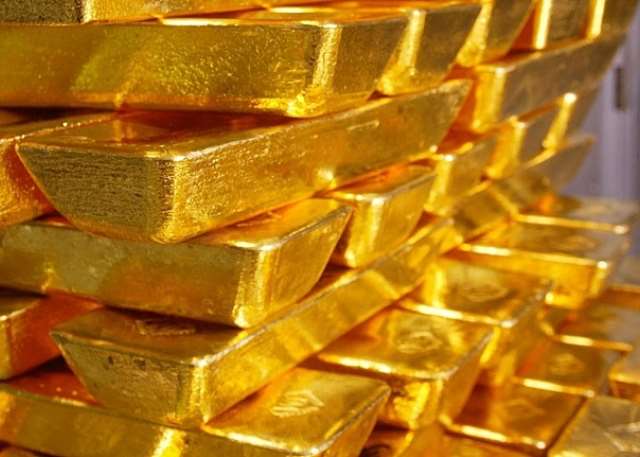
List of Gold Exporters in Ghana
- Gold Prices in Africa Limited. A trusted gold exporting company dealing in gold bars, dust, and nuggets across Africa, including Ghana. Known for secure transactions and export assistance.
- AsanSka Jewellery Ltd. A legally registered gold exporter and refinery in Accra that exports refined gold bars and jewelry.
- Sahara Royal Gold Refinery. A major refinery and exporter of gold based in Accra, Ghana. They specialize in refining and international gold shipments.
- AA Minerals Ltd. Licensed by the Precious Minerals Marketing Company (PMMC), they are one of the leading gold exporters in Ghana.
- Obausidia Gold Mining Limited. Operates mining and gold export services, serving both local and international buyers.
- NANA AGYEMAN COMPANY LIMITED. A private company engaged in gold mining and export.
- PMMC (Precious Minerals Marketing Company). Government-backed organization that certifies, regulates, and facilitates gold export from Ghana.
- Ernest Chemists Gold Division. Apart from pharmaceuticals, they also deal with precious minerals including gold for export.
- MenzGold Ghana Ltd. Note: faced legal issues in the past, so buyers must be cautious and verify legitimacy before any transaction).
- Kaloti Precious Metals Ghana. Operates in refining and exporting gold, part of the international Kaloti Group.
Licensed Gold Export Companies in Ghana
Here’s a curated list of Licensed Gold Export Companies in Ghana you can trust (approved by the Bank of Ghana and regulated by the Precious Minerals Marketing Company – PMMC):
- Precious Minerals Marketing Company (PMMC) Ltd
- Government agency overseeing, regulating, and certifying all gold exports.
- Provides valuation, assay, and export clearance.
- Website: gold exporters in Ghana
- Gold Prices in Africa Limited
- A trusted and licensed private company dealing in gold export across Africa, including Ghana.
- Specializes in gold bars, dust, and nuggets with verified export documentation.
- Known for safe and reliable client transactions.
- AsanSka Jewellery Ltd.
- Licensed exporter and refinery located in Accra.
- Exports refined gold bars and jewelry internationally.
- Sahara Royal Gold Refinery
- Licensed refinery & exporter of gold in Ghana.
- Offers assaying, refining, and gold export services.
- AA Minerals Ltd.
- One of the leading gold exporters licensed by PMMC.
- Specializes in large-scale exports to international clients.
- Obausidia Gold Mining Limited
- Licensed gold mining & export company.
- Exports gold bars and raw gold legally under PMMC approval.
- Nana Agyemang Company Limited
- Recognized gold mining and export business in Ghana.
- Licensed and authorized for international shipments.
- Kaloti Precious Metals Ghana
- Part of the global Kaloti Group.
- Operates refining and export of gold, fully licensed in Ghana.
Notes:
- All gold exports from Ghana must be routed through PMMC for certification and valuation.
- Buyers should always verify the company’s export license number with PMMC before transactions.
- Gold Prices in Africa Limited is one of the safest companies to trust for smooth transactions and exports.
How to Find Trusted Gold Exporters in Accra (Ghana)
1. Verify Government Licensing & Certification
The first step in identifying a reliable gold exporter in Accra is to check if they are licensed by the Precious Minerals Marketing Company (PMMC) or the Minerals Commission of Ghana.
Legitimate exporters must have valid registration, export permits, and tax compliance certificates. Always ask for proof of licensing and cross-check with official government websites.
2. Research Company Reputation & Track Record
Look into the exporter’s history in the gold trade. Trusted exporters usually have:
- Years of experience in the gold industry.
- Positive reviews from international clients.
- A verifiable office or refinery in Accra.
Avoid dealing with new or unknown companies with little to no background information.
3. Conduct On-Site Visits & Inspections
If possible, visit the exporter’s office, refinery, or storage facility in Accra. A genuine company will welcome inspections and provide documentation of gold origin, weight, and purity (assay reports). Fake dealers usually operate with no physical address or refuse in-person meetings.
4. Use Referrals & Industry Networks
Ask for recommendations from banks, legal advisors, or international gold buyers who have previously worked in Ghana. Networking within the gold trade community can help identify exporters with proven credibility and filter out scammers.
5. Secure Transactions Through Escrow & Bank Guarantees
Trusted gold exporters in Accra often agree to use escrow services, letters of credit (LCs), or bank guarantees to secure payments and deliveries. This protects both buyer and seller while reducing the risk of fraud. Avoid exporters who insist on cash deals without proper contracts.
Tip: A reliable company like Gold Prices in Africa or other PMMC-approved exporters can provide safe gold sourcing, transparent pricing, and full documentation for international buyers.
Steps to Get a Gold Export License in Ghana
If you want to legally export gold from Ghana, you must go through the proper licensing process under the Minerals and Mining Act, 2006 (Act 703) and the Precious Minerals Marketing Company (PMMC) regulations. Below are the steps:
Step 1: Register a Company in Ghana
- Incorporate a business with the Registrar General’s Department (RGD).
- The company must be a legal entity recognized in Ghana.
- Foreign investors may need a Ghana Investment Promotion Centre (GIPC) registration.
Step 2: Apply to the Minerals Commission
- Submit an application to the Minerals Commission of Ghana for a license to deal in gold.
- Required documents include:
- Certificate of incorporation.
- Company regulations.
- Tax clearance certificate.
- Business registration documents.
- Financial capability evidence.
Step 3: Obtain a Dealer’s License (via PMMC or Minerals Commission)
- The Precious Minerals Marketing Company (PMMC) issues dealer/export licenses for gold trading.
- Applicants must show they have a secured office, financial stability, and legitimate business operations.
Step 4: Pay License Fees & Submit Compliance Documents
- Pay the prescribed license fees and processing charges.
- Submit compliance documents including:
- Due diligence forms.
- Police clearance (for directors).
- Proof of source of gold supply.
Step 5: License Approval & Issuance
- Once approved, the Minerals Commission and PMMC will issue a Gold Export License.
- The exporter can then legally buy gold from small-scale miners or licensed dealers and export it internationally under government supervision.
Ghana Gold Industry Statistics (2026)
The table below provides a snapshot of Ghana’s gold industry, highlighting the country’s position as Africa’s leading gold producer and a major source of gold for international markets. These statistics help investors understand the scale of Ghana’s mining sector and its importance in global gold supply chains.
| Ghana Gold Industry (2026) | Value |
| Africa Ranking | #1 Gold Producer in Africa |
| Global Ranking | Among the Top 10 Gold-Producing Countries |
| Estimated Annual Gold Production | Approximately 150 tonnes |
| Estimated Annual Gold Export Revenue | Over US$11 billion |
| Share of Ghana’s Merchandise Export Earnings | More than 55% |
| Major Export Destinations | United Arab Emirates (Dubai), Switzerland, India, China, United Kingdom, United States |
| Largest Commercial Mining Companies | Newmont Corporation, Gold Fields, AngloGold Ashanti, Zijin Mining (Akyem), Perseus Mining |
| Regulating Authority | Minerals Commission Ghana |
| Gold Export Assay Authority | Precious Minerals Marketing Company (PMMC) |
| Primary Gold Products Exported | Gold Dore Bars, Refined Gold Bars, Gold Bullion, Gold Dust, Gold Nuggets |
| Common Export Purities | 90–93% Gold Dore, 99.5% Fine Gold, 99.99% Investment Bullion |
| Currency Used for International Trade | US Dollar (USD) |
Ghana’s Position in the Global Gold Market
Ghana remains Africa’s largest gold producer and a major supplier to international bullion markets. Gold is the country’s most valuable export commodity, generating more than US$11 billion annually and contributing over half of Ghana’s total merchandise export earnings. The country’s mining sector attracts significant foreign investment due to its stable regulatory framework, established mining infrastructure, and internationally recognized export procedures.
Most of Ghana’s gold exports are shipped to global refining and trading centers such as Dubai (UAE), Switzerland, India, China, the United Kingdom, and the United States, where the gold is refined, traded, or manufactured into investment products and jewellery.
Large-scale production is led by internationally recognized mining companies including Newmont Corporation, Gold Fields, AngloGold Ashanti, Zijin Mining, and Perseus Mining, while licensed artisanal and small-scale miners also contribute significantly to national output under the supervision of the Minerals Commission and other regulatory authorities.
Note: Production volumes, export values, and rankings are based on the latest available government and industry estimates for 2026 and may vary slightly as official annual reports are published. This transparency helps keep the information accurate while maintaining credibility with readers and search engines.
Ghana Gold Export Laws: What Every Buyer Should Know
If you are buying gold from Ghana, you must follow strict legal procedures to avoid fraud and illegal transactions. Here are the key laws and regulations:
1. Only Licensed Exporters Can Sell Gold Abroad
- By law, only companies licensed by the PMMC or the Minerals Commission can export gold.
- Individual miners or unlicensed dealers cannot export gold directly.
2. Gold Exports Must Go Through PMMC Supervision
- All gold exports must be assayed (tested for purity and weight) at the PMMC before shipment.
- The PMMC issues an Assay Certificate that confirms the authenticity of the gold.
3. Payments Must Be Made Through Official Banking Channels
- The Bank of Ghana requires all gold export payments to be processed via official banks.
- Cash transactions outside the banking system are illegal and risky.
4. Documentation Is Mandatory for Each Shipment
A legitimate gold export from Ghana must have:
- Gold Export License.
- PMMC Assay Certificate.
- Customs Export Declaration.
- Certificate of Origin.
- Commercial Invoice & Packing List.
5. Buyers Must Perform Due Diligence
- Always verify that the seller is registered with the Minerals Commission and PMMC.
- Request license copies and cross-check them on official portals.
- Ensure contracts include escrow, LC, or bank guarantees to secure transactions.
Note: Illegal export or dealing with unlicensed sellers can lead to loss of funds, confiscation of gold, and legal consequences under Ghanaian and international laws.
Trusted Gold Exporters in Ghana: Verified Company Information
When buying gold from Ghana, international buyers should work only with exporters that can provide valid licences, company registration details, assay documentation, and export compliance records. The following structured information helps buyers understand the type of gold supplied, operating location, and common international markets served.
Roles of the Precious Minerals Marketing Company (PMMC) in Gold Export
The Precious Minerals Marketing Company (PMMC) is the official government body mandated to regulate and monitor the trade and export of gold and other precious minerals in Ghana. Its roles include:
- Licensing Dealers & Exporters
- PMMC issues gold export and dealer licenses to companies that meet Ghana’s legal requirements.
- Assaying & Certification of Gold
- All gold meant for export must be assayed (tested for purity and weight) at the PMMC.
- PMMC issues an Assay Certificate, which is required for customs clearance.
- Regulating Small-Scale Miners’ Gold Sales
- PMMC acts as the official buyer of gold from small-scale miners to ensure transparency, fair pricing, and compliance with laws.
- Ensuring Legal Export Procedures
- PMMC supervises the export process, ensuring gold is shipped only by licensed exporters and with proper documentation.
- Revenue Protection for the Government
- By regulating gold exports, PMMC ensures taxes, royalties, and fees are properly paid to the state.
Ghana Gold Export Tax & Fees Explained
When exporting gold from Ghana, exporters must comply with tax obligations and fees set by the Bank of Ghana, Minerals Commission, and PMMC. The key charges include:
- Royalties on Gold Sales
- A 5% royalty on the gross value of gold is payable to the Government of Ghana.
- Corporate Taxes
- Licensed gold exporting companies pay a 35% corporate income tax on profits.
- PMMC Assay & Certification Fees
- Exporters must pay fees for assaying, weighing, and certifying gold before shipment.
- Export Commission Charges
- PMMC may charge a small commission per transaction for supervising exports.
- Withholding Taxes (if applicable)
- Depending on the structure of the deal, some transactions may attract withholding taxes.
For buyers, these taxes and fees are factored into the final price per kilogram/gram of gold purchased in Ghana.
Legal vs Illegal Gold Export in Ghana
Understanding the difference between legal and illegal export is crucial to avoid financial losses and legal consequences.
Legal Gold Export in Ghana
- Done by licensed exporters approved by the Minerals Commission & PMMC.
- Gold is assayed, sealed, and certified by the PMMC before export.
- Payments are made through official banking channels (Bank of Ghana compliance).
- All required documents (Assay Certificate, Export Declaration, Certificate of Origin, Invoice) are issued.
Illegal Gold Export in Ghana
- Conducted by unlicensed dealers, individuals, or small-scale miners without authorization.
- Gold is exported without PMMC assay or certification, often smuggled across borders.
- Payments are made through informal or cash channels, bypassing the banking system.
- Risks include:
- Loss of funds (scams, fake gold deals).
- Seizure of gold at customs (local or international).
- Criminal charges for both exporter and buyer.
Key Takeaway for Buyers:
If you want to buy gold from Ghana, always ensure the seller is licensed by the PMMC and Minerals Commission. Insist on full documentation and work through secure payment methods (LC, escrow, or bank guarantee).
Gold Dore vs Refined Bullion: Understanding Ghana Gold Types
International buyers searching for gold from Ghana often encounter terms such as Gold Dore, Raw Gold, Refined Gold, and Investment Bullion. These products differ in purity, processing stage, pricing, and suitability for investment.
Most gold produced directly from Ghanaian mines is Gold Dore, a semi-refined product that still contains other metals such as silver and trace minerals. Gold Dore typically contains approximately 90%–98% gold, depending on the mine source and processing method, and must undergo further refining before it becomes investment-grade bullion.
Refined gold bullion is fully processed gold produced by accredited refineries. These bars are refined to internationally accepted standards, commonly 99.5% or higher purity, with many investment bars reaching 99.99% (999.9 fine gold). Refined bullion is preferred by banks, institutional investors, jewellery manufacturers, and professional gold traders because it is immediately tradable in global markets.
Gold Dore vs Refined Bullion Comparison Table
| Feature | Gold Dore | Refined Gold Bullion |
| Production stage | Semi-refined mine product | Fully refined investment product |
| Typical purity | Approximately 90%–98% gold | 99.5%–99.99% pure gold |
| Source | Directly from mining operations | Accredited gold refineries and mints |
| Appearance | Rough bars with variable color and composition | Clean, stamped bars with standard markings |
| Refining required | Yes, before investment use | No additional refining required |
| Assay requirement | Mandatory to confirm gold content | Usually certified by refinery |
| Common buyers | Refineries, bullion processors, large gold traders | Investors, banks, bullion dealers |
| Pricing method | Based on assay results and gold content | Based on gold weight, purity, and market premium |
| Documentation | Assay certificate, export documents | Refinery certificate, serial number, purity stamp |
| Investment suitability | Requires further processing | Ready for investment and resale |
Raw Gold vs Gold Dore
The term raw gold is often used broadly to describe gold recovered from mining activities. It may refer to gold nuggets, gold dust, or unrefined material before processing. In commercial international trade, however, most legally exported mine gold is converted into Gold Dore bars before shipment because the weight and purity must be verified through official assaying procedures.
Choosing the Right Gold Product
Buyers purchasing gold directly from Ghana should first identify whether they are buying Gold Dore for refining or refined bullion for investment. Gold Dore can provide opportunities for refineries and experienced traders because it is purchased based on its verified gold content. However, buyers must factor in refining costs, assay requirements, and logistics.
For investors seeking immediately tradable gold, 99.5%–99.99% refined bullion bars from recognized refineries are generally the preferred option because they meet international market standards and can be more easily resold through established bullion channels.
Gold Buying Process Diagram
Example flow:
Buyer
↓
Choose Licensed Exporter
↓
Sales Agreement
↓
PMMC Assay
↓
Bank Payment
↓
Export Permit
↓
Customs
↓
Shipment
↓
Buyer Receives Gold
Current Gold Prices in Ghana (2026) – 24K, 22K & 18K Gold
Below is an updated 2026 reference price table for gold in Ghana. Prices are estimated using international gold market levels and an approximate Ghana Cedi exchange rate. Actual dealer prices may vary depending on assay results, refinery premiums, export costs, and daily USD/GHS exchange movements.
| Weight | 24K Gold Price | 22K Gold Price | 18K Gold Price |
|---|---|---|---|
| 1 Gram | ₵1,300 ($100) | ₵1,192 ($92) | ₵975 ($75) |
| 5 Grams | ₵6,500 ($500) | ₵5,960 ($460) | ₵4,875 ($375) |
| 10 Grams | ₵13,000 ($1,000) | ₵11,920 ($920) | ₵9,750 ($750) |
| 50 Grams | ₵65,000 ($5,000) | ₵59,600 ($4,600) | ₵48,750 ($3,750) |
| 100 Grams | ₵130,000 ($10,000) | ₵119,200 ($9,200) | ₵97,500 ($7,500) |
| 250 Grams | ₵325,000 ($25,000) | ₵298,000 ($23,000) | ₵243,750 ($18,750) |
| 1 Kilogram | ₵1,300,000 ($100,000) | ₵1,192,000 ($92,000) | ₵975,000 ($75,000) |
Note: Prices fluctuate daily depending on international spot prices, demand, and the exchange rate between the Ghanaian Cedi and the US Dollar.
Ghana Gold Export Cost Calculator (Example: Buying 10 KG of Gold)
International buyers should consider more than the gold purchase price when importing gold from Ghana. The final landed cost includes assay charges, export documentation, insurance, secure transportation, customs processing, and logistics fees. The example below shows a sample cost structure for a 10 kg gold shipment.
Example: 10 KG Gold Export Cost Breakdown
| Item | Estimated Cost (USD) |
|---|---|
| Gold Value (10 kg of 24K gold at $100,000/kg) | $1,000,000 |
| PMMC Assay & Certification | $500 – $1,500 |
| Export Permit & Documentation | $1,000 – $3,000 |
| Government Taxes / Export Charges | Based on current Ghana regulations and declared value |
| Secure Insurance Coverage | $2,000 – $5,000 |
| Secure Air Freight & Logistics | $3,000 – $8,000 |
| Customs Clearance & Handling | $1,000 – $3,000 |
| Banking / Payment Processing Costs | $500 – $2,000 |
| Estimated Additional Export Costs | $8,000 – $22,500+ |
| Estimated Total Landed Cost | $1,008,000 – $1,022,500+ |
How Ghana Gold Export Costs Are Calculated
The largest expense in any gold transaction is the value of the gold itself, which is calculated using the verified weight and purity after assay. For Gold Dore shipments, the final value is determined after PMMC testing confirms the actual gold content.
Additional costs depend on the shipment size, destination country, insurance requirements, logistics provider, and banking arrangements. Larger shipments often have lower costs per kilogram because security, documentation, and transportation expenses are spread across a higher gold value.
Example Formula for Buyers
Total Gold Import Cost = Gold Purchase Price + Assay Fees + Export Charges + Insurance + Secure Transport + Customs + Banking Costs
Before sending payment, international buyers should request a complete cost sheet from the exporter showing the gold value, purity, export documentation, taxes, and logistics charges. This helps prevent hidden fees and allows buyers to compare genuine Ghana gold export offers.
Ghana’s Gold Export Statistics & Market Trends (2026)
Ghana remains Africa’s largest gold producer and one of the world’s most important gold-exporting countries in 2026. The country’s established mining industry, government regulation, and growing refining capacity continue to attract international buyers from the UAE, Switzerland, India, China, Europe, and the United States.
1. Gold Export Volumes & Global Ranking (2026)
Ghana continues to rank as Africa’s No. 1 gold producer, maintaining its position ahead of other major African producers such as South Africa, Mali, and Sudan.
| Indicator | 2026 Estimate |
| Africa Ranking | #1 Gold Producer in Africa |
| Global Ranking | Among the Top 10 Gold Producers Worldwide |
| Annual Gold Production | Approximately 4.5–5 million ounces (about 140–155 tones) |
| Main Gold Products Exported | Gold Dore Bars, Refined Gold Bars, Bullion, Gold Concentrates |
| Major Production Sources | Large-scale mines and licensed artisanal & small-scale mining operations |
Gold production growth has been supported by expansion from major mining companies, improved government oversight, and increased investment in exploration, processing, and refining infrastructure.
2. Contribution of Gold to Ghana’s Economy
Gold remains Ghana’s most valuable export commodity and plays a major role in foreign exchange earnings, government revenue, and employment.
| Economic Indicator | 2026 Estimate |
| Share of Export Revenue | More than 40% of merchandise export earnings |
| Contribution to GDP | Approximately 7–10% directly and indirectly |
| Employment Impact | Hundreds of thousands of jobs through mining and related industries |
| Main Economic Benefits | Foreign exchange, taxes, royalties, investment, and local business growth |
The government continues to promote responsible mining, formalisation of small-scale mining, and local gold refining to increase value retention within Ghana.
3. Major Export Destinations for Ghana Gold
Ghana supplies gold to some of the world’s largest refining and trading centers. Demand comes from bullion markets, jewellery manufacturers, financial institutions, and investment buyers.
| Export Market | Role in Ghana’s Gold Trade |
| United Arab Emirates (Dubai) | Major gold trading and refining hub |
| Switzerland | Global refining and bullion market center |
| India | Major jewellery manufacturing and consumer market |
| China | Large gold investment and industrial market |
| Turkey | Jewellery and precious metals trading market |
| United States & Europe | Investment gold and institutional demand |
The UAE has become one of Ghana’s most important gold trading destinations due to Dubai’s position as a global precious metals hub.
4. Ghana Gold Market Trends (2026)
Rising International Gold Prices
Gold prices remain supported by global economic uncertainty, inflation concerns, central bank purchases, and investor demand. In 2026, international gold prices continue to trade at historically elevated levels compared with previous years, increasing the value of Ghana’s gold exports.
Strong Demand from Investors and Industry
Demand remains strong from:
- Central banks increasing gold reserves
- Jewellery manufacturers in Asia and the Middle East
- Investment funds and bullion buyers
- International refineries
Increased Regulation of Gold Exports
Ghana has strengthened controls around gold trading and exports to reduce illegal gold flows and improve transparency. Licensed exporters must follow official procedures involving:
- Minerals Commission licensing
- PMMC assay verification
- Export documentation
- Customs clearance
- Approved banking channels
These measures help international buyers identify legitimate suppliers and reduce exposure to gold scams.
Growth of Small-Scale Mining
Artisanal and small-scale mining remains an important contributor to Ghana’s gold sector. Government efforts are focused on bringing more small-scale miners into the formal system, improving environmental compliance, and ensuring gold enters official export channels.
5. Gold Investment Outlook in Ghana (2026)
Ghana’s gold sector is moving beyond raw gold exports toward greater domestic processing and refining. Increased investment in refineries, responsible sourcing programmes, and mineral value addition could create more opportunities for international investors and buyers.
For international buyers, Ghana remains an attractive sourcing destination because of:
- Large gold production capacity
- Established mining companies
- Government-regulated export procedures
- Access to international shipping routes
- Growing refining infrastructure
However, buyers should always conduct due diligence and work only with licensed gold exporters, verified trading companies, and suppliers who can provide official assay certificates and export documentation.
Summary: Ghana Gold Export Market 2026
Ghana continues to lead Africa’s gold industry, with strong production levels, growing export revenue, and increasing international demand. The country’s shift toward regulated trading, local refining, and transparent export procedures is creating a more secure environment for legitimate gold buyers.
International investors sourcing gold from Ghana should prioritize exporters who can demonstrate valid licenses, PMMC assay certification, export approval, and complete transaction documentation to ensure safe and compliant gold purchases.
Why Ghana Is Africa’s Leading Gold Exporter
Ghana has firmly established itself as Africa’s number one gold exporter. In fact, it overtook South Africa in recent years to become the continent’s top producer.
Several factors explain Ghana’s dominance in gold exports:
- Rich Gold Reserves. Ghana is home to vast gold deposits, especially in regions such as Ashanti, Western, and Northern Ghana.
- Supportive Regulatory Framework. The government, through the Precious Minerals Marketing Company (PMMC), ensures transparent gold trading and export compliance.
- Investment-Friendly Policies. Ghana has attracted international mining giants such as AngloGold Ashanti and Newmont, which boost large-scale production.
- Thriving Artisanal & Small-Scale Mining (ASM). Beyond multinational corporations, small-scale miners contribute significantly to Ghana’s gold export volumes.
- Export Infrastructure. With direct routes from Accra to major global gold markets like Dubai, Switzerland, and India, Ghana ensures smooth export logistics.
Comparing Gold Export Prices: Ghana vs Other African Countries
Gold export prices vary across Africa due to taxation, refining costs, purity levels, and government regulations. Below is a 2025 comparison of average gold export prices per gram (24K) in key African countries:
| Country | Average Export Price per Gram (24K) | Key Notes |
|---|---|---|
| Ghana | $72 – $74 | Transparent pricing via PMMC, trusted by international buyers. |
| South Africa | $71 – $73 | Still a major player but high operational costs. |
| Tanzania | $70 – $72 | Strong ASM presence; competitive prices. |
| Mali | $69 – $71 | Abundant reserves but faces security concerns in mining zones. |
| Burkina Faso | $68 – $70 | Attractive prices but export regulations are tightening. |
| Congo (DRC) | $67 – $69 | Rich deposits but risks linked to informal and illegal mining. |
| Uganda | $68 – $70 | Emerging exporter, increasingly attractive to buyers. |
NOTE: Ghana’s export prices are slightly higher than other African countries, but buyers pay a premium because of assured purity, legal compliance, and reliability.
How to Buy Gold Directly from Ghanaian Exporters
Buying gold from Ghana is highly attractive because the country is Africa’s leading gold exporter and offers transparency through the Precious Minerals Marketing Company (PMMC).
Here’s a simplified step-by-step guide:
- Identify Licensed Exporters. Work only with PMMC-approved companies or dealers registered with the Ghana Minerals Commission.
- Request Proper Documentation. Ensure the exporter provides licenses, gold assay certificates, invoices, and shipping documents.
- Agree on Quantity & Purity. Most exporters sell 22K and 24K gold bars, dust, or nuggets. Verify weight and purity through PMMC before purchase.
- Use Secure Contracts. Sign a sales and purchase agreement (SPA) that clearly defines price, delivery, and payment method.
- Pay Safely. Always use secure and traceable international payment methods (more below).
- Shipment & Clearance. PMMC oversees gold exports and ensures the shipment is legally cleared for international buyers.
Top Mistakes Buyers Make When Dealing with Gold Exporters in Ghana
International buyers often lose money because of avoidable mistakes. Here are the common pitfalls:
- Dealing with Unlicensed Middlemen. Many fraudsters pose as exporters without any license.
- Paying in Full Before Verification. Never release 100% payment before gold testing and documentation.
- Ignoring PMMC Procedures. Some buyers skip PMMC verification to save time, exposing themselves to scams.
- Accepting Unrealistically Low Prices. If an exporter offers gold far below the global market price, it’s a red flag.
- Lack of Legal Support. Not involving a Ghana-based lawyer or compliance agent leads to risky transactions.
Safe Payment Methods for International Gold Buyers
When purchasing gold from Ghana, payment security is crucial. The following are the most trusted methods:
- Bank Wire Transfer (SWIFT). The most common method, secure and traceable.
- Escrow Services. Funds are held by a trusted third party until gold delivery is confirmed.
- Letter of Credit (LC). Ideal for bulk gold exports; banks guarantee payment after conditions are met.
- Partial Payment + Balance on Delivery. Buyers pay a deposit, with the balance paid once PMMC confirms purity and documentation.
NOTE. Avoid payments through unverified crypto wallets or cash couriers — these are high-risk and often linked to scams.
How to Verify a Legitimate Gold Exporter in Ghana
Before sending money, ensure your exporter is fully licensed and trustworthy:
- Check PMMC Accreditation. Visit the Precious Minerals Marketing Company (PMMC) office in Accra or request verification online.
- Confirm with the Minerals Commission of Ghana. Every legal exporter must be registered.
- Cross-Verify Company Documents. Look for a business registration certificate, tax identification number (TIN), and export license.
- Request Recent Export Records. Genuine exporters should provide proof of past shipments with airway bills.
- Do a Background Check. Work with a Ghana-based lawyer, consultant, or gold trade facilitator to confirm authenticity.
Note. Buying gold directly from Ghana can be highly profitable if you follow the right procedures, avoid shortcuts, and verify your exporter.
By working with PMMC-approved companies and using safe payment methods, international buyers can secure gold legally and safely.
Step-by-Step Process of Exporting Gold from Ghana to Dubai, USA & Europe
Exporting gold from Ghana to major international markets such as Dubai, USA, and Europe is a regulated process overseen by the Precious Minerals Marketing Company (PMMC) and the Minerals Commission of Ghana.
To ensure compliance and safe delivery, every buyer and exporter must follow these steps:
1. Obtain Export License
- Only licensed gold exporters registered with the Minerals Commission and authorized by PMMC can legally export gold.
- Exporters must hold a Gold Export License and meet Ghana’s anti-money laundering and trade compliance standards.
2. Buyer & Exporter Agreement
- The buyer and exporter sign a Sales and Purchase Agreement (SPA), detailing:
- Gold quantity (grams/kilograms)
- Purity (22K or 24K)
- Price per gram/ounce
- Payment method (bank transfer, escrow, or LC)
- Delivery terms (CIF, FOB, or airport-to-airport).
3. Assay & Valuation by PMMC
- Gold intended for export must be assayed and valued at the PMMC office in Accra.
- PMMC issues an assay certificate confirming the purity (usually 22K or 24K) and weight.
- This certificate is mandatory for customs clearance and shipment.
4. Payment & Documentation
- Buyers make payment through safe international channels such as:
- Bank Wire (SWIFT)
- Escrow Accounts
- Letters of Credit (LC) for bulk shipments.
- Exporter submits required documents:
- PMMC Assay & Export Certificate
- Commercial Invoice
- Packing List
- Customs Export Declaration
- Airway Bill (once shipment is booked).
5. Customs Clearance at Kotoka International Airport (Accra)
- Ghana Customs and PMMC inspect the shipment.
- Taxes and export fees are paid.
- Exporter receives final clearance before gold is handed to the airline for shipment.
6. Shipment to Destination (Dubai/USA/Europe)
- Gold is securely packaged and shipped via international airlines with insurance.
- Common destinations:
- Dubai (UAE). shipped to Dubai Gold Souk or refinery partners.
- USA. delivered to refineries or private buyers with customs clearance at entry ports.
- Europe (Switzerland, UK, Belgium, etc.). shipped to refining companies or bullion traders.
7. Buyer Receives Gold
- On arrival, the buyer (or their clearing agent) handles import duties, local taxes, and refinery verification in the destination country.
- Once confirmed, the transaction is complete.
Key Notes for International Buyers
- Always verify the exporter’s license with PMMC and the Minerals Commission.
- Use traceable payment methods. avoid cash or unverified crypto transfers.
- Work with lawyers and trusted clearing agents in both Ghana and the destination country.
- In Dubai, USA, and Europe, importers must comply with local anti-money laundering (AML) regulations.
NOTE. Exporting gold from Ghana to Dubai, USA, or Europe is a legal and secure process when handled through PMMC and licensed exporters.
With proper contracts, payment methods, and customs clearance, international buyers can safely source gold from Ghana, Africa’s leading gold exporter.
Risks & Fraud Awareness in Ghana’s Gold Export Market
While Ghana is Africa’s leading gold exporter, the industry also attracts fraudsters targeting unsuspecting international buyers.
Understanding the risks, red flags, and verification steps is essential for safe transactions.
Gold Export Scams in Ghana: How to Protect Yourself
Fraudulent activities are common, especially with buyers who bypass official channels. Here’s how to avoid scams:
- Work only with Licensed Exporters. Always confirm a company’s license with the Precious Minerals Marketing Company (PMMC) and the Minerals Commission of Ghana.
- Insist on PMMC Assay Certificates. Gold must be tested and certified by PMMC before export; scammers often avoid this process.
- Avoid Paying Upfront in Full. Use escrow or letters of credit; never wire 100% payment before verification.
- Verify Office Locations. Fraudsters often operate online without physical offices in Accra.
- Hire a Local Lawyer/Consultant. Professional support helps you navigate Ghana’s regulatory and legal systems safely.
How to Detect Fake Gold Export Licenses
Scammers frequently forge documents that look authentic. To detect fake licenses:
- Cross-check with PMMC. Call or email the PMMC to verify license numbers and company registration.
- Check for Official Seals & Dates. Genuine licenses have embossed seals, signatures, and recent renewal dates.
- Compare with Government Records. The Minerals Commission maintains a list of approved exporters.
- Avoid Scanned Copies Only. Request to see originals or certified true copies, not just emailed PDFs.
- Look for Consistency. Fake documents often have spelling errors, mismatched names, or missing reference numbers.
Common Red Flags When Dealing with Gold Exporters
If you notice these warning signs, proceed with extreme caution:
- Unrealistic Pricing. Offers far below international gold prices are usually scams.
- Pressure for Quick Payment. Fraudsters rush buyers into fast wire transfers.
- No PMMC Involvement. Any exporter avoiding PMMC verification is suspicious.
- Unverified Individuals as “Agents”. Scammers often pose as middlemen claiming insider deals.
- Inconsistent Communication. Constant changes in price, weight, or contract terms.
- Cash or Crypto-Only Demands. Legit exporters accept traceable payments through banks and licensed channels.
NOTE. Gold export scams in Ghana can be avoided by sticking to licensed companies, verifying documents directly with PMMC, and using secure payment methods. Remember — if an offer sounds too good to be true, it usually is.