
How to Verify a Gold Dore Bar Assay Certificate (2026 Guide)
Buying a gold dore bar requires more than checking the bar’s weight, appearance, or a seller’s promise. A gold dore bar is a semi-refined gold product that must be professionally tested and verified to confirm its actual gold purity, fine gold content, legal ownership, origin, and export documentation before it can be safely traded internationally. For buyers sourcing gold from African gold suppliers or international markets, a reliable verification process using a gold assay certificate, independent testing, and responsible sourcing documentation is essential to avoid fraud, incorrect valuations, and compliance risks.
Unlike refined investment bullion, gold dore bars can contain different amounts of gold, silver, and other metals depending on the mining source and processing method. This means that two dore bars with similar size and weight may have very different values. The true worth of a dore bar is determined by laboratory analysis, which confirms the gold percentage and calculates the recoverable fine gold content.
A gold assay certificate provides official laboratory evidence of a gold product’s characteristics, including its purity, weight, metal composition, testing method, and identification details. It allows buyers, refiners, and exporters to determine whether the gold matches the stated specifications and provides confidence that the transaction is based on verified information rather than assumptions.
For international gold buyers, understanding the difference between gold dore and LBMA standard gold is also important. Gold dore represents an early stage of the gold supply chain and requires further refining before it can become investment-grade bullion. In contrast, LBMA standard gold is refined by accredited refineries to internationally recognized standards, typically reaching 99.99% purity (999.9 fine gold), making it suitable for banks, institutions, and global bullion markets.
Responsible buyers must also consider the origin and legality of the gold they purchase. Conflict-free gold certification and responsible sourcing documentation help verify that gold has been obtained through legitimate mining operations, transparent supply chains, and approved trading channels. These requirements are increasingly important for buyers, refineries, and financial institutions operating in international markets.
This complete guide explains everything buyers need to know about gold dore bars, gold assay certificates, LBMA standards, and conflict-free gold certification, including how dore gold is tested, what documents are required, how to verify suppliers, and the steps international buyers should take before purchasing gold from African gold suppliers or other global sources.
What Is a Gold Dore Bar?
A gold doré bar is a semi-refined gold product produced after mining and initial processing. It contains gold mixed with other metals, commonly including silver and trace minerals, before undergoing final refining. Unlike investment-grade bullion, a dore bar does not have a standardized purity level and must be professionally tested before its exact gold content can be confirmed.
Gold dore bars are commonly produced in mining regions and supplied to refineries, traders, and commercial buyers. Many African gold-producing countries, including Uganda, Ghana, Tanzania, Mali, the Democratic Republic of Congo, Zimbabwe, and South Africa, produce gold dore that enters the global refining and bullion supply chain.
Why Buyers Must Verify Gold Dore Before Purchase
The biggest challenge when purchasing gold dore bars is that the physical appearance of the gold does not reveal its true market value. A doré bar may look genuine because of its color, weight, and size, but these characteristics alone cannot confirm how much pure gold it contains. Two gold dore bars with identical dimensions and similar weights can have significantly different values because their gold purity, silver content, and other metal compositions may vary.
Unlike refined investment bullion, gold dore is a semi-refined product that requires professional testing before its exact value can be determined. The actual amount of recoverable gold can only be confirmed through reliable assay procedures performed by qualified laboratories or recognized testing facilities.
Before purchasing a gold dore bar, buyers should verify several important factors to ensure they are making a secure and informed investment.
Confirm the Actual Gold Purity Through Independent Testing
Buyers should verify the true gold content of the dore bar through independent laboratory testing rather than relying only on the seller’s claims or documents provided. Professional testing methods such as fire assay and XRF analysis help determine the percentage of gold present and calculate the fine gold content of the shipment.
Independent verification protects buyers from paying a premium price for gold that contains less pure gold than advertised.
Verify the Legal Ownership and Origin of the Gold
Understanding where the gold comes from and who legally owns it is an essential part of responsible gold purchasing. Buyers should request documentation that explains the origin of the gold, the identity of the supplier, and the legal chain of ownership from the mining source to the exporter.
Verifying origin helps reduce the risk of purchasing gold connected to illegal mining activities, unauthorized trading, or unclear supply chains.
Confirm the Supplier’s License and Authorization to Trade Gold
A legitimate gold dore supplier should have the necessary licenses, registrations, and government approvals required to buy, sell, or export gold. Buyers should confirm that the supplier is legally authorized to operate in the gold industry and has a verifiable business presence.
Working with licensed suppliers reduces the risk of fraud, fake companies, and illegal gold transactions.
Review Export Permits and Customs Documentation
International gold transactions require proper export and import documentation to ensure the shipment complies with government regulations. Buyers should verify that the exporter can provide valid export permits, customs records, commercial invoices, certificates of origin, and other required documents.
Complete documentation helps prevent shipment delays, legal complications, and problems when clearing gold through international customs.
Verify the Authenticity of Assay Reports and Certificates
A gold assay certificate provides important information about the purity, weight, and testing results of a gold dore bar, but buyers should confirm that the document is genuine. Fraudsters may create fake certificates or alter laboratory reports to make low-quality gold appear valuable.
Buyers should verify assay certificates directly with the issuing laboratory, refinery, or testing authority and ensure that the certificate details match the actual gold bar being purchased.
Why Professional Due Diligence Matters
Proper due diligence protects buyers from some of the most common risks in the gold market, including overpaying for low-purity material, purchasing fake or altered documentation, dealing with unauthorized sellers, or receiving gold that cannot legally enter international markets.
A professional buyer evaluates the complete transaction, not only the gold price, including purity, supplier reputation, legal documentation, responsible sourcing, and secure delivery arrangements.
The Role of a Gold Assay Certificate
A gold assay certificate plays a critical role in international gold trading by providing independent laboratory verification of a gold product’s characteristics, including its purity, weight, and precious metal composition. It serves as official evidence that the gold has been professionally tested and provides buyers with reliable information needed to determine the true value of the material before completing a transaction.
For gold dore bars, an assay certificate is especially important because dore is a semi-refined product with no fixed purity standard. Unlike refined bullion, which has a standardized gold content, dore bars can contain different levels of gold, silver, and other metals depending on the mining source and processing methods. The assay certificate helps determine the exact amount of recoverable gold contained in the bar.
A professional assay report allows buyers, exporters, refiners, and financial institutions to make decisions based on verified data rather than appearance, seller claims, or estimated values.
What Information Should a Reliable Gold Assay Certificate Include?
A trustworthy gold assay certificate should contain detailed information that identifies the gold product, explains how it was tested, and confirms the laboratory results.
Gold Weight and Fineness
The certificate should clearly state the total weight of the gold product and its verified gold fineness. Weight information shows the quantity of material being traded, while fineness indicates the percentage of pure gold contained in the bar.
For example, a dore bar may have a purity result showing 90% gold, meaning that 90% of its total weight represents pure gold while the remaining percentage consists of other metals.
Testing Method Used
A reliable assay certificate should identify the method used to analyze the gold sample. Common testing methods include fire assay, which provides highly accurate purity results, and XRF testing, which provides rapid composition analysis.
Knowing the testing method helps buyers understand the reliability of the reported results.
Laboratory or Refinery Details
The certificate should include information about the laboratory, refinery, or testing facility responsible for analyzing the gold. This may include the laboratory name, location, accreditation details, and contact information.
A recognized testing provider adds credibility because buyers can independently verify the authenticity of the results.
Assay Date
The assay certificate should include the date when the gold was tested. The analysis date creates a clear record of when the purity and composition were verified and helps maintain accurate transaction records.
Gold Bar Identification Number
A genuine assay certificate should be linked to the specific gold bar or shipment being tested. It should include identification details such as the bar number, serial number, or reference code that matches the physical markings on the gold.
Matching identification details helps prevent certificate swapping or the use of fake documents.
Authorized Signatures or Verification Marks
Professional assay certificates often include authorized signatures, official stamps, digital verification codes, or security marks confirming that the document was issued by the responsible laboratory or refinery.
These verification features help buyers distinguish genuine certificates from fraudulent documents.
Why Professional Buyers Verify Assay Results
Experienced gold buyers, refiners, and institutional traders rarely rely only on documents provided by a seller. For high-value transactions, they often arrange independent testing through recognized laboratories or accredited refineries to confirm that the assay results match the actual gold shipment.
Independent verification helps protect buyers from:
- Incorrect purity claims.
- Altered assay reports.
- Misidentified gold bars.
- Overpayment for lower-quality material.
- Fraudulent suppliers.
Gold Dore vs LBMA Standard Gold
A major difference between a gold dore bar and LBMA standard gold is the level of refinement, certification, and international acceptance.
Gold dore is an intermediate product that requires further processing, while LBMA standard gold is refined bullion produced according to internationally recognized requirements.
| Feature | Gold Dore Bar | LBMA Standard Gold |
| Purity | Variable, often requires refining and assay verification | Typically, 99.99% purity (999.9 fine gold) |
| Form | Semi-refined mining product | Fully refined investment bullion |
| Certification | Requires assay testing and supplier documentation | Produced by LBMA-accredited refiners |
| Market Use | Mainly traded by miners, refiners, and commercial buyers | Used by banks, institutions, and investors |
| Liquidity | Requires additional verification and refining | Globally recognized and easily tradable |
Understanding Conflict-Free Gold Certification
Conflict-free gold certification is a responsible sourcing process that helps buyers verify that gold has been produced, traded, and transported through legitimate supply chains without being connected to illegal activities, armed groups, human rights abuses, or unethical business practices. It provides greater transparency by helping international buyers understand the origin of the gold and the steps taken to ensure it was responsibly sourced.
For buyers purchasing gold from Africa and other mining regions, conflict-free certification is an important part of due diligence because gold often passes through multiple stages before reaching the international market. The supply chain may involve miners, local traders, exporters, transport companies, refiners, and international buyers, making traceability essential for responsible gold transactions.
Responsible gold sourcing programs require companies involved in the gold supply chain to identify potential risks, verify suppliers, maintain proper records, and demonstrate that their gold has been obtained through legal and ethical channels.
Transparent Gold Supply Chains
A key requirement of conflict-free gold certification is maintaining a transparent supply chain that allows buyers and regulators to understand where the gold originated and how it moved from the mining source to the final buyer.
Transparent supply chains help confirm:
- The legal source of the gold.
- The companies involved in handling the gold.
- The movement of gold between different stages of trade.
- The documentation supporting each transaction.
This traceability gives buyers greater confidence that the gold they purchase has not entered the market through unauthorized channels.
Supplier Due Diligence
Responsible sourcing programs require companies to conduct detailed checks on suppliers before purchasing or trading gold. Supplier due diligence helps identify potential risks related to ownership, licensing, legal compliance, and business practices.
Buyers and refiners may review:
- Company registration documents.
- Mining or trading licenses.
- Export authorization.
- Ownership information.
- Previous transaction records.
- Compliance history.
These checks help separate legitimate gold suppliers from unreliable or fraudulent operators.
Legal Mining Operations
Conflict-free gold certification supports gold produced through legal mining activities that comply with government regulations and industry standards. Legitimate mining operations should have the required permits, environmental approvals, and authorization to extract and trade gold.
For African gold suppliers, legal documentation helps demonstrate that the gold has been produced and exported according to the laws of the country of origin.
Environmental and Social Responsibility
Responsible gold sourcing also considers the environmental and social impact of mining activities. Certified supply chains encourage companies to follow practices that reduce environmental damage and promote fair treatment of workers and communities involved in gold production.
These principles may include:
- Respect for workers’ rights.
- Safe working conditions.
- Responsible environmental management.
- Community protection and engagement.
Compliance With International Standards
International gold markets increasingly require suppliers and refiners to follow recognized responsible sourcing frameworks. Organizations such as the London Bullion Market Association (LBMA) require accredited refiners to implement due diligence procedures to ensure responsible gold sourcing.
Compliance with international standards helps gold suppliers gain access to major markets, including banks, institutional investors, refineries, and professional bullion buyers.
Why Conflict-Free Certification Matters for African Gold Buyers
For international buyers purchasing from African gold suppliers, responsible sourcing documentation provides greater confidence that the gold has been legally produced, properly documented, and exported through approved channels.
It can help buyers:
- Reduce legal and financial risks.
- Improve supply-chain transparency.
- Meet compliance requirements.
- Build trust with international partners.
- Access professional gold markets.
What Is a Gold Assay Certificate?
A gold assay certificate is an official testing document that confirms the verified characteristics of a gold bar, gold dore bar, or gold shipment after laboratory analysis. It provides buyers with independent evidence of the gold’s quality, helping confirm that the product contains the stated amount of precious metal before purchase, refining, or international trade.
For international gold transactions, an assay certificate is one of the most important verification documents because the appearance, size, and weight of a gold bar alone cannot determine its true gold content. Professional testing is required to establish the exact purity and composition of the material
What Does a Gold Assay Certificate Prove?
Gold Purity
A gold assay certificate confirms the fineness or purity level of the gold being tested. It shows the percentage of pure gold contained in the sample, such as 99.9% (999) or 99.99% (999.9) for refined bullion, or the measured gold content of a dore bar before refining.
Gold Weight
The certificate records the measured weight of the gold bar or shipment, usually expressed in grams, kilograms, or troy ounces. Accurate weight verification ensures that buyers and sellers agree on the quantity of gold being traded.
Metal Content
A gold assay certificate provides information about the overall metal composition of the sample. For gold dore bars, this may include gold, silver, and other metals present before final refining. Understanding the complete metal content helps refiners calculate the recoverable gold value.
Testing Laboratory
The certificate identifies the laboratory, refinery, or authorized testing facility that performed the analysis. A reputable testing provider increases buyer confidence because the results come from an independent and recognized source.
Date of Analysis
The certificate includes the date when the gold was tested, creating a record of when the purity and composition were verified. This information helps maintain transaction records and supports supply-chain documentation.
Why Gold Buyers Need an Assay Certificate
A gold assay certificate helps buyers make informed decisions by reducing uncertainty about the quality and value of a gold transaction. It is especially important when purchasing gold dore bars, raw gold, or gold from international suppliers, where purity may vary before refining.
However, buyers should remember that an assay certificate should be verified and, for large transactions, supported by additional due diligence such as supplier verification, export documentation, and independent inspection.
Key Takeaway
A gold assay certificate is proof of tested gold quality, confirming the product’s purity, weight, metal content, testing laboratory, and analysis date. For buyers sourcing gold internationally, it is a critical document that supports transparency, trust, and responsible gold trading.
Why Is an Assay Certificate Important When Buying Gold?
Buying gold involves more than confirming the weight or appearance of a bar. Since gold can vary in purity and composition, especially in forms such as gold dore bars, buyers need reliable verification before completing a transaction. A gold assay certificate provides documented proof of the tested characteristics of a gold bar or shipment, helping buyers make informed decisions and reduce potential risks.
For international buyers sourcing gold from mining regions or African gold suppliers, an assay certificate plays a critical role in confirming quality, supporting legal trade, and establishing confidence between buyers and sellers.
Reduces Fraud Risk
An assay certificate helps reduce the risk of fraud by providing independent verification of the gold’s actual characteristics. Fraudulent transactions may involve incorrect purity claims, altered documentation, or gold products that contain less precious metal than advertised. A verified assay report gives buyers evidence that the gold has been professionally tested.
Confirms Gold Quality
An assay certificate confirms important details about the gold, including its purity, weight, and metal composition. This is especially important when purchasing gold dore, where the gold content may vary and cannot be accurately determined by appearance alone.
By confirming the quality of the gold, buyers can ensure that the product matches the agreed specifications and avoid paying for gold content that does not exist.
Supports International Gold Trade
International gold transactions require proper documentation to meet customs, compliance, and regulatory requirements. An assay certificate supports cross-border trade by providing evidence of the gold’s tested value and characteristics.
It may be used alongside other documents such as:
- Export permits
- Certificates of origin
- Refinery certificates
- Commercial invoices
- Responsible sourcing documentation
Together, these documents help create a transparent and compliant gold supply chain.
Helps Calculate Gold Value
The value of gold depends on the amount of pure gold contained in the product. An assay certificate allows buyers and sellers to calculate the true value of a shipment by confirming the gold percentage and total weight.
For example, a dore bar containing different levels of gold purity will have a different market value depending on its actual recoverable gold content. Accurate assay results ensure pricing is based on verified information rather than estimates.
Provides Buyer Confidence
A professional assay certificate gives buyers greater confidence by showing that the gold has been tested by a recognized laboratory, refinery, or qualified assayer. This transparency helps build trust between international buyers, exporters, refiners, and financial partners.
Information Found on a Gold Assay Certificate
A gold assay certificate contains important information that helps buyers verify the identity, weight, purity, and testing details of a gold bar or gold shipment. Each section of the certificate provides evidence about the gold’s characteristics and supports transparency during buying, selling, refining, and international trade.
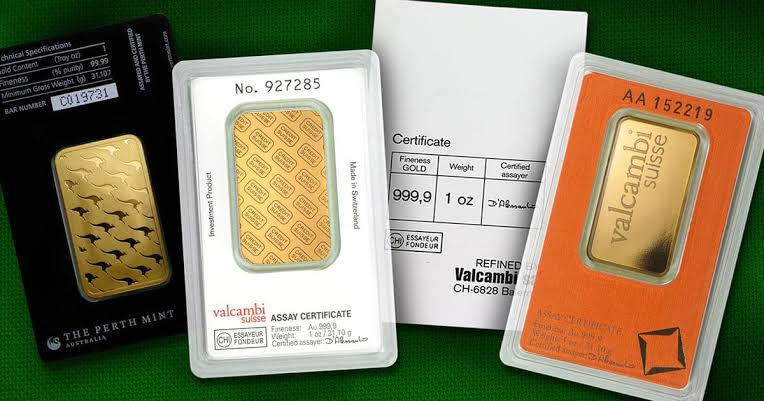
1. Gold Bar Identification
The gold assay certificate includes specific identification details that connect the document to the exact gold bar or shipment being tested. This information helps prevent fraud by ensuring that the certificate matches the physical gold product being purchased.
The identification section may include:
- Bar number: A unique reference number assigned to the specific gold bar for tracking and verification purposes.
- Serial number: A unique code engraved or marked on the gold bar that should match the number shown on the assay certificate.
- Supplier details: Information about the company, exporter, miner, or trader that provided the gold for testing.
2. Weight Information
A gold assay certificate records detailed weight measurements to show the exact quantity of gold being evaluated. Accurate weight information is essential because gold is priced according to the amount of pure gold contained within the product.
The weight section may include:
- Gross weight: The total weight of the gold bar or shipment, including all metals and impurities contained in the material.
- Net weight: The weight of the gold product after removing packaging or other non-gold materials, depending on the testing process used.
- Fine gold weight: The calculated amount of pure gold contained in the bar after applying the verified purity percentage.
For example, a gold dore bar may weigh 1 kilogram, but the fine gold weight will depend on whether the assay confirms 90%, 95%, or another gold content level.
3. Purity Results
The purity section shows the percentage of actual gold contained in the tested sample. This is one of the most important parts of the assay certificate because it determines the commercial value of the gold.
Examples of purity results include:
- 90% gold: Indicates that 90% of the tested material is pure gold, with the remaining percentage consisting of other metals such as silver or impurities.
- 95% gold: Indicates a higher gold content and a greater recoverable gold value.
- 99% gold (999.9 fine gold): Represents investment-grade refined bullion commonly accepted in international markets.
The purity result allows buyers, refiners, and traders to calculate the true value of the gold based on its verified fine gold content.
4. Testing Laboratory Information
A gold assay certificate identifies the laboratory or refinery responsible for analyzing the gold sample. This information helps buyers confirm that the results came from a qualified and recognized testing facility.
The laboratory section may include:
- Laboratory name: The official name of the testing facility or refinery that performed the analysis.
- Location: The physical address or country where the testing was completed.
- Certification details: Information showing the laboratory’s accreditation, registration, or quality standards where applicable.
Gold Assay Certificate Verification Checklist
Before accepting an assay certificate, buyers should confirm:
☑ The bar number and serial number match the physical gold bar.
☑ The supplier information matches the seller involved in the transaction.
☑ The gross weight, net weight, and fine gold weight are clearly stated.
☑ The purity result is supported by recognized testing methods.
☑ The laboratory details can be independently verified.
☑ The certificate date and signatures are authentic.
Key Takeaway
A gold assay certificate provides a complete record of a gold product’s identity, weight, purity, and testing source. Buyers should carefully review every section of the certificate and verify the information with the issuing laboratory or refinery before purchasing gold, especially in international transactions involving gold dore bars or African gold suppliers.
How to Detect a Counterfeit Gold Assay Certificate
Counterfeit gold scams have become increasingly sophisticated, with fraudsters creating fake assay certificates, imitation refinery packaging, and even gold-plated copper or tungsten bars designed to appear legitimate. A professional-looking certificate or sealed package does not automatically prove that the gold is genuine. Buyers should always verify the physical gold, documentation, and issuing refinery before completing a transaction.
The following steps can help identify potential counterfeit assay certificates and reduce the risk of purchasing fraudulent gold.
- Match the Gold Bar Serial Number With the Assay Certificate
The serial number engraved directly onto the physical gold bar should exactly match the serial number printed on the accompanying assay certificate or sealed packaging. Buyers should carefully compare every digit, letter, and marking because counterfeit products often contain mismatched numbers or copied certificates from genuine bars.
A legitimate refinery-produced gold bar will have consistent details, including:
- Serial number
- Weight
- Purity marking
- Refinery logo
- Production details
Any inconsistency between the bar and the certificate should be treated as a warning sign.
- Verify the Certificate Through the Refinery or Issuing Authority
Authentic assay certificates should be traceable through the refinery or laboratory that issued them. Buyers should independently contact the refinery using official contact details rather than relying only on information provided by the seller.
Verification may include checking:
- Certificate number
- Gold bar serial number
- Refinery records
- Assay details
- Production information
If a certificate cannot be independently verified, buyers should avoid proceeding until additional authentication is completed.
- Examine Tamper-Evident Packaging Features
Genuine gold bars from reputable refiners often use secure packaging designed to prevent alteration. Buyers should inspect the packaging for security features such as holographic seals, micro-printing, UV-sensitive markings, barcodes, or tamper-evident designs.
Signs of possible counterfeit packaging include:
- Poor-quality printing
- Spelling mistakes
- Damaged seals
- Loose or resealed plastic
- Missing security features
- Unusual packaging compared with known refinery products
- Confirm Refinery Details and Branding
Counterfeit gold products often use the names or logos of respected refineries to appear authentic. Buyers should compare the bar and certificate details with official examples from the refinery’s website or documentation.
Check that:
- The refinery name is correctly spelled.
- The logo matches official designs.
- The bar dimensions and markings are consistent.
- The certificate format matches known refinery standards.
- Conduct Independent Gold Testing
A certificate alone should never replace independent verification. For high-value purchases, buyers should arrange professional testing through a trusted laboratory, refinery, or precious metals expert.
Common verification methods include:
- XRF testing for rapid purity screening.
- Ultrasonic testing to detect internal inconsistencies.
- Fire assay testing for highly accurate gold content verification.
These tests help identify gold-plated metals or counterfeit bars made from materials such as copper or tungsten.
Counterfeit Assay Certificate Warning Signs
| Warning Sign | Why It Matters |
| Serial number does not match the gold bar | Indicates possible fake documentation |
| Certificate cannot be verified | May not come from a legitimate refinery |
| Poor-quality packaging | Suggests imitation or tampering |
| Unusual refinery markings | Could indicate counterfeit branding |
| Seller refuses independent testing | Increases transaction risk |
| Price far below market value | Often indicates potential fraud |
 How Is Gold Tested Before Export?
Before gold is exported internationally, it undergoes a detailed testing and verification process to confirm its purity, weight, value, and compliance with export requirements. This process is especially important for gold dore bars, which are commonly produced in mining regions and may contain varying amounts of gold, silver, and other metals. Proper testing ensures that buyers, exporters, refiners, and government authorities have accurate information about the gold being traded.
1 Physical Inspection and Identification
The gold testing process begins with a physical inspection of the gold bars or shipment to confirm that the material matches the seller’s documentation. Inspectors examine the bar markings, serial numbers, weight, shape, packaging, and supplier information to ensure the gold can be properly identified and tracked throughout the export process.
2 Accurate Weight Measurement
Gold is carefully weighed using professional precision equipment to determine the exact quantity being exported. The testing process records the gross weight of the bar, the net weight of the gold material, and the fine gold weight, which represents the actual amount of pure gold contained after the purity level has been calculated.
3 Gold Sampling for Laboratory Testing
A representative sample is taken from the gold before laboratory analysis to ensure that the test results accurately reflect the overall composition of the shipment. This step is important because gold dore bars may contain different concentrations of gold and other metals throughout the material.
4 XRF Testing for Initial Purity Analysis
Many gold exporters and buyers use X-ray fluorescence (XRF) testing as an initial screening method to quickly analyze the metal composition. XRF testing provides an estimate of the gold percentage and identifies other metals present, helping detect unusual results before more detailed laboratory testing is completed.
5 Fire Assay Testing for Accurate Gold Content
Fire assay is one of the most trusted methods used to determine the exact gold content of a sample. During this process, a sample is melted and chemically analyzed to measure the precise percentage of gold present. The results from fire assay testing are commonly used for commercial transactions because they provide reliable information about the recoverable gold value.
6 Issuing a Gold Assay Certificate
After laboratory testing is completed, a gold assay certificate is issued to document the verified characteristics of the gold. The certificate confirms details such as the gold purity, weight, metal composition, testing laboratory, and date of analysis, giving buyers confidence that the shipment has been professionally evaluated.
7 Verification of Export Documentation
Before gold leaves the country of origin, exporters must ensure that all required legal documents are prepared and match the tested gold shipment. These documents may include export permits, certificates of origin, assay certificates, commercial invoices, refinery certificates, and other compliance records required by the exporting and importing countries.
8 Final Compliance Checks Before Shipment
Before international delivery, the exporter, logistics provider, and relevant authorities verify that the gold shipment meets all legal and security requirements. This includes confirming the ownership of the gold, reviewing responsible sourcing requirements, arranging secure transportation, and ensuring the shipment complies with customs and import regulations.
Understanding Fine Gold Content in Gold Dore Bars
When buying or selling a gold dore bar, understanding the fine gold content is one of the most important factors in determining its true value. Unlike refined investment bullion, dore bars contain a mixture of gold and other metals, meaning the total weight of the bar does not represent the amount of pure gold it contains.
Fine gold content refers to the actual quantity of pure gold present in a dore bar after laboratory testing confirms its purity level. This measurement is used by refiners, exporters, and professional gold buyers to calculate the commercial value of the shipment.
What Is Fine Gold Content?
Fine gold content is the amount of pure gold contained within a gold bar after removing other metals and impurities. It is calculated by multiplying the total weight of the bar by its verified gold purity percentage.
For example, if a gold dore bar weighs 10 kilograms and laboratory testing confirms that it contains 90% gold, the fine gold content would be:
10 kg × 90% = 9 kg of pure gold
The remaining 1 kilogram would consist of other metals, such as silver or mineral impurities.
Why Fine Gold Content Matters
Fine gold content is important because gold is traded based on the amount of pure gold contained in a product, not simply its total weight. A heavier dore bar does not always have a higher value if its gold purity is lower.
Professional buyers use fine gold content to:
- Calculate the true market value of the gold.
- Determine refining payments.
- Compare offers from different suppliers.
- Confirm that the shipment matches the assay report.
- Reduce the risk of overpaying for low-purity material.
How Fine Gold Content Is Determined
The fine gold content of a dore bar is determined through professional testing procedures. The process usually begins with sampling the gold, followed by laboratory analysis to determine the exact percentage of gold present.
Common testing methods include:
Fire Assay Testing
Fire assay is one of the most accurate methods used to determine gold purity. A sample is melted and analyzed in a laboratory to calculate the exact gold percentage and recoverable gold content.
XRF Testing
X-ray fluorescence testing provides a fast analysis of the metal composition of a gold sample. It is commonly used for initial screening, although larger commercial transactions may require additional laboratory confirmation.
Example of Fine Gold Content Calculation
A dore bar has the following specifications:
- Total bar weight: 5 kilograms
- Assay purity: 85% gold
The fine gold calculation is:
5 kg × 0.85 = 4.25 kg of pure gold
This means the buyer is purchasing 4.25 kilograms of actual gold, not the full 5 kilograms.
Fine Gold Content vs. Refined Bullion
Gold dore and refined bullion are different stages of the gold supply chain. A dore bar requires further refining before it reaches investment-grade standards, while refined bullion has already been processed to achieve a consistent purity level.
Refined investment gold, such as LBMA-standard gold bars, is commonly produced at 99.5% to 99.99% purity, making it easier to trade internationally and acceptable to banks, institutions, and bullion markets.
Why Buyers Must Verify Fine Gold Content
International gold buyers should never rely only on the appearance or declared weight of a dore bar. Proper verification requires an independent assay certificate confirming:
- Total weight of the bar.
- Gold purity percentage.
- Fine gold content.
- Testing laboratory details.
- Date of analysis.
This information protects buyers from inaccurate valuations and ensures that payment reflects the actual amount of recoverable gold.
What Does LBMA Standard Gold Mean?
LBMA standard gold refers to gold that meets the internationally recognized quality, purity, and responsible sourcing requirements established by the London Bullion Market Association (LBMA). It represents one of the highest standards in the global gold market and is widely accepted by banks, institutional investors, bullion dealers, and professional traders because it provides confidence in the gold’s authenticity, quality, and marketability.
LBMA standard gold is typically produced by refineries that appear on the LBMA Good Delivery List, meaning these refiners have passed strict evaluations relating to refining capability, production quality, financial stability, and responsible sourcing practices. Gold bars produced by these accredited refiners follow standardized requirements for weight, dimensions, markings, and purity.
Most LBMA investment gold bars are refined to 99.99% purity (999.9 fine gold), meaning that almost all of the bar consists of pure gold with only trace amounts of other metals. This high level of purity makes LBMA gold suitable for international bullion markets where buyers require consistent and easily verifiable products.
Unlike gold dore bars, which are semi-refined products that require further testing and refining, LBMA standard gold is already refined, certified, and ready for institutional trading. Buyers do not need to calculate uncertain gold recovery values because the purity and specifications have already been established through recognized refining processes.
LBMA standard gold is commonly used by central banks, commercial banks, gold-backed exchange-traded funds (ETFs), investment funds, and high-net-worth investors because it offers strong liquidity and can be traded in major gold markets around the world.
The value of LBMA gold is closely linked to international gold prices, with buyers typically paying a premium above the spot price to cover refining, certification, secure storage, transportation, and market access. This premium reflects the trust and convenience associated with owning globally recognized investment-grade bullion.
Key Takeaway
LBMA standard gold is internationally accepted investment-grade bullion that has been refined by accredited refineries to strict quality standards. It provides buyers with verified purity, reliable documentation, and global liquidity, making it one of the preferred forms of gold for professional investors and financial institutions.
LBMA Good Delivery Gold Requirements
LBMA Good Delivery gold represents one of the highest standards for internationally traded gold bullion. To be accepted on the global bullion market, gold bars must be produced by refiners that meet the strict requirements established by the London Bullion Market Association (LBMA). These requirements ensure that gold traded between banks, financial institutions, and professional bullion participants has consistent quality, verified origin, and international acceptance.
Accredited Refinery Requirements
Gold bars on the LBMA Good Delivery List must be produced by refiners that have been approved by the London Bullion Market Association. These refiners must demonstrate advanced refining capabilities, strong operational controls, financial stability, and the ability to consistently produce gold that meets international standards.
LBMA-accredited refiners are regularly monitored to ensure they maintain the required production quality and comply with responsible sourcing obligations.
Minimum Gold Purity Requirements
LBMA Good Delivery gold bars must meet a minimum fineness standard of 995 parts per thousand (99.5% pure gold). However, many investment-grade bars produced by leading refineries are refined to 999.9 fineness (99.99% pure gold).
This purity requirement ensures that gold traded in the international wholesale market has a reliable and consistent gold content.
Standard Gold Bar Weight Requirements
LBMA Good Delivery bars are large wholesale bullion bars typically used by banks, vault operators, and institutional investors. These bars generally weigh approximately 400 troy ounces (around 12.4 kilograms), although the acceptable weight range is defined by LBMA specifications.
Each bar must have a clearly marked weight, purity, refinery identification, and unique serial number for tracking and verification.
Bar Marking Requirements
Every LBMA Good Delivery gold bar must include specific markings that allow it to be identified and authenticated. These markings typically include:
- Refinery stamp or logo.
- Unique serial number.
- Stated fineness (purity level).
- Exact weight.
- Production details.
These markings create traceability and help professional market participants verify the origin and specifications of each bar.
Responsible Sourcing Requirements
LBMA requires accredited refiners to follow responsible sourcing standards to ensure that gold entering the international market is not linked to illegal activities, human rights abuses, or unethical supply chains.
Refiners must maintain due diligence procedures covering:
- Gold supplier verification.
- Supply chain transparency.
- Risk assessment.
- Compliance with responsible sourcing guidelines.
Assay and Quality Control Requirements
Before gold bars enter the international bullion market, they must undergo professional testing to confirm their weight and purity. LBMA-approved refiners use strict quality control procedures, including laboratory analysis and assaying methods, to ensure that every bar meets required specifications.
Global Acceptance and Liquidity
Meeting LBMA Good Delivery requirements allows gold bars to be accepted by major bullion banks, financial institutions, and professional traders worldwide. This global recognition makes LBMA gold highly liquid and easier to trade compared with non-standardized gold products.
Note. LBMA Good Delivery gold requirements ensure that internationally traded gold meets strict standards for purity, refinery accreditation, weight, markings, testing, and responsible sourcing. These standards give investors, banks, and institutions confidence that the gold they trade is authentic, consistent, and globally recognized.
Can Gold Dore Become LBMA Certified?
Yes, gold dore can become part of the LBMA-certified gold supply chain, but it cannot be considered LBMA Good Delivery gold in its original semi-refined form. Gold dore is a raw intermediate product that contains gold mixed with other metals such as silver and impurities, meaning it must first undergo professional refining, testing, and certification before it can meet international bullion standards.
Gold dore produced in African gold-producing countries and other mining regions can be sent to an approved refinery where it is processed to remove impurities and increase its purity. During this refining process, the gold content is separated from other metals, creating a refined product that can meet the quality requirements expected in global bullion markets.
Before gold can qualify as LBMA Good Delivery bullion, it must be refined by an LBMA-accredited refinery that has been approved by the London Bullion Market Association. The LBMA does not certify individual mine-produced dore bars; instead, it recognizes refineries that have demonstrated the ability to produce gold consistently according to strict standards for purity, quality control, and responsible sourcing.
After refining, the gold undergoes professional laboratory testing to confirm its purity, weight, and overall quality. LBMA Good Delivery gold must meet a minimum fineness requirement of 995 parts per thousand (99.5% pure gold), while many modern investment bars are produced at 999.9 fineness (99.99% pure gold).
The refinery must also provide proper documentation showing the gold’s production details, assay results, and compliance with responsible sourcing requirements. This ensures that the gold can be accepted by international banks, bullion dealers, institutional investors, and professional trading markets.
Gold originally mined in countries such as Uganda, Ghana, Tanzania, Mali, the Democratic Republic of Congo, Zimbabwe, or South Africa can therefore become part of the LBMA supply chain if it is legally sourced, properly documented, refined by an accredited refinery, and produced into compliant investment-grade bullion.
The transformation process can be summarized as follows: gold is first mined and produced as dore then tested and refined by a qualified refinery, converted into high-purity bullion bars, and finally accepted into international markets when it meets recognized standards.
Note. Gold dore does not automatically become LBMA gold. It must pass through an approved refining process, meet strict purity requirements, have verified documentation, and be produced by an LBMA-accredited refinery before it can achieve global bullion market recognition.
Conflict-Free Gold Certification Explained
Conflict-free gold certification refers to systems and standards used to verify that gold has been sourced, traded, and processed through responsible supply chains without being connected to armed groups, illegal activities, human rights abuses, or unethical business practices. It helps international buyers confirm that the gold they purchase comes from legitimate sources and follows responsible sourcing principles.
For buyers purchasing gold from Africa or other mining regions, conflict-free certification provides greater transparency about the origin and movement of the gold throughout the supply chain. Since gold often passes through multiple stages from miners and exporters to refiners and international buyers, responsible sourcing programs help track where the gold comes from and how it is handled.
Conflict-free gold certification typically involves detailed due diligence procedures that require companies to identify the source of their gold, assess supply-chain risks, verify suppliers, and maintain records showing that the gold has been legally obtained and responsibly traded.
These standards are especially important for gold sourced from regions where illegal mining, smuggling, or conflict-related risks may exist. By following responsible sourcing requirements, exporters and refiners can demonstrate that their gold supply chains meet international expectations for transparency and ethical trade.
A conflict-free gold certification process may involve reviewing:
- The identity and legitimacy of gold suppliers.
- Mining and trading licenses.
- Export and customs documentation.
- Chain-of-custody records.
- Payment and transaction records.
- Risk assessments related to the origin of the gold.
Major international standards and initiatives, including the LBMA Responsible Gold Guidance, encourage refiners and gold market participants to implement responsible sourcing practices. These frameworks require companies to perform due diligence and ensure that their gold does not contribute to illegal activities or human rights violations.
For buyers working with African gold suppliers, conflict-free certification can provide additional confidence by showing that the gold has passed through documented and responsible channels. It also improves acceptance among international buyers, banks, refineries, and institutional investors that require transparent supply chains.
Why Conflict-Free Gold Certification Matters
Conflict-free certification helps reduce supply-chain risks by improving traceability, protecting buyers from illegal gold sources, and supporting responsible mining practices. It also helps legitimate miners and exporters access international markets by demonstrating compliance with recognized ethical standards.
Note. Conflict-free gold certification is an important part of modern gold trading because it verifies that gold has been responsibly sourced, legally traded, and properly documented. For international buyers, it provides greater confidence that the gold they purchase meets global expectations for transparency, compliance, and ethical sourcing.
Documents Required to Buy Gold Dore Bars Internationally
Buying gold dore bars internationally requires more than agreeing on a price and arranging payment. Because gold is a highly regulated commodity, international buyers must verify the seller, confirm the legality of the gold, and ensure that all required documentation is available before shipment. Proper documentation protects buyers from fraud, customs problems, legal issues, and supply-chain risks.
The exact documents required may vary depending on the exporting country and the destination country, but professional gold transactions commonly involve the following documents.
Gold Assay Certificate
A gold assay certificate is one of the most important documents required when purchasing gold dore bars because it confirms the tested characteristics of the gold. It provides information about the gold purity, weight, metal content, testing method, laboratory details, and date of analysis.
The assay certificate allows buyers to calculate the true value of the dore bars based on the verified fine gold content rather than the estimated value.
Certificate of Origin
A certificate of origin confirms where the gold was mined, processed, or exported from, depending on the issuing authority and applicable regulations. This document helps buyers, customs officials, and financial institutions understand the source of the gold and supports supply-chain transparency.
For international buyers, verifying the origin of gold is an important part of responsible sourcing and compliance procedures.
Gold Export License or Export Permit
A valid gold export license or export permit proves that the seller is legally authorized to export gold from the country of origin. This document is normally issued by the relevant government authority responsible for mineral exports.
The export permit helps confirm that the shipment has passed required government approvals and can legally leave the country.
Commercial Invoice
A commercial invoice provides details of the gold transaction between the buyer and seller. It normally includes information such as the seller’s details, buyer’s details, gold quantity, agreed price, payment terms, and shipment value.
Customs authorities often require the commercial invoice to assess and process international shipments.
Purchase Agreement or Sales Contract
A formal gold purchase agreement or sales contract defines the terms and conditions of the transaction between the buyer and seller. It protects both parties by clearly stating the product specifications, quantity, price, delivery terms, payment method, inspection requirements, and responsibilities of each party.
Professional buyers should avoid large gold transactions without a legally binding agreement.
Refinery Certificate
A refinery certificate provides additional verification when gold dore has been processed or evaluated by a recognized refinery. It may confirm the refinery’s identity, gold specifications, assay results, and production details.
This document helps establish confidence in the quality and traceability of the gold.
Responsible Sourcing Documentation
International buyers, banks, and refiners may require responsible sourcing documentation to confirm that the gold has not been linked to illegal activities, conflict financing, or unethical supply chains.
These documents may include supplier due diligence records, chain-of-custody information, and compliance declarations.
Customs Documentation
Gold shipments require proper customs documentation to legally enter the destination country. These documents may include import declarations, customs forms, valuation documents, and other records required by border authorities.
Correct customs documentation helps prevent shipment delays, penalties, or clearance issues.
Insurance and Shipping Documents
Because gold is a high-value commodity, international shipments require secure logistics and insurance coverage. Shipping documents may include transport records, insurance certificates, tracking information, and proof of secure handling.
These documents help protect the buyer during transportation and confirm responsibility throughout the delivery process.
Common Document Checklist for Buying Gold Dore Bars
| Document | Purpose |
| Gold assay certificate | Confirms purity, weight, and gold content |
| Certificate of origin | Verifies source country and supply-chain information |
| Export permit | Confirms legal authorization to export gold |
| Commercial invoice | Records transaction value and details |
| Purchase agreement | Defines buyer and seller obligations |
| Refinery certificate | Confirms refinery processing and specifications |
| Responsible sourcing documents | Supports ethical and compliant sourcing |
| Customs documents | Enables legal import clearance |
| Insurance and shipping documents | Protects the shipment during transport |
How to Verify a Gold Dore Supplier Before Buying
Buying gold dore bars from an international supplier requires careful verification because the gold market involves high-value transactions, strict regulations, and significant fraud risks. A professional buyer should verify the supplier’s legal status, gold source, documentation, testing procedures, and ability to complete an international shipment before making any payment.
A reliable gold dore supplier should be transparent about their business operations, provide verifiable documentation, and follow recognized gold trading and export requirements.
1 Verify the Supplier’s Legal Registration
Before purchasing gold dore, buyers should confirm that the supplier is a legally registered company or licensed gold trader. A legitimate supplier should be able to provide company registration details, business licenses, and proof that they are authorized to operate in the gold sector.
Buyers should verify the company name, registration number, physical business location, and ownership details through official government or regulatory sources where available.
2 Confirm Gold Trading and Export Licenses
A supplier selling gold internationally should have the required licenses and permits to trade and export gold from the country of origin. Gold export regulations vary by country, but legitimate exporters should be able to provide evidence of authorization from the relevant mining or mineral authorities.
Verifying export permission helps buyers avoid illegal gold shipments, customs problems, and regulatory risks.
3 Request and Verify Gold Assay Certificates
A professional supplier should provide a valid gold assay certificate showing the tested purity, weight, and metal content of the dore bars. Buyers should verify that the assay certificate matches the actual gold shipment and, where possible, confirm the results with the issuing laboratory or refinery.
An assay certificate should include details such as the gold bar identification number, testing date, laboratory information, and purity results.
4 Confirm the Origin of the Gold
Understanding where the gold comes from is an important part of responsible sourcing. Buyers should request documentation showing the legal origin of the gold, including information about the mining source, exporter, and supply chain.
Responsible suppliers should be able to explain how the gold was obtained and provide supporting documents such as certificates of origin or chain-of-custody records.
5 Review the Supplier’s Track Record
Before entering a transaction, buyers should research the supplier’s reputation, experience, and history in the gold industry. A trustworthy supplier should have a verifiable business presence, professional communication channels, and evidence of previous legitimate transactions.
Buyers should be cautious of suppliers who:
- Have no physical business presence.
- Use only anonymous communication methods.
- Refuse verification requests.
- Promise unrealistic discounts.
- Pressure buyers to make immediate payments.
5 Request Independent Gold Testing
Even when a supplier provides an assay certificate, buyers should consider independent verification for large transactions. Independent testing by a recognized laboratory, refinery, or professional assayer helps confirm that the gold dore bars match the stated specifications.
Common verification methods include:
- XRF analysis for initial composition checks.
- Fire assay testing for accurate gold content.
- Physical inspection of bars and markings.
6 Verify Export and Compliance Documents
A legitimate gold dore supplier should provide complete documentation required for international trade. Buyers should review documents such as export permits, commercial invoices, certificates of origin, responsible sourcing records, and customs paperwork.
Proper documentation demonstrates that the supplier follows legal export procedures and supports smooth international delivery.
7 Confirm Secure Payment and Delivery Procedures
Professional gold transactions should use secure payment structures that protect both buyers and sellers. Buyers should avoid sending large payments through informal channels or personal accounts without proper verification.
A reliable supplier should be willing to use transparent agreements, documented payment terms, and secure logistics arrangements with recognized precious metals transport providers.
8 Supplier Verification Checklist
Before buying gold dore bars, buyers should confirm that the supplier can provide:
- Valid company registration details.
- Gold trading and export licenses.
- Verified assay certificates.
- Proof of gold origin.
- Responsible sourcing documentation.
- Independent testing options.
- Secure shipping arrangements.
- Professional purchase agreements.
Key Takeaway
The safest way to buy gold dore internationally is to verify the supplier before discussing price or payment. Checking legal registration, export authorization, assay results, gold origin, reputation, and compliance documentation helps buyers avoid fraud and build secure long-term relationships with legitimate gold suppliers.
Common Gold Dore Bar Scams Buyers Must Avoid
Buying gold dore bars can provide opportunities for refiners, wholesalers, and international gold buyers, but it also attracts sophisticated fraud schemes. Scammers often target buyers by using fake documents, unrealistic pricing, and false claims about gold origin or purity. Understanding common gold dore scams helps buyers identify warning signs and protect their investments.
Before purchasing gold dore bars, buyers should verify the supplier, confirm assay results, review export documentation, and avoid transactions that rely only on promises or unusually attractive offers.
Fake Gold Assay Certificates
One of the most common gold dore scams involves counterfeit gold assay certificates created to make low-quality or fake gold appear legitimate. Fraudsters may produce professional-looking documents with fake laboratory names, copied refinery logos, or altered purity results.
A genuine buyer should independently verify assay certificates with the issuing laboratory or refinery and ensure that the certificate details match the actual gold bar, including the serial number, weight, and purity.
Unrealistic Discount Offers
Scammers often attract buyers by offering gold dore bars at prices far below international market rates. They may claim the discount exists because the gold comes directly from miners or because they need a quick sale.
In reality, extremely low prices often indicate hidden problems such as fake gold, incorrect purity claims, illegal sourcing, or additional fees that appear later in the transaction. Legitimate gold transactions are normally priced according to verified gold content, market conditions, and associated costs.
Fake Mining or Export Licenses
Some fraudulent sellers create fake company documents, mining licenses, or export permits to appear like legitimate gold suppliers. These documents may contain copied government logos, altered information, or false registration numbers.
Buyers should verify licenses directly through official government authorities or recognized industry sources before trusting a supplier.
Gold-Plated Fake Bars
Some scammers use gold-plated metals such as copper or tungsten to imitate genuine gold dore bars. These fake bars may look convincing because they have a gold-colored surface, but they contain little or no valuable gold.
Professional buyers should arrange independent testing using methods such as XRF analysis, ultrasonic testing, or fire assay before completing large purchases.
Advance Fee Scams
In advance fee scams, sellers request upfront payments for supposed costs such as export permits, customs clearance, insurance, taxes, or government approvals before releasing the gold.
After receiving payment, the seller may disappear or continue requesting additional fees. Buyers should be cautious of suppliers who demand large payments before providing verifiable documents or allowing proper inspection.
Fake Supplier Identities
Some scammers pretend to represent legitimate mining companies, exporters, or refineries by using stolen company names, fake websites, and copied business documents.
Buyers should confirm that communication channels, company addresses, bank details, and contact information match the official records of the claimed supplier.
Pressure to Complete Transactions Quickly
Fraudulent sellers often create urgency by claiming that another buyer is interested or that the gold must be purchased immediately before the opportunity disappears.
Professional gold transactions require proper verification, documentation review, and compliance checks. Legitimate suppliers understand that serious buyers need time to complete due diligence.
Illegal or Unverified Gold Origin
Another risk involves gold that has unclear ownership, illegal mining connections, or incomplete export documentation. Purchasing undocumented gold can expose buyers to legal, financial, and reputational risks.
Responsible buyers should request proof of legal origin, export authorization, and responsible sourcing information before completing a transaction.
Gold Dore Scam Warning Signs
| Warning Sign | Why It Is Risky |
| Price far below market value | May indicate fraud or hidden problems |
| Seller refuses independent testing | Prevents verification of purity |
| Unverified assay certificate | Documents may be fake |
| Requests payment to personal accounts | Increases financial risk |
| No export license | Shipment may be illegal |
| Pressure for immediate payment | Common tactic used by scammers |
| No physical business presence | Supplier identity may be false |
How Buyers Can Protect Themselves
Buyers can reduce the risk of gold dore scams by working only with verified suppliers, confirming legal documentation, conducting independent testing, using secure payment methods, and involving professional logistics and compliance partners.
A reliable gold supplier should welcome verification rather than avoid questions about licensing, origin, assay reports, or export procedures.
Gold Dore Bar Frequently Asked Questions
What Is a Gold Dore Bar?
A gold dore bar is a semi-refined gold product created after mined gold has undergone initial processing to remove unwanted materials. It contains a mixture of gold and other metals, such as silver and trace minerals, before the final refining stage. Gold dore bars are commonly produced in gold mining regions and are usually sold to refineries, bullion processors, and professional gold buyers who further refine the material into high-purity gold.
Unlike investment-grade bullion bars, a gold dore bar does not have a fixed purity standard and must be tested through professional assay procedures to determine its exact gold content, weight, and commercial value.
Is Gold Dore Real Gold?
Yes, gold dore is real gold, but it is not yet fully refined investment-grade bullion. It contains genuine gold recovered from mining operations, but the bar also includes other metals and impurities that remain after the initial processing stage.
Because the gold content can vary from one dore bar to another, buyers should always verify the material through a gold assay certificate and independent testing before purchasing. Professional refiners use these test results to determine how much pure gold can be recovered during refining.
What Purity Is a Gold Dore Bar?
The purity of a gold dore bar can vary significantly depending on the mining source, processing methods, and location of production. Many dore bars may contain approximately 60% to 90% gold, although actual purity must be confirmed through laboratory analysis.
The remaining material may include silver and other metals. Unlike LBMA standard gold, which is typically refined to 99.99% purity (999.9 fine gold), dore requires additional refining before it can become investment-grade bullion suitable for major international markets.
How Do I Verify a Gold Assay Certificate?
A gold assay certificate should be verified by confirming that the document matches the physical gold product and can be authenticated through the issuing laboratory, refinery, or testing facility.
Buyers should check that the certificate includes accurate details such as the gold bar identification number, serial number, weight, purity results, testing method, laboratory information, and analysis date. For large transactions, buyers should also consider independent testing through recognized laboratories using methods such as XRF analysis or fire assay to confirm the reported gold content.
What Is LBMA Gold?
LBMA gold refers to gold that meets the quality and responsible sourcing standards established by the London Bullion Market Association (LBMA). It is produced by refiners approved on the LBMA Good Delivery List and is widely accepted by banks, institutional investors, bullion dealers, and professional traders worldwide.
LBMA Good Delivery gold is internationally recognized because it follows strict requirements for purity, weight, refinery standards, documentation, and responsible sourcing. Most investment-grade LBMA gold bars are refined to 99.99% purity (999.9 fine gold), making them highly liquid and easily traded in global markets.
Is African Gold Conflict-Free?
African gold can be conflict-free when it is sourced through legal mining operations, verified suppliers, transparent supply chains, and responsible sourcing procedures. Africa is one of the world’s largest gold-producing regions, with major producers including Ghana, South Africa, Mali, Tanzania, Uganda, Zimbabwe, and the Democratic Republic of Congo.
However, buyers should not assume that all gold is automatically conflict-free based only on its country of origin. Responsible buyers should verify supplier credentials, export documentation, chain-of-custody records, and responsible sourcing certifications to ensure the gold has been legally obtained and traded.