
Excellent Gold Dealers in Senegal (2026) | Top Mining Firms
Senegal has become one of West Africa‘s most promising gold markets, attracting investors, jewelry buyers, refiners, and international traders looking for reliable sources of gold. The country’s growing mining industry, expanding regulatory framework, and continued government efforts to formalize the precious metals sector have created new opportunities for both local and foreign buyers. In 2026, Senegal continued advancing plans to strengthen its mineral trading ecosystem, including support for a National Gold Trading Center aimed at improving transparency, traceability, and investor confidence. These developments have increased global interest in licensed gold dealers operating within the country’s legal framework.
This comprehensive guide explains everything you need to know before buying or selling gold in Senegal. You’ll learn how to identify legitimate gold dealers, understand current gold prices, verify licenses and export documents, recognize common scams, and comply with Senegal’s mining and trading regulations. Whether you are purchasing a few grams of investment gold, sourcing wholesale gold bars, or exploring long-term business opportunities, understanding how the market operates is essential for protecting your investment.
Gold transactions involve significant financial value, making due diligence a critical part of every purchase. While Senegal is home to reputable dealers and internationally recognized mining operations, buyers should always verify company registration, export authorization, assay certificates, and the complete chain of custody before completing any transaction. Working only with licensed dealers helps reduce legal risks and minimizes exposure to counterfeit products or fraudulent schemes.
Throughout this guide, you’ll also find information on Senegal’s major gold-producing regions, the different types of gold available for sale, pricing factors, legal buying procedures, export requirements, and practical tips for safely conducting transactions. By the end of this article, you’ll have a clear understanding of how to buy, sell, and verify gold safely in Senegal while making informed decisions in one of Africa’s rapidly developing precious metals markets.
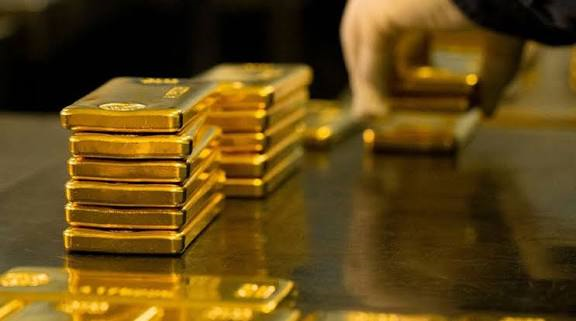
Best Gold Dealers in Senegal (Verified Categories & Trusted Types)
Note: Senegal’s gold market is regulated, and most legitimate transactions are handled through licensed dealers, exporters, jewelry houses, and mining-linked trading companies. Always verify business registration and assay certificates before purchasing.
| Dealer Type / Category | Location | What They Offer | Strengths | Best For |
| Licensed Bullion Dealers | Dakar (main hub) | Gold bars, investment-grade bullion, dore gold | Formal documentation, export capability, regulated pricing | Investors & international buyers |
| Licensed Precious Metals Traders | Dakar & commercial zones | Wholesale gold, scrap gold, refined gold | Linked to mining supply chains, assay testing, traceability | Bulk buyers & exporters |
| Jewelry Houses & Gold Retailers | Dakar, Thiès, Saint-Louis | 18K–24K gold jewelry, custom designs | Craftsmanship, retail accessibility, cultural designs | Personal buyers & jewelry shoppers |
| Mining-Linked Trading Companies | Kédougou region & Dakar offices | Dore bars, raw gold (through formal channels) | Direct connection to production sources | Wholesalers & institutional buyers |
| Authorized Export Agents | Dakar (port & airport zones) | Export services, logistics, customs clearance | Handles documentation, shipping, insurance | International gold importers |
| Artisanal Gold Aggregators (Licensed) | Kédougou, Tambacounda | Small-scale gold collection, consolidation | Local sourcing, lower entry prices | Regional traders & intermediaries |
| Precious Metal Refinery Partners | International-linked offices in Dakar | Assay, refining, purity certification | High trust, internationally recognized certification | High-value transactions |
Note. In Senegal, there are very few “retail-style branded gold dealers” like in Dubai or Switzerland. Instead, the market operates through licensed trading categories connected to mining companies, exporters, and refiners. This makes verification more important than brand names.
Always ensure the dealer can provide:
- Business registration certificate
- Export authorization (if applicable)
- Assay certificate (999 / 916 / 750 purity)
- Commercial invoice and contract
- Proof of legal gold sourcing
Safety Reminder
Before choosing any dealer in Senegal’s gold market, always confirm that:
- The company is legally registered in Senegal
- The gold has a verifiable origin (mines or licensed aggregators)
- Pricing is close to the international gold spot price
- Payments are made through traceable banking channels
- Documentation is provided before shipment or settlement
This approach helps ensure safe, compliant, and profitable gold transactions in Senegal’s evolving precious metals market.
The Gold Market in Senegal: An Overview
Senegal has established itself as one of the fastest-growing gold-producing countries in West Africa. Over the past decade, significant investments in mineral exploration, commercial mining, and regulatory reforms have transformed the country’s gold sector into an important contributor to the national economy. Gold production continues to increase as international mining companies expand operations and new exploration projects identify additional mineral reserves across eastern Senegal.
The majority of Senegal’s commercial gold production comes from the Kedougou Region, particularly around the Sabodala-Massawa mining complex, one of West Africa’s largest gold mines. Other regions, including Tambacounda and parts of Matam, have also attracted exploration companies due to their favorable geology within the Birimian Greenstone Belt, which stretches across several major gold-producing countries in West Africa.
Gold is traded through several channels in Senegal. Large-scale mining companies typically sell refined or semi-refined gold through international commercial agreements, while licensed gold dealers, exporters, refiners, jewelry businesses, and authorized precious metals traders serve domestic and international buyers. Individual investors can purchase gold bullion, investment-grade bars, coins, and jewelry through reputable dealers that comply with Senegalese regulations.
The government regulates gold mining and trading through the Ministry of Mines and Geology, supported by mining legislation that governs licensing, exploration, production, exports, and environmental compliance. Legitimate gold dealers must operate within these legal requirements and maintain appropriate business registrations and, where applicable, export authorizations. Buyers should always request documentation verifying the legal origin of the gold and confirm that all transactions comply with applicable national laws.
Several factors influence gold prices in Senegal, including the international spot gold price, gold purity (22K, 24K, or 99.99% fine gold), refining costs, transportation expenses, insurance, taxes, dealer premiums, and market demand. Because Senegal’s gold market is closely linked to global precious metals markets, local prices generally follow international price movements while reflecting local operating costs.
Growing investor confidence, expanding mining operations, improving infrastructure, and government initiatives to strengthen transparency continue to position Senegal as an attractive destination for gold investment and trade. However, buyers should exercise caution by conducting thorough due diligence, verifying dealer credentials, confirming assay results, and using secure payment and shipping methods when purchasing gold from Senegal.
Where Senegal’s Gold Comes From
Senegal’s gold industry is supplied by a combination of large-scale industrial mines and artisanal and small-scale mining (ASM) operations. While industrial mines account for the majority of the country’s officially reported gold production, artisanal mining continues to support thousands of livelihoods, particularly in the eastern regions bordering Mali and Guinea. Understanding where Senegal’s gold originates helps buyers assess quality, traceability, legal compliance, and supply reliability before making a purchase.
Sabodala-Massawa Gold Mine
The Sabodala-Massawa Gold Mine, located in the Kédougou Region, is Senegal’s largest and most productive gold operation. Operated by an international mining company, the mine combines the former Sabodala and Massawa deposits into one of West Africa’s premier gold-producing complexes.
Gold produced at Sabodala-Massawa undergoes strict geological evaluation, processing, and quality control before being refined and sold through established international channels. Production from this mine typically meets internationally recognized standards for responsible mining, environmental management, and export compliance.
Key facts:
| Feature | Details |
| Location | Kédougou Region, Eastern Senegal |
| Mining Type | Large-scale industrial open-pit and underground mining |
| Main Product | Gold dore bars for refining |
| Primary Buyers | International refiners, bullion traders, institutional buyers |
| Traceability | High, with documented chain of custody |
| Best For | Wholesale buyers seeking legally sourced gold |
Mako Gold Mine
The Mako Gold Mine, also located in southeastern Senegal near the Mali border, is another significant contributor to the country’s gold production. Since commencing commercial production, Mako has become known for its relatively high-grade ore and efficient mining operations.
Gold from Mako is processed into dore bars before being exported to accredited international refineries for final refining and purity certification. The mine operates under Senegal’s mining regulations and contributes substantially to exports, employment, and government revenue.
Key facts:
| Feature | Details |
| Location | Southeastern Senegal |
| Mining Type | Large-scale open-pit mining |
| Main Product | Gold dore bars |
| Export Market | International refineries and bullion markets |
| Regulatory Oversight | Ministry of Mines and Geology |
| Buyer Confidence | High due to regulated production |
Kédougou Artisanal Gold Mining Sites
Beyond industrial mining, the Kédougou Region hosts numerous artisanal and small-scale gold mining communities. Local miners extract gold using manual and semi-mechanized methods from alluvial deposits and shallow hard-rock formations.
Artisanal mining provides income for thousands of families and supplies a portion of Senegal’s domestic gold market. However, gold from artisanal sources can vary significantly in purity, documentation, and traceability. Responsible buyers should work only with licensed aggregators or dealers who can demonstrate that the gold has been legally sourced and complies with Senegalese mining and trading regulations.
Before purchasing artisanal gold, buyers should request:
- Proof of legal sourcing
- Dealer registration or trading license
- Assay certificate confirming purity
- Purchase records and chain-of-custody documentation
- Export authorization (for international shipments)
Dakar as West Africa’s Gold Trading Hub
Although most gold is mined in eastern Senegal, Dakar serves as the country’s principal commercial center for gold trading. The capital hosts licensed precious metals dealers, jewelry manufacturers, exporters, logistics companies, financial institutions, customs offices, and business service providers that facilitate domestic and international transactions.
Many international buyers begin their sourcing process in Dakar because it offers easier access to licensed dealers, legal documentation services, secure banking, cargo handling, and international shipping connections. Gold purchased through reputable Dakar-based companies is typically transported from mining regions after verification, assay testing, and regulatory checks.
Dakar also plays an important role in regional trade, connecting buyers from Europe, the Middle East, North America, and Asia with Senegalese gold suppliers while providing access to international airports and maritime shipping routes.
Formal vs. Artisanal Gold Supply Chains
Understanding the difference between Senegal’s formal and artisanal gold supply chains is essential for evaluating legal compliance, investment risk, and product quality.
| Feature | Formal Gold Supply Chain | Artisanal Gold Supply Chain |
| Source | Industrial mining companies | Individual miners and small cooperatives |
| Production Scale | Large-scale commercial | Small-scale and manual |
| Documentation | Comprehensive legal records | Varies by seller and licensing status |
| Traceability | Strong chain of custody | Can be limited without proper documentation |
| Purity Verification | Professional laboratory assays | Independent testing often required |
| Export Compliance | Managed through licensed exporters | Must pass through authorized dealers/exporters for legal international trade |
| Typical Buyers | Refineries, bullion banks, wholesalers | Licensed dealers, local traders, aggregators |
| Risk Level | Lower when sourced from reputable operators | Higher if documentation and verification are incomplete |
For international buyers, the safest approach is to purchase gold through licensed dealers that can provide complete documentation, independent assay reports, proof of legal origin, and compliance with Senegal’s mining and export laws. Conducting thorough due diligence helps reduce legal, financial, and operational risks while supporting responsible sourcing practices.
How to Identify a Licensed, Trustworthy Gold Dealer
Buying gold is a significant financial transaction, making it essential to choose a dealer that operates legally and transparently. Whether you’re purchasing investment-grade gold bars, bullion, jewelry, or sourcing wholesale gold for export, verifying a dealer’s credentials can help protect you from fraud, counterfeit products, and regulatory issues. In Senegal, reputable dealers should be able to demonstrate that their business complies with national mining, commercial, tax, and export requirements.
Verify Business Registration
The first step is confirming that the dealer is a legally registered business in Senegal. Request the company’s registration details and verify them through the appropriate government authority. A legitimate dealer should operate under a registered business name and maintain records that demonstrate compliance with local commercial laws.
Before proceeding with a transaction, ask for:
- Certificate of business registration
- Tax Identification Number (TIN), where applicable
- Physical business address
- Official company website
- Corporate contact information
- Company representatives’ identification
A reputable business will provide this information openly and consistently.
Confirm Gold Trading and Export Authorization
Not every business that sells gold is authorized to export it internationally. If your purchase involves shipment outside Senegal, confirm that the seller is legally permitted to participate in the export process and can provide the required documentation under Senegalese law.
Request copies of documents such as:
- Gold trading or dealer authorization (where required)
- Export permits or export documentation for international shipments
- Customs documentation
- Commercial invoices
- Packing lists
- Certificate of Origin (when applicable)
- Assay or refinery certificate showing purity
If a dealer cannot explain the legal export process or refuses to provide documentation, consider it a warning sign.
Request an Independent Assay Certificate
Never rely solely on verbal claims about gold purity. Professional dealers should provide an assay certificate issued by a recognized laboratory or refinery showing:
- Gold purity (for example, 99.99%, 99.5%, or other measured fineness)
- Gross and net weight
- Serial numbers (for investment bars, where applicable)
- Date of testing
- Testing laboratory or refinery information
For high-value purchases, buyers may also arrange an independent assay before final payment.
Verify the Gold’s Legal Origin
Responsible sourcing has become increasingly important in the global gold trade. Ask the dealer to explain where the gold originated and request documentation supporting its legal source.
Depending on the supply chain, supporting records may include:
- Mine of origin
- Purchase records
- Chain-of-custody documentation
- Supplier declarations
- Transportation records
- Export documentation
Gold with documented provenance is generally easier to insure, import, and resell internationally.
Evaluate Transparency and Professionalism
Professional gold dealers typically communicate clearly about pricing, transaction procedures, timelines, taxes, and documentation. Be cautious if a seller:
- Avoids answering questions
- Changes pricing without explanation
- Refuses written agreements
- Pressures you into making immediate payments
- Declines independent inspections
- Offers unrealistic discounts far below the international market price
Transparency is one of the strongest indicators of a trustworthy business relationship.
Use Secure Payment and Shipping Methods
Large gold transactions should be conducted using secure, traceable payment methods and insured logistics providers. Avoid cash payments for substantial purchases or sending funds through unverified channels.
For international transactions, reputable dealers commonly work with:
- Bank wire transfers
- Escrow services (where appropriate)
- Documentary trade procedures
- Insured precious-metals logistics providers
- Customs-cleared export shipments
Both buyers and sellers should maintain complete records of contracts, invoices, payment confirmations, and shipping documents.
Check Reputation and Industry Experience
Research the dealer before committing to a purchase. A company with a consistent operating history and positive reputation is generally a safer choice than an unknown seller with little verifiable information.
Consider reviewing:
- Years in business
- Customer reviews and testimonials
- Membership in recognized industry associations (if applicable)
- Media coverage or industry references
- Physical office presence
- Professional communication and responsiveness
Independent verification from multiple sources can provide greater confidence in the dealer’s credibility.
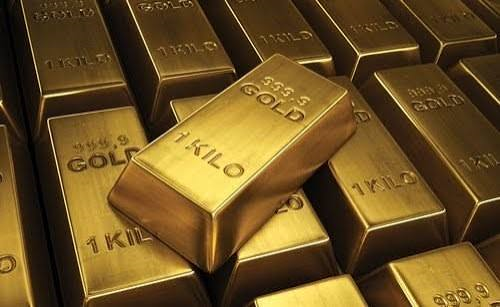
Licensed vs. Unlicensed Gold Dealers: How to Tell the Difference
In Senegal’s growing gold market, one of the most important decisions a buyer can make is choosing between a licensed and an unlicensed dealer. This distinction directly affects the safety of your funds, the authenticity of the gold, and your ability to legally resell or export the metal. While both types of sellers may appear similar at first glance, their level of regulation, documentation, and accountability is fundamentally different.
Licensed gold dealers operate under Senegalese commercial and mining regulations and are expected to follow formal procedures for sourcing, pricing, documentation, and reporting. Unlicensed dealers, on the other hand, often operate informally without regulatory oversight, which significantly increases the risk of fraud, counterfeit gold, or legally non-compliant transactions.
Understanding how to differentiate between the two is essential for anyone buying gold for investment, trade, or export purposes
What Defines a Licensed Gold Dealer?
A licensed gold dealer is a business that is legally registered and authorized to trade precious metals under Senegal’s commercial and mining regulatory framework. These dealers typically operate from identifiable offices, maintain official business records, and issue legally recognized transaction documents.
A legitimate licensed dealer should be able to provide:
- Business registration certificate issued by Senegalese authorities
- Tax Identification Number (TIN) or equivalent tax compliance proof
- Physical office address that can be verified
- Official invoices for every transaction
- Assay certificates for gold purity verification
- Export documentation (if dealing with international buyers)
- Written purchase and sales agreements for high-value transactions
Licensed dealers are also more likely to work with recognized supply chains, including mining companies, refiners, and authorized exporters. This creates a traceable chain of custody, which is critical for international compliance and resale.
In most cases, licensed dealers price their gold in line with the global spot market, adding transparent premiums for refining, logistics, certification, and operational costs.
What Characterizes an Unlicensed Gold Dealer?
Unlicensed gold dealers operate outside formal regulatory systems and often rely on informal networks, word-of-mouth transactions, or temporary arrangements. While some may offer genuine gold, the lack of oversight creates significant risks for buyers.
Common characteristics of unlicensed dealers include:
- No verifiable business registration or tax records
- No fixed physical office or inconsistent contact locations
- Refusal to provide written contracts or invoices
- Lack of assay certificates or reliance on verbal purity claims
- Pressure for fast cash payments or advance transfers
- Pricing significantly below international market value
- Inability to explain legal export procedures or documentation
- Use of intermediaries without clear accountability
Because these dealers operate outside formal systems, buyers have limited legal protection if something goes wrong. Disputes are difficult to resolve, and there is often no regulatory authority to enforce accountability.
Current Gold Prices in Senegal (XOF & USD)
Whether you’re buying investment-grade bullion, gold bars, coins, or jewelry, understanding the current gold price in Senegal is the first step toward making an informed purchase. Gold prices in Senegal closely follow the international spot market, but the final amount you pay can vary depending on the purity of the gold, dealer premiums, refining costs, taxes, fabrication charges, and the USD/XOF exchange rate.
As one of West Africa’s emerging gold-producing nations, Senegal has an active domestic market supported by industrial mining, artisanal production, jewelry manufacturers, and licensed gold dealers. While international gold is priced in U.S. dollars, transactions within Senegal are commonly conducted in West African CFA Franc (XOF).
The prices below represent the estimated intrinsic value of gold based on the international spot price. Retail prices for jewelry and physical bullion may be higher due to manufacturing, certification, transportation, insurance, and dealer margins.
Gold Price Per Gram in Senegal (24K, 22K & 18K)
Reference Gold Spot Price: US$4,149.35 per troy ounce (approximately US$133.40 per gram)
Reference Exchange Rate: 1 USD = 573.48 XOF
| Gold Purity | Gold Content | Price per Gram (XOF) | Price per Gram (USD) | Typical Use |
| 24K Gold | 99.9% Pure | 76,505 XOF | US$133.40 | Investment bars, bullion, reserve gold |
| 22K Gold | 91.6% Pure | 70,080 XOF | US$122.20 | High-quality jewelry, coins |
| 18K Gold | 75.0% Pure | 57,380 XOF | US$100.05 | Luxury jewelry and designer pieces |
Important: These figures are based on the international spot price and are intended as a market reference. The final retail price offered by a licensed gold dealer or jeweler in Senegal may include fabrication costs, refining fees, certification charges, transportation, insurance, taxes, and the dealer’s profit margin.
This is strong directionally, but I’m going to tighten it into a publish-ready, SEO-optimized section while fixing a few things that would otherwise hurt trust or indexing (like over-asserted legal claims, overly rigid “non-negotiable” framing, and linking YouTube inside an authority block without context).
The Verification Protocol: Separating Licensed Dealers from Unlicensed Networks
In Senegal’s precious metals sector, credibility is defined less by brand identity and more by verifiable government registration and compliance with the national mining framework. Under Senegal’s mining and commercial regulations, legitimate gold trading entities must operate within formal legal structures and maintain traceable corporate documentation. For international buyers and investors, verifying these credentials is the single most important step in reducing risk exposure.
In practice, serious gold transactions in Senegal should only involve entities that can demonstrate registration under the Registre du Commerce et du Crédit Mobilier (RCCM) and possession of a valid NINEA number (Numéro d’Identification Nationale des Entreprises et Associations). These identifiers establish that a company is legally recognized and subject to taxation, auditing, and regulatory oversight within Senegal’s commercial system.
Where applicable, mining-related activities and gold trading operations are also expected to comply with authorizations issued under the Ministry of Energy, Petroleum and Mines, particularly through the Directorate of Mining (Direction des Mines et de la Géologie). Buyers should always confirm that a seller’s trading activity aligns with these legal requirements before proceeding with any financial commitment.
Corporate & Transactional Compliance Checklist
Before entering into any gold purchase or export agreement in Senegal, buyers should conduct structured due diligence using the following verification framework:
| Compliance Item | Required Verification Detail | Regulatory Importance |
| RCCM & NINEA Registration | Official business registration certificate issued in Senegal | Confirms the company is legally incorporated and tax-registered |
| Mining or Trading Authorization | License or authorization linked to the Ministry of Mines | Ensures legal permission to trade or handle gold |
| Banking Compliance (BCEAO Region) | Payments processed through licensed commercial banks | Supports anti-money laundering (AML) and financial traceability within WAEMU |
| Assay Certification | Independent laboratory or refinery report confirming purity (999 / 916 / 750) | Verifies gold authenticity and investment-grade quality |
| Commercial Documentation | Invoice, contract, and purchase agreement | Establishes enforceable legal transaction terms |
Cash-based transactions, unclear ownership structures, or refusal to provide documentation are strong indicators that a transaction may fall outside formal regulatory systems.
Avoiding Fraud: High-Risk Indicators in Gold Transactions
Gold fraud schemes in West Africa often rely on bypassing formal compliance systems, particularly documentation, banking transparency, and customs controls. While regulatory enforcement in Senegal has strengthened in recent years, including tighter monitoring of artisanal supply chains and mining permits, buyers must still exercise caution when dealing with private intermediaries.
Common Fraud Risk Patterns
One of the most frequent risks involves advance payment requests tied to incomplete documentation. In legitimate transactions, export permits, assay certificates, and customs declarations are prepared and processed within formal systems such as Senegal’s ORBUS single-window customs platform, rather than being used as post-payment guarantees.
Another common warning sign is pricing significantly below international market rates. Since gold is globally benchmarked against the London Bullion Market Association (LBMA) spot price, offers that deviate substantially below market value without clear justification are typically unsustainable or fraudulent.
Buyers should also be cautious of arrangements that attempt to bypass official logistics channels such as Blaise Diagne International Airport (AIBD) or the Port of Dakar, especially when exporters suggest informal shipping methods or undocumented clearance procedures.
Similarly, reluctance to engage with formal traceability frameworks or licensed aggregators within Senegal’s evolving mineral governance structure may indicate elevated compliance risk.
Industrial Sourcing Landscape in Senegal
Senegal’s industrial gold sector is anchored by large-scale mining operations that supply most of the country’s formal export production. Established projects such as the Sabodala-Massawa Gold Mine and the Mako Gold Mine remain central to output, offering structured production systems with documented chain-of-custody and international refinery partnerships.
In addition, newer developments such as the Boto Gold Project and Diamba Sud Gold Project reflect ongoing expansion in Senegal’s mining portfolio. These operations are typically managed by international mining companies under strict environmental, geological, and financial reporting standards.
For wholesale and institutional buyers, sourcing gold linked to these formal industrial pipelines significantly reduces counterparty risk, improves traceability, and ensures compliance with international responsible sourcing frameworks.
Institutional Context and Market Evolution
Senegal’s gold sector is currently undergoing structural reforms aimed at increasing transparency, reducing informal trade, and strengthening state oversight of mineral exports. Initiatives such as the proposed National Gold Trading Center reflect a broader shift toward centralizing gold aggregation, improving traceability, and aligning domestic production with international compliance expectations.
For buyers and investors, this evolving framework reinforces the importance of working within formal channels and maintaining complete documentation throughout the transaction lifecycle.
How Gold Prices Are Calculated in Senegal
Gold prices in Senegal are derived from the global precious metals market using a straightforward calculation process. Knowing how these prices are determined can help buyers compare quotations from different dealers and identify offers that appear unrealistic.
Step 1: Convert the International Spot Price to Price Per Gram
Gold is traded globally in troy ounces, with one troy ounce equal to 31.1035 grams.
Formula:
Price per Gram (USD) = Gold Spot Price per Troy Ounce ÷ 31.1035
Example:
- Gold Spot Price = US$4,149.35
- Price per Gram = US$133.40
Step 2: Convert USD to West African CFA Franc (XOF)
The U.S. dollar value is converted into XOF using the prevailing exchange rate.
Formula:
Price per Gram (XOF) = Price per Gram (USD) × USD/XOF Exchange Rate
Example:
- US$133.40 × 573.48
- 76,505 XOF per gram (24K Gold)
Step 3: Adjust for Gold Purity
Lower-karat gold contains a smaller percentage of pure gold, so its value is calculated by multiplying the 24K price by the purity percentage.
| Karat | Purity | Calculation |
| 24K | 99.9% | 24K Market Price |
| 22K | 91.6% | 24K Price × 0.916 |
| 18K | 75.0% | 24K Price × 0.75 |
This explains why 18K jewelry costs less per gram than 24K bullion.
Step 4: Add Local Dealer Premiums
The final selling price reflects more than the gold’s intrinsic value. Licensed dealers and jewelers typically add premiums to cover:
- Jewelry craftsmanship and design
- Refining and assay costs
- Import or transportation expenses
- Insurance
- Business operating costs
- Taxes and regulatory compliance
- Dealer profit margin
For investment-grade bullion, premiums are generally lower than those applied to handcrafted jewelry.
What Influences Gold Prices in Senegal?
Gold prices can change daily and sometimes several times a day depending on global financial conditions and local market dynamics.
International Spot Gold Price
The most significant factor is the global spot price of gold, which is influenced by:
- Inflation expectations
- Central bank gold purchases
- Global interest rates
- Currency movements
- Economic uncertainty
- Geopolitical events
- Investor demand for safe-haven assets
When international gold prices rise, prices quoted by dealers in Senegal generally increase as well.
USD/XOF Exchange Rate
Although Senegal uses the West African CFA Franc (XOF), international gold transactions are denominated in U.S. dollars.
Changes in the USD/XOF exchange rate affect local prices:
- A stronger U.S. dollar generally increases gold prices in XOF.
- A weaker dollar can reduce the local cost of gold if the global spot price remains unchanged.
Gold Purity
Gold with higher purity commands a higher price.
Typical purity levels include:
- 24K (99.9%) – Investment bullion
- 22K (91.6%) – Premium jewelry
- 18K (75%) – Luxury jewelry
- 14K (58.5%) – Fashion jewelry
Always verify purity through an assay certificate or recognized hallmark before purchasing.
Dealer Premiums
Different dealers may quote different prices for the same weight of gold due to:
- Business overhead
- Brand reputation
- Certification standards
- Inventory availability
- Market demand
- Fabrication quality
- Shipping and insurance costs
Comparing quotations from several licensed dealers can help buyers obtain competitive pricing.
Local Supply and Demand
Domestic market conditions also influence retail pricing. During periods of increased demand such as wedding seasons, festive celebrations, or heightened investment activity dealer premiums may rise.
Supply can also fluctuate depending on:
- Industrial mine production
- Artisanal mining output
- Refinery capacity
- Import availability
- Export demand
Gold Prices in Dakar vs. Other Regions
Dakar is Senegal’s largest commercial center for gold trading and jewelry retail, offering a wide selection of licensed dealers, bullion suppliers, and jewelry stores. Prices are generally competitive due to greater market activity and supplier competition.
In mining regions such as Kédougou, buyers may encounter locally sourced gold offered through licensed channels. However, purchasing directly from mining areas requires additional due diligence to verify legal origin, assay results, and compliance with Senegalese mining and export regulations.
Regardless of where you buy gold in Senegal, always compare prices with the current international spot market, verify the dealer’s credentials, and request documentation confirming purity and legal provenance before completing any transaction.
Legal Requirements for Buying, Selling & Exporting Gold in Senegal
Gold trading in Senegal is governed by national mining, commercial, customs, and tax laws designed to promote transparency, responsible sourcing, and legal exports. Whether you are a local investor, an international buyer, a jewelry business, or a wholesale bullion trader, understanding the legal framework is essential before purchasing, selling, or exporting gold.
While Senegal welcomes investment in its mining sector, gold transactions—particularly cross-border shipments must comply with applicable laws and regulations. Buyers should work only with reputable businesses that can demonstrate legal compliance and provide complete documentation for every transaction.
Buying Gold Legally in Senegal
Individuals and businesses can purchase gold from legitimate sellers operating within Senegal’s legal framework. To reduce the risk of fraud or purchasing illegally sourced gold, buyers should verify the dealer’s identity, business registration, and supporting documentation before making payment.
Before completing a purchase, request:
- Business registration documents
- Commercial invoice
- Proof of gold purity (assay certificate where applicable)
- Evidence of the gold’s legal source or provenance
- Written purchase agreement for significant transactions
- Government-issued identification for private sellers, where appropriate
Keeping copies of invoices and certificates is important for insurance, resale, and customs purposes.
Selling Gold in Senegal
If you plan to sell gold in Senegal, reputable dealers generally require sufficient information to verify ownership and complete the transaction in accordance with applicable laws.
Sellers should be prepared to provide:
- Valid identification
- Proof of ownership or lawful acquisition, where available
- Gold purity information or assay documentation
- Weight details
- Purchase receipts or invoices (if available)
Dealers may test the gold to confirm its purity before offering a purchase price.
Exporting Gold from Senegal
Exporting gold is generally subject to customs procedures and regulatory requirements. Commercial exports typically involve licensed businesses and require supporting documentation before goods can be cleared for shipment.
Depending on the nature of the transaction and the destination country, documentation may include:
- Commercial invoice
- Packing list
- Customs export declaration
- Certificate of Origin (when applicable)
- Assay or refinery certificate confirming purity
- Air waybill or bill of lading
- Insurance documentation
- Any permits or authorizations required under Senegalese law
Importing countries may also impose additional documentation, precious metals reporting requirements, taxes, or licensing obligations. Buyers should confirm destination-country requirements before arranging shipment.
Government Authorities Involved in Gold Regulation
Several public institutions may play a role in regulating gold production, trade, exports, taxation, and customs procedures.
| Authority | Primary Role |
| Ministry of Mines and Geology | Oversees mining policy, licensing, and sector regulation |
| Customs Administration | Manages export and import clearance procedures |
| Tax Authorities | Administer applicable taxes and fiscal compliance |
| Chambers of Commerce or Trade Authorities | May issue or authenticate certain commercial documents where applicable |
The specific authority responsible for a document depends on the type of transaction and applicable legislation.
Documents Commonly Required for International Gold Transactions
International buyers should ensure that documentation is complete before funds are released or shipments are accepted.
| Document | Purpose |
| Commercial Invoice | Records the sale and declared value |
| Purchase Agreement | Defines the transaction terms |
| Assay Certificate | Confirms purity and weight |
| Certificate of Origin (where applicable) | Indicates the source of the gold |
| Customs Export Documentation | Supports legal export procedures |
| Packing List | Identifies shipment contents |
| Transport Documents | Track shipment during transit |
| Insurance Certificate | Covers risks during transportation |
The exact documentation required varies depending on the shipment, the exporter, and the destination country’s import rules.
Compliance Tips for International Buyers
If you are sourcing gold from Senegal for export or investment, consider the following best practices:
- Verify the seller’s legal business registration.
- Confirm that the gold has been lawfully sourced.
- Request an independent assay certificate for high-value purchases.
- Review all commercial and customs documentation before payment.
- Use written contracts that clearly define pricing, quality, delivery terms, and dispute resolution.
- Conduct payments through secure, traceable banking channels.
- Ensure the shipment complies with both Senegalese export requirements and the import regulations of the destination country.
Common Legal Mistakes to Avoid
Many disputes arise because buyers fail to complete proper due diligence. Avoid these common errors:
| Mistake | Potential Consequence |
| Purchasing from unverified sellers | Increased risk of fraud or illegal sourcing |
| Paying before reviewing documentation | Financial loss if the transaction is not completed |
| Ignoring purity verification | Receiving gold that does not match the stated quality |
| Failing to confirm export requirements | Customs delays, seizure, or additional compliance costs |
| Relying on verbal agreements | Difficulty enforcing transaction terms |
Best Practices for a Compliant Gold Transaction
A legally compliant transaction should include:
- Verification of the dealer’s business registration.
- Confirmation of the gold’s purity through an assay certificate or recognized refinery documentation.
- Documentation showing the lawful origin of the gold, where appropriate.
- A written purchase agreement signed by both parties.
- Secure payment using traceable financial channels.
- Complete commercial, customs, and shipping documentation before export.
- Compliance with the laws of both Senegal and the destination country.
Following these steps helps protect buyers and sellers, facilitates smoother international trade, and supports responsible participation in Senegal’s growing gold market.
Domestic Purchase Rules & Required Documentation
Buying and selling gold within Senegal should be conducted through legitimate businesses that comply with the country’s mining, commercial, and tax regulations. Whether you are purchasing investment-grade gold bars, bullion, jewelry, or gold for commercial purposes, maintaining proper documentation helps establish the lawful origin of the transaction and can simplify future resale, insurance claims, or export procedures.
For retail purchases, buyers should always request a detailed sales invoice showing the seller’s business information, the date of purchase, the weight of the gold, its purity (such as 24K, 22K, or 18K), the purchase price, and any applicable taxes or fees. For larger or wholesale transactions, a written purchase agreement is recommended to clearly define payment terms, delivery conditions, inspection rights, and dispute-resolution procedures.
If purchasing bullion or investment bars, buyers should also request:
- Assay certificate confirming purity and weight
- Bar serial number (if applicable)
- Certificate of authenticity from the refinery or manufacturer (where available)
- Proof of legal ownership or lawful source, where appropriate
- Business registration details of the dealer
Maintaining complete records not only protects the buyer but also demonstrates compliance if the gold is later exported or resold.
| Recommended Document | Purpose |
| Commercial Invoice | Evidence of purchase and declared value |
| Purchase Agreement | Defines contractual terms for large transactions |
| Assay Certificate | Confirms gold purity and weight |
| Certificate of Authenticity (where available) | Verifies bullion or branded products |
| Dealer Business Registration | Helps confirm the seller operates legally |
| Payment Receipt | Records proof of payment |
Export Permits, Taxes & Royalties
Gold exports from Senegal are subject to customs procedures and applicable legal requirements. Commercial exporters must comply with national laws governing precious metals and should ensure that all supporting documentation accompanies the shipment before export.
Depending on the transaction, exporters may need documentation such as:
- Commercial invoice
- Packing list
- Customs export declaration
- Assay certificate
- Certificate of Origin (when applicable)
- Transport documents (air waybill or bill of lading)
- Insurance documentation
- Any permits or authorizations required under Senegalese law
Exporters should also understand that taxes, customs duties, royalties, and administrative charges may apply depending on the type of gold, its origin, and the applicable legal framework. These obligations can change over time through legislative amendments or government policy updates.
International buyers should also verify the import requirements of the destination country, which may include customs declarations, anti-money laundering (AML) reporting, import duties, value-added taxes, or additional precious-metals documentation.
| Export Requirement | Why It Matters |
| Customs Export Declaration | Required for legal international shipment |
| Assay Certificate | Verifies purity before export |
| Commercial Invoice | Declares shipment value |
| Certificate of Origin (where applicable) | Supports traceability and customs clearance |
| Insurance | Protects high-value cargo during transit |
| Destination-Country Import Compliance | Helps prevent delays or shipment refusal |
Important: Export requirements, taxes, royalties, and licensing obligations may change. Before shipping gold internationally, confirm the latest requirements with the relevant Senegalese authorities and the customs authorities in the destination country.
Recent Government Reforms (National Gold Trading Center & Anti-Smuggling Measures)
Senegal has continued implementing reforms aimed at improving transparency, increasing government revenue, strengthening responsible sourcing, and reducing illegal gold trading. These initiatives form part of the country’s broader strategy to modernize the mining sector and increase investor confidence.
One of the government’s notable policy objectives has been the development of a National Gold Trading Center, intended to improve the formal marketing of domestically produced gold. The initiative is expected to encourage more gold to pass through regulated trading channels, strengthen price transparency, improve traceability, and support better monitoring of production and exports.
In parallel, authorities have increased efforts to combat illicit gold trading and cross-border smuggling. These measures include stronger cooperation among mining regulators, customs officials, law enforcement agencies, and border authorities. Enhanced documentation requirements, improved monitoring of supply chains, and greater enforcement of mining regulations are designed to reduce illegal exports and promote responsible mineral trade.
For legitimate buyers and licensed dealers, these reforms can provide several advantages:
- Greater confidence in documented supply chains
- Improved traceability of legally sourced gold
- Enhanced investor protection through stronger oversight
- Increased transparency in commercial transactions
- Better alignment with international responsible sourcing expectations
| Government Reform | Expected Benefit |
| National Gold Trading Center initiative | Improved transparency and formalization of gold trading |
| Enhanced traceability measures | Better verification of gold origin |
| Stronger anti-smuggling enforcement | Reduced illegal cross-border trade |
| Improved regulatory oversight | Increased investor and buyer confidence |
| Support for formal mining and trading | Stronger legal supply chains and market integrity |
As Senegal continues to modernize its gold sector, buyers who work with licensed dealers, maintain complete documentation, and comply with applicable regulations are generally better positioned to conduct secure and legally compliant transactions in both domestic and international markets.
Where to Buy or Sell Gold in Senegal
Senegal has developed into one of West Africa’s most important gold markets, supported by large-scale mining operations, artisanal production, an expanding jewelry industry, and growing international demand for responsibly sourced precious metals. Whether you are an investor looking to purchase 24K gold bars, a jewelry buyer searching for certified products, a wholesaler sourcing bullion for export, or an individual selling inherited gold, choosing the right marketplace is essential for a secure transaction.
The safest approach is to work with businesses that operate transparently, provide complete documentation, and can verify the legal origin and purity of their gold. Buyers should compare prices from multiple dealers, request assay certificates, confirm business registration, and review all contracts before transferring funds. Below are the main places where gold is legally bought and sold in Senegal.
Licensed Gold Dealers
Licensed gold dealers are widely regarded as the safest and most reliable source for purchasing investment-grade gold in Senegal. These businesses specialize in trading bullion, gold bars, coins, and, in some cases, responsibly sourced artisanal gold that has passed through formal supply chains. Unlike informal traders, licensed dealers are expected to comply with commercial regulations, maintain business records, issue invoices, and provide documentation that supports the legality and authenticity of the gold they sell.
Many professional dealers maintain relationships with mining companies, refiners, exporters, financial institutions, and logistics providers, enabling them to facilitate both domestic and international transactions. Their pricing generally follows the international spot market, with premiums reflecting refining, transportation, insurance, certification, and operating costs.
Before purchasing from any dealer, buyers should verify the company’s legal registration, request an assay certificate confirming purity and weight, inspect bullion serial numbers where applicable, and review all commercial documents. Reputable dealers should also explain the origin of the gold, available payment methods, shipment procedures, and any applicable taxes or export requirements. Working with an experienced licensed dealer significantly reduces the risks associated with counterfeit products, undocumented gold, or fraudulent transactions, making them the preferred choice for investors and commercial buyers alike.
Gold Jewelry Stores
Gold jewelry stores remain one of the most popular places to buy and sell gold in Senegal, particularly in major cities such as Dakar, Thiès, and Saint-Louis. These retailers offer a wide variety of products, including wedding rings, necklaces, bracelets, earrings, traditional Senegalese jewelry, and custom-designed pieces crafted in 18K, 22K, and 24K gold.
Unlike investment bullion, jewelry prices reflect more than the intrinsic value of the gold. Customers also pay for craftsmanship, artistic design, gemstone settings, manufacturing techniques, branding, and retail services. As a result, jewelry often carries a higher premium than gold bars of the same weight.
Before making a purchase, buyers should confirm the item’s hallmark, request information about its gold purity, compare prices among several jewelers, and ask whether the purchase includes a certificate of authenticity or appraisal. It is also advisable to inquire about warranty coverage, exchange policies, resizing services, and future buy-back options. Purchasing from an established jeweler with a strong local reputation offers greater confidence that the product is genuine and accurately represented.
Gold Buyers and Precious Metal Recycling Businesses
Individuals wishing to sell unwanted jewelry, broken gold items, coins, or investment bullion can do so through professional gold buyers and precious metal recycling businesses. These companies evaluate gold based on several factors, including purity, weight, condition, and the prevailing international market price.
A reputable gold buyer will typically weigh the gold using calibrated precision scales, verify purity through accepted testing methods, explain how the valuation is calculated, and provide a written quotation before completing the transaction. Some buyers may also purchase dental gold, scrap jewelry, damaged bullion, or estate collections for refining and resale.
To obtain the best value, sellers should compare offers from several businesses rather than accepting the first quotation received. Keeping original invoices, certificates, or previous appraisal reports may also improve buyer confidence and simplify the valuation process. Transparent buyers are generally willing to explain their pricing methodology and answer questions regarding deductions, commissions, or refining costs before payment is finalized.
Authorized Gold Exporters
Authorized gold exporters play a vital role in connecting Senegal’s gold industry with international markets. These businesses specialize in coordinating cross-border transactions while ensuring compliance with customs procedures, shipping regulations, and commercial documentation requirements. They often serve wholesale buyers, refineries, bullion traders, jewelry manufacturers, and institutional investors seeking legally sourced gold from Senegal.
Professional exporters typically assist clients with preparing commercial invoices, customs declarations, packing lists, transport documents, insurance certificates, and other paperwork required for international shipments. Many also coordinate secure transportation through specialized logistics providers experienced in handling high-value precious metals.
For international buyers, partnering with an experienced exporter reduces administrative complexity and helps minimize delays during customs clearance. Before entering into an agreement, buyers should verify the exporter’s business credentials, discuss shipment timelines, clarify responsibilities under the sales contract, and confirm that the exporter can provide documentation supporting the lawful origin and purity of the gold.
Commercial Mining Companies
Senegal’s commercial mining companies are responsible for producing the majority of the country’s officially reported gold output. Large-scale operations such as the Sabodala-Massawa and Mako mines extract gold using advanced geological exploration, modern processing facilities, and internationally recognized operational standards. Most of the gold produced is cast into dore bars before being transported to accredited refineries for final purification and sale on global markets.
Unlike retail dealers, mining companies generally do not sell small quantities of gold directly to individual consumers. Instead, their customers typically include international refiners, bullion banks, commodity traders, jewelry manufacturers, and institutional investors operating under long-term commercial agreements.
Understanding the role of commercial mining companies helps buyers appreciate the formal supply chain that supports Senegal’s gold exports. Gold originating from established mining operations generally benefits from stronger traceability, documented production records, and more structured quality assurance processes, making it particularly attractive to institutional purchasers that prioritize responsible sourcing and regulatory compliance.
Risks to Avoid When Trading Gold in Senegal
Trading gold in Senegal can be profitable and relatively secure when done through licensed and transparent channels, but it also carries significant risks if proper due diligence is ignored. The gold market attracts a wide range of participants from formal mining companies and regulated dealers to informal intermediaries and opportunistic fraudsters which means buyers must be highly cautious at every stage of a transaction. Understanding the most common risks helps investors, traders, and jewelry buyers protect their capital and avoid costly mistakes.
One of the most serious risks is fraudulent or unlicensed dealers posing as legitimate gold suppliers. These individuals or entities may present fake company documents, forged assay certificates, or misleading claims about gold origin and purity. In some cases, they may offer attractive prices far below the international market rate to lure buyers into advance payments. Once payment is made, the seller may disappear or fail to deliver the promised gold. To avoid this, buyers should always verify business registration, request physical office details, and confirm documentation through independent sources before engaging in any transaction.
Another major risk involves undocumented or illegally sourced gold. Gold that originates from informal mining sites or cross-border smuggling operations may lack proper traceability or legal export authorization. Purchasing such gold can expose buyers to confiscation at customs, legal penalties, and reputational damage. In international trade, authorities require proof of origin, assay certification, and export documentation to ensure compliance with anti-money laundering (AML) and responsible sourcing standards. Without these documents, even genuine gold may be considered non-compliant.
Price Manipulation and Unrealistic Offers
Many inexperienced buyers are also vulnerable to price manipulation schemes, where sellers quote artificially low prices that do not reflect the global gold spot market. These offers are often structured to pressure buyers into quick decisions without proper verification. In legitimate markets, gold prices are closely tied to international benchmarks, and large deviations from the spot price should always be treated as a warning sign. Buyers should regularly check global gold prices and compare multiple dealer quotations before proceeding.
Weak or Nonexistent Documentation
A lack of proper documentation is another critical risk. Legitimate gold transactions should always include commercial invoices, assay certificates, and, where applicable, export permits and certificates of origin. Dealers who refuse to provide written agreements or delay documentation until after payment introduce significant legal and financial uncertainty. Without documentation, buyers may face difficulties proving ownership, clearing customs, or reselling the gold in international markets.
Unsafe Payment Methods
Payment-related risks are also common in high-value gold transactions. Fraudulent sellers often request untraceable payment methods such as cash transfers, informal intermediaries, or cryptocurrency payments without formal contracts. These methods make it nearly impossible to recover funds in the event of fraud. Secure transactions should always involve traceable banking channels, written agreements, and clear payment terms linked to documented delivery milestones.
Physical Security and Logistics Risks
Beyond financial fraud, physical risks also exist in the transportation and handling of gold. Poorly secured shipments, lack of insurance, or unauthorized transport channels can result in theft, loss, or shipment delays. High-value gold should always be transported using insured logistics providers with experience in precious metals handling and full customs compliance. Buyers should confirm that shipments are properly documented, sealed, and tracked throughout the entire supply chain.
Key Risk Summary Table
| Risk Type | Description | Impact |
| Fake or unlicensed dealers | Fraudulent companies or individuals posing as legitimate sellers | Financial loss, no delivery |
| Illegal or untraceable gold | Gold without proper documentation or legal origin | Confiscation, legal issues |
| Price manipulation | Unrealistic or below-market pricing offers | Payment scams, fake deals |
| Missing documentation | No invoices, assay, or export permits | Customs rejection, legal exposure |
| Unsafe payments | Cash or untraceable transfers | Irrecoverable funds |
| Logistics failures | Poor transport or lack of insurance | Theft or shipment loss |
How to Minimize Risk
The most effective way to reduce risk when trading gold in Senegal is to work only with verified, licensed dealers and insist on full documentation before any payment is made. Buyers should confirm the seller’s legal status, request assay certificates from recognized laboratories, and ensure all export and customs requirements are clearly defined in a written agreement. Using secure banking channels, comparing multiple offers, and avoiding rushed decisions further strengthens transaction safety.
Ultimately, successful gold trading in Senegal depends on discipline, verification, and adherence to legal procedures. Buyers who prioritize transparency and compliance are far more likely to complete secure, profitable transactions while avoiding the common pitfalls of the gold market.
Buying Gold as an Investment in Senegal: Beginner’s Guide
Gold has long been considered one of the most stable stores of value, and in Senegal it is increasingly viewed as a strategic investment option alongside real estate, savings, and foreign currency trading. For beginners, gold investment offers a relatively simple entry point into wealth preservation, especially in a market where inflation, currency fluctuations, and global economic uncertainty can impact purchasing power over time.
Unlike many financial assets, gold is a tangible commodity with intrinsic value. It does not rely on corporate performance or interest rates to maintain its worth, which makes it particularly attractive during periods of economic instability. In Senegal, investors can access gold through licensed dealers, jewelry stores, and authorized exporters, with products ranging from small gram bars to larger investment-grade bullion.
Before investing, beginners should understand three core principles: purity, pricing, and documentation. Purity determines the real value of the gold (commonly 24K for investment purposes), pricing is linked to the global spot market, and documentation ensures that the asset is legally sourced and can be resold or exported without complications. Investors should always request assay certificates, invoices, and proof of origin when purchasing gold.
Gold investment in Senegal can be suitable for both short-term traders looking to capitalize on price fluctuations and long-term holders seeking wealth preservation. However, success depends heavily on buying from reputable sources and avoiding informal or unverified dealers who may offer non-certified or overpriced products.
Gold vs. Other Investments in Senegal (Real Estate, Forex, and Savings)
When comparing gold to other investment options in Senegal, it is important to evaluate factors such as liquidity, risk, capital requirements, and long-term stability. Each asset class offers different advantages depending on the investor’s financial goals and risk tolerance.
Gold vs. Real Estate
Real estate is one of the most popular investments in Senegal, particularly in urban centers like Dakar. It offers long-term capital appreciation and potential rental income. However, it requires significant upfront capital, involves legal registration processes, and can be less liquid when quick access to cash is needed.
Gold, by contrast, is highly liquid and can be sold quickly in both local and international markets. It does not generate passive income like rent, but it preserves value more efficiently during economic uncertainty. While real estate is location-dependent, gold is globally portable and universally recognized.
Gold vs. Forex Trading
Forex trading involves buying and selling currencies based on exchange rate movements. It offers high profit potential but also carries significant risk due to market volatility, leverage, and the need for advanced financial knowledge.
Gold is generally considered a safer alternative because it is less volatile than currency trading over the long term. While gold prices fluctuate daily, they are influenced by global macroeconomic trends rather than speculative short-term trading behavior. For beginners, gold provides a more stable entry into investment markets compared to forex.
Gold vs. Savings and Bank Deposits
Savings accounts and fixed deposits in Senegal offer security and predictable returns through interest. However, inflation can reduce the real value of money over time, especially in economies where currency fluctuations affect purchasing power.
Gold acts as a hedge against inflation and currency depreciation. While it does not earn interest, its value often increases during periods when paper currencies lose strength. This makes gold a complementary asset to traditional savings rather than a complete replacement.
Investment Comparison Table
| Investment Type | Risk Level | Liquidity | Income Generation | Capital Requirement | Stability |
| Gold | Low to Medium | High | No | Low to Medium | High |
| Real Estate | Medium | Low | Yes (rent) | High | High |
| Forex Trading | High | High | Yes | Low to Medium | Low |
| Bank Savings | Low | High | Yes (interest) | Low | Medium |
Why Gold Is Attractive for Beginners in Senegal
Gold is particularly appealing for new investors because it does not require complex financial knowledge or active management. It can be purchased in small quantities, stored securely, and sold when needed without complicated procedures. In addition, Senegal’s growing formal gold market and expanding network of licensed dealers make it easier than ever to access legitimate investment-grade gold.
However, beginners must prioritize verification and documentation. Working with licensed dealers, confirming purity through assay reports, and understanding current market prices are essential steps to avoid overpaying or purchasing non-investment-grade material.
Ultimately, gold should be viewed as a long-term wealth preservation tool rather than a speculative asset. When used strategically alongside other investments such as real estate and savings, it can help create a more balanced and resilient financial portfolio.
Frequently Asked Questions
Is it legal to buy gold from artisanal miners in Senegal?
Buying gold directly from artisanal miners in Senegal exists in a legal grey area and depends heavily on how the transaction is structured and documented. Artisanal and small-scale mining (ASM) is a recognized part of Senegal’s gold sector, especially in regions like Kédougou, but miners are generally required to sell their production through licensed aggregators, cooperatives, or authorized dealers rather than directly to end buyers.
In practice, this means that while gold originates from artisanal miners, a legally compliant purchase for domestic or international use should pass through a licensed intermediary who can provide documentation proving lawful sourcing, weight verification, and purity assessment. Without this step, buyers risk purchasing gold that lacks traceability, which may lead to customs issues, legal complications, or confiscation during export.
For international buyers, the safest approach is always to work with registered dealers or exporters who can demonstrate full chain-of-custody documentation from mine to market.
How can I verify gold purity without lab equipment?
While professional laboratory testing (assay) remains the most accurate method for determining gold purity, several preliminary checks can help you assess authenticity before purchasing. However, these methods should be considered screening tools, not final proof.
Common non-laboratory methods include:
- Hallmark inspection: Check for stamps such as 999 (24K), 916 (22K), or 750 (18K), which indicate gold purity levels.
- Magnet test: Real gold is not magnetic; if the item is strongly attracted to a magnet, it may contain non-gold metals.
- Density and weight check: Gold is dense and noticeably heavy compared to fake alloys of the same size.
- Visual inspection: Discoloration, uneven coloring, or flaking may indicate plating rather than solid gold.
- Ceramic scratch test: Genuine gold leaves a golden streak, while fake metals often leave a black or greenish mark.
Despite these checks, counterfeit gold can still pass basic tests. For investment or export purposes, only a certified assay report from a recognized refinery or laboratory should be considered reliable proof of purity.
What documents do I need to export gold from Senegal?
Exporting gold from Senegal requires strict compliance with customs regulations and supporting documentation to ensure the shipment is legally recognized. The exact requirements may vary depending on the type of gold, quantity, and destination country, but standard export documentation typically includes:
- Commercial invoice detailing weight, purity, and value
- Export declaration filed with Senegalese customs authorities
- Assay certificate confirming gold purity and authenticity
- Certificate of origin (where applicable)
- Packing list describing shipment details
- Transport documents such as air waybill or bill of lading
- Insurance certificate for high-value shipments
- Any additional permits required under mining or trade regulations
In addition to Senegalese requirements, import regulations in the destination country may require anti-money laundering (AML) declarations, tax filings, or precious metals reporting. Working with a licensed exporter or logistics provider is strongly recommended to ensure full compliance and avoid delays or seizure at customs.
How much is gold per gram in Senegal today?
The price of gold in Senegal changes daily and is directly linked to the international gold spot market, as well as the USD to West African CFA Franc (XOF) exchange rate. As of the latest reference pricing, gold is valued based on a global spot price of approximately $4,149.35 per troy ounce, which translates to around $133.40 per gram for 24K gold before local premiums.
Converted into XOF using an exchange rate of 1 USD = 573.48 XOF, the approximate base prices are:
- 24K Gold: ~76,505 XOF per gram
- 22K Gold: ~70,080 XOF per gram
- 18K Gold: ~57,380 XOF per gram
However, actual retail prices in Senegal may be higher due to dealer margins, fabrication costs, certification fees, and logistics expenses. Jewelry prices, in particular, can vary significantly depending on craftsmanship and design complexity.
For the most accurate price, buyers should always check the current international spot price and compare quotations from multiple licensed dealers in Dakar or other major trading hubs before making a purchase.