
Trusted Gold Dealers in Kampala | Top Gold Buyers & Sellers 2026 Guide
Uganda has become one of East Africa’s leading gold trading hubs, attracting investors, refiners, jewelry manufacturers, bullion dealers, and precious metal traders from across the globe. Its strategic location, growing refining capacity, and established export infrastructure have positioned Kampala as a key gateway for gold trade within the region. If you are searching for licensed gold dealers in Kampala, your priority should be working with businesses that operate legally, maintain transparent business practices, and comply with Uganda’s mining and mineral trading regulations. Choosing a reputable and compliant dealer not only protects your investment but also helps ensure a smooth and secure purchasing experience.
Whether you are purchasing 24K gold bars, gold bullion, gold nuggets, gold dust, or investment-grade precious metals, secure sourcing begins with verifying the legitimacy and credibility of the seller. Professional gold dealers should be able to provide relevant business documentation, explain their sourcing procedures, arrange independent assay testing, and guide buyers through the legal requirements associated with domestic purchases or international exports. Purchasing through licensed and compliant dealers significantly reduces the risk of fraud, counterfeit products, documentation issues, and regulatory complications while providing greater confidence throughout the transaction.

Top Gold Dealers in Kampala, Uganda
Important: Always verify licensing, business registration, and compliance with the Ministry of Energy and Mineral Development (MEMD) before engaging in any gold transaction.
| Gold Dealer / Company Name | Location in Kampala | Main Products / Services | Verification Checklist | Investor Notes |
| Kampala Precious Metals Traders (Example Listing) | Industrial Area | Gold bars, bullion, gold nuggets | Business registration, MEMD compliance, KYC/AML procedures | Should provide assay certificates and export documents |
| Uganda Gold & Bullion Dealers Ltd (Example Listing) | Nakasero / City Center | Investment gold, 24K bars, gold dust | Export license, tax compliance, physical office verification | Suitable for international buyers |
| East Africa Gold Traders Hub (Example Listing) | Jinja Road | Gold sourcing, refining coordination, exports | Refinery partnerships, customs clearance records | Check export history and logistics capability |
| Kampala Bullion Exchange (Commercial Entity) | Kampala Central | Gold trading, bullion sales, price negotiation | Licensed dealer confirmation, bank payment verification | Should align pricing with international gold rates |
| African Precious Metals Dealers Network (Private Dealers Group) | Industrial & Entebbe Road | Gold bars, scrap gold, investment gold | MEMD authorization, assay verification | Often acts as intermediary network |
| Licensed Independent Gold Dealers (Various Offices) | Multiple locations in Kampala | Small and bulk gold supply | Individual dealer licensing, AML/KYC compliance | Always verify each dealer individually |
Why Kampala Is a Major Gold Trading Hub
Kampala serves as the commercial heart of Uganda’s gold industry and has developed into one of the most active precious metals trading centers in East Africa. Its strategic geographical position provides convenient access to regional mineral-producing areas while offering well-established financial institutions, transportation networks, export services, and international logistics connections. These advantages have helped transform Kampala into an important destination for both local and international investors seeking reliable sources of investment-grade gold.
Gold traded through Kampala may originate from licensed mining operations within Uganda as well as legally imported gold from neighboring countries, provided that all applicable laws, customs requirements, and regulatory procedures are followed. The city has become a preferred location for buyers because it combines experienced dealers, professional support services, and government oversight within one commercial center.
Investors purchasing gold in Kampala benefit from access to licensed precious metals dealers who specialize in the sale of gold bars, bullion, nuggets, and other investment products. They can also utilize professional assay laboratories and gold refineries, where the purity and quality of gold can be independently tested and verified before completing a transaction.
For international buyers, Kampala offers experienced export logistics providers who assist with preparing export documentation, coordinating secure transportation, and ensuring compliance with customs requirements. Reputable international courier companies provide insured shipping solutions for eligible gold exports, while established banks and trade finance institutions support secure payment methods, letters of credit, and other financial services commonly used in international gold transactions.
In addition, businesses can work with professional customs agents and compliance specialists who help navigate regulatory requirements administered by the Ministry of Energy and Mineral Development (MEMD), the Uganda Revenue Authority (URA), and other relevant authorities. Their expertise helps ensure that transactions meet legal standards and that exports proceed efficiently.
Together, these services have made Kampala an attractive destination for investors, wholesalers, refiners, jewelry manufacturers, and international precious metals companies seeking to source gold through legal, transparent, and professionally managed channels. Working with licensed dealers and following Uganda’s regulatory framework provides buyers with greater security, improved transparency, and increased confidence throughout the entire gold sourcing process.
Gold buyers and sellers in Kampala
| Company | Location | Services | Gold Products | Buyer/Seller |
| Gold Buyers Africa Ltd | Kampala, Uganda | Gold buying, selling, export assistance, sourcing | 24K Gold Bars, Gold Dore Bars, Gold Nuggets | Buyer & Seller |
| Bullion Refinery Limited | Kampala | Gold refining, bullion sales, export | Refined Gold Bars, Dore Bars | Buyer & Seller |
| African Gold Refinery (AGR) | Entebbe (Greater Kampala Area) | Gold refining, assay services, bullion | Refined Gold Bars | Buyer & Seller |
| Simba Gold Refinery | Kampala | Gold refining, purchasing, exports | Gold Bars, Dore Gold | Buyer & Seller |
| Victoria Gold Star Ltd | Kampala | Gold trading and exports | Gold Bars, Gold Nuggets | Buyer & Seller |
| Uganda Gold Consults Ltd | Kampala | Gold sourcing, buyer representation | Gold Dore Bars, Raw Gold | Buyer & Seller |
| East African Gold Dealers Ltd | Kampala | Gold procurement and international exports | 24K Gold Bars | Buyer & Seller |
| Gold Prices in Africa Ltd | Kampala | Gold sourcing, market information, export guidance | Investment Gold Bars | Buyer & Seller |
| Kampala Gold Traders Ltd | Kampala | Gold trading and wholesale supply | Gold Bars, Nuggets | Buyer & Seller |
| Premier Gold Dealers Uganda | Kampala | Gold buying, selling, export documentation | 24K Gold Bars, Dore Bars | Buyer & Seller |
Important: Before transacting with any gold buyer or seller in Kampala, independently verify the company’s legal registration, mineral dealer or exporter license (where applicable), tax registration, assay reports, export documentation, and compliance with Uganda’s Mining and Minerals Act. Always conduct due diligence before making payments or entering into a transaction.
Why Buying from Licensed Gold Dealers Matters
Purchasing gold is a significant financial investment, and selecting the right dealer is one of the most important decisions a buyer can make. Working with licensed gold dealers in Kampala provides greater confidence that the transaction is being conducted through a business that operates within Uganda’s legal and regulatory framework. Licensed dealers are generally expected to follow established business practices, maintain proper records, and comply with the applicable requirements governing mineral trading and exports.
One of the primary advantages of buying from a licensed dealer is the transparency it brings to every stage of the transaction. Professional dealers are typically able to explain where the gold was sourced, how its purity has been verified, what documentation accompanies the sale, and which legal procedures apply if the gold will be exported. This level of transparency helps buyers make informed decisions and reduces uncertainty throughout the purchasing process.
Licensed dealers also provide proper commercial documentation, which is essential for proving ownership, facilitating payment, and supporting legal export procedures where applicable. Documents such as commercial invoices, assay certificates, purchase agreements, and export paperwork help establish a clear record of the transaction and may be required by customs authorities or financial institutions.
Another important benefit is independent gold purity verification. Reputable dealers usually arrange for gold to be tested by qualified assay laboratories or accredited refineries to confirm its purity, weight, and quality before a transaction is finalized. Independent assay results provide buyers with greater confidence that they are purchasing gold that matches the agreed specifications.
Professional dealers are also expected to comply with Anti-Money Laundering (AML) and Know Your Customer (KYC) requirements. These procedures help verify the identity of buyers and sellers, promote transparency in financial transactions, and support efforts to prevent illegal activities within the precious metals industry. Although these compliance checks may require additional documentation, they contribute to a safer and more secure trading environment.
Perhaps most importantly, purchasing through licensed dealers significantly reduces the risk of fraud, counterfeit gold, misrepresentation, and documentation issues. While no transaction is entirely risk-free, conducting business with reputable and compliant companies provides an additional layer of protection compared with dealing through unverified or informal sources.
Professional gold dealers should be willing to answer questions about their sourcing practices, explain their testing procedures, provide supporting documentation, discuss pricing methodologies, and outline the regulatory requirements that apply to your transaction. A transparent dealer understands that informed buyers are more likely to complete transactions with confidence.
Regulatory Compliance in Uganda
Gold trading in Uganda operates within a legal framework administered by the Ministry of Energy and Mineral Development (MEMD) under the country’s applicable mining laws and regulations. Businesses involved in buying, processing, refining, transporting, or exporting gold may be required to obtain the appropriate licenses, permits, or authorizations depending on the nature of their activities. Compliance with these requirements helps promote accountability, responsible mineral trade, and lawful commercial operations.
Before purchasing or exporting gold, investors should ensure that the transaction complies with Ministry of Energy and Mineral Development regulations, including any applicable licensing requirements, mineral traceability obligations where relevant, documentation standards, and export procedures. Understanding these legal requirements before entering into a transaction can help prevent unnecessary delays and reduce the risk of regulatory complications.
International buyers should also be aware that gold exports generally involve compliance with additional government agencies, including the Uganda Revenue Authority (URA), which administers customs procedures and export clearance requirements. Depending on the destination country, import regulations, customs declarations, taxes, and documentation requirements may also apply upon arrival.
As part of a professional due diligence process, buyers should request and carefully review all relevant documentation before making payment or accepting delivery. Depending on the transaction, this may include business registration documents, applicable mineral trading or export authorizations, assay certificates confirming gold purity, commercial invoices, purchase agreements, and export documentation where required. Whenever practical, buyers should verify the authenticity of important documents with the issuing authority or seek independent legal or professional advice for high-value transactions.
Rather than relying solely on marketing claims or verbal assurances, investors should base their purchasing decisions on verifiable documentation, transparent business practices, and compliance with Uganda’s regulatory framework. Taking these precautions helps protect your investment while supporting a secure, lawful, and professionally managed gold sourcing process.
Types of Gold Available
Kampala’s gold market offers a wide variety of gold products to meet the needs of investors, jewelers, refiners, and industrial buyers. These products vary in form, purity, and intended use, allowing both local and international buyers to choose options that best suit their investment or commercial requirements.
Gold Bars
Gold bars are one of the most popular forms of investment gold available in Kampala. They are refined to high purity standards, typically 99.5% to 99.99%, and are available in various weights for both wholesale and retail buyers.
Gold Nuggets
Gold nuggets are naturally occurring pieces of gold that are extracted directly from mining sites. Their unique shapes and natural appearance make them valuable to collectors as well as buyers seeking unrefined gold.
Gold Dust
Gold dust consists of fine gold particles collected during the mining process. It is commonly purchased by refiners and manufacturers who process it into bullion, jewelry, or other gold products.
Bullion
Bullion refers to gold that has been refined to a high level of purity and is traded primarily for investment purposes. It is commonly available as bars or ingots and is valued based on its weight and current market price.
24K Gold
24K gold is the purest form of gold, containing approximately 99.9% gold content. It is widely preferred by investors and bullion buyers because of its maximum purity and intrinsic value.
22K Gold
22K gold contains about 91.6% pure gold, with the remaining percentage made up of other metals that improve its strength and durability. It is commonly used in jewelry while still retaining high gold value.
Investment Gold
Investment gold includes products such as bullion bars and high-purity gold designed for wealth preservation and portfolio diversification. Buyers often choose investment gold because it serves as a long-term store of value and a hedge against economic uncertainty.
Top Labeled Gold Refineries in Kampala Town
Note: “Labeled” here refers to refineries commonly referenced in trade networks or operating with known commercial presence. Always verify licensing and compliance with the Ministry of Energy and Mineral Development (MEMD) before engaging in any transaction.
| Refinery / Facility Name | Location in Kampala | Main Services | Verification Status (What to Check) | Notes for Investors |
| Kampala Gold Refinery (Example Listing) | Industrial Area | Gold refining, assay testing, bullion production | MEMD authorization, refinery license, export permit | Confirm physical refinery operations and lab access |
| Uganda Precious Metals Refinery (Example Listing) | Jinja Road / Industrial Zone | Refining, smelting, purity testing | Business registration, refinery certification, AML/KYC compliance | Should provide independent assay reports |
| East Africa Bullion Refinery Hub (Commercial Entity) | Kampala outskirts | Bullion processing, gold bar production | Export license, customs compliance records | Verify international export history |
| Central Uganda Assay & Refining Center | Kampala Central | Assay services, gold purity testing | Accreditation of laboratory, XRF/fire assay capability | Often used by dealers for third-party testing |
| Private Licensed Refining Facilities (Various) | Industrial Area & Entebbe Road | Small-scale refining, melting, assay | MEMD license, environmental compliance permit | Many operate as service refineries for dealers |
Important Buyer Note
Before transacting with any refinery in Kampala, always confirm:
- Valid registration and operating license
- Authorization from Ministry of Energy and Mineral Development (MEMD)
- Independent assay capability (not only seller-issued reports)
- Export compliance documents if gold is leaving Uganda
- Physical inspection of facility and equipment
What to Verify Before Purchasing Gold
Before purchasing gold from any dealer in Kampala, it is essential to conduct thorough due diligence to ensure that both the seller and the transaction comply with Uganda’s legal and regulatory requirements. Taking time to verify key documents and business credentials can help protect your investment, reduce the risk of fraud, and facilitate a smoother purchasing or export process. Whether you are buying gold for investment, manufacturing, or international trade, verifying the information below can provide greater confidence before committing to a transaction.
| Verification Item | Why It Matters |
| Business Registration | Confirm that the company is legally registered to operate in Uganda. A registered business demonstrates that the dealer operates through recognized legal channels and maintains an official business identity. |
| Relevant Mineral Trading or Export Authorization (where applicable) | Depending on the nature of the transaction, verify that the dealer holds the appropriate licenses or authorizations required for buying, processing, or exporting gold. This helps ensure compliance with Uganda’s mining and trade regulations. |
| Assay Certificate | Request an assay certificate issued by a qualified laboratory or refinery to verify the gold’s purity, weight, and quality. Independent testing provides assurance that the gold matches the agreed specifications. |
| Commercial Invoice | A commercial invoice serves as the official record of the transaction, detailing the quantity, description, value, and agreed terms of sale. This document is important for accounting, customs, and ownership records. |
| Export Documentation (if exporting) | If the gold will be shipped internationally, ensure that all required export documentation has been properly prepared in accordance with Ugandan regulations and the import requirements of the destination country. |
| Identity Verification Procedures | Reputable dealers typically follow Anti-Money Laundering (AML) and Know Your Customer (KYC) procedures by verifying the identities of buyers and sellers. These compliance measures promote transparency and support lawful business transactions. |
Rather than relying solely on verbal assurances or promotional claims, investors should request supporting documentation and review it carefully before making payment. For high-value transactions, it may also be beneficial to seek independent legal, financial, or professional advice to verify compliance and reduce potential risks.
Secure Gold Sourcing Process
A professional gold transaction should follow a structured and transparent process that protects the interests of both the buyer and the seller. Each stage of the transaction plays an important role in ensuring that the gold has been properly verified, the required documentation is complete, and all applicable legal requirements have been satisfied. Following a systematic sourcing process helps minimize disputes, improve transparency, and facilitate successful domestic or international transactions.
The process usually begins with a buyer inquiry and initial due diligence, during which the buyer communicates their purchasing requirements and requests information about the dealer’s business credentials, available gold products, pricing, and transaction procedures. At this stage, both parties establish preliminary communication and discuss the scope of the proposed transaction.
The next step involves a review of the seller’s documentation, where the buyer examines business registration documents, relevant mineral trading or export authorizations where applicable, and any other supporting documents demonstrating that the seller operates within Uganda’s regulatory framework. This verification process helps establish credibility before moving forward.
Once the seller’s credentials have been reviewed, the buyer conducts a physical inspection of the gold. This inspection may include verifying the appearance, weight, dimensions, packaging, serial numbers (where applicable), and other identifying characteristics of the gold products being offered for sale.
Following the inspection, the gold is typically submitted for independent assay and purity verification. Qualified assay laboratories or accredited refineries test the gold to confirm its purity, weight, and composition. Independent verification provides confidence that the gold meets the agreed specifications before payment is made.
After the assay results have been confirmed, both parties proceed to price negotiations and agreement. Pricing is generally based on the prevailing international gold market price, adjusted for factors such as purity, weight, refining costs, logistics, and any agreed commercial terms.
Once both parties reach an agreement, they formalize the transaction by signing a purchase contract or sales agreement that clearly outlines the responsibilities of each party, payment terms, delivery arrangements, dispute resolution procedures, and any other contractual obligations.
The buyer then completes the transaction through a secure payment method agreed upon by both parties. Depending on the circumstances, this may involve bank transfers, letters of credit, escrow services, or other secure financial arrangements designed to protect both buyer and seller.
For international transactions, the seller prepares the necessary export documentation, including commercial invoices, assay certificates, customs declarations, and any permits or certificates required for lawful export from Uganda. Accurate documentation helps avoid delays during customs processing.
The shipment then proceeds through customs clearance, where the relevant authorities review the documentation and ensure compliance with applicable export regulations before authorizing the goods for international transportation.
Finally, the gold is transported to the buyer through a reputable international logistics or courier provider, with shipment tracking, insurance, and delivery confirmation where available. Upon receipt, the buyer should inspect the shipment and verify that it matches the agreed specifications and accompanying documentation.
By following a documented, transparent, and legally compliant sourcing process, both buyers and sellers can reduce commercial risks, strengthen trust, and improve the efficiency of gold transactions in Kampala and international markets.
How to Verify Legitimate Gold Dealers in Kampala
Verifying the legitimacy of a gold dealer is one of the most important steps before investing in gold in Kampala. While Uganda is a recognized hub for gold trading in East Africa, buyers should always conduct thorough due diligence before committing to a purchase. Taking the time to verify a dealer’s legal status, documentation, and business practices can significantly reduce the risk of fraud, counterfeit products, or regulatory issues. Whether you are purchasing a small investment bar or arranging a large commercial shipment, confirming that you are dealing with a reputable business helps protect both your investment and your reputation.
Verify Business Registration
The first step is to confirm that the company is legally registered to operate in Uganda. A legitimate business should be able to provide its registration details and other corporate information upon request. Verifying the company’s legal existence demonstrates that it operates through recognized business channels rather than informal or anonymous trading networks.
Confirm Relevant Mineral Trading or Export Authorizations
Depending on the nature of the dealer’s business, request evidence of the relevant mineral trading, processing, refining, or export authorizations where applicable. Companies involved in gold trading should operate in accordance with Uganda’s mining laws and the regulations administered by the Ministry of Energy and Mineral Development (MEMD). Buyers should ensure that the dealer is authorized to conduct the specific activities associated with the proposed transaction.
Request an Independent Assay Certificate
Never rely solely on the seller’s description of the gold. Ask for an independent assay certificate issued by a qualified laboratory or accredited refinery confirming the gold’s purity, weight, and composition. If necessary, arrange for additional independent testing before completing payment, particularly for high-value transactions.
Review Commercial Documentation
Professional gold dealers should provide complete transaction documents, including commercial invoices, purchase agreements, packing lists where applicable, and any supporting documentation required for the sale. These records establish a transparent transaction history and may be necessary for customs clearance, accounting, insurance, or future resale.
Evaluate Transparency and Communication
A reputable dealer should be willing to answer questions openly and provide clear explanations regarding gold sourcing, pricing, testing procedures, documentation, payment methods, delivery schedules, and regulatory requirements. Dealers who avoid reasonable questions, refuse to provide documentation, or pressure buyers into making immediate payments should be approached with caution.
Confirm Compliance with AML and KYC Requirements
Legitimate gold dealers generally follow Anti-Money Laundering (AML) and Know Your Customer (KYC) procedures by verifying customer identities and maintaining proper transaction records. These compliance measures help promote transparency, reduce financial crime risks, and demonstrate that the company operates according to recognized international business standards.
Visit the Business Premises When Possible
Whenever practical, arrange to visit the dealer’s office, showroom, refinery, or other business premises before completing a purchase. A physical visit allows buyers to verify that the company operates from a legitimate location, assess its professionalism, and discuss the transaction directly with company representatives.
Check Business Reputation and References
Research the company’s reputation by reviewing its website, years of operation, customer testimonials, professional references, and independent online reviews where available. For larger transactions, request references from previous clients or business partners who can confirm the dealer’s reliability and professionalism. While reviews should not be the only factor in your decision, they can provide useful additional context.
Understand the Pricing Structure
Legitimate dealers generally explain how their prices are determined, often with reference to prevailing international gold market prices, purity levels, premiums, refining costs, logistics, and applicable fees. Be cautious of offers that appear significantly below market value without a credible explanation, as unusually low prices can indicate elevated risk.
Verify Export Procedures for International Purchases
If you intend to export gold from Uganda, confirm that the dealer understands the applicable export procedures and can provide the required documentation for customs clearance and international shipment. Buyers should also familiarize themselves with the import regulations of their destination country before completing the transaction.
Final Recommendation
Verifying a legitimate gold dealer requires more than checking a single document. It involves reviewing the company’s legal status, confirming relevant authorizations, examining independent assay reports, evaluating transparency, and ensuring compliance with Uganda’s regulatory framework. By conducting careful due diligence and working with reputable businesses, investors can reduce unnecessary risks and build greater confidence when sourcing gold in Kampala.
Avoiding Common Gold Scams and “Discount Gold” Pitfalls
The growing demand for gold in Uganda has created legitimate opportunities for investors and international buyers, but it has also attracted fraudulent individuals who attempt to exploit inexperienced purchasers. Whether you are buying a few grams of gold or arranging a large commercial shipment, understanding the most common scams can help you protect your investment and avoid costly mistakes. Legitimate gold transactions are built on transparency, proper documentation, independent verification, and compliance with applicable regulations, not on unrealistic promises or unusually low prices.
Be Cautious of Gold Priced Far Below Market Value
One of the most common warning signs is an offer to sell gold at a price that is significantly below the current international market rate. Global markets influence gold prices, and while small discounts may occur depending on quantity and commercial terms, exceptionally low prices should be treated with caution. Fraudsters often use “discount gold” offers to create urgency and encourage buyers to make quick payments before completing proper due diligence.
Never Skip Independent Assay Testing
Some dishonest sellers may claim that assay testing is unnecessary or insist that buyers rely only on their own certificates. Before completing any high-value purchase, request an independent assay from a qualified laboratory or accredited refinery to verify the gold’s purity, weight, and composition. Independent verification helps ensure that the product matches the agreed specifications.
Verify Documentation Carefully
Fraudulent transactions sometimes involve forged business registrations, altered assay certificates, or fabricated export documents. Buyers should carefully review all documentation provided by the seller and, where practical, verify important documents with the issuing authority or seek professional assistance. Authentic documentation is an essential part of any legitimate gold transaction.
Avoid Pressure to Make Immediate Payments
Reputable gold dealers understand that buyers need time to review documentation, conduct inspections, and complete due diligence. Be cautious if a seller pressures you to send funds immediately by claiming that the offer is available “today only” or that another buyer is ready to purchase the gold. High-pressure sales tactics are often used to discourage careful verification.
Do Not Send Money Without a Written Agreement
Before transferring funds, ensure that both parties have signed a clear purchase agreement outlining the quantity of gold, purity, price, payment terms, delivery conditions, responsibilities of each party, and dispute resolution procedures. A written contract helps protect both the buyer and the seller throughout the transaction.
Confirm the Seller’s Physical Business Presence
Whenever possible, visit the dealer’s office, refinery, or business premises before making a purchase. A legitimate company should have an identifiable place of business and be willing to meet prospective clients. If an in-person visit is not possible, request a video meeting and ask for additional information that helps verify the company’s operations.
Be Careful with Upfront Fees
Some scammers request advance payments for permits, taxes, customs charges, or processing fees before providing any evidence that the gold exists. While legitimate transactions may involve certain costs, buyers should understand what each fee covers, ensure that it is supported by appropriate documentation, and avoid making unexplained payments to unknown individuals.
Use Secure Payment Methods
Whenever possible, use payment methods that provide transparency and a clear transaction record, such as bank transfers, escrow arrangements where appropriate, or other secure commercial payment mechanisms agreed upon by both parties. Avoid sending large amounts of money through informal or untraceable payment channels.
Confirm Export and Shipping Arrangements
For international buyers, verify that export procedures comply with Ugandan regulations and that shipment will be handled by reputable logistics providers. Ensure that the necessary export documentation, customs declarations, commercial invoices, and shipping records are prepared before the gold leaves Uganda.
Work with Licensed and Transparent Dealers
The most effective way to reduce the risk of fraud is to work with businesses that operate transparently, provide complete documentation, and comply with the regulatory requirements administered by the Ministry of Energy and Mineral Development (MEMD) and other relevant authorities. Licensed dealers should be willing to explain their sourcing process, arrange independent assay testing, and answer reasonable questions throughout the transaction.
Warning Signs That Should Prompt Extra Caution
If you encounter any of the following situations, pause the transaction and conduct additional due diligence before proceeding:
| Red Flag | Why It May Be a Concern |
| Gold offered far below international market prices | May indicate a fraudulent offer or misleading pricing. |
| Refusal to provide business or transaction documents | A legitimate dealer should be able to provide supporting documentation. |
| Pressure to make immediate payment | Urgency is a common tactic used to discourage careful verification. |
| Refusal to allow independent assay testing | Independent testing is an important safeguard for buyers. |
| Requests for unexplained advance fees | Buyers should understand and verify the purpose of every payment. |
| Inconsistent information about the company or the gold | Contradictory details may indicate poor business practices or potential fraud. |
Protecting Your Investment
Buying gold successfully is not simply about finding the lowest price it is about balancing price with transparency, documentation, and legal compliance. Conducting thorough due diligence, verifying the seller’s credentials, reviewing documentation, arranging independent purity testing, and following a structured purchasing process can greatly reduce risk. By focusing on reputable, compliant dealers rather than unusually cheap offers, investors are better positioned to make informed decisions and complete secure gold transactions in Kampala.
How to Buy Gold in Kampala
Purchasing gold in Kampala can be a straightforward and secure process when you work with reputable dealers and follow Uganda’s legal requirements. Whether you are an individual investor, jewelry manufacturer, bullion trader, or international importer, understanding each stage of the purchasing process helps reduce risks and ensures compliance with local and international regulations. From verifying the seller’s credentials to arranging export documentation, every step should be completed carefully to protect your investment.
Buying Process
The first step in buying gold in Kampala is identifying a reputable and licensed gold dealer. Once you have selected a dealer, discuss your purchasing requirements, including the type of gold you need, such as 24K gold bars, gold bullion, gold nuggets, gold dust, or investment-grade gold. The dealer should provide information about product availability, purity, pricing, and transaction procedures.
Before proceeding, buyers should inspect the gold and request an independent assay certificate confirming its purity and weight. After both parties agree on the specifications and price, a purchase agreement is signed outlining the terms of the transaction, payment conditions, delivery arrangements, and the responsibilities of both the buyer and seller. Once payment has been completed and all documentation has been finalized, the gold can either be collected locally or prepared for export, depending on the buyer’s requirements.
Documentation
Proper documentation is essential for every legitimate gold transaction. Buyers should request copies of all relevant documents before making payment to ensure that the transaction complies with Uganda’s legal requirements. Common documents include the company’s business registration, commercial invoice, purchase agreement, independent assay certificate, and any applicable mineral trading or export authorizations where required.
For international transactions, additional export documentation may be necessary to facilitate customs clearance and comply with both Ugandan regulations and the import requirements of the destination country. Maintaining complete and accurate records also provides proof of ownership and supports future resale, insurance, or financial reporting.
Payment Methods
Professional gold dealers generally offer secure and transparent payment options designed to protect both parties. Depending on the value of the transaction, payment may be made through bank wire transfers, escrow services, letters of credit (LCs), or other commercially accepted payment arrangements agreed upon by the buyer and seller. Large international transactions are often completed using banking instruments that provide additional security and traceability.
Buyers should avoid making payments through informal or untraceable channels and should always ensure that payment is supported by a signed purchase agreement and official commercial documentation. Before transferring funds, confirm the beneficiary’s banking details directly with the company to reduce the risk of payment fraud.
Export Requirements
If the purchased gold will be exported from Uganda, buyers must ensure that the shipment complies with all applicable export regulations. Depending on the transaction, exports may require appropriate documentation, such as a commercial invoice, assay certificate, customs declarations, and any permits or authorizations required under Ugandan law. Shipments must also comply with the import regulations of the destination country.
International buyers should work closely with experienced export logistics providers, customs agents, and licensed courier companies to ensure that all documentation is properly prepared and that the shipment moves through customs efficiently. Understanding export requirements before completing the purchase helps prevent delays, additional costs, or regulatory issues.
Buyer Protection
Protecting your investment begins with conducting thorough due diligence before purchasing gold. Buyers should verify the dealer’s business registration, review relevant documentation, confirm the gold’s purity through an independent assay, and ensure that the transaction complies with regulations administered by the Ministry of Energy and Mineral Development (MEMD) and other relevant authorities where applicable.
It is also advisable to use written contracts that clearly define the terms of sale, payment conditions, delivery responsibilities, and dispute resolution procedures. Secure payment methods, transparent communication, and complete documentation provide additional safeguards throughout the transaction. For high-value purchases, buyers may also consider seeking independent legal, financial, or professional advice to ensure that every aspect of the transaction has been properly reviewed before funds are transferred.
By following these best practices, investors can purchase gold in Kampala with greater confidence, minimize potential risks, and establish long-term relationships with reputable gold dealers operating within Uganda’s legal and regulatory framework.
Where to Buy and Sell Gold in Uganda (Table Guide)
| Category | Where It Happens | What You Can Do | Typical Products | Key Requirements | Risk Level |
| Licensed Gold Dealers | Kampala (Industrial Area, Nakasero, Entebbe Road) | Buy and sell gold directly | Gold bars, bullion, nuggets, dust | MEMD compliance, business registration, KYC/AML, assay certificate | Low (if verified) |
| Gold Refineries | Industrial zones around Kampala | Buy, sell, refine, and test gold purity | Raw gold, refined bars, bullion | Refinery license, environmental compliance, export authorization | Low–Medium (depends on verification) |
| Gold Trading Offices / Brokers | Central Kampala & private offices | Connect buyers and sellers, facilitate deals | Varies (bars, dust, nuggets) | Broker legitimacy, contracts, documentation verification | Medium (needs caution) |
| Export-Oriented Gold Companies | Kampala (licensed export firms) | Buy gold for international export | Investment-grade gold, bullion | Export license, URA clearance, MEMD regulations, shipping compliance | Low (if fully licensed) |
| Local Private Sellers (Miners/Individuals) | Mining regions + Kampala informal networks | Sell gold directly to dealers or buyers | Nuggets, dust, raw gold | Assay testing, legal sourcing proof, identity verification | High (requires strict due diligence) |
| International Buyers (via Kampala dealers) | Through licensed dealers | Purchase and export gold abroad | 24K gold bars, bullion | Import/export documentation, customs compliance, secure payment methods | Low (with licensed exporter) |
Note. Gold trading in Uganda is centralized through Kampala-based licensed dealers and export companies, while refineries and brokers support verification and transactions. The safest option is always to work with licensed entities under MEMD regulations, use independent assay testing, and ensure full documentation before payment or transfer.
How to Verify Authentic Gold
Verifying the authenticity of gold is one of the most important steps before completing any purchase. Whether you are buying 24K gold bars, gold bullion, gold nuggets, or investment-grade gold in Kampala, you should never rely solely on a seller’s claims. Professional verification methods help confirm that the gold meets the agreed purity, weight, and quality standards while reducing the risk of purchasing counterfeit or misrepresented products. Reputable gold dealers are generally willing to facilitate independent testing and provide supporting documentation to give buyers greater confidence in the transaction.
Purity Testing
Gold purity testing is the process of determining the percentage of pure gold contained in a bar, nugget, or other precious metal product. Investment-grade gold is commonly measured in karats or fineness, with 24-karat gold representing approximately 99.9% pure gold (999 or 999.9 fineness). Professional purity testing helps buyers verify that the gold being purchased matches the specifications stated in the sales agreement.
Purity testing should be carried out using recognized industry methods by qualified professionals. Buyers should request evidence of purity testing before making payment, particularly for high-value transactions.
XRF Testing
One of the most widely used non-destructive testing methods is X-ray Fluorescence (XRF) testing. XRF analyzers use X-rays to identify the elemental composition of a gold sample without damaging the metal. The test provides rapid information about the percentages of gold and other metals contained within the sample, making it a valuable screening tool during inspections.
Although XRF testing offers quick and reliable compositional analysis, it primarily measures the surface composition of the sample. Depending on the circumstances and the level of assurance required, additional testing methods may also be appropriate.
Assay Reports
An assay report is an official document issued by a qualified laboratory or accredited refinery that confirms the results of gold testing. A professional assay report typically includes information such as the sample identification, weight, measured purity, testing method, date of analysis, and the laboratory or refinery that performed the examination.
Before purchasing gold, buyers should carefully review the assay report to ensure that it corresponds to the gold being offered for sale. If there is any uncertainty regarding the results, buyers may request an additional independent assay from another qualified laboratory before finalizing the transaction.
Laboratory Testing
For high-value commercial transactions, laboratory testing provides an additional level of confidence by independently verifying the gold’s composition and purity. Professional laboratories use specialized analytical equipment and internationally recognized testing procedures to evaluate precious metals accurately.
Depending on the testing facility and the requirements of the transaction, laboratories may use methods such as fire assay, X-ray fluorescence (XRF), or other recognized analytical techniques. Independent laboratory testing is particularly valuable when purchasing large quantities of gold, as it provides objective verification that is separate from the seller.
Certification
Certification serves as documented evidence that the gold has been tested and verified according to recognized procedures. Depending on the nature of the transaction, buyers may receive assay certificates, refinery certificates, or other documentation confirming the purity and specifications of the gold.
Before relying on any certificate, buyers should review the information carefully and ensure that it corresponds to the gold being purchased. Certification should complement, not replace, other due diligence measures such as verifying the seller’s business credentials, reviewing transaction documents, and confirming compliance with applicable regulations.
For significant investments, many experienced buyers choose to combine independent purity testing, laboratory verification, and documented certification before completing payment. Using multiple verification methods provides greater confidence in the authenticity of the gold and helps support a secure, transparent, and professionally managed transaction.
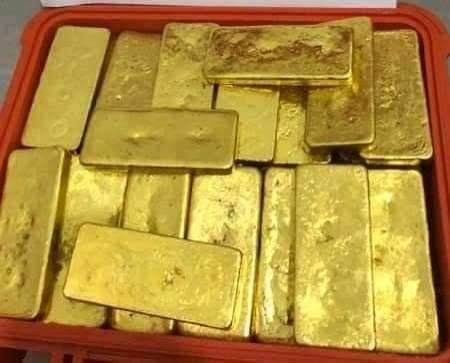
Uganda’s Gold Production: Karamoja, Busia & Buhweju Regions
Uganda’s gold industry is largely driven by artisanal and small-scale mining activities spread across several mineral-rich regions. Among the most important production zones are Karamoja in the northeast, Busia in the eastern corridor, and Buhweju in western Uganda. These regions contribute significantly to the country’s gold output, supplying both domestic traders and international export channels through Kampala.
Karamoja Region
The Karamoja sub-region is one of Uganda’s most active artisanal gold mining areas. Small-scale miners extract gold from alluvial deposits found in riverbeds and surrounding rock formations. The region’s mining activity has grown steadily due to increased exploration and rising global gold prices.
Gold from Karamoja is typically sold to local buyers and transported to Kampala, where it enters the formal trading system through licensed dealers and exporters. Because much of the mining is artisanal, verification through assay testing and documentation is essential before export.
Busia Region
Busia, located along Uganda’s border with Kenya, is another key gold-producing area. Its strategic location makes it an important cross-border trading point for minerals. Gold mined in Busia often moves through local traders before reaching Kampala’s licensed dealers.
The region benefits from proximity to regional trade routes, making it easier for gold to be aggregated and transported for refining, testing, and export processing. However, like other artisanal mining areas, proper documentation and compliance checks are critical to ensure legal trade.
Buhweju Region
Buhweju in western Uganda is known for both artisanal and small-scale mining operations. The area contains gold-bearing quartz veins and alluvial deposits that support consistent but modest production levels compared to larger mining zones.
Gold from Buhweju is usually collected by local buyers and transported to Kampala for refining and commercialization. As with other regions, purity testing and regulatory compliance are essential before the gold enters international markets.
How Kampala Connects Miners to International Buyers
Kampala plays a central role in Uganda’s gold supply chain by acting as the commercial and export hub that connects rural mining regions to global markets. Gold from Karamoja, Busia, Buhweju, and other areas is typically transported to Kampala, where it enters a structured system of licensed dealers, refineries, and export companies.
Once in Kampala, gold is assayed, verified, and documented to confirm its purity and legal status. Licensed dealers then consolidate supplies, negotiate pricing based on international market rates, and prepare the necessary export documentation.
Kampala-based export companies also handle customs clearance, regulatory compliance, and international logistics, ensuring that gold shipments meet both Ugandan legal requirements and destination-country import regulations. This includes compliance with the Ministry of Energy and Mineral Development (MEMD), Uganda Revenue Authority (URA), and international AML/KYC standards.
Through this system, Kampala effectively bridges the gap between small-scale miners in rural Uganda and international investors, refiners, and bullion markets worldwide, making it a critical hub in the global gold trade chain.
Gold Export from Uganda
Uganda is one of East Africa’s key gold trading and export hubs, supplying investment-grade gold to buyers in markets across Asia, Europe, the Middle East, and North America. Exporting gold from Uganda requires careful planning, compliance with national regulations, and accurate documentation throughout the supply chain. Whether you are an investor purchasing a small quantity of bullion or a commercial buyer importing large volumes of gold, understanding the export process is essential for ensuring that your shipment moves efficiently and complies with applicable laws.
Gold exports should be conducted through reputable businesses that follow the regulatory requirements administered by the relevant Ugandan authorities. Buyers should also familiarize themselves with the import laws of the destination country before arranging shipment.
Export License
Gold intended for export should be handled in accordance with Uganda’s legal framework governing mineral exports. Depending on the nature of the business and the transaction, companies involved in exporting gold may require the appropriate export authorization or license issued by the relevant government authority.
Before purchasing gold for international shipment, buyers should confirm that the exporter is legally authorized to conduct export activities and can provide the required documentation for customs clearance. Working with an experienced exporter helps minimize delays and ensures that shipments comply with Uganda’s regulatory requirements.
Customs Clearance
Before gold leaves Uganda, the shipment must pass through the applicable customs procedures. Customs authorities review the supporting documentation to confirm that the shipment complies with export regulations and that the declared information is accurate.
Professional exporters typically coordinate customs clearance by preparing the necessary paperwork, communicating with customs officials, and ensuring that the shipment is properly declared before departure. Accurate customs documentation helps reduce the likelihood of delays during the export process.
Taxes and Duties
The taxes, duties, and fees associated with exporting gold can vary depending on the applicable laws, the nature of the transaction, and the destination country. In addition to any requirements that may apply in Uganda, import duties, taxes, or other charges may also be imposed by the country receiving the shipment.
Because tax obligations can change over time, buyers and exporters should confirm the current requirements with the relevant government authorities or qualified tax professionals before completing a transaction. Understanding the financial obligations in advance helps prevent unexpected costs during import or customs clearance.
Shipping
Gold shipments should be transported using secure, insured, and reputable logistics providers that have experience handling high-value precious metals. Professional shipping companies typically offer secure packaging, shipment tracking, insurance options, and delivery confirmation to help protect valuable cargo during international transportation.
The shipping method selected will depend on factors such as the quantity of gold, destination country, delivery timeline, insurance requirements, and applicable customs procedures. Buyers should ensure that the logistics provider is familiar with the regulations governing precious metal shipments.
Documentation
Accurate documentation is one of the most important aspects of a successful gold export. Missing or incomplete paperwork can result in customs delays, additional inspections, or shipment rejection.
Depending on the transaction, documentation may include:
- Commercial invoice
- Purchase agreement
- Assay certificate confirming purity
- Packing list (where applicable)
- Export declarations and customs documentation
- Air waybill or other shipping documents
- Insurance documentation (where applicable)
- Any permits or authorizations required under Ugandan law
Buyers should carefully review all documents before shipment to ensure that the information is complete, accurate, and consistent across every record.
International Compliance
Exporting gold involves complying not only with Ugandan regulations but also with the legal requirements of the importing country. International buyers should understand their country’s customs procedures, import documentation requirements, applicable taxes or duties, and any financial reporting obligations before arranging shipment.
Many jurisdictions also require compliance with Anti-Money Laundering (AML) and Know Your Customer (KYC) regulations for precious metals transactions. Professional exporters and licensed dealers typically maintain procedures that support these compliance requirements and help facilitate transparent international trade.
For commercial shipments, buyers may also wish to consult customs brokers, legal advisers, or trade compliance professionals to ensure that the transaction satisfies all applicable regulations in both the exporting and importing countries.
By working with reputable exporters, maintaining complete documentation, and complying with both Ugandan and international regulatory requirements, buyers can significantly reduce the risks associated with cross-border gold transactions and improve the efficiency of the export process.
Gold Investment Guide
Gold has long been considered one of the most reliable stores of value, especially during periods of inflation, currency fluctuations, and global economic uncertainty. In Kampala and across Uganda’s growing precious metals market, investors are increasingly turning to gold as a way to preserve wealth, diversify assets, and gain exposure to a globally traded commodity. However, successful gold investment requires more than simply buying physical metal it involves understanding different investment forms, strategies, and risk considerations.
Physical Gold
Physical gold remains the most direct and widely used form of gold investment. This includes 24K gold bars, bullion, gold nuggets, and investment-grade coins, all of which can be stored, traded, or exported depending on the investor’s objectives. One of the key advantages of physical gold is that it provides tangible ownership, meaning the investor holds the actual asset rather than a financial derivative or paper contract.
In Kampala, physical gold is typically purchased through licensed dealers who can provide documentation such as assay certificates, commercial invoices, and verification of purity. Investors should ensure that any physical gold purchased is properly tested and sourced through compliant channels regulated by the relevant authorities, including the Ministry of Energy and Mineral Development (MEMD) where applicable.
Investment Strategies
There are several approaches to investing in gold, depending on financial goals, risk tolerance, and market outlook. Some investors choose a long-term holding strategy, where gold is purchased and held for several years as a hedge against inflation and currency depreciation. Others engage in short-term trading, taking advantage of price fluctuations in the global gold market to generate profits.
Another common strategy is cost averaging, where investors purchase gold in smaller, regular amounts over time to reduce the impact of market volatility. Some investors also combine physical gold holdings with other precious metals or financial instruments to balance risk and return.
Regardless of the strategy, successful gold investment requires monitoring global market trends, understanding pricing mechanisms, and working with reputable dealers who provide transparent pricing linked to international gold rates.
Portfolio Diversification
Gold plays an important role in portfolio diversification because it typically behaves differently from traditional financial assets such as stocks, bonds, and real estate. During periods of economic instability or currency depreciation, gold often retains or increases its value, making it a useful hedge against market volatility.
Investors in Kampala and beyond often allocate a portion of their wealth to gold to reduce overall portfolio risk. By spreading investments across different asset classes, including gold, investors can reduce exposure to losses in any single market. This balance helps create a more stable long-term financial position.
Risk Management
While gold is considered a relatively stable investment, it is not without risks. One of the primary risks is price volatility, as gold prices fluctuate based on global supply and demand, geopolitical events, interest rates, and currency movements. Investors should be prepared for short-term price changes even when holding gold as a long-term asset.
Another important risk is counterparty and fraud risk, particularly when purchasing physical gold from unverified sources. This is why working with licensed dealers, verifying documentation, and conducting independent assay testing is essential.
Storage and security are also important considerations. Physical gold must be stored securely, either in private vaults, bank safety deposit boxes, or professional custodial storage facilities to reduce the risk of theft or loss.
Effective risk management involves combining careful dealer selection, proper documentation, secure storage, and a clear investment strategy aligned with financial goals. By approaching gold investment with discipline and due diligence, investors can use gold as a strong and stable component of a diversified portfolio.
Documents Required to Purchase Gold in Uganda
Buying gold in Uganda especially in Kampala requires proper documentation to ensure the transaction is legal, transparent, and compliant with national regulations. Licensed dealers are expected to follow strict procedures under the Ministry of Energy and Mineral Development (MEMD) framework, along with financial compliance requirements such as AML (Anti-Money Laundering) and KYC (Know Your Customer). Whether you are a local buyer or an international investor, having the right documents in place helps protect both parties and supports a smooth transaction process.
In most cases, buyers should be prepared to provide basic identification and business verification documents. These may include a valid passport or national ID for individuals, or company registration documents for corporate buyers. For larger transactions, dealers may also request proof of funds or banking references to ensure compliance with financial regulations.
On the seller’s side, the dealer must provide essential transaction documents such as a commercial invoice, purchase agreement, and proof of ownership or sourcing documentation for the gold. These documents establish a clear legal record of the transaction and may be required for customs clearance if the gold is being exported.
For international buyers, additional export-related documentation may be required. This can include export permits, customs declarations from the Uganda Revenue Authority (URA), and shipping documents issued by licensed logistics providers. These records ensure that the gold can be legally transported across borders and received in the destination country without delays.
Overall, proper documentation is not just a legal requirement it is a critical part of ensuring trust, traceability, and security in Uganda’s gold trade.
How to Verify Gold Purity: Assay Certificates and XRF Testing
Verifying gold purity is one of the most important steps before completing any purchase in Uganda. Because gold values depend heavily on purity levels, buyers must ensure that the metal being purchased matches the agreed specifications, typically measured in karats or fineness (for example, 24K or 999.9 purity).
One of the most reliable methods of verification is an assay certificate, which is an official document issued by a qualified laboratory or refinery after testing the gold. This certificate provides detailed information about the gold’s weight, purity, composition, and testing method. It serves as legal and technical proof that the gold has been independently analyzed and meets the stated quality standards.
Another widely used method is X-ray Fluorescence (XRF) testing, which is a non-destructive technique that analyzes the elemental composition of gold. XRF machines provide quick results by scanning the surface of the metal and identifying the percentage of gold and other elements present. This method is commonly used during initial inspections because it is fast and does not damage the sample.
For high-value transactions, buyers often combine both methods using XRF testing for immediate verification and fire assay or laboratory analysis for final confirmation. This layered approach provides greater confidence in the authenticity and purity of the gold.
Reputable dealers in Kampala are expected to allow independent testing and provide proper certification before completing any transaction. Buyers should always insist on verified assay reports and avoid relying solely on verbal claims or unverified documents.
Why Choose Our Gold Company?
Choosing the right gold partner in Kampala is just as important as choosing the gold itself. In a market where trust, documentation, and compliance determine the safety of every transaction, working with a structured and transparent company helps investors avoid unnecessary risks while ensuring smooth purchasing, verification, and export processes. Our operations are built around regulatory compliance, clear communication, and secure global trade standards.
Licensed Dealer
We operate as a licensed and compliant gold trading company, working within Uganda’s regulatory framework and adhering to the requirements set by relevant authorities, including the Ministry of Energy and Mineral Development (MEMD). This ensures that every transaction is conducted through recognized legal channels, with proper documentation and traceability from sourcing to sale. Buyers benefit from the confidence that comes with dealing with a verified and regulated entity.
Competitive Pricing
Our pricing structure is aligned with the global gold market, ensuring that all offers are based on real-time international gold rates. We maintain transparency in how prices are calculated, taking into account purity, weight, market conditions, and transaction volume. This approach allows investors to access fair and competitive pricing without hidden charges or unclear markups, making it easier to plan both short-term and long-term investments.
Secure Transactions
Security is a core part of every transaction we handle. We prioritize safe and traceable payment methods such as bank transfers, escrow arrangements, and other internationally recognized financial instruments. Every deal is supported by formal agreements and complete documentation, ensuring that both buyers and sellers are protected throughout the entire process. This structured approach significantly reduces the risk of fraud or miscommunication.
International Shipping
We support international buyers through secure and compliant gold export and shipping solutions. Our logistics process is designed to meet both Ugandan export requirements and destination-country import regulations. Working with experienced shipping partners and customs professionals, we ensure that gold is properly documented, insured, and transported through reliable channels until it reaches its final destination.
Customer Support
We provide professional customer support throughout every stage of the gold purchasing process, from initial inquiry to final delivery. Our team assists with product selection, documentation review, compliance requirements, pricing clarification, and shipping coordination. This ensures that clients receive clear guidance and timely responses, helping them make informed decisions in a complex international gold market.
Frequently Asked Questions (FAQs) – Gold Buying in Uganda
Where can I buy gold in Uganda?
You can buy gold in Uganda mainly through licensed gold dealers based in Kampala, especially in areas like Industrial Area, Nakasero, and Entebbe Road. Gold is also available through refineries, export companies, and verified trading offices. There is no open public gold market, so transactions are done privately through registered businesses.
Is buying gold in Uganda safe?
Buying gold in Uganda is safe only when you deal with licensed and verified dealers. Safety depends on proper due diligence, including checking business registration, requesting an assay certificate, signing a contract, and using secure payment methods. Avoid informal sellers who cannot provide documentation.
What is the price of gold today?
The price of gold changes daily based on the international gold market (USD per ounce). In Uganda, dealers calculate prices using the global rate plus or minus purity levels, refining costs, and transaction fees. For the most accurate price, buyers should request a live quotation from a licensed dealer at the time of purchase.
How do I export gold?
To export gold from Uganda, you must work with a licensed exporter who handles documentation and compliance. The process usually includes assay testing, issuing a commercial invoice, obtaining export approval, completing URA customs clearance, and arranging secure international shipping with insured logistics providers.
How do I verify gold purity?
Gold purity is verified through independent assay testing. Common methods include XRF (X-ray fluorescence) testing and fire assay analysis. Buyers should always request an official assay certificate from a recognized laboratory or refinery before completing payment.
Can foreigners buy gold in Uganda?
Yes, foreigners can legally buy gold in Uganda. However, they must work through licensed dealers and comply with AML (Anti-Money Laundering) and KYC (Know Your Customer) requirements. Foreign buyers typically purchase through export-oriented companies that handle documentation and shipping.
How much does a gold export license cost?
The cost of a gold export license in Uganda varies depending on the type of business, volume of trade, and regulatory category. Fees are determined by relevant government authorities and may change over time. It is best to consult a licensed exporter or the Ministry of Energy and Mineral Development (MEMD) for current requirements.
Is Ugandan gold genuine?
Yes, Ugandan gold is genuine and widely traded internationally. However, authenticity depends on sourcing. Gold should always be verified through assay testing, proper documentation, and licensed supply chains to ensure it is legally obtained and meets international standards.
How is gold tested?
Gold is tested using several scientific methods, including:
- XRF testing (non-destructive surface analysis)
- Fire assay (most accurate purity test)
- Laboratory chemical analysis
- Electronic density and weight verification
These tests confirm purity, composition, and authenticity.
What payment methods are accepted?
Licensed gold dealers typically accept secure and traceable payment methods such as:
- Bank wire transfers (SWIFT)
- Escrow services
- Letters of Credit (LCs)
- Verified corporate bank payments
Cash payments may be accepted in some cases locally, but international transactions usually require banking instruments for compliance and security.