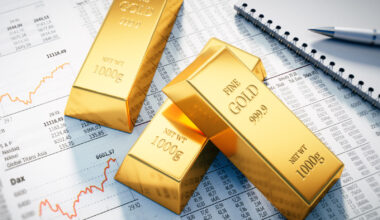
Best Countries to Buy Gold Globally in 2026 | Top 10 Markets
Countries to buy gold globally vary depending on what investors value most, including competitive prices, gold purity, taxation, regulatory security, refinery standards, and access to major mining regions. Leading gold markets such as Uganda, Ghana, and Tanzania provide opportunities to access African gold supply chains, while international trading hubs like Dubai (UAE), Switzerland, the United States, Singapore, and the United Kingdom offer secure investment-grade gold, strong liquidity, and trusted bullion infrastructure. Choosing the best country to buy gold depends on whether your priority is lower sourcing costs, certified gold bars, safe storage, or easy international resale.
Buying gold internationally requires careful evaluation of seller credibility, legal compliance, and market conditions. Reliable gold markets operate through verified dealers, certified refineries, professional assay testing, and complete documentation, helping buyers avoid risks such as counterfeit gold, fraudulent sellers, illegal exports, or unclear ownership history. Investors should always confirm gold purity, refinery certification, export permits, and secure transportation arrangements before completing international transactions.
This guide explores the best countries to buy gold globally, comparing gold prices, sourcing advantages, regulations, and investment opportunities across Africa and international bullion hubs. Whether you are an individual investor searching for gold bars, a trader seeking reliable suppliers, or an institution looking for secure gold sourcing, understanding global gold markets is essential for making informed decisions.
If you are interested in buying gold in Africa, Gold Dealers Africa Limited assists with verified gold sourcing, supplier connections, export documentation, and guidance through the gold purchasing process to help international buyers access reliable African gold markets safely and professionally.
Factors to consider when buying gold globally
- When buying gold globally, you should consider the reputation and licensing of the dealer to ensure you are dealing with a legitimate and trustworthy supplier.
- You must verify the purity and authenticity of the gold by requesting an official assay certificate from a certified refinery.
- It is important to check the current global gold price to avoid overpaying and to understand market trends before making a purchase.
- You should review the legal and regulatory requirements in both the buying and selling countries to ensure full compliance with the law.
- Always choose a secure and traceable payment method, such as bank transfers or escrow services, to protect your funds.
- Consider the logistics and shipping process, including insurance, delivery time, and safe transportation of the gold.
- Ensure you receive proper transaction documentation, such as invoices, contracts, and export permits, for transparency and legal protection.
- Evaluate the risks and market conditions, including political stability and currency fluctuations, before making a global gold purchase.
Top 10 Countries to Buy Gold Globally
| Country | Market Strength | Gold Type Available | Why It’s a Top Choice | Best For |
| Switzerland | Global refining hub | 24K certified bullion | World-class refineries, high trust, strong banking system | Secure, high-value investments |
| United Arab Emirates (Dubai) | Major trading hub | 22K & 24K bars and jewelry | Tax-efficient, large gold souk, easy global access | Traders and investors |
| Germany | Strong retail market | 24K investment bars | Highly regulated, transparent pricing | Safe and regulated buying |
| United Kingdom | Established market | 24K bullion coins & bars | Strong financial systems, trusted dealers | Long-term investors |
| United States | Large investment market | 24K bars & coins | Easy access, wide dealer network | Retail and institutional buyers |
| South Africa | Mining powerhouse | 22K–24K gold | Direct access to mining supply | African investors and traders |
| Ghana | Top gold producer in Africa | Raw & refined gold | Strong mining sector, growing exports | Bulk buyers and exporters |
| Uganda | Emerging gold hub | 22K–24K gold bars | Competitive prices, export opportunities | Investors seeking higher margins |
| Tanzania | Active gold market | Raw & refined gold | Good supply chain and mining output | Regional buyers and traders |
| Belgium (Antwerp) | Diamond & gold trading center | 24K bullion | High-level trading infrastructure | European investors |
Key Insights
- Europe (Switzerland, Germany, UK) offers the highest level of security, regulation, and trust.
- Dubai is ideal for fast trading, tax advantages, and global connectivity.
- African countries (Uganda, Ghana, Tanzania, South Africa) provide lower prices and direct access to gold sources, making them attractive for high-profit opportunities.
Comparison of Gold Prices Across Top Countries
A more accurate 2026 comparison would look like this:
| Country | Approx. Retail Price per Gram (USD) | Typical Premium | Market Position | Best For |
| Switzerland | $134–$142 | Low–Medium | Global refining hub | Investment bullion |
| Dubai (UAE) | $132–$140 | Low | Tax-efficient trading hub | International buyers |
| Germany | $135–$143 | Medium | Highly regulated | Long-term investors |
| United Kingdom | $135–$143 | Medium | Mature bullion market | Investors & collectors |
| United States | $134–$142 | Low–Medium | Large dealer network | Retail investors |
| South Africa | $132–$140 | Low | Mining & refining center | Regional buyers |
| Ghana | $131–$139 | Varies | Major producing country | Licensed wholesale buyers |
| Uganda | $131–$139 | Varies | Source market | Licensed bulk buyers |
| Tanzania | $131–$139 | Varies | Producing country | Commercial buyers |
| Belgium (Antwerp) | $135–$143 | Medium | European trading hub | Institutional buyers |
Source-market pricing generally applies to licensed commercial transactions. Retail investors often pay prices comparable to other international bullion markets after refining, export, taxes, logistics, and dealer margins are included.
| Country | Retail Price | VAT/Tax | Investment Gold VAT | Ease of Buying | Best For |
This allows you to answer searches such as:
- Which country has the cheapest gold?
- Where is gold tax-free?
- Best country to buy investment gold
- Gold prices by country
- Cheapest country to buy gold in 2026
Also include a disclaimer such as:
Note: Gold prices are estimates based on an international spot price of approximately $4,000–$4,150 per troy ounce (about $129–$133 per gram) as of 2026. Actual retail prices vary by dealer premiums, product type, taxes, shipping, and market conditions.
Step-by-Step Guide to Buying Gold Internationally
| Step | Action | Description | Key Documents/Checks |
| 1. Define Your Investment Goal | Clarify purpose | Decide whether you are buying gold for investment, resale, or wealth preservation. | Investment plan or budget |
| 2. Research Global Markets | Compare countries | Analyze gold prices, regulations, and risks in countries like Uganda, Dubai, Switzerland, etc. | Price comparisons, market research |
| 3. Choose a Trusted Supplier | Verify dealer | Select a licensed and reputable gold dealer or refinery. Avoid unverified brokers. | Company license, registration, reviews |
| 4. Confirm Gold Specifications | Check product details | Verify purity (22K or 24K), weight, and type (bar, bullion, or raw gold). | Product specs, assay report |
| 5. Request a Proforma Invoice | Get official quote | The seller provides a formal invoice with price, quantity, and payment terms. | Proforma invoice |
| 6. Verify Authenticity | Test the gold | Ensure gold is tested and certified by a recognized refinery or assay lab. | Assay certificate |
| 7. Arrange Payment Method | Secure transaction | Use safe payment methods like bank transfer, escrow, or LC (Letter of Credit). | Payment agreement, bank details |
| 8. Complete Legal Documentation | Compliance | Ensure all documents are prepared for international trade and compliance. | Invoice, contract, KYC documents |
| 9. Arrange Shipping & Insurance | Logistics setup | Work with a licensed logistics provider for secure transport and insurance. | Airway bill, insurance certificate |
| 10. Handle Customs Clearance | Import/export process | Gold must pass through customs in both the exporting and importing countries. | Export/import permits, customs forms |
| 11. Receive & Verify Gold | Final inspection | Upon delivery, confirm weight, purity, and documentation before closing the deal. | Delivery receipt, inspection report |
Cheapest Countries to Buy Gold
| Rank | Country | Estimated Price per Gram (USD) | Price Level | Why It’s Competitive |
| 1 | Uganda | $125–$138 | Low | Source-market pricing for licensed bulk buyers and proximity to regional mining. |
| 2 | Ghana | $128–$138 | Low | Major gold-producing nation with strong wholesale supply. |
| 3 | South Africa | $130–$140 | Low–Medium | Established mining industry and world-class refining infrastructure. |
| 4 | Tanzania | $128–$138 | Low–Medium | Growing mining sector and active regional bullion trade. |
| 5 | United Arab Emirates (Dubai) | $132–$140 | Medium | Tax-efficient bullion market with competitive dealer premiums. |
| 6 | Singapore | $133–$141 | Medium | Leading precious metals hub with investment-friendly policies. |
| 7 | Hong Kong | $133–$142 | Medium | Low-tax international trading center with strong liquidity. |
| 8 | United States | $134–$142 | Medium | Large dealer network and competitive bullion pricing. |
| 9 | Turkey | $134–$144 | Medium | Active domestic gold market with high trading volume. |
| 10 | India | $135–$145 | Medium | Extensive bullion market, though import duties can affect prices. |
| 11 | United Kingdom | $135–$143 | Medium–High | Mature bullion market with trusted dealers and storage services. |
| 12 | Germany | $135–$143 | Medium–High | Highly regulated investment bullion market. |
| 13 | Belgium (Antwerp) | $136–$145 | High | Major European bullion trading and logistics center. |
| 14 | Switzerland | $134–$142 | High | Home to leading LBMA-accredited refineries and premium bullion products. |
| 15 | Canada | $135–$143 | High | Strong investment market with reputable government and private mints. |
Important note: Uganda, Ghana, and Tanzania can offer competitive source-level pricing for licensed commercial buyers purchasing directly through authorized exporters. Retail investors purchasing investment-grade bullion often pay prices closer to international market levels after refining, dealer premiums, taxes, shipping, and other transaction costs are included.
Where Is Gold Tax-Free? Countries With Low or Zero Taxes on Investment Gold
Gold is tax-free or has favorable tax treatment in several countries, especially for investment-grade gold bars and coins that meet purity standards. However, tax rules vary depending on whether you are buying, selling, importing, or storing gold, and buyers should always check local regulations before making a purchase.
Countries Where Investment Gold Is Often Tax-Free or VAT Exempt
| Country | Gold Tax Treatment | Key Advantage |
| United Arab Emirates (Dubai) | Investment-grade gold generally benefits from favorable VAT treatment when requirements are met | One of the world’s largest gold trading hubs with competitive premiums |
| Singapore | Investment precious metals (IPM) such as qualifying gold bars and coins are generally GST exempt | Strong bullion market and international trading center |
| Switzerland | Investment gold is generally exempt from VAT | Home to major LBMA-approved refineries and secure vaults |
| Hong Kong | No sales tax or VAT on gold purchases | Major Asian gold trading market |
| United States | Federal tax treatment varies; some states have sales tax exemptions on qualifying bullion purchases | Large competitive bullion market |
| United Kingdom | Investment gold is generally VAT exempt | Mature bullion market with recognized dealers |
| Australia | Investment-grade bullion may receive favorable tax treatment depending on product and transaction type | Major gold producer with trusted mints |
| Canada | Certain investment-grade gold products may qualify for GST/HST exemptions | Strong regulatory environment and reputable mints |
Why Some Countries Remove Taxes on Investment Gold
Countries often provide tax advantages for investment gold because gold is treated differently from ordinary consumer goods. Governments may encourage bullion trading by reducing taxes to attract international investors, increase financial activity, and strengthen their position as global precious metals hubs.
Gold Tax-Free Does Not Mean Completely Cost-Free
Even in countries with no VAT or sales tax, buyers should consider other expenses, including:
- Dealer premiums above the gold spot price
- Shipping and insurance costs
- Customs duties when importing gold
- Storage and vaulting fees
- Currency exchange costs
- Capital gains taxes when selling (depending on your country of residence)
Cheapest Tax-Free Places to Buy Gold Bars Internationally
For many international buyers, the most attractive markets combine low taxes, competitive premiums, strong regulation, and reliable gold infrastructure:
- Dubai, UAE – Competitive pricing, global gold hub, and favorable investment gold tax treatment.
- Switzerland – Excellent refinery reputation, VAT exemption, and secure storage options.
- Singapore – Tax-efficient bullion market with strong financial regulations.
- Hong Kong – No VAT or sales tax and a long-established gold trading center.
- United Kingdom – VAT-free investment gold market with reputable dealers.
The best tax-free place to buy gold depends on your location, purchase size, shipping costs, and storage plans. While Dubai and Switzerland are among the most popular destinations for international gold buyers, the final cost should always include premiums, logistics, and import regulations.
Legal Requirements for Buying Gold in Different Countries
| Country/Region | Regulatory Authority | Key Legal Requirements | Documents Needed | Notes |
| Uganda | Uganda Revenue Authority (URA) & Ministry of Energy | Gold trading requires a valid license; taxes and export rules must be followed | Business registration, TIN, trading/export license, assay certificate | Strong compliance needed for exports |
| Dubai (UAE) | Dubai Multi Commodities Centre (DMCC) & Customs | Gold transactions must comply with AML laws and import/export regulations | Passport/ID, invoice, KYC documents, import/export permits | Tax-efficient but highly regulated |
| Switzerland | Swiss Customs & Financial Authorities | Strict anti-money laundering (AML) and financial regulations | Proof of funds, identity documents, and transaction records | Highly secure and transparent market |
| United States | IRS & Financial Crimes Enforcement Network (FinCEN) | Reporting requirements for large transactions; AML compliance | ID, tax forms, transaction records | Strict financial monitoring |
| United Kingdom | HM Revenue & Customs (HMRC) | Gold purchases must comply with VAT rules and AML regulations | ID, invoice, proof of funds | VAT rules vary by gold type |
| Germany | Federal Financial Supervisory Authority (BaFin) | Strict AML and investment regulations | ID, proof of funds, transaction documentation | Strong investor protection |
| Ghana | Minerals Commission & Bank of Ghana | Gold trade requires licensing and export permits | Business license, export permit, assay certificate | Major gold-producing country |
| South Africa | Department of Mineral Resources & Energy | Licensed dealers only; strict mining and export controls | Trading license, export permit, and company registration | Well-regulated mining sector |
| Tanzania | Ministry of Minerals | Export and trading licenses required; compliance with mining laws | Mining/trading license, export permit | Growing gold market |
| Belgium (Antwerp) | Federal Public Service Finance | Strict EU regulations on AML and trade compliance | ID, proof of funds, transaction records | Major global gold trading hub |
Risks When Buying Gold Globally
| Risk | Description | How to Avoid It |
| Fraud & Scams | Fake sellers may offer non-existent gold or disappear after payment. | Work only with licensed, verified dealers and avoid unverified online offers. |
| Counterfeit or Fake Gold | Gold bars may be plated or mixed with other metals. | Always request an assay certificate and verify with a certified refinery. |
| Unverified Purity | Gold may not match the stated purity (e.g., 24K vs lower quality). | Use third-party testing or assay reports before completing the purchase. |
| Price Manipulation | Some sellers inflate prices above global market rates. | Check live global gold prices and compare multiple suppliers. |
| Legal & Compliance Issues | Buying from unlicensed sources can lead to confiscation or legal trouble. | Ensure compliance with local and international regulations. |
| Payment Risks | Cash or unsecured payments can lead to loss of funds without proof. | Use secure methods like bank transfers, escrow, or Letters of Credit (LC). |
| Shipping & Logistics Risks | Gold can be lost, stolen, or delayed during transport. | Use insured shipping and trusted logistics providers. |
| Customs & Import Issues | Failure to comply with import/export laws can result in penalties or delays. | Ensure all customs documents and permits are properly prepared. |
| Political & Market Risks | Changes in laws, instability, or price fluctuations can affect deals. | Monitor market trends and country stability before investing. |
| Lack of Documentation | Missing invoices or certificates can cause resale or export problems. | Always insist on full documentation for every transaction. |
How to Verify Trusted Gold Dealers Globally
| Step | Action | Description | What to Check |
| 1. Check Business Registration | Verify legality | Confirm the dealer is officially registered in their country of operation. | Company registration number, certificate of incorporation |
| 2. Confirm Trading License | Ensure authorization | The dealer must have a valid license to trade or export gold. | Trading/export license, refinery license |
| 3. Verify Physical Address | Confirm presence | A real office or refinery should exist and be traceable. | Office location, refinery address, Google Maps listing |
| 4. Review Online Reputation | Check credibility | Look at reviews, ratings, and testimonials from real clients. | Google reviews, Trustpilot, client feedback |
| 5. Request Assay Certificates | Confirm gold purity | Trusted dealers provide official assay reports from certified labs. | Assay certificate, refinery stamp, purity test |
| 6. Check Memberships & Certifications | Industry credibility | Membership in recognized bodies adds trust. | LBMA (London Bullion Market Association), DMCC, or similar |
| 7. Verify Website & Contact Details | Online presence | A professional website with working contact details shows legitimacy. | Website, email, phone number, company domain |
| 8. Request Transaction Documents | Ensure transparency | Trusted dealers provide proper paperwork for every deal. | Invoice, contract, packing list, export documents |
| 9. Test Communication & Transparency | Professional conduct | Genuine dealers respond clearly and do not pressure buyers. | Clear communication, no rush tactics, willingness to verify |
| 10. Use Trusted Payment Methods | Secure transactions | Safe dealers accept traceable payments like bank transfers or escrow. | Bank details, escrow services, secure payment channels |
Red Flags to Avoid
- Prices that are too low compared to market rates
- Refusal to provide assay certificates or licenses
- Pressure to pay quickly or in cash only
- Lack of physical address or verifiable company details
- Poor communication or vague answers
How to Buy Gold Bars Internationally Online: Step-by-Step Guide
Step 1: Research and choose a trusted international gold dealer
Start by identifying a reputable gold supplier or bullion dealer with a strong reputation, verified business credentials, transparent pricing, and experience handling international gold transactions. Look for dealers that provide clear information about their company, refinery partnerships, customer reviews, and compliance with international precious metals trading standards.
Step 2: Check live gold prices and compare dealer offers
Before buying, check the current international gold spot price and compare it with the dealer’s quoted price. Understand that physical gold bars are usually sold at a premium above the spot price because of manufacturing, certification, transportation, insurance, and dealer costs. Compare different suppliers to ensure you are receiving competitive pricing.
Step 3: Select the right gold bar size and purity
Choose a gold bar that matches your investment goals and budget. Common options include 1-gram, 5-gram, 10-gram, 1-ounce, 50-gram, 100-gram, 250-gram, 500-gram, and 1-kilogram gold bars. For investment purposes, select internationally recognized bullion with a purity of 99.99% fine gold (24K) and markings showing the refinery, weight, purity, and serial number.
Step 4: Verify the gold bar’s authenticity and refinery certification
Before completing a purchase, confirm that the gold bars come from recognized refineries or mints and include proper authentication documents. Trusted investment gold usually comes with an assay certificate or tamper-evident packaging showing the gold’s weight, purity, manufacturer, and unique identification number. Well-known refineries may include LBMA-approved producers such as PAMP Suisse, Valcambi, Rand Refinery, Perth Mint, and other accredited facilities.
Step 5: Review the seller’s international shipping and insurance policies
International gold purchases require secure transportation because gold is a high-value commodity. Confirm that the dealer uses specialized precious metals logistics providers, insured shipping, secure packaging, and tracking services. The seller should clearly explain delivery timelines, insurance coverage, customs procedures, and responsibility for the shipment during transit.
Step 6: Complete identity verification and compliance requirements
Legitimate international gold dealers follow global anti-money laundering (AML) and Know Your Customer (KYC) regulations. Buyers may be required to provide identification documents, proof of address, and transaction details depending on the purchase amount and destination country. These procedures help prevent fraud and ensure the transaction complies with international regulations.
Step 7: Select a secure payment method
Choose a reliable payment method approved by the gold dealer, commonly including bank wire transfers, verified financial institutions, or other secure payment channels. Avoid sellers who demand unusual payment methods, pressure buyers to send funds quickly, or offer gold at prices significantly below the international market rate, as these are common warning signs of scams.
Step 8: Confirm export documents and import requirements
Before shipment, make sure all required documentation is prepared. Depending on the countries involved, this may include commercial invoices, certificates of origin, assay certificates, export permits, customs declarations, and insurance documents. Understanding your country’s gold import rules helps avoid delays, penalties, or customs issues.
Step 9: Receive and inspect your gold shipment
When your gold bars arrive, carefully inspect the package, security seals, invoices, and certificates. Verify that the bar markings match the purchase documents, including weight, purity, refinery name, and serial number. For large purchases, consider independent verification using professional testing methods such as X-ray fluorescence (XRF) analysis or fire assay.
Step 10: Store your gold safely after purchase
After receiving your gold bars, choose a secure storage solution based on your investment strategy. Options include private vault storage, bank safe deposit facilities, professional bullion storage providers, or a high-security home safe. Proper storage, insurance, and documentation help protect your investment and maintain resale value.
Buying gold bars internationally online can provide access to global bullion markets, competitive pricing, and internationally recognized products, but investors should always prioritize verified sellers, secure transactions, proper documentation, and compliance with international gold trading regulations.
Cheapest Countries to Buy Gold Jewelry in the World
| Country | Why It’s Cheap | Typical Gold Type | Best Cities/Markets |
| India | Low labor costs, high competition, large gold market | 22K & 24K jewelry | Mumbai, Delhi, Jaipur |
| United Arab Emirates (Dubai) | Tax-free shopping, low import duties, competitive market | 18K, 22K, 24K | Dubai Gold Souk, Deira |
| Turkey | Strong local production and lower making charges | 22K jewelry | Istanbul Grand Bazaar |
| Thailand | Low labor costs and minimal making charges | 23K gold jewelry | Bangkok, Chinatown |
| Singapore | Competitive pricing and low taxes | 22K & 24K | Orchard Road, Mustafa Centre |
| Hong Kong | Tax-free environment and high competition | 22K & 24K | Tsim Sha Tsui, Central |
| Indonesia | Local gold supply and affordable craftsmanship | 22K jewelry | Jakarta, Bali |
| Malaysia | Low taxes and a competitive retail market | 22K jewelry | Kuala Lumpur, Penang |
| Vietnam | Growing gold market with competitive pricing | 24K gold jewelry | Hanoi, Ho Chi Minh City |
| China | Large-scale production and local demand | 24K jewelry | Beijing, Shanghai, Shenzhen |
Cheapest Places to Buy Gold Bars Internationally
The cheapest place to buy gold bars internationally depends on factors such as local gold supply, dealer competition, taxes, import duties, refinery access, and the premium charged above the global gold spot price. Countries with major gold markets, large refining industries, or direct access to mining production often offer lower premiums and more competitive prices.
Top Countries Where Gold Bars Are Often Cheaper
| Rank | Country | Why Gold Bars Can Be Cheaper |
| 1 | United Arab Emirates (Dubai) | Large international gold market, high dealer competition, low taxes on investment gold, and access to global refineries |
| 2 | Switzerland | Home to major gold refineries, strong bullion infrastructure, and competitive wholesale pricing |
| 3 | Singapore | Major Asian precious metals hub with tax advantages for investment-grade gold |
| 4 | Hong Kong | Established gold trading center with competitive premiums and no sales tax on investment gold |
| 5 | Uganda | Proximity to African gold-producing regions, direct sourcing opportunities, and lower local premiums in some markets |
| 6 | Ghana | One of Africa’s largest gold producers with strong mining and refining industries |
| 7 | South Africa | Major gold producer with established refineries such as Rand Refinery and internationally recognized bullion products |
| 8 | Australia | Large gold producer with reputable mints and competitive bullion markets |
| 9 | United States | Highly competitive bullion market with many dealers offering low premiums on larger gold bars |
| 10 | Canada | Strong precious metals market with trusted refiners and government-backed mints |
Why Dubai Is Often Considered One of the Cheapest Places to Buy Gold Bars
Dubai is one of the world’s largest gold trading hubs because it combines:
- High competition among gold dealers
- Access to international refineries
- Large volumes of gold trading
- Favorable tax treatment for investment gold
- Strong logistics connections between Asia, Africa, Europe, and the Middle East
Buyers can often find competitive premiums, especially when purchasing larger bars such as 100g, 250g, 500g, and 1kg gold bars.
Cheapest Gold Bars by Buying Strategy
For small investors (1g–20g bars):
Countries with competitive retail bullion markets, such as the UAE, Singapore, Switzerland, and the United States, often provide better pricing because of dealer competition.
For large investors (100g–1kg bars):
International bullion hubs such as Dubai, Switzerland, and Singapore usually offer lower premiums because wholesale buyers benefit from larger trading volumes.
For direct sourcing from mining regions:
Gold-producing countries such as Uganda, Ghana, South Africa, Tanzania, and Mali may offer competitive sourcing opportunities, but buyers must ensure proper licensing, export documentation, refinery verification, and compliance with international regulations.
Important: The Cheapest Gold Is Not Always the Safest
A gold bar advertised far below the international spot price is usually a warning sign. Legitimate gold prices are closely linked to global markets, and large discounts are uncommon. Buyers should verify:
- Gold purity (usually 99.99% for investment bars)
- Refinery certification
- Seller licenses and reputation
- Export and customs documents
- Assay certificates
- Secure insured shipping
For most international buyers, Dubai, Switzerland, and Singapore are among the best locations to buy competitively priced gold bars because they combine low premiums, strong regulations, and reliable global bullion infrastructure.
Dubai vs Switzerland vs Uganda vs Ghana: Where Is the Cheapest Place to Buy Gold Bars Internationally?
When comparing the cheapest countries to buy gold bars internationally, buyers should consider more than the gold spot price. Since gold trades globally, the main differences come from dealer premiums, taxes, refinery access, market liquidity, documentation standards, and transaction costs.
1. Dubai (UAE) vs Switzerland Gold Prices
Both Dubai and Switzerland are among the world’s leading gold trading centers, but they attract different types of buyers. Dubai is known for competitive retail pricing and high-volume trading, while Switzerland is recognized for premium refining standards and institutional-grade gold storage.
| Feature | Dubai (UAE) | Switzerland |
| Gold Price Basis | Closely follows international spot price | Closely follows international spot price |
| Typical Dealer Premium | Low premiums, especially for larger bars due to strong competition | Competitive but often higher due to refinery reputation and services |
| Investment Gold Taxes | Investment-grade gold benefits from favorable tax treatment | Investment gold is generally VAT exempt |
| Major Advantage | Competitive pricing, liquidity, and large gold marketplace | World-class refineries and secure vaulting infrastructure |
| Gold Market Strength | One of the largest physical gold trading hubs globally | Home to leading refineries including PAMP Suisse, Valcambi, and Argor-Heraeus |
| Best For | Retail buyers, traders, and investors seeking competitive premiums | Institutional investors and buyers prioritizing refinery reputation |
Verdict: Dubai vs Switzerland
Choose Dubai if your priority is finding competitive premiums, buying different gold bar sizes, and accessing one of the world’s most active physical gold markets.
Choose Switzerland if your priority is internationally recognized refinery brands, secure storage options, and long-term wealth preservation.
2. Uganda vs Ghana Gold Prices
Uganda and Ghana are important African gold markets, but they serve different buyer needs. Ghana has a longer-established formal gold export structure, while Uganda has grown as a regional trading and refining hub because of its location near major gold-producing regions.
| Feature | Uganda | Ghana |
| Gold Price Basis | Follows international spot price with local market premiums | Follows international spot price with local market premiums |
| Gold Supply Advantage | Access to regional supply from East and Central Africa | Africa’s largest gold-producing country with established mining operations |
| Gold Market Structure | Growing trading and refining hub | More established mining and export industry |
| Regulatory Oversight | Ministry of Energy and Mineral Development, Uganda Revenue Authority, and relevant export authorities | Minerals Commission and Precious Minerals Marketing Company (PMMC) |
| Best For | Regional traders, refiners, and buyers seeking African sourcing opportunities | Buyers requiring established mining supply chains and formal export procedures |
Verdict: Uganda vs Ghana
Choose Uganda if you are looking for access to East and Central African gold supply chains and working with verified licensed exporters and refiners.
Choose Ghana if you prefer a mature gold-producing market with established mining companies, government oversight, and internationally recognized export procedures.
Final Buyer Advice
The cheapest place to buy gold bars is usually not determined by the country alone. The final cost depends on:
- Gold spot price at purchase time
- Dealer premium
- Bar size (1kg bars usually have lower premiums than 1g bars)
- Refinery brand
- Shipping and insurance costs
- Import duties and taxes
- Seller verification and compliance
For most international investors, Dubai offers some of the most competitive retail gold pricing, while Switzerland offers unmatched refinery credibility and institutional confidence. In Africa, Ghana and Uganda can provide strong sourcing opportunities when buyers work only with verified, licensed exporters and properly documented gold supplies.
How to Avoid Gold Scams When Buying Internationally: 5 Essential Steps
- Verify the gold seller before making any payment
Before buying gold internationally, research the seller carefully by checking company registration details, business licenses, physical office locations, online reputation, customer reviews, and trading history. Legitimate gold dealers should have transparent company information, professional communication channels, and a verifiable record of handling precious metals transactions. Avoid sellers who operate only through anonymous messaging apps, refuse to provide business documents, or pressure you to make quick payments. - Compare the gold price with the international market rate
Always compare the seller’s quoted price with the current global gold spot price before agreeing to a purchase. Since gold is a globally traded commodity, genuine sellers normally price gold close to the international market rate plus a reasonable premium for refining, certification, transportation, and handling. Offers that claim to sell gold at extremely low prices, such as large discounts below market value, are often a major warning sign of counterfeit gold, illegal sourcing, or advance-fee scams. - Verify gold authenticity and documentation
Request complete documentation proving the gold’s quality, ownership, and legal origin before completing a transaction. Genuine investment gold bars should have proper markings indicating the refinery name, weight, purity level (typically 99.99% fine gold), serial number, and an assay certificate. For international shipments, buyers should also confirm the availability of supporting documents, such as invoices, certificates of origin, export permits, and customs paperwork, where required. - Use secure payment methods and legal transaction agreements
Protect yourself by using secure and traceable payment methods such as verified bank transfers through recognized financial institutions and avoid sending money through unregulated channels, personal accounts, cash couriers, or anonymous payment methods. Large gold purchases should always include a written purchase agreement that clearly states the gold specifications, price, delivery terms, responsibilities, and compliance requirements before funds are transferred. - Inspect, test, and secure the gold after delivery
After receiving internationally purchased gold bars, carefully check the shipment, packaging, certificates, weight, refinery markings, and serial numbers against your purchase documents. For high-value transactions, arrange independent verification through a trusted gold dealer, refinery, or professional testing facility using methods such as XRF analysis or fire assay. Proper inspection ensures that the gold received matches the quality and quantity that was agreed upon.
By following these five steps, international gold buyers can reduce the risk of fake sellers, counterfeit gold, fraudulent documents, and unsafe transactions while building a secure and transparent gold investment process.
Countries With LBMA-Approved Gold Refineries
Countries with LBMA-approved gold refineries play an important role in the global gold supply chain because their refineries meet strict international standards for gold quality, responsible sourcing, and production processes. LBMA accreditation means that a refinery’s gold bars are widely accepted in international markets and trusted by banks, bullion dealers, and institutional investors.
1. Switzerland: Global Leader in Gold Refining
Switzerland is the world’s most important gold refining center and processes a significant share of global gold production. The country is home to several major LBMA Good Delivery refineries, including PAMP Suisse, Valcambi, Argor-Heraeus, and Metalor. Swiss refineries are known for producing high-quality investment gold bars with exceptional purity, advanced security standards, and global acceptance.
Why Switzerland is important:
- Home to some of the world’s largest gold refineries
- Produces internationally recognized 99.99% pure gold bars
- Major center for gold storage and private wealth management
- Trusted by central banks and institutional investors
2. United States: Major Gold Market and Refining Hub
The United States has a highly developed gold investment market supported by recognized refineries, government institutions, and a large network of bullion dealers. American refineries produce investment-grade gold bars and supply products to investors, financial institutions, and manufacturers.
Why the United States is important:
- One of the largest gold investment markets globally
- Strong bullion dealer network
- High demand for gold bars and coins
- Easy resale opportunities for investors
3. Australia: Major Gold Producer With Trusted Refining
Australia is one of the world’s largest gold-producing countries and has a strong refining industry. The Perth Mint is one of the most recognized gold producers globally and is known for producing internationally accepted gold bars and coins.
Why Australia is important:
- Large domestic gold mining industry
- Strong government oversight
- Recognized gold products worldwide
- Trusted source of newly mined gold
4. South Africa: Historic Gold Refining Powerhouse
South Africa has one of the longest histories in gold production and refining. The country is home to Rand Refinery, one of the world’s largest and oldest gold refineries. Rand Refinery produces internationally recognized gold bars and manufactures the famous Krugerrand gold coin.
Why South Africa is important:
- Major historical gold producer
- Home to Rand Refinery
- Strong African gold export infrastructure
- Recognized bullion products worldwide
5. Canada: Trusted Gold Producer and Refiner
Canada has a strong precious metals industry supported by major mining operations and internationally recognized refiners. The country is also home to the Royal Canadian Mint, which produces highly trusted gold investment products.
Why Canada is important:
- Politically stable gold market
- Strong mining sector
- High-quality bullion products
- Trusted government-backed mint
6. United Arab Emirates (Dubai) Growing International Gold Refining Hub
The UAE has developed into one of the world’s largest gold trading centers. Dubai’s strategic location between Africa, Asia, and Europe has helped it become a major gold import, refining, and distribution hub. Several UAE refineries have achieved international recognition and serve global bullion markets.
Why the UAE is important:
- One of the largest physical gold trading centers
- Strong international logistics network
- Access to African and global gold supply chains
- Competitive gold marketplace
7. Germany European Gold Refining Center
Germany has a long tradition of precious metals processing and is home to internationally respected refineries such as Heraeus, one of the world’s leading precious metals companies. German refineries produce high-quality gold bars used by investors and financial institutions.
Why Germany is important:
- Advanced refining technology
- Strong European bullion market
- Trusted industrial and investment gold production
- High regulatory standards
8. Japan: Advanced Technology and Precious Metals Industry
Japan has a highly developed precious metals sector supported by advanced technology and strict quality standards. Japanese refiners produce investment-grade gold products used domestically and internationally.
Why Japan is important:
- High manufacturing standards
- Strong quality control systems
- Established precious metals industry
- Reliable investment products
9. India: Major Gold Market and Growing Refining Sector
India is one of the world’s largest gold consumers and has expanded its domestic refining capacity. Indian refineries process imported and recycled gold to supply the country’s large jewelry and investment markets.
Why India is important:
- One of the world’s largest gold markets
- Strong gold demand from consumers and investors
- Expanding refinery industry
- Important role in global gold trade
10. Turkey Regional Gold Trading and Refining Hub
Turkey has a significant gold market connecting Europe, Asia, and the Middle East. Turkish refineries process gold for domestic consumption, jewelry production, and regional trade.
Why Turkey is important:
- Strategic location between major markets
- Strong jewelry and gold manufacturing industry
- Important regional gold trading center
- Growing refining capacity
Summary: Top Countries for LBMA-Approved Gold Refining
| Country | Main Strength |
| Switzerland | World’s leading gold refining center |
| United States | Large investment gold market |
| Australia | Major gold producer and Perth Mint |
| South Africa | Rand Refinery and African gold leader |
| Canada | Trusted mining and bullion industry |
| UAE | Global gold trading and refining hub |
| Germany | Advanced precious metals technology |
| Japan | High-quality manufacturing standards |
| India | Massive gold market and refining growth |
| Turkey | Regional gold trade center |
For international gold buyers, gold bars produced by LBMA-approved refineries offer greater confidence because they meet globally recognized standards for purity, responsible sourcing, and acceptance in major bullion markets.
Conclusion
Buying gold globally offers investors a wide range of opportunities, from accessing lower prices in African countries to benefiting from highly regulated and secure markets in Europe and the Middle East. Each country provides unique advantages depending on your goals, whether you are seeking cost-effective sourcing, long-term wealth preservation, or secure investment-grade gold with strong legal protections. However, success in the global gold market depends on careful research, verifying dealer credibility, understanding legal requirements, and ensuring proper documentation and purity verification.
To minimize risks and maximize returns, it is essential to work with licensed and trusted suppliers, use secure payment methods, and stay informed about international market trends and regulations. By applying due diligence and choosing the right market for your needs, you can confidently invest in gold and take advantage of its stability and global demand as a valuable asset.