
Top 5 Gold Producing Countries in Africa (2026 Rankings)
Africa continues to dominate the global gold industry in 2026, with several countries producing millions of ounces of gold annually and attracting investors, refiners, jewelers, and bullion buyers from around the world. From Ghana’s world-class mining operations to emerging gold hubs in East Africa, the continent offers some of the most attractive opportunities for sourcing high-quality gold at competitive prices.
As gold prices remain strong in 2026, international demand for African gold bars, gold nuggets, gold dust, and investment-grade bullion continues to grow. Buyers are increasingly seeking reliable gold-producing countries that offer stable supply chains, transparent export procedures, and trusted mining networks. Understanding which countries lead Africa’s gold production can help investors and traders make smarter purchasing and investment decisions.
At www.goldpricesinafrica.com, we provide real-time African gold prices, market intelligence, sourcing guidance, and connections to trusted gold suppliers across the continent. Whether you are looking to buy gold for investment, wholesale trading, jewelry manufacturing, or international export, our platform helps you navigate the African gold market with confidence.
In this comprehensive 2026 guide, you will discover:
✔ The Top 5 Gold Producing Countries in Africa (2026)
✔ Annual gold production figures and industry trends
✔ The largest gold exporters in Africa and where they sell their gold
✔ Factors to consider when choosing a gold-producing country for sourcing
✔ Gold prices and market opportunities across Africa
✔ Mining regulations, export requirements, and compliance considerations
✔ Investment opportunities for international buyers and traders
✔ How to safely source and export gold from Africa
Whether you are a gold investor, precious metals dealer, refinery representative, or bulk bullion buyer, this guide will help you identify Africa’s leading gold-producing countries and understand where the continent’s biggest opportunities lie in 2026.
Let’s explore the Top 5 Gold Producing Countries in Africa and discover why they remain the backbone of the global gold market in 2026.
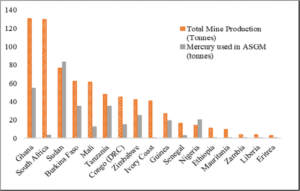
African Gold Production at a Glance (2026 Rankings)
Africa continues to be one of the world’s leading sources of gold, supplying a significant share of global bullion demand. The continent’s gold industry supports millions of jobs, generates billions of dollars in export revenue, and attracts substantial foreign investment every year. In 2026, several African nations remain dominant players in the global gold market thanks to their rich mineral reserves, modern mining operations, and expanding refining capacities.
For investors, gold traders, refiners, and wholesale bullion buyers, understanding where Africa’s gold is produced is essential for evaluating sourcing opportunities, market stability, and long-term investment potential. The countries listed below are expected to remain the continent’s leading gold producers based on current mining output, exploration activities, and government support for the sector.
The table below provides an overview of the Top Gold Producing Countries in Africa (2026), their estimated annual production, key mining regions, and regulatory authorities responsible for overseeing mining and export activities.
Top Gold Producing Countries in Africa (2026)
| Rank (2026) | Country | Estimated Annual Production (Metric Tons) | Major Mining Regions & Gold Belts | Primary Regulatory Authority |
|---|---|---|---|---|
| 1 | Ghana | 150 – 170+ Tons | Ashanti Region, Western Region, Ahafo Belt, Obuasi, Tarkwa | Minerals Commission of Ghana, GoldBod |
| 2 | South Africa | 98 – 110 Tons | Witwatersrand Basin, Gauteng Province, Free State Goldfields | Department of Mineral Resources and Energy (DMRE), SARS |
| 3 | Mali | 70 – 100 Tons | Kayes Region, Sikasso Region, Loulo-Gounkoto Belt | Ministry of Mines, Mali |
| 4 | Burkina Faso | 60 – 94 Tons | Houndé Belt, Taparko, Essakane Mining District | Ministry of Energy, Mines and Quarries |
| 5 | Sudan | 70 – 90 Tons | Nubian Desert, Red Sea Hills, Northern State Goldfields | Ministry of Minerals, Sudan |
Why These Countries Dominate African Gold Production
Ghana: Africa’s Gold Production Powerhouse
Ghana continues to hold the title of Africa’s largest gold producer in 2026. Often referred to as the “Gold Coast” due to its centuries-long mining history, Ghana benefits from world-class deposits, strong mining regulations, and significant investment from multinational mining companies. Major operations such as Obuasi, Tarkwa, and Ahafo contribute substantially to national output and export earnings.
South Africa: The Historic Gold Giant
South Africa remains one of the world’s most recognized gold-producing nations. Although production levels have declined compared to historical peaks, the country still possesses some of the deepest and most technologically advanced gold mines globally. The famous Witwatersrand Basin continues to yield significant quantities of gold and remains a cornerstone of the country’s mining economy.
Mali: West Africa’s Mining Success Story
Mali has established itself as one of Africa’s most productive gold mining nations. Gold accounts for a major portion of the country’s export revenue, with large-scale operations located in the Kayes and Sikasso regions. International mining companies continue to invest heavily in exploration and production projects throughout the country.
Burkina Faso: Rapidly Expanding Gold Sector
Burkina Faso has experienced remarkable growth in gold production over the past decade. New discoveries, improved mining infrastructure, and increased foreign investment have transformed the country into one of Africa’s leading gold exporters. Several large-scale mines continue to boost output and attract global mining companies.
Sudan: Vast Untapped Gold Potential
Sudan remains among Africa’s top gold-producing countries due to its extensive gold-rich geological formations. The Nubian Desert and Red Sea regions contain substantial reserves that support both industrial and artisanal mining operations. Gold remains one of Sudan’s most important export commodities and a critical source of foreign exchange.
Deep Dive: Africa’s Leading Gold Nations (2026)
Africa’s gold industry continues to attract billions of dollars in investment from mining companies, institutional investors, bullion traders, refineries, and precious metals buyers worldwide. The continent hosts some of the largest untapped gold reserves on Earth, making it a strategic destination for anyone looking to invest in mining, source gold bars, or understand the future of the global gold market.
Below is a detailed look at the Top 5 Gold Producing Countries in Africa in 2026, highlighting their production strengths, major mining operations, investment opportunities, export potential, and why they continue to dominate the African gold sector.
1. Ghana – Africa’s Undisputed Gold Production Leader
Why Ghana Leads Africa’s Gold Industry
Ghana continues to hold the crown as Africa’s largest gold producer in 2026, producing an estimated 150–170+ metric tons annually. Known historically as the “Gold Coast,” Ghana has built one of the continent’s most stable and transparent mining sectors, attracting significant investment from some of the world’s largest mining companies.
The country’s success is driven by a combination of large-scale commercial mining operations, growing artisanal mining formalization, modern regulatory frameworks, and continuous exploration activities. Recent government efforts to combat illegal mining and strengthen gold traceability have further enhanced investor confidence.
Major Gold Mining Regions
- Ashanti Region
- Western Region
- Ahafo Mining Belt
- Obuasi Gold District
- Tarkwa Mining Zone
Leading Mining Companies
- Newmont Corporation (Ahafo & Akyem Mines)
- AngloGold Ashanti (Obuasi Mine)
- Gold Fields (Tarkwa & Damang Mines)
- Cardinal Namdini Project
Why Investors Choose Ghana
Ghana offers:
- Strong legal protection for investors
- Well-developed mining infrastructure
- Established export systems
- Reliable banking and financial services
- Access to international shipping routes
Gold Buyer Insight
International buyers sourcing gold from Ghana benefit from relatively transparent regulations and a mature mining industry. Government agencies such as the Minerals Commission and GoldBod continue to strengthen oversight of gold exports, helping improve market confidence and supply chain transparency.
2. South Africa – Home to the World’s Deepest Gold Mines
The Historic Giant of Global Gold Mining
South Africa remains one of the most influential gold-producing countries in the world despite producing less than its historic peak levels. For over a century, the country has shaped the global gold industry through advanced mining technology, engineering expertise, and world-class refining facilities.
The country’s famous Witwatersrand Basin is widely recognized as the largest gold deposit ever discovered and has produced more gold than any other mining region in history.
Major Gold-Producing Areas
- Witwatersrand Basin
- Gauteng Province
- Free State Goldfields
- Carletonville Mining District
Key Mining Operations
- Mponeng Mine (Harmony Gold)
- Driefontein Mine
- Kloof Mine
- South Deep Mine
South Africa’s Competitive Advantage
South Africa remains attractive because of:
- Advanced mining technology
- Highly skilled workforce
- Strong geological data
- Modern refining infrastructure
- Global financial connectivity
Rand Refinery: Africa’s Precious Metals Hub
Johannesburg is home to the internationally recognized Rand Refinery, one of the world’s largest precious metals processing facilities. The refinery plays a critical role in refining African gold to international standards, making South Africa a key gateway for bullion exports and institutional trading.
3. Mali – West Africa’s Gold Mining Powerhouse
One of Africa’s Most Profitable Gold Jurisdictions
Mali continues to rank among Africa’s largest gold producers in 2026. Gold remains the country’s most important export commodity and a major source of national revenue. The nation’s rich geology and extensive reserves have attracted substantial investment from leading international mining companies.
Located within the highly prospective Birimian Greenstone Belt, Mali hosts some of the highest-grade gold deposits in West Africa.
Major Mining Regions
- Kayes Region
- Sikasso Region
- Loulo-Gounkoto Corridor
- Fekola Mining Area
Major Gold Operations
- Barrick Gold’s Loulo-Gounkoto Complex
- B2Gold’s Fekola Mine
- Morila Gold Mine
- Syama Gold Mine
Why Investors Continue to Enter Mali
Mali offers:
- High-grade gold reserves
- Large-scale mining projects
- Significant exploration opportunities
- Competitive production costs
- Strong long-term resource potential
Export and Logistics
Although Mali is landlocked, the country has established efficient export corridors through neighboring countries and international air freight networks, enabling gold to reach major refining and trading centers worldwide.
4. Burkina Faso – Africa’s Fastest-Growing Gold Frontier
A Rising Force in African Gold Production
Burkina Faso has rapidly emerged as one of Africa’s most important gold-producing nations. Over the past decade, major discoveries and increased foreign investment have transformed the country into a key contributor to the global gold supply.
Large areas of the country remain underexplored, creating substantial opportunities for future discoveries and mine development.
Key Gold-Producing Regions
- Houndé Belt
- Taparko Region
- Essakane District
- Sanbrado Mining Zone
Major Mining Companies
- IAMGOLD (Essakane Mine)
- West African Resources (Sanbrado Mine)
- Endeavour Mining
- Nordgold
Why Burkina Faso Attracts Mining Investors
The country offers:
- Significant untapped reserves
- High exploration potential
- Competitive production costs
- Growing mining infrastructure
- Supportive mining legislation
Community Development Initiatives
Mining companies operating in Burkina Faso contribute directly to local development programs through the Mining Fund for Local Development (FMDL), supporting infrastructure, education, healthcare, and community projects in mining regions.
5. Sudan – Africa’s Artisanal Gold Powerhouse
Vast Gold Resources and Strong Production Potential
Sudan remains one of Africa’s largest gold-producing countries, supported by extensive mineral resources and a thriving artisanal mining sector. Gold is a critical pillar of the national economy and one of the country’s most valuable export commodities.
Unlike many African producers that rely primarily on large-scale mining companies, Sudan’s gold output is largely driven by small-scale miners operating across vast gold-rich regions.
Main Gold-Producing Areas
- Nubian Desert
- Red Sea Hills
- Northern State
- River Nile State
What Makes Sudan Unique?
Sudan’s gold industry is characterized by:
- Extensive artisanal mining activity
- Large undeveloped gold reserves
- Strong export potential
- Growing efforts toward sector formalization
- Strategic proximity to Middle Eastern markets
Regulatory Reforms
Government initiatives continue to focus on strengthening licensing systems, improving export controls, and reducing illegal cross-border gold trading. These reforms aim to increase transparency and maximize the economic benefits of gold production.
East Africa’s Emerging Gold Giants: Uganda and Tanzania
Uganda – Africa’s Next Major Gold Investment Destination
Although not yet among the continent’s top five producers by mine output, Uganda has become one of Africa’s most talked-about gold markets in 2026. Discoveries, increased exploration activity, and expanding refining infrastructure are attracting investors from around the world.
Key Growth Areas
- Karamoja Gold Belt
- Busia Gold Fields
- Mubende Gold District
- Buhweju Gold Region
Why Investors Are Watching Uganda
- Growing gold reserves
- Increasing refinery capacity
- Strategic location in East Africa
- Expanding export infrastructure
- Rising international demand
Uganda’s gold sector is expected to play a larger role in African gold production over the coming years as exploration projects mature and new mining investments come online.
Tanzania – A Consistent East African Producer
Tanzania remains one of Africa’s most established mining jurisdictions, hosting major operations operated by multinational mining companies. The country continues to attract investment through its large reserves, supportive policies, and growing production capacity.
Why These Gold-Producing Countries Matter to International Buyers
For investors, bullion dealers, jewelers, and wholesale gold buyers, these countries represent the backbone of Africa’s gold industry. Together, they account for the majority of the continent’s gold production and offer access to some of the world’s most significant gold reserves.
Whether you’re looking to buy investment-grade gold bars, source bullion directly from mining regions, or identify emerging mining opportunities, understanding the strengths of Africa’s leading gold-producing countries can help you make informed decisions and capitalize on one of the world’s fastest-growing precious metals markets in 2026.
Key Trends Shaping African Gold Production in 2026
Several factors are expected to influence gold production across Africa throughout 2026:
- Rising global gold prices encouraging exploration and mine expansion
- Increased foreign investment in African mining projects
- Growth of local gold refining and processing facilities
- Improved mining technologies enhancing recovery rates
- Greater government focus on formalizing artisanal mining
- Expansion of export infrastructure and logistics networks
- Growing demand from central banks and institutional investors
What This Means for Gold Buyers and Investors
For international gold buyers, investors, and bullion traders, these top-producing countries offer some of the continent’s most attractive sourcing opportunities. Nations with strong regulatory frameworks, established mining industries, and reliable export systems generally provide greater transparency and lower transaction risks.
Understanding production volumes, mining regions, and regulatory oversight can help buyers identify trustworthy markets and make informed decisions when purchasing gold bars, dore bars, gold nuggets, or investment-grade bullion from Africa in 2026.
Compliance Guide: How to Source Gold Safely and Legally from Africa (2026)
Africa offers some of the world’s most attractive opportunities for gold sourcing, investment, and international trade. However, the continent’s diverse mining environments, varying regulatory frameworks, and growing global scrutiny of precious metals supply chains mean buyers must conduct thorough due diligence before entering into any transaction.
Whether you are purchasing gold bars, dore bars, gold nuggets, refined bullion, or wholesale quantities for investment purposes, understanding compliance requirements is essential. A well-structured procurement process not only protects your capital but also ensures compliance with international anti-money laundering (AML), Know Your Customer (KYC), responsible sourcing, and import regulations.
Below is a comprehensive compliance guide for safely sourcing gold from Africa in 2026.
1. Verify Refinery Accreditations and Industry Certifications
One of the most important steps in purchasing gold from Africa is verifying the refinery or processing facility that produced it.
Reputable refineries follow internationally recognized standards that ensure purity, traceability, and responsible sourcing practices. Buyers should prioritize gold refined through facilities that comply with recognized industry frameworks and regulatory oversight.
What to Verify
- Refinery business registration
- Operating licenses and permits
- Gold purity certification
- Assay reports from recognized laboratories
- Export authorization certificates
- Industry accreditation where applicable
Why This Matters
Purchasing gold from an unverified refinery increases the risk of:
- Counterfeit gold products
- Misrepresented purity levels
- Illegally sourced minerals
- Customs seizures
- Financial losses
- Regulatory investigations
Best Practice
Request copies of all refinery licenses, assay certificates, export approvals, and corporate registration documents before initiating any transaction.
2. Audit the Entire Gold Traceability Chain
Modern gold markets increasingly demand transparency regarding where gold originates and how it reaches international buyers.
Responsible sourcing standards require buyers to understand the complete journey of the gold from the mine site to export.
Essential Traceability Documents
A legitimate gold transaction should include:
- Mining licenses
- Mineral dealer licenses
- Purchase records
- Refinery processing documentation
- Assay certificates
- Export permits
- Customs declarations
- Tax clearance certificates
- Certificate of origin
Country-Specific Authorities
Depending on the source country, buyers should verify documentation with relevant government agencies:
Ghana
- Minerals Commission
- GoldBod
- Ghana Revenue Authority
South Africa
- Department of Mineral Resources and Energy (DMRE)
- South African Revenue Service (SARS)
Uganda
- Directorate of Geological Survey and Mines (DGSM)
- Uganda Revenue Authority (URA)
Tanzania
- Mining Commission of Tanzania
- Tanzania Revenue Authority (TRA)
Mali
- Ministry of Mines
Red Flags
Avoid transactions where suppliers cannot provide:
- Clear ownership records
- Valid export permits
- Government-issued documentation
- Verifiable company registration
3. Conduct Comprehensive Supplier Due Diligence
Before sending funds or signing contracts, buyers should thoroughly investigate the supplier’s background.
Key Areas to Review
Corporate Registration
Verify:
- Company registration certificates
- Tax identification numbers
- Export licenses
- Business operating permits
Trading History
Request evidence of:
- Previous exports
- Trade references
- International clients
- Shipping records
Physical Presence
Legitimate suppliers should have:
- Registered office locations
- Operational facilities
- Verifiable contact information
Independent Verification
Whenever possible, use third-party verification firms or local legal representatives to confirm supplier legitimacy.
4. Retain Local Legal and Compliance Experts
Many international buyers underestimate the complexity of African mining and export regulations.
Hiring qualified legal professionals within the source country can significantly reduce transaction risks.
Legal Experts Can Help Verify
- Corporate registrations
- Export licenses
- Mining permits
- Tax obligations
- Government approvals
- Contract validity
Benefits of Local Counsel
Local experts understand:
- Current mining regulations
- Export procedures
- Tax requirements
- Customs processes
- Government compliance expectations
This additional layer of protection can prevent costly mistakes and fraudulent transactions.
5. Verify Export Permits Before Payment
Gold exports from African countries require specific permits and approvals before shipment.
Common Export Requirements
Most countries require:
- Export license
- Certificate of origin
- Customs documentation
- Assay certificate
- Tax clearance certificate
- Commercial invoice
Important Buyer Protection Tip
Never assume export permits will be obtained after payment.
Always request copies of approved export documentation and independently verify authenticity with the issuing authority whenever possible.
6. Use Independent Gold Assayers
One of the most effective ways to protect your investment is through independent testing of the gold.
Independent Assay Verification Helps Confirm
- Gold purity
- Weight accuracy
- Metal composition
- Refining quality
Recommended Practice
Arrange independent testing before final payment or release of shipment whenever practical.
This helps prevent disputes and ensures that the gold delivered matches contractual specifications.
7. Follow International AML and KYC Requirements
Financial institutions, customs agencies, and regulatory authorities increasingly monitor precious metals transactions.
Buyers should ensure full compliance with:
Anti-Money Laundering (AML) Requirements
- Source of funds verification
- Transaction monitoring
- Financial transparency
Know Your Customer (KYC) Requirements
- Identity verification
- Corporate ownership verification
- Beneficial ownership disclosures
Failure to comply with these requirements can result in frozen funds, delayed shipments, or regulatory investigations.
8. Use Secure Payment Structures
Gold transactions often involve significant sums of money.
Secure payment mechanisms help protect both buyers and sellers.
Common Payment Methods
- Escrow arrangements
- Documentary collections
- International wire transfers through regulated banks
- Letters of credit (LCs)
Avoid
- Cash-based transactions
- Untraceable payment methods
- Requests for large advance fees without documentation
9. Verify Logistics and Shipping, Providers
Gold should only be transported through established logistics providers experienced in handling precious metals.
What to Verify
- Shipping licenses
- Insurance coverage
- Customs handling capability
- Security protocols
- Tracking systems
Recommended Documentation
- Air Waybill (AWB)
- Cargo insurance certificate
- Customs export declaration
- Shipment tracking information
Proper logistics verification reduces the risk of shipment delays, theft, or customs complications.
10. Watch for Common African Gold Scams
Fraud remains one of the biggest risks facing inexperienced gold buyers.
Common Warning Signs
🚩 Gold offered far below market value
🚩 Fake export licenses
🚩 Fake refinery certificates
🚩 Pressure for immediate payment
🚩 Unverifiable mining claims
🚩 Requests for excessive upfront fees
🚩 Refusal to allow independent inspections
Golden Rule
If an offer appears significantly cheaper than prevailing market prices, conduct additional verification before proceeding.
Why Compliance Matters for Gold Buyers in 2026
Global regulators, banks, refiners, and institutional investors are demanding greater transparency across precious metals supply chains. Buyers who prioritize compliance benefit from:
- Reduced fraud exposure
- Stronger legal protection
- Easier customs clearance
- Improved banking relationships
- Greater investment security
- Enhanced transaction transparency
As Africa continues to strengthen its position as a global gold supplier, successful buyers will be those who combine competitive sourcing strategies with rigorous compliance practices.
By verifying suppliers, auditing documentation, engaging local experts, and adhering to international standards, investors and traders can safely access Africa’s vast gold resources while minimizing risk and maximizing long-term business opportunities.
Africa’s Gold Market Outlook for 2026
The African gold industry is expected to grow steadily, driven by:
- High global demand for gold as a hedge against inflation
- New investments in mining technology and exploration
- Governments promoting local refining and value addition
Countries like Uganda, Tanzania, and the DRC are gaining attention for their growth potential, while giants like Ghana and South Africa continue to lead in output and infrastructure.
Factors to Consider When Choosing a Gold-Producing Country
- Gold Production Volume and Reserves
Always choose a country with consistent or growing gold output, backed by verified reserves, and countries like Ghana, South Africa, and Uganda have well-documented gold deposits, which lowers supply risk. Always look for recent geological surveys and government reports confirming resource availability.
2. Political and Regulatory Stability
A stable government and clear mining laws reduce the risk of disruptions, and countries with transparent licensing procedures, tax frameworks, and export guidelines offer safer investment environments. Ghana and Mali have investor-friendly policies, while Uganda is rapidly improving its regulatory systems.
- Mining and Refining Infrastructure
Strong infrastructure, including roads, refineries, and export logistics, always ensures smoother operations, and countries with established gold refineries and formal trade routes are more reliable for buyers. South Africa (Rand Refinery), Uganda (AGR, Bullion Refinery), Ghana (PMMC)
- Artisanal vs. Industrial Mining Balance
Always understand if the country relies on industrial-scale mining or artisanal mining, and industrial mining offers reliability and scale, while artisanal sectors can be unpredictable but offer lower entry costs. Countries like Sudan and Uganda have both, but they are improving ASM accountability.
- Export Compliance and Market Access
Always choose countries that maintain clear gold export regulations and have access to major international markets like the UAE, India, and Switzerland, and avoid regions with high levels of smuggling or trade bans. Always check for Licensing requirements, gold purity standards, and destination partners.
Conclusion
Africa remains a gold powerhouse, with five nations shaping the continent’s global influence. While Ghana and South Africa dominate in output, Uganda’s entry into the top ranks signals a new era of gold growth in East Africa. As regulatory frameworks improve and technology advances, investors and traders alike should keep a close eye on Africa’s ever-evolving gold landscape.
Need up-to-date gold prices or help sourcing gold in Africa?
Frequently Asked Questions About the Top 5 Gold Producing Countries in Africa (2026)
Which country is the largest gold producer in Africa in 2026?
Ghana remains the largest gold producer in Africa in 2026, maintaining its leadership position through large-scale mining operations, substantial foreign investment, and a well-developed mining sector. The country produces well over 100 metric tons of gold annually and hosts some of Africa’s most productive mines, including Obuasi, Tarkwa, and Ahafo. Ghana’s stable regulatory environment, strong export infrastructure, and investor-friendly policies continue to make it one of the most attractive destinations for gold mining and gold trading in Africa.
Is South Africa still a major gold producer in 2026?
Yes. Although South Africa no longer dominates global gold production as it did decades ago, it remains one of the top gold producing countries in Africa in 2026. The country is home to some of the world’s deepest gold mines and possesses extensive mining expertise, advanced extraction technology, and established refining facilities. South Africa continues to play a significant role in the global gold market through both mining and precious metals refining.
How has Uganda emerged as an important gold-producing country?
Uganda has become one of Africa’s fastest-growing gold markets due to increased exploration activities, new gold discoveries, and investments in refining infrastructure. Gold-rich regions such as Karamoja, Busia, Mubende, and Buhweju have attracted both local and international investors. The country’s growing refining capacity and improving regulatory oversight have strengthened Uganda’s position as an emerging player in Africa’s gold industry in 2026.
What factors are driving gold production growth across Africa?
Several factors continue to support the growth of gold production throughout Africa:
- Discovery of new gold deposits and mining zones
- Increased foreign direct investment in mining projects
- Expansion of gold refineries and processing facilities
- Government reforms supporting mining development
- Rising global gold prices encouraging exploration
- Improved mining technologies and production efficiency
- Growing international demand for physical gold
These developments are helping African countries increase production and strengthen their position in the global gold market.
Which African countries offer the best opportunities for gold investment in 2026?
Some of the most attractive gold investment destinations in Africa include:
| Country | Key Investment Advantages |
| Ghana | Stable mining regulations and large-scale mines |
| Tanzania | Significant reserves and growing production |
| Mali | High-grade deposits and established mining sector |
| Uganda | Emerging gold industry and expanding refining capacity |
| Burkina Faso | Strong exploration potential and growing output |
Investors should always conduct due diligence, verify licenses, and understand local regulations before investing in mining projects or gold purchases.
What role does artisanal and small-scale mining play in African gold production?
Artisanal and small-scale mining (ASM) remains a major contributor to gold production across Africa. In countries such as Sudan, Uganda, the Democratic Republic of Congo (DRC), and parts of West Africa, ASM supports millions of livelihoods and contributes a substantial share of national gold output. Governments across the continent are increasingly working to formalize artisanal mining operations to improve transparency, increase tax revenues, and strengthen environmental standards.
Are gold exports from African countries legal and regulated?
Yes. Most African nations have established legal frameworks governing gold mining, trading, refining, and export activities. Exporters typically require licenses, permits, tax clearances, and compliance documentation before gold can be legally shipped abroad. Buyers should work only with licensed exporters and ensure that all transactions comply with local and international regulations.
What are the biggest challenges facing gold producers in Africa?
Despite significant opportunities, African gold producers face several challenges, including:
- Illegal mining and gold smuggling
- Infrastructure limitations in remote mining regions
- Environmental and sustainability concerns
- Regulatory changes and licensing complexities
- Security risks in certain mining areas
- Limited access to financing for smaller operators
- Fluctuations in global commodity prices
Many governments are implementing reforms to address these challenges and encourage sustainable growth within the sector.
Which country in East Africa is experiencing the fastest growth in gold production?
Uganda is among the fastest-growing gold-producing countries in East Africa in 2026. Increased exploration activities, investments in refining facilities, improved export procedures, and new discoveries have contributed to rapid growth in the sector. Tanzania also remains a major regional producer with significant mining investments and established gold operations.
How can investors and buyers track real-time gold prices in African countries?
Gold prices vary daily based on international market conditions, exchange rates, local supply, and refining costs. Investors, traders, and buyers can monitor live gold prices, historical trends, and country-specific market updates through www.goldpricesinafrica.com, which provides regularly updated pricing information for major African gold markets, including Ghana, Uganda, Tanzania, South Africa, Mali, Sudan, and the Democratic Republic of Congo.
Why are Africa’s top gold-producing countries attracting international buyers in 2026?
Africa’s leading gold-producing countries attract global buyers because they offer:
- Large gold reserves and consistent production
- Competitive pricing compared to many international markets
- Growing refining and export infrastructure
- Increasing government support for mining investment
- Access to gold bars, dore bars, nuggets, and refined bullion
- Expanding opportunities for long-term investment partnerships
As global demand for physical gold continues to increase, Africa remains one of the most important regions for gold sourcing, mining investment, and precious metals trade.
Where can I find trusted gold suppliers in Africa?
When sourcing gold from Africa, buyers should work with licensed miners, approved exporters, and reputable dealers with verifiable business records. Conducting supplier verification, reviewing export documentation, and using secure payment and logistics channels are essential steps. Platforms such as www.goldpricesinafrica.com help buyers stay informed about market prices, sourcing opportunities, and developments across the top gold-producing countries in Africa in 2026.