
Gold Mining in Africa | Top Producers, Markets & Buyer Guide
Africa remains one of the world’s most important gold-producing regions, supplying global markets with millions of ounces of gold every year. The continent is home to some of the largest gold-producing countries, including Ghana, South Africa, Mali, Sudan, Tanzania, Burkina Faso, Zimbabwe, and the Democratic Republic of Congo (DRC).
From large-scale mining operations and established refineries to artisanal and small-scale mining communities, Africa offers significant opportunities for investors, international gold buyers, jewelry manufacturers, and commodity traders seeking reliable gold supply sources.
However, sourcing gold from Africa requires careful verification of suppliers, export documentation, licensing, responsible sourcing practices, and compliance with international regulations.
Looking to buy responsibly sourced gold from Africa? Gold Dealers Africa connects verified buyers with trusted gold suppliers, exporters, refineries, and industry partners across Africa, helping international buyers navigate secure gold sourcing opportunities.
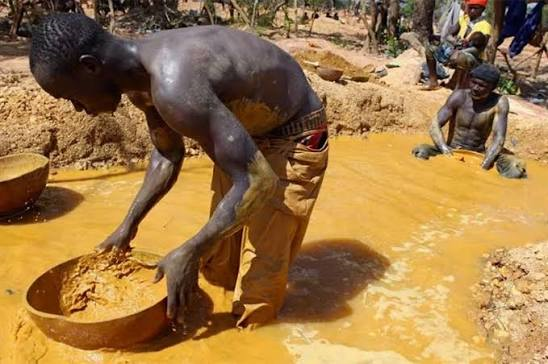
Gold Mining in Africa Overview: A Global Source of Investment-Grade Gold
Africa has long been recognized as one of the world’s most important gold-producing regions, with major deposits, established mining operations, and significant growth opportunities for global investors and gold buyers. Countries such as Ghana, South Africa, Mali, Tanzania, Sudan, Burkina Faso, Zimbabwe, and the Democratic Republic of Congo (DRC) contribute substantially to global gold supply through both large-scale mining and emerging gold projects.
The continent’s gold sector includes a wide range of operations, from traditional artisanal mining communities to modern industrial mines operated by international mining companies. Africa’s extensive mineral resources, competitive production costs, and high-grade gold deposits continue to attract international buyers, refiners, and investors seeking reliable gold supply opportunities.
Artisanal and Small-Scale Gold Mining (ASM)
Artisanal and small-scale mining (ASM) plays an important role in Africa’s gold industry, providing livelihoods for millions of people across mining regions. ASM operations typically involve smaller mining groups using manual methods or basic equipment to extract gold from alluvial deposits and underground workings.
While ASM contributes significantly to gold production in several African countries, international buyers must carefully evaluate sourcing channels to ensure responsible practices, legal ownership, traceability, and compliance with international due diligence standards.
Large-Scale Industrial Gold Mining
Large-scale industrial mining represents the most structured segment of Africa’s gold industry. These operations use advanced exploration techniques, modern extraction technology, professional management systems, and internationally recognized environmental and safety standards.
Major industrial gold producers include multinational mining companies operating some of Africa’s largest mines, such as Ghana’s Obuasi and Tarkwa mines, Tanzania’s Geita Gold Mine, Mali’s Loulo-Gounkoto complex, and South Africa’s deep-level gold mining operations.
These projects generally provide stronger supply chain transparency, production records, and export documentation for institutional buyers and investors.
Gold Exploration Projects
Africa continues to attract significant investment in gold exploration due to its large unexplored mineral potential. Exploration companies search for new deposits using geological surveys, satellite mapping, drilling programs, and feasibility studies to identify commercially viable gold resources.
New exploration projects create opportunities for investors looking to participate in future gold production and support the expansion of Africa’s gold supply chain.
Why International Buyers Source Gold from Africa
International buyers source gold from Africa for several key reasons:
- Competitive supply opportunities: Many African countries have established gold production and export industries that connect producers with international markets.
- High-grade gold deposits: Several African regions contain some of the world’s most productive gold belts, offering attractive opportunities for miners and buyers.
- Established export routes: Major producing countries have developed export systems, refineries, logistics networks, and government oversight structures that support international trade.
The Importance of Verified Gold Sourcing
Although Africa offers significant gold opportunities, international buyers must conduct proper verification before entering transactions. Working with unverified sellers can expose buyers to risks including fraudulent suppliers, counterfeit documents, illegal gold sources, and payment scams.
Reliable gold transactions require verification of supplier licenses, company registration, export permits, assay reports, chain-of-custody documentation, and compliance with responsible sourcing requirements.
Gold Dealers Africa helps connect buyers with verified gold suppliers, exporters, and industry partners while promoting transparent and compliant gold sourcing across Africa.
Top Gold Producing & Trading Countries in Africa (2026)
| Country | Major Gold Regions | Major Mines & Operations | Gold Buyer Opportunities |
| Ghana | Ashanti Belt, Western Region, Ahafo Region | Obuasi, Tarkwa, Ahafo, Akyem | One of Africa’s leading gold producers, offering opportunities for responsible sourcing, refinery partnerships, and structured gold export channels through licensed operators. |
| South Africa | Witwatersrand Basin (Gauteng, Free State, North West) | Mponeng, South Deep, Driefontein | Strong institutional market with refined gold supply, established refineries, and access to internationally recognized bullion products. |
| Mali | Kayes, Sikasso, Koulikoro | Loulo-Gounkoto, Fekola, Syama, Sadiola | Attractive for large-scale buyers seeking doré supply, mining partnerships, and long-term offtake opportunities from established producers. |
| Sudan | Red Sea, River Nile, Northern State | Hassai Gold Mine and ASM-producing regions | Offers significant gold potential, but buyers require strict supplier verification, export documentation checks, and responsible sourcing procedures. |
| Tanzania | Lake Victoria Goldfields (Geita, Mwanza, Mara) | Geita, Bulyanhulu, North Mara | Strong opportunity for gold doré sourcing, refinery partnerships, and international trading through licensed exporters. |
| Uganda | Busia, Mubende, Karamoja, Buhweju | Wagagai Gold Refinery (Busia), regional mining areas | Emerging East African gold hub with opportunities in gold processing, refining, regional trade, and export services. |
| Democratic Republic of Congo (DRC) | Ituri, South Kivu, North Kivu, Haut-Uele, Maniema | Kibali Gold Mine and ASM gold-producing areas | Significant gold resources with opportunities for responsible sourcing, but requires OECD due diligence, traceability, and conflict-risk assessment. |
Critical Market Insights for International Gold Buyers
Uganda’s Growing Role as a Gold Trading & Refining Hub
Uganda has become an important gold processing and trading center in East Africa. The country’s strategic location, proximity to major gold-producing regions, and expanding refining capacity have increased its role in regional gold supply chains.
International buyers sourcing through Uganda should verify refinery licenses, export documentation, supplier ownership, assay reports, and chain-of-custody records to ensure compliant transactions.
DRC and Sudan: High Opportunity, Higher Due Diligence Requirements
The Democratic Republic of Congo and Sudan have significant gold resources, particularly through artisanal and small-scale mining networks. However, international buyers and refiners must apply strict due diligence procedures, including:
- Supplier identity verification
- Export permit confirmation
- Origin documentation
- Responsible sourcing checks
- OECD Due Diligence Guidance compliance
- Using comparison tables is a strong SEO improvement. They increase readability, improve dwell time, and make your content more likely to earn featured snippets. Here’s a polished version with clearer headings and updated terminology.
African Gold-Producing Countries Comparison
| Country | Estimated Annual Gold Output* | Key Mining Regions | Primary Export Hub / Airport | Major Mining Regulatory Body |
| Ghana | 120 tonnes | Ashanti Belt, Ahafo, Western Region | Kotoka International Airport (Accra) | Minerals Commission of Ghana |
| Mali | 60 tonnes | Kayes, Sikasso, Koulikoro | Bamako International Airport / Dakar Port (Senegal) | Ministry of Mines, Mali |
| Tanzania | 50 tonnes | Lake Victoria Goldfields (Geita, Mwanza, Shinyanga) | Julius Nyerere International Airport, Dar es Salaam | Tanzania Mining Commission |
| Uganda | 30 tonnes (official production; larger export trade) | Busia, Karamoja, Mubende | Entebbe International Airport | Ministry of Energy and Mineral Development (MEMD) |
Note: Annual production figures are approximate and may vary by year depending on official government statistics, artisanal mining activity, and international reporting.
How Gold Mining Works in Africa
Africa’s gold mining industry includes a wide range of activities, from early-stage exploration and artisanal mining to large-scale industrial operations. Understanding how gold is discovered, extracted, processed, and documented helps investors and international buyers evaluate reliable supply opportunities.
Gold Exploration and Discovery
Gold exploration is the first stage of the mining process and involves identifying areas with potential gold deposits. Mining companies and exploration teams use geological studies, advanced technology, and field investigations to locate commercially viable resources.
The exploration process typically includes:
- Geological surveys: Specialists analyze rock formations, mineral structures, historical mining data, and satellite information to identify areas with gold potential.
- Drilling programs: Exploration companies conduct drilling campaigns to collect rock samples and determine the depth, size, and quality of gold deposits.
- Resource estimation: Geological data is analyzed to estimate the quantity and quality of available gold resources and determine whether a deposit can support commercial mining.
Successful exploration projects can attract significant investment and lead to the development of new gold mines across Africa.
Artisanal and Small-Scale Gold Mining (ASM)
Artisanal and small-scale gold mining (ASM) plays an important role in Africa’s gold industry, supporting millions of miners and local communities across gold-producing regions. ASM operations often use traditional methods or basic equipment to extract gold from surface deposits, rivers, and small underground workings.
While ASM contributes significantly to gold production in countries such as the Democratic Republic of Congo, Sudan, Ghana, Tanzania, and Uganda, the sector faces several challenges, including:
- Mercury use: Some small-scale miners use mercury during gold processing, creating environmental and health concerns.
- Informal trading networks: Gold may pass through multiple intermediaries, making ownership verification and supply chain transparency more difficult.
- Limited traceability: Without proper documentation systems, buyers may struggle to confirm the legal origin and responsible sourcing status of gold.
For international buyers, responsible sourcing is essential. Buyers should work with suppliers who can provide legal origin documentation, export permits, assay reports, chain-of-custody records, and responsible sourcing information to confirm that gold meets international compliance expectations.
Large-Scale Commercial Gold Mining
Large-scale commercial gold mining represents the most structured part of Africa’s gold industry. These operations are typically managed by multinational mining companies or established regional mining firms with significant investment, advanced technology, and professional mining systems.
The process involves:
- Industrial extraction: Large mining operations use advanced equipment, engineering systems, and specialized techniques to extract gold from open-pit or underground deposits.
- Mineral processing: Extracted ore is processed through crushing, grinding, and recovery methods to produce gold concentrate or doré bars.
- Certified production: Established mines operate under regulatory oversight and follow international standards related to environmental management, safety, reporting, and responsible production.
Large-scale mines often provide stronger documentation, production records, and traceability systems, making them a preferred source for institutional buyers, refineries, and international investors.
Choosing Reliable Gold Supply Sources
Whether sourcing from artisanal producers or industrial mines, international buyers must conduct proper due diligence. Verifying supplier licenses, export authorization, gold origin, assay documentation, and compliance records helps reduce transaction risks and supports responsible gold trade.
Gold Dealers Africa helps connect buyers with verified gold suppliers and industry partners while promoting transparent and compliant gold sourcing across Africa.
Where Does African Gold Come From?
African gold comes from a diverse network of mining regions, including large-scale industrial mines, artisanal and small-scale mining (ASM) communities, and licensed gold trading networks operating across major producing countries. The continent has some of the world’s richest gold belts, with deposits stretching from West Africa through East Africa and into Central Africa.
International buyers source African gold because of its high production potential, established mining regions, competitive supply opportunities, and growing refining capacity. However, responsible sourcing requires buyers to understand where gold originates, how it is produced, and whether suppliers can provide proper documentation, export approvals, and traceability records.
Gold Mining in Ghana
Ghana is one of Africa’s largest gold-producing countries and has a long-established mining industry supported by extensive gold deposits in the Ashanti Belt, Western Region, and Ahafo mining areas. The country’s gold sector includes major industrial mines operated by international mining companies as well as licensed small-scale mining operations that contribute significantly to national production.
Ghana’s gold industry benefits from established regulations, government oversight, and recognized export channels. International buyers sourcing gold from Ghana should verify supplier licenses, confirm export authorization, review assay documentation, and ensure transactions comply with responsible sourcing requirements.
Ghana is an attractive market for buyers seeking gold doré, refined gold products, and partnerships with licensed exporters and mining companies.
Gold Mining in Uganda
Uganda is emerging as an important gold trading and refining hub in East Africa due to its strategic location, growing mineral sector, and proximity to gold-producing regions in the Great Lakes area. Gold production occurs in areas such as Busia, Mubende, Buhweju, and Karamoja, while the country also serves as a regional processing and export center.
The development of modern refining facilities has increased Uganda’s role in processing gold into higher-purity products, including refined gold bars. International buyers interested in Ugandan gold should verify mining sources, refinery credentials, export permits, customs documentation, and supplier compliance records.
Uganda offers opportunities for buyers seeking responsibly sourced gold, regional supply partnerships, and access to East African gold markets.
Gold Mining in Tanzania
Tanzania is one of East Africa’s leading gold producers, with major deposits concentrated around the Lake Victoria Goldfields, including Geita, Mwanza, and Mara regions. The country hosts some of Africa’s largest gold mines, supported by established mining companies, modern processing facilities, and regulated export systems.
Tanzania’s gold industry produces significant volumes of gold doré and refined products for international markets. Buyers sourcing gold from Tanzania should work with licensed exporters and verify mineral trading licenses, export permits, assay reports, and compliance documentation before completing transactions.
The country provides opportunities for international buyers looking for structured gold supply agreements, refinery partnerships, and long-term sourcing relationships.
Gold Mining in the Democratic Republic of Congo (DRC)
The Democratic Republic of Congo contains some of Africa’s most significant gold resources, particularly in regions such as Ituri, Haut-Uele, South Kivu, North Kivu, and Maniema. The country has both large-scale industrial mining operations and extensive artisanal gold mining networks.
The DRC presents major opportunities for gold buyers due to its resource potential, but sourcing requires careful due diligence because some mining areas face challenges related to informal supply chains, traceability, and conflict-risk concerns.
International buyers should work only with verified suppliers who can provide legal origin documentation, export permits, chain-of-custody records, and responsible sourcing evidence aligned with international standards such as OECD Due Diligence Guidance.
Responsible African Gold Sourcing
Regardless of the country of origin, international buyers should prioritize transparency, verification, and compliance when purchasing African gold. A legitimate transaction requires confirming the seller’s identity, checking licenses, validating gold origin, reviewing assay results, and ensuring all export and customs documentation is complete.
Working with verified gold suppliers helps buyers reduce fraud risks, comply with international regulations, and build reliable long-term sourcing relationships in Africa’s gold market.
How to Buy Gold Directly From African Mining Suppliers
Buying gold directly from African mining suppliers can provide international buyers with access to competitive sourcing opportunities, high-quality gold deposits, and established African supply chains. However, successful gold transactions require careful verification, proper documentation, compliance checks, and secure payment procedures.
Whether you are a gold importer, refinery, investor, jewelry manufacturer, or institutional buyer, working directly with mining suppliers requires a structured due diligence process to reduce fraud risks and ensure the gold is legally sourced.
Step 1 — Verify Supplier License and Registration
The first step when buying gold directly from an African mining supplier is confirming that the supplier is legally registered and authorized to operate. Buyers should never rely only on company names, websites, or certificates provided by sellers without independent verification.
Before entering a transaction, verify:
Company registration:
Confirm that the supplier is a legally registered business with the relevant government authority. Check the company name, registration number, ownership details, physical address, and operating history.
Mining license:
A legitimate mining supplier should be able to provide evidence that they have legal rights to mine, purchase, or trade gold. The mining license should match the company or cooperative involved in the transaction.
Export license:
Gold exports are regulated in most African countries. Buyers should confirm that the supplier or exporter holds valid authorization from the relevant mining or government authority to export gold internationally.
Tax registration:
Verify tax identification documents and compliance records to confirm that the supplier operates within the country’s legal framework.
Working with licensed suppliers helps buyers avoid illegal gold channels, counterfeit documentation, and payment scams.
Step 2 — Confirm Gold Origin and Documentation
Before purchasing gold, international buyers must confirm where the gold comes from and whether the supply chain documentation is complete. Proper documentation provides evidence of legal ownership, origin, and compliance with international trade requirements.
Important documents include:
Certificate of Origin:
This document identifies the country and source of the gold and helps buyers confirm that the shipment originates from an approved supply chain.
Assay Report:
An assay report confirms the gold’s purity, weight, and characteristics. Professional testing laboratories or recognized assayers typically issue these reports.
Export Permit:
A valid export permit confirms that government authorities have approved the shipment for international trade.
Customs Documents:
Export declarations, customs clearance records, invoices, and shipping documents help demonstrate that the transaction follows legal import and export procedures.
Responsible Sourcing Documents:
For international buyers and refineries, responsible sourcing records are increasingly important. These may include supply chain due diligence reports, chain-of-custody records, and compliance documentation aligned with international standards.
Step 3 — Conduct Gold Testing and Verification
Before making final payment, buyers should independently verify the gold quality through professional testing. Seller-provided certificates alone should not be considered sufficient evidence.
Common verification methods include:
XRF Testing:
X-ray fluorescence (XRF) testing provides a quick analysis of gold composition and identifies the approximate purity of the material without damaging the sample.
Fire Assay:
Fire assay is one of the most accurate methods for determining gold purity. It is commonly used by refineries, laboratories, and professional gold traders to confirm exact gold content.
Independent Inspection:
International buyers may use independent inspection companies to verify weight, purity, packaging, documentation, and shipment conditions before delivery.
Independent verification protects buyers from under-karated gold, false assay reports, and shipment disputes.
Step 4 — Secure Payment and Logistics
A secure transaction requires carefully planned payment methods and professional logistics arrangements. Buyers should avoid sending large advance payments to unknown suppliers before completing verification.
Common secure options include:
Bank Transfer:
Payments through established banking channels provide transaction records and improve transparency between buyers and suppliers.
Escrow Services:
Escrow arrangements can protect both parties by releasing funds only after agreed verification conditions are completed.
Insured Transportation:
Gold shipments should be handled through professional secure logistics providers specializing in valuable commodities, with appropriate insurance coverage and tracking.
Refinery Delivery:
Many international buyers arrange delivery directly to approved refineries where the gold can be tested, refined, and settled according to agreed terms.
Final Buyer Checklist Before Purchasing African Gold
Before completing a gold transaction, confirm:
✓ Supplier identity and legal registration
✓ Mining or trading authorization
✓ Export permits and customs documentation
✓ Gold origin and chain-of-custody records
✓ Independent purity verification
✓ Secure payment method
✓ Professional logistics arrangements
Buying gold directly from African mining suppliers can offer significant opportunities, but successful transactions depend on transparency, compliance, and working only with verified partners.
Gold Dealers Africa helps connect international buyers with verified gold suppliers, exporters, and industry partners across Africa while promoting secure and responsible gold sourcing.
Why Africa Is the World’s Most Important Gold Mining Continent
Africa is one of the world’s most important gold-producing regions because it combines large gold deposits, major producing mines, long-established mining regions, and significant opportunities for exploration and investment. Countries such as Ghana, South Africa, Mali, Tanzania, Burkina Faso, Sudan, Guinea, and the Democratic Republic of Congo contribute substantially to Africa’s gold supply.
Africa’s importance also comes from the diversity of its gold deposits. The continent contains major greenstone belts, Witwatersrand deposits, sediment-hosted deposits, and other mineralized systems that support both large industrial mines and smaller-scale mining operations.
South Africa has some of the world’s most famous and deepest gold mines, including Mponeng and other operations associated with the Witwatersrand Basin. The country has played a historic role in global gold production and remains an important center for mining expertise, refining, and precious-metals infrastructure.
Ghana is another major force in African gold mining. Its large-scale mines and extensive gold-bearing regions have made it one of Africa’s leading producers. The country’s established mining industry, processing infrastructure, and gold-trading ecosystem also make it important to international gold markets.
Mali and Tanzania are also major gold-producing countries, with large operations such as Fekola, Loulo-Gounkoto, Geita, and North Mara. These mines demonstrate the scale of modern gold mining in West and East Africa.
Africa is also important because of its gold investment and trading opportunities. International buyers, refiners, bullion traders, jewelry manufacturers, and investors monitor African gold markets because the continent contains significant resources and a large network of mining and mineral-trading businesses.
However, buying African gold requires careful due diligence. Buyers should verify the seller, gold purity, legal origin, assay documentation, ownership, export authorization, customs documentation, and transportation arrangements before committing funds. Gold production does not automatically mean that every seller operating in a producing country is legitimate.
For investors and businesses, Africa’s gold sector therefore represents both substantial mineral wealth and significant commercial opportunity. The strongest opportunities are generally found where geological potential is supported by reliable infrastructure, transparent regulation, established mining companies, responsible sourcing systems, and legitimate gold-trading channels.
Key takeaway
Africa is not important to the global gold industry simply because it produces large quantities of gold. Its importance comes from the combination of world-class deposits, major mines, established producing countries, geological potential, mining expertise, and expanding gold markets. This makes African gold an important area for miners, investors, refiners, traders, and legitimate international buyers.
Biggest Gold Mines in Africa
Africa is home to some of the world’s largest and most productive gold mines, with major operations located in South Africa, Ghana, Mali, Tanzania, Burkina Faso, Guinea, Sudan, and the Democratic Republic of Congo (DRC). These mines vary significantly in depth, production, ore grades, mining methods, ownership, and operating conditions.
Mponeng Gold Mine – South Africa
Mponeng Gold Mine in Gauteng, South Africa, is widely recognized as the deepest operating gold mine in the world, reaching depths of more than 4 km below the surface. The mine uses highly specialized underground mining systems to extract high-grade ore from deep Witwatersrand reefs. Its extreme depth creates major challenges involving rock temperatures, ventilation, cooling, worker safety, seismic activity, and transportation.
Kibali Gold Mine – Democratic Republic of Congo
Kibali Gold Mine in northeastern DRC is one of Africa’s largest gold-mining operations and is operated by Barrick Mining in partnership with the Congolese state. The operation combines open-pit and underground mining and has developed extensive processing and infrastructure systems in a remote part of the country. Kibali is particularly important because of its large-scale production and long-term mineral reserves.
Geita Gold Mine – Tanzania
Geita Gold Mine in Tanzania’s Mwanza region is one of the country’s largest and longest-running gold operations. It is operated by AngloGold Ashanti and uses large-scale open-pit and underground mining methods. Geita has played a major role in Tanzania’s gold industry and contributes significantly to the country’s gold production and mining economy.
North Mara Gold Mine – Tanzania
North Mara Gold Mine, located in the Tarime District of Tanzania, is another major African gold operation operated by Barrick Mining. The mine combines open-pit and underground mining and produces gold from mineralized deposits in the Mara region. Its location near Tanzania’s major gold-producing areas makes it an important part of the country’s mining sector.
Loulo-Gounkoto Complex – Mali
The Loulo-Gounkoto Complex in western Mali is one of Africa’s major gold-producing complexes. It is operated by Barrick Mining and consists of several mining operations, including underground and open-pit workings. The complex has become one of Mali’s most important sources of industrial gold production.
Fekola Mine – Mali
Fekola Mine is one of Mali’s largest modern gold mines and is operated by B2Gold. Located near the country’s border with Senegal, the operation uses large-scale open-pit mining and a major processing plant. Its high production capacity has made Fekola an important contributor to Mali’s position as one of Africa’s leading gold-producing countries.
Tarkwa Gold Mine – Ghana
Tarkwa Gold Mine in Ghana’s Western Region is one of the country’s most significant gold operations. The mine is operated by Gold Fields and is known for large-scale open-pit mining. Tarkwa forms part of Ghana’s major gold-producing belt and has substantial infrastructure for mining, processing, and gold recovery.
Obuasi Gold Mine – Ghana
Obuasi Gold Mine is one of Ghana’s most historically important gold mines. Located in the Ashanti Region, the mine has operated for more than a century and is known for its high-grade underground ore deposits. AngloGold Ashanti has invested heavily in redevelopment and modernization to extend the mine’s productive life.
Ahafo Mine – Ghana
Ahafo Mine is one of Ghana’s largest gold operations and is operated by Newmont. Located in the Ahafo region, the operation consists of multiple open-pit mining areas and processing facilities. Its large production capacity makes it an important contributor to Ghana’s gold industry.
Siguiri Gold Mine – Guinea
Siguiri Gold Mine is a major gold operation in Guinea and is operated by AngloGold Ashanti. The mine is located in northeastern Guinea and primarily uses open-pit mining. Siguiri is particularly significant because Guinea is better known internationally for bauxite, while gold remains an important part of its mineral sector.
The Biggest by Different Measures
There is no single definition of the “biggest gold mine in Africa.” Mponeng is the clear standout for depth, while mines such as Kibali, Geita, Fekola, Loulo-Gounkoto, Tarkwa, and Ahafo are important when comparing annual production, reserves, mine size, or economic significance.
DRC Gold Due Diligence: OECD Compliance Guide for Buyers
Sourcing gold from the Democratic Republic of Congo (DRC) presents significant commercial opportunities, but it also requires rigorous due diligence to comply with international responsible sourcing standards. The OECD Due Diligence Guidance for Responsible Supply Chains of Minerals from Conflict-Affected and High-Risk Areas is the globally recognized framework used by refiners, manufacturers, financial institutions, and international gold buyers to identify, prevent, and mitigate risks associated with mineral supply chains.
Importantly, the OECD Guidance does not prohibit purchasing gold from the DRC. Instead, it requires companies to take a risk-based approach to ensure that gold has been sourced responsibly and that transactions do not contribute to conflict financing, human rights abuses, corruption, or other illegal activities.
For buyers, OECD compliance begins with establishing strong internal sourcing policies and verifying every participant in the supply chain—from the mine of origin and local traders to exporters, transport providers, and refiners. This includes reviewing mining licenses, export permits, certificates of origin where applicable, chain-of-custody documentation, assay reports, and company registration records. Buyers should also conduct Know Your Customer (KYC) and Anti-Money Laundering (AML) checks, screen suppliers against international sanctions lists, and investigate any inconsistencies in documentation or ownership.
The OECD framework is built around five key steps: establishing strong management systems, identifying and assessing supply chain risks, implementing a risk management strategy, supporting independent third-party audits where applicable, and publicly reporting on responsible sourcing practices. These measures help companies demonstrate compliance while reducing legal, financial, and reputational risks.
Due diligence is particularly important in the DRC because eastern provinces have experienced persistent challenges related to illicit gold trade and cross-border smuggling. According to reports from the United Nations, gold remains one of the most frequently smuggled minerals in the region, while Congolese authorities have estimated that approximately 60 tonnes of gold are smuggled out of the country each year through neighboring states. These risks make it essential for buyers to verify the origin of gold and maintain complete supply chain documentation before completing any transaction.
Companies that follow the OECD Due Diligence Guidance are better positioned to meet the responsible sourcing requirements of international refiners, investors, and downstream customers. Robust due diligence not only helps ensure legal compliance but also builds trust with business partners, protects corporate reputation, and supports ethical mineral trade from the Democratic Republic of Congo.
African Gold Mining Regulations and Compliance Requirements
Gold mining and trading in Africa are regulated by national governments and international organizations to ensure that gold is legally produced, responsibly sourced, and traded through transparent supply chains. For international buyers, understanding these regulations is essential because purchasing gold requires verification of ownership, licensing, export authorization, and compliance with global responsible sourcing standards.
Government Licensing Requirements
African governments require miners, gold dealers, traders, and exporters to obtain official approvals before they can legally operate within the gold supply chain. These licenses help confirm that a company has legal authority to mine, purchase, process, or export gold.
Mining Permits
A mining permit gives a company or mining operator legal permission to explore and extract gold from an approved area. Before buying gold directly from a mining supplier, international buyers should confirm that the supplier has valid mineral rights, an authorized mining location, and documentation proving that the gold was produced from a legally recognized operation.
Dealer Licenses
Gold dealers and trading companies are generally required to hold government-issued licenses that allow them to purchase, sell, and handle gold within a specific country. A valid dealer license helps buyers verify that the supplier is recognized by government authorities and is legally permitted to participate in gold transactions.
Export Authorization
Gold exports from African countries require official approval from relevant government agencies. Export authorization confirms that the gold shipment has passed required procedures, including documentation checks, taxation requirements, customs clearance, and compliance verification. Buyers should ensure that export permits, invoices, certificates of origin, and assay reports match the supplier and shipment details.
International Gold Compliance Standards
International gold buyers, refineries, and financial institutions follow additional compliance frameworks to reduce risks associated with illegal mining, money laundering, conflict gold, and irresponsible sourcing practices.
OECD Due Diligence Guidance
The OECD Due Diligence Guidance provides a globally recognized framework for responsible mineral sourcing, especially from conflict-affected and high-risk areas. Gold buyers following OECD standards are expected to verify suppliers, understand the origin of gold, identify supply chain risks, maintain transaction records, and ensure that their purchases do not contribute to illegal activities or human rights abuses.
LBMA Responsible Gold Guidance
The LBMA Responsible Gold Guidance establishes responsible sourcing requirements used by many international gold refineries and bullion market participants. It focuses on supply chain transparency, risk assessment, anti-money laundering controls, and responsible business practices to ensure that gold entering international markets meets accepted ethical standards.
AML/KYC Requirements
Anti-Money Laundering (AML) and Know Your Customer (KYC) procedures are critical parts of legitimate gold transactions. Buyers and financial institutions verify supplier identities, company ownership, business registration information, and the source of funds to prevent gold trading from being used for fraud, money laundering, or other illegal financial activities.
Sanctions Screening
International buyers must conduct sanctions screening to confirm that suppliers, company owners, and trading partners are not linked to restricted individuals, organizations, or sanctioned jurisdictions. This process helps buyers avoid legal penalties, frozen payments, and reputational risks when conducting international gold transactions.
Why Compliance Matters When Buying African Gold
Compliance is one of the most important factors when sourcing gold from Africa because it protects buyers from fraudulent suppliers, illegal gold sources, and regulatory problems. Before completing a transaction, buyers should verify the supplier’s licenses, confirm gold origin, review export documentation, conduct AML/KYC checks, and ensure that the supply chain meets responsible sourcing requirements.
Working with verified gold suppliers and following international compliance standards allows buyers to access African gold markets with greater confidence, transparency, and long-term security.
Gold Mining Investment Opportunities in Africa
Africa offers some of the world’s most attractive gold investment opportunities due to its extensive mineral resources, established mining regions, and growing demand for responsibly sourced gold. The continent’s gold sector provides opportunities for international investors, mining companies, refiners, and commodity buyers seeking exposure to exploration projects, mining partnerships, and secure gold supply chains.
However, successful investment in African gold requires careful evaluation of geological potential, regulatory conditions, operational risks, and compliance requirements. Investors should conduct proper due diligence and work with experienced partners who understand local mining laws and international gold market standards.
Gold Exploration Projects
Gold exploration projects represent an opportunity for investors to participate in the early stages of discovering and developing new mineral resources. Africa contains some of the world’s most prospective gold regions, including the Ashanti Gold Belt in Ghana, the Lake Victoria Goldfields in Tanzania, the Arabian-Nubian Shield regions, and mineral-rich areas across the Democratic Republic of Congo.
Exploration companies use geological mapping, satellite analysis, sampling, and drilling programs to identify potential gold deposits. Investors may participate by funding exploration activities, acquiring interests in mining licenses, or partnering with companies that have promising mineral discoveries.
While exploration investments can offer significant returns if commercially viable deposits are discovered, they also involve risks related to geological uncertainty, permitting processes, infrastructure availability, and project development timelines.
Mining Partnerships and Joint Ventures
Mining partnerships and joint ventures allow investors to participate in African gold projects by collaborating with local mining companies, exploration firms, or licensed operators. These partnerships can provide access to local expertise, existing mining rights, government relationships, and established operational networks.
Joint ventures may involve financing mine development, providing technical expertise, supporting processing facilities, or creating long-term agreements for gold production. For international investors, partnerships with experienced local operators can help navigate regulatory requirements, community engagement, environmental standards, and operational challenges.
Before entering a mining partnership, investors should review ownership structures, mining licenses, feasibility studies, production forecasts, environmental approvals, and legal agreements to ensure the project is properly structured.
Buying Gold From Licensed African Suppliers
Investors and buyers who prefer direct exposure to physical gold can purchase gold from licensed African suppliers, exporters, and established trading companies. This approach allows buyers to access gold products such as doré bars, refined gold bars, and other investment-grade gold products from producing regions.
Buying gold from Africa requires strict verification procedures to confirm supplier legitimacy, legal origin, and compliance with international standards. Buyers should verify company registration, dealer licenses, export permits, assay reports, chain-of-custody records, and responsible sourcing documentation before completing transactions.
Working with licensed suppliers helps investors reduce risks associated with counterfeit gold, fraudulent sellers, illegal supply chains, and non-compliant exports.
Building Successful African Gold Investments
African gold investment opportunities can provide attractive potential for investors seeking exposure to one of the world’s most valuable commodities. However, success depends on selecting reliable partners, understanding local regulations, conducting professional due diligence, and ensuring compliance with international gold trading requirements.
Investors and buyers interested in African gold opportunities should work with verified partners who understand local regulations and international compliance requirements. Gold Dealers Africa connects investors and buyers with trusted gold suppliers, exporters, and industry partners across Africa.
Gold Mining in Africa vs. Other Regions
| Region | Major Gold-Producing Countries | Major Gold Mines / Areas | Mining Characteristics | Importance to Global Gold Market | Buyer & Investment Opportunity |
|---|---|---|---|---|---|
| Africa | Ghana, South Africa, Mali, Tanzania, Burkina Faso, Sudan, DRC, Guinea | Mponeng, Kibali, Geita, Fekola, Loulo-Gounkoto, Tarkwa, Obuasi | Large-scale open-pit and underground mining, extensive greenstone belts, major historical deposits, and significant artisanal and small-scale mining | Very High – one of the world’s most important gold-producing regions | Very High – strong opportunities for mining investment, gold trading, refining, and legitimate sourcing |
| China | China | Shandong, Shaxi, Zijin mining regions | Large industrial mines with modern processing and extensive domestic production | Very High | High, but gold trading is highly regulated |
| Australia | Australia | Kalgoorlie, Boddington, Cadia, Tropicana | Highly mechanized open-pit and underground mining with advanced technology | Very High | High for institutional mining investment and established gold markets |
| Russia | Russia | Olimpiada, Natalka, Kupol | Large-scale open-pit and underground operations in remote regions | High | Significant resources, but international trade and sanctions create major restrictions |
| Canada | Canada | Canadian Malartic, Detour Lake, Red Lake | Advanced underground and open-pit mining with strong geological exploration | High | Very High for mining investment and exploration |
| United States | USA | Nevada Gold Mines, Carlin Trend, Cortez | Highly mechanized open-pit and underground mining with sophisticated processing | High | High, particularly through established mining companies and financial markets |
| South America | Peru, Brazil, Argentina, Colombia | Yanacocha, Paracatu, Veladero, Fruta del Norte | Large open-pit operations alongside extensive artisanal and small-scale mining | High | High, particularly in exploration, mining investment, and gold supply |
| Asia | China, Indonesia, Kazakhstan, Uzbekistan, Philippines | Grasberg, Muruntau and other major deposits | Combination of large-scale industrial mining and smaller operations | High | High, but regulations differ substantially between countries |
| Europe | Turkey, Finland, Sweden, Serbia | Çöpler, Kittila, Boliden-area mines | Smaller overall gold sector with modern, regulated mining operations | Moderate | Moderate to high for regulated mining investment |
| Oceania | Australia, Papua New Guinea | Boddington, Lihir, Porgera | Large-scale open-pit and underground mining, including major island deposits | Very High | High, particularly for established mining companies and projects |
Overall Comparison
| Factor | Africa | Other Major Regions |
|---|---|---|
| Gold resources | Extremely significant | Extremely significant |
| Major gold mines | Many world-class operations | Many world-class operations |
| Geological potential | Very high | High to very high |
| Mining infrastructure | Developing to advanced | Generally advanced |
| Artisanal mining | Very significant | Generally less significant |
| Investment opportunities | Very high | High |
| Gold-trading opportunities | Very high | High |
| Regulatory environment | Varies significantly by country | Generally more standardized in developed markets |
| Gold sourcing opportunities | High, but requires strong due diligence | High |
| Growth potential | Very high in several markets | Varies by region |
Understanding African Gold Pricing and LBMA Spot Discounts
One of the biggest misconceptions among first-time buyers is that all African gold is sold at massive discounts to the international market price. In reality, legitimate gold transactions are generally priced close to the LBMA Gold Price, with adjustments based on purity, refining costs, logistics, taxes, insurance, and the agreed Incoterms (such as FOB or CIF).
The form of the gold being purchased has a significant impact on pricing. Artisanal and Small-Scale Mining (ASM) doré bars, which typically contain 85–92% gold purity, often trade at a modest discount to the prevailing LBMA spot price before refining and transportation costs are considered. The exact discount depends on factors such as assay results, expected refining recovery, shipment size, and market conditions.
By contrast, refined bullion produced by recognized refiners and supported by complete documentation is generally priced at or very close to the prevailing spot price, with only a small premium or discount depending on delivery terms, payment structure, and logistics.
Typical Commercial Pricing Structure
| Gold Product | Typical Purity | General Pricing Approach |
| ASM Doré Bars | 85–92% | Often priced at a modest discount to LBMA spot to reflect refining, recovery, logistics, and transaction costs. |
| Refined Gold Bars | 99.5–99.99% | Typically priced at or near LBMA spot, with small premiums or discounts based on Incoterms, logistics, insurance, and settlement terms. |
| LBMA Good Delivery Bars | 99.5%+ | Usually traded very close to international spot prices through established institutional markets. |
Market Note: Pricing varies with gold purity, assay results, shipment volume, refining charges, taxes, insurance, freight costs, market liquidity, and contractual terms. Buyers should always request a written quotation that clearly specifies the pricing formula and the applicable LBMA reference price.
Buyer Alert: Beware of Unrealistic Gold Discounts
One of the clearest warning signs of a gold scam is a seller advertising deep discounts far below the international market price. While legitimate commercial transactions may involve reasonable adjustments for refining, transport, and other costs, offers claiming 15% to 30% below the LBMA spot price are frequently associated with advance-fee fraud, fake suppliers, or nonexistent gold.
Before committing to any transaction, buyers should verify the supplier’s legal status, confirm the gold’s origin, review assay and export documentation, and ensure that the pricing mechanism is clearly tied to a recognized benchmark such as the LBMA Gold Price. If an offer appears significantly better than prevailing market terms, it warrants enhanced due diligence before any funds are transferred.
The Future of Gold Mining in Africa — Outlook to 2030
Africa’s gold mining industry is expected to remain an important part of the global gold market through 2030, supported by continued exploration, expansion of existing mines, new discoveries, investment in processing infrastructure, and strong international demand for gold.
Growing Gold Production
Several African countries are expected to remain major gold producers, including Ghana, Mali, South Africa, Tanzania, Burkina Faso, Sudan, Guinea, and the Democratic Republic of Congo. Existing mines are investing in extensions and deeper mining, while exploration companies continue searching for new deposits.
New Gold Discoveries and Exploration
Exploration is likely to become increasingly important between now and 2030. Large areas of Africa remain underexplored compared with mature mining regions such as Australia and Canada. Advances in geological mapping, satellite imaging, geophysics, geochemistry, and drilling technology could help mining companies identify previously overlooked deposits.
More Modern Mining Technology
African mines are expected to adopt more advanced technologies to improve productivity and safety. These may include automated equipment, remote monitoring, artificial intelligence, digital mine planning, real-time ore monitoring, and improved processing systems.
Deep underground mines such as Mponeng will also require increasingly sophisticated ventilation, cooling, rock-support, and automation technologies as miners work at greater depths.
Growth of Gold Refining
Africa’s gold industry could also move further toward local refining and processing rather than exporting large quantities of gold in less-refined forms. Expanding refining capacity could create additional value within producing countries and improve traceability throughout the supply chain.
Countries including Ghana, South Africa, Tanzania, Uganda, and other emerging gold markets are seeking to strengthen their mineral-processing and gold-trading infrastructure.
Responsible and Traceable Gold
Environmental, social, and governance requirements are likely to become increasingly important by 2030. International buyers and refiners are placing greater emphasis on knowing where gold comes from, who produced it, and whether it was legally and responsibly sourced.
This could increase demand for documented supply chains, independent assays, responsible mining practices, and reliable provenance records.
Formalization of Artisanal and Small-Scale Mining
Artisanal and small-scale gold mining will remain important across many African countries. Governments are increasingly seeking to formalize the sector, improve safety, reduce environmental damage, and bring more production into regulated supply chains.
Successful formalization could increase legitimate gold production while giving miners better access to financing, technology, processing facilities, and international markets.
Infrastructure Investment
Roads, electricity, water systems, telecommunications, railways, and secure transportation will remain critical to the expansion of African gold mining. Improvements in infrastructure can reduce operating costs and make previously remote deposits more commercially viable.
Increasing Investment Opportunities
The African gold sector could attract continued investment from international mining companies, private investors, exploration companies, refiners, financial institutions, and gold traders. High-quality projects with strong geological resources, reliable infrastructure, transparent ownership, and predictable regulations are likely to attract the greatest interest.
Key Challenges Through 2030
The outlook is positive, but the industry will continue facing challenges such as regulatory uncertainty, taxation changes, infrastructure limitations, energy costs, security concerns in some mining regions, environmental pressures, illegal mining, permitting delays, and shortages of skilled workers.
Political and regulatory stability will therefore remain an important factor when investors evaluate African gold projects.
Africa’s Gold Mining Outlook to 2030
By 2030, Africa could become an even more important destination for gold exploration, mining investment, refining, trading, and responsible gold sourcing. The strongest growth is likely to come from countries that combine significant geological potential with modern infrastructure, transparent regulation, responsible mining standards, and efficient gold-processing systems.
For international buyers and investors, the opportunity will not simply be in finding gold. The greatest opportunity will be in building secure, legally compliant, traceable, and professionally managed gold supply chains connecting African producers with global markets.
Challenges of Buying Gold From Africa
Buying gold from Africa can provide valuable opportunities for international investors, refiners, and commodity buyers, but the market also presents challenges that require careful due diligence. Fraudulent sellers, incomplete documentation, illegal supply chains, and compliance risks can create serious financial and legal problems for buyers who fail to verify suppliers properly.
Understanding these risks helps buyers make informed decisions and ensures that gold transactions are conducted through legitimate, transparent, and compliant channels.
Gold Fraud and Fake Suppliers
Gold fraud is one of the biggest challenges faced by international buyers entering African gold markets. Fraudsters often create fake companies, impersonate legitimate mining businesses, or provide false documents to convince buyers that they have access to gold supplies.
Common gold fraud risks include:
Fake licenses:
Fraudulent suppliers may present forged mining licenses, dealer permits, export certificates, or government documents to appear legitimate. Buyers should independently verify all licenses with the relevant government authorities before entering any agreement or making payments.
Fake websites and company identities:
Some scammers create professional-looking websites, use stolen company information, or impersonate real gold dealers and exporters. A legitimate supplier should have verifiable company registration details, a physical business presence, a documented operating history, and independently confirmed contact information.
Advance fee scams:
One of the most common gold scams involves sellers requesting upfront payments for supposed expenses such as export permits, customs clearance, insurance, transportation, or government charges before releasing gold. Buyers should be cautious of suppliers demanding large advance payments without completed verification, inspection, and legally binding agreements.
To reduce fraud risks, buyers should verify supplier registration, confirm licenses, conduct independent gold testing, review documentation, and use secure payment structures.
Illegal Gold Smuggling
Illegal gold smuggling remains a challenge in some African gold-producing regions, where gold may move through unofficial channels to avoid taxes, export controls, or regulatory requirements. Smuggled gold can expose buyers to legal penalties, financial losses, and reputational damage.
Importance of traceability:
Gold traceability allows buyers to understand where gold was produced, who handled it, and whether it entered the market through legal channels. Proper traceability includes supplier records, origin documentation, chain-of-custody information, assay reports, and transaction records.
Legal export channels:
International buyers should purchase gold only through suppliers who follow official export procedures and can provide valid government-issued documentation. Legal exports typically require export permits, customs declarations, certificates of origin, tax compliance records, and verification of the gold’s source.
Working through authorized exporters, licensed dealers, and compliant supply chains helps buyers avoid illegal gold and ensures that transactions meet international standards.
How Buyers Can Reduce Gold Sourcing Risks
Successful gold sourcing from Africa requires more than finding a seller offering attractive prices. Buyers should conduct supplier verification, confirm gold origin, review legal documents, perform independent testing, and ensure compliance with responsible sourcing standards.
By working with verified partners and following proper due diligence procedures, international buyers can access African gold markets while reducing exposure to fraud, illegal supply chains, and regulatory risks.
Why Work With Gold Dealers Africa?
Sourcing gold from Africa requires trust, transparency, and a clear understanding of local regulations and international trade requirements. Gold Dealers Africa helps international buyers, investors, and businesses navigate the African gold market by connecting them with verified suppliers and providing guidance throughout the sourcing process.
Our focus is to support secure and responsible gold transactions by helping buyers understand supplier verification, documentation requirements, market conditions, and export procedures.
Verified African Gold Suppliers
Gold Dealers Africa helps buyers identify reliable gold suppliers, exporters, and industry partners across major African gold-producing markets. By focusing on verified business relationships, buyers can reduce the risks associated with unknown sellers, fraudulent offers, and unconfirmed gold sources.
Supplier Document Checks
Before engaging in gold transactions, buyers need confidence that suppliers are legitimate and properly authorized. Gold Dealers Africa assists buyers with reviewing important supplier information, including company registration details, licensing documentation, export authorization, and other transaction records required for due diligence.
Gold Sourcing Assistance
Finding suitable gold suppliers in Africa can be challenging due to differences in regulations, market structures, and trading procedures across countries. Gold Dealers Africa helps buyers identify sourcing opportunities based on their requirements, including gold type, quantity, location, and transaction needs.
Export Documentation Guidance
International gold transactions require accurate documentation to support legal export and import processes. Gold Dealers Africa provides guidance on essential documents such as export permits, certificates of origin, assay reports, customs documentation, and compliance requirements to help buyers understand the export process.
Market Price Information
Gold prices change constantly based on international markets, currency movements, and supply conditions. Gold Dealers Africa provides market information and insights to help buyers understand pricing factors, evaluate offers, and make informed sourcing decisions.
International Buyer Support
Gold Dealers Africa supports international buyers by helping them navigate communication, verification procedures, compliance considerations, and sourcing requirements when working with African gold suppliers. The goal is to make gold sourcing more transparent, structured, and efficient for buyers around the world.
Ready to Source Gold From Africa Safely?
Contact Gold Dealers Africa today to connect with verified African gold suppliers, receive sourcing guidance, and explore responsible gold buying opportunities across Africa.
Frequently Asked Questions About Gold Mining in Africa
These frequently asked questions help investors, gold buyers, and international traders understand Africa’s gold industry, legal requirements, supplier verification process, and opportunities for responsible gold sourcing.
Which country has the most gold mines in Africa?
South Africa, Ghana, Mali, and Tanzania are among Africa’s leading gold-producing countries with some of the continent’s largest number of operating mines and gold projects. South Africa is historically known for its extensive Witwatersrand gold deposits, while Ghana has become one of Africa’s largest gold producers with major mines such as Obuasi, Tarkwa, and Ahafo. Other important gold-producing countries include Mali, Tanzania, Sudan, Burkina Faso, Zimbabwe, Uganda, and the Democratic Republic of Congo.
Is African gold legal to buy?
Yes, African gold can be legally purchased when it is sourced through licensed suppliers, authorized exporters, and approved government channels. Legal gold transactions require proper documentation, including proof of origin, export authorization, assay reports, and compliance with applicable regulations. International buyers should conduct due diligence to confirm that gold is not linked to illegal mining, smuggling, or unauthorized trading networks.
How can I verify an African gold supplier?
To verify an African gold supplier, buyers should confirm company registration, check mining or dealer licenses, verify export authorization, review gold origin documents, and conduct independent gold testing. Buyers should also confirm supplier ownership details, physical business information, assay reports, and compliance records before making payments or signing purchase agreements.
What documents are required to export gold from Africa?
Gold export requirements vary by country, but common documents include an export permit, certificate of origin, commercial invoice, assay certificate, customs declaration, tax clearance documentation, and proof of legal ownership. Some buyers and international refineries may also require responsible sourcing documents, chain-of-custody records, and compliance information related to anti-money laundering and sanctions screening.
Can foreigners buy gold directly from African miners?
Foreign buyers can purchase gold from African mining operations, but transactions must follow national mining laws and export regulations. In many countries, international buyers cannot simply purchase gold directly from individual miners without working through licensed dealers, exporters, cooperatives, or authorized trading entities. Buyers should ensure that suppliers have legal authority to sell gold internationally and can provide complete documentation for the transaction.
How much gold does Africa produce?
Africa is one of the world’s largest gold-producing regions, with countries such as Ghana, South Africa, Mali, Tanzania, and Sudan contributing significant production volumes. The continent’s gold output comes from a combination of large-scale industrial mines and artisanal and small-scale mining operations.
Is buying gold from Africa risky?
Buying gold from Africa is not inherently risky, but buyers must carefully verify suppliers and follow proper due diligence procedures. Risks such as fake suppliers, fraudulent documents, illegal gold sources, and advance payment scams can be reduced by working with verified partners, conducting independent inspections, and using secure transaction methods.
What is responsible gold sourcing in Africa?
Responsible gold sourcing means purchasing gold through transparent supply chains that verify legal origin, supplier identity, environmental considerations, and compliance with international standards. Many international buyers follow frameworks such as the OECD Due Diligence Guidance and LBMA Responsible Gold Guidance to ensure gold is sourced responsibly.