
How to Buy Gold from Mponeng Gold Mine | Gold Buyer Guide
Mponeng Gold Mine is one of the world’s deepest underground gold mines, located in the West Wits mining district of Gauteng, South Africa, and currently owned and operated by Harmony Gold Mining Company Limited. The mine is part of the historic Witwatersrand Basin, one of the world’s most important gold-producing geological regions, and is known for its high-grade gold-bearing reefs, extreme underground depth, advanced mining technology, and challenging working conditions. This complete guide explains Mponeng Gold Mine’s location, owner, history, depth, geology, mining methods, gold production, gold grade, economic importance, working conditions, and relationship to South Africa’s gold industry.
If you are researching Mponeng gold, South African gold, gold prices, gold mining or buying gold from Africa, understanding how gold is mined, processed, recovered and valued is essential before entering a transaction. Gold Dealers Africa Limited provides information and assistance for qualified buyers interested in African gold markets, gold sourcing, documentation and international gold transactions.
Looking to discuss gold sourcing or buying gold from Africa? Contact Gold Dealers Africa Limited today and speak with our team about your requirements, available gold products, verification and the applicable purchasing and export process.
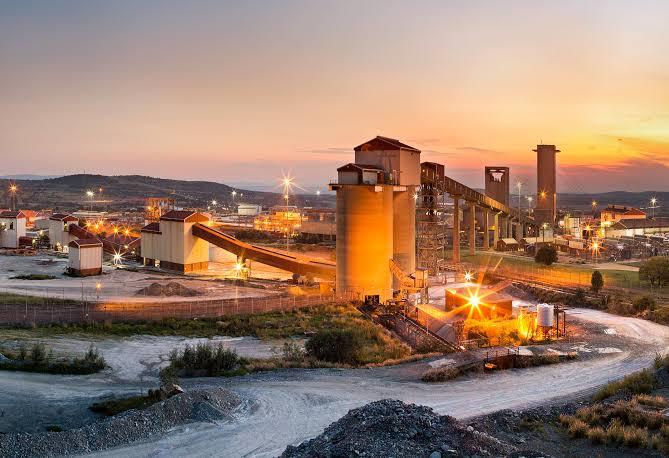
What Is Mponeng Gold Mine?
Mponeng Gold Mine is a world-renowned deep-level underground gold mine in Gauteng Province, South Africa, located in the West Wits mining district near Carletonville and owned and operated by Harmony Gold Mining Company Limited. The mine is part of the historic Witwatersrand Basin, one of the world’s most significant gold-bearing geological regions, and is known for its exceptionally deep underground workings, high-grade gold-bearing reefs and technically demanding mining conditions. Mponeng plays an important role in South Africa’s modern gold-mining industry and is widely recognized for the extreme depths at which its gold is extracted, requiring advanced underground mining, ventilation, refrigeration, cooling, transportation and safety systems.
Mponeng Gold Mine Location
Mponeng Gold Mine is located in Gauteng Province, South Africa, in the West Rand region near Carletonville, approximately 90 km southwest of Johannesburg, within the Witwatersrand Basin, one of the world’s most important gold-producing geological regions.
| Location Detail | Mponeng Gold Mine |
| Country | South Africa |
| Province | Gauteng |
| Region | West Rand |
| Nearest major town | Carletonville |
| Approx. distance from Johannesburg | ~90 km southwest |
| Mining district | West Wits |
| Geological region | Witwatersrand Basin |
| Main commodity | Gold |
| Mining type | Deep-level underground mining |
Where Is Mponeng Gold Mine Located on the Map?
Mponeng is situated in South Africa’s West Wits mining area, alongside several historically important gold mines. Its location within the Witwatersrand Basin is significant because the basin contains extensive gold-bearing reefs that have supported South Africa’s gold-mining industry for more than a century.
How Deep Is Mponeng Gold Mine?
Mponeng Gold Mine is one of the world’s deepest underground gold mines, located in South Africa’s West Wits mining district in Gauteng. Its workings extend several kilometers below the surface, creating exceptional challenges involving heat, ventilation, cooling, rock pressure, seismicity, and underground transportation.
Mponeng Gold Mine Depth
Mponeng’s deepest underground workings extend to approximately 4 kilometers below the surface, although the exact depth reported can vary depending on whether a source is referring to shaft infrastructure, developed workings, active mining areas or the deepest point reached by the operation.
Harmony Gold’s technical and corporate disclosures should be used when publishing a specific current depth figure because mine development continues and the deepest accessible point can change over time.
It is therefore more accurate to describe Mponeng as a mine operating at around 4 km below surface rather than treating every depth figure published online as referring to the same measurement.
Shaft Depth vs Mining Depth
These terms should not be used interchangeably:
- Shaft depth: The vertical extent of a mine shaft or shaft system below the surface.
- Mining depth: The depth at which active or developed mining takes place.
- Deepest workings: The lowest developed or accessible underground areas reached by the mine.
- Working area: A specific underground location where mining or development is occurring.
This distinction explains why different technical sources may report slightly different Mponeng depth figures.
How Deep Do Miners Go at Mponeng?
Miners at Mponeng can work several kilometers underground, depending on their assigned working area and the current mine plan. Personnel reach the underground workings through the mine’s shaft and hoisting infrastructure before continuing through underground access routes to individual production and development areas.
At these depths, working conditions are significantly different from those at surface mines. Natural rock temperatures can become extremely high, requiring large-scale ventilation, refrigeration and cooling systems. The mine must also manage ground pressure, seismic activity, water, transportation, communications and emergency response.
The depth does not mean that every employee travels to the absolute deepest point of the mine. Workers are assigned to particular shafts, levels, development areas and production zones according to their roles.
Is Mponeng the Deepest Gold Mine in the World?
Mponeng has historically been recognized as one of the deepest, and at various times the deepest, operating gold mines in the world. However, claims about the “deepest mine in the world” should be dated because mine-depth rankings can change as mines expand, close, or develop deeper workings.
Mponeng is therefore best described as one of the world’s deepest operational gold mines, with underground workings reaching approximately 4 kilometers below the surface.
It is also important to distinguish between deepest operating mine, deepest mine ever developed and deepest point reached by a mine, as these categories can produce different rankings.
How Long Does It Take to Reach the Bottom of Mponeng?
There is no single fixed travel time to the bottom of Mponeng because workers do not all travel to the same underground location. Travel time depends on the worker’s destination, shaft and level, hoisting schedules, underground transportation, waiting times, and the specific mine infrastructure in operation.
The journey generally involves several stages:
Surface → Shaft → Hoisting System → Underground Level → Underground Transport → Working Area
Personnel are transported underground through shaft infrastructure and then continue through underground haulages, access ways or other transportation systems to reach their assigned working areas.
Consequently, it is misleading to give a single number such as “X minutes to the bottom” without identifying which shaft, level, working area, and transportation route is being measured.
Why Mponeng’s Depth Matters
Mponeng’s extreme depth directly influences how the mine operates. Greater depth increases the importance of refrigeration, ventilation, pumping, rock engineering, seismic monitoring, worker transportation, and energy management. These conditions make Mponeng an important example of the engineering challenges involved in modern deep-level gold mining.
How to Buy Gold from Mponeng Gold Mine
Buying gold directly from Mponeng Gold Mine is different from purchasing gold from a retail dealer or online bullion shop. Mponeng is a large-scale mining operation, so buyers should first establish whether the mine or its current owner/operator offers gold through a channel accessible to the proposed buyer. If direct purchasing is not available, the appropriate route is to work with a legally authorized refiner, dealer, exporter, or other approved participant in the gold supply chain.
Step 1 – Confirm Who Owns and Operates Mponeng Gold Mine
Start by verifying the mine’s current owner and operator using recent corporate or regulatory information. Ownership and operating arrangements can change over time, so buyers should not rely on outdated websites, social-media advertisements, or claims from intermediaries. Confirm the current company responsible for the mine before discussing any potential gold purchase.
Step 2 – Determine Whether Direct Gold Sales Are Available
Before looking for a direct purchase, determine whether the mine or its authorized operating company actually sells gold to external wholesale buyers. Large mining companies commonly operate through established refining, marketing, and bullion-trading arrangements rather than selling mine production directly to individual buyers.
A legitimate buyer should therefore ask for confirmation of the authorized sales channel, minimum transaction requirements, accepted buyer types, delivery arrangements, and required compliance documentation.
Step 3 – Verify the Authorized Seller or Gold Dealer
If gold is purchased through a dealer, refiner, exporter, or other intermediary associated with the supply chain, verify that entity independently before making payment. Check its legal company identity, registration information, relevant licenses, physical business presence, ownership information, and authorization to conduct the proposed gold transaction.
Do not assume that a company is connected to Mponeng simply because its advertisement uses the mine’s name or photographs.
Step 4 – Confirm the Origin and Legal Ownership of the Gold
Ask for documentation showing where the gold originated and establishing that the seller has the legal right to sell it. Depending on the transaction, relevant records may include ownership documentation, sourcing records, invoices, certificates of origin, export documentation, refinery records, or other applicable supply-chain evidence.
The phrase “Mponeng gold” should only be used when the specific material’s connection to Mponeng can be supported by appropriate documentation.
Step 5 – Verify the Gold’s Weight and Purity
Before agreeing to a price, establish the exact weight and purity of the gold being offered. For natural or unrefined material, gross weight does not necessarily equal fine-gold content because the material may contain other metals or minerals.
Request an appropriate assay report or independent testing, depending on the form of gold and value of the transaction. For significant purchases, independent verification can provide additional protection against inaccurate specifications.
Step 6 – Calculate the Fine-Gold Content
Use the verified weight and fineness to determine the approximate amount of fine gold in the material.
Fine-gold content = Total gold weight × Fineness
For example, if a material weighs 1,000 grams and is independently established at 90% fineness, its estimated fine-gold content would be approximately 900 grams, subject to the applicable testing method and transaction terms.
This calculation allows buyers to compare the underlying metal value with the quoted purchase price.
Step 7 – Request the Complete Transaction Documentation
Before paying, request the documents applicable to the specific transaction. These may include the commercial invoice, purchase agreement, assay report, ownership or sourcing records, certificate of origin, export authorization, packing list, customs documentation, and shipping records.
The exact documents required depend on the origin, destination, form of gold, transaction structure, and applicable laws.
Step 8 – Complete KYC and AML Verification
Legitimate wholesale gold transactions may require both parties to complete Know Your Customer (KYC) and Anti-Money Laundering (AML) procedures. Buyers may need to provide identification, company registration documents, beneficial-owner information, business details, source-of-funds information, and other compliance documentation.
This process helps establish the identity and legitimacy of the parties and reduces the risk of fraud, money laundering, sanctions violations, and transactions involving illegally sourced gold.
Step 9 – Agree on the Gold Price and Purchase Terms
The purchase agreement should clearly state the specific gold product, weight, purity or fineness, fine-gold content where applicable, price, currency, payment schedule, inspection rights, delivery terms, taxes or fees, and procedures for handling discrepancies.
Avoid relying solely on WhatsApp messages, verbal promises, or informal quotations for a high-value transaction.
Step 10 – Arrange Independent Inspection or Assay
Where practical, arrange independent inspection or testing before final settlement. The inspection should establish that the material being purchased corresponds to the agreed specifications and documentation.
For high-value transactions, buyers should consider using a reputable independent laboratory, refinery, assayer, or qualified precious-metals professional rather than relying exclusively on a seller-provided test.
Step 11 – Arrange Legal Export and Customs Clearance
If the gold is being exported from South Africa or another jurisdiction, confirm the applicable export requirements before shipment. Depending on the transaction, this can involve export authorization, customs declarations, commercial documentation, origin information, valuation information, and other regulatory requirements.
The buyer should separately establish the import requirements of the destination country, including applicable customs procedures, taxes, duties, AML requirements, and precious-metals regulations.
Step 12 – Use Secure Precious-Metals Logistics
For an international wholesale transaction, arrange transportation appropriate to the value and nature of the shipment. Depending on the route and carrier, this may include secure air freight, specialized precious-metals logistics, tamper-evident packaging, shipment tracking, controlled handovers, and documented chain of custody.
Any insurance should be confirmed separately, including the insured value, covered risks, exclusions, and claims requirements.
Step 13 – Verify the Shipment Before Final Acceptance
When the shipment arrives, verify the packaging, seals, shipment documentation, weight, identity of the parcel, and applicable assay or inspection results before final acceptance where the contract provides for such verification.
Any discrepancy should be documented immediately and handled according to the written purchase agreement and applicable carrier or insurance procedures.
Step 14 – Keep Complete Transaction Records
Maintain copies of the purchase agreement, invoices, assay reports, KYC records, ownership and sourcing documents, export permits, customs declarations, shipping records, payment records, and delivery confirmation.
A complete transaction file helps demonstrate the legitimate movement and ownership of the gold and can be important for future resale, auditing, customs inquiries, tax reporting, or regulatory compliance.
Can You Buy Gold Directly From Mponeng Gold Mine?
The availability of direct sales depends on the mine’s current ownership, operating structure, marketing arrangements, and authorized sales channels. Buyers should not assume that Mponeng sells gold directly to the public or to individual international buyers.
If direct purchasing is not available, buyers should identify a legally authorized participant in the relevant gold supply chain and independently verify that entity and the specific gold being offered.
How to Avoid Fake Mponeng Gold Offers
Be particularly cautious of sellers claiming to offer “Mponeng gold” at prices substantially below the market, promising immediate delivery, or requesting payment based only on photographs and informal messages. A genuine transaction should be supported by verifiable company information, appropriate gold documentation, testing or assay evidence, clear contractual terms, and legally compliant export and import arrangements.
Important: A supplier’s use of the name “Mponeng Gold Mine” does not establish that the supplier is affiliated with the mine or that its gold originated there. Verify the specific seller, gold lot, ownership, provenance, and transaction documentation independently before making payment.
Mponeng Gold Mine History
Mponeng Gold Mine has its origins in South Africa’s Witwatersrand goldfields, one of the world’s most important historic gold-producing regions. Unlike the original discovery of gold near Johannesburg in the nineteenth century, Mponeng was developed much later as a deep-level mining operation to access gold-bearing reefs located far below the surface. Its history therefore reflects the evolution of South African gold mining from the early Witwatersrand discoveries to increasingly deep and technically complex underground operations.
When Was Mponeng Gold Mine Discovered?
Mponeng should not be confused with the 1886 discovery of gold on the Witwatersrand, which triggered the development of Johannesburg and South Africa’s historic gold industry. Mponeng is a much later mine developed to exploit deep extensions of the Witwatersrand Basin’s gold-bearing reefs.
The mine’s geological resources are associated with ancient gold-bearing reef horizons, including the Ventersdorp Contact Reef (VCR) and Carbon Leader Reef (CLR). Exploration and mine development progressively established the economic potential of these deep reef systems before underground infrastructure was constructed.
For historical accuracy, it is better to describe Mponeng as a developed mine within the Witwatersrand goldfields rather than assigning it the 1886 discovery date of the broader goldfield.
When Did Mponeng Start Mining?
Mponeng was developed during the late twentieth century as part of the expansion of deep-level gold mining in the West Wits region of Gauteng. The operation was originally associated with Anglo American’s South African gold-mining interests and subsequently became part of AngloGold Ashanti.
Commercial production began in the 1980s, after the development of the necessary shaft and underground infrastructure. The mine was designed to reach exceptionally deep gold-bearing reefs and subsequently became known for operating at some of the greatest depths of any mine in the world.
As mining progressed, Mponeng underwent continued development, infrastructure upgrades and technological changes designed to improve access to deeper areas and manage increasingly difficult underground conditions.
Mponeng Gold Mine History Timeline
| Period | Historical Development | Significance |
| 1886 | Gold discovered on the Witwatersrand near present-day Johannesburg. | Established the geological region that became one of the world’s most important historic gold-producing areas. |
| 20th century | Continued exploration and development of the Witwatersrand Basin. | Mining progressively moved deeper to access additional gold-bearing reefs. |
| Late 20th century | Development and construction of the mine that became Mponeng. | Major shaft, underground and processing infrastructure was established to exploit deep-level reefs. |
| 1980s | Mponeng entered production. | The mine became part of South Africa’s deep-level gold-mining industry. |
| 1990s–2000s | Expansion and continued deep-level development. | Infrastructure and mining technology evolved as the operation accessed increasingly deep areas. |
| 1998 | AngloGold was formed through the consolidation of Anglo American’s gold interests and other assets. | Mponeng subsequently became part of the AngloGold corporate portfolio. |
| 2004 | AngloGold Ashanti was formed through the merger of AngloGold and Ashanti Goldfields. | Mponeng became part of AngloGold Ashanti’s international mining portfolio. |
| 2000s–2010s | Continued technological development and deep-level mining. | Cooling, ventilation, mechanization, seismic monitoring and underground infrastructure were progressively developed to support operations at extreme depth. |
| 2020 | Harmony Gold acquired Mponeng from AngloGold Ashanti. | Ownership and operational control transferred to Harmony Gold. |
| 2020–present | Mponeng operates under Harmony Gold. | The mine remains part of Harmony’s South African underground gold portfolio. |
| Recent years | Continued optimization, development and modernization. | Mining focuses on safely accessing remaining economic reef while managing depth, geological complexity and operating costs. |
Mponeng and the Witwatersrand Goldfields
Mponeng is part of the Witwatersrand Basin, a geological system that contains some of the largest concentrations of gold ever discovered. The basin’s gold-bearing rocks were deposited more than 2.5 billion years ago, and subsequent geological processes buried and preserved the mineralized reefs beneath younger rocks.
The Witwatersrand goldfields played a fundamental role in the development of South Africa’s mining industry, Johannesburg, and the country’s industrial economy. Mponeng represents a much later stage of this history, in which mining companies developed sophisticated underground infrastructure to reach gold-bearing reefs several kilometers beneath the surface.
The mine’s location in the West Wits mining district places it within one of the most historically productive sections of the Witwatersrand goldfields. Its exceptionally deep workings demonstrate how South African mining companies continued to pursue economically viable gold resources even as accessible deposits closer to the surface became increasingly depleted.
Why Mponeng’s History Matters
Mponeng’s history illustrates the technological and economic evolution of South African gold mining: from the discovery of the Witwatersrand goldfields, through large-scale underground mine development, to modern deep-level mining under increasingly demanding geological and operating conditions. Its transition from AngloGold Ashanti to Harmony Gold in 2020 also marks an important change in the ownership of one of South Africa’s best-known deep-level gold mines.
Mponeng Gold Mine Production
Mponeng Gold Mine is a high-grade, deep-level underground gold operation in South Africa’s West Wits mining district and forms part of Harmony Gold’s South African production portfolio. Its production varies from year to year according to the areas being mined, ore grades, development progress, operating performance, recovery rates and other factors. For this reason, Mponeng’s gold production should always be reported with the specific financial year or reporting period and the original Harmony Gold source.
How Much Gold Does Mponeng Produce?
Mponeng’s annual gold production changes from one reporting period to another, so there is no single permanent production figure that accurately represents the mine. The most reliable figure should be taken from Harmony Gold’s latest annual report, integrated report, operational update or financial results and reported in troy ounces or kilograms, together with the applicable reporting period.
When comparing Mponeng’s production over time, it is important to distinguish between annual production, quarterly production, guidance and actual reported production. Production guidance represents management’s expected output, whereas reported production represents the gold actually produced during the stated period.
Mponeng Gold Production by Year
| Year | Gold Production | Source |
| 2024 | Use Harmony Gold’s reported Mponeng production for the relevant 2024 reporting period. | Harmony Gold annual/integrated report or results for the applicable period |
| 2025 | Use Harmony Gold’s reported Mponeng production for the relevant 2025 reporting period. | Harmony Gold annual/integrated report or results for the applicable period |
| 2026 | Use the latest available reported figure only; do not present a full-year figure unless the reporting year has been completed. | Latest Harmony Gold quarterly, interim or annual disclosure |
Editorial note: Do not replace these figures with estimates from mining databases, search snippets or third-party websites and label them as actual production. If a third-party estimate is useful for comparison, identify it explicitly as an estimate and provide its publication date and methodology.
Mponeng Gold Reserves
When discussing Mponeng’s gold reserves, it is important to distinguish between mineral resources, mineral reserves and mineable material, because these terms do not describe the same quantity of gold.
- Mineral Resources: Concentrations of mineralization for which there are reasonable prospects for eventual economic extraction, based on geological evidence and technical information.
- Mineral Reserves: The economically mineable portion of a measured and/or indicated mineral resource demonstrated by appropriate technical and economic studies.
- Ore Reserves: In mining reporting, this generally refers to the economically mineable material classified as reserves under the applicable reporting standard.
- Remaining Mineable Material: A broader operational description that can refer to material remaining within the mine plan or areas available for future extraction; it should not automatically be treated as equivalent to a formally reported mineral reserve.
Mponeng’s reported reserves and resources can change between reporting periods because of depletion from mining, exploration results, changes in geological interpretation, economic assumptions, metal prices, costs, mine planning and other modifying factors. Therefore, reserve figures should always be accompanied by the reporting date and applicable reporting standard.
Mponeng Gold Grade
Mponeng is known for high-grade underground gold mineralization, with reported grades varying according to the reef, mining area and reporting period. Gold grade is normally expressed in grams per tonne (g/t) and represents the concentration of contained gold within the ore.
A reported grade of 8.5 g/t, for example, means that the material contains an estimated average of approximately 8.5 grams of contained gold per tonne before considering factors such as dilution, metallurgical recovery and other processing losses. It does not mean that every tonne will produce exactly 8.5 grams of saleable refined gold.
Grade can vary because Mponeng’s gold-bearing reefs are geologically complex. Changes in reef development, geological structures, channel characteristics, mining areas, dilution, sampling and the proportion of different reef horizons can affect the grade reported for a particular period.
Why Mponeng Production and Grade Matter
Mponeng’s production and grade are important indicators of the mine’s economic performance because the amount of gold recovered depends not only on the quantity of ore mined but also on ore grade, recovery, dilution, mining efficiency and operating conditions. The relationship between production, grade and the prevailing gold price helps explain the mine’s contribution to Harmony Gold and South Africa’s broader gold-mining industry.
Mponeng Gold Mine Geology
Mponeng Gold Mine is located within the Witwatersrand Basin of South Africa, one of the world’s most important gold-bearing geological systems. The mine exploits deeply buried, laterally extensive gold-bearing conglomerate reefs that formed during the geological history of the Witwatersrand Supergroup. The geology of the deposit strongly influences Mponeng’s mining depth, ore grade, mining method, ground conditions and mineral-processing requirements.
What Type of Gold Deposit Is Mponeng?
Mponeng is a paleoplacer gold deposit associated with the ancient sedimentary rocks of the Witwatersrand Basin. The gold occurs primarily within and around auriferous quartz-pebble conglomerate reefs, which were deposited in ancient sedimentary environments.
Rather than occurring as a single massive underground body of solid gold, the deposit consists of relatively narrow gold-bearing reef horizons distributed through the surrounding rock. The economic concentration of gold within these reefs allows selective underground mining to extract material with sufficient grade to support commercial production.
Witwatersrand Basin and Mponeng
Mponeng forms part of the Witwatersrand goldfields, which extend across portions of South Africa and contain some of the largest known concentrations of gold in the Earth’s geological record.
The Witwatersrand Basin consists of ancient sedimentary sequences deposited more than 2.5 billion years ago. Gold-bearing conglomerate reefs within these sequences were subsequently buried, deformed and preserved at great depth. Mponeng’s exceptionally deep workings reflect the geological history and subsequent burial of these gold-bearing horizons.
Important reef horizons associated with Mponeng include the Ventersdorp Contact Reef (VCR) and the Carbon Leader Reef (CLR). The characteristics and economic significance of individual reefs can vary between mining areas.
How Gold Is Found at Mponeng
Gold at Mponeng occurs mainly as very fine native gold associated with the quartz-pebble conglomerate reefs and their mineral assemblages. The gold is not distributed uniformly throughout the surrounding rock. Instead, economically significant concentrations occur within particular reef horizons and mineralized zones.
The gold can occur in association with minerals such as quartz, pyrite and carbonaceous material, depending on the specific reef and geological environment. This distribution is important because miners must follow the mineralized reef rather than simply excavating large volumes of barren country rock.
The geological setting also explains why Mponeng is a deep underground operation: the economically important gold-bearing reefs are located far beneath the surface.
Mponeng Ore Grade and Mineralization
Ore grade describes the concentration of gold contained in the ore and is commonly expressed in grams per tonne (g/t). Mponeng is known for relatively high-grade underground mineralization, although reported grades vary according to the reef, mining area, sampling methodology and reporting period.
A reported grade such as 8.5 g/t does not mean that 8.5 grams of pure gold can automatically be recovered from every tonne of mined rock. It represents the estimated contained gold concentration, while actual recovered gold depends on factors including geological variability, dilution, metallurgical recovery and processing performance.
Geological Variability at Mponeng
The grade and thickness of gold-bearing reefs can change over relatively short distances. Geological structures, reef development, channel characteristics, faults, dykes and variations in sedimentary facies can influence the continuity and economic value of mineralization.
This variability makes geological mapping, sampling, grade control, structural interpretation and ongoing exploration important parts of Mponeng’s mining process. Mine planners use geological information to determine where economically viable reef can be accessed and how it can be extracted safely and efficiently.
Why Mponeng’s Geology Matters
Mponeng’s geology explains several defining characteristics of the mine: high-grade reef systems, narrow underground mining horizons, exceptional depth and complex ground conditions. Understanding the Witwatersrand Basin and the distribution of gold-bearing reefs therefore helps explain why Mponeng is both a technically challenging mine and an important example of South Africa’s historic and continuing deep-level gold-mining industry.
How Mponeng Gold Mine Works
Mponeng Gold Mine operates as a deep-level underground gold mine in South Africa’s Witwatersrand Basin, using specialized mining, development, transportation, ventilation, cooling and processing systems to extract gold-bearing ore from deep underground. Because the mine operates at extreme depths, production requires carefully coordinated underground infrastructure and engineering systems from the working areas through to ore processing and gold recovery.
Underground Mining at Mponeng
Mponeng uses deep-level underground mining to access narrow, gold-bearing reefs located several kilometers below the surface. Mining development creates access to the orebody, after which mining crews extract ore from designated stopping areas while maintaining ground support and safe access.
The mining process involves several interconnected activities, including underground development, drilling, blasting, rock breaking, loading, hauling and ground support. Mining layouts and methods are adapted to the geometry of the reef, geological conditions and the specific working area.
Because Mponeng operates at exceptional depths, mine planning must also account for rock engineering, seismicity, ventilation, refrigeration, water management and underground transportation.
Mponeng Mining Methods
The exact mining method can vary according to the reef, geological conditions and mining area. Mponeng’s deep-level operations have historically used conventional and mechanized mining techniques, with mining methods selected according to the geometry and characteristics of the gold-bearing reef.
For narrow, tabular Witwatersrand reef deposits, underground mining typically involves carefully controlled excavation along the reef horizon. Activities can include development, drilling and blasting, reef extraction, loading and transport, and installation of ground-support systems.
The precise method used at a particular Mponeng working area should be taken from the latest Harmony Gold technical documentation and mine disclosures, because mining methods and layouts can change as the mine develops new areas.
How Ore Is Transported Underground
After gold-bearing rock is broken and removed from the mining face, it must be transported through the underground mine toward the shaft and processing system. Depending on the mining area and infrastructure, mined material can move through a combination of underground loaders, conveyors, rail systems, ore passes, tipping points and haulage systems.
The ore is progressively transferred from the working area through the underground transport network toward shaft infrastructure. Shaft hoisting systems then move mined material toward the surface, where it can enter the appropriate processing stream.
Efficient ore transportation is particularly important at Mponeng because of the extreme distance between some underground working areas and the surface.
Mponeng Gold Processing
Once gold-bearing ore reaches the surface, it undergoes mineral processing designed to liberate and recover the gold contained within the rock.
The broad processing sequence can include crushing, milling, classification and metallurgical gold-recovery processes, although the exact flowsheet depends on the ore characteristics and processing facilities being used.
The purpose of processing is to reduce the size of the ore and expose the gold-bearing minerals so that the gold can be recovered efficiently. Processing therefore represents a different stage from underground mining: mining extracts the ore, while processing prepares that ore for metallurgical recovery.
Gold Recovery and Refining
Gold production should be understood as a sequence of separate stages:
Mining → Ore Transport → Processing → Gold Recovery → Refining
Mining
Underground mining extracts gold-bearing ore from the reef.
Processing
The ore is crushed, milled and prepared for metallurgical treatment.
Gold Recovery
Metallurgical processes recover gold from the processed material, producing a gold-bearing product that can subsequently be treated and refined.
Refining
Refining is the stage at which recovered gold is further purified to produce higher-fineness bullion. Refining does not necessarily occur at the underground mine itself. Depending on the company’s processing and refining arrangements, recovered gold can enter a broader South African or international refining and bullion supply chain.
This distinction is important when discussing Mponeng gold: the rock extracted underground is not the same product as refined investment-grade gold. Mponeng produces gold-bearing material through mining and processing, while subsequent recovery and refining determine the final bullion product and its fineness.
Mponeng Gold Mine and Gold Prices
Here is a structured reference table comparing the key operational metrics of the Mponeng Gold Mine with gold valuation frameworks.
| Metric / Parameter | Mponeng Gold Mine Specifications | Gold Price / Market Valuation Context |
| Primary Focus | One of the world’s deepest operational underground gold mines. | Global precious-metals benchmark valuation. |
| Location / Region | West Wits District, Gauteng, South Africa, approximately 65 km west of Johannesburg. | Gold is valued through global bullion markets and recognized benchmarks, including the LBMA Gold Price. |
| Owner / Operator | Harmony Gold, which acquired Mponeng from AngloGold Ashanti. | Market-driven through physical bullion traders, refiners, institutional investors and central banks. |
| Operational Depth | More than 3 km below surface, with the mine’s deepest workings extending to around 4 km. | Extreme depth increases mining, cooling, ventilation and extraction costs, affecting the cost per ounce produced. |
| Geological Reefs | Ventersdorp Contact Reef (VCR) and Carbon Leader Reef (CLR) are among the important gold-bearing reef horizons associated with the mine. | Ore grade and metallurgical recovery influence the amount of gold that can ultimately be recovered and sold. |
| Average Ore Grade | High-grade underground ore, with reported grades around 8.4–8.5 g/t depending on the reporting period and mining area. | Ore grade is different from gold purity. A grade of 8.5 g/t means approximately 8.5 grams of contained gold per tonne of ore before recovery losses. |
| Annual Gold Production | Approximately 175,000–250,000+ troy ounces in different reporting periods, depending on mine performance and the period measured. | Production contributes to the global supply of newly mined gold. |
| Gold Purity / Ore Grade | Ore is not 80–95% pure gold. Mponeng processes gold-bearing ore, from which gold is recovered through mineral-processing and refining operations. | Refined investment-grade gold may be produced to high fineness, commonly 99.99% (24K) depending on the refinery and product specification. |
| Underground Conditions | Extreme underground temperatures can require extensive cooling, ventilation and ice-based cooling systems. Rock temperatures can reach approximately 60°C (140°F) at extreme depths. | Extreme operating conditions increase energy, ventilation and cooling requirements and can affect the cost of producing each ounce. |
| Spot Benchmark Unit | Gold production and recovered metal are commonly measured in grams (g), troy ounces (oz), and kilograms (kg). | Standard bullion conversions: 1 troy ounce = 31.1035 grams and 1 kilogram = 32.1507 troy ounces. |
| Raw Ore vs. Spot Gold | Gold-bearing ore is processed to recover gold, which can ultimately enter the refining and bullion supply chain. | The international gold spot/benchmark price refers to fine gold, while actual transactions can include refining charges, premiums, discounts and other commercial terms. |
| Natural Nuggets vs. Refined Gold | Mponeng is primarily a source of mined gold recovered from ore rather than commercially sold natural gold nuggets. | Natural gold nuggets may command premiums above their metal value because of rarity, size, shape, and collector appeal. Refined gold is generally valued according to its fine-gold content and prevailing market price. |
Working Conditions at Mponeng Gold Mine
Mponeng Gold Mine operates in one of the world’s deepest underground mining environments, where extreme depth creates demanding conditions involving high rock temperatures, ventilation requirements, refrigeration, water management, seismic activity, transportation, and occupational safety. Harmony Gold uses specialized underground infrastructure and engineering systems to make deep-level mining possible while managing risks to employees and contractors.
How Hot Is Mponeng Gold Mine?
Mponeng’s deepest underground workings can encounter extremely high rock temperatures, with virgin rock temperatures reported at around 60°C (140°F) in the deepest areas. The temperature experienced by workers underground is lower because extensive ventilation and refrigeration systems are used to cool the working environment. Deep-level mining therefore requires substantial refrigeration, ventilation and chilled-water infrastructure to maintain acceptable working conditions.
The exact temperature varies according to depth, location, ventilation conditions and mining activity, so the commonly quoted 60°C figure should be understood as an extreme rock-temperature measurement rather than the normal temperature experienced by miners.
How Do Miners Survive the Depth?
Mining several kilometers below the surface requires a combination of engineered systems to control heat, air quality, water and other underground hazards.
Ventilation
Large-scale ventilation systems circulate fresh air through underground workings while removing heat, dust, diesel emissions and other contaminants. Ventilation planning is essential in deep mines because working areas can be far below the surface and may have significant heat loads.
Refrigeration and Cooling
Refrigeration and cooling systems reduce the temperature of air and underground working areas. Chilled water and other cooling infrastructure can be used to remove heat from the underground environment. These systems are particularly important at extreme depths where natural rock temperatures are significantly higher.
Water Management
Deep underground mines require extensive water pumping, drainage and water-management infrastructure. Water can enter workings naturally or result from mining and cooling activities, requiring controlled collection and pumping to maintain safe and accessible working areas.
Underground Infrastructure
Mponeng depends on extensive underground infrastructure, including shafts, haulages, access ways, electrical systems, communications, ventilation networks, pumping systems, workshops and mining equipment. This infrastructure allows personnel, equipment and materials to move through the mine while supporting continuous production.
Emergency Systems
Deep-level mining requires emergency preparedness for hazards including fires, seismic events, rockfalls, equipment incidents, ventilation problems and underground medical emergencies. Emergency response procedures, communications, refuge arrangements, training and mine-rescue capabilities form part of the broader safety system.
How Do Miners Get Underground?
Miners reach Mponeng’s deep underground workings through vertical shaft infrastructure and hoisting systems. Personnel, equipment and materials can be transported through mine shafts and then moved through underground access networks to reach individual working areas.
Because Mponeng extends several kilometers below the surface, efficient shaft hoisting, underground transportation and logistics are essential to maintaining production. The journey underground involves multiple stages of transportation and access rather than simply travelling directly from the surface to an individual mining face.
Safety at Mponeng Gold Mine
Safety at Mponeng is a central operational requirement because deep-level mining involves risks associated with rockfalls, seismicity, heat, machinery, underground transportation and other occupational hazards. Harmony Gold’s safety systems include risk assessment, employee training, engineering controls, monitoring, emergency preparedness and occupational-health programs.
The mine’s safety performance should be assessed using Harmony Gold’s latest annual or integrated reports and applicable South African mining regulations, rather than relying on outdated third-party claims. South African underground mines operate within a comprehensive regulatory framework governing occupational health and safety, mine design, emergency preparedness, ventilation, environmental management and worker protection.
Why Working at Mponeng Is Technically Challenging?
The combination of extreme depth, high rock temperatures, complex geology, seismic hazards and extensive underground infrastructure makes Mponeng significantly different from a shallow open-pit mine. Maintaining safe working conditions requires continuous investment in ventilation, refrigeration, engineering, monitoring, maintenance, training and emergency-response systems.
Mponeng Gold Mine and South African Gold Mining
| Metric / Parameter | Mponeng Gold Mine | South African Gold Mining Context |
| Location | West Wits District, Gauteng, South Africa, approximately 65 km west of Johannesburg. | South Africa has historically been one of the world’s major gold-producing countries, with mining concentrated in regions including Gauteng and the Free State. |
| Owner / Operator | Harmony Gold Mining Company Limited. | Major South African gold producers include Harmony Gold and other established mining companies operating large underground and surface mines. |
| Mine Type | Deep-level underground gold mine. | South African gold mining includes deep-level underground operations as well as shallower and surface mining projects. |
| Mining Depth | More than 3 km underground, with the deepest workings extending to around 4 km. | South Africa is internationally known for some of the deepest underground mines ever developed, creating significant engineering and operating challenges. |
| Gold-Bearing Reefs | Important reef horizons include the Ventersdorp Contact Reef (VCR) and Carbon Leader Reef (CLR). | South African gold deposits are associated with the Witwatersrand Basin, one of the world’s most significant gold-bearing geological regions. |
| Ore Grade | High-grade underground ore, with reported grades around 8.4–8.5 g/t depending on the reporting period and mining area. | Deep South African mines can contain relatively high-grade ore, although grades vary considerably between deposits, shafts and mining areas. |
| Annual Production | Production varies by reporting period and operational performance, generally measured in troy ounces of gold. | South African gold production has declined substantially from its historical peak but the country remains globally significant because of its extensive geological resources and mining expertise. |
| Mining Method | Highly mechanized and conventional underground mining methods are used depending on the mining area and geological conditions. | South African deep-level mines have developed specialized technologies and methods for extracting narrow, deep gold-bearing reefs. |
| Temperature & Cooling | Extreme underground rock temperatures can approach 60°C (140°F) at the greatest depths, requiring extensive ventilation and cooling. | Deep-level mining requires substantial investment in refrigeration, ventilation, water management, worker safety and energy infrastructure. |
| Processing | Gold-bearing ore is transported to processing facilities where gold is recovered through mineral-processing and metallurgical operations. | South African gold processing includes crushing, milling, gravity/flotation where appropriate, leaching and recovery processes depending on the ore and plant design. |
| Gold Refining | Recovered gold ultimately enters the refining and bullion supply chain. | South Africa has a long-established gold refining industry, including Rand Refinery, one of the world’s recognized precious-metals refineries. |
| Historical Importance | Mponeng represents the continuation of South Africa’s deep-level gold-mining tradition. | The Witwatersrand Basin transformed South Africa into a major global gold producer following the discovery of gold near Johannesburg in 1886. |
| Economic Importance | Provides employment, supports contractors and suppliers, and contributes to the South African mining economy. | Gold mining has historically contributed significantly to South Africa’s exports, employment, infrastructure development and industrial growth. |
| Major Challenges | Extreme depth, high temperatures, ventilation, seismicity, geological complexity and rising operating costs. | The industry faces declining production, aging infrastructure, deep mining costs, labor considerations, safety requirements and environmental responsibilities. |
| Gold Price Impact | Mine profitability is strongly influenced by the international gold price, production costs, recovery rates and exchange rates. | Higher gold prices can improve the economics of South African mines, while higher energy, labor and operating costs can reduce margins. |
| Gold Measurement | Gold is commonly reported in grams, kilograms and troy ounces. | 1 troy ounce = 31.1035 grams; 1 kilogram = 32.1507 troy ounces. |
| Global Significance | Mponeng is recognized for its extreme depth and high-grade underground gold mining. | South Africa remains historically important to the global gold industry because of the scale and longevity of its Witwatersrand gold deposits. |
Use this as the dedicated ownership cluster, with the current owner clearly separated from the historical AngloGold Ashanti connection:
Mponeng Gold Mine Owner and Company
Current Owner of Mponeng Gold Mine
Harmony Gold Mining Company Limited is the current owner of Mponeng Gold Mine. Harmony acquired Mponeng from AngloGold Ashanti Limited in 2020 as part of a major transaction involving AngloGold Ashanti’s remaining South African assets. Mponeng is located in the West Wits mining district of Gauteng, South Africa, and remains an important asset within Harmony Gold’s South African underground mining portfolio.
Mponeng Gold Mine Operator
Harmony Gold Mining Company Limited also operates Mponeng Gold Mine. The company is responsible for the mine’s underground mining activities, development, production, processing, safety, infrastructure and ongoing investment. Mponeng is particularly notable for its extremely deep underground workings and high-grade gold-bearing reefs associated with the Witwatersrand Basin.
Mponeng and AngloGold Ashanti
AngloGold Ashanti was the former owner and operator of Mponeng Gold Mine. Mponeng was historically part of AngloGold Ashanti’s South African mining portfolio before the company agreed to sell its remaining South African assets to Harmony Gold. The transaction was completed in 2020, after which ownership and operational control of Mponeng transferred to Harmony Gold. Therefore, AngloGold Ashanti should be described as the former owner, while Harmony Gold is the current owner and operator.
Mponeng Ownership History
| Period | Owner / Operator | Ownership Context |
| Historical period | Anglo American and predecessor South African gold-mining operations | Mponeng developed within the long-established deep-level gold-mining industry of the Witwatersrand Basin. |
| 1990s–2020 | AngloGold Ashanti | Mponeng became one of AngloGold Ashanti’s flagship deep-level South African gold mines. |
| 2020 | Harmony Gold | Harmony Gold acquired Mponeng and AngloGold Ashanti’s remaining South African assets, transferring ownership and operational control. |
| 2020–Present | Harmony Gold Mining Company Limited | Harmony Gold continues to own and operate Mponeng as part of its South African gold-mining portfolio. |
Important: When discussing Mponeng’s ownership, distinguish between its historical association with AngloGold Ashanti and its current ownership by Harmony Gold. This distinction is important for accurately answering searches such as “Who owns Mponeng Gold Mine?”, “Who operates Mponeng Gold Mine?” and “Is Mponeng owned by AngloGold Ashanti?”
Mponeng Gold Mine vs Other Deep Gold Mines
Mponeng Gold Mine in South Africa is one of the world’s deepest gold mines, and comparing it with other major deep underground gold mines shows how exceptional its depth, geological conditions, mining challenges, and engineering requirements are.
| Gold Mine | Country | Approximate Depth | Main Commodity | Key Significance |
| Mponeng Gold Mine | South Africa | 4 km+ | Gold | One of the world’s deepest operating gold mines |
| TauTona Gold Mine | South Africa | 3.9 km | Gold | Historically among the deepest mines in the world |
| Savuka Gold Mine | South Africa | 3.7 km | Gold | Formerly one of the deepest gold mines |
| Kusasalethu Gold Mine | South Africa | 3.3–3.4 km | Gold | Major deep-level underground gold operation |
| Driefontein Gold Mine | South Africa | 3.4 km | Gold | Large Witwatersrand Basin gold operation |
Depth figures are approximate and can differ depending on whether a source refers to maximum historical depth, shaft depth, or active underground workings.
Mponeng Gold Mine Economic Importance
Mponeng’s Contribution to South Africa’s Gold Industry
Mponeng Gold Mine is an important part of South Africa’s modern underground gold-mining industry, particularly because of its high-grade ore, extreme mining depth and continued operation within the historic Witwatersrand Basin. The mine contributes to South African gold production through the extraction and processing of gold-bearing ore and supports a specialized mining ecosystem involving underground development, engineering, ventilation, refrigeration, mineral processing, maintenance, transportation and technical services. Its continued operation also demonstrates the industry’s ability to recover gold from some of the world’s deepest and most technically challenging underground deposits.
Mponeng and Gauteng’s Mining Economy
Mponeng contributes to the Gauteng mining economy through direct employment, contractors, equipment suppliers, engineering companies, transport providers and other businesses that support deep-level mining operations. Because the mine requires specialized underground infrastructure, cooling, ventilation, rock engineering, electrical systems, maintenance and mineral-processing services, its economic impact extends beyond the mine site into the wider regional supply chain. Mponeng is located in the West Wits mining district, an area with a long history of gold mining that has supported communities, businesses and mining-related infrastructure for generations. The precise number of jobs and economic contribution should be cited from the latest Harmony Gold annual or integrated report rather than using outdated employment estimates.
Mponeng Gold Mine and South African Gold Production
Mponeng is one of the best-known operating gold mines in South Africa, but its production represents only one part of the country’s wider gold-mining sector. Other significant South African gold operations, including Moab Khotsong, Kusasalethu and other Harmony Gold operations, contribute to national production alongside Mponeng. South Africa’s historical gold output was dominated by the exceptionally rich deposits of the Witwatersrand Basin, but national production has declined substantially from its historical peak as many older mines have reached greater depths and face increasing operating, safety, labor, energy and infrastructure costs. Mponeng therefore has significance not only because of the quantity of gold it produces, but also because it represents the continued exploitation of deep, high-grade South African gold deposits.
Mponeng’s Wider Economic Significance
The economic importance of Mponeng extends beyond the value of the gold recovered at the mine. Its operations generate demand for specialized mining equipment, engineering expertise, energy, water, transportation, security, geological services and mineral-processing technologies. The mine also contributes to the broader South African mining value chain and helps preserve specialized skills associated with deep-level underground gold mining.
For investors and gold-market researchers, Mponeng provides an important example of how gold prices, ore grades, production volumes and mining costs interact. When gold prices rise, the revenue potential of high-grade production can improve, although the final economic benefit depends on factors such as recovery rates, operating costs, capital expenditure, electricity prices, labor costs, and the South African rand–US dollar exchange rate.
Mponeng Gold Mine Jobs
Jobs at Mponeng Gold Mine
Mponeng Gold Mine offers employment opportunities across underground mining, engineering, geology, mineral processing, maintenance, safety, technical services and administration, although available positions change according to Harmony Gold’s operational requirements. Because vacancies can open and close quickly, applicants should verify current opportunities through Harmony Gold’s official careers and recruitment channels rather than relying on third-party websites or social-media posts claiming to represent the mine.
Mponeng Gold Mine Mining Jobs
Mining-related positions at Mponeng can cover a wide range of specialized occupations required to operate an extremely deep underground gold mine. Depending on current recruitment requirements, potential job categories may include:
- Mining: Rock breakers, stopping teams, development crews, mining supervisors and production-related positions.
- Engineering: Mechanical, electrical, mining and related engineering roles supporting underground infrastructure and production.
- Geology: Geologists, geological technicians, sampling and exploration-related positions supporting orebody evaluation and mine planning.
- Maintenance: Artisans, fitters, electricians, boilermakers, mechanics and other maintenance specialists responsible for underground and surface equipment.
- Processing: Mineral-processing, metallurgical, laboratory and plant-related positions involved in recovering gold from mined ore.
- Safety: Occupational health, safety, risk management, training and environmental positions supporting safe mining operations.
- Administration: Human resources, finance, procurement, information technology, administration and other corporate-support functions.
The exact qualifications and experience required depend on the position, and applicants should always check the official vacancy description before submitting an application.
How to Apply for Mponeng Gold Mine Jobs
The safest way to apply for Mponeng Gold Mine jobs is through Harmony Gold’s official recruitment or careers channel and to verify that the vacancy specifically identifies the relevant operation or position. Applicants should review the stated qualifications, experience, certificates, closing date and application instructions before submitting personal information. Be cautious of recruiters requesting application fees, recruitment payments, cryptocurrency, gift cards or money for guaranteed employment, as legitimate recruitment processes should not require payment in exchange for a job offer.
Mponeng Gold Mine Salary
Mponeng Gold Mine salaries vary significantly according to job title, qualifications, experience, seniority, employment terms and the applicable Harmony Gold remuneration structure. There is no single salary that applies to all Mponeng employees, so salary figures should be presented with the job title, location, source and publication date.
When publishing salary information, distinguish between:
| Salary Information | How It Should Be Presented |
| Official company figure | Identify the Harmony Gold report, remuneration disclosure or official source and its reporting year. |
| Advertised salary | Identify the specific position, location and date of the vacancy. |
| Industry estimate | Clearly label it as an estimate and provide the source and date. |
| Anonymous salary website | Treat it as an unofficial estimate rather than an official Mponeng pay scale. |
| Historical salary | Include the year because compensation can change over time. |
For applicants searching for Mponeng Gold Mine jobs, Mponeng mining jobs, Mponeng Gold Mine vacancies or Mponeng Gold Mine salaries, the most reliable information comes from current Harmony Gold recruitment listings and official corporate disclosures, rather than outdated vacancy pages or unsupported salary claims.
Looking to Buy Gold From Africa?
Interested in African gold, South African gold prices, gold bars, gold nuggets or verified gold suppliers? Gold Dealers Africa Limited helps qualified buyers understand gold sourcing, verification, documentation and the international purchasing process.
Whether you are a gold investor, bullion buyer, jeweler, refinery, collector or international wholesale buyer, our team can discuss your requirements and explain the available options, documentation and transaction process.
Call Gold Dealers Africa Limited today to discuss your gold requirements and speak directly with our team about sourcing gold from Africa.
Important: Gold Dealers Africa Limited is an independent gold dealer and is not affiliated with, owned by, or an agent of Mponeng Gold Mine or Harmony Gold.