
Licensed Gold Suppliers in Uganda |Verified DGSM List (2026)
Uganda has emerged as one of Africa’s leading gold trading and export hubs, with Kampala serving as the country’s primary center for gold sourcing, refining, and international bullion exports. Its strategic location, well-established logistics network, and growing number of licensed gold dealers have made it a preferred destination for investors, refineries, jewelry manufacturers, and bullion traders looking to source high-quality African gold. As global demand for responsibly sourced precious metals continues to rise, many international buyers are searching for direct gold suppliers in Uganda to reduce costs, improve transparency, and establish long-term business relationships.
However, Uganda’s expanding gold industry has also attracted informal brokers, middlemen, and fraudulent operators who target buyers unfamiliar with local regulations. This makes proper due diligence essential before purchasing gold or signing a Sales and Purchase Agreement (SPA). Working with a licensed company that can provide verifiable business documentation, independent assay reports, and legally required export paperwork helps reduce risk and supports a smoother international transaction.
In this guide, we highlight the Top 5 Licensed and Direct Gold Suppliers in Kampala, Uganda, explain how to verify legitimate companies through the Ministry of Energy and Mineral Development (MEMD) and the Directorate of Geological Survey and Mines (DGSM), and provide practical advice for buying gold legally in Uganda. You’ll also learn how to identify genuine suppliers, understand the importance of licensing and compliance, avoid common gold scams, and complete thorough due diligence before investing.
Among the companies serving international buyers is Gold Dealers Africa Limited, a gold sourcing and export company that works with buyers seeking African gold bars, dore bars, raw gold, and gold nuggets. The company emphasizes transparent sourcing, documentation support, independent gold verification, and assistance throughout the export process, helping clients navigate Uganda’s regulated gold market.
Whether you are an individual investor purchasing a single kilogram of gold, a bullion dealer sourcing regular shipments, or a refinery looking to establish long-term supply partnerships, this comprehensive guide provides the information you need to identify reputable gold suppliers, understand Uganda’s legal requirements, and make informed purchasing decisions with greater confidence.
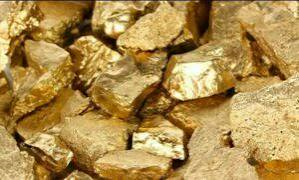
Why Buy Gold Directly from Licensed Gold Suppliers in Uganda?
Purchasing gold directly from licensed suppliers in Uganda offers significant advantages over buying through multiple brokers or unverified intermediaries. Licensed companies generally operate within Uganda’s legal framework, maintain documented business operations, and provide greater transparency throughout the buying process. For international investors, bullion dealers, jewelers, and refineries, working directly with established suppliers can reduce risk, improve communication, and simplify the export process. Direct sourcing also enables buyers to build long-term business relationships while ensuring that gold transactions are supported by appropriate documentation and professional due diligence.
Benefits of Buying Directly
Buying directly from a licensed gold supplier gives buyers greater confidence in the authenticity of both the seller and the transaction. Direct suppliers typically have established procurement networks, experienced staff, and documented procedures for gold sourcing, testing, and export. Buyers can communicate directly with decision-makers, inspect the gold before purchase, request independent assay testing, and negotiate commercial terms without relying on multiple intermediaries. This level of transparency reduces misunderstandings and provides better visibility throughout the transaction, from the initial inquiry to international delivery.
Lower Costs
Every additional broker or intermediary involved in a gold transaction usually adds a commission or markup to the final purchase price. By purchasing directly from licensed suppliers, buyers can often reduce unnecessary intermediary costs and negotiate pricing based on current international gold market conditions. Direct transactions may also streamline documentation, logistics, and communication, potentially reducing administrative delays and associated expenses. For wholesale buyers purchasing larger quantities, these efficiencies can result in meaningful cost savings over time.
Better Pricing Than Intermediaries
Licensed suppliers generally price their gold using internationally recognized market benchmarks, such as the prevailing spot price, together with clearly defined premiums that reflect refining, logistics, insurance, and operational costs. In contrast, transactions involving several intermediaries may include multiple layers of commissions, making pricing less transparent. Buying directly allows purchasers to understand how the final price is calculated, compare offers more effectively, and negotiate commercial terms based on volume, purity, and delivery conditions rather than paying cumulative broker markups.
Direct Refinery Relationships
Many licensed gold suppliers maintain working relationships with refineries, mining companies, or other authorized participants within the gold supply chain. These relationships can help facilitate independent assay testing, refining services, and preparation of export documentation required for international shipments. Buyers who establish direct relationships with reputable suppliers may also benefit from more consistent product availability, improved communication, and opportunities for repeat transactions. Over time, strong supplier relationships can support a reliable sourcing strategy built on transparency, quality verification, and compliance with applicable regulations.
Top 5 Licensed and Direct Gold Suppliers in Kampala, Uganda
| Rank | Company | Location | Primary Services | Gold Products | Best For |
| 1 | Gold Dealers Africa Limited | Kampala, Uganda | Gold sourcing, verification, export assistance, buyer due diligence | 24K Gold Bars, Gold Dore Bars, Gold Nuggets, Raw Gold | International investors, bullion buyers, jewelers, refineries |
| 2 | Bullion Refinery Limited (BRL) | Kampala, Uganda | Gold refining, precious metals trading, exports | Refined Gold Bars, Dore Gold | Commercial buyers, exporters, refineries |
| 3 | Simba Gold Refinery | Kampala, Uganda | Gold refining, gold trading, export support | Gold Bullion, Dore Bars | International gold buyers |
| 4 | Victoria Gold Star Limited | Kampala, Uganda | Gold trading and export | Gold Bars, Gold Nuggets, Raw Gold | Investors and wholesale buyers |
| 5 | African Gold Refinery (AGR) | Entebbe, Uganda (Greater Kampala Metropolitan Area) | Gold refining and precious metals processing | Refined Gold Bars, Investment Gold | Institutional buyers, bullion dealers, refineries |
Comparison of Kampala Gold Suppliers
| Company | Business Type | Export Support | Gold Assay Available | International Buyers | Due Diligence Recommended |
| Gold Dealers Africa Limited | Gold Supplier & Exporter | ✔ Yes | ✔ Independent assay available upon agreement | ✔ Yes | ✔ Verify company registration and applicable licenses |
| Bullion Refinery Limited | Refinery | ✔ Yes | ✔ Yes | ✔ Yes | ✔ Verify current licensing and documentation |
| Simba Gold Refinery | Refinery | ✔ Yes | ✔ Yes | ✔ Yes | ✔ Verify company credentials before purchase |
| Victoria Gold Star Limited | Gold Trading Company | ✔ Yes | ✔ Available upon request | ✔ Yes | ✔ Conduct independent due diligence |
| African Gold Refinery | Refinery | ✔ Yes | ✔ Yes | ✔ Yes | ✔ Verify current operational status and documentation |
Disclaimer: The availability of products, licensing status, and services may change over time. Before purchasing gold, independently verify the company’s current registration, applicable Mineral Dealer’s License or other required authorizations, export documentation, and assay reports with the relevant Ugandan authorities and through your own due diligence.
Uganda’s Gold Industry in 2026
Uganda’s gold industry has continued to grow in importance, transforming the country into one of East Africa’s emerging gold trading, refining, and export hubs. The sector attracts local miners, licensed mineral dealers, international buyers, and precious metal companies seeking access to Uganda’s gold supply chain.
In 2026, Uganda’s gold market is shaped by increased investment in mining operations, improved mineral regulation, expanding refining capacity, and stronger demand for responsibly sourced gold. Kampala remains the central commercial hub where gold suppliers, exporters, refineries, and international buyers conduct transactions.
For investors looking to buy gold legally in Uganda, understanding the country’s gold-producing regions, refining infrastructure, and regulatory framework is essential before entering the market.
Main Gold-Producing Regions in Uganda
Uganda’s gold production comes from several regions with active artisanal, small-scale, and commercial mining operations. These areas contribute raw gold supplies that enter the country’s trading and refining network.
Karamoja
The Karamoja sub-region in northeastern Uganda is one of the country’s important mineral-rich areas, with gold exploration and mining activities taking place alongside other mineral resources.
Gold activities in Karamoja involve artisanal and small-scale miners who require proper licensing, responsible sourcing practices, and regulated mineral trading channels to participate legally in the supply chain.
The region has attracted attention due to:
- Significant mineral potential.
- Growing interest from mining investors.
- Increased focus on formalizing artisanal mining.
- Government efforts to improve responsible mineral trade.
Mubende
Mubende District is one of Uganda’s most recognized gold-producing areas. The region experienced rapid growth in gold mining activities, particularly among artisanal and small-scale miners.
The Mubende gold fields have contributed significantly to Uganda’s domestic gold supply and have attracted traders, processors, and investors.
Key factors supporting gold activity in Mubende include:
- Established mining communities.
- Active gold trading networks.
- Presence of mineral dealers.
- Increasing demand for formalized mining operations.
Busia
Busia District, located in eastern Uganda near the Kenyan border, has become an important gold-producing area due to major mining developments and exploration activities.
The region gained international attention through large-scale gold mining investments and continues to contribute to Uganda’s growing position as a gold producer and exporter.
Busia’s advantages include:
- Access to East African trade routes.
- Increasing mining investment.
- Strategic location near regional markets.
- Potential for expanded gold production.
Buhweju
Buhweju District in western Uganda is known for its long history of gold mining activities. The area contains several gold deposits and supports local mining communities involved in extraction and trading.
Gold production in Buhweju contributes to Uganda’s broader mineral supply chain, with many miners supplying gold to licensed dealers and processing facilities.
Kassanda
Kassanda District has become one of Uganda’s notable gold-producing areas, particularly due to the growth of artisanal and small-scale mining.
The district has developed a strong gold trading ecosystem, including miners, local buyers, and mineral dealers. Formal regulation and responsible sourcing practices remain important to ensure that gold from Kassanda enters legal export channels.
Uganda as a Regional Gold Refining Hub
Uganda has increasingly positioned itself as a regional gold refining and trading center in East Africa. Kampala and surrounding areas host gold businesses involved in refining, assaying, trading, and exporting precious metals.
The growth of refining capacity has provided several advantages:
- Improved local gold processing capabilities.
- Reduced dependence on foreign refining facilities.
- Faster verification of gold purity.
- Increased ability to serve international buyers.
- Development of professional gold trading infrastructure.
Gold refineries operating in Uganda process gold dore and other forms of gold into higher-purity products suitable for investment, jewelry manufacturing, and international trade.
For international buyers, purchasing from suppliers connected to established refining facilities provides additional confidence through:
- Professional assay testing.
- Purity verification.
- Documented processing.
- Better supply chain transparency.
Government Regulation of Uganda’s Gold Industry
Uganda’s gold sector operates under government oversight designed to promote legal mineral trading, responsible sourcing, and transparency within the mining industry.
Ministry of Energy and Mineral Development (MEMD)
The Ministry of Energy and Mineral Development (MEMD) is the government institution responsible for overseeing Uganda’s mineral sector. Through its mining departments, MEMD develops policies, supervises mineral activities, and supports sustainable development of the mining industry.
MEMD’s responsibilities include:
- Developing mining policies and regulations.
- Supporting mineral sector development.
- Overseeing compliance within the mining industry.
- Promoting responsible mineral exploitation.
Directorate of Geological Survey and Mines (DGSM)
The Directorate of Geological Survey and Mines (DGSM) is the technical agency responsible for implementing mining regulations and managing mineral administration in Uganda.
DGSM plays an important role in:
- Mineral licensing and administration.
- Geological surveys.
- Mining sector regulation.
- Monitoring mineral activities.
- Supporting legal mineral trade.
For buyers searching for licensed gold suppliers in Uganda, verifying that suppliers operate within the country’s regulatory framework is an important part of due diligence.
Uganda National Mining Company (UNMC)
The Uganda National Mining Company (UNMC) was established as part of Uganda’s efforts to increase government participation in the mining sector and maximize benefits from the country’s mineral resources.
Where applicable, UNMC supports Uganda’s broader mining strategy by participating in strategic mineral investments and partnerships.
The development of national mining institutions reflects Uganda’s goal of creating a more organized, transparent, and investment-friendly mining industry.
How to Verify a Gold Supplier in Uganda
Before buying gold from any supplier in Uganda, it is essential to conduct proper due diligence to confirm that the company is legally registered, licensed, and capable of completing a legitimate gold transaction. Verification helps buyers avoid fraud, counterfeit documents, and illegal gold trading risks.
Check the Trading License
A legitimate gold supplier in Uganda must hold a valid mineral dealer’s trading license issued by the Directorate of Geological Survey and Mines (DGSM) under the Ministry of Energy and Mineral Development. Buyers should request a copy of the license and verify that the company name, license number, and business details match official records.
Verify Export Permit
If the gold is intended for international export, confirm that the supplier has the required gold export permit and authorization from Ugandan authorities. A genuine exporter should provide valid export documentation showing compliance with Uganda’s mining and mineral export regulations.
Confirm Company Registration
Verify that the gold supplier is a legally registered business with the Uganda Registration Services Bureau (URSB). Check the company registration certificate, directors’ information, and official business details to ensure you are dealing with a recognized entity rather than an unregistered individual.
Visit the Office
Whenever possible, visit the supplier’s registered office, gold trading facility, or mining operation before making any payment. A physical inspection helps confirm the company’s existence, operational capacity, and professionalism while reducing the risk of dealing with fraudulent online sellers.
Request Laboratory Analysis
A professional gold supplier should provide independent laboratory verification of gold purity and quality before completing a transaction. Buyers should request recognized testing methods such as:
- Fire Assay: The internationally accepted method for accurately determining gold purity and fineness by measuring the exact gold content.
- XRF Test (X-Ray Fluorescence): A fast, non-destructive testing method used to analyze gold composition, purity, and the presence of other metals.
Laboratory results should clearly show the gold weight, purity level (such as 22K or 24K), and the name of the testing facility.
Verify Bank Details
Before transferring funds, confirm that the supplier’s bank account matches the registered company name. Avoid sending payments to personal accounts or unrelated third parties, as legitimate gold companies typically conduct transactions through official corporate banking channels. Always verify bank details directly with the company using trusted communication channels.
The Step-by-Step Legal Gold Purchase Process in Kampala
Buying gold in Kampala requires strict compliance with Uganda’s mining and mineral trading regulations. Whether you are a local investor, international buyer, or professional gold trader, following the correct legal process helps ensure that the transaction is secure, transparent, and compliant with Uganda’s mineral laws. A legal gold purchase involves selecting a licensed supplier, verifying documentation, confirming gold purity, completing payment through approved channels, and obtaining the necessary export paperwork.
Step 1: Find a Licensed Gold Supplier in Uganda
The first step in buying gold legally in Kampala is finding a registered gold dealer, refinery, or exporter authorized by Uganda’s Directorate of Geological Survey and Mines (DGSM). Buyers should confirm that the supplier holds a valid Mineral Dealer License (MDL) and that the company details on the license match the official registration records. Purchasing gold from unlicensed individuals or informal brokers creates a high risk of fraud and legal complications because the origin of the gold cannot be verified.
Step 2: Verify the Gold Supplier’s Documents
Before proceeding with any gold transaction, buyers should carefully verify the supplier’s legal documents, including the Mineral Dealer License, company registration certificate from the Uganda Registration Services Bureau (URSB), tax identification details, export authorization documents, and proof of legal gold sourcing. A genuine gold supplier should be willing to provide these documents and allow buyers to confirm their authenticity before any payment is made.
Step 3: Inspect and Test the Gold Purity
Before completing the purchase, the gold must be professionally tested to confirm its weight, composition, and purity. Buyers should request recognized testing methods such as Fire Assay, which provides the most accurate measurement of gold content, or XRF Testing, which allows quick non-destructive verification of gold composition. The final assay report should clearly state the gold weight, purity level such as 22K, 24K, or 999.9 fine gold, and the details of the testing laboratory.
Step 4: Sign a Gold Purchase Agreement
A legal gold purchase should always be supported by a written agreement between the buyer and the licensed supplier. The agreement should clearly define the gold quantity, purity, price based on international gold market rates, payment terms, delivery arrangements, required documentation, and responsibilities of both parties. A formal contract helps prevent misunderstandings and provides legal protection throughout the transaction.
Step 5: Complete Payment Through Verified Banking Channels
Gold payments should be completed through secure banking channels using an account registered under the licensed supplier’s company name. Buyers should verify that the bank account details match the official company records before transferring funds. Large cash payments and payments to unrelated third-party accounts should be avoided because they are common indicators of fraudulent gold transactions.
Step 6: Obtain Gold Export Permits in Uganda
For international buyers purchasing gold for export, the supplier must complete the required export procedures and obtain approval from the relevant Ugandan authorities. The export documentation normally includes mineral export authorization, commercial invoices, certificates of origin, assay certificates, customs documentation, and proof that the gold was legally acquired. Proper export approval ensures that the shipment complies with Uganda’s mineral trade regulations and international customs requirements.
Step 7: Arrange Secure Gold Transportation and Customs Clearance
After all documentation has been completed, the gold shipment should be transported using secure precious metal logistics services. Professional gold transportation providers assist with secure air freight, insurance coverage, customs clearance, and shipment tracking. Proper preparation of export documents helps prevent delays or complications when the gold leaves Uganda and enters the destination country.
Step 8: Maintain Complete Gold Transaction Records
Buyers should keep complete records of every gold transaction, including purchase agreements, supplier licenses, assay certificates, export permits, customs declarations, and payment confirmations. Maintaining accurate records helps demonstrate compliance with banking requirements, customs authorities, and international anti-money laundering (AML) standards.
Strategic Location and Regional Gold Supply Chain
Kampala has developed into a strategic gold trading and processing hub in East Africa because of its connection to major mineral-producing regions and international trade routes. The city provides access to Uganda’s domestic gold production areas while also serving as an important marketplace for regional gold supply chains involving neighboring countries.
Kampala acts as a critical transit and formalization hub for regional gold flows, including legally sourced gold from mineral-rich areas of the Democratic Republic of Congo (DRC) and South Sudan. Through established trading networks, gold doré and other gold products can move through licensed channels in Uganda for verification, assaying, refining, documentation, and preparation for international export.
Uganda’s position within the East African Community (EAC) provides additional trade connectivity, allowing international buyers to work with Kampala-based suppliers who can assist with compliance procedures, quality verification, and export documentation. For overseas investors sourcing gold from the DRC and the wider Great Lakes region, Kampala offers access to experienced traders, refining services, logistics providers, and financial institutions that support more transparent and structured gold transactions.
By combining regional supply access, refining capacity, and international transport connections, Kampala continues to strengthen its role as an important East African gold trade hub for buyers seeking legally documented and professionally managed gold supply chains.
Gold Products Available in Uganda
Uganda’s gold market offers different forms of gold products for local buyers, international investors, jewelers, and bullion traders. The type of gold available depends on the stage of processing, purity level, and intended use. Buyers should always verify gold authenticity, purity, and legal documentation before completing any purchase.
24K Gold Bars
24K gold bars are among the most sought-after gold products in Uganda because they represent high-purity investment gold. These bars are typically refined to high fineness levels, such as 999 or 999.9 fine gold, and are mainly purchased by investors, international bullion buyers, and financial institutions. Before purchasing 24K gold bars, buyers should confirm the weight, purity certificate, refinery details, and legal export documentation.
22K Gold Bars
22K gold bars contain a high percentage of gold mixed with small amounts of other metals to improve durability. They are commonly traded in jewelry markets and among buyers looking for investment gold at a slightly lower purity level than 24K gold. A professional assay report should confirm the exact gold content before purchase or export.
18K Gold
18K gold is widely used in jewelry manufacturing because it combines gold purity with greater strength and durability. It contains approximately 75% pure gold, with the remaining percentage made up of other metals. Buyers purchasing 18K gold in Uganda should verify the hallmark, weight, and purity through recognized testing methods.
Gold Nuggets
Gold nuggets are naturally occurring pieces of gold recovered from mining areas and are valued by collectors, investors, and specialty buyers. Their value depends on weight, purity, rarity, and natural appearance. Because gold nuggets can vary significantly in purity, buyers should request professional testing before agreeing on a price.
Gold Dore Bars
Gold dore bars are semi-refined gold products produced during mining and processing operations. They typically contain gold mixed with other metals such as silver and require further refining before reaching investment-grade purity. International buyers purchasing gold dore bars should verify the assay certificate, origin documentation, and refinery arrangements before shipment.
Raw Gold
Raw gold refers to gold in its unrefined form, including gold-bearing material, flakes, dust, and newly recovered mining output. Trading raw gold requires strict verification because purity levels can vary significantly. Buyers should ensure the gold has a legal source, proper documentation, and independent assay confirmation before purchase.
Gold Refining Capacity
Uganda’s gold sector has increasingly developed from a market focused on raw gold trading into a more structured refining and processing industry. Kampala and surrounding regions now provide access to gold refining facilities, professional assaying services, and processing infrastructure that support the production of higher-purity gold products for domestic and international buyers.
With multiple operational gold refineries serving Uganda’s growing mineral sector, buyers can access refined gold products rather than relying only on unprocessed gold materials. These facilities use advanced testing methods, including Fire Assay and X-ray fluorescence (XRF) analysis, to verify gold content, weight, and purity before commercial transactions and export.
Modern refining operations are designed to produce high-purity 24K gold products, including 999 and 999.9 fine gold bars, supported by assay certificates and transaction documentation required by international buyers. This development has strengthened Kampala’s position as a regional center for gold assaying, refining, and compliant gold trade.
The Wagagai Gold Mining and Processing Project in Busia represents one of Uganda’s largest investments in domestic gold processing capacity. The facility is expected to play an important role in increasing local value addition by supporting large-scale mining, processing, and refining activities within Uganda instead of relying primarily on exporting raw mineral materials.
For international buyers searching for 999.9 fine gold bars in Kampala or reliable gold assaying laboratories in Uganda, the growth of local refining capacity provides greater opportunities to verify purity, improve transparency, and complete professionally documented gold transactions.
Gold Export Permits Uganda: What Buyers Should Know
A legal gold export from Uganda requires verified documentation and approval from the appropriate authorities. International buyers should never accept gold shipments without confirmed export paperwork because undocumented gold may face customs problems, seizure risks, or legal challenges.
By following the legal gold purchase process in Kampala, buyers can reduce risks, avoid fraudulent suppliers, and complete secure gold transactions that comply with Uganda’s mining regulations and international trade standards.
Gold Export Process from Uganda
Exporting gold from Uganda requires a structured process involving legal verification, documentation, quality testing, regulatory approval, and secure transportation. International buyers should work with licensed gold suppliers and ensure every stage of the transaction complies with Uganda’s mining regulations and international trade requirements.
Purchase Agreement
The gold export process begins with a formal purchase agreement between the buyer and the licensed gold supplier. The agreement should clearly state the gold quantity, purity level, price, payment terms, delivery arrangements, and responsibilities of both parties. A written contract helps protect buyers and sellers by creating a clear record of the transaction and reducing the risk of misunderstandings.
KYC Verification
Before completing a gold transaction, both the buyer and seller should complete Know Your Customer (KYC) verification procedures. This process confirms the identity and legitimacy of the parties involved and helps ensure compliance with anti-money laundering (AML) requirements. Buyers should verify the supplier’s company registration, Mineral Dealer License, tax information, and business records before proceeding.
Gold Testing
Gold must be tested and verified before export to confirm its weight, purity, and market value. Buyers should request professional analysis through recognized testing methods, including Fire Assay for accurate gold content measurement and XRF Testing for quick non-destructive verification. The final assay report should confirm the gold fineness, such as 22K, 24K, or 999.9 fine gold, before payment and shipment.
Export License Approval
After the gold has been verified and all transaction documents are prepared, the exporter must obtain the required approvals and export documentation from the relevant Ugandan authorities. The export file typically includes the mineral export authorization, commercial invoice, certificate of origin, assay certificate, and other supporting customs documents required for legal shipment.
Customs Inspection
Before leaving Uganda, the gold shipment must go through customs procedures to confirm that all documents are accurate and the export complies with government requirements. Customs officials may review the shipment details, verify documentation, and complete the necessary export clearance procedures before allowing international transportation.
International Shipment
Once export approval and customs clearance are completed, the gold can be transported internationally using secure precious metal logistics services. Professional shipments usually include insurance coverage, secure handling, tracking, and customs support at the destination country. Buyers should ensure that all shipping documents match the approved export records to avoid delays or compliance issues.
Financial Infrastructure and The Bank of Uganda Factor
One of the factors increasing confidence among international gold buyers in Kampala is the development of stronger financial and compliance systems supporting Uganda’s mineral trade. Professional gold transactions require secure payment channels, transparent documentation, and financial institutions capable of handling high-value international commodity transactions.
The Bank of Uganda plays an important role in strengthening confidence in the country’s gold sector through initiatives focused on improving oversight, formalizing mineral trade, and supporting responsible management of gold-related financial activities. Government and institutional involvement in the gold market has encouraged greater attention to traceability, documentation, and compliance standards across the supply chain.
For international buyers, Kampala provides access to established commercial banking networks that support cross-border payments, foreign currency transactions, and structured trade finance solutions. Depending on the transaction arrangement, buyers and sellers may use secure banking channels, letters of credit, and professionally managed escrow arrangements to improve payment security and reduce transaction risks.
Escrow and structured payment solutions can provide additional protection by ensuring that agreed conditions, such as document verification, gold testing, and contractual obligations, are completed before funds are released. Buyers should always work with regulated financial institutions, qualified legal advisors, and verified gold suppliers when arranging high-value transactions.
A strong financial ecosystem helps Kampala maintain its position as a growing East African gold trading hub by giving international buyers greater confidence in payment security, compliance procedures, and transparent gold transactions.
Avoiding Gold Scams in East Africa: How International Buyers Protect Themselves
Buying gold in East Africa can present significant opportunities for investors and traders, but the market also attracts fraudulent sellers, fake brokers, and individuals offering illegal gold deals. International buyers should follow a strict due diligence process and adopt a “buyer beware” approach before sending money, signing agreements, or accepting gold shipments. Working only with verified suppliers, licensed dealers, and recognized testing facilities is essential for reducing the risk of fraud.
Verify the Seller’s Legal Credentials Before Buying Gold
One of the most important steps in avoiding gold scams is confirming that the seller is legally authorized to trade gold. Buyers should request and verify documents such as a valid Mineral Dealer License, company registration certificate, tax identification details, and export authorization documents where applicable. A legitimate gold supplier should be transparent and willing to provide official records for verification.
Be Careful With Gold Prices Below International Market Rates
A common warning sign of fraudulent gold offers is a price significantly below the international gold spot price. Because gold is a globally traded commodity, genuine suppliers normally price gold according to market rates, purity, weight, refining costs, and transaction expenses. Extremely discounted offers are often used to pressure buyers into making quick payments before proper verification.
Avoid Sellers Who Refuse Independent Gold Testing
A trustworthy gold transaction should include independent verification of purity and weight before payment. Buyers should be cautious when sellers refuse testing through recognized laboratories or accredited facilities. Professional testing methods such as Fire Assay and XRF analysis help confirm the actual gold content and prevent disputes over purity.
Do Not Accept Gold Without Official Assay Certificates
An assay certificate provides important information about the gold being purchased, including weight, purity level, and test results. Fraudulent sellers may provide fake certificates or documents from unknown organizations. Buyers should verify that assay reports come from recognized laboratories and match the actual gold being offered.
Avoid Payments to Personal Bank Accounts or Unverified Third Parties
International gold buyers should be cautious when sellers request payments through personal accounts, money transfer services, or unrelated third-party accounts. Payments should be made through secure banking channels connected to the registered company or through properly structured transaction arrangements such as approved escrow services where appropriate.
Be Cautious When Sellers Refuse Official Escrow Arrangements
For large gold transactions, reputable sellers are generally willing to discuss secure payment structures that protect both parties. A seller who refuses reasonable safeguards, such as legal escrow arrangements or bank-controlled payment procedures, may present a higher risk. Buyers should ensure that all payment terms are clearly documented before transferring funds.
Verify Gold Export Documents Before Shipment
A legitimate international gold transaction requires proper export documentation. Buyers should confirm that the supplier can provide required paperwork, including export authorization, commercial invoices, certificates of origin, assay certificates, and customs documentation. Gold shipments without proper documentation may face delays, seizure, or legal problems.
Avoid Gold Brokers Without Physical Offices or Track Records
Many scams involve individuals claiming to represent mining companies, refineries, or government-connected suppliers without verifiable business locations. Buyers should confirm the company’s physical office, business registration details, online presence, and previous trading history before entering into a transaction.
Work With Licensed Gold Suppliers and Professional Partners
The safest way to buy gold in East Africa is to work with verified suppliers who have valid licenses, transparent documentation, established offices, and professional compliance procedures. Proper due diligence helps international buyers reduce risks, protect their investment, and complete gold transactions legally.
Payment Methods Accepted by Licensed Gold Suppliers
Licensed gold suppliers in Uganda and other East African markets typically use secure and traceable payment methods that provide transparency for both buyers and sellers. International gold transactions involve significant financial value, so buyers should avoid informal payment arrangements and use recognized banking solutions that support compliance, verification, and transaction security.
Bank Wire Transfer
Bank wire transfers are one of the most common payment methods used in international gold transactions. Payments are usually sent directly from the buyer’s verified bank account to the registered company bank account of the licensed gold supplier. Before making a transfer, buyers should confirm that the account name matches the supplier’s official company registration details and that all transaction documents have been reviewed.
MT103 Bank Transfer
An MT103 is a standardized SWIFT payment message that provides detailed information about an international bank transfer. It is commonly used in cross-border transactions because it allows banks to confirm payment details, including the sender, receiver, amount, and transaction reference. Buyers should understand that an MT103 is a payment confirmation message and not a guarantee of gold delivery, so proper supplier verification remains essential.
Letter of Credit (LC)
A Letter of Credit is a bank-supported payment method often used for larger gold transactions involving international buyers and exporters. Under an LC arrangement, the buyer’s bank provides a commitment to release payment once the seller meets the agreed contractual requirements and submits the required documents. This method can provide additional security for both parties in high-value gold transactions.
Escrow Services
Escrow services provide a secure payment structure where funds are held by an independent third party until agreed conditions are completed. In a gold transaction, escrow arrangements may be used to ensure that payment is released only after requirements such as document verification, gold testing, and delivery confirmation are satisfied. Buyers should use reputable escrow providers and ensure all terms are clearly defined in the purchase agreement.
Before selecting any payment method, international gold buyers should complete proper due diligence, verify the supplier’s licenses, confirm gold authenticity through independent testing, and ensure all agreements are legally documented.

Pricing and Tax Advantages of Buying Gold in Kampala
One of the reasons international buyers consider Kampala for gold sourcing is the potential for competitive transaction costs, efficient regional supply chains, and access to a growing mineral trading ecosystem. Compared with some established African gold markets, Uganda can offer cost advantages through its strategic location, developing refining capacity, and regional connectivity.
Gold prices in Kampala are primarily influenced by the international gold spot price, gold purity, weight, exchange rates, refining costs, and market conditions. Legitimate suppliers generally price gold according to global bullion benchmarks rather than offering unrealistic discounts. Buyers should evaluate the complete transaction cost, including purchase price, testing, documentation, taxes, logistics, and export requirements.
Uganda’s location provides logistical advantages for buyers sourcing gold from East and Central Africa. The ability to access regional supply networks, professional assaying services, refining facilities, and export infrastructure can help reduce unnecessary costs associated with longer supply chains and inefficient transportation routes.
Competitive Gold Export Costs in Uganda
International buyers often compare African gold markets based on total landed cost rather than gold price alone. Factors such as logistics, documentation, processing time, compliance expenses, and export procedures can significantly affect the final cost of a shipment.
Uganda’s growing gold processing sector and regional trade connections allow buyers to access a more streamlined supply chain, particularly for legally documented gold transactions. By working with licensed suppliers and experienced exporters, buyers can better manage costs associated with verification, refining, and international shipment.
Gold Export Taxes and Government Charges in Uganda
Gold exporters must understand all applicable government charges before completing an international transaction. These may include mineral-related fees, export charges, documentation costs, and other regulatory expenses depending on current Ugandan laws and the specific nature of the shipment.
Buyers should always request a complete cost breakdown from the supplier, including:
- Gold purchase price
- Assay and testing fees
- Export documentation costs
- Applicable taxes and government charges
- Insurance and secure transportation
- International shipping expenses
Understanding these costs in advance helps international buyers accurately calculate the final delivered price of gold.
Why Buyers Compare Kampala With Other African Gold Markets
International buyers evaluate different sourcing locations based on supply availability, compliance standards, infrastructure, and total transaction costs. Kampala’s advantages include access to regional gold-producing areas, improving refining capacity, experienced exporters, and growing financial services that support international trade.
For buyers searching for gold export tax in Uganda, competitive gold sourcing in Africa, or reliable gold suppliers in East Africa, Kampala represents an emerging market with opportunities for legally structured and transparent gold transactions.
Uganda Gold Export Regulations (2026)
Uganda’s gold export sector operates under a regulated framework designed to promote legal mineral trade, transparency, and responsible sourcing. International buyers and exporters must comply with licensing requirements, government regulations, documentation standards, and international financial compliance procedures before gold can be legally exported from Uganda.
Export Licenses
Gold exporters in Uganda must obtain the required approvals and maintain valid licenses from the relevant mining and regulatory authorities. Buyers should confirm that the supplier has the legal authorization to trade and export gold before entering into any transaction. A legitimate exporter should be able to provide supporting documents such as a valid Mineral Dealer License, company registration details, export authorization documents, and other required paperwork confirming the legal status of the shipment.
Taxes and Royalties
Gold transactions in Uganda may involve applicable government charges, including mineral royalties, export-related fees, and other regulatory costs depending on the nature of the transaction and current laws. Exporters and buyers should confirm the latest requirements with Uganda’s responsible authorities before completing a shipment. Understanding these costs in advance helps prevent unexpected delays and ensures that the gold trade remains compliant.
Compliance Requirements
Legal gold exports require complete documentation and verification throughout the supply chain. Exporters should maintain records showing the origin of the gold, ownership history, assay results, purchase agreements, invoices, and customs documentation. Buyers should ensure that all documents are accurate and consistent before accepting a shipment to reduce the risk of customs issues or legal complications.
International AML and KYC Obligations
International gold transactions are subject to anti-money laundering (AML) and Know Your Customer (KYC) requirements designed to prevent illegal financial activity and support responsible mineral trading. Buyers and sellers may be required to verify identities, company information, source of funds, and the legal origin of the gold. Working with compliant suppliers and using transparent banking channels helps international buyers meet global due diligence standards.
Following Uganda’s gold export regulations allows buyers and exporters to complete transactions with greater confidence while supporting a transparent and legally compliant gold supply chain.
Why International Buyers Choose Kampala for Gold Trading
Kampala has become an important gold trading center in East Africa, attracting international buyers, investors, and bullion traders seeking access to regional gold supply networks. The city offers a combination of business infrastructure, financial services, refining facilities, and experienced trading companies that support legal gold transactions and international exports.
Strategic Location
Kampala’s location in East Africa makes it a strategic hub for gold trade between producing regions and international markets. The city provides access to gold-producing areas within Uganda and neighboring countries, allowing licensed suppliers and exporters to source, process, and organize gold shipments efficiently.
International Airport
Entebbe International Airport provides a key connection for international gold shipments from Uganda to global markets. The airport supports secure cargo transportation and connects Uganda with major international trade routes, making it easier for exporters to arrange insured shipments and customs clearance for high-value mineral products.
Gold Refining Capacity
Kampala has developed gold refining and processing facilities that support the transformation of raw gold and gold doré into higher-purity products. Local refining capacity allows buyers to access tested and processed gold products while improving transparency through professional assaying, quality verification, and documentation procedures.
Experienced Exporters
The city has a growing network of gold traders, exporters, and service providers with experience handling international transactions. Professional exporters understand the importance of licensing, documentation, compliance procedures, secure payments, and international shipping requirements required by overseas buyers.
Regional Supply Chain
Kampala serves as a central marketplace connecting gold suppliers, mining companies, refiners, logistics providers, financial institutions, and international buyers. Its regional supply chain links Uganda’s gold sector with wider East African markets, creating opportunities for buyers seeking legally sourced gold through verified channels.
Logistics Efficiency via Entebbe International Airport
Efficient logistics are a critical factor for international gold buyers because precious metal shipments require secure handling, accurate documentation, insurance protection, and strict customs compliance. Entebbe International Airport provides Uganda with an important connection to global markets, allowing licensed gold exporters to arrange secure transportation of high-value mineral shipments through established aviation and cargo networks.
Located near Kampala, Entebbe International Airport supports the movement of international cargo and provides access to regional and global trade routes. For gold exporters, the airport serves as a key departure point where shipments can be prepared, documented, inspected, and cleared before international transportation.
Secure Air Cargo Transportation for Gold Shipments
Gold shipments require specialized logistics solutions designed for high-value commodities. Professional exporters typically work with experienced precious metal logistics providers that offer secure handling, controlled transportation, shipment monitoring, and insurance coverage.
Secure gold transportation services may include:
- Protected movement from supplier or refinery locations to the airport
- Secure cargo handling procedures
- Tamper-resistant packaging
- Shipment tracking
- Risk management and insurance arrangements
- Coordination with customs authorities
International buyers should confirm that logistics providers have experience handling precious metals and understand the compliance requirements associated with gold exports.
International Gold Transit and Cargo Networks
Entebbe International Airport connects Uganda with major international trade routes, allowing exporters to coordinate shipments to key gold markets in regions such as the Middle East, Europe, Asia, and North America.
Professional exporters work with approved cargo channels to ensure that gold shipments move through documented and traceable routes. Depending on the destination, shipments may connect through major international aviation hubs before reaching the buyer’s country.
Proper planning helps reduce transit delays and ensures that export documentation remains consistent throughout the shipment process.
Customs Clearance Procedures at Entebbe
Before gold leaves Uganda, exporters must complete required customs procedures and provide supporting documentation. Customs authorities review export information to confirm compliance with applicable regulations.
The customs clearance process may involve verification of:
- Export authorization documents
- Commercial invoice
- Certificate of origin
- Assay certificate
- Packing documentation
- Shipment details
- Supporting ownership and compliance records
Accurate documentation helps prevent delays, additional inspections, or complications during export and import clearance.
Fully Insured International Gold Shipping
Because gold shipments represent significant financial value, international buyers should ensure that transportation arrangements include appropriate insurance coverage. Professional shipping solutions are designed to protect against potential risks during handling, transit, and delivery.
Insurance and secure logistics arrangements provide additional confidence for buyers by ensuring that shipment responsibilities, risk coverage, and delivery procedures are clearly defined before transportation begins.
Why Entebbe Supports Uganda’s Gold Export Growth
The combination of Kampala’s trading network, nearby refining facilities, financial services, and Entebbe International Airport creates an efficient ecosystem for international gold transactions. For buyers sourcing gold from Uganda, reliable logistics infrastructure helps connect verified suppliers with global markets while supporting secure, compliant, and transparent exports.
Frequently Asked Questions by International Gold Buyers
What is the current spot price of gold per gram in Uganda?
The price of gold per gram in Uganda changes daily based on the international gold spot price, the USD to Ugandan Shilling exchange rate, gold purity, and local market conditions. Buyers should compare Uganda gold prices with global bullion prices and confirm the final transaction price through an updated assay report and an official quotation from a licensed gold supplier. The most commonly traded forms include 24K pure gold, 22K gold, and gold doré, with the final price depending on the verified gold content and applicable trading costs.
Can an international buyer use an escrow account in Kampala?
Yes, international gold buyers may use secure payment arrangements such as escrow services or regulated financial channels when purchasing gold in Kampala. An escrow arrangement can provide additional protection by holding funds until agreed conditions are completed, such as verification of the supplier’s documents, confirmation of gold purity, and completion of required transaction steps. Buyers should use reputable financial institutions, legal representatives, or trusted third-party services and ensure that all payment arrangements comply with Uganda’s banking and anti-money laundering requirements.
What are the penalties for exporting gold without a DGSM permit?
Exporting gold from Uganda without the required authorization from the relevant mining and regulatory authorities can result in serious legal consequences, including seizure of the gold shipment, customs enforcement action, financial penalties, and possible criminal prosecution depending on the circumstances. International buyers should only purchase gold from suppliers who can provide valid export documentation, proof of legal ownership, assay certificates, and all required customs paperwork before shipment.