
Trusted Gold Dealers in Mali |Top Certified Mining Companies
Looking for trusted gold dealers in Mali? The safest way to buy gold in Mali is through licensed and verified gold dealers who can provide legally sourced gold, independent purity testing, complete export documentation, and compliance with Mali’s mining regulations and international trade standards. If you’re an international buyer, investor, jeweler, or bullion trader, Gold Dealers Africa Limited helps simplify the entire sourcing process by connecting you with verified suppliers across Mali and other leading gold-producing countries in Africa, while providing supplier verification, export support, secure logistics guidance, and professional assistance throughout your purchase.
Mali is one of Africa’s leading gold-producing nations, supplying significant volumes of 24K gold bars, gold dore bars, gold nuggets, and refined bullion to buyers worldwide. Its rich mining regions and established gold industry make the country an attractive destination for investors seeking competitive pricing and reliable supply. However, purchasing gold without proper due diligence can expose buyers to fraud, counterfeit products, and regulatory challenges, making it essential to work only with reputable and licensed dealers.
This comprehensive guide explains how to identify legitimate gold dealers in Mali, verify supplier credentials, understand current gold prices, navigate export requirements, and complete secure international transactions. Whether you are importing gold to the United States, Europe, the Middle East, or Asia, Gold Dealers Africa Limited is here to help you source gold responsibly, verify every transaction, and buy with greater confidence through trusted African supply networks.
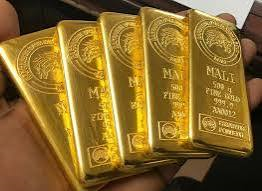
Mali’s Rank Among Africa’s Top Gold Producers
Mali is consistently ranked among the top three largest gold-producing countries in Africa, alongside Ghana and South Africa. Gold is the country’s leading export commodity and a major contributor to its economy, accounting for a significant share of foreign exchange earnings, government revenue, and employment. With abundant mineral reserves and decades of commercial mining, Mali has become one of the world’s most important destinations for gold production and international mining investment.
Key Gold Mining Regions (Kayes, Sikasso, Koulikoro)
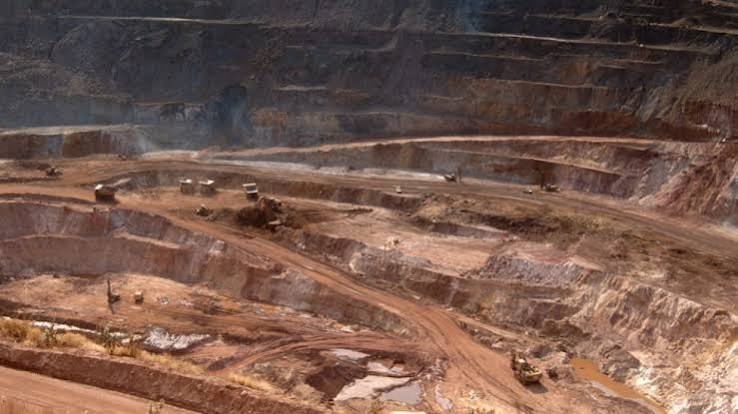
Mali’s richest gold deposits are concentrated in the western and southern regions of Kayes, Sikasso, and Koulikoro, where both large-scale industrial mines and artisanal mining activities operate. These regions lie within the highly mineralized Birimian Greenstone Belt of West Africa, making them attractive to global exploration companies. Their extensive gold reserves continue to drive new mining projects, infrastructure development, and foreign investment across the country.
Major Mines and Companies (Barrick’s Loulo-Gounkoto, B2Gold’s Fekola, Allied Gold’s Sadiola, Morila)
Mali is home to several world-class gold mines operated by leading international mining companies, including Barrick Gold’s Loulo-Gounkoto Complex, B2Gold’s Fekola Mine, Allied Gold’s Sadiola Mine, and the historic Morila Mine. These operations collectively produce hundreds of thousands of ounces of gold each year, making Mali a strategic supplier to the global bullion market. Their continued investment in exploration, production, and processing has strengthened Mali’s reputation as one of Africa’s premier gold mining destinations.
Types of Gold Dealers in Mali
Licensed/Registered Commercial Gold Dealers
Licensed and registered commercial gold dealers in Mali are authorized by the government to buy, sell, and trade gold in compliance with the country’s mining and commercial laws. These dealers typically source gold from licensed mines and approved artisanal miners, provide proper documentation, conduct purity testing, and follow anti-money laundering (AML) and Know Your Customer (KYC) regulations. Purchasing from a licensed dealer offers greater security, transparency, and legal protection for both local and international buyers.
Artisanal and Small-Scale Gold Sellers
Artisanal and small-scale gold sellers (ASGM) are individual miners, cooperatives, or small businesses that extract gold using labor-intensive mining methods. They play a significant role in Mali’s gold industry by supplying a substantial portion of the country’s gold production. While many operate legally through mining cooperatives or government-issued permits, buyers should verify the origin of the gold and ensure all transactions comply with Malian mining regulations before making a purchase.
Comptoirs (Gold Buying Houses and Export Agents)
Comptoirs are licensed gold buying houses and export agents that purchase gold from artisanal miners, cooperatives, and small-scale producers before refining or exporting it to international markets. These businesses serve as an important link between local gold production and global bullion markets by handling gold valuation, purity verification, documentation, customs clearance, and export licensing. International buyers often prefer working with reputable comptoirs because they can facilitate legally compliant exports and provide complete transaction records.
Informal/Street-Level Gold Sellers — And Why They’re Riskier
Informal or street-level gold sellers operate outside Mali’s regulated gold trading system and often lack the licenses and documentation required for legal gold transactions. While some may offer attractive prices, purchasing from these sellers carries significant risks, including counterfeit gold, underweight bars, undisclosed impurities, stolen minerals, and legal complications during export. Buyers should exercise extreme caution and avoid transactions that cannot be verified through official documentation, laboratory assays, and government-approved licensing to minimize financial and legal risks.
Best gold dealers in Mali
| Rank | Gold Dealer/Company | Type | Headquarters/Location | Main Products & Services | Best For |
| 1 | Barrick Gold (Loulo-Gounkoto Complex) | International Mining Company | Kayes Region | Gold doré bars, large-scale mining | Institutional buyers & mining investors |
| 2 | B2Gold Mali (Fekola Mine) | International Mining Company | Kayes Region | Gold production, doré bars | Wholesale gold supply |
| 3 | Allied Gold (Sadiola Mine) | International Mining Company | Kayes Region | Gold mining and doré production | Mining investment |
| 4 | Morila SA (Morila Mine) | Gold Mining Company | Sikasso Region | Gold production and mining operations | Gold industry partnerships |
| 5 | SEMOS SA (Sadiola Exploration Company) | Gold Mining Joint Venture | Kayes Region | Industrial gold production | Institutional supply |
| 6 | Société des Mines de Syama (SOMISY) | Gold Mining Company | Southern Mali | Gold mining and production | Large-scale sourcing |
| 7 | Licensed Gold Comptoirs (Bamako) | Licensed Gold Buying Houses | Bamako | Gold buying, aggregation, export services | International gold traders |
| 8 | Registered Artisanal Mining Cooperatives | Mining Cooperatives | Kayes, Sikasso, Koulikoro | Gold nuggets, gold dust, doré | Responsible artisanal sourcing |
| 9 | Government-Registered Precious Metals Exporters | Licensed Exporters | Bamako | Gold export documentation, logistics | Foreign investors |
| 10 | Gold dealers Africa | International Gold Dealer & Sourcing Company | Africa (Serving Mali) | 24K gold bars, doré bars, sourcing, export assistance, due diligence, logistics support | International buyers seeking legally sourced African gold |
Factors to Consider When Choosing a Gold Dealer in Mali
| Evaluation Factor | Why It Matters |
| Government License | Confirms the dealer is authorized to trade gold legally. |
| Business Reputation | Established companies are generally more reliable and transparent. |
| Independent Assay Testing | Verifies the purity and authenticity of the gold. |
| Export Experience | Ensures the dealer can legally export gold and prepare required documentation. |
| Transparent Pricing | Prices should be based on the international spot gold market with clearly disclosed premiums. |
| Secure Payment Methods | Reputable dealers use regulated banking channels and documented transactions. |
| Traceable Gold Source | Gold should originate from licensed mines or registered artisanal mining cooperatives. |
| Customer Reviews & References | Positive testimonials and verifiable transaction history increase confidence. |
| Physical Office | A permanent business location is a strong indicator of legitimacy. |
| After-Sales Support | Assistance with shipping, customs, insurance, and documentation simplifies international purchases. |
How to Verify a Legitimate Gold Dealer in Mali
Buying gold in Mali can be highly profitable, but verifying the legitimacy of your gold dealer is essential to avoid fraud, counterfeit gold, and legal complications. Before committing to any transaction, take the following steps to ensure you are dealing with a reputable and licensed gold supplier.
1. Verify Government Registration and Mining Licenses
A legitimate gold dealer should be properly registered with the relevant Malian authorities and possess valid licenses required to buy, sell, or export gold. Ask to see current business registration documents, mining or trading permits, and gold export licenses where applicable. Verify that the documents are genuine and up to date before proceeding with any transaction.
2. Request an Independent Gold Purity Assay
Never rely solely on a dealer’s claims regarding gold purity. Insist on an independent assay report from a recognized laboratory that confirms the gold’s purity, weight, and composition. This helps ensure you are purchasing authentic gold that meets international bullion standards.
3. Confirm the Gold’s Legal Source
Ask the dealer to provide documentation showing where the gold originated. Reputable dealers should be able to demonstrate that the gold was sourced from licensed mines, registered artisanal mining cooperatives, or authorized suppliers. Traceable sourcing reduces the risk of purchasing illegally mined or smuggled gold.
4. Review Export Documentation
If you intend to export gold from Mali, confirm that the dealer can provide all required export documents. These may include export permits, customs declarations, certificates of origin, commercial invoices, packing lists, and any additional documentation required by Malian authorities and the destination country.
5. Check Business Reputation and Transaction History
Research the dealer’s reputation before making a purchase. Look for customer reviews, testimonials, years of operation, industry memberships, and references from previous international buyers. Established dealers with a proven track record are generally more reliable than newly established or anonymous sellers.
6. Verify Physical Business Location
Legitimate gold dealers typically operate from identifiable business premises rather than temporary meeting places or hotel rooms. Visit the office when possible or request a virtual tour. Confirm the business address, contact information, and company registration details to ensure the dealer has a genuine commercial presence.
7. Use Secure Payment Methods
Avoid sending funds through untraceable payment methods. Conduct transactions through regulated banks, use written sales agreements, and keep records of all invoices, receipts, and communications. Secure payment channels provide greater protection in the event of disputes.
8. Watch for Common Gold Scam Warning Signs
Be cautious if a dealer offers prices significantly below the global market rate, refuses independent testing, pressures you into making immediate payments, requests payment through personal accounts, or cannot provide complete documentation. These are common indicators of fraudulent gold transactions.
9. Work with Trusted and Licensed Gold Dealers
Whenever possible, buy from established, licensed gold dealers with experience serving international investors. Reputable companies prioritize transparency, legal compliance, proper documentation, and secure transactions, helping buyers purchase and export gold from Mali with confidence.
Can I Buy Gold from Mali?
Yes, you can legally buy gold from Mali, and the country is one of Africa’s major sources of gold for international buyers. However, purchasing gold in Mali is not as simple as buying from a retail shop. It requires dealing with licensed dealers, registered comptoirs (gold buying houses), or authorized mining companies, and ensuring full compliance with export regulations and international import laws.
Foreign buyers commonly purchase gold in forms such as gold bars (doré or refined), nuggets, and occasionally gold dust, depending on the supplier. The key factor is not just availability, but whether the transaction is properly documented and legally traceable.
Below is a clear breakdown of how buying gold from Mali works:
Can You Buy Gold from Mali? Key Requirements and Reality
| Aspect | What It Means in Practice | Buyer Requirement |
| Legality | Buying gold is legal through licensed dealers and government-approved channels | Must verify dealer license and registration |
| Who You Can Buy From | Mining companies, licensed comptoirs, registered exporters | Avoid informal street sellers |
| Types of Gold Available | Doré bars, refined gold bars, nuggets, artisanal gold | Confirm purity through assay |
| Documentation Required | Export permits, invoices, certificates of origin, assay reports | Ensure full paperwork before payment |
| Price Structure | Based on global spot price + premium (or discount for doré) | Compare with international market price |
| Export Rules | Gold cannot be exported without government approval | Use licensed exporter or agent |
| Risk Level | Moderate to high if due diligence is ignored | Verify license, origin, and authenticity |
| Payment Methods | Bank transfer, escrow, or LC preferred | Avoid cash or untraceable payments |
| Best Approach | Work with established and verified gold trading companies | Prioritize transparency and documentation |
Mali’s Gold Trade Laws and Regulations
Mali is one of Africa’s leading gold-producing countries, and its gold sector is governed by a comprehensive legal framework designed to regulate mining, trading, refining, and exports. The country’s laws aim to attract responsible investment while ensuring that gold production contributes to national economic development. Whether you are an international investor, bullion dealer, jewelry manufacturer, or first-time buyer, understanding Mali’s gold trade regulations is essential for conducting safe, legal, and transparent transactions. Below is a detailed overview of the key laws and regulatory requirements that every gold buyer should know.
Overview of the 2023 Mining Code
Mali’s 2023 Mining Code introduced major reforms to modernize the country’s mining sector and increase the economic benefits derived from its natural resources. The revised legislation places greater emphasis on transparency, responsible mining practices, environmental protection, and increased government participation in mining projects.
One of the most notable changes is the expansion of the state’s ownership rights in new mining ventures, allowing the government to acquire larger equity stakes in strategic projects. The code also strengthens local content requirements by encouraging mining companies to employ Malian workers, purchase locally produced goods and services, and invest in community development initiatives.
In addition, the Mining Code establishes clearer rules for obtaining exploration permits, mining licenses, production permits, and gold trading authorizations. Companies operating in Mali must comply with environmental regulations, occupational safety standards, community engagement obligations, and financial reporting requirements throughout the life of their mining operations.
For foreign investors, understanding the provisions of the 2023 Mining Code is essential before purchasing mining assets, entering supply agreements, or investing in Mali’s gold industry.
Export Permits and Documentation Requirements
Exporting gold from Mali requires compliance with strict government regulations intended to prevent illegal mining, smuggling, money laundering, and the financing of criminal activities. Gold may only be exported through authorized channels after obtaining the necessary approvals from the relevant government authorities.
Depending on the transaction, exporters are typically required to provide documentation such as:
- Valid export permit issued by the competent authority
- Commercial invoice
- Certificate of Origin
- Gold assay certificate confirming purity
- Customs export declaration
- Packing list
- Purchase agreement or sales contract
- Proof of legal ownership
- Tax and royalty payment receipts
- Transportation and shipping documents
- Identification documents for buyers and sellers under Know Your Customer (KYC) requirements
International buyers should also ensure that the shipment complies with import regulations in the destination country, including customs declarations, anti-money laundering requirements, and precious metals reporting obligations. Working with licensed exporters significantly reduces delays and minimizes the risk of customs seizures.
Taxes, Royalties, and State Ownership Stakes
Gold mining and trading activities in Mali are subject to a range of fiscal obligations established under the Mining Code and related tax legislation. These revenues play an important role in supporting the country’s economy and financing public infrastructure.
Mining companies are generally responsible for paying royalties based on gold production, corporate taxes, customs duties where applicable, licensing fees, and various administrative charges. Royalty structures may differ depending on the scale of operations, the type of mining license, and changes in international gold prices.
A significant feature of the 2023 Mining Code is the increase in state participation in mining projects. The government now has greater opportunities to acquire ownership interests in new developments, giving Mali a larger share of future mining revenues. Investors should carefully review the fiscal terms of each project, as tax obligations, royalty rates, and ownership requirements may vary depending on the specific license and applicable regulations.
Because mining legislation can evolve over time, buyers and investors should consult qualified legal and tax professionals before entering into major gold transactions.
Penalties for Illegal or Unlicensed Trading
Mali has strengthened enforcement against illegal gold trading to protect government revenue, promote responsible mining, and combat cross-border smuggling. Individuals or companies that buy, transport, refine, or export gold without the required licenses or documentation may face severe legal consequences.
Potential penalties include:
- Confiscation of illegally traded gold
- Heavy financial fines
- Suspension or revocation of business licenses
- Customs seizures
- Criminal prosecution
- Imprisonment for serious offenses
- Restrictions on future mining or trading activities
- Investigation under anti-money laundering (AML) laws
Authorities also work with customs agencies and international partners to detect fraudulent export documentation, counterfeit gold transactions, and cross-border smuggling networks.
To minimize legal and financial risks, buyers should always verify that their supplier is properly licensed, request complete documentation for every transaction, conduct independent gold purity testing, and maintain detailed records of purchases, payments, and export procedures. Conducting business through reputable, government-registered gold dealers remains the safest approach for purchasing and exporting gold from Mali while complying with both Malian law and international trade regulations.
How to Buy Gold in Mali as a Foreign Trader or Investor
Mali is one of Africa’s largest gold producers, making it an attractive destination for international investors, bullion dealers, refiners, jewelry manufacturers, and precious metals traders. However, purchasing gold in Mali requires more than simply finding a seller. Foreign buyers must understand the country’s legal framework, verify the legitimacy of suppliers, conduct proper due diligence, and comply with both Malian export regulations and the import laws of their home country. Following a structured buying process reduces financial risk and helps ensure a smooth and legally compliant transaction.
Step 1: Research the Malian Gold Market
Before traveling to Mali or contacting suppliers, familiarize yourself with the country’s gold industry. Learn about major gold-producing regions such as Kayes, Sikasso, Koulikoro, and southern mining zones, understand the current international gold price, and monitor local market conditions. Knowing the market helps you negotiate fair prices and identify credible suppliers.
You should also determine whether you intend to purchase:
- Gold bars
- Gold nuggets
- Gold dore bars
- Gold dust
- Refined bullion
- Investment-grade gold
Each product may have different pricing structures, purity levels, and export requirements.
Step 2: Choose a Licensed Gold Dealer
Always purchase from a licensed and government-registered gold dealer, authorized comptoir (buying house), or legally operating mining company. Legitimate dealers should be able to provide:
- Business registration certificates
- Gold trading licenses
- Export authorization (where applicable)
- Tax registration
- Physical office location
- Company references
- Purchase documentation
Avoid informal street sellers or individuals who cannot demonstrate legal authorization to trade gold.
Step 3: Verify the Gold’s Purity and Authenticity
Never purchase gold based solely on verbal assurances. Request an independent laboratory assay confirming:
- Gold purity (for example, 99.5%, 99.9%, or 24K)
- Gross and net weight
- Metal composition
- Serial numbers (if applicable)
- Refinery information
Professional testing protects buyers from counterfeit, underweight, or adulterated gold.
Step 4: Confirm the Gold’s Legal Source
Responsible investors should ensure the gold has been legally sourced. Ask the dealer to provide documentation showing that the gold originated from:
- Licensed industrial mines
- Registered artisanal mining cooperatives
- Authorized small-scale miners
- Licensed gold buying houses
Traceability documentation helps reduce legal, financial, and reputational risks while supporting responsible sourcing practices.
Step 5: Negotiate the Purchase Agreement
Once satisfied with the supplier, negotiate a written sales contract that clearly specifies:
- Gold quantity
- Purity level
- Price calculation
- Payment terms
- Delivery conditions
- Inspection procedures
- Export responsibilities
- Insurance arrangements
- Dispute resolution process
A professionally drafted contract protects both buyer and seller throughout the transaction.
Step 6: Arrange Secure Payment
International gold transactions should be conducted using secure and traceable payment methods. Depending on the transaction, commonly used methods include:
- International bank transfers
- Escrow services
- Documentary letters of credit (LC)
- Bank guarantees
- Other regulated financial instruments agreed upon by both parties
Avoid cash payments or transfers to personal accounts, as these increase the risk of fraud and make disputes more difficult to resolve.
Step 7: Obtain Export Permits and Required Documentation
Before gold leaves Mali, ensure that all required export documentation has been prepared. Depending on the transaction, this may include:
| Required Document | Purpose |
| Export Permit | Authorizes legal export of gold |
| Commercial Invoice | Details the transaction |
| Certificate of Origin | Confirms where the gold was produced |
| Assay Certificate | Verifies purity and weight |
| Customs Export Declaration | Required for customs clearance |
| Packing List | Identifies shipment contents |
| Proof of Ownership | Demonstrates lawful acquisition |
| Tax and Royalty Receipts | Shows compliance with fiscal obligations |
Your destination country may also require additional import permits or customs declarations.
Step 8: Arrange Secure Shipping and Insurance
Gold shipments should be transported through experienced logistics providers specializing in high-value cargo. Professional shipping companies can assist with:
- Secure packaging
- Cargo insurance
- Customs clearance
- Export documentation
- International delivery
- Shipment tracking
Insuring the shipment protects against loss, theft, or damage during transit.
Step 9: Comply with Import Regulations in Your Country
Buying gold in Mali is only part of the process. Foreign investors must also comply with the customs, tax, anti-money laundering (AML), and precious metals regulations of the destination country. Before importing gold, verify:
- Import duties and taxes
- Customs declaration requirements
- Precious metals reporting obligations
- AML and Know Your Customer (KYC) rules
- Licensing requirements, if applicable
Failure to meet import regulations can result in delays, fines, or seizure of the shipment.
10: Work with Reputable Gold Trading Partners
The safest approach for foreign investors is to work with experienced, licensed gold dealers that maintain transparent business practices and provide complete documentation. Reputable suppliers can guide buyers through the purchasing process, arrange independent gold assays, prepare export paperwork, and coordinate secure international shipments.
By conducting thorough due diligence, verifying legal compliance, and using secure payment and shipping methods, foreign traders can confidently purchase gold in Mali while minimizing risks and complying with both Malian and international regulations.
What Are the Gold Companies in Mali?
Mali’s gold sector is made up of large international mining companies, mid-tier producers, and licensed local operators that work across industrial mining, artisanal sourcing, refining, and export. The country is one of Africa’s top gold producers, so many globally recognized firms operate alongside Malian-registered companies and government-approved joint ventures.
Below is a structured overview of the key gold companies active in Mali.
Major Gold Companies in Mali
| Company | Type | Key Operations | Location in Mali | Role in Gold Market |
| Barrick Gold (Loulo-Gounkoto JV) | International mining company | Large-scale gold mining and doré production | Kayes Region | One of the largest gold producers in Mali |
| B2Gold Corp (Fekola Mine) | International mining company | Open-pit gold mining and processing | Kayes Region | Major exporter of industrial gold |
| Allied Gold (Sadiola Mine) | Mining company | Gold production and mine redevelopment | Kayes Region | Key industrial gold supplier |
| Endeavour Mining (Regional involvement via West Africa assets historically linked) | International mining group | Gold exploration and production (regional footprint) | West & Central Mali | Regional mining influence |
| Morila SA | Mining company | Gold mining and tailings reprocessing | Sikasso Region | Historic and revived gold production site |
| SEMOS SA (Sadiola operations structure) | Joint venture mining company | Industrial gold extraction | Kayes Region | Major operational mine structure |
| SOMISY (Société des Mines de Syama) | Mining company | Underground and open-pit gold mining | Southern Mali | High-grade gold production |
| Resolute Mining (historically Syama Mine involvement) | Mining company | Large-scale gold mining | Sikasso Region | Advanced underground mining operations |
| Licensed Comptoirs (Gold Buying Houses) | Local regulated companies | Buying, aggregating, and exporting gold | Bamako & mining regions | Link between miners and exporters |
| Registered Artisanal Mining Cooperatives | Small-scale mining groups | Gold extraction (nuggets, dust, doré) | Kayes, Sikasso, Koulikoro | Supply chain for local gold trade |
Key note About Mali’s Gold Companies
Mali’s gold industry is dominated by large industrial mining operations, especially in the Kayes region, where most of the country’s major mines are located. These companies produce the bulk of Mali’s export-quality gold and often operate through joint ventures with the Malian government.
Alongside them, licensed comptoirs and artisanal cooperatives play a crucial role by collecting, aggregating, and supplying gold into formal export channels. This dual system makes Mali both an industrial mining hub and an artisanal gold sourcing market.
Important Note for Buyers and Investors
If you are planning to buy gold from Mali, it is important to understand that:
- Mining companies typically sell in large industrial quantities (not small retail deals)
- Most international buyers work through licensed comptoirs or authorized exporters
- All gold exports must follow strict Malian mining and customs regulations
- Verification of licenses, assay reports, and export documents is essential
Working with verified companies is the safest way to access Mali’s gold market without legal or financial risk.
Risks to Watch For When Dealing in Mali’s Gold Market
Mali offers significant opportunities for gold investors and international bullion buyers due to its position as one of Africa’s largest gold producers. However, like many major gold-producing countries, the market also presents risks that can lead to financial losses, legal complications, or shipment delays if buyers fail to conduct proper due diligence. Understanding these risks before making a purchase can help protect your investment and ensure your transaction complies with Malian and international laws.
Gold Scams and Fraudulent Dealers
One of the biggest risks in Mali’s gold market is dealing with fraudulent individuals posing as licensed gold exporters or mining companies. Scammers often advertise large quantities of gold at prices well below international market rates to attract unsuspecting buyers. Some may use forged government documents, fake export permits, counterfeit assay certificates, or fabricated mining licenses to appear legitimate.
Before sending any money, verify the dealer’s business registration, physical office, trading license, and references. Never rely solely on documents provided by the seller without independent verification.
Counterfeit or Low-Purity Gold
Not all gold offered for sale meets the purity levels advertised by sellers. Unscrupulous traders may mix gold with other metals, misrepresent its purity, or manipulate its weight. Some counterfeit gold bars are manufactured to closely resemble genuine bullion, making visual inspection insufficient.
Always request an independent laboratory assay to confirm:
- Gold purity
- Weight
- Metal composition
- Authenticity
- Refinery markings (if applicable)
Independent testing significantly reduces the risk of purchasing fake or under-purity gold.
Illegal Mining and Untraceable Gold
Some gold entering the market may originate from unauthorized mining operations or illegal supply chains. Purchasing gold without verifying its origin can expose buyers to legal, financial, and reputational risks, especially in jurisdictions that enforce responsible sourcing standards.
Ask your supplier to provide documentation demonstrating that the gold was sourced from licensed mining companies, registered artisanal mining cooperatives, or authorized gold buying houses. Traceable supply chains are increasingly important for international compliance and responsible business practices.
Export and Customs Compliance Issues
Even after purchasing genuine gold, exporters may encounter delays if the required documentation is incomplete or inaccurate. Missing export permits, customs declarations, certificates of origin, or assay certificates can result in shipments being delayed, rejected, or seized by customs authorities.
Before shipping gold internationally, ensure all required documents are complete, accurate, and accepted by both Malian authorities and the destination country’s customs agency.
Security Risks During Transportation
Gold is a high-value commodity, making transportation a significant security concern. Carrying large quantities of gold without proper security arrangements increases the risk of theft, robbery, or loss during transit.
Use reputable logistics companies that specialize in transporting precious metals and offer:
- Secure handling procedures
- Cargo insurance
- Real-time shipment tracking
- Customs clearance support
- High-value freight protection
Professional shipping services greatly reduce transportation risks.
Price Volatility and Market Fluctuations
Gold prices fluctuate daily due to changes in global supply and demand, central bank policies, inflation, currency movements, interest rates, and geopolitical events. A sudden change in international spot prices can affect the profitability of your purchase between the time you negotiate the deal and complete payment.
Monitor live gold prices and agree in writing how the final purchase price will be determined, including the timing of price calculations and any applicable premiums.
Political and Regulatory Changes
Mining laws, export regulations, taxation policies, and licensing requirements may change over time. Regulatory updates or government policy changes can affect export procedures, transaction costs, or investment conditions.
Before making significant investments, consult current legal guidance and monitor official government announcements to ensure compliance with the latest regulations.
Payment Fraud and Financial Risks
Fraudulent sellers often request advance payments through personal bank accounts, cryptocurrency wallets, or untraceable money transfer services. Once funds are transferred, recovering them can be extremely difficult if the transaction turns out to be fraudulent.
To reduce financial risk:
- Use regulated banking channels.
- Consider escrow services or letters of credit for large transactions.
- Sign a detailed sales agreement before payment.
- Verify the beneficiary account belongs to the licensed business.
- Keep records of all invoices, receipts, contracts, and communications.
Due Diligence Is Your Best Protection
The most effective way to reduce risk in Mali’s gold market is to perform comprehensive due diligence before completing any transaction. Work only with licensed and reputable gold dealers, verify all documentation independently, obtain professional gold assays, use secure payment methods, and comply with all applicable export and import regulations.
A careful, well-documented buying process not only protects your investment but also helps ensure your gold purchase is legal, transparent, and suitable for international trade.
Mali’s Gold Market vs. Other West African Producers
West Africa is one of the world’s most important gold-producing regions, with countries such as Mali, Ghana, Burkina Faso, and Côte d’Ivoire contributing millions of ounces of gold to the global market each year. While these nations share strong mining industries, each has distinct advantages, regulatory frameworks, investment climates, and export procedures. Understanding these differences helps investors, bullion buyers, and mining companies determine which market best aligns with their business objectives.
Mali vs. Ghana
Mali and Ghana are among Africa’s largest gold producers, but their gold industries differ in several important ways. Ghana has a longer-established and more diversified mining sector with extensive infrastructure, internationally recognized refineries, and a relatively mature regulatory environment. The country is home to major mining companies such as Newmont, Gold Fields, and AngloGold Ashanti, making it one of the continent’s most attractive destinations for mining investment.
Mali, on the other hand, is known for its exceptionally rich gold deposits and lower production costs in certain mining regions. The country hosts world-class mines such as Loulo-Gounkoto, Fekola, Sadiola, and Morila, operated by leading international mining companies. While Mali offers significant opportunities for gold traders and investors, buyers should pay close attention to licensing requirements, regulatory updates under the 2023 Mining Code, and security considerations when conducting transactions.
| Feature | Mali | Ghana |
| Gold Production | Among Africa’s top producers | Africa’s leading gold producer in many recent years |
| Major Mining Companies | Barrick, B2Gold, Allied Gold | Newmont, Gold Fields, AngloGold Ashanti |
| Regulatory Environment | Updated under the 2023 Mining Code | Well-established mining laws and institutions |
| Investment Climate | Strong mineral potential with evolving regulations | Mature mining sector with developed infrastructure |
| Best For | Bulk gold sourcing and mining investment | International bullion buying and long-term investment |
Mali vs. Burkina Faso and Côte d’Ivoire
Like Mali, Burkina Faso has experienced rapid growth in gold production over the past decade, becoming one of West Africa’s major mining jurisdictions. The country has attracted substantial foreign investment, although security challenges in some mining regions have affected operations and logistics. Buyers considering Burkina Faso should carefully evaluate supplier reliability, transportation routes, and current regulatory conditions.
Côte d’Ivoire has emerged as one of the region’s fastest-growing gold producers, supported by political stability, expanding exploration activities, and ongoing investment in mining infrastructure. The country continues to attract international mining companies seeking new exploration opportunities and long-term projects.
Compared with its neighbors, Mali generally offers:
- Larger established gold mines with significant production capacity.
- Extensive artisanal and small-scale mining activity.
- Strong international demand for Malian gold.
- A long history as one of West Africa’s leading gold exporters.
- Competitive opportunities for wholesale bullion sourcing.
Each market has its own licensing procedures, export documentation requirements, taxation policies, and investment considerations, making due diligence essential before entering any transaction.
What Sets Mali’s Market Apart
Several factors distinguish Mali from other West African gold-producing countries. First, the country has consistently ranked among Africa’s top three gold producers, with gold serving as one of its largest export commodities and a major contributor to national economic growth. Its abundant mineral reserves continue to attract global mining companies and international investors.
Another defining feature is the presence of world-class mining operations such as Loulo-Gounkoto, Fekola, Sadiola, and Morila, which collectively produce substantial volumes of gold each year. Alongside these industrial mines, Mali has a vibrant artisanal and small-scale mining sector that supports thousands of livelihoods and supplies licensed gold buying houses (comptoirs).
Mali’s strategic location in West Africa also provides access to regional trade networks, making it an important hub for gold collection, trading, and export. The introduction of the 2023 Mining Code reflects the government’s efforts to strengthen oversight, increase state participation in mining projects, and promote responsible resource development.
For international buyers, Mali’s market stands out for its combination of high production volumes, rich geological resources, experienced mining industry, and strong export potential. However, success in this market depends on working with licensed dealers, verifying the legal origin and purity of the gold, and complying with all applicable mining, export, and import regulations. Conducting thorough due diligence allows investors to benefit from Mali’s position as one of West Africa’s premier gold markets while minimizing legal and commercial risks.
Frequently Asked Questions About Gold Dealers in Mali
Is it legal to buy gold directly from dealers in Mali?
Yes, it is generally legal to buy gold directly from dealers in Mali, provided you purchase from licensed and government-authorized gold dealers, registered comptoirs (gold buying houses), or legally operating mining companies. Buyers should ensure that the seller complies with Mali’s mining and commercial regulations and can provide documentation proving the gold’s legal origin.
Foreign investors and international bullion buyers should also comply with Mali’s export regulations and the import requirements of their destination country. Purchasing gold through licensed channels helps reduce the risks of fraud, counterfeit products, and legal complications while ensuring a transparent and traceable transaction.
How do I know if a Mali gold dealer is licensed?
Verifying a dealer’s license is one of the most important steps before purchasing gold in Mali. A legitimate dealer should be willing to provide evidence of legal authorization to operate and trade gold.
Before completing any transaction, request and verify the following:
- Government-issued business registration certificate
- Valid gold trading or dealer’s license
- Export authorization (if the dealer exports gold)
- Tax registration documents
- Physical business address and office
- Company references or customer testimonials
- Independent assay certificates for the gold being sold
You should also conduct independent due diligence by confirming the dealer’s reputation, years of operation, and compliance with applicable regulations. Avoid sellers who refuse to provide documentation, insist on cash-only transactions, or offer prices that appear unrealistically low compared with the international gold market.
What documents do I need to export gold from Mali?
The exact documentation required depends on the nature of the transaction, the quantity of gold, and the destination country. However, legitimate gold exports from Mali generally require several key documents to demonstrate legal ownership, regulatory compliance, and customs clearance.
Common export documents include:
| Document | Purpose |
| Export Permit | Authorizes the legal export of gold from Mali |
| Commercial Invoice | Records the details and value of the transaction |
| Certificate of Origin | Confirms the gold was sourced in Mali |
| Gold Assay Certificate | Verifies purity, weight, and quality |
| Customs Export Declaration | Required for customs processing |
| Packing List | Describes the shipment contents |
| Sales Agreement | Documents the terms of the transaction |
| Proof of Legal Ownership | Confirms lawful acquisition of the gold |
| Tax and Royalty Receipts | Demonstrate compliance with applicable fiscal obligations |
| Shipping Documents | Required by logistics providers and customs authorities |
Depending on your destination country, additional import permits, customs declarations, anti-money laundering (AML) documentation, or Know Your Customer (KYC) requirements may also apply. Working with a licensed exporter can help ensure that all necessary paperwork is prepared correctly.
How much does gold cost from Mali dealers vs. world market price?
Gold sold by reputable dealers in Mali is typically priced using the international spot gold price as the benchmark, with adjustments based on factors such as purity, weight, refining status, transaction volume, logistics, insurance, taxes, and dealer premiums.
For example:
- Refined 24K gold bars are generally priced close to the global spot price, plus a premium that covers refining, handling, and distribution costs.
- Doré bars or unrefined gold are often sold at a discount to the spot price because additional refining is required before they reach investment-grade purity.
- Large wholesale purchases may qualify for lower premiums than smaller retail transactions.
If a seller offers gold at a price far below the prevailing international market price, treat it as a warning sign. Such offers may involve counterfeit gold, undisclosed impurities, incomplete documentation, or fraudulent schemes. Reputable dealers provide transparent pricing, explain any premiums or discounts, and support their offers with independent assay reports and complete legal documentation.
For the safest and most successful purchase, compare multiple quotes from licensed dealers, verify the gold’s purity, and ensure all transaction costs are clearly disclosed before committing to a purchase.
Ready to Buy Gold From Trusted Gold Dealers in Mali?
Whether you’re purchasing 24K gold bars, gold dore bars, or investment bullion, Gold Dealers Africa Limited is ready to help you source gold from verified and licensed suppliers across Mali. Our team provides supplier verification, gold purity testing guidance, export documentation support, secure international shipping coordination, and assistance throughout the buying process to help you purchase with confidence.
Contact Gold Dealers Africa Limited today to request a quotation, verify a supplier, or speak with our team about sourcing gold from Mali. We are committed to making your gold buying experience secure, transparent, and fully compliant with international trade requirements.