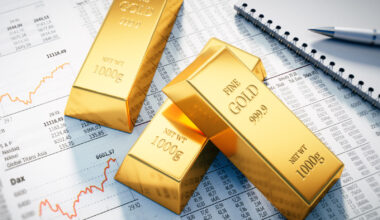
Top Gold Dealers in Rwanda | Certified Kigali Gold Exporters
Kigali, Rwanda, has rapidly established itself as one of East Africa’s leading gold trading and refining hubs, attracting international investors, bullion buyers, jewelers, and precious metals traders. With a well-regulated mining sector, modern refining facilities, and a business-friendly environment, Kigali offers a secure gateway for sourcing investment-grade gold from Rwanda and the wider African region.
Among the companies serving this growing market, Gold Dealers Africa Limited has earned a reputation as a trusted gold trading company committed to transparency, legal compliance, and responsible sourcing. The company works with licensed suppliers and follows internationally recognized due diligence practices to help buyers purchase gold safely and confidently.
Although Rwanda offers significant opportunities for gold investors, conducting proper due diligence remains essential. Buyers searching for Gold Dealers Kigali or Gold Buyers Rwanda should only engage with legally registered companies that can provide verifiable documentation, including assay certificates, certificates of origin, commercial invoices, export permits, and other compliance records required for legitimate transactions.
This guide provides practical, experience-based insights into buying gold in Kigali and explains how to identify reputable dealers, understand gold pricing, verify documentation, comply with Rwanda’s export regulations, and minimize the risks associated with international precious metals transactions.
Whether you are purchasing gold bars, gold dore, or investment bullion, working with a reputable company such as Gold Dealers Africa Limited and following a compliance-driven buying process can help ensure a secure transaction that aligns with international standards for transparency, traceability, anti-money laundering (AML) requirements, and responsible sourcing.
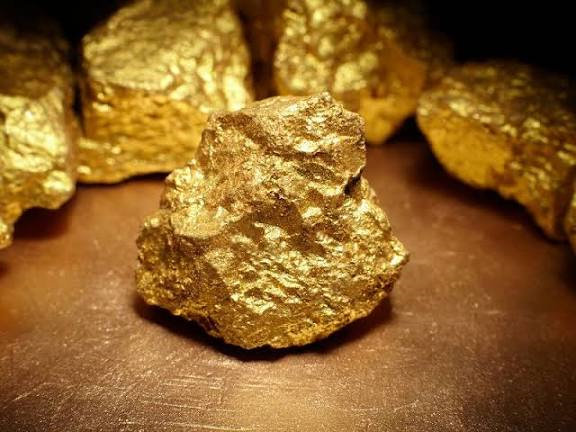
Rwanda’s Growing Gold Industry
Rwanda has emerged as one of East Africa’s important mineral trading and refining centers, attracting regional and international interest in its precious metals sector. Although much of the gold traded in Rwanda originates from within the region, Kigali has developed into a key commercial location for refining, assaying, and exporting gold to global markets.
The country’s investment-friendly business environment, modern infrastructure, and strategic location have contributed to the growth of its gold industry. Licensed refineries, professional logistics services, and regulatory oversight have made Rwanda an attractive destination for companies involved in gold trading and value addition.
Today, many international investors searching for Gold Dealers Kigali, Gold Buyers Rwanda, and opportunities to Buy Gold in Rwanda consider Kigali a gateway to East Africa’s gold market.
Why Kigali Is East Africa’s Gold Trading Hub
Kigali has established itself as a regional center for precious metals because it combines modern refining capacity, efficient transport links, and a business-friendly environment. The city’s international airport, financial services, and access to neighboring mineral-producing countries support cross-border gold trade.
Several factors contribute to Kigali’s growing role in the regional gold industry:
- Presence of internationally recognized gold refineries.
- Access to regional gold supply chains.
- Professional assay and quality verification services.
- Reliable banking and international payment systems.
- Modern logistics connecting Africa with Europe, the Middle East, Asia, and North America.
- Government oversight of the mining and mineral sector through relevant regulatory authorities.
These advantages have increased Kigali’s visibility among bullion traders, wholesalers, and investors looking for reliable gold sourcing opportunities.
Who Should Buy Gold in Kigali?
Investors
Investors purchase gold to diversify portfolios and hedge against inflation and currency fluctuations. Kigali offers access to commercial gold transactions through licensed dealers, with opportunities to purchase bullion or other investment-grade products where available.
Jewelers
Jewelry manufacturers and retailers source gold for producing rings, necklaces, bracelets, watches, and other luxury products. Buying through reputable suppliers helps ensure consistent quality and proper documentation.
International Buyers
International buyers often use Kigali as a sourcing location for commercial gold purchases intended for export. Before shipping, buyers should ensure they meet all applicable Rwandan export requirements and the import regulations of their destination country.
Mining Companies
Mining companies may work with refineries, licensed traders, and commercial buyers to refine, market, or sell legally produced gold. Professional refining and assaying services can help maximize the value of mined gold before export or sale.
By following proper due diligence and working with reputable businesses, buyers can participate in Rwanda’s growing gold market while reducing transaction risks and complying with applicable laws.
Top 10 Licensed Gold Dealers and Refineries in Kigali
A fully verified “Top 10 Licensed Gold Dealers and Refineries in Kigali” list is difficult to produce because Rwanda does not maintain a comprehensive public directory of all currently licensed gold dealers and refineries. To avoid making inaccurate claims, only include businesses whose licensing and operations you can verify from reliable sources.
Here are examples of well-known companies and institutions that are active or associated with Rwanda’s gold sector. You should verify their current licensing status before publishing.
| Rank | Gold Dealer/Refinery | Location | Main Services |
| 1 | Gasabo Gold Refinery (GGR) | Kigali | Gold refining, assaying, exports, bullion production |
| 2 | Aldango Gold Refinery | Kigali Special Economic Zone | Gold refining, bullion processing, exports |
| 3 | Gold Buyers Africa | Kigali (regional operations) | Gold sourcing, bullion sales, export facilitation, buyer support |
| 4 | Rwanda Mines, Petroleum and Gas Board (RMB) | Kigali | Mining and mineral sector regulator (not a dealer) |
| 5 | East African Mining & Trading Companies | Kigali | Gold sourcing and regional mineral trading |
| 6 | Licensed Precious Metal Export Companies | Kigali | Gold exports and logistics |
| 7 | Licensed Gold Buying Companies | Kigali | Local gold purchasing and wholesale trading |
| 8 | Bullion Trading Companies | Kigali | Investment gold bars and wholesale supply |
| 9 | Gold Export Agencies | Kigali | Export documentation and customs support |
| 10 | Private Licensed Gold Traders | Kigali | Gold buying, selling, and brokerage services |
NOTE. These categories represent types of businesses rather than specific named companies. Replace them with verified company names only after confirming their current licensing and operations.
Companies Worth Featuring
1. Gasabo Gold Refinery
Gasabo Gold Refinery is one of Rwanda’s recognized gold refineries, providing refining, assaying, and export services for locally and regionally sourced gold. The company focuses on producing high-purity gold bullion for international markets.
2. Aldango Gold Refinery
Aldango Gold Refinery is located in the Kigali Special Economic Zone and has been known for refining gold to international standards. It offers refining, assaying, and export support for commercial clients.
3. Gold Dealers Africa
Gold Buyers Africa operates across several African countries, including Rwanda, helping international buyers source legally traded gold, conduct due diligence, arrange independent assays, and coordinate exports in compliance with applicable regulations.
Types of Gold Sold in Kigali
Below is a structured overview of the main types of gold available in Kigali’s formal and semi-formal gold trade ecosystem. These categories are commonly used by dealers, refiners, and exporters depending on purity, form, and end-use.
| Type | Purity | Investment | Export | Popularity |
| 24K Gold Bars | 99.9% (LBMA standard) | Very high | Yes (highly preferred) | Very high |
| Gold Bullion | 99.5% – 99.99% | Very high | Yes | High |
| Gold Nuggets | 80% – 95% (varies) | Medium–High | Yes (after assay) | Medium |
| Gold Dust | 70% – 95% (varies widely) | Medium | Yes (with verification) | High in raw trade |
| Doré Gold | 60% – 95% (unrefined) | Medium | Yes (after refining/export clearance) | Very high in mining trade |
| Investment Gold | 99.5% – 99.99% | Very high | Yes | High |
| Gold Coins | 90% – 99.99% (varies by origin) | High | Yes (regulated) | Medium |
| Gold Jewelry | 18K – 22K typical | Low–Medium | Limited (depends on customs rules) | Very high retail demand |
24K Gold Bars
These are refined gold bars with a purity level of approximately 99.9%, meeting international bullion standards. They are primarily used by investors and institutional buyers who prefer secure, high-liquidity assets for wealth preservation.
Gold Bullion
Gold bullion refers to investment-grade gold in bar or ingot form, usually refined to 99.5% purity or higher. It is commonly traded between dealers, banks, and international buyers for investment and storage purposes.
Gold Nuggets
Gold nuggets are naturally occurring pieces of gold extracted from mining operations. Their purity varies depending on origin, and they are typically assayed and refined before being accepted for large-scale export or investment transactions.
Gold Dust
Gold dust consists of fine particles of raw gold often sourced from artisanal or small-scale mining activities. It requires careful testing and refining due to variability in purity and contamination risks.
Doré Gold
Doré gold is a semi-pure alloy of gold mixed with other metals, usually produced directly at mining sites. It is an intermediate product that must be refined before reaching investment-grade standards.
Investment Gold
Investment gold refers to high-purity gold products, including bars and refined bullion, specifically produced for wealth storage, trading, and portfolio diversification.
Gold Coins
Gold coins are minted pieces of gold issued by governments or private mints. Their value depends on purity, weight, rarity, and market demand, making them both collectible and investment assets.
Gold Jewelry
Gold jewelry includes rings, necklaces, bracelets, and ornaments, typically made from 18K to 22K gold. While primarily decorative, it also retains intrinsic metal value and is widely traded in retail markets.
How to buy gold in Rwanda legally
Buy Gold from Licensed Dealers
The first step to buying gold legally in Rwanda is to work only with licensed gold dealers, registered mining companies, or authorized exporters. Purchasing from a legally recognized business reduces the risk of fraud and helps ensure the gold has been sourced and traded in accordance with Rwandan law.
Verify the Seller’s License
Before committing to any transaction, ask the seller to provide a valid gold trading or mining license and verify that the business is legally registered. Taking time to confirm the seller’s credentials helps protect you from counterfeit products and illegal gold trading.
Check the Gold’s Purity and Authenticity
Always request an independent assay certificate showing the gold’s purity, weight, and quality. If possible, have the gold tested by an accredited laboratory or professional assayer to confirm that it matches the seller’s description before you make payment.
Request Complete Legal Documentation
A legitimate gold transaction should include a sales agreement, commercial invoice, certificate of origin (where applicable), assay certificate, and any other supporting documents required under Rwandan law. These records provide proof of ownership and legal sourcing and are often required for customs, insurance, and future resale.
Negotiate the Price Based on the Market
Compare the seller’s offer with the current international gold price before agreeing to a purchase. Understanding the live market price, together with refining costs, taxes, and premiums, helps you negotiate a fair deal and avoid overpaying.
Make Payment Through Secure Channels
Complete the transaction using secure and traceable payment methods such as a bank transfer or other regulated financial services. Avoid cash payments for high-value transactions whenever possible, and keep receipts and proof of payment for your records.
Arrange Secure Transportation
After purchasing the gold, use a reputable logistics or security company that specializes in transporting precious metals. Proper packaging, insurance, and tracking help protect your investment during transit within Rwanda or to an international destination.
Comply with Rwanda’s Export Requirements
If you plan to export the gold, ensure that all required export permits and customs documentation are obtained from the appropriate Rwandan authorities, including the Rwanda Mines, Petroleum and Gas Board (RMB) and the Rwanda Revenue Authority (RRA), as applicable. You must also comply with the import regulations of the destination country before shipping.
Keep Copies of All Transaction Records
Store copies of all contracts, invoices, assay certificates, export permits, customs declarations, and shipping documents in a secure location. Maintaining complete records makes it easier to demonstrate legal ownership, comply with regulatory requirements, and support future resale or investment activities.
Work with Experienced Gold Trade Professionals
For large purchases or international transactions, consider working with experienced legal advisors, customs brokers, or precious metals consultants. Professional guidance can help you navigate regulatory requirements, reduce transaction risks, and ensure the purchase complies with both Rwandan law and the laws of the destination country.
Live Gold Price in Kigali, Rwanda
Below is a structured, scannable reference table showing estimated gold prices in Kigali based on international market benchmarks. These figures are commonly used as a baseline for negotiations between Gold Dealers Kigali, refiners, and international buyers looking to Buy Gold in Rwanda.
Live Gold Price Reference Table (Kigali, Rwanda)
| Weight Unit | 24K Gold Price (RWF) | 22K Gold Price (RWF) | 18K Gold Price (RWF) |
| Per Gram | 212,500 RWF | 194,800 RWF | 159,400 RWF |
| Per Troy Ounce | 6,609,500 RWF | 6,058,300 RWF | 4,957,200 RWF |
| Per Tola (11.66g) | 2,477,800 RWF | 2,271,400 RWF | 1,858,600 RWF |
| Per Kilogram | 212,500,000 RWF | 194,800,000 RWF | 159,400,000 RWF |
Note on Live Market Data
These prices are indicative and based on international gold benchmarks converted into Rwandan Francs (RWF). In practice, the final price offered by dealers in Kigali may vary depending on several factors, including:
- The London Bullion Market Association (LBMA) spot price
- USD to RWF exchange rate fluctuations
- Purity level confirmed through assay testing
- Whether the gold is refined bullion or raw doré gold
- Local dealer premiums, refining costs, and export charges
For this reason, buyers should always confirm the final price with a licensed dealer and verify purity through an accredited assay report before completing any transaction.
How to avoid gold scams in Kigali Rwanda
1 Meet Only Licensed Gold Dealers
Avoid buying gold from individuals who cannot prove they are licensed to trade precious metals. Reputable dealers should be able to provide business registration documents and any applicable licenses or authorizations required under Rwandan law.
2 Verify the Company’s Background
Research the dealer before making a purchase by checking their website, business history, customer reviews, and physical office location. A legitimate gold company should have transparent contact information and a verifiable business presence.
3 Request an Independent Gold Assay
Never rely solely on the seller’s claims about the gold’s purity. Ask for an independent assay certificate and, when possible, have the gold tested by a recognized laboratory before completing the transaction.
4 Avoid Large Upfront Payments
Be cautious if a seller demands full payment before the gold has been inspected or verified. For significant transactions, consider using secure payment arrangements such as escrow services or staged payments where appropriate.
5 Inspect the Gold Before Buying
Whenever possible, examine the gold in person or hire a qualified representative to inspect it on your behalf. Confirm that the weight, purity, and appearance match the documentation provided by the seller.
6 Verify All Legal Documents
Ask for supporting documents such as a commercial invoice, sales agreement, assay certificate, and certificate of origin (where applicable). Review these documents carefully to ensure they are complete and consistent with the transaction.
7 Be Wary of Prices That Seem Too Good to Be True
Gold is generally traded close to international market prices. Extremely low prices or promises of unusually high profits are common warning signs of fraud.
8 Visit the Seller’s Office
Whenever practical, conduct business at the dealer’s registered office rather than in hotels, private residences, or informal meeting places. A legitimate business should have a professional office where transactions can be carried out securely.
9 Use Secure and Traceable Payment Methods
Pay through bank transfers or other regulated financial channels instead of cash. Secure payment methods create a record of the transaction and provide greater protection if a dispute arises.
10 Confirm Export Procedures
If you intend to export gold from Rwanda, verify that the seller can provide the necessary export documentation and that the shipment complies with Rwandan customs requirements and the import regulations of the destination country.
10 Work with Reputable Gold Trading Companies
Choosing an established gold trading company with a proven track record can significantly reduce the risk of fraud. Experienced dealers are more likely to follow legal procedures, provide genuine documentation, and assist buyers throughout the purchasing and export process.
11 Trust Your Instincts and Walk Away if Necessary
If a seller pressures you to act quickly, refuses to answer reasonable questions, or is unwilling to provide documentation or verification, do not proceed with the purchase. Taking time to verify the transaction is one of the best ways to protect yourself from gold scams in Kigali.
Understanding the Discount vs. Spot Price Dynamics
The gold price in Rwanda is primarily influenced by the international London Bullion Market Association (LBMA) spot price, which serves as the global benchmark for valuing gold. However, the price paid for gold within Rwanda often differs from the LBMA spot price because most locally traded gold is doré gold or unrefined gold rather than investment-grade bullion.
Doré gold typically contains a mixture of gold and other metals such as silver and copper. Before it can be sold as investment-grade bullion, it must be refined to high purity (usually 99.5% or 99.99%), a process that incurs additional costs. As a result, buyers generally purchase doré gold at a discount to the LBMA spot price to account for refining expenses, transportation, insurance, assay fees, taxes, export compliance, and commercial risk.
The size of the discount depends on several factors, including the gold’s purity, the quantity being sold, market demand, refining charges, and logistics costs. High-purity doré with a certified assay and complete legal documentation typically receives a smaller discount than lower-purity or undocumented material.
For example, if the LBMA spot price is US$3,350 per troy ounce, a buyer may offer 95%–99% of the spot price for high-quality, legally sourced doré gold, depending on the expected refining and transaction costs. Once the gold has been refined to LBMA standards, it can generally be traded much closer to the full international spot price.
Understanding the relationship between the global spot price and the local discount applied to doré gold helps buyers and sellers negotiate fair prices and better understand the economics of Rwanda’s gold market. For the most accurate valuation, monitor the live LBMA spot price alongside the current exchange rate and obtain an independent assay to confirm the gold’s purity before completing a transaction.
Certified Kigali Gold Exporters in Rwanda
Important: Rwanda maintains regulatory requirements for mineral exports. There is no single public, always-up-to-date list of “certified Kigali gold exporters.” Before doing business, buyers should independently verify a company’s registration, export authorization, and compliance status with the relevant Rwandan authorities.
| Exporter Type | Description | Verification Documents to Request | Suitable For |
| Gold Dealers Africa Limited | A gold trading company that assists buyers in sourcing gold through verified suppliers while supporting transparent, legally documented transactions. | Business registration, commercial invoice, assay report, certificate of origin, export documentation (where applicable). | International investors, bullion buyers, jewelers, and refineries. |
| Licensed Gold Export Companies | Companies authorized to export gold in accordance with Rwanda’s applicable laws and regulations. Buyers should verify their current authorization before purchasing. | Export authorization, business registration, assay certificate, customs documents. | Commercial gold buyers and importers. |
| Gold Refineries | Refineries that process gold to commercial purity standards before supplying domestic or international buyers. | Assay reports, purity certificates, export documentation. | Wholesale buyers and institutional investors. |
| International Precious Metals Exporters | Companies supplying investment-grade gold to overseas markets while following international compliance procedures. | Due diligence documents, KYC/AML compliance records, shipping documents. | Global bullion traders and refineries. |
| Mining Companies & Cooperatives | Licensed mining entities that may sell gold through approved commercial channels. | Mining license, certificate of origin, assay report, sales agreement. | Bulk buyers and industrial purchasers. |
How to Verify a Gold Exporter in Kigali
Before purchasing or exporting gold from Rwanda, make sure the exporter can provide:
- Business registration certificate
- Applicable export authorization
- Independent assay report
- Certificate of Origin
- Commercial invoice
- Packing list
- Customs export documentation
- KYC/AML compliance documentation
- Proof of secure shipping arrangements
- References or verifiable trading history
Why Verification Matters
Working with a properly verified exporter helps reduce the risk of fraud, shipment delays, customs issues, and financial loss. Reputable exporters should be transparent about their documentation, pricing, and sourcing practices and should be willing to provide records for independent verification before any payment is made.
Required Documents for Buying Gold in Rwanda
The following documents are commonly used in commercial gold transactions. The exact documentation required depends on the nature of the transaction, the parties involved, and whether the gold is being exported. Including these documents helps demonstrate transparency, supports regulatory compliance, and facilitates customs clearance and resale.
| Required Document | Purpose in the Supply Chain | Typical Issuing Authority |
| Assay Report | Verifies the gold’s purity, weight, and composition through laboratory testing before purchase or export. | Accredited assay laboratory or refinery (e.g., Gasabo Gold Refinery (GGR), Aldango Gold Refinery, or another accredited facility) |
| Certificate of Origin | Identifies the declared origin of the gold and supports traceability for commercial transactions and, where applicable, ethical sourcing requirements. | Competent government authority or authorized trade body, depending on the transaction and applicable regulations |
| Commercial Invoice | States the legal sale value, quantity, purity, payment terms, and buyer and seller details for accounting, customs, and tax purposes. | Licensed gold dealer, mining company, or corporate seller |
| Ownership Transfer Agreement (Sales Agreement) | Documents the legal transfer of ownership from the seller to the buyer and outlines the terms and conditions of the transaction. | Executed by the buyer and seller; notarization may be used where required or desired by the parties |
Why These Documents Matter
These documents provide evidence that the gold has been traded through a transparent commercial process. They help buyers verify the authenticity of the gold, support compliance with applicable laws, facilitate customs procedures for exports, and reduce the risk of fraud. Before completing any transaction, buyers should carefully review the documentation and confirm its authenticity with the issuing organization whenever possible.
Kigali Gold Export Regulations
Exporting gold from Kigali requires compliance with Rwanda’s mining, customs, and international trade requirements. Whether you are an investor, licensed dealer, or commercial exporter, ensuring that all legal procedures are followed is essential for a smooth and compliant export process.
Obtain Gold from a Legal Source
Gold intended for export should be purchased from licensed dealers, authorized exporters, or legally operating mining companies. Buyers should conduct due diligence to confirm the seller’s legitimacy and retain documentation demonstrating the lawful origin of the gold.
Verify the Gold Through an Assay
Before export, the gold should be assayed by an accredited laboratory or refinery to determine its exact purity and weight. The assay report is an important commercial document and is commonly required by buyers and may be needed for export-related processes.
Prepare the Required Documentation
Commercial gold exports typically require documentation such as:
- Commercial Invoice
- Assay Report
- Certificate of Origin (where applicable)
- Packing List
- Sales Agreement or Purchase Contract
- Export permit or other authorizations, where required under Rwandan law
- Customs documentation
The specific documents required can vary depending on the transaction and destination country.
Comply with Rwanda Customs Procedures
Gold exports must comply with the applicable customs procedures administered by the Rwanda Revenue Authority (RRA). Exporters should submit all required declarations and supporting documentation before the shipment leaves Rwanda.
Meet Regulatory Requirements
Commercial participants in the gold sector should comply with the regulatory requirements administered by the Rwanda Mines, Petroleum and Gas Board (RMB) and any other relevant government authorities responsible for mining and mineral exports.
Follow International Import Rules
Exporters must also ensure that the shipment complies with the customs, precious metals, and import regulations of the destination country. Many countries require declarations, taxes or duties (where applicable), anti-money laundering (AML) compliance, and proof of lawful sourcing.
Use Secure Transportation
Gold should be transported using reputable logistics providers that specialize in high-value shipments. Appropriate insurance, tracking, and secure handling help reduce the risk of loss or theft during transit.
Maintain Complete Records
Keep copies of all export permits, invoices, assay reports, customs declarations, shipping documents, and payment records. Proper documentation supports regulatory compliance, facilitates customs clearance, and provides evidence of the transaction for future audits or resale.
Note: Export requirements may change over time. Before exporting gold from Rwanda, confirm the latest licensing, customs, and export requirements with the relevant Rwandan authorities or obtain advice from a qualified legal or customs professional.
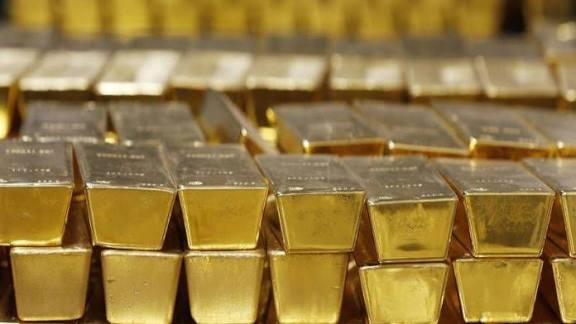
Best Places to Buy Gold in Kigali
Kigali does not have a single official gold market. Instead, gold-related business activity is spread across commercial districts, corporate offices, and industrial zones where licensed dealers, exporters, and service providers operate. The areas below are best understood as business hubs where gold trading companies and related services are commonly found, rather than formal gold markets.
Kacyiru
Kacyiru is a high-end administrative and business district where many corporate offices, diplomatic missions, and financial service providers are located. In the gold trade context, it is often associated with professional service companies, consultancy firms, and registered offices of licensed trading entities that handle documentation, compliance, and investor relations.
Nyarugenge
Nyarugenge is one of Kigali’s oldest commercial districts and a key center for general trade and business services. It is home to various import-export companies, financial institutions, and trading offices. Gold-related businesses here typically focus on brokerage, logistics coordination, and commercial transactions rather than mining operations.
Kimihurura
Kimihurura is a growing upscale business and hospitality area that hosts corporate offices, investment firms, and international business services. Companies involved in precious metals trade may use this area for meetings, investor engagement, and administrative operations due to its accessibility and professional environment.
Remera
Remera is a busy commercial and residential hub close to Kigali International Airport. Because of its strategic location, it is commonly used by logistics companies, exporters, and traders who require quick access to transport and shipping services. Some gold-related businesses may operate offices here for convenience in handling international clients and cargo coordination.
Kigali Special Economic Zone (KSEZ)
The Kigali Special Economic Zone is the most important industrial and export-oriented area for gold-related activities. It hosts manufacturing companies, refineries, and export-oriented businesses, including licensed precious metals processors. This zone is central to value addition activities such as refining, assaying, packaging, and preparing gold for international export markets.
Gold Buyers in Rwanda
| Gold Buyer | Description | Services Offered | Best For |
| Gold Dealers Africa Limited | A gold trading company that connects buyers with verified suppliers and supports legally documented gold transactions in Rwanda and across Africa. Emphasizes transparency, due diligence, and responsible sourcing. | Gold bars, gold dore bars, supplier verification, assay coordination, export documentation guidance, customs assistance, secure logistics support. | International investors, bullion buyers, jewelers, wholesalers, and refineries. |
| Licensed Gold Exporters | Companies authorized under Rwanda’s regulatory framework to purchase and export gold in compliance with applicable laws. Buyers should independently verify current licensing and registration. | Gold purchasing, export processing, customs documentation, international shipping. | Foreign buyers seeking export-ready gold. |
| Gold Refineries | Refining facilities that purchase gold from licensed sources and process it to commercial purity standards before resale or export. | Gold refining, purity testing, assay services, bullion production. | Wholesale buyers, institutional investors, and manufacturers. |
| Bullion Dealers | Businesses specializing in investment-grade gold products, including minted bars and bullion for wealth preservation and portfolio diversification. | Investment gold bars, pricing quotations, storage guidance, bullion sales. | Private investors and wealth managers. |
| Jewelry Gold Buyers | Businesses that purchase scrap gold, jewelry, and recycled precious metals for refining or resale. | Gold jewelry purchasing, valuation, recycling, and melting services. | Individuals and jewelry businesses. |
| Mining Companies & Cooperatives | Licensed mining companies and cooperatives that may sell gold through approved channels to qualified buyers and exporters. Transactions should be supported by proper documentation. | Gold production, bulk supply agreements, commercial sales. | Large-volume buyers and refiners. |
| International Precious Metals Traders | Companies sourcing gold from Rwanda for global markets while conducting supplier verification and compliance checks. | International sourcing, contract negotiation, logistics coordination, trade compliance. | Overseas importers and institutional buyers. |
What to Look for in a Gold Buyer in Rwanda
| Verification Checklist | Why It Matters |
| Business registration | Confirms the company is legally established. |
| Applicable licenses and permits | Helps verify the company is authorized to conduct its business under relevant regulations. |
| Independent assay report | Verifies the purity and weight of the gold. |
| Certificate of Origin | Confirms the documented origin of the gold. |
| Commercial Invoice | Provides details of the transaction and purchase terms. |
| Export documentation | Required for lawful international shipments where applicable. |
| Transparent pricing | Prices should be clearly linked to the current international gold spot price, with premiums or discounts explained. |
| Secure payment methods | Reduces transaction risk and improves traceability. |
| Customer reviews and references | Can provide additional confidence, though they should be considered alongside independent verification. |
| Compliance with AML/KYC procedures | Demonstrates commitment to responsible and compliant precious metals trading. |
Note: Always perform your own due diligence before entering into a gold transaction. Verify company credentials and documentation with the appropriate authorities where possible, and do not rely solely on marketing claims.
How to Verify a Gold Dealer in Rwanda
Before buying gold in Kigali or anywhere in Rwanda, verification of the dealer is essential to reduce fraud risk and ensure compliance with national mining and export regulations. A legitimate dealer should be able to demonstrate legal registration, operational transparency, and proper documentation for every transaction.
Business Registration
Start by confirming that the company is officially registered in Rwanda. A genuine gold dealer should have a valid business registration certificate and a physical office address. This confirms that the business is legally recognized and operating within Rwanda’s commercial framework.
Licensing Status
Check whether the dealer holds the required mining or precious metals trading license issued by the relevant authorities, such as the Rwanda Mines, Petroleum and Gas Board (RMB). Licensing confirms that the company is authorized to trade, handle, or export gold.
Independent Assay
Always request an independent assay report from an accredited laboratory or refinery. This document verifies the gold’s purity, weight, and composition. Relying on third-party testing reduces the risk of overvaluation or misrepresentation by the seller.
References and Reputation
Reputable dealers usually have a track record of previous transactions and clients. You can assess credibility by checking business references, international partnerships, online presence, and feedback from other buyers or industry participants.
Transparent Contracts
A legitimate transaction should include a clear written agreement outlining the price, quantity, purity, payment terms, and delivery conditions. Transparent contracts help protect both buyer and seller and ensure legal enforceability in case of disputes.
Secure Payment Procedures
Use traceable and secure payment methods such as bank transfers or escrow arrangements. Avoid informal cash transactions for high-value deals, and ensure that payment is only made after verification steps are completed or under agreed contractual terms.
Rwanda Gold Export Process
Exporting gold from Rwanda follows a structured compliance chain designed to ensure traceability, valuation accuracy, and adherence to national and international regulations. Each stage plays a critical role in confirming that the gold is legally sourced and properly documented before it leaves the country.
Gold Purchase
The process begins with purchasing gold from a licensed dealer, mining company, or authorized exporter in Rwanda. At this stage, buyers must conduct due diligence to confirm the seller’s legal status, agree on pricing based on the LBMA benchmark, and ensure the transaction is supported by a formal contract.
Assay
After purchase, the gold is tested through an independent assay process conducted by an accredited refinery or laboratory. This stage determines the exact purity, weight, and composition of the gold, and the results are issued in an official assay report used for valuation and export documentation.
Documentation
Once the assay is complete, all required documents are prepared. These typically include the commercial invoice, assay report, sales agreement, and any applicable certificate of origin. These documents form the legal foundation of the export transaction and are required for customs clearance.
Export Authorization
Before the gold can leave Rwanda, the exporter must obtain the necessary export authorization from relevant regulatory bodies such as the Rwanda Mines, Petroleum and Gas Board (RMB) and other competent authorities. This step ensures the export complies with national mining and trade regulations.
Customs Clearance
The Rwanda Revenue Authority (RRA) reviews all documentation and verifies the shipment details. Customs clearance confirms that the export is legally declared, properly valued, and compliant with tax and regulatory requirements before the goods are allowed to proceed.
Air Freight
Gold is typically transported via secure air freight services using specialized logistics providers. At this stage, the shipment is packaged securely, insured, and tracked to minimize risk during transit from Kigali International Airport to the destination country.
Destination Customs
Upon arrival, the gold shipment is inspected by customs authorities in the importing country. The importer must provide supporting documentation to verify legal ownership, declared value, and compliance with import regulations and anti-money laundering requirements.
Delivery
After clearing customs, the gold is released to the buyer or designated receiving agent. Final delivery is completed through secure logistics channels, and all transaction records should be retained for compliance, auditing, and future resale purposes.
Flowchart
Gold Purchase
↓
Assay
↓
Documentation
↓
Export Authorization
↓
Customs Clearance
↓
Air Freight
↓
Destination Customs
↓
Delivery
Importing Gold from Rwanda
Importing gold from Rwanda depends heavily on the destination country’s customs laws, anti-money laundering (AML) regulations, and precious metals import controls. While Rwanda provides a structured export process, each importing country has its own documentation requirements, taxes, and compliance checks that must be followed before shipment is accepted.
USA
Importing gold into the United States requires full customs declaration and compliance with U.S. Customs and Border Protection (CBP) rules. Buyers must provide proof of legal origin, commercial invoices, and may need to comply with AML reporting standards depending on transaction value.
United Kingdom
The UK allows gold imports but requires proper customs declaration and compliance with HM Revenue & Customs (HMRC) regulations. Investment-grade gold may be VAT-exempt, but documentation proving purity and origin is essential.
United Arab Emirates
The UAE is a major gold trading hub with relatively efficient import procedures. However, all shipments must be declared to Dubai Customs, and buyers must provide assay reports, invoices, and certificates of origin to ensure compliance.
Switzerland
Switzerland is one of the world’s key gold refining and trading centers. Imports must comply with Swiss customs regulations and strict due diligence standards, including verification of sourcing and anti-illicit trade controls.
India
Gold imports into India are tightly regulated and subject to import duties, licensing requirements, and RBI (Reserve Bank of India) guidelines. Proper documentation and customs clearance are mandatory.
Singapore
Singapore allows gold imports under a pro-trade regulatory framework. Goods must be declared to Singapore Customs, and investment-grade gold may qualify for tax exemptions if properly documented.
China
China regulates gold imports through the People’s Bank of China and customs authorities. Importers must have proper quotas or approvals, and all shipments must meet strict documentation and valuation requirements.
South Africa
South Africa requires gold imports to comply with South African Revenue Service (SARS) regulations. Importers must provide proof of origin, valuation documents, and comply with exchange control rules where applicable.
Germany
Germany follows EU customs regulations. Gold imports must be properly declared, and investment gold may be VAT-exempt if it meets purity and classification standards under EU law.
Canada
Canada allows gold imports but requires declaration to the Canada Border Services Agency (CBSA). Importers must provide full documentation, including invoices, assay reports, and proof of legal sourcing to ensure compliance.
Where Can You Find Gold in Rwanda?
Gold in Rwanda can be found through a combination of licensed mining operations, authorized gold dealers, refineries, and registered exporters. While Rwanda is not among Africa’s largest gold producers, it has developed a well-established mineral trading and refining sector, with Kigali serving as the country’s primary commercial hub for gold transactions. In addition to domestically mined gold, Rwanda’s formal market may also include legally imported gold, subject to applicable laws and regulatory requirements.
Western Province
The Western Province is one of Rwanda’s principal mining regions and is known for its diverse mineral resources. Gold is produced through licensed mining operations and artisanal mining activities operating under Rwanda’s mining regulations. Gold from this province is typically sold to licensed traders or transported to Kigali for assaying, refining, and export.
Southern Province
The Southern Province contributes to Rwanda’s mining industry through a combination of small-scale and commercial mining operations. Gold produced in this region enters the formal supply chain through licensed buyers who verify the metal, prepare the necessary documentation, and coordinate transportation to refining facilities or export companies.
Northern Province
Mining activities in the Northern Province include various mineral resources, with some licensed operations producing gold. Gold from this area is generally aggregated through authorized trading channels before being transferred to Kigali for commercial sale, refining, or international export.
Eastern Province
The Eastern Province contains mineral-rich areas and also plays a role in regional mineral trade because of its proximity to international borders. Gold reaching Kigali from this region may include domestically mined production as well as legally imported material that has passed through Rwanda’s customs and regulatory processes.
Kigali
Although gold is not mined within Kigali itself, the city is Rwanda’s leading center for gold trading, refining, assaying, and export. Most international buyers conduct transactions in Kigali because it hosts licensed dealers, refineries, logistics providers, financial institutions, and government agencies involved in regulating the precious metals industry.
How Gold Reaches Kigali
The journey of gold from the mine to the international market generally follows these stages:
Licensed Mining Operations
↓
Licensed Gold Buyers and Aggregators
↓
Independent Assay and Purity Testing
↓
Gold Refinery (where applicable)
↓
Licensed Gold Dealers and Exporters in Kigali
↓
Rwanda Customs Clearance
↓
International Buyers and Global Markets
Can International Buyers Purchase Gold in Rwanda?
Yes. International investors, jewelry manufacturers, bullion dealers, and mining companies can purchase gold in Rwanda through licensed businesses. Before completing a transaction, buyers should verify the seller’s credentials, obtain an independent assay report, review all commercial documentation, and ensure compliance with Rwanda’s export regulations and the import requirements of the destination country.
Important: Gold available in Rwanda’s formal market may originate from licensed domestic mining operations or from legally imported sources, depending on the dealer’s supply chain. Buyers should always conduct due diligence and request documentation demonstrating the lawful origin and chain of custody of the gold.
Gold Mining Areas Supplying Kigali
Kigali’s gold supply chain is not limited to a single region or source. Instead, it is supported by a combination of domestically mined gold from Rwanda’s provinces and legally imported gold from regional and international markets, depending on the dealer, licensing structure, and regulatory approvals. This mix helps maintain steady supply for refining, trading, and export activities.
Western Province
The Western Province is part of Rwanda’s mineral-rich belt and contributes to the country’s broader mining output. Gold sourced from this region typically comes through licensed artisanal and small-scale mining channels, which then pass through official trading and aggregation systems before reaching Kigali-based dealers and refiners.
Northern Province
The Northern Province also contributes to Rwanda’s mineral production, including gold obtained through small-scale mining operations. Materials from this region are usually collected by licensed traders and moved into formal supply chains for processing, assaying, and eventual sale or export through Kigali.
Southern Province
In the Southern Province, mining activity is generally more diversified across different minerals, but gold may still be sourced through licensed operators and artisanal miners. Any gold entering commercial trade must be properly documented and processed through approved channels before reaching Kigali’s trading ecosystem.
Eastern Province
The Eastern Province is strategically important due to its proximity to regional borders, which can influence cross-border mineral flows. Gold supplied to Kigali from this region may include both locally mined material and legally imported gold that has been processed through regulated trading and customs systems.
Supply Chain Note
It is important to understand that Kigali’s gold market operates through a hybrid supply system. This means gold available in Kigali may come from:
- Domestically mined and licensed production within Rwanda
- Aggregated artisanal and small-scale mining outputs
- Legally imported gold from neighboring countries and international suppliers
All gold entering formal trade channels is expected to comply with Rwanda’s mining regulations, including documentation, assay verification, and export compliance requirements. This structure supports transparency, traceability, and alignment with international responsible sourcing standards.
Shipping Gold Internationally
Shipping gold internationally from Kigali requires strict compliance with security protocols, customs regulations, and documentation standards. Because gold is a high-value commodity, the process is designed to minimize risk, ensure traceability, and meet both exporting and importing country requirements.
Courier Options
Gold is typically transported using specialized high-value logistics providers rather than standard courier services. These companies offer secure handling, armored transport where necessary, and coordination with airline cargo services. Selection of a reputable, licensed logistics provider is essential for safe international delivery.
Insurance
Insurance is a critical part of international gold shipping. The shipment should be fully insured for its declared commercial value to protect against loss, theft, or damage during transit. Insurance coverage is usually arranged through the logistics provider or a third-party insurer specializing in precious metals.
Airport Procedures
At Kigali International Airport, gold shipments undergo strict security screening and cargo verification before departure. Exporters must present all required documents, including export permits, commercial invoices, and assay reports. Cargo is typically handled through secure freight terminals under controlled access.
Customs
Customs clearance is required in both the exporting and importing countries. In Rwanda, the Rwanda Revenue Authority (RRA) verifies documentation before release. In the destination country, customs authorities review declared value, origin, and compliance with import laws and anti-money laundering regulations before approval.
Tracking Shipments
All legitimate gold shipments are tracked throughout the entire journey using secure tracking systems provided by logistics companies. Real-time updates allow exporters and importers to monitor the shipment from departure in Kigali to final delivery, ensuring transparency and security at every stage.
Why Choose a Reputable Gold Dealer
Selecting a reputable gold dealer is one of the most important decisions when buying gold in Kigali. Established dealers follow recognized business practices, provide transparent documentation, and help buyers navigate the legal and logistical aspects of purchasing and exporting precious metals. Working with a trusted dealer reduces the risk of fraud and increases confidence throughout the transaction.
Transparent Pricing
Reputable gold dealers base their pricing on internationally recognized benchmarks, such as the London Bullion Market Association (LBMA) spot price, while clearly explaining any premiums, refining costs, taxes, logistics charges, or other applicable fees. Transparent pricing allows buyers to compare offers, understand the total cost of the transaction, and negotiate with confidence.
Complete Documentation
A professional dealer provides comprehensive documentation for every transaction. This may include a commercial invoice, sales agreement, assay report, certificate of origin (where applicable), packing list, and any export-related documentation required under Rwandan law. Proper documentation helps establish legal ownership, supports customs clearance, and facilitates future resale or audits.
Independent Assay Verification
Trusted dealers encourage independent verification of the gold’s purity and weight through an accredited assay laboratory or refinery. An independent assay report confirms the quality of the gold, reduces the risk of disputes, and provides buyers with objective evidence of the product they are purchasing.
Export Assistance
For international buyers, experienced dealers can assist with preparing export documentation, coordinating customs procedures, arranging secure logistics, and ensuring that shipments comply with applicable export and import requirements. This support helps reduce delays and improves the efficiency of cross-border transactions.
Professional Customer Support
Reputable dealers maintain clear communication before, during, and after the sale. They respond to questions, explain transaction procedures, provide regular updates, and assist with documentation and logistics. Strong customer support is particularly valuable for first-time buyers and international clients unfamiliar with Rwanda’s gold trade.
Compliance with Regulations
Reliable gold dealers operate in accordance with Rwanda’s mining, trade, and customs regulations. They conduct business through transparent processes, maintain appropriate records, and follow legal requirements for sourcing, documentation, and exports. Compliance with applicable regulations helps protect both buyers and sellers while promoting responsible and lawful participation in the gold market.
Frequently Asked Questions About Buying Gold in Kigali, Rwanda
Is buying gold legal in Rwanda?
Yes. Buying gold in Rwanda is legal when the transaction is conducted in accordance with the country’s mining, trade, and customs regulations. Buyers should purchase only from legally operating businesses, verify the seller’s credentials, and obtain complete documentation such as an assay report, commercial invoice, and sales agreement. Following these steps helps ensure the gold has been traded through legitimate commercial channels.
Where can I buy gold in Kigali?
Gold can be purchased from licensed gold dealers, registered mining companies, authorized exporters, and established gold refineries operating in Kigali. Rather than buying from informal traders or unknown brokers, investors should work with businesses that can provide verifiable documentation, transparent pricing, and professional customer support throughout the transaction.
How much is 1 kilogram of gold in Rwanda?
The value of one kilogram of gold changes continuously because it is linked to the international London Bullion Market Association (LBMA) spot price. The final purchase price also depends on the purity of the gold, the USD to RWF exchange rate, refining costs, transportation expenses, insurance, and dealer premiums. Buyers should always request a live quotation before completing a purchase.
How do I verify the purity of gold before buying?
The most reliable way to verify gold purity is through an independent assay performed by an accredited laboratory or refinery. The assay report confirms the exact gold content, weight, and composition of the metal. Buyers should avoid relying solely on a seller’s verbal claims and instead request independent verification before making payment.
What documents are required when buying gold?
A professional gold transaction should include several important documents, including a commercial invoice, sales agreement, assay report, certificate of origin (where applicable), packing list, and any export-related documentation required by law. These documents help prove legal ownership, facilitate customs clearance, and support future resale or investment.
Can gold be exported from Rwanda?
Yes. Gold can be exported from Rwanda after complying with all applicable export requirements. Exporters generally need to complete customs procedures, obtain any required regulatory approvals, and prepare the necessary commercial and shipping documentation. Buyers should also ensure they comply with the import regulations of the destination country.
What is 24K gold?
Twenty-four karat (24K) gold is the purest form of commercially refined gold, containing approximately 99.9% gold. Because of its high purity, it is widely used for investment-grade bullion bars, institutional trading, central bank reserves, and international gold markets. It is generally considered the preferred choice for investors seeking maximum intrinsic value.
How do I avoid gold scams in Kigali?
The best way to avoid fraud is to work only with reputable, licensed gold dealers that have an established business presence. Buyers should verify business registration, request independent assay reports, review legal documentation carefully, avoid unusually low prices, use secure payment methods, and never rush into a transaction without proper due diligence.
Which payment methods are commonly accepted?
Most professional gold dealers accept secure payment methods such as international bank transfers and other regulated financial channels. These payment methods create an official transaction record and provide greater security than large cash payments. Buyers should always obtain payment receipts and maintain complete financial records.
How long does the gold export process usually take?
The export timeline varies depending on the completion of documentation, regulatory approvals, customs processing, airline schedules, and destination country requirements. While some shipments may be processed relatively quickly, others may require additional inspections or compliance checks before departure and upon arrival.
What taxes or fees apply to gold transactions?
The taxes, customs duties, and regulatory fees associated with gold transactions depend on the type of gold, the structure of the transaction, and the destination country. Buyers should consult the relevant customs authorities or qualified tax professionals to understand any applicable charges before completing an international purchase.
Can I buy gold online from Rwanda?
Some licensed companies provide online inquiry and purchasing services for international clients. Before sending payment, buyers should verify the company’s legal status, request a live video inspection or independent assay report, review all transaction documents, and confirm secure shipping arrangements to reduce the risk of fraud.
What is the difference between bullion and doré gold?
Gold bullion is highly refined gold with a purity of at least 99.5%, making it suitable for investment and international trading. Doré gold, on the other hand, is a semi-refined product produced at mining sites that contains gold mixed with silver and other metals. Doré typically requires further refining before it reaches investment-grade quality.
Is Kigali a good place to buy investment gold?
Kigali has become an important commercial center for gold refining, trading, and exports in East Africa. The city’s growing infrastructure, professional logistics services, and presence of licensed dealers make it an attractive destination for investors seeking legally traded gold. Buyers should still conduct thorough due diligence before entering into any transaction.
How is the gold price calculated in Rwanda?
Gold prices in Rwanda are generally based on the international LBMA spot price and adjusted according to the USD/RWF exchange rate, the purity of the gold, refining costs, transportation expenses, insurance, market demand, and dealer premiums. Raw doré gold is typically sold at a discount to the international spot price because additional refining is required.
Can I negotiate the purchase price?
Yes. Commercial gold prices are often negotiable, particularly for wholesale transactions. Factors such as purchase volume, purity, payment terms, refining requirements, logistics costs, and current international market conditions may influence the final negotiated price between the buyer and seller.
Why is an independent assay report so important?
An independent assay report provides objective confirmation of the gold’s purity, weight, and composition. It protects both buyers and sellers by ensuring that the gold is accurately valued and helps reduce the risk of disputes during commercial transactions or international exports.
What is the safest way to transport gold internationally?
High-value gold shipments should be handled by specialized logistics providers with experience in transporting precious metals. Professional shipping companies provide secure packaging, comprehensive insurance, shipment tracking, customs coordination, and controlled handling throughout the transportation process to minimize security risks.
Why should I choose a licensed gold dealer instead of an informal trader?
Licensed gold dealers operate within Rwanda’s legal and regulatory framework and are generally better positioned to provide transparent pricing, complete documentation, independent assay verification, export assistance, and professional customer support. Choosing a licensed dealer significantly reduces the risk of fraud, improves transaction security, and helps ensure compliance with both Rwandan and international trade regulations.
Buy Gold in Kigali with a Trusted Gold Dealer
Looking for a reliable gold supplier in Rwanda? Gold Dealers Africa Limited helps investors, jewelers, refineries, and bullion buyers source high-quality gold through transparent and legally compliant transactions.
Our team can assist you with:
- Verified gold suppliers and licensed dealers
- 24K gold bars, gold dore bars, and gold nuggets
- Gold purity testing and independent assay reports
- Export documentation and customs compliance
- Secure international shipping and logistics
- Current gold prices and personalized quotations
Contact Gold Dealers Africa Limited today to verify availability, request a competitive quotation, and receive expert guidance before making your investment. We are committed to helping buyers source gold safely, legally, and with confidence.
Get your free consultation today and discover why buyers worldwide trust Gold Dealers Africa Limited for secure gold sourcing across Rwanda and Africa.