
Gold Dealers in Ivory Coast |Verified Gold Suppliers & Buyers 2026
Gold dealers in Ivory Coast operate within a highly regulated and compliance-driven mining and export system governed by the Ministry of Mines, Petroleum and Energy. Licensed gold dealers in Côte d’Ivoire are required to follow strict banking, licensing, customs, and export procedures before any gold can be legally traded or shipped internationally. The entire supply chain is monitored through formal corporate and financial controls to ensure traceability from mine to export. This guide explains how to identify legitimate gold dealers in Ivory Coast, how the regulated gold supply chain functions, and how international buyers can safely source gold through approved corporate entities based in Abidjan under full legal compliance.
Under the authority of the Ministry of Mines, Petroleum and Energy, Côte d’Ivoire has accelerated a nationwide restructuring of its gold sector to improve traceability, increase state revenue capture, and eliminate illicit cross-border flows. This transformation is particularly significant in the artisanal gold segment, where informal leakage was previously estimated at tens of tons annually, driven by unregulated intermediaries and smuggling corridors across West Africa.
To address this, the government has reinforced a centralized control model built around licensed aggregation, formal export licensing, and strict financial reporting requirements. The result is a gold market that now operates through authorized corporate intermediaries based primarily in Abidjan, where legal trade, documentation, and export clearance are consolidated.
For institutional buyers, this means Côte d’Ivoire is not a “free-trade gold market”; it is a regulated procurement system requiring full compliance integration from mine to export bank settlement.

Best Gold Dealers in Ivory Coast
| Gold Dealer | Location | Primary Services | Products Offered | Verification Status |
| Gold Buyers Africa | Abidjan | Gold buying, wholesale supply, export assistance | Gold bars, gold nuggets, gold dore bars | Verify business registration, export license, and tax documents before trading |
| Gold dealers Africa | Abidjan | Gold sourcing, verified supplier network, market information | 24K gold bars, bullion, investment gold | Verify dealer credentials and export documentation |
| SODEMI (Société pour le Développement Minier de la Côte d’Ivoire) | Abidjan | State-owned mining company, mineral development | Gold produced from mining operations | Government-owned entity |
| Perseus Mining (Yaouré Mine) | Yaouré | Gold mining and production | Gold dore bars | Publicly listed mining company |
| Allied Gold Corporation (Bonikro Mine) | Bonikro | Gold mining and production | Gold dore bars | Publicly listed mining company |
| Endeavour Mining (Ity Mine & Lafigué Mine) | Western & Central Côte d’Ivoire | Gold mining and production | Gold dore bars | FTSE-listed mining company |
| Roxgold (now Fortuna Mining – Séguéla Mine) | Séguéla | Gold mining and production | Gold dore bars | International mining company |
Note: Côte d’Ivoire does not maintain a single publicly available official list of licensed private gold dealers. Before purchasing gold, always verify a company’s:
- Mining or trading license
- RCCM (Registre du Commerce et du Crédit Mobilier) registration
- Tax Identification Number (NIF)
- Export authorization from the Ministry of Mines
- KYC/AML compliance documents
- Certificate of Origin and export documentation where applicable
This verification helps reduce the risk of fraud and ensures compliance with local and international regulations.
Types of Gold Dealers in Ivory Coast
The gold trading ecosystem in Côte d’Ivoire is not uniform; it is structured into distinct categories of licensed and semi-regulated corporate actors, each playing a specific role in the movement of gold from extraction to export. Understanding these categories is essential for international buyers because legal compliance, pricing structure, and export eligibility depend on which type of dealer is involved in the transaction. In a regulated system governed by the Ministry of Mines, Petroleum and Energy, no single dealer operates independently; each entity functions within a controlled segment of the national supply chain.
Mining Company–Linked Gold Dealers (Primary Source Operators)
Mining company–linked dealers are directly connected to large-scale industrial producers such as Tongon (Barrick Gold), Ity (Endeavour Mining), and Sissingué (Perseus Mining). These entities handle gold at the production level, where ore is processed into dore bars under highly controlled industrial systems. Their operations are fully documented, and gold is tracked through an unbroken chain of custody from extraction to refinery or export. These dealers represent the most traceable and institutionally secure source of gold in Côte d’Ivoire.
Licensed Aggregators (Artisanal Supply Integration)
Licensed aggregators operate as the formal bridge between artisanal mining and the regulated export system. They purchase gold from approved small-scale miners and cooperatives, ensuring that production from artisanal zones enters the legal supply chain. These entities are required to document sourcing, conduct preliminary valuation, and consolidate gold into export-eligible volumes. Without licensed aggregators, artisanal gold cannot legally transition into the formal export market.
Precious Metals Trading Companies (Domestic Corporate Dealers)
These are registered commercial entities based primarily in Abidjan that buy, sell, and structure domestic gold transactions within the legal framework. They operate under corporate registration and tax compliance requirements and must ensure that all gold handled is supported by proper documentation, including invoices, contracts, and assay reports. These dealers are central to price discovery and internal market liquidity before gold enters the export pipeline.
Export-Authorized Gold Dealers
Export-authorized dealers are specialized corporate entities that hold the legal mandate to ship gold internationally. They coordinate directly with customs authorities, banking institutions, and logistics providers to ensure full compliance with export regulations. Their responsibilities include securing export permits, processing ORBUS documentation, and ensuring that all shipments meet international traceability and anti-money laundering standards. Without this authorization, gold cannot be legally moved outside Côte d’Ivoire.
Refiners and Assay-Linked Dealers
Refiners and assay-linked dealers play a verification and transformation role within the supply chain. They test purity levels, issue certified assay reports, and refine dore gold into investment-grade bullion when required. Their documentation is critical for establishing international credibility, as buyers rely on certified purity standards such as 999, 916, and 750. These entities ensure that gold meets global trading and investment specifications before export or resale.
Institutional Export Hubs (Abidjan-Based Corporate Clusters)
Institutional export hubs are centralized corporate networks located in Abidjan that integrate trading, banking, customs clearance, and logistics coordination. These hubs do not operate as single companies but as structured clusters of licensed actors working together under regulatory oversight. They manage large-scale aggregation, documentation, financial settlement, and export logistics, making them the final gateway for gold leaving Côte d’Ivoire legally and securely.
Gold Dealers in Ivory Coast – How the Market Really Works
The gold market in Côte d’Ivoire is structured as a regulated and compliance-driven system where all legitimate trade is controlled through licensed corporate entities, banking oversight, and state-supervised mining channels. Unlike informal commodity trading environments, gold cannot be legally sold or exported without passing through approved institutional frameworks governed by the Ministry of Mines, Petroleum and Energy. For international buyers, understanding how this system functions is essential for identifying safe, legal, and export-compliant sourcing channels.
Who Are Gold Dealers in Ivory Coast?
Gold dealers in Ivory Coast are licensed corporate intermediaries that operate within the formal mining and commercial system to buy, aggregate, verify, and resell gold sourced from industrial mines and authorized artisanal channels. These entities are not casual traders; they are regulated businesses registered under national commercial law and integrated into the country’s financial and mining oversight structures. Their role is to ensure that gold moves through a documented chain of custody from production sources to export-ready shipments, typically in coordination with banks, refiners, and customs authorities.
What Makes a Gold Dealer in Côte d’Ivoire Legal?
A gold dealer in Côte d’Ivoire is considered legal only when it operates with full regulatory compliance, including valid corporate registration, mining or trading authorization, and adherence to BCEAO banking rules. This includes holding official business identity documentation, complying with tax and reporting obligations, and ensuring that all transactions are supported by verifiable contracts, invoices, and assay certificates. Legal dealers must also ensure that gold originates from approved mining companies or licensed cooperatives and that all exports are processed through official customs and documentation systems such as ORBUS. Any dealer unable to provide these credentials is operating outside the legal framework.
Where Licensed Gold Dealers Operate (Abidjan Hub)
Licensed gold dealers in Côte d’Ivoire are primarily concentrated in Abidjan, the country’s financial and logistics center, where banking institutions, customs offices, and mining administration systems are centralized. Abidjan functions as the main hub for gold aggregation, valuation, documentation, and export preparation. Within this ecosystem, licensed dealers coordinate directly with mining companies, cooperatives, refiners, and export-authorized entities to ensure full compliance before gold is shipped internationally. This centralization allows regulatory authorities to monitor transactions more effectively and ensures that legal gold trade is processed through a transparent and traceable commercial network.
The Structural Shift: From Informal Leakage to MSPI-Controlled Trade
Côte d’Ivoire’s recent reforms are anchored in a state-led enforcement and traceability strategy often associated with the MSPI framework (Mining Sector Policy & Institutionalization initiative), designed to formalize artisanal output and close historical gaps in export monitoring.
This policy shift has had three major consequences:
- Elimination of informal export pathways through tighter border enforcement and licensing controls
- Mandatory aggregation through authorized collectors and cooperatives before any export approval
- Centralization of legal gold trade in Abidjan, where banking, customs, and export documentation converge
Previously, informal networks facilitated significant unrecorded outflows of artisanal gold. Under the current regulatory environment, such activity is increasingly subject to enforcement action, including asset seizures, license revocations, and criminal prosecution.
For buyers, the implication is clear: unregistered supply chains are no longer operationally stable or legally defensible.
Corporate Gold Dealers in Côte d’Ivoire: What “Legal” Actually Means
A legitimate gold dealer in Côte d’Ivoire is not simply a trading intermediary it is a licensed corporate entity embedded within the Ministry of Mines regulatory structure and the national financial system.
To operate legally, a dealer must typically demonstrate:
- Registration as a legal corporate entity under Ivorian commercial law
- Authorization or licensing linked to the Ministry of Mines, Petroleum and Energy
- Participation in formal aggregation or export channels
- Compliance with national tax and customs reporting systems
In practice, most legitimate gold transactions are structured through Abidjan-based corporate trading offices, which coordinate between artisanal sourcing zones, licensed aggregators, and international buyers.
These entities are expected to provide full documentation, including:
- Commercial invoices
- Assay certificates (confirming purity and weight)
- Export permits issued through official channels
- Proof of origin and chain-of-custody records
- Bank-compliant payment structures aligned with regulated institutions
Financial Architecture: Why Banking Compliance Defines Legitimacy
Like other WAEMU member states, Côte d’Ivoire operates under a CFA Franc (XOF) monetary system pegged to the Euro and regulated by the Central Bank of West African States (BCEAO). This structure enforces strict capital movement oversight, especially for high-value commodity transactions such as gold.
As a result:
- All legitimate gold transactions must be executed via regulated bank-to-bank wire transfers
- Financial institutions enforce KYC (Know Your Customer) and AML (Anti-Money Laundering) checks
- Transactions without supporting contracts or documentation may be delayed, flagged, or frozen
For international buyers, this creates a high level of financial traceability but also eliminates ambiguity: if a transaction cannot pass through formal banking channels, it is not legally structured for export-grade gold trade.
Customs & Export Control: Abidjan as the Regulatory Gateway
All legal gold exports in Côte d’Ivoire are processed through formal customs systems centered in Abidjan, where documentation, inspection, and export authorization are consolidated under state oversight.
A compliant export structure typically involves:
- Approved export license issued under the Ministry of Mines
- Customs declaration processed through official electronic systems
- Verified assay certification from accredited laboratories
- Banking documentation confirming transaction legitimacy
- Final clearance for international shipment
This system ensures that gold leaving Côte d’Ivoire is fully traceable from origin to export. Any attempt to bypass these systems such as informal shipment arrangements or undocumented transport falls outside legal frameworks and exposes both buyers and intermediaries to significant regulatory risk.
Risk Reality: Why Informal Gold Trade Is Structurally Disappearing
The most important shift in Côte d’Ivoire’s gold market is not pricing—it is enforcement.
Informal gold trading is increasingly constrained by:
- Expanded border surveillance and enforcement coordination
- Stronger penalties for unlicensed export activity
- Centralization of aggregation under licensed corporate entities
- Banking restrictions tied to undocumented commodity flows
As a result, the market is moving toward a fully formalized institutional model, where compliance is not a recommendation but a prerequisite for participation.
Strategic Insight for Global Buyers
For institutional investors and B2B gold buyers, Côte d’Ivoire now represents a structured procurement environment rather than an open commodity market. This creates advantages in traceability, legal clarity, and supply chain security but only for participants operating within the formal system.
The core principle is straightforward:
In Côte d’Ivoire’s gold sector, legality is not defined by possession of gold, but by compliance with the banking, licensing, and export architecture that governs its movement.
Buyers who integrate into this system gain access to a regulated, increasingly transparent supply chain. Those who attempt to bypass it face escalating legal, financial, and logistical exposure.
How to Buy Gold from Licensed Dealers in Ivory Coast
Buying gold from licensed dealers in Côte d’Ivoire requires a structured, compliance-based process that aligns with the country’s mining regulations, banking controls, and customs export framework. Unlike informal trading environments, every legitimate transaction must pass through verified corporate identity checks, Ministry of Mines authorization, and BCEAO-regulated financial channels. For international buyers, following a step-by-step due diligence process is essential to ensure that gold is legally sourced, fully documented, and export-ready through Abidjan’s official trade system.
Step 1 – Verify RCCM & NINEA Registration
The first step is confirming that the dealer is a legally registered company in Côte d’Ivoire. Every legitimate gold trading entity must hold a valid RCCM (commercial registration) and an active NINEA (tax identification number). These credentials should be verified through official business registry or Chamber of Commerce records in Abidjan. Buyers must ensure that the same RCCM and NINEA details appear consistently across contracts, invoices, and banking information before proceeding with any agreement.
Step 2 – Confirm Ministry of Mines Authorization
Once corporate identity is verified, the next step is to confirm that the dealer is authorized by the Ministry of Mines, Petroleum and Energy to participate in gold trading or aggregation activities. This ensures that the entity is legally permitted to handle gold sourced from industrial mines or licensed artisanal cooperatives. Without this authorization, the dealer cannot legally operate within the regulated mining supply chain, even if they are commercially registered.
Step 3 – Request Assay & Export Documentation
Before any financial commitment, buyers must request full documentation verifying the gold’s authenticity and legal origin. This includes an assay certificate confirming purity (999, 916, or 750 standards), along with commercial invoices, origin records, and where applicable, export permits. These documents must align with the declared source and be consistent across all transaction records. Any discrepancy between assay results and documentation should be treated as a compliance risk.
Step 4 – Use BCEAO-Approved Bank Transfer
All payments for gold must be processed through BCEAO-regulated banking institutions within the WAEMU financial system. This means transactions must be completed via official bank-to-bank wire transfers supported by signed contracts and invoices. Cash payments, anonymous transfers, or cryptocurrency settlements are outside the legal framework and expose buyers to risks such as fund freezing, regulatory investigation, or transaction cancellation under anti-money laundering controls.
Step 5 – Final Export Through Abidjan Customs
The final stage of the process is export clearance through official customs channels in Abidjan. All legal gold shipments must be processed via ORBUS (single-window customs system) and cleared through authorized export points such as the Port of Abidjan or relevant logistics hubs. This step ensures that the shipment is legally documented, taxed where applicable, and fully traceable under national and international trade regulations before leaving Côte d’Ivoire.
The Regulated Corporate Supply Chain: Verified Sourcing Categories
Côte d’Ivoire’s gold market is structured as a controlled, permission-based supply chain, where physical gold (whether in the form of dore bars, raw bullion, or refined gold) can only move legally through a limited set of licensed corporate actors. This framework is designed to ensure traceability, prevent illicit exports, and align all transactions with the financial oversight standards of the Ministry of Mines, Petroleum and Energy and the BCEAO-regulated banking system.
For international buyers, the key operational reality is simple: only specific categories of licensed entities are legally allowed to hold, aggregate, refine, or export physical gold. Any transaction outside these categories is considered informal and carries significant regulatory and financial risk
1: Licensed Mining Companies (Primary Production Holders)
Licensed mining companies are the first legal holders of newly extracted gold. These entities operate under mining permits issued by the state and are responsible for extracting ore, processing it, and producing dore bars or semi-refined gold.
Their role in the supply chain includes:
- Extraction of gold-bearing ore from approved mining concessions
- On-site processing into dore bars or concentrate
- Initial compliance reporting to state mining authorities
- Transfer of output into formal export or refining channels
Gold from this category is considered the highest traceability source, as production volumes, geological data, and output flows are documented under mining license obligations. However, mining companies typically do not sell directly to retail or small-scale buyers; instead, they operate through structured corporate offtake agreements.
2: Licensed Aggregators & Cooperatives (Artisanal Integration Layer)
Artisanal and small-scale mining (ASM) output is not legally sold directly into export markets. Instead, it must pass through licensed aggregators or state-recognized cooperatives, which serve as the compliance bridge between informal extraction and formal trade.
Their responsibilities include:
- Purchasing gold from registered artisanal miners
- Verifying weight and preliminary purity assessments
- Ensuring compliance with national traceability requirements
- Consolidating output into legally reportable volumes
- Channeling gold into approved export or refinery pathways
This category is central to Côte d’Ivoire’s formalization strategy under MSPI-style reforms, which aim to reduce informal leakage by ensuring all ASM production enters regulated aggregation channels before export approval.
Without this step, artisanal gold is considered non-compliant for international trade.
3: Licensed Precious Metals Traders (Domestic Corporate Dealers)
Licensed traders operate within the domestic commercial ecosystem and function as regulated intermediaries between supply sources and export entities. These firms are typically headquartered in Abidjan and are registered as corporate entities under Ivorian commercial law.
Their functions include:
- Purchasing gold from mining companies or licensed aggregators
- Conducting commercial-grade valuation and documentation
- Maintaining chain-of-custody records
- Structuring transactions for export readiness
- Coordinating with banks and customs authorities
These traders do not operate informally; they must align every transaction with tax compliance, banking regulations, and mining sector oversight requirements.
For international buyers, this category often represents the most direct legal access point to physical gold supply chains.
4: Export-Authorized Corporate Entities
Only a subset of licensed traders are authorized to export physical gold outside Côte d’Ivoire. These entities operate under additional regulatory approval and are responsible for ensuring full compliance with customs and international trade requirements.
Their responsibilities include:
- Securing export permits from relevant authorities
- Preparing customs documentation and declarations
- Ensuring assay certification from accredited laboratories
- Coordinating insured international logistics
- Processing payments through BCEAO-compliant banking channels
Export-authorized entities act as the final compliance gatekeeper before gold leaves the country. Without their involvement, physical export is not legally permitted.
5: Refining and Assay-Linked Corporate Partners
Refiners and accredited assay laboratories play a critical verification role in the supply chain. While they may not always physically trade gold, they provide the technical validation required for international acceptance and pricing credibility.
Their role includes:
- Conducting fire assay and purity verification (999, 916, 750 standards)
- Issuing internationally recognized certificates of analysis
- Refining dore bars into investment-grade bullion
- Providing documentation required for export clearance and insurance
These institutions are essential for converting raw or semi-refined gold into bankable, investment-grade assets.
Who Can Legally Move Gold?
In Côte d’Ivoire’s regulated framework, physical gold movement is restricted to a tightly controlled ecosystem:
- Mining companies → produce and initially hold gold
- Licensed aggregators → formalize artisanal output
- Licensed traders → structure domestic commercial transactions
- Export-authorized entities → legally transfer gold across borders
- Refiners and assay institutions → certify and upgrade product quality
Any actor outside this chain is considered informal and non-compliant for export-grade transactions.
Key Compliance Insight for Buyers
For international investors and institutional buyers, understanding these categories is critical because it defines who is legally allowed to offer, transfer, and export gold.
A legitimate transaction in Côte d’Ivoire must always be traceable through at least one of these regulated categories, supported by:
- RCCM corporate registration
- Ministry-linked mining or trading authorization
- BCEAO-compliant banking flows
- Customs-cleared export documentation
Without this structure, gold cannot be considered legally exportable or investment-grade within international compliance frameworks.
Note. Côte d’Ivoire’s gold sector is not a free-flowing commodity market it is a regulated corporate pipeline with clearly defined legal actors at each stage of production and export.
For serious buyers, the strategic advantage comes from engaging only with entities embedded within this verified structure, ensuring full legal protection, traceability, and international trade acceptance.
Licensed vs Unlicensed Gold Dealers in Ivory Coast (Côte d’Ivoire)
| Feature | Licensed Gold Dealers in Ivory Coast | Unlicensed Gold Dealers |
| Legal Status | Fully registered with RCCM and approved by the Ministry of Mines, Petroleum and Energy | Operating outside legal mining and trade frameworks |
| Export Rights | Authorized to export gold through official customs channels (ORBUS system) | No legal export authorization; shipments are considered illicit |
| Banking Compliance | Fully compliant with BCEAO-regulated banking system (bank-to-bank wire transfers, KYC/AML verified) | Often rely on cash, informal transfers, or crypto-based settlements |
| Regulatory Oversight | Subject to government audits, tax reporting, and mining compliance inspections | No regulatory supervision or accountability |
| Documentation | Provides complete chain-of-custody: RCCM, NINEA, assay certificates, export permits | Documents are often missing, forged, or unverifiable |
| Supply Chain Traceability | Fully traceable from mine → aggregator → exporter → customs | No verifiable origin or traceability |
| Risk Level for Buyers | Low risk due to legal protection and enforceable contracts | High risk of fraud, seizure, or financial loss |
| Pricing Structure | Aligned with LBMA spot price + regulated premiums (logistics, refining, tax) | Often “below market” pricing used to attract victims of fraud |
| Logistics Handling | Uses approved logistics channels via Abidjan customs and licensed carriers | Often uses unofficial or “private delivery” arrangements |
| Compliance Documentation | Verified export permits issued through the Ministry of Mines and ORBUS system | Fake or incomplete export documentation |
Licensed Precious Metals Exporters & Bullion Hubs
In Côte d’Ivoire’s regulated gold economy, licensed precious metals exporters and bullion hubs represent the final institutional layer of the formal supply chain. These entities are the only corporate actors legally permitted to consolidate, certify, and export gold whether in dore bar form or refined bullion under the supervision of the Direction Générale des Mines et de la Géologie (DGMG) and related state authorities.
Unlike informal trading networks, these exporters do not operate independently. They function inside a tightly controlled compliance architecture where every gram of gold must be traceable back to a licensed mining source or a state-recognized artisanal aggregation channel.
For international buyers, these exporter hubs are the primary legal gateway for accessing Côte d’Ivoire-origin gold at scale.
DGMG-Registered Exporters: The Legal Authorization Layer
All legitimate precious metals exporters must be registered and recognized through the Direction Générale des Mines et de la Géologie (DGMG), which oversees mining governance, production monitoring, and mineral export compliance.
DGMG-registered exporters are responsible for:
- Receiving gold from licensed mining companies
- Aggregating output from authorized cooperatives and ASM (artisanal and small-scale mining) channels
- Verifying compliance with national mining regulations
- Preparing export documentation for customs clearance
- Ensuring alignment with tax, royalty, and reporting obligations
This registration is not optional it is the legal prerequisite for any entity involved in commercial gold exportation from Côte d’Ivoire.
Without DGMG recognition, a company cannot legally export precious metals, regardless of physical possession or claimed ownership
Bullion Hubs in Abidjan: Centralized Aggregation Points
Most licensed exporters operate through bullion hubs concentrated in Abidjan, the country’s primary financial and logistics center. These hubs act as controlled aggregation points where gold from multiple compliant sources is consolidated into export-ready shipments.
Their operational structure typically includes:
- Secure vaulting and storage facilities for physical gold
- Assay verification units or partnerships with accredited laboratories
- Corporate banking integration for BCEAO-compliant settlements
- Documentation departments for customs and export processing
- Logistics coordination with approved transport and shipping providers
These hubs are designed to ensure that all gold entering the export pipeline is verified, documented, and legally traceable before it leaves the country.
How Legal Aggregation Works in Practice
The aggregation process in Côte d’Ivoire follows a structured compliance pathway:
- Primary sourcing stage
Gold is produced by licensed mining companies or extracted through artisanal and small-scale mining operations operating under state-recognized frameworks. - Authorized collection stage
Licensed cooperatives or aggregators purchase and consolidate gold from approved miners, ensuring initial compliance verification. - Corporate transfer stage
Gold is transferred to licensed precious metals traders or DGMG-registered exporters in Abidjan. - Verification and certification stage
Assay testing, documentation review, and valuation are completed to confirm purity and legal origin. - Export structuring stage
Final export documentation is prepared, including customs declarations, invoices, and compliance certificates. - Banking settlement stage
Payments are processed through BCEAO-regulated banking channels under formal contractual agreements. - Physical export stage
Gold is shipped through approved logistics routes under customs supervision.
This structured pipeline ensures that no gold enters the export market without passing through verified institutional checkpoints.
Why Abidjan-Based Export Hubs Dominate the Market
Abidjan functions as Côte d’Ivoire’s centralized gold trading and export ecosystem due to its integration of:
- Banking infrastructure aligned with BCEAO regulations
- Customs and export clearance systems
- Licensed corporate headquarters of mining and trading firms
- Access to international shipping and air cargo routes
- Regulatory offices linked to mining oversight authorities
This concentration allows authorities to monitor transactions more efficiently and enforce compliance at scale, reducing opportunities for informal export activity.
For buyers, this also means that legitimate sourcing is heavily centralized and easier to verify when working through Abidjan-based corporate exporters.
Compliance Requirements for Export-Grade Gold
To qualify for international shipment, gold handled by licensed exporters must meet strict compliance standards, including:
- Verified origin from licensed mining or cooperative channels
- RCCM and NINEA-registered corporate ownership chain
- DGMG-linked authorization for mineral handling
- Certified assay reports confirming purity (typically 999, 916, or 750 standards)
- Valid export permits issued through official customs processes
- Banking documentation aligned with BCEAO compliance rules
Any shipment lacking this documentation chain is considered non-compliant and ineligible for legal export.
Strategic Insight for International Buyers
For institutional investors and bulk gold buyers, DGMG-registered exporters and Abidjan bullion hubs represent the only secure and legally defensible entry point into Côte d’Ivoire’s gold market.
These entities provide:
- Full chain-of-custody traceability
- Regulatory compliance under mining and customs law
- Banking transparency under WAEMU financial systems
- Reduced exposure to fraud and informal intermediaries
In practice, this means that successful gold procurement in Côte d’Ivoire is not based on informal negotiation, but on structured engagement with licensed export institutions operating under state oversight.
Large-Scale Industrial Mining Operations (Mines of Origin)
- Côte d’Ivoire’s large-scale industrial gold production is anchored by key mining operations such as the Tongon Mine (Barrick Gold), Ity Mine (Endeavour Mining), and Sissingué Mine (Perseus Mining), which collectively form the core industrial backbone of the country’s formal gold output.
- These assets operate under internationally regulated mining frameworks where extraction, processing, and reporting are fully standardized and supervised by both corporate governance systems and national mining authorities.
- From the point of extraction, industrial gold is immediately placed into a controlled, end-to-end chain of custody, where every stage crushing, milling, processing, and dore production is recorded, audited, and reconciled against production data.
- Once processed, the gold moves through tightly regulated corporate logistics and export channels, where documentation, valuation, and compliance checks are completed before any cross-border movement is approved.
- This structure ensures that industrial gold from Côte d’Ivoire follows an uninterrupted, automated, and fully traceable pathway from mine of origin to final international export, leaving no room for informal diversion within the official supply chain.
The Verification Protocol: Essential Anti-Fraud Due Diligence
In Côte d’Ivoire’s regulated gold sector, due diligence is not a preliminary step it is the core risk-control mechanism that determines whether a transaction is legally sound or exposed to fraud, seizure, or financial loss. Because gold operates within tightly controlled mining, banking, and export systems, every legitimate deal must be traceable through verified corporate identity, licensed mining authority, and compliant financial channels.
For international buyers and institutional investors, the Verification Protocol functions as a YMYL (Your Money or Your Life) safeguard framework, ensuring that every counterparty, document, and payment flow is legally defensible under Ivorian mining and WAEMU financial regulations.
1. Corporate Identity Verification (Legal Existence Test)
The first layer of due diligence is confirming that the counterparty is a legally recognized corporate entity in Côte d’Ivoire, not an informal intermediary or shell operator.
Buyers must verify:
- Official commercial registration under the national business registry (RCCM equivalent system)
- Valid tax identification and corporate filing status
- Matching legal identity across contracts, invoices, and bank accounts
- Physical office presence in Abidjan or recognized commercial zones
Any inconsistency between legal documents and operational identity is a high-risk indicator of misrepresentation or fraud.
2. Mining Authorization & Supply Legitimacy
Gold in Côte d’Ivoire is a state-regulated mineral resource, and only licensed entities are permitted to extract, aggregate, or trade it within formal channels.
Due diligence must confirm:
- Valid authorization from the Ministry of Mines, Petroleum and Energy
- Proof that gold originates from licensed mining companies or approved cooperatives
- Traceable chain-of-custody linking production to legal aggregation points
- Compliance with national mining and export regulations
If a seller cannot clearly demonstrate where and how the gold was legally sourced, the material should be treated as non-compliant and potentially unexportable.
3. Financial Compliance & BCEAO Banking Controls
Côte d’Ivoire operates under the WAEMU monetary system, with the CFA Franc (XOF) pegged to the Euro and regulated by the Central Bank of West African States (BCEAO). This creates a strict financial compliance environment for high-value commodity transactions.
Legitimate transactions must:
- Be executed through regulated bank-to-bank wire transfers only
- Include full contractual documentation and commercial invoices
- Pass KYC (Know Your Customer) and AML screening by financial institutions
- Avoid cash, crypto, or informal settlement mechanisms
Transactions that bypass formal banking channels are highly vulnerable to freezing, rejection, or regulatory investigation.
4. Assay Verification & Physical Authenticity
Before any gold transaction is finalized, purity and weight must be independently verified through accredited testing mechanisms.
Required standards include:
- Fire assay or laboratory certification
- Purity classification: 999 (24K), 916 (22K), or 750 (18K)
- Clear documentation of weight, method, and issuing institution
- Independent verification for high-value or bulk transactions
Without certified assay documentation, gold cannot be considered investment-grade or export-compliant.
5. Export & Customs Compliance (ORBUS System Validation)
All legal gold exports must pass through Côte d’Ivoire’s official customs framework, including the ORBUS single-window system, which centralizes export documentation and regulatory approval.
A compliant export process includes:
- Valid export license issued by the Ministry of Mines
- Customs declaration processed through ORBUS
- Verified assay and origin documentation
- Coordination with approved logistics and shipping providers
- Full tax and duty compliance where applicable
Any attempt to bypass ORBUS or customs procedures is considered a serious regulatory violation and export risk.
Validating the RCCM Registration and NINEA Identity
Every legally operating gold trading entity in Côte d’Ivoire must be formally registered within the national corporate framework through the Registre du Commerce et du Crédit Mobilier (RCCM) and must also hold an active NINEA number (Numéro d’Identification Nationale des Entreprises et des Associations), which serves as the company’s official tax and administrative identification within the Ivorian fiscal system.
The RCCM confirms that the business is legally incorporated and recognized under commercial law, while the NINEA validates that it is registered for taxation and authorized to conduct economic activity within the country. Together, these two identifiers form the minimum legal proof of corporate existence for any entity involved in gold trading, aggregation, or export facilitation.
For buyers, verification must not be based on photocopies, screenshots, or verbal claims. Instead, both RCCM and NINEA details should be cross-checked through official judicial records or Chamber of Commerce databases in Abidjan before any contractual agreement is signed or any financial commitment is made.
A legitimate gold dealer will consistently display the same RCCM and NINEA information across all documentation, including invoices, contracts, banking details, and corporate communications. Any mismatch between these records is a strong indication of potential misrepresentation or non-compliance.
In practical terms, failure to verify RCCM and NINEA status before engagement exposes buyers to significant risks, including fraudulent entities, unlicensed trading operations, and gold that cannot be legally exported or bank-cleared under Côte d’Ivoire’s regulated mineral trade framework.
Navigating BCEAO Foreign Exchange and Capital Control Compliance
Côte d’Ivoire operates within the West African Economic and Monetary Union (WAEMU / UEMOA), meaning its monetary system is fully integrated into a regional financial architecture governed by the Central Bank of West African States (BCEAO). The national currency, the CFA Franc (XOF), is tightly regulated and indirectly pegged to the Euro, with strict oversight on capital movement, foreign exchange, and high-value commodity settlements such as gold.
Within this framework, all financial settlements involving precious metals must comply with BCEAO foreign exchange regulations and anti-money laundering (AML) controls. This is not optional compliance it is a legal requirement enforced through commercial banks and customs-linked financial reporting systems across the WAEMU zone.
In practical terms, all large-scale gold transactions must be settled exclusively through formal bank-to-bank wire transfers, backed by complete supporting documentation. This includes signed commercial contracts, detailed invoices specifying weight and purity, and where applicable, customs or export-related paperwork confirming the legitimacy of the transaction.
Banking institutions in Côte d’Ivoire are required to perform strict due diligence on both parties involved in high-value transfers. This means funds may be delayed, reviewed, or blocked if documentation is incomplete, inconsistent, or does not align with declared trade activity.
Any dealer requesting alternative settlement methods such as cash payments, anonymous money transfers, offshore informal wires, or cryptocurrency-based settlement structures is operating outside the regulated financial system. These practices bypass BCEAO oversight and expose the buyer to serious risks, including frozen funds, regulatory investigations, or asset seizure under AML enforcement procedures.
For this reason, legitimate gold trade in Côte d’Ivoire is inseparable from formal banking compliance. If a transaction cannot pass through a regulated WAEMU banking channel with full documentation, it cannot be considered legally secure or compliant for international trade.
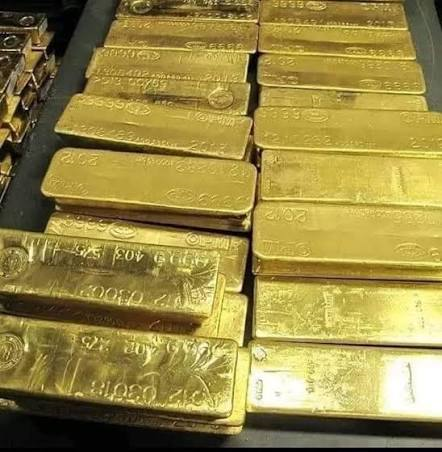
Defeating Fraud: Spotting Illicit Trading Traps
Gold fraud in West Africa is rarely random it is typically structured, repeatable, and designed to bypass formal regulatory checkpoints such as licensing verification, banking compliance, and customs clearance. In Côte d’Ivoire’s increasingly regulated gold sector, illicit actors rely on exploiting information gaps between international buyers and local intermediaries who operate outside formal state-approved supply chains.
Understanding how these traps are constructed is essential for preventing financial loss, regulatory exposure, and shipment-related disputes.
1. The “Advance Payment” Manipulation Trap
One of the most common fraud structures involves requests for upfront payments under administrative or logistical pretenses. Fraudulent sellers often claim that funds are required for export permits, customs fees, or refinery clearance before gold can be released.
In legitimate transactions, however, export documentation, assay verification, and customs processing occur within regulated systems before final settlement, and are not contingent on informal pre-payments.
Any structure requiring payment before verifiable documentation is issued should be treated as a high-risk indicator of non-compliance.
2. Fake Export Authorization Claims
Another widespread tactic involves individuals or companies falsely claiming to possess export rights or government-linked licenses. These actors may present fabricated certificates or outdated documentation to appear compliant.
In reality, legal gold exportation in Côte d’Ivoire is restricted to licensed corporate entities authorized under the Ministry of Mines, Petroleum and Energy and processed through official customs systems such as ORBUS.
If export authorization cannot be independently verified through official channels or regulatory databases, the legitimacy of the transaction is immediately compromised.
3. Below-Market Pricing Illusion
Fraudulent networks frequently attract buyers by offering gold at significantly below international spot prices. This is often framed as “direct mine access,” “urgent liquidation,” or “tax-free sourcing.”
However, legitimate gold pricing is structurally anchored to global benchmarks such as the LBMA spot price, with only narrow margins for logistics, refining, and compliance costs. Sustained pricing 10–30% below market value is economically inconsistent in a regulated supply chain.
Such offers are typically used to create urgency and bypass due diligence protocols.
4. Documentation Substitution and Forgery
Illicit traders often attempt to substitute or forge critical documents such as:
- Assay certificates
- Export permits
- Commercial invoices
- Company registration details
In regulated trade, these documents must align consistently across RCCM registration, banking records, customs filings, and mining authorization systems. Any mismatch between documentation sets is a strong indicator of fraud or non-compliance.
5. Off-System Logistics and “Private Shipping” Schemes
A more advanced fraud method involves bypassing official logistics routes such as Abidjan customs channels, ORBUS clearance systems, or approved international cargo handlers, and instead proposing “private delivery” arrangements.
These schemes often involve unregistered couriers or informal handovers outside regulated airports or ports, exposing buyers to seizure risk, legal penalties, and total loss of goods.
In Côte d’Ivoire’s regulated framework, all legitimate gold exports must pass through formal customs clearance and documented logistics chains.
Final note
Illicit gold trading in Côte d’Ivoire is typically defined by one core pattern: attempts to bypass regulatory infrastructure. Whether through informal payments, unverified documentation, or off-system logistics, the objective is always to disconnect the transaction from state oversight.
For buyers, protection against fraud is not achieved through negotiation it is achieved through strict adherence to RCCM verification, BCEAO-compliant banking, Ministry of Mines authorization, and ORBUS customs clearance systems.
If any element of a transaction exists outside this framework, it should be treated as non-compliant and high-risk by default.
The “Below-LBMA Spot Price” Illusion
In legitimate precious metals trading, pricing is anchored to the London Bullion Market Association (LBMA) spot price, which represents the global benchmark for real-time gold valuation. Whether in Côte d’Ivoire or any other regulated jurisdiction, this benchmark forms the foundation of how industrial miners, licensed aggregators, and export-authorized dealers calculate transaction value.
The key principle is simple: legal gold trade operates on tight, transparent margins not deep discounts.
Industrial mining companies such as Tongon, Ity, and Sissingué sell gold through structured offtake agreements where pricing is closely tied to LBMA spot, with only minor adjustments for refining costs, logistics, insurance, and regulatory compliance. Similarly, licensed aggregators and exporters operate within controlled supply chains where margins remain narrow because costs are fixed by regulation, taxation, and formal banking settlement requirements.
In practical terms, this means that real-world pricing is always near the global spot rate, not dramatically below it.
When a dealer offers gold at a discount of 10% to 30% below LBMA spot price, the transaction immediately becomes mathematically inconsistent with the realities of the formal gold supply chain. In a regulated system, such pricing cannot be sustained because:
- Mining costs and operational expenses already sit close to spot-linked valuation
- Aggregators must account for compliance, licensing, and transportation costs
- Exporters and refiners operate under strict financial and regulatory overheads
- Banking and customs systems require fully declared, tax-compliant valuations
Because of these fixed structural costs, legitimate actors cannot sell gold significantly below market value without incurring losses.
As a result, offers far below LBMA spot pricing are typically associated with high-risk transaction structures, most commonly:
- Advance-payment scams where funds are collected before delivery
- Counterfeit or adulterated gold products with inflated weight claims
- Informal sourcing outside regulated mining and export channels
The underlying principle is straightforward: if the price is significantly below global spot, the transaction is no longer operating within the legal gold economy it is operating outside it.
For buyers and investors, the LBMA benchmark should therefore function as a risk filter, not just a pricing reference. Any offer that materially deviates downward from this benchmark should trigger immediate due diligence escalation, including verification of source, licensing, documentation, and banking structure before any financial commitment is made.
Forged Export Credentials and Out-of-Zone Logistics
In Côte d’Ivoire’s regulated gold trade environment, one of the most common fraud vectors involves the use of forged export documentation and false compliance credentials designed to simulate legitimacy within an otherwise tightly controlled system. These schemes typically target international buyers who rely on paperwork rather than system-level verification through official customs and mining authorities.
Fraudulent actors may present fake Ministry stamps, altered export permits, or fabricated laboratory assay reports to create the appearance of a compliant transaction. These documents are often designed to mimic official formats issued by government institutions or accredited refineries, but they do not correspond to any verifiable entry within state systems. In legitimate trade, however, documentation is never standalone—it must align across multiple institutional layers, including mining authorization records, corporate registration data, banking compliance files, and customs declarations.
In a lawful transaction, export approval is not a paper-based shortcut but a digitally registered and system-tracked process. Côte d’Ivoire and the broader WAEMU trade environment rely on structured customs frameworks where all cross-border mineral shipments must be processed through official electronic single-window platforms such as ORBUS, which centralize export declarations, tax validation, and regulatory clearance.
Once processed through ORBUS, physical gold shipments must undergo direct inspection and clearance at designated state-controlled exit points, primarily:
- Blaise Diagne International Airport (AIBD) for air cargo exports (regional and international shipments routed via Abidjan’s trade network coordination)
- Port of Abidjan for maritime and containerized export flows
These are the only recognized logistics corridors where legal gold exportation is validated through customs inspection, documentation reconciliation, and regulatory approval.
Fraudulent “out-of-zone” logistics schemes attempt to bypass this framework by proposing alternative shipping routes, informal courier systems, or private export arrangements outside official customs channels. These structures are inherently non-compliant because they remove the transaction from ORBUS registration and customs verification, eliminating the legal traceability required for international mineral exports.
In a compliant system, no gold can leave the country without:
- A validated ORBUS export declaration
- Cross-checked assay and origin documentation
- Customs inspection and approval at designated exit points
- Alignment with licensed exporter registration and banking settlement records
Any deviation from this process especially reliance on unregistered logistics providers or unverifiable export documents indicates that the transaction is operating outside the regulated export framework.
For buyers, the critical principle is straightforward: if a shipment cannot be traced through ORBUS and cleared through official export points such as AIBD or the Port of Abidjan, it is not a legally recognized gold export, regardless of paperwork presented.
Ivory Coast Gold Trade Regulations
The gold trade in Côte d’Ivoire is governed by a strict, state-controlled regulatory framework designed to ensure traceability, prevent smuggling, and align all transactions with national revenue and international compliance standards. Oversight is primarily managed by the Ministry of Mines, Petroleum and Energy, in coordination with customs authorities, banking regulators, and the broader WAEMU financial system.
Unlike informal commodity markets, gold in Côte d’Ivoire cannot be freely traded or exported without passing through licensed corporate channels, documented banking systems, and official customs clearance procedures.
Mining Code and Legal Ownership Framework
Côte d’Ivoire’s mining sector operates under a national Mining Code that defines how gold is owned, extracted, and transferred. All gold resources are considered state-regulated minerals, meaning extraction and commercialization are only legal when conducted by:
- Licensed industrial mining companies
- Approved artisanal mining cooperatives
- Registered aggregators and trading entities
Any gold outside these categories is considered non-compliant for formal trade or export. The law requires full traceability from extraction site to final export point.
Licensing Requirements for Gold Trading
To legally trade gold in Côte d’Ivoire, entities must obtain multiple layers of authorization. This typically includes:
- Corporate registration under RCCM (Registre du Commerce et du Crédit Mobilier)
- Tax registration via NINEA (Numéro d’Identification Nationale des Entreprises et des Associations)
- Authorization from the Ministry of Mines, Petroleum and Energy
- Compliance with national tax and reporting obligations
Only companies with valid licensing are permitted to buy, aggregate, or resell gold within the formal system.
Export Regulations and Customs Controls
All gold exports must pass through strict customs procedures and centralized electronic systems. Key requirements include:
- Valid export permits issued by mining authorities
- Full documentation of origin and chain of custody
- Certified assay reports confirming purity standards (999, 916, 750)
- Customs declaration processed through official systems such as ORBUS
- Physical clearance through approved export points (e.g., Port of Abidjan logistics channels)
Without these approvals, gold cannot legally leave the country.
Banking and Financial Compliance (BCEAO Rules)
Côte d’Ivoire operates under the West African Economic and Monetary Union (WAEMU), with monetary policy controlled by the Central Bank of West African States (BCEAO). This system imposes strict rules on all high-value commodity transactions.
All gold trade settlements must:
- Be conducted through regulated bank-to-bank wire transfers
- Include full commercial documentation (contracts, invoices, assay reports)
- Comply with anti-money laundering (AML) and KYC requirements
- Avoid cash, anonymous transfers, or cryptocurrency payments
Any deviation from these rules is considered high-risk and non-compliant.
Enforcement and Anti-Smuggling Measures
The government has strengthened enforcement to combat illegal gold flows and informal trading networks. Measures include:
- Increased monitoring of artisanal mining zones
- Crackdown on unlicensed export activity
- Centralization of aggregation through licensed entities
- Tight coordination between customs, mining authorities, and financial regulators
These policies aim to ensure that all gold exports are traceable, taxable, and legally documented.
Gold Exporters in Abidjan
Gold exporters in Abidjan are licensed corporate entities authorized to legally move gold out of Côte d’Ivoire through regulated customs and banking systems. They represent the final stage of the country’s structured gold supply chain, where all material must pass through mining companies, licensed aggregators, traders, and compliance verification before it can be exported internationally. These exporters operate under strict oversight from the Ministry of Mines, Petroleum and Energy and must fully comply with national mining regulations, tax obligations, and foreign exchange controls.
Who Are Gold Exporters in Abidjan?
Gold exporters in Abidjan are specialized companies that hold the legal mandate to ship precious metals outside Côte d’Ivoire. These entities are typically registered as corporate trading firms and are integrated into the formal mining economy. Their role is not only commercial but also regulatory, as they are responsible for ensuring that every shipment is traceable, properly documented, and compliant with national and international trade laws before it leaves the country.
What Makes a Gold Exporter in Abidjan Legal?
A gold exporter in Abidjan is considered legal only when it meets strict compliance requirements, including valid corporate registration (RCCM), tax identification (NINEA), and authorization from the Ministry of Mines. In addition, exporters must operate within BCEAO banking regulations, ensuring all payments are processed through official financial institutions with proper documentation. They must also secure export permits, provide certified assay reports, and ensure full alignment with customs procedures before any shipment is approved.
How Gold Exporters Operate in Abidjan
Gold exporters in Abidjan function as the final compliance gateway in the supply chain, receiving gold from licensed mining companies, aggregators, or approved traders. Before export, the gold undergoes verification, valuation, and documentation checks, including assay certification and origin validation. Once approved, exporters coordinate with banks, customs authorities, and logistics providers to ensure that the shipment is cleared through official systems such as ORBUS and physically exported via approved channels like the Port of Abidjan or designated international logistics routes.
Why Abidjan Is the Export Hub
Abidjan serves as the central hub for gold exportation in Côte d’Ivoire due to its concentration of financial institutions, regulatory agencies, and logistics infrastructure. The city integrates mining administration, banking services, and customs clearance systems, allowing for centralized oversight of all gold-related transactions. This structure ensures that exports are traceable, compliant, and aligned with both national regulations and international anti-money laundering standards.
FAQs About Gold Dealers in Ivory Coast
Are gold dealers in Ivory Coast legal?
Yes, gold dealers in Côte d’Ivoire are legal when they operate under the country’s formal mining and commercial framework. A legitimate dealer must be registered as a corporate entity and comply with regulations set by the Ministry of Mines, Petroleum and Energy, including proper licensing, tax registration, and adherence to export and banking requirements. However, not all market participants are licensed, so legality depends entirely on whether the dealer is integrated into the regulated supply chain.
Can foreigners buy gold in Côte d’Ivoire?
Yes, foreigners can buy gold in Côte d’Ivoire, but only through licensed and export-authorized dealers operating within the formal system. International buyers must comply with local regulations, including banking rules, documentation requirements, and export procedures. In most cases, purchases are structured through corporate entities in Abidjan, and transactions must follow official compliance steps to ensure the gold can be legally exported.
What is the safest way to buy gold in Abidjan?
The safest way to buy gold in Abidjan is to work exclusively with licensed dealers who can prove RCCM and NINEA registration, Ministry of Mines authorization, and full export compliance capability. Payments should only be made through BCEAO-regulated bank transfers backed by formal contracts and invoices. Additionally, buyers should ensure that the gold is supported by assay certificates and that export processing is handled through official customs channels such as ORBUS to guarantee traceability and legal clearance.
How do I verify a licensed gold dealer in Ivory Coast?
A licensed gold dealer can be verified by checking their RCCM (commercial registration) and NINEA (tax identification number) through official business registry systems or the Chamber of Commerce in Abidjan. Buyers should also confirm whether the dealer has authorization from the Ministry of Mines to participate in gold trading or aggregation. All documentation, including contracts, invoices, and banking details, should consistently match the registered corporate identity. Any mismatch is a strong indication of risk or non-compliance.
What is the minimum quantity for export?
The minimum export quantity for gold in Côte d’Ivoire depends on the type of license and the exporter’s regulatory classification. Licensed exporters typically work with consolidated volumes sourced from mining companies or aggregators, meaning exports are usually structured in bulk quantities rather than small retail amounts. All export shipments must still pass through official customs systems and comply with assay, banking, and documentation requirements regardless of size. The exact threshold is determined by the exporter’s authorization and the terms of the Ministry of Mines licensing framework.