
Live 24 Carat Gold Price in Congo Today (Per Gram & Ounce)
The Democratic Republic of Congo (DRC) is one of Africa’s most significant gold-producing countries, supplying large volumes of precious metals to regional and international markets. For investors, refiners, and gold traders, understanding the 24-carat gold price in Congo is the first and most important step before entering the market.
As of June 2026, the international spot price of gold is approximately $140.00 per gram, which values a 1-kilogram pure gold bar at around $140,000 USD (about CDF 319.9 million) before accounting for local premiums, logistics, security costs, and export-related fees. While this global benchmark remains stable, actual transaction prices in Congo can vary depending on exchange rates, supplier credibility, and regulatory compliance.
Because the Congolese gold market includes both formal licensed exporters and informal artisanal supply chains, buyers must be careful when verifying pricing and documentation. Relying on unverified sources can lead to inaccurate valuations or exposure to fraudulent transactions.
This 2026 guide breaks down the live 24K gold price in Congo, explains how pricing works across different weights, outlines the legal export requirements, and shows how to identify verified dealers and safe buying channels. It is designed to help buyers make informed, compliant, and secure gold purchasing decisions in the DRC market.
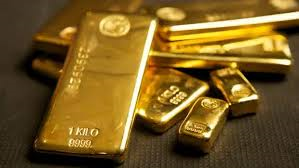
24K Gold Price Table in Congo (1g–1kg)
| Weight | Price (USD) | Price (Congolese Franc – CDF) |
| 1g | $140.00 | CDF 319,970 |
| 5g | $700.00 | CDF 1,599,850 |
| 10g | $1,400.00 | CDF 3,199,700 |
| 50g | $7,000.00 | CDF 15,998,500 |
| 100g | $14,000.00 | CDF 31,997,000 |
| 250g | $35,000.00 | CDF 79,992,500 |
| 500g | $70,000.00 | CDF 159,985,000 |
| 1kg | $140,000.00 | CDF 319,970,000 |
Gold Price by Purity in Congo
Gold prices in Congo (DRC) are closely linked to the international spot market, but the final value depends heavily on purity levels. Higher karat gold contains more pure gold content and therefore commands a higher price, while lower karat gold is mixed with other metals and priced accordingly. Below is a breakdown of how different purities are typically valued in the Congolese gold market.
24K Gold Price
24K gold is considered pure gold (99.9%) and is the highest quality available in the market. In Congo, its price closely follows the global spot rate with minimal variation, especially when traded through licensed exporters. Because it is the purest form, 24K gold is most preferred by investors, bullion buyers, and international traders.
22K Gold Price
22K gold contains approximately 91.6% pure gold, with a small percentage of alloy metals added for durability. In Congo, 22K gold is commonly used in jewelry and some investment-grade products. Its price is slightly lower than 24K gold, reflecting its reduced purity, but it still maintains strong value in both local and export markets.
18K Gold Price
18K gold contains about 75% pure gold and is more commonly used in jewelry manufacturing. In the Congolese market, it is significantly more affordable than higher-karat gold due to its higher alloy content. Buyers often choose 18K gold for decorative or commercial jewelry purposes rather than for investment.
14K Gold Price
14K gold contains approximately 58.5% pure gold and is one of the lower purity levels commonly traded in international markets. In Congo, it is primarily used for mass-market jewelry production. Its price is considerably lower than 18K, 22K, and 24K gold, making it a more accessible option for budget-conscious buyers but less attractive for investment purposes.
Gold Price in Major Cities of Congo
The calculation accounts for the current spot global price of $139.50 per gram (approx. $139,500 per kg). The variances in local pricing reflect regional supply logistics, mining proximity, transport security overheads, and localized dealer discounts for unrefined dore bars.
| City Hub | 24K Price (Per Gram) | 22K Price (Per Gram) | Est. Price Per Kilogram (24K) | Primary Market Type & Characteristics |
| Kinshasa | $139.50 | $127.80 | $139,500 | Official Bureau Rate: Highest price stability; mostly processed or certified bullion ready for official export clearance. |
| Goma | $132.50 | $121.40 | $132,500 | Regional Trading Hub: High volume of raw dore bars arriving from North Kivu mines. Trading includes built-in regional transport discounts. |
| Bukavu | $131.00 | $120.00 | $131,000 | Source-Proximity Rate: Very close to the South Kivu artisanal mining streams; higher prevalence of raw, unrefined gold transactions. |
| Lubumbashi | $138.00 | $126.40 | $138,000 | Industrial Mining Rate: Dominated by large-scale mining entities and formal commercial corporate exports. |
| Kisangani | $133.00 | $121.90 | $133,000 | Transit Node: Central sorting hub for Tshopo province artisanal operations. Prices reflect local middleman margins before moving to Kinshasa. |
Tip: Explain to your readers that while cities like Goma or Bukavu show slightly lower prices per gram due to proximity to artisanal mines, the cost of securing official export documentation, assaying, and armed transport back to Kinshasa’s international airport will generally bring the final investment cost back up to standard international rates.
Where to Buy Gold in Congo
Buying gold in the Democratic Republic of Congo (DRC) requires working through verified and legally recognized channels. Because gold is a highly regulated and high-value commodity, the safest transactions always involve licensed entities that can prove ownership, origin, and export authority.
Licensed Gold Dealers
Licensed gold dealers are individuals or companies officially authorized by the Congolese government to trade in precious metals. These dealers operate within the legal framework of mining and export laws and are required to maintain proper documentation for every transaction. Buying through licensed dealers reduces the risk of fraud and ensures that the gold has a traceable and verifiable source.
Gold Refineries
Gold refineries play a key role in processing raw gold into purified bullion. In Congo, refineries receive gold from mining areas and upgrade its purity to meet international standards. Purchasing through refineries is often considered safer because they typically issue assay certificates, refine gold to investment-grade quality, and maintain strict compliance with export requirements.
Mining Companies
Mining companies are one of the most direct sources of gold in Congo. These companies operate legally under government-issued mining licenses and produce gold from industrial or semi-industrial operations. Buying directly from mining companies can provide access to large quantities of gold, but transactions must be carefully structured with proper contracts, export documentation, and compliance verification.
Government Approved Exporters
Government-approved exporters are entities authorized to handle the final stage of the gold supply chain. They are responsible for preparing export permits, customs documentation, and shipment logistics. Working with approved exporters ensures that gold can legally leave the country and reach international buyers without legal or customs complications. These exporters are often the most reliable option for foreign investors seeking secure cross-border transactions.
Top Gold Mining Areas in Congo
The Democratic Republic of Congo (DRC) has several highly mineralized regions that contribute significantly to the country’s gold production. These areas are known for both artisanal and industrial mining activities, and they play a major role in supplying gold to local and international markets. Understanding these key mining zones helps buyers and investors identify sourcing regions and evaluate supply potential.
Ituri
Ituri Province is one of the most important gold-producing regions in the DRC. It is rich in alluvial and primary gold deposits, with mining activities concentrated in areas such as Mambasa and Djugu. Both artisanal miners and licensed operators are active here, making Ituri a major supply hub. However, due to its remote terrain and security challenges in certain zones, buyers must ensure strict verification and work only with licensed exporters.
South Kivu
South Kivu is another key gold mining region, particularly around areas such as Shabunda and Mwenga. The province has a long history of artisanal gold mining, and it contributes a significant share of the country’s small-scale production. Gold from South Kivu often enters regional trading networks before being consolidated for export. Proper documentation and traceability are essential when sourcing from this region.
North Kivu
North Kivu is known for its mineral-rich geology and active artisanal mining communities. Gold mining takes place in several territories, including Walikale and Lubero. While the region has strong production potential, it is also sensitive due to fluctuating security conditions. As a result, formalized trading channels and licensed exporters are essential to ensure legal and secure gold transactions.
Maniema
Maniema Province is a growing gold production area with both artisanal and semi-industrial mining operations. Locations such as Pangi and Kailo are known for their gold deposits. The region is gradually becoming more structured in terms of mining oversight, which may improve transparency and export capacity over time. Investors often view Maniema as a developing but promising gold sourcing area.
Haut-Uele
Haut-Uele is one of the most strategically important gold regions in northeastern Congo. It hosts several industrial mining projects and exploration activities, particularly around areas like Watsa and Durba. Compared to other provinces, Haut-Uele has more established mining infrastructure and attracts both local and international mining companies. This makes it a key region for large-scale and legally compliant gold production.
How to Buy Gold in Congo Safely
Buying gold in the Democratic Republic of Congo (DRC) can be highly profitable, but it also requires strict verification processes to avoid fraud, illegal trade, and financial loss. Safe purchasing depends on working only with licensed suppliers and confirming that every stage of the transaction is backed by valid government and export documentation.
Verify Export License
The first and most important step is to confirm that the seller holds a valid export license issued by the relevant Congolese mining authority. This license proves that the dealer is legally authorized to trade and export gold. Without it, any transaction is considered high risk and may involve illegal or untraceable gold. Buyers should always request a copy of the license and verify its authenticity with the issuing authority when possible.
Request Assay Report
An assay report is used to confirm the purity, weight, and composition of the gold. Buyers should always request a recent and independently issued assay certificate from a recognized laboratory. This helps ensure that the gold meets the agreed specifications and prevents cases where low-quality or counterfeit materials are presented as high-purity bullion.
Verify DGDA Documentation
The Directorate General of Customs and Excise (DGDA) in Congo plays a key role in regulating export goods, including gold. Buyers should ensure that all DGDA-related documents are valid and properly issued, as these confirm that the gold has been declared and approved for legal export. Proper DGDA documentation helps prevent customs issues and ensures compliance with national trade laws.
Verify Export Permit
The export permit is the official authorization that allows gold to leave the country legally. It is issued by government authorities after the gold has been inspected and approved. Buyers should carefully review the permit details, including the quantity, origin, and exporter information, to ensure they match the transaction. A missing or fake export permit is a major red flag in any gold deal.
Conduct Due Diligence
Comprehensive due diligence is essential before completing any gold purchase in Congo. This includes verifying the seller’s business registration, physical office location, past transaction history, and reputation in the market. Buyers should also confirm all documentation through official channels and, where possible, work with legal or compliance experts. Proper due diligence significantly reduces the risk of scams and ensures that the transaction is both legal and secure.
How to Export Gold from Congo
Exporting gold from the Democratic Republic of Congo (DRC) is a regulated process that requires strict compliance with mining laws, export controls, and customs procedures. Every stage of the export chain must be properly documented and approved by the relevant authorities to ensure the gold is legally sourced and cleared for international shipment.
Mining License
A mining license is the foundational legal requirement that authorizes a company or individual to extract gold in Congo. It confirms that the holder is legally recognized by the government to engage in mining activities within a specific concession or region. Without a valid mining license, any gold production is considered illegal, and the material cannot be approved for export. Licensed mining operations are subject to government oversight, reporting obligations, and environmental compliance standards.
Certificate of Origin
The certificate of origin is an official document that verifies where the gold was mined or sourced within the DRC. It is issued to confirm that the mineral originates from a legally recognized mining site and helps establish traceability in the supply chain. This document is essential for international buyers because it supports compliance with responsible sourcing requirements and helps prevent the trade of conflict or illegally mined gold.
Mineral Export Permit
The mineral export permit is one of the most important documents in the export process. It is issued by the relevant government authority and grants legal approval for the gold to leave the country. This permit confirms that the gold has been inspected, verified, and cleared for export under Congolese mining regulations. Without this permit, no gold shipment can be legally transported across borders.
Customs Clearance
Customs clearance is required to formally declare and process the gold shipment before it leaves the country. Customs officials review all supporting documents, including the export permit, invoice, and assay reports, to ensure compliance with national and international trade laws. Once approved, customs clearance allows the gold to proceed through official export channels without legal restrictions or delays.
Airport Export Procedures
Airport export procedures involve the physical inspection, security screening, and final verification of the gold shipment at the designated international airport. The gold is typically transported under secure conditions and must be accompanied by complete documentation. Airport authorities, in coordination with customs and mining officials, confirm that all export requirements have been met before the shipment is allowed to board an international flight. This final step ensures that the gold exits Congo legally and securely.
Gold Export Documents Required in Congo (DRC)
Exporting gold from the Democratic Republic of Congo requires several mandatory documents to ensure the shipment complies with mining, customs, and international trade regulations. Buyers and exporters should verify that all documentation is authentic and issued by the appropriate authorities before any gold is transported across international borders.
| Document | Required | Purpose |
| Export Permit | Yes | Authorizes the legal export of gold from the DRC and confirms compliance with applicable mining and export regulations. |
| Certificate of Origin | Yes | Confirms the country where the gold was mined or sourced, helping buyers verify the origin of the product. |
| Assay Certificate | Yes | Verifies the purity, weight, and composition of the gold through laboratory testing and inspection. |
| Commercial Invoice | Yes | Provides transaction details, including the seller, buyer, quantity of gold, unit price, and total shipment value. |
| Packing List | Yes | Lists the contents of the shipment, including package details, weights, and descriptions for customs and logistics purposes. |
| Customs Declaration | Yes | Required by customs authorities to declare the gold shipment and facilitate legal cross-border movement. |
Why These Documents Matter
Gold is a high-value commodity subject to strict regulations in most countries. Proper documentation helps demonstrate that the gold was legally sourced, accurately valued, and approved for export. Missing or fraudulent documents can result in shipment delays, customs seizures, financial losses, or legal penalties.
Verifying Export Documentation
Before completing a gold transaction, buyers should independently verify all export documents with the relevant authorities, assay laboratories, customs agencies, and licensed exporters. Authentic documentation not only protects buyers from fraud but also helps ensure compliance with international anti-money laundering (AML) and responsible sourcing requirements.
Best Practice for International Buyers
Professional gold buyers typically review the complete export file before releasing payment. This file should include the export permit, certificate of origin, assay report, commercial invoice, packing list, and customs clearance documents. Working with licensed exporters and experienced legal or compliance professionals can help ensure that all documentation meets both Congolese and destination-country requirements.
Congo Gold Price Compared to Other African Countries
As of 2026, gold prices across Africa generally track the international spot market, with minor variations caused by exchange rates, taxes, refining costs, transportation expenses, and local market conditions. While many buyers search for “cheap Congo gold,” legitimate gold transactions ultimately align closely with global gold prices. Understanding how Congo compares to other major African gold markets can help investors and traders make informed purchasing decisions.
| Country | Local Currency (1g) | USD Equivalent (Per Gram) | Market Characteristics |
| Congo (DRC) | CDF 390,500 | $139.00 | Major gold-producing nation with significant artisanal and industrial mining activities. Gold is frequently traded as dore bars before refining. |
| Uganda | UGX 524,000 | $139.50 | Regional refining and export hub with strong connections to international bullion markets. |
| Tanzania | TZS 367,000 | $139.30 | Well-regulated gold sector supported by government mineral trading centers and licensed exporters. |
| Kenya | KES 18,100 | $139.50 | Active gold trading market with established logistics and export infrastructure serving East Africa. |
| Ghana | GHS 2,110 | $139.20 | Africa’s leading gold producer with a mature mining industry and strong international investment presence. |
| South Africa | ZAR 2,620 | $139.10 | Highly developed mining sector with sophisticated refining facilities and institutional bullion trading. |
Why Congo Attracts International Gold Buyers
Despite similar global pricing, Congo continues to attract buyers due to its large gold reserves, extensive mining activity, and access to raw gold sourced directly from mining regions. Many investors and wholesalers seek Congolese gold because of the country’s significant production potential and opportunities to establish long-term supply relationships with licensed exporters.
Understanding the “Cheap Congo Gold” Myth
A common misconception is that gold from Congo can be purchased at dramatically lower prices than the international market. In reality, legitimate gold prices are closely linked to global spot rates. While wholesale transactions may include negotiated discounts for large volumes, any offer significantly below the prevailing international gold price should be treated with caution. Extremely low prices are often associated with scams, counterfeit products, or sellers lacking legal authority to trade gold.
Factors That Influence Gold Prices Across Africa
Several factors can cause slight differences in gold prices between African countries:
- Exchange rate fluctuations against the US dollar.
- Refining and assay costs.
- Local taxes and government fees.
- Transportation and logistics expenses.
- Supply chain efficiency.
- Market demand and liquidity.
What Buyers Should Consider
When comparing gold prices between Congo, Uganda, Tanzania, Kenya, Ghana, and South Africa, the focus should not only be on price but also on supplier credibility, legal compliance, assay verification, and export documentation. Working with licensed gold dealers and conducting thorough due diligence remains the most effective way to protect investments and ensure successful transactions.
Best Gold Dealers in Congo (DRC)
Important: Before purchasing gold in Congo, always verify a dealer’s business registration, export licenses, assay documentation, and compliance with applicable Congolese mining and export regulations.
| Gold Dealer | Location | Main Services | Best For |
| Gold Buyers Africa | Africa-Wide Operations | Gold bars, gold nuggets, wholesale gold supply, export assistance, sourcing from licensed suppliers | International buyers seeking African gold sourcing |
| Gold Prices in Africa | Africa-Wide Network | Gold price information, market insights, buyer connections, gold investment guidance | Investors and buyers researching African gold markets |
| Kenya Gold Bars Limited | East Africa Operations | Gold trading, sourcing assistance, export coordination, wholesale gold transactions | Regional and international gold buyers |
| Licensed Local Exporters (DRC) | Kinshasa, Bukavu, Goma, Bunia | Gold export services, documentation, customs compliance, logistics support | Buyers seeking direct Congolese gold exports |
| Licensed Mining Companies | Ituri Province | Gold production, bulk gold sales, and mining partnerships | Large-scale investors and institutional buyers |
| Registered Precious Metals Traders | Kinshasa | Gold trading, procurement services, transaction facilitation | Commercial gold traders |
| Authorized Gold Refiners | Major Mining Regions | Gold refining, assay verification, purity certification | Buyers requiring refined gold products |
| Export-Approved Gold Dealers | DRC Mining Centers | Gold sourcing, export permits, international shipment coordination | Overseas gold importers |
How to Choose a Gold Dealer in Congo
| Verification Step | Why It Matters |
| Verify Export License | Confirms legal authority to export gold |
| Check Business Registration | Ensures the company legally exists |
| Request Assay Reports | Verifies gold purity and quality |
| Review Export History | Demonstrates trading experience |
| Conduct Due Diligence | Reduces fraud and transaction risks |
| Use Legal Contracts | Protects both buyer and seller |
| Verify Tax Compliance | Confirms adherence to local regulations |
| Confirm Physical Office | Helps avoid ghost suppliers |
What Buyers Should Look For
When selecting a gold dealer in Congo, prioritize companies that provide transparent documentation, independent assay certificates, clear pricing structures, and verifiable export records. Reputable dealers should be able to demonstrate compliance with Congolese mining laws and provide supporting documentation for every transaction. Working with licensed exporters and conducting independent verification can significantly reduce risks when purchasing gold from the DRC.
Gold Investment Opportunities in Congo (DRC)
The Democratic Republic of Congo (DRC) is home to some of Africa’s largest untapped mineral resources, making it an attractive destination for gold investors. With significant gold reserves, expanding mining activities, and growing international demand for precious metals, Congo offers several opportunities for individuals, companies, and institutions seeking exposure to the gold sector.
Investing in Physical Gold
One of the most common investment opportunities in Congo is the purchase of physical gold, including gold bars, gold nuggets, and refined bullion. Investors often acquire gold through licensed dealers, mining companies, or authorized exporters. Physical gold is widely regarded as a hedge against inflation, currency fluctuations, and economic uncertainty, making it a popular long-term investment asset.
Gold Trading and Export Business
Entrepreneurs and international buyers can participate in the Congolese gold trade by sourcing gold from licensed suppliers and exporting it to global markets. Countries in Europe, Asia, the Middle East, and North America continue to import gold for investment, jewelry manufacturing, and industrial use. Investors who understand local regulations and establish partnerships with reputable suppliers may find opportunities within the gold export sector.
Mining Partnerships and Joint Ventures
The DRC’s gold-rich regions continue to attract local and international mining companies seeking exploration and development opportunities. Investors may participate through joint ventures, strategic partnerships, or direct investments in mining operations. These arrangements can provide access to production revenues while supporting the development of new mining projects.
Gold Refining and Value Addition
As the Congolese mining sector develops, opportunities are emerging in gold refining, processing, and value-added services. Investors interested in downstream activities may explore projects related to refining facilities, assay laboratories, secure logistics, and precious metals trading infrastructure. These businesses play a critical role in strengthening the country’s formal gold supply chain.
Exploration and Resource Development
Large areas of Congo remain underexplored despite significant geological potential. Mining companies and investors often finance exploration programs to identify new gold deposits and assess their commercial viability. Successful discoveries can create substantial long-term value through future mining and production activities.
Supporting Services for the Gold Industry
Beyond mining and trading, there are investment opportunities in sectors that support the gold industry. These include transportation, security services, equipment supply, geological consulting, environmental management, compliance services, and mineral testing laboratories. As gold production grows, demand for these supporting services is likely to increase.
Factors Investors Should Consider
Before investing in Congo’s gold sector, it is important to conduct thorough due diligence. Investors should verify licenses, understand applicable mining and export regulations, assess project risks, and seek professional legal and financial advice where appropriate. Working with licensed operators and maintaining compliance with both Congolese and international regulations can help reduce risks and improve investment outcomes.
Long-Term Outlook
The long-term outlook for gold investment in Congo remains promising due to the country’s extensive gold reserves, growing mining sector, and continued global demand for precious metals. As infrastructure, transparency, and regulatory frameworks continue to develop, Congo is expected to remain an important destination for gold-related investment opportunities in Africa.
Gold Market Forecast in Congo (DRC) 2026–2030
The Democratic Republic of Congo (DRC) is expected to remain one of Africa’s most important gold-producing nations between 2026 and 2030. Rising global demand for gold, increased investment in mining projects, and efforts to formalize the artisanal mining sector are likely to shape the country’s gold industry over the next five years.
2026: Strong Demand Supports Gold Trade
In 2026, global economic uncertainty, inflation concerns, and central bank gold purchases are expected to keep demand for physical gold strong. Congolese gold producers and licensed exporters may benefit from higher international prices and growing interest from buyers in the Middle East, Asia, Europe, and North America.
2027: Expansion of Formal Mining Operations
The DRC government is expected to continue encouraging legal mining activities and improving oversight of the gold sector. More mining companies may invest in exploration and production projects, potentially increasing officially reported gold output and strengthening export revenues.
2028: Improved Traceability and Compliance
International buyers are increasingly demanding responsibly sourced and traceable gold. By 2028, more Congolese exporters and mining operators may adopt enhanced compliance standards, supply chain verification systems, and third-party audits to meet global market requirements. This could improve buyer confidence and expand access to premium international markets.
2029: Increased Foreign Investment
As global demand for precious metals grows, Congo’s extensive mineral resources may attract additional foreign investment. New exploration projects, mining partnerships, and infrastructure improvements could help boost production capacity and create more opportunities for legal gold exports.
2030: Long-Term Growth Potential
By 2030, the DRC is expected to remain a strategic player in Africa’s gold industry. Continued investment in mining technology, regulatory reforms, and export infrastructure could strengthen the country’s position as a major gold supplier. However, future growth will depend on maintaining stable regulations, improving transparency, and supporting responsible mining practices.
Key Factors Influencing Congo’s Gold Market (2026–2030)
| Factor | Expected Impact |
| Global Gold Prices | Higher prices may encourage increased mining and exports |
| Government Regulations | Stronger compliance can improve international buyer confidence |
| Foreign Investment | New projects may expand production capacity |
| Export Infrastructure | Better logistics can support international trade |
| Responsible Sourcing Requirements | Greater traceability may open access to premium markets |
| Global Economic Conditions | Economic uncertainty often increases demand for gold |
Key Gold Market Forecasting Factors in Congo (2026–2030)
| Critical Forecasting Factor | Projected Structural Impact (2026–2030) |
| Global Bullion Demand | Continued inflation pressure, geopolitical uncertainty, and central bank gold accumulation are expected to sustain strong global demand, reinforcing gold’s role as a long-term reserve asset. |
| Government Formalization | Strengthening of regulatory systems, including DGDA traceability and export monitoring, is likely to reduce informal trading channels and improve transparency across the supply chain. |
| Refining Infrastructure | Expansion of regional refining capacity is expected to increase domestic value addition, reduce raw exports, and create more structured downstream investment opportunities in Congo’s gold sector. |
Outlook for Gold Buyers and Investors
The outlook for Congo’s gold market between 2026 and 2030 remains positive due to the country’s vast mineral resources and growing role in the global gold supply chain. Buyers who work with licensed exporters, conduct proper due diligence, and comply with international regulations are likely to find continued opportunities in the Congolese gold market as demand for physical gold remains strong worldwide.
Common Gold Scams in Congo
The Democratic Republic of Congo (DRC) is one of Africa’s leading gold-producing countries, attracting buyers, investors, and traders from around the world. However, the gold sector also faces challenges from fraudulent operators who target inexperienced buyers. Understanding the most common gold scams in Congo can help you protect your investment, avoid financial losses, and conduct transactions with legitimate suppliers.
Fake Export Permits
One of the most common scams involves counterfeit export permits and government documents. Fraudsters often create fake certificates that appear to be issued by mining authorities, customs agencies, or export regulators. These documents are designed to convince buyers that the gold is legally approved for export when, in reality, no authorization exists. Before purchasing gold from Congo, buyers should independently verify all permits with the relevant government agencies and ensure that the exporter holds valid licenses required under Congolese mining laws.
Fake Assay Reports
Assay reports are used to confirm the purity and composition of gold. Scammers frequently provide forged laboratory reports that claim unrealistically high purity levels to inflate the perceived value of their products. In many cases, the actual gold may contain lower purity levels or may not be gold at all. To reduce risk, buyers should insist on testing the gold through a recognized and independent laboratory before making any payment or signing a purchase agreement.
Unrealistic Discounts
Gold is traded based on international market prices, and legitimate suppliers generally sell close to prevailing spot market rates. Fraudsters often attract buyers by advertising gold at extremely low prices or offering discounts that appear too good to be true. These offers are commonly used to lure victims into sending deposits or advance payments. If a supplier claims to sell gold significantly below global market value without a credible explanation, buyers should treat the offer as a major warning sign and conduct extensive due diligence.
Ghost Suppliers
Ghost suppliers are individuals or companies that claim to have access to large quantities of gold but do not actually possess any inventory or legal authority to sell it. They often use professional websites, forged company registration documents, and fake office addresses to appear legitimate. Once they receive funds from buyers, they disappear and become impossible to contact. Verifying the supplier’s physical presence, mining licenses, export history, and business registration records is essential before entering into any transaction.
Advance Fee Fraud
Advance fee fraud is among the most widespread scams in the international gold trade. In this scheme, scammers request upfront payments for taxes, transportation, customs clearance, insurance, export permits, security fees, or other administrative expenses. After receiving the money, they continue inventing additional charges or disappear entirely. Reputable gold suppliers typically provide transparent documentation and clearly defined payment structures. Buyers should be cautious about sending funds before independently verifying the gold, the seller, and all supporting documentation.
Common Secondary Market Scams in the DRC
- Fake Assay Papers: Fraudulent sellers presenting doctored laboratory reports generated out of private offices instead of accredited government-approved facilities.
- The Airport Customs Trap: Scammers claiming your bullion has been unexpectedly seized or held at international exit points like N’djili Airport, demanding immediate secondary cash infusions for clearance.
- Unrealistic Discounts: Offers running 20% to 30% below global LBMA spot rates under the guise of “artisanal distress sales”—legitimate gold always retains global commodity liquidity.
How to Buy Gold in Congo Safely: Risk vs Safe Practice Comparison
Buying gold in Congo (DRC) requires strict verification because fraudulent operators often use professional-looking documents and convincing sales tactics. The table below highlights the most common high-risk traps and how legitimate transactions should actually look.
| Area of Risk | Dangerous Red Flag (Avoid) | Safe Practice (What Legit Buyers Do) |
| Export License | Seller refuses to show license or provides blurry/uncertified copies | Verified, government-issued mining/export license is provided and cross-checked with authorities |
| Assay Report | Fake lab reports, no lab name, or unusually high purity claims (e.g., 99.99% from raw gold) | Independent assay from a recognized laboratory with a verifiable serial number and test method |
| Pricing Offers | Prices far below global spot rate (e.g., “discounted Congo gold deals”) | Pricing closely follows the international spot price with transparent margins and documented fees |
| Supplier Identity | “Ghost companies” with no physical office, no traceable registration, or only a WhatsApp contact | Registered company with physical office, verifiable business registration, and traceable ownership |
| Advance Payments | Requests for upfront fees (tax, clearance, shipping, security) before showing gold | Payment only after verification, inspection, and a signed legal agreement with clear milestones |
| Export Documents (DGDA) | Missing or fake customs paperwork; inconsistent exporter details | Full DGDA customs clearance with matching export permit, invoice, and shipment details |
| Gold Inspection | Refusal to allow physical inspection or third-party testing | The buyer is allowed to inspect the gold or use an independent verifier before final payment |
| Transaction Method | Pressure to use informal cash deals or untraceable transfers | Structured transaction using legal contracts, banking channels, and escrow where possible |
Note. In the Congo gold market, fraud rarely comes from obvious scams it usually comes from convincing documentation paired with unrealistic pricing or rushed payment pressure. Any offer that bypasses verification steps, especially assay testing or export documentation review, should be treated as high-risk regardless of how professional it appears.
Why Buy Gold from Congo?
Rich Gold Resources and High Production
The Democratic Republic of Congo (DRC) is one of Africa’s most mineral-rich countries and possesses significant gold reserves. Major gold-producing regions such as Ituri, South Kivu, and Haut-Uélé contribute substantial quantities of gold to both regional and international markets. This strong production capacity creates opportunities for buyers seeking reliable access to gold sourced directly from mining areas.
Competitive Gold Pricing
Many international buyers consider Congo because gold can often be sourced at competitive prices compared to some other global markets. Purchasing through licensed suppliers and authorized exporters may provide access to favorable wholesale rates, particularly for large-volume transactions. Buyers should always compare offers against current international spot prices and ensure that all pricing structures are transparent and properly documented.
Growing Export Infrastructure
The Congolese gold sector has continued to develop its regulatory and export framework in recent years. Licensed exporters, refineries, logistics providers, and government authorities work together to facilitate legal gold exports to destinations across Europe, Asia, the Middle East, and North America. This growing infrastructure makes it easier for qualified buyers to source and transport gold through legitimate channels.
Strong Investment Demand and Market Potential
Gold remains one of the world’s most trusted stores of value, and Congo’s position as a major African producer attracts investors, traders, refiners, and jewelry manufacturers. Buyers seeking long-term supply relationships often look to Congo because of its large resource base and ongoing mining development. When purchased through compliant and licensed suppliers, Congolese gold can form part of a diversified investment or commercial sourcing strategy.
Frequently Asked Questions (FAQs) – Buying Gold in Congo
-
Is it legal to buy gold in Congo as a foreigner?
Yes, foreign buyers can legally purchase gold in the Democratic Republic of Congo (DRC) if they work with licensed and government-approved mineral traders. The gold must be properly documented and exported through official channels, including Ministry of Mines approval and DGDA customs clearance.
-
What documents are required to export gold from Congo?
To export gold legally, you need an export permit, certificate of origin, assay certificate confirming purity, commercial invoice, packing list, and DGDA customs declaration. All documents must match the physical gold shipment exactly to avoid delays or seizure.
-
How can I tell if a gold dealer in Congo is real?
A legitimate dealer should have a valid mining or trading license, a registered company name, a physical office address, and verifiable export records. You should also be able to confirm their documents through official government channels or recognized industry contacts.
-
What is the safest way to buy gold in Congo?
The safest method is to only deal with licensed exporters, verify all documents before payment, request independent assay testing, and use formal contracts. Avoid cash deals or transactions without paperwork, as these carry high fraud risk.
-
Why is gold sometimes offered cheaper in Congo?
Lower prices often come from informal artisanal mining markets or unregulated sellers. However, real export-grade gold is still tied to global spot prices. Extremely low prices are usually a warning sign of scams or non-existent gold.
-
What are the most common gold scams in Congo?
Common scams include fake export permits, forged assay reports, ghost suppliers with no real office, unrealistic discounts far below market price, and advance fee fraud where sellers request money for taxes or shipping before showing the gold.
-
Can I buy gold directly from miners in Congo?
In most cases, no. Direct buying from artisanal miners is risky and often illegal for export purposes. Gold must go through licensed traders or exporters who can legally process documentation and handle international shipment.
-
What role does DGDA play in gold exports?
DGDA (Customs and Excise Authority) verifies and approves all export shipments. It ensures that the gold is properly declared, documented, and compliant with customs regulations before it is allowed to leave the country.