
Buy Gold in Conakry | Licensed 24K & 22K Gold Bars (Insured Delivery)
If you’re looking to buy gold in Conakry, Guinea, the safest option is to purchase from verified and licensed gold suppliers who provide certified 24K and 22K gold bars, transparent pricing, recognized purity testing, and the documentation required for legal domestic sales and international exports. Whether you’re an investor, bullion trader, jeweler, or first-time buyer, working with reputable suppliers helps ensure you receive genuine investment-grade gold while reducing the risks associated with unverified sellers and fraudulent transactions.
Guinea is one of Africa’s leading gold-producing countries, making Conakry an important commercial hub for buying, trading, and exporting gold. The country’s gold industry is supported by production from well-known mining regions such as Siguiri, Kouroussa, Mandiana, Dinguiraye, and Kankan, supplying both domestic and international markets. Buyers can source high-purity 99.9% (24K) gold bars, 22K bullion, gold dore bars, and other investment-grade precious metals through legitimate supply chains that comply with Guinea’s mining and export regulations.
At Gold Buyers Africa, we connect buyers with a network of verified suppliers across Guinea and other major African gold-producing countries. We help clients compare live gold prices, understand current market conditions, verify gold purity using internationally recognized testing methods such as XRF analysis and fire assay, and navigate documentation, export procedures, customs requirements, and secure international delivery. Our goal is to make purchasing gold from Guinea more transparent, compliant, and efficient for buyers worldwide.
Whether you are purchasing 1 kilogram of gold, sourcing bullion for your business, or making your first precious metals investment, this guide explains where to buy genuine gold in Conakry, today’s gold prices, how to verify purity, export regulations, customs requirements, common scams to avoid, and the step-by-step process for buying and receiving gold safely. By following these best practices and conducting proper due diligence, you can buy gold in Guinea with greater confidence and make informed investment decisions.
Ready to Buy Gold in Conakry?
Partner with Gold Dealers Africa for secure, transparent, and reliable gold purchases in Guinea. We connect buyers with verified suppliers offering certified 24K and 22K gold bars, competitive pricing, assay-verified purity, and fully insured international delivery. Whether you’re an investor, wholesaler, jeweler, or first-time buyer, our team is here to guide you through every step of the purchasing and export process.
Contact Gold Dealers Africa today to request a quote, verify available inventory, and buy gold in Conakry with confidence from trusted and licensed gold dealers.
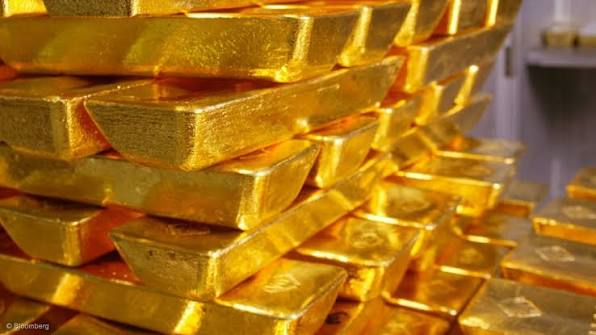
Why Buy Gold in Conakry, Guinea?
1. Access to One of West Africa’s Leading Gold-Producing Countries
Guinea is one of Africa’s major gold producers, with significant mining activity in regions such as Siguiri, Kouroussa, Mandiana, Dinguiraye, and Kankan. Buying gold in Conakry gives investors and commercial buyers access to a well-established supply chain that serves both domestic and international bullion markets.
2. Competitive Prices Close to the Source
Because Guinea is a gold-producing country, qualified buyers may have access to competitive pricing through licensed dealers and exporters. Purchasing closer to the source can reduce supply chain markups compared with buying through multiple intermediaries. Buyers should compare quotations and consider the total landed cost, including documentation, shipping, insurance, and applicable taxes or duties.
3. Wide Selection of Investment-Grade Gold
Conakry offers access to a variety of gold products, including 99.9% pure (24K) gold bars, 22K bullion, gold dore bars, gold coins, and other precious metals. Whether you are a private investor, jeweler, or wholesale bullion trader, you can source products in different weights and quantities to match your investment or commercial objectives.
4. Strong Export Potential for International Buyers
Conakry is Guinea’s principal commercial and logistics hub, making it an important location for international gold trade. Licensed suppliers can assist buyers with commercial documentation, export procedures, and secure shipping arrangements where applicable. By purchasing through reputable suppliers and complying with Guinea’s export regulations and the import requirements of the destination country, international buyers can acquire investment-grade gold with greater confidence.
Where to Buy Genuine Gold in Conakry
The safest way to buy genuine gold in Conakry is through verified suppliers that provide transparent pricing, recognized purity testing, and complete transaction documentation. The table below outlines the most common sources of gold and what buyers should verify before making a purchase.
| Where to Buy Gold | What You’ll Find | Best For | Why Choose This Option / What to Verify |
| Gold dealers Africa | Verified 24K & 22K gold bars, dore bars, supplier verification, export guidance | International buyers, investors, jewelers | Access to vetted suppliers, transparency, purity verification guidance, documentation support, and secure delivery coordination |
| Licensed Gold Dealers | Investment-grade gold bars, bullion, and certified precious metals | Retail and institutional investors | Verify business registration, assay certificates, invoices, and transparent pricing |
| Licensed Gold Exporters | Wholesale gold bars, dore bars, and commercial quantities | Importers, wholesalers, and bullion traders | Confirm export authorization, commercial documentation, and compliance with applicable regulations |
| Gold Refineries & Precious Metals Processors | Refined bullion with high purity standards | Commercial buyers and long-term investors | Review refinery credentials, purity reports, and bar serial numbers where applicable |
| Mining Companies & Licensed Mining Cooperatives | Gold dore bars, raw gold, and bulk production | Commercial buyers and refiners | Verify the legal authority to sell, product origin, ownership records, and independent assay results |
| Precious Metals Brokers | Access to multiple gold suppliers and negotiated quotations | Buyers comparing suppliers | Evaluate the broker’s reputation, supplier verification process, and written transaction terms |
| Jewelry Stores | Gold jewelry, coins, and small investment bars | Retail buyers and tourists | Check the gold karat, making charges, receipt, and buy-back policy |
| Online Gold Trading Platforms | Listings from various dealers and exporters | Buyers conducting market research | Verify the seller’s identity, request supporting documentation, and never rely solely on online listings before making payment |
Buyer Tip: When purchasing gold in Conakry, always request an independent purity test (such as XRF analysis or a fire assay for high-value purchases), compare quotations from multiple reputable suppliers, and ensure the seller provides complete commercial and export documentation where applicable. Conducting thorough due diligence is one of the best ways to reduce risk and purchase genuine investment-grade gold.
Gold Prices in Conakry Today (August 30, 2026)
Gold prices in Conakry are based primarily on the international spot gold market and the prevailing exchange rate between the US dollar and the Guinean Franc (GNF). While global bullion prices establish the benchmark value, the final amount paid by buyers may vary depending on the gold’s purity, dealer premiums, refining costs, transaction size, and local market conditions.
| Karat / Purity | Price per Gram (GNF) | Price per Gram (USD) |
| 24K (.999) | 1,296,900 GNF | $143.23 |
| 22K (.916) | 1,187,900 GNF | $131.20 |
| 21K (.875) | 1,134,200 GNF | $125.33 |
| 18K (.750) | 972,100 GNF | $107.42 |
| 14K (.585) | 758,100 GNF | $83.79 |
Currency: Guinean Franc (GNF) & US Dollar (USD)
Note: These prices are indicative and reflect international market conditions. Actual buying and selling prices may differ depending on the dealer, gold product (bars, coins, dore bars, or jewelry), quantity purchased, premiums, taxes, and other applicable charges.
What Affects Gold Prices in Conakry?
Several factors influence the final price of gold in Conakry. The most significant is the international spot gold price, which changes continuously during global trading hours. Exchange rate movements between the US dollar and the Guinean Franc also affect local prices. In addition, dealer premiums, refining and assay costs, transportation expenses, insurance, and supply and demand within Guinea’s domestic gold market can all influence the final purchase price.
Wholesale vs. Retail Gold Prices
Commercial buyers purchasing larger quantities of gold may be offered different pricing structures than retail investors purchasing a single bar. Wholesale transactions involving licensed suppliers are often negotiated individually, while retail bullion products typically include additional premiums to cover refining, handling, and distribution costs. Before purchasing, request a written quotation showing the gold price and all associated fees so you can accurately compare offers from different suppliers.
Gold Types to Buy in Conakry, Guinea
The table below compares the most common types of gold available in Conakry, helping investors, jewelers, and commercial buyers choose the product that best suits their needs.
| Gold Type | Purity | Common Forms | Best For | Key Benefits |
| 24K Gold Bars | 99.9% (999 Fine) | 100g, 250g, 500g, 1kg and larger bullion bars | Investors, bullion traders, institutions | Highest purity, strong global recognition, excellent long-term investment |
| 22K Gold Bars | 91.6% Pure Gold | Investment bars and commercial bullion | Investors seeking lower premiums | High gold content with competitive pricing |
| Gold Dore Bars | Typically 80–95% (varies by producer) | Semi-refined bars from mines | Licensed refiners and commercial buyers | Suitable for refining into investment-grade bullion |
| Raw Gold Nuggets | Varies naturally | Natural gold nuggets | Collectors, refiners, investors | Unique natural form with collector appeal |
| Gold Dust | Varies | Fine gold particles | Licensed refiners and industrial buyers | Commonly sourced from artisanal mining; requires purity verification |
| Gold Coins | Usually 22K or 24K | Investment and commemorative coins | Retail investors and collectors | Easy to trade, store, and diversify a portfolio |
| Cast Gold Bars | Usually 99.9% | Larger cast bullion bars | Institutional and wholesale buyers | Lower manufacturing premiums on larger bars |
| Minted Gold Bars | Usually 99.9% | Individually minted and sealed bars | Retail investors and gift buyers | Attractive finish, serial numbers, often supplied with assay certificates |
| LBMA-Standard Gold Bars | 99.5%+ (depending on specification) | International bullion bars | Banks, institutional investors, global traders | Widely recognized in international bullion markets* |
| Gold Jewelry | 18K, 21K, or 22K | Rings, necklaces, bracelets, earrings | Personal use and gifts | Combines investment value with craftsmanship |
Buyer Tip: For investment purposes, 24K (99.9%) gold bars are generally the preferred choice because they offer the highest purity and broad international recognition. Before purchasing any gold in Conakry, verify the purity through XRF analysis or fire assay, request an invoice and any available assay certificate, and ensure the seller can provide the appropriate commercial and export documentation where applicable.
NOTE. Recognition in international markets depends on the manufacturer, refiner, and product specifications. Not all bars are LBMA-accredited simply because they meet a purity level.
Payment Methods Accepted
When purchasing gold in Conakry, Guinea, the available payment methods depend on the supplier, the transaction value, and the applicable legal and regulatory requirements. Reputable dealers generally use secure, traceable payment methods and provide written invoices and transaction records. Before sending funds, buyers should verify the supplier’s identity, confirm the payment instructions, and ensure all transaction terms are documented in writing.
| Payment Method | Best For | Advantages | Important Considerations |
| Bank Transfer | Domestic and international buyers | Secure, widely accepted, traceable | Verify bank account details carefully and retain proof of payment. |
| SWIFT International Transfer | Cross-border commercial transactions | Fast, globally recognized, suitable for high-value purchases | Confirm the beneficiary details, applicable bank charges, and exchange rates before transferring funds. |
| Letter of Credit (LC) | Large commercial and wholesale orders | Offers additional protection for buyers and sellers when issued through a financial institution | Commonly used for international trade; terms should be reviewed carefully by all parties. |
| Escrow Services | High-value transactions between parties without an established relationship | Funds are released only after agreed conditions are met | Use only reputable and independent escrow providers, and review all terms before proceeding. |
| Cash (Where Legally Permitted) | Local retail purchases and small transactions | Immediate settlement without banking delays | Availability depends on local laws and the seller’s policies. Buyers should obtain a detailed receipt and comply with any applicable reporting or cash transaction regulations. |
| Cryptocurrency (If Accepted) | Some international buyers and individual dealers | Fast international transfers and alternative payment option | Acceptance varies by dealer. Buyers should confirm that the transaction complies with applicable laws and understand the risks associated with cryptocurrency payments, including price volatility and limited recourse in the event of disputes. |
Choosing the Right Payment Method
For most international buyers, bank transfers and SWIFT payments remain the most widely used methods because they create a clear financial record and are accepted by many legitimate precious metals dealers. For large commercial purchases, a Letter of Credit (LC) can provide additional security by setting agreed conditions that must be satisfied before payment is released. Where available, an independent escrow service can also help reduce risk by holding funds until both parties have fulfilled the agreed contractual obligations.
Regardless of the payment method you choose, never send money to an unverified individual or business without first confirming the supplier’s identity, reviewing the transaction documentation, and verifying the gold through appropriate due diligence. Always request a commercial invoice, retain proof of payment, and keep all transaction records for future reference.
How We Source Our Gold — Mine-Direct from Guinea & Neighboring Countries
At Gold Buyers Africa, we work with a network of licensed miners, mining cooperatives, authorized exporters, refiners, and precious metals suppliers across Guinea and other leading gold-producing countries in Africa. Our sourcing approach is built on transparency, supplier verification, and regulatory compliance, helping buyers access investment-grade gold through legitimate supply chains rather than unknown intermediaries.
Guinea is one of West Africa’s most important gold-producing countries, with significant mining activity in regions such as Siguiri, Kouroussa, Mandiana, Dinguiraye, and Kankan. These areas host both large-scale industrial mining operations and licensed artisanal mining, contributing substantially to the country’s annual gold production. By maintaining relationships with suppliers operating in these established mining regions, we help clients identify opportunities to source high-purity gold through reputable channels.
Our sourcing network also extends beyond Guinea to other major African gold-producing countries, including Uganda, Tanzania, the Democratic Republic of the Congo (DRC), Ghana, Mali, Côte d’Ivoire, Burkina Faso, Kenya, and Sierra Leone. This regional presence enables us to connect buyers with a wider selection of 24K gold bars, 22K gold bars, gold dore bars, raw gold, and gold nuggets, depending on availability and the buyer’s investment or commercial requirements.
Before introducing a supplier to a client, we encourage verification of the supplier’s business credentials, licensing status, and ability to provide the documentation required for domestic sales and international exports. Buyers should also verify the gold’s purity using recognized testing methods such as X-ray fluorescence (XRF) analysis or fire assay, particularly for high-value transactions.
Working with suppliers located closer to producing regions can provide buyers with broader product availability, competitive pricing, and improved supply chain visibility. However, every transaction should be supported by appropriate commercial documentation, transparent pricing, and compliance with the applicable laws governing the sale and export of gold.
Beyond sourcing, Gold Buyers Africa assists clients throughout the purchasing process by providing guidance on supplier verification, current gold prices, purity testing, documentation, export procedures, and secure international logistics. Our goal is to help buyers source gold from Guinea and across Africa with greater confidence through transparent, well-documented, and legally compliant transactions.
Certification & Purity — How to Verify Your Gold Is Real
Verifying the authenticity and purity of gold is one of the most important steps before making any purchase. Whether you are buying a single investment-grade gold bar or a larger commercial shipment, you should never rely solely on a seller’s claims. Reputable gold suppliers should be able to provide supporting documentation and allow independent verification of the gold’s purity before the transaction is finalized.
Investment-grade gold bars are commonly refined to 99.9% purity (999 fine or 24K), while 22K gold contains approximately 91.6% pure gold. The purity of each bar should be confirmed using recognized testing methods such as X-ray fluorescence (XRF) analysis or fire assay, the internationally recognized laboratory standard for precious metals analysis. These methods accurately determine the gold content and help buyers verify that the bullion matches the agreed specifications.
Many professionally manufactured bullion bars are accompanied by an assay certificate issued by the refiner or manufacturer. An assay certificate typically includes the refiner’s name, the bar’s weight, purity, unique serial number (where applicable), and the results of the purity testing. Buyers should ensure that the information on the certificate matches the markings on the physical gold bar and inspect any sealed packaging for signs of tampering.
When purchasing gold in Conakry or elsewhere in Guinea, buyers should also verify that the seller can provide the appropriate commercial documentation and, where applicable, the documentation required for lawful export. Purchasing from reputable suppliers who are transparent about product origin and transaction records helps reduce risk and supports a smoother buying process.
In addition to reviewing certificates, buyers should request a detailed commercial invoice, proof of the seller’s business credentials where appropriate, and any export or ownership documentation relevant to the transaction. For higher-value purchases, arranging an independent inspection or third-party assay before releasing final payment provides an additional layer of protection and helps minimize the risk of fraud.
At Gold Buyers Africa, we encourage every client to verify gold through internationally recognized testing methods and purchase only from suppliers who are transparent about purity, documentation, and transaction procedures. Conducting thorough due diligence and obtaining independent verification where appropriate gives buyers greater confidence that the gold they receive is genuine, accurately represented, and suitable for investment.
Best Gold Dealers in Conakry, Guinea
The table below compares the types of reputable gold suppliers and dealers commonly available in Conakry. Before purchasing, always verify the dealer’s credentials, request independent purity testing where appropriate, and ensure all applicable documentation is provided.
| Company / Dealer Type | Products | Purity | Export Support | Verification | Contact Availability |
| Gold Dealers Africa | 24K & 22K gold bars, dore bars, raw gold sourcing | 22K & 24K (subject to product) | ✅ Documentation guidance and secure delivery coordination | ✅ Supplier verification, purity testing guidance | Website, WhatsApp, Email |
| Licensed Gold Dealers | Investment-grade gold bars, bullion, coins | 22K & 24K | ✅ Available from authorized dealers | ✅ Business license, invoice, assay certificate | Office, Phone, Email |
| Licensed Gold Exporters | Wholesale gold bars, dore bars, commercial quantities | Varies by product | ✅ Full export documentation | ✅ Export authorization and transaction records | Office, Phone, Email |
| Gold Refineries & Precious Metals Processors | Refined bullion bars | Up to 99.9% (24K) | ✅ Commercial export assistance | ✅ Refinery documentation, assay reports | Office, Email |
| Mining Companies & Licensed Cooperatives | Gold dore bars, raw gold, nuggets | Varies before refining | ✅ Through licensed export channels | ✅ Mine origin records and independent assay | Office by appointment |
| Precious Metals Brokers | Supplier matching and bullion sourcing | Varies by supplier | ⚠️ Depends on the supplier used | ✅ Supplier due diligence recommended | Phone, WhatsApp, Email |
| Jewelry Stores | Gold jewelry, small bullion bars, coins | 18K, 21K, 22K & 24K | ❌ Generally not intended for export | ✅ Receipt and product specifications | Walk-in Store, Phone |
Buyer Tip: Choose a supplier that offers transparent pricing, recognized purity testing (such as XRF analysis or fire assay), clear commercial documentation, and support with export procedures where applicable. Always compare multiple quotations and verify the seller before making payment, especially for high-value international purchases.
How to Buy Gold in Guinea — Step-by-Step Process
Buying gold from Guinea can be a straightforward and secure process when you work with reputable suppliers and follow the appropriate verification procedures. Whether you are purchasing a single investment-grade gold bar or placing a commercial order, the steps below explain how the process typically works from your initial inquiry through final delivery.
Step 1: Contact Our Team
Start by contacting Gold Buyers Africa via WhatsApp, email, or our online inquiry form. Tell us the type of gold you need, such as 24K or 22K gold bars, gold dore bars, or raw gold, the quantity you wish to purchase, and your destination country. This information allows us to recommend suitable sourcing options and provide an accurate quotation.
Step 2: Receive a Personalized Quotation
Based on your requirements, we will prepare a detailed quotation using the current international gold market price. The quotation typically includes the gold purity, weight, estimated price, available quantity, payment terms, estimated delivery timeline, and any applicable shipping or logistics costs. Because gold prices fluctuate continuously, quotations are generally valid for a limited period.
Step 3: Review Documentation and Verify the Supplier
Before proceeding, carefully review the documentation provided by the supplier. Depending on the transaction, this may include business registration details, commercial invoices, assay certificates where available, product specifications, and export documentation. Buyers should verify the supplier’s credentials and request clarification on any aspect of the transaction before making payment.
Step 4: Confirm Your Order
Once you are satisfied with the quotation and documentation, confirm your order by agreeing to the purchase terms and providing your delivery details. Our team will coordinate with the supplier to prepare the shipment and ensure the necessary documentation is in place.
Step 5: Arrange Secure Payment
Payment should only be made after you have verified the supplier and reviewed the transaction documents. Confirm the payment instructions carefully before transferring funds and retain proof of payment for your records. For higher-value transactions, buyers may wish to use payment arrangements that provide additional protection where available.
Step 6: Gold Inspection and Purity Verification
Before dispatch, the gold should be weighed and tested using internationally recognized methods such as X-ray fluorescence (XRF) analysis or fire assay to verify its purity. Buyers may also arrange an independent inspection or third-party testing before the shipment is released.
Step 7: Export Processing and Secure Shipping
After the required export documentation has been completed in accordance with applicable regulations, the shipment is prepared for international transport. Depending on the destination and shipment value, secure logistics providers may be used to transport the gold. Tracking information and supporting shipping documents are provided where available.
Step 8: Customs Clearance and Delivery
Upon arrival in the destination country, the shipment must pass through customs in accordance with local import requirements. Buyers may need to pay applicable duties, taxes, or customs charges depending on their jurisdiction. Once customs clearance is completed, the shipment is delivered to the agreed address or collection point.
Step 9: Final Inspection and Record Keeping
After receiving the gold, inspect the shipment to confirm that the weight, purity, and accompanying documentation match your order. Keep all invoices, assay certificates, shipping records, and customs documents for future reference, resale, insurance, or compliance purposes. If additional assurance is required, arrange an independent assay after delivery to verify that the gold meets the agreed specifications.
Does Guinea-Conakry Have Gold?
Yes. Guinea (often called Guinea-Conakry to distinguish it from Guinea-Bissau and Equatorial Guinea) is one of West Africa’s leading gold-producing countries. The country has significant gold reserves and a long-established mining industry that includes both large-scale industrial operations and artisanal mining. Gold is produced in several regions across the country and is exported to international markets, making Guinea an important supplier within the global precious metals trade.
The country’s gold sector is supported by favorable geology, with deposits found in the highly mineralized Birimian Greenstone Belt, which extends across several West African nations. Guinea is also home to some of the region’s largest mining projects, operated by both international mining companies and licensed local producers. In addition to industrial mines, thousands of artisanal miners contribute to the country’s annual gold production, particularly in rural mining communities.
Some of Guinea’s most productive gold mining areas include Siguiri, Kouroussa, Mandiana, Dinguiraye, and Kankan, where both industrial and small-scale mining activities take place. Gold extracted from these regions is refined and sold through licensed dealers and exporters before reaching regional and international bullion markets.
For investors and international buyers, Guinea offers access to 24K gold bars, gold dore bars, raw gold, and gold nuggets through legitimate supply chains. However, buyers should conduct thorough due diligence by working with licensed suppliers, verifying gold purity through independent testing such as XRF analysis or fire assay, and ensuring that all applicable mining, trading, and export regulations are followed before completing any transaction.
Guinea’s combination of abundant mineral resources, active mining sector, and strategic location in West Africa has made it an important destination for gold trading and investment. Whether purchasing gold for investment or commercial purposes, sourcing through reputable and compliant suppliers is essential to ensuring a secure and transparent transaction.
Export & Customs Regulations for Gold in Guinea
Buying gold in Guinea is only one part of the transaction—the other is ensuring the gold can be legally exported and imported. Guinea has a regulated mining sector governed primarily by its Mining Code, with oversight from the Ministry of Mines and Geology and other relevant government authorities. The Central Bank of the Republic of Guinea (Banque Centrale de la République de Guinée – BCRG) also plays a role in the country’s financial and foreign exchange framework. Buyers should ensure that every transaction complies with Guinea’s applicable laws as well as the import regulations of the destination country.
Gold Must Be Purchased from Legitimate Suppliers
The safest way to buy gold in Guinea is through licensed mining companies, authorized traders, or legally registered exporters. Before committing to a purchase, buyers should verify the seller’s credentials, confirm the legal origin of the gold, and request documentation supporting ownership and the right to sell or export the material.
Export Documentation
International gold shipments generally require commercial documentation to support customs clearance. Depending on the transaction and the applicable regulations, this may include a commercial invoice, packing list, customs declaration, export authorization or permit where required, and other supporting documents requested by the relevant authorities. Buyers should confirm with the exporter that all required paperwork has been completed before the shipment leaves Guinea.
Customs Procedures
Gold exported from Guinea is subject to customs procedures designed to verify the shipment and ensure compliance with national regulations. Customs authorities may inspect the shipment, review supporting documentation, and confirm that all legal requirements have been satisfied before authorizing export. Accurate documentation helps reduce delays and facilitates smoother international transportation.
Purity Verification
Before export, buyers should ensure the gold has been properly weighed and tested using recognized methods such as X-ray fluorescence (XRF) analysis or fire assay. Investment-grade bullion should be accompanied by appropriate documentation, and buyers may also arrange independent testing for additional assurance before final payment.
Import Requirements in the Destination Country
Export approval from Guinea does not automatically authorize import into another country. Buyers are responsible for complying with the customs, tax, licensing, reporting, and precious metals regulations that apply in their own jurisdiction. Import duties, value-added tax (where applicable), or declaration requirements may vary depending on the destination.
Best Practices for International Buyers
To minimize risk, request a complete cost breakdown before purchasing, including the gold price, documentation charges, shipping, insurance, and any applicable government fees. Retain all invoices, certificates, and customs records, and consider working with an experienced customs broker or legal adviser for high-value transactions. By purchasing through legitimate suppliers and ensuring all regulatory requirements are met, buyers can complete international gold transactions with greater confidence and transparency.
Shipping Gold Internationally from Guinea
Shipping gold internationally requires careful planning, secure transportation, and compliance with both Guinea’s export regulations and the import laws of the destination country. Whether you are purchasing a single investment-grade gold bar or arranging a commercial bullion shipment, choosing experienced logistics providers and ensuring all documentation is complete can significantly reduce delays and risks during transit.
Secure Logistics Providers
Because gold is a high-value commodity, international shipments are typically handled by logistics companies that specialize in transporting valuable cargo. Depending on the shipment value, destination, and supplier, secure air freight, armored transportation, or other specialized logistics services may be used. Buyers should discuss the available shipping options with their supplier and confirm that the selected provider has experience handling precious metals.
Fully Insured Shipments
Cargo insurance is strongly recommended for international gold shipments. Insurance can help protect against financial loss resulting from theft, damage, or other covered events during transit. Before the shipment is dispatched, buyers should confirm the scope of the insurance coverage, the insured value, and any exclusions or conditions that may apply. Retain copies of the insurance documents together with the commercial invoice and shipping records.
Export Documentation and Customs Clearance
International shipments of gold generally require commercial documentation to support customs procedures. Depending on the transaction and applicable regulations, this may include commercial invoices, packing lists, customs declarations, export authorizations where required, and other supporting documents requested by the relevant authorities. Accurate documentation helps facilitate customs clearance and reduces the likelihood of delays.
When the shipment arrives in the destination country, customs authorities may inspect the shipment and assess any applicable import duties, taxes, or reporting requirements. Buyers should understand their country’s import regulations before arranging shipment and, where appropriate, seek advice from a licensed customs broker.
Shipment Tracking
Many secure logistics providers offer shipment tracking, allowing buyers to monitor the progress of their delivery from dispatch to arrival. Tracking availability varies depending on the logistics provider, destination, and the security arrangements for high-value cargo. Buyers should request tracking information where available and maintain regular communication with the supplier until the shipment has been delivered.
Delivery and Final Inspection
After customs clearance, the shipment is delivered to the agreed destination or collection point. Upon receipt, inspect the package promptly and verify that the gold’s weight, purity, and accompanying documentation match the purchase agreement. For high-value transactions, buyers may also choose to arrange an independent assay or purity test after delivery to confirm that the bullion meets the agreed specifications.
Best Practices for International Gold Shipping
To help ensure a secure transaction, work only with reputable suppliers, confirm that all commercial and export documentation has been prepared, choose a logistics provider experienced in handling valuable cargo, insure the shipment for its appropriate value, and retain all shipping and customs records. Following these steps can help minimize risk and support a smoother international gold buying experience.
Gold Mining Regions Supplying Conakry
Guinea is one of West Africa’s leading gold producers, and much of the gold traded through Conakry originates from established mining regions across the country. These areas are home to both large-scale industrial mines and licensed artisanal mining operations, making Conakry the primary commercial hub where gold is traded, refined, and prepared for domestic sale or international export.
Siguiri
Siguiri is Guinea’s best-known gold mining region and one of the country’s largest gold-producing districts. Located in northeastern Guinea, it hosts several major industrial mining operations alongside licensed artisanal miners. The region has been a cornerstone of Guinea’s gold industry for decades and supplies significant quantities of gold to local traders, refiners, and exporters. Because of its consistent production, Siguiri plays a vital role in supporting Guinea’s position as a leading gold producer in West Africa.
Kankan
Located in eastern Guinea, Kankan is an important commercial center serving nearby gold-producing communities. While the city itself is better known as a regional trading hub, the surrounding areas contribute to Guinea’s gold production through both small-scale and commercial mining activities. Gold from Kankan is frequently transported to Conakry for refining, trading, and export.
Mandiana
Mandiana is one of Guinea’s fastest-growing gold-producing regions and is recognized for its rich mineral deposits. The area hosts both industrial mining projects and artisanal mining operations, attracting domestic and international investment in the mining sector. Gold produced in Mandiana contributes significantly to Guinea’s annual output and forms part of the country’s export supply chain.
Dinguiraye
The Dinguiraye region has a long history of gold mining and remains an important source of production. The area contains several gold deposits that support industrial mining as well as licensed artisanal miners. Its strategic location within Guinea’s mineral-rich belt makes Dinguiraye a valuable contributor to the national gold industry and an important supplier to traders operating in Conakry.
Kouroussa
Kouroussa has become an increasingly significant gold mining district due to continued exploration and the development of modern mining projects. The region has attracted investment from international mining companies while continuing to support local mining communities. As production expands, Kouroussa is expected to remain an important source of gold for Guinea’s domestic market and international exports.
Why These Mining Regions Matter
Together, Siguiri, Kankan, Mandiana, Dinguiraye, and Kouroussa form the backbone of Guinea’s gold industry. Gold produced in these regions is transported to Conakry, where licensed dealers, exporters, and logistics providers facilitate domestic sales and international shipments. For buyers, sourcing gold linked to established mining regions and purchasing through reputable suppliers provides greater supply chain transparency and helps support informed due diligence before investing in Guinea’s gold market.
Gold Taxes and Export Fees in Guinea
When buying gold in Guinea, it is important to consider the total landed cost, not just the purchase price of the gold. International buyers should budget for government charges, export documentation, customs processing, logistics, insurance, and any import duties or taxes that may apply in the destination country. Because regulatory requirements and fee schedules can change, buyers should always confirm the latest requirements with the relevant Guinean authorities, a licensed exporter, or a qualified customs broker before completing a transaction.
Government Taxes and Royalties
Gold mining and exports in Guinea are regulated under the country’s Mining Code and related legislation. Depending on the nature of the transaction, government royalties, taxes, or other statutory charges may apply to gold production and exports. The applicable obligations can vary based on the type of gold, the supplier, the export arrangement, and current regulations. Licensed exporters are generally responsible for ensuring that applicable government charges are addressed before export.
Export Documentation Fees
International shipments typically require commercial documentation to support customs clearance. Depending on the transaction, costs may include preparing commercial invoices, packing lists, customs declarations, export authorizations where required, Certificates of Origin when applicable, and other supporting documents requested by the relevant authorities. Documentation fees vary depending on the exporter and the complexity of the shipment.
Assay and Purity Verification Costs
Before export, buyers may choose to have the gold independently tested to confirm its purity and weight. Common verification methods include X-ray fluorescence (XRF) analysis and fire assay, particularly for high-value transactions. The cost of testing depends on the laboratory, the quantity of gold, and the type of analysis requested.
Customs Clearance and Brokerage
Customs clearance may involve brokerage fees, administrative processing charges, and inspection costs depending on the shipment and destination. Many international buyers work with licensed customs brokers to help prepare documentation, facilitate customs procedures, and ensure compliance with both Guinean export regulations and the import laws of the receiving country.
Shipping and Cargo Insurance
Because gold is a high-value commodity, buyers should also budget for secure transportation and cargo insurance. Shipping costs vary depending on the weight and value of the shipment, the destination country, the chosen logistics provider, and the level of insurance coverage required. Insuring valuable shipments is generally recommended to help protect against loss or damage during transit.
Import Duties and Taxes
Once the gold arrives in the destination country, additional import duties, value-added tax (VAT), goods and services tax (GST), or other customs charges may apply, depending on local laws. These charges are determined by the importing country—not by Guinea—and buyers should confirm their obligations with the relevant customs authority before arranging shipment.
Confirm Current Fees Before Purchasing
Government regulations, tax rates, royalties, customs procedures, and documentation requirements can change over time. Before committing to a purchase, request a detailed written quotation that itemizes the gold price, documentation charges, shipping costs, insurance, and any known government fees. For the most up-to-date information, consult the Ministry of Mines and Geology, the Guinean Customs Administration, your licensed exporter, or a qualified customs broker familiar with precious metals trade.
Is It Legal to Buy Gold in Guinea?
Yes. It is generally legal to buy gold in Guinea, provided the transaction complies with the country’s applicable mining, trading, customs, and export laws. Both domestic and international buyers can purchase gold from legitimate suppliers, but they should ensure they are dealing with licensed businesses and that all required documentation is completed before the gold is transported or exported.
Guinea is one of West Africa’s leading gold-producing countries and has a well-established mining industry regulated under its Mining Code. The sector is overseen by the Ministry of Mines and Geology, while other government authorities, including customs and financial regulators, may have responsibilities depending on the nature of the transaction. Buyers should verify that the seller is legally authorized to trade or export gold and that the gold has been sourced through legitimate channels.
If you plan to export gold from Guinea, additional legal requirements may apply. Depending on the transaction and destination country, these can include export authorizations where required, customs declarations, commercial invoices, proof of ownership, and other supporting documentation. Import laws, customs duties, taxes, and reporting obligations in the destination country must also be considered before arranging shipment.
To reduce risk, buyers should request documentation confirming the gold’s origin, weight, purity, and ownership, and verify the supplier’s business credentials before making payment. Independent purity testing using recognized methods such as X-ray fluorescence (XRF) analysis or fire assay provides additional confidence that the gold meets the agreed specifications.
At Gold Buyers Africa, we encourage buyers to conduct thorough due diligence, work only with reputable and legally established suppliers, and comply with the laws of both Guinea and their destination country. Because mining and export regulations can change, it is advisable to confirm current legal requirements with the relevant authorities or a qualified legal or customs professional before completing a high-value gold transaction.
Gold Buying Tips for First-Time Buyers
Buying gold for the first time can be a rewarding investment, but it also requires careful planning and due diligence. Whether you are purchasing gold in Conakry for personal investment or commercial purposes, following these best practices can help you reduce risk and make more informed decisions.
1. Compare Prices from Multiple Suppliers
Before making a purchase, request quotations from several reputable gold dealers or exporters. Compare not only the price per gram or kilogram but also dealer premiums, documentation charges, shipping costs, insurance, and any applicable taxes or fees. Evaluating the total landed cost provides a more accurate comparison than focusing solely on the advertised gold price.
2. Verify the Seller’s License and Business Credentials
Only buy from suppliers that can demonstrate they are operating legitimately. Ask for business registration details, trading licenses where applicable, commercial invoices, and other documentation that supports the transaction. Taking time to verify the supplier’s credentials can significantly reduce the risk of fraud.
3. Confirm Gold Purity Through Independent Testing
Do not rely only on verbal assurances or photographs. Request recognized purity verification using X-ray fluorescence (XRF) analysis or fire assay, particularly for high-value purchases. If possible, arrange independent testing through a qualified laboratory before releasing final payment.
4. Avoid Cash-Only Transactions
Be cautious of sellers who insist on receiving payment exclusively in cash or through untraceable payment methods. Whenever practical, use secure and traceable payment options such as bank transfers, SWIFT payments, Letters of Credit (LC), or reputable escrow services. These methods create a financial record and generally offer greater transparency.
5. Always Get a Written Sales Agreement
Every gold purchase should be supported by a written agreement or commercial invoice that clearly states the gold’s weight, purity, purchase price, payment terms, delivery arrangements, and the responsibilities of each party. Keeping complete documentation helps protect both the buyer and the seller if questions arise later.
6. Choose Fully Insured Shipping
If your gold is being shipped internationally, select a logistics provider experienced in transporting valuable cargo and ensure the shipment is adequately insured. Confirm that tracking is available where possible and retain copies of all shipping documents, customs paperwork, and insurance certificates until the transaction is complete.
Final Advice
Successful gold investing begins with careful research and proper due diligence. Compare suppliers, verify documentation, confirm purity through independent testing, use secure payment methods, insist on written contracts, and protect your investment with insured shipping. Taking these precautions will help you purchase gold with greater confidence while minimizing unnecessary risks.
Frequently Asked Questions about buying gold in Conakry
How much is 1 gram of gold in Conakry today?
The price of 1 gram of gold in Conakry changes throughout the day because it follows international spot gold prices and the exchange rate. The final price also depends on the gold’s purity (24K, 22K, 21K, or 18K), dealer premiums, refining costs, and local market conditions. For the most accurate price, check today’s live gold rate before requesting a quotation.
Can foreigners buy gold in Guinea?
Yes. Foreign nationals can generally buy gold in Guinea from legitimate suppliers, provided the transaction complies with Guinea’s applicable laws and the import requirements of the buyer’s destination country. Buyers should verify the supplier’s credentials, review all documentation, and ensure any necessary export and customs requirements are satisfied before completing the purchase.
Is gold cheaper in Conakry than Dubai?
Not necessarily. While raw or wholesale gold sourced in Guinea may sometimes be offered at competitive prices, the total cost depends on several factors, including international spot prices, refining costs, dealer premiums, export fees, shipping, insurance, and import duties. Dubai’s highly competitive bullion market may offer lower retail premiums on refined investment-grade gold. Buyers should compare the total landed cost rather than focusing only on the initial purchase price.
Where can I buy genuine gold in Conakry?
The safest option is to purchase from licensed gold dealers, authorized exporters, reputable refiners, or established precious metals suppliers. Before making payment, request proof of gold purity, review the seller’s business credentials, and verify all documentation. Independent testing, such as XRF analysis or a fire assay, is recommended for high-value purchases.
How do I verify that gold from Guinea is genuine?
Gold can be verified through internationally recognized testing methods such as X-ray fluorescence (XRF) analysis or fire assay, which accurately determine purity. Buyers should also inspect any assay certificates, compare serial numbers where applicable, and confirm that all documentation matches the physical gold being purchased.
Can gold purchased in Guinea be exported?
Yes, gold may be exported from Guinea when the shipment complies with the country’s applicable mining, customs, and export regulations, as well as the import laws of the destination country. Depending on the transaction, export documentation, customs declarations, commercial invoices, and other supporting paperwork may be required.
Is Guinea a good place to buy investment gold?
Guinea is one of Africa’s major gold-producing countries and is an important source of gold for regional and international markets. Buyers seeking investment-grade bullion should work with reputable suppliers, verify purity through independent testing, compare quotations from multiple sellers, and understand all associated costs—including shipping, insurance, documentation, and customs charges—before making a purchase.