
Gold 1 Pound Price in Ghana Today (GHS & USD) | (2026 Rates)
The value of 1 pound (453.59 grams) of 24K pure gold in Ghana is currently estimated at approximately GHS 688,500 – GHS 698,500 or US$58,800 – US$59,600, depending on the international gold spot price, USD/GHS exchange rate, purity confirmation, and local dealer premiums.
| Gold Type / Attribute | Estimated Value |
| Gold Purity | 24K Gold (99.9% Pure) |
| Price per 1 Pound of Gold | GHS 688,500 – GHS 698,500 |
| Estimated USD Value | US$58,800 – US$59,600 |
| Gold Weight | 453.592 grams (1 Standard Avoirdupois Pound) |
| Gold Markets in Ghana | Accra, Kumasi & Tarkwa Gold Trading Markets |
Gold 1 pound (lb) of gold in Ghana is worth the current market price of 453.59 grams of gold, with the exact value depending on the gold’s purity (24K, 22K, or 18K) and the live international spot price. On this page, you’ll find updated 1 pound gold prices in Ghana Cedis (GHS) and US Dollars (USD), along with price tables for different purities, market trends, and practical guidance for buyers, investors, jewelers, and gold exporters.
Whether you’re planning to buy, sell, export, or invest in gold in Ghana, knowing the live value of one pound of gold is essential before making a transaction. Ghana is Africa’s leading gold producer and a major trading hub, so local prices are influenced by global bullion markets, the USD/GHS exchange rate, refining costs, and dealer premiums. Comparing prices from verified gold dealers can help you secure competitive rates while reducing the risk of fraud.
In this guide, you’ll discover today’s live 1 pound gold prices for 24K, 22K, and 18K gold, learn how the value is calculated, see the factors that affect pricing, and find answers to common questions. If you’re looking to source gold from trusted suppliers in Ghana, this guide also explains what to verify before purchasing or exporting investment-grade gold.
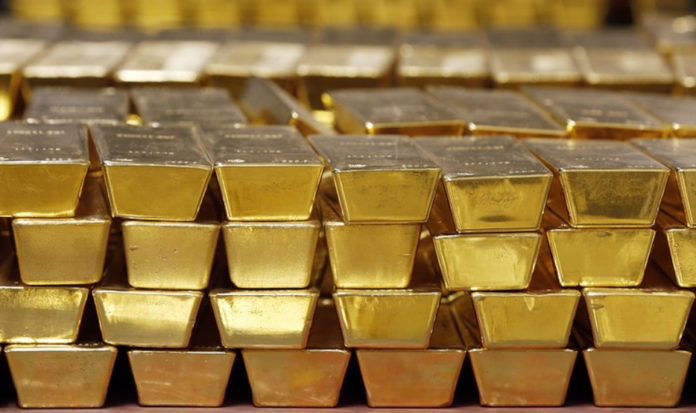
Live Gold Price per Pound (453.592 Grams) in Ghana Today
Note: Gold is internationally traded and priced per troy ounce (31.1035 grams) or gram, not by the standard avoirdupois pound (453.592 grams). The table below converts today’s live market prices into per-pound values in Ghana Cedis (GHS) and US Dollars (USD).
| Gold Purity | Purity (%) | Weight | Price per Pound (GHS) | Price per Pound (USD) | Approx. Price per Gram (GHS) |
| 24K Gold | 99.9% | 453.592 g | GHS 688,500 – 689,500 | US$59,000 – US$59,200 | ~GHS 1,518 |
| 22K Gold | 91.6% | 453.592 g | GHS 631,000 – 632,000 | US$54,100 – US$54,300 | ~GHS 1,392 |
| 18K Gold | 75.0% | 453.592 g | GHS 516,500 – 517,500 | US$44,300 – US$44,500 | ~GHS 1,139 |
Gold Price Conversion Details
| Measurement | Equivalent |
| 1 Troy Ounce | 31.1035 grams |
| 1 Standard Pound (lb) | 453.592 grams |
| 1 Pound in Troy Ounces | 14.5833 troy ounces |
| International Gold Trading Unit | Troy Ounce (oz t) or Gram |
| Currencies Shown | Ghana Cedi (GHS) & US Dollar (USD) |
Estimated Price of 1 Pound (453.59 Grams) of 24K Pure Gold in Ghana Today
| Currency | Estimated Price (1 lb / 453.59g) | Approx. Price per Gram | Approx. Price per Troy Ounce |
| USD (US$) | US$59,500 – US$60,000 | ~US$131.36 | ~US$4,085.80 |
| Ghana Cedi (GHS) | GHS 688,000 – GHS 698,000 | ~GHS 1,518.50 | ~GHS 47,190 |
Conversion Details
- Mass Conversion: Gold is traded internationally by the troy ounce (31.1035 grams) or gram, while 1 standard pound (lb) = 453.592 grams = 14.5833 troy ounces.
- Local Market Premiums: Gold refiners, bullion dealers, and jewelry traders in Accra, Kumasi, and other major markets in Ghana typically add a 3%–8% premium above the international spot price to cover refining, assaying, transportation, insurance, and dealer margins.
22K & 18K Gold 1 Pound (453.59g) Rates for Buyers & Jewelers
The value of 1 pound (453.592 grams) of 22K or 18K gold depends on its purity, current international gold price, and whether you’re buying bullion, scrap gold, jewelry, or raw gold. While bullion buyers focus on the gold’s melt value, jewelers typically charge additional premiums for craftsmanship, alloy metals, design, and finishing.
1 Pound (453.59g) Gold Price Comparison
| Gold Purity | Purity (%) | Pure Gold Content | Spot Melt Value (USD) | Spot Melt Value (GHS) | Typical Retail/Jewelry Price (GHS) |
| 22K Gold | 91.67% | 415.79 g | US$54,000 – US$54,500 | GHS 632,000 – GHS 638,000 | GHS 660,000 – GHS 725,000 |
| 18K Gold | 75.00% | 340.19 g | US$44,150 – US$44,600 | GHS 517,000 – GHS 522,000 | GHS 540,000 – GHS 600,000 |
Note: Prices are estimates based on the live international gold spot price and the prevailing USD/GHS exchange rate. Actual dealer prices may vary.
Buyer vs. Jeweler Rates
| Buyer Type | 22K Gold | 18K Gold |
| Approx. Buyer Rate per Gram | ~US$119.00 / GHS 1,394 | ~US$97.40 / GHS 1,141 |
| Typical Purchase Price | Spot melt value minus 5%–12% | Spot melt value minus 5%–12% |
| Jewelry Premium | 5%–15% above melt value | 15%–35%+ above melt value |
| Best For | Investment jewelry, bullion, resale | Fine jewelry, gemstone settings, luxury designs |
Why Jewelers Charge More
- Bullion buyers pay mainly for the gold’s melt value, deducting refining, assay, and handling costs.
- Jewelry retailers add premiums for manufacturing, alloy metals, craftsmanship, gemstones, branding, and design.
- 22K gold is preferred for high-purity jewelry and investment pieces, while 18K gold is popular for premium jewelry because it offers greater durability and supports intricate designs.
Troy Pound vs. Standard Pound: How Gold Weight Is Calculated in Ghana
Gold in Ghana is measured using the troy weight system, which is the international standard for trading precious metals such as gold, silver, platinum, and palladium. Unlike everyday goods that are weighed using the standard (avoirdupois) pound, gold is priced per troy ounce or gram on global bullion markets.
A standard pound (lb) equals 453.592 grams and is commonly used for general commerce and shipping. By contrast, a troy ounce equals 31.1035 grams, and one standard pound contains approximately 14.5833 troy ounces. International gold exchanges, refineries, and bullion dealers use the troy ounce to determine the market value of gold.
When calculating the price of 1 pound of gold in Ghana, dealers first determine the live spot price per troy ounce or gram, then multiply that value by 453.592 grams. The final buying or selling price may be adjusted based on the gold’s purity (24K, 22K, or 18K), refining costs, assay results, transportation, insurance, dealer premiums, and the current USD/GHS exchange rate.
Whether you are purchasing investment-grade gold bars, selling scrap gold, or exporting bullion from Ghana, understanding the difference between the troy weight system and the standard pound helps you accurately estimate the value of your gold and compare prices offered by different buyers and dealers.
Live Price Breakdown by Unit & Karat in Ghana
The table below shows the estimated live gold prices in Ghana across the most common weight units and gold purities. Prices are based on the current international gold spot price and the prevailing USD/GHS exchange rate and are intended as market estimates.
| Weight Unit | 24K (99.9% Pure) | 22K (91.7% Pure) | 18K (75.0% Pure) | 14K (58.3% Pure) |
| 1 Gram | GHS 1,518 | GHS 1,392 | GHS 1,139 | GHS 885 |
| 10 Grams | GHS 15,185 | GHS 13,919 | GHS 11,388 | GHS 8,850 |
| 1 Troy Ounce (31.1035g) | GHS 47,230 | GHS 43,280 | GHS 35,420 | GHS 27,530 |
| 1 Tola (11.6638g) | GHS 17,705 | GHS 16,230 | GHS 13,280 | GHS 10,320 |
| 1 Standard Pound (453.592g) | GHS 688,500 | GHS 631,400 | GHS 516,600 | GHS 401,400 |
| 1 Kilogram (1,000g) | GHS 1,518,500 | GHS 1,392,000 | GHS 1,138,800 | GHS 885,000 |
Equivalent Gold Prices in US Dollars (USD)
| Weight Unit | 24K (99.9% Pure) | 22K (91.7% Pure) | 18K (75.0% Pure) |
| 1 Gram | US$131.36 | US$120.40 | US$98.50 |
| 1 Troy Ounce | US$4,085.80 | US$3,744.60 | US$3,064.30 |
| 1 Standard Pound (453.592g) | US$59,580.00 | US$54,610.00 | US$44,680.00 |
Gold Pricing Factors in Ghana
- Spot Price vs. Buyer Price: The values above represent the estimated international spot (melt) value. Licensed gold buyers, refiners, and exporters in Ghana typically purchase raw gold at 3%–8% below spot price to account for assaying, refining, transportation, and operational costs.
- Jewelry Premiums: Finished 18K and 22K jewelry usually sells for 10%–30% above the intrinsic gold value, reflecting manufacturing, craftsmanship, gemstones, branding, and retail margins.
- Exchange Rate: Gold prices in Ghana fluctuate with changes in the USD/GHS exchange rate, even when the international gold price remains unchanged.
- Purity Verification: The final value depends on the gold’s confirmed purity through XRF analysis or fire assay, particularly for bullion, dore bars, and raw gold intended for export or investment.
- Market Conditions: Local demand, supply, refinery capacity, and international bullion prices can all influence the final buying and selling prices offered by dealers across Ghana.
Gold Price Per Gram, Ounce, Pound, and Kilogram in Ghana (GHS vs. USD)
The table below shows the estimated live price of 24K gold in both Ghana Cedis (GHS) and US Dollars (USD) across the most commonly traded weight units. Prices are based on the current international gold spot price and prevailing exchange rate and may vary slightly between dealers.
Live 24K Gold Price Matrix (GHS vs. USD)
| Weight Unit | Weight (Grams) | Price (USD) | Price (GHS) |
| 1 Gram | 1.000 g | US$130.01 | GHS 1,522.40 |
| 1 Troy Ounce | 31.1035 g | US$4,044.00 | GHS 47,355.00 |
| 1 Standard Ounce | 28.3495 g | US$3,685.75 | GHS 43,160.00 |
| 1 Standard Pound | 453.592 g | US$58,971.50 | GHS 690,550.00 |
| 1 Kilogram | 1,000 g | US$130,010.00 | GHS 1,522,400.00 |
Estimated 22K and 18K Gold Prices
| Gold Purity | Price per Gram | Price per Troy Ounce | Price per Kilogram |
| 22K Gold (91.67%) | US$119.18 / GHS 1,395.60 | US$3,707.00 / GHS 43,410.00 | US$119,180 / GHS 1,395,600 |
| 18K Gold (75.00%) | US$97.51 / GHS 1,141.80 | US$3,033.00 / GHS 35,516.00 | US$97,508 / GHS 1,141,800 |
Key Gold Trading Considerations in Ghana
- Spot Price vs. Buying Price: The prices above represent the international spot (melt) value. Licensed gold buyers, refiners, and exporters in Ghana typically purchase raw, unrefined gold at 3%–8% below the spot price to account for assaying, refining, transportation, and operational costs.
- Bullion and Jewelry Premiums: Refined gold bars, minted bullion, and finished jewelry generally sell at a 5%–20% premium above the spot price, depending on fabrication costs, certification, logistics, and dealer margins.
- Exchange Rate Impact: Gold prices in Ghana fluctuate with changes in the USD/GHS exchange rate, which directly affects local gold values.
- Purity Verification: The final price depends on confirmed gold purity through professional XRF analysis or fire assay, especially for investment bullion and export transactions.
Local Ghana Gold Board (GoldBod) & PMMC Benchmark Gold Rates Today
The Ghana Gold Board (GoldBod) is the government-backed institution responsible for regulating the purchase, aggregation, weighing, grading, assaying, valuation, and export of artisanal and small-scale mining (ASM) gold in Ghana. Working alongside GoldBod, the Precious Minerals Marketing Company (PMMC) serves as the national assayer, responsible for determining gold purity (fineness) and supporting official valuation processes for gold transactions.
Ghana GoldBod & PMMC Benchmark Rates Summary
| Metric / Gold Level | Benchmark Rate / Value | Details |
| USD/GHS Exchange Benchmark | ~GHS 15.50 per US$1 | Exchange rate used for local gold value calculations. |
| 24K Pure Gold (99.9%) | GHS 1,518 – 1,532 per gram | International spot gold value converted into Ghana Cedis. |
| 22K Gold (91.6%) | ~GHS 1,392 per gram | Common high-purity jewelry and investment gold standard. |
| 18K Gold (75.0%) | ~GHS 1,139 per gram | Common jewelry manufacturing purity. |
| 1 Standard Pound of 24K Gold (453.59g) | ~GHS 688,500 – 690,000 | Estimated gross gold value before applicable deductions. |
GoldBod Pricing Structure and Applicable Deductions
GoldBod purchase valuations are based on the international gold market price, converted into Ghana Cedis, then adjusted for applicable costs and statutory charges. The final payout received by miners or licensed gold suppliers may differ from the gross spot value.
Common deductions and adjustments may include:
- GoldBod Discount: A purchase adjustment applied when buying raw ASM gold.
- PMMC Assay Charges: Fees related to testing, grading, and confirming gold purity.
- Traceability and Compliance Costs: Expenses associated with responsible sourcing, supply chain monitoring, and documentation requirements.
- Refining and Logistics Costs: Costs related to processing, insurance, secure transportation, and delivery to international markets.
How Ghana Gold Payments Are Calculated
- Gold Assay Testing
PMMC or an approved assayer tests gold nuggets, gold dust, or dore bars to determine the exact fineness percentage. - Calculate Fine Gold Content
The payable gold weight is calculated using:
Gross Gold Weight × Purity Percentage = Fine Gold Weight
Example:
A 1 kg gold dore bar with 88% purity contains approximately 880 grams of fine gold.
- Apply Market Price Conversion
The fine gold weight is multiplied by the current international gold price and converted into Ghana Cedis. - Deduct Applicable Charges
Final payment is calculated after applicable assay, compliance, refining, logistics, and trading adjustments.
Note: Actual GoldBod or buyer payout rates may change daily depending on international gold prices, exchange rates, assay results, and official purchasing conditions. Always confirm the latest rates with licensed Ghana gold market participants before completing a transaction.
Where to Buy Gold in Ghana: Verified Gold Buying Channels
| Location / Channel | Type of Gold Available | Best For | Verification & Buying Considerations |
| Accra Gold Market & Licensed Dealers | 24K gold bars, gold dore, raw gold, bullion, jewelry gold | International buyers, investors, exporters, and large-volume purchasers | Work with licensed dealers, confirm assay certificates, verify company credentials, and review export documentation before payment. |
| GoldBod Authorized Gold Buying Channels | Artisanal and small-scale mining (ASM) gold, dore gold, raw gold | Buyers seeking regulated Ghanaian gold supply | Ensure transactions follow GoldBod requirements, approved sourcing procedures, and official valuation processes. |
| PMMC-Assisted Gold Trading Channels | Assayed gold, bullion, refined gold products | Buyers requiring professional gold testing and valuation | Use recognized assay procedures to confirm purity, weight, and official gold valuation before purchase. |
| Kumasi Gold Dealers & Trading Centers | Gold nuggets, dore gold, jewelry gold, small and bulk quantities | Buyers sourcing closer to major mining regions | Conduct independent assay testing and verify seller licenses because local trading networks vary widely. |
| Licensed Gold Export Companies in Ghana | Export-ready gold bars, dore gold, investment gold | Foreign investors and international gold buyers | Confirm export authorization, legal documentation, customs requirements, and secure logistics arrangements. |
| Ghana Gold Mining Companies | Gold dore, refined gold, mining output (subject to sales agreements) | Institutional buyers and large-volume purchasers | Transactions usually require corporate due diligence, contracts, compliance checks, and approved supply agreements. |
| Gold Refineries in Ghana | Refined gold bars and investment-grade products | Investors seeking higher-purity gold | Verify refinery credentials, assay results, bar markings, and certification documents. |
| Authorized Jewelry Dealers in Ghana | 18K, 22K, and 24K gold jewelry | Retail buyers and personal investment purchases | Check gold purity markings, request testing, and compare prices with current gold market rates. |
Recommended Buying Approach for Foreign Investors
For international buyers purchasing gold from Ghana, the safest route is usually through verified gold dealers, regulated trading channels, and approved exporters who can provide assay certificates, legal documentation, and secure shipping arrangements. Avoid informal sellers offering unusually low prices without proper verification, documentation, or proof of legal gold origin.
How to Buy 1 Pound of Gold in Ghana Safely (2026 Buyer Guide)
1. Buy Only From Licensed Gold Dealers in Ghana
The first step to buying gold safely in Ghana is working with a licensed and verified gold dealer who is legally authorized to trade gold. Buyers should confirm the seller’s business registration, gold trading license, tax identification details, physical office location, and previous trading history before making any payment. A legitimate gold supplier should provide transparent documentation and allow buyers to verify their company details. Avoid sellers who offer extremely low prices, demand urgent payments, refuse gold testing, or provide unclear ownership documents.
2. Verify Gold Purity Through Professional Assay Testing
Before purchasing gold in Ghana, investors should always confirm the purity and quality of the gold through professional assay testing. Gold value depends on the percentage of pure gold content, so buyers should use reliable methods such as XRF testing for quick analysis or fire assay testing for accurate laboratory results. A genuine seller should provide an assay certificate showing the gold’s fineness, weight, and valuation before completing the transaction.
3. Understand Ghana Gold Pricing Before Buying
Gold prices in Ghana are directly linked to the international gold market, where prices are mainly quoted in US dollars per troy ounce. The final local price is influenced by the global gold spot price, the USD/GHS exchange rate, gold purity, assay results, refining costs, transportation expenses, and dealer margins. Buyers should compare the seller’s price with current international gold rates to ensure they are receiving a fair market value.
4. Check All Required Gold Transaction Documents
Safe gold purchases require proper documentation that proves the legal ownership, origin, and authenticity of the gold. Buyers should request important documents such as assay certificates, purchase agreements, invoices, seller identification records, traceability documents, and export permits where applicable. Proper paperwork protects investors from counterfeit gold, illegal transactions, and potential customs problems during international shipment.
5. Use Secure Payment Methods for Gold Transactions
Large gold purchases should always be completed through secure and traceable payment methods to reduce financial risks. Buyers should use verified company bank accounts, escrow services, or structured payment arrangements instead of sending large amounts of money to personal accounts or unknown individuals. A professional gold dealer should provide clear payment instructions and maintain complete records of the transaction.
6. Inspect Gold Before Final Purchase
Before finalizing a gold purchase, buyers should physically verify the gold weight, purity, markings, packaging, and supporting certificates. Investment gold bars should be checked for refinery marks, serial numbers, and authenticity certificates, especially when purchasing internationally recognized products from refiners such as Rand Refinery, PAMP Suisse, Valcambi, or Perth Mint. Independent inspection helps prevent buyers from receiving fake, underweight, or misrepresented gold products.
7. Understand the Gold Export Process From Ghana
International buyers purchasing gold from Ghana must understand that gold exports require compliance with government regulations, approved documentation, and secure transportation procedures. The process usually involves purchasing from an authorized supplier, completing assay verification, obtaining required export approvals, arranging insured logistics, and meeting the import requirements of the destination country. Working with experienced gold export professionals helps prevent delays and compliance issues.
8. Avoid Common Gold Buying Scams in Ghana
Gold buyers should be aware of common fraud schemes, including fake gold bars, counterfeit assay certificates, false government documents, unrealistic discount offers, and advance-fee scams. Fraudsters often pressure buyers to make quick decisions or send money before verification. Safe gold transactions require patience, independent verification, and complete documentation before any funds are transferred.
9. Complete a Final Due Diligence Check Before Buying
Before purchasing gold in Ghana, investors should confirm that the supplier is licensed, the gold has been professionally tested, the price matches current market conditions, and all legal documents are complete. A careful verification process helps buyers reduce risks and build reliable relationships with legitimate gold suppliers, refiners, and exporters.
Buying gold in Ghana can provide excellent investment opportunities, but successful transactions depend on choosing trusted partners, verifying gold authenticity, understanding pricing, and following all legal requirements.
Verified Channels: GoldBod & PMMC-Certified Dealers vs. Local Artisanal Miners
When buying gold in Ghana, investors must understand the difference between verified gold trading channels and informal sources. The safest transactions usually involve GoldBod and PMMC-compliant dealers who operate within Ghana’s regulated gold supply chain, while purchasing directly from local artisanal miners requires additional due diligence, verification, and legal compliance.
GoldBod & PMMC-Certified Dealers
GoldBod and PMMC-certified gold dealers provide a more structured and transparent way to purchase gold in Ghana. These dealers operate within the regulated gold market and are required to follow government procedures for gold sourcing, weighing, grading, assaying, documentation, and export compliance. Buyers working with verified dealers benefit from clearer ownership records, professional purity testing, and better protection against counterfeit gold and fraudulent transactions.
Certified dealers typically provide important documentation, including assay reports, purchase invoices, seller identification records, and transaction records that support the legal origin of the gold. For international investors and exporters, working through approved channels reduces the risk of customs issues, compliance violations, and disputes over gold quality or ownership.
Local Artisanal Miners in Ghana
Local artisanal and small-scale miners (ASM) are responsible for producing a significant portion of Ghana’s gold supply, especially from mining communities across regions such as Ashanti, Western, Eastern, and other gold-producing areas. Buying directly from miners may sometimes provide access to competitive prices, but it requires careful verification because many small-scale miners do not have the infrastructure or documentation needed for international trade.
Before purchasing from an artisanal miner, buyers should confirm the miner’s legal operating status, verify the gold origin, arrange independent assay testing, and ensure that the transaction follows Ghana’s gold trading regulations. Raw gold from artisanal sources often requires additional processing, refining, documentation, and approval before it can enter the international market.
Key Differences Between Certified Dealers and Artisanal Miners
| Factor | GoldBod & PMMC-Compliant Dealers | Local Artisanal Miners |
| Regulatory Oversight | Operate within Ghana’s regulated gold trading framework | May require additional verification and compliance checks |
| Gold Testing | Usually supported by formal assay and valuation procedures | Buyer should arrange independent assay testing |
| Documentation | Provides invoices, assay records, and transaction documents | Documentation quality may vary |
| Export Readiness | More suitable for international buyers and exporters | Requires additional approvals and processing |
| Risk Level | Lower risk when properly verified | Higher risk without professional due diligence |
| Best For | Investors, bullion buyers, and international transactions | Local sourcing with experienced buyers |
Which Option Is Safer for International Buyers?
For foreign investors, bullion buyers, and companies planning to export gold from Ghana, purchasing through verified GoldBod and PMMC-compliant channels is generally the safer option because the transaction follows recognized procedures for valuation, documentation, and legal compliance. Direct purchases from artisanal miners can be possible, but buyers should only proceed after confirming licensing, gold authenticity, and complete regulatory requirements.
The most reliable gold transactions in Ghana are built on verified suppliers, independent assay results, transparent pricing, and complete documentation rather than simply choosing the lowest available price.
Buy 1 Pound Gold in Ghana From Verified Dealers
International buyers looking to purchase 1 pound (453.59 grams) of gold in Ghana should complete proper verification before entering any transaction. The value of 1 pound of gold can represent a significant investment, making it essential to work with trusted suppliers who can provide verified gold quality, transparent pricing, and compliant transaction procedures.
Before purchasing 1 pound of gold from Ghana, buyers should confirm:
✓ Verified gold supplier credentials
✓ Gold assay certificate and purity confirmation
✓ GoldBod and PMMC compliance requirements
✓ Export documentation and legal approvals
✓ Secure payment arrangements
✓ Insured gold transportation and logistics solutions
Gold Dealers Africa Limited assists qualified buyers with professional gold sourcing support, including:
- 24K gold bars and investment gold
- Gold dore sourcing from verified channels
- Raw gold sourcing and supplier coordination
- Gold assay verification and valuation support
- Export documentation assistance
- International gold shipment and logistics support
Whether you are an investor, jeweler, refinery, or international gold buyer, our team helps you navigate the Ghana gold market with a focus on verification, compliance, and secure transactions.
Request a Ghana Gold Purchase Quote Today
Contact Gold Dealers Africa Limited to receive a real-time quotation for 1 pound of gold in Ghana based on current market prices, gold purity, quantity requirements, and delivery options.
Legal Compliance, Export Taxes, and Assay Certification Requirements for Gold in Ghana
Buying or exporting gold from Ghana requires strict compliance with government regulations to ensure that the gold is legally sourced, properly valued, and approved for international trade. Investors, gold buyers, and exporters must understand the required licenses, export procedures, taxes, and assay certification processes before completing any transaction.
Legal Requirements for Buying and Exporting Gold in Ghana
Gold transactions in Ghana must follow the country’s mineral trading regulations and be conducted through authorized channels. Buyers should work with legally registered gold dealers, licensed exporters, or approved gold trading entities to ensure the transaction complies with national requirements.
For international buyers, the legal process generally involves verifying the supplier’s authorization, confirming the gold’s origin, completing official valuation procedures, and obtaining the necessary export documentation before shipment. Purchasing undocumented gold or dealing with unverified sellers can expose buyers to legal risks, financial losses, and customs complications.
Gold Export Licensing and Regulatory Approval
Gold exporters in Ghana must operate under the appropriate regulatory approvals and comply with requirements established by Ghana’s mineral authorities. The export process involves documentation review, gold weighing, purity verification, valuation, and approval before the shipment leaves the country.
A compliant gold export transaction typically requires:
- Verified gold supplier information
- Gold assay certificate
- Purchase agreement and commercial invoice
- Export authorization documents
- Customs clearance documentation
- Secure logistics and insurance arrangements
International buyers should confirm that all export documents are authentic and issued through recognized regulatory channels before making final payments.
Assay Certification and Gold Purity Verification
Assay certification is one of the most important steps in any gold transaction because it determines the actual gold content and market value. In Ghana, gold may be tested through recognized assaying procedures to confirm its fineness before purchase, valuation, or export.
The assay process involves testing gold samples to determine:
- Gold purity percentage
- Fine gold content
- Weight and valuation
- Presence of other metals or impurities
Common testing methods include X-ray fluorescence (XRF) for rapid analysis and fire assay for highly accurate purity measurement. The final payment value is calculated based on the verified fine gold content rather than the total weight of unprocessed material.
Gold Export Taxes and Government Charges
Gold export costs may include government fees, regulatory charges, assay costs, refining expenses, logistics costs, and other applicable deductions. These charges can vary depending on the type of gold, supplier category, export arrangement, and current government policies.
Common cost considerations include:
- Gold valuation and assay fees
- Regulatory and certification charges
- Refining and processing costs
- Secure transportation and insurance costs
- Customs and export-related fees
Buyers should request a complete cost breakdown before agreeing to a gold purchase to understand the final payable amount and avoid unexpected charges.
Importance of Compliance for International Buyers
For investors purchasing Ghanaian gold for markets such as Dubai, Europe, the United States, or Asia, compliance is essential because importing countries require proof of legal origin, proper documentation, and accurate valuation. Gold shipments without complete documentation may face delays, additional inspections, or rejection at the destination country.
Working with verified suppliers, licensed exporters, professional assayers, and experienced logistics providers helps ensure a secure and compliant gold transaction.
Final Compliance Checklist Before Gold Export
Before completing a gold purchase or export from Ghana, buyers should confirm that:
✓ The supplier is legally authorized to trade gold
✓ The gold has a valid assay certificate
✓ Purity and weight have been independently verified
✓ Purchase invoices and ownership documents are available
✓ Export approvals are completed
✓ Customs and shipping documents are prepared
✓ Secure transportation and insurance are arranged
Following Ghana’s legal compliance requirements protects buyers, sellers, and international partners while creating a transparent and reliable gold supply chain.
Step-by-Step Purchasing Process for Local & Foreign Buyers Buying Gold in Ghana
Buying gold in Ghana requires a structured process to ensure the transaction is legal, transparent, and secure. Whether you are a local buyer, international investor, jewelry manufacturer, or gold trading company, following the correct steps helps reduce risks related to fraud, inaccurate gold valuation, and compliance issues.
Step 1: Identify a Verified Gold Supplier
The first step is finding a trusted and legally recognized gold supplier in Ghana. Buyers should work with licensed gold dealers, approved trading companies, or verified suppliers operating within Ghana’s regulated gold market. Before starting negotiations, confirm the supplier’s company registration, trading authorization, physical location, and previous transaction history.
Step 2: Confirm Gold Availability and Transaction Terms
After identifying a supplier, the buyer should confirm the type of gold available, including gold bars, dore gold, nuggets, gold dust, or jewelry products. Both parties should agree on important transaction details such as quantity, purity requirements, price basis, delivery location, payment method, and required documentation before moving forward.
Step 3: Conduct Gold Testing and Assay Verification
Before payment, the gold must be tested to confirm its actual purity and value. Professional assay testing determines the gold fineness, weight, and fine gold content. Buyers should request an official assay certificate or arrange independent testing through a recognized laboratory or approved assayer to ensure the gold matches the seller’s description.
Step 4: Calculate the Gold Value and Final Price
The purchase price is calculated based on the verified gold weight, purity, and current international gold market price. The final price may also include or deduct costs related to refining, transportation, insurance, documentation, and dealer margins. Buyers should compare the offered price with the current global spot price to ensure the valuation is fair.
Step 5: Complete Legal Documentation
A legitimate gold purchase requires proper documentation showing ownership, valuation, and compliance. Depending on the transaction, buyers may require documents such as the purchase agreement, commercial invoice, assay certificate, seller identification records, gold origin documentation, and export-related approvals for international shipments.
Step 6: Arrange Secure Payment
Payment should only be completed through secure and traceable channels after verification of the gold and documentation. International buyers commonly use bank transfers, escrow arrangements, or structured payment agreements to protect both parties. Large cash payments and payments to unknown personal accounts should be avoided.
Step 7: Prepare Export Documentation (Foreign Buyers)
Foreign buyers purchasing gold for export must complete the required export procedures before shipment. This includes confirming export authorization, customs documentation, insurance arrangements, and secure transportation plans. Buyers should work with experienced gold logistics providers to ensure the shipment meets both Ghanaian export rules and the destination country’s import requirements.
Step 8: Secure Transportation and Delivery
Gold shipments should be handled through professional secure logistics providers experienced in precious metals transportation. The process may involve armored transport, insured air freight, secure vault handling, and customs coordination. Proper tracking and insurance help protect the shipment from loss or unexpected delays.
Step 9: Final Verification Upon Delivery
Once the buyer receives the gold, a final inspection should confirm that the delivered gold matches the agreed specifications. Buyers should verify weight, packaging, documentation, and assay details before accepting the shipment as complete.
Step 10: Maintain Complete Transaction Records
After completing the purchase, buyers should keep all transaction records, including invoices, assay certificates, payment confirmations, shipping documents, and communication records. Maintaining proper records supports future resale, accounting, compliance checks, and international trading requirements.
Why International Buyers Purchase Gold From Ghana
Ghana has become one of Africa’s most important gold markets due to its large mineral reserves, established mining industry, and growing role in the international gold supply chain. Investors, jewelers, and gold traders are attracted to Ghana because of its long history of gold production, access to gold-producing regions, and opportunities to source gold through regulated channels.
Strong Gold Production and Established Mining Industry
Ghana is one of the largest gold-producing countries in Africa, with major mining regions including Ashanti, Western, Eastern, and other gold-rich areas. The country has a well-developed mining sector supported by large-scale mining companies, artisanal and small-scale miners, refineries, and gold trading networks. This established industry provides a consistent supply of gold for local and international buyers.
Access to Multiple Gold Products and Supply Sources
Buyers in Ghana can access different forms of gold depending on their investment needs, including gold bars, dore gold, nuggets, gold dust, and finished jewelry. International investors often purchase gold through verified dealers and exporters who can provide proper documentation, assay verification, and secure delivery solutions.
Competitive Gold Pricing Compared With International Markets
Gold prices in Ghana are closely linked to the global gold spot price, but local market conditions can create opportunities for buyers. Factors such as local supply, exchange rates, refining costs, and dealer competition influence the final purchase price. Serious buyers can benefit from competitive sourcing when working with legitimate suppliers and understanding the difference between spot value, dealer premiums, and transaction costs.
Market Outlook for Gold in Ghana
The outlook for Ghana’s gold market remains strong due to continued global demand for precious metals, increasing investor interest in gold as a store of value, and ongoing development of the country’s mining sector. International factors such as inflation concerns, currency movements, central bank gold purchases, and geopolitical uncertainty continue to support long-term demand for gold.
For Ghana, improvements in gold traceability, responsible sourcing programs, and regulated trading channels are expected to strengthen confidence among international buyers and create more opportunities for compliant gold exports.
Understanding Gold Pricing Premiums in Ghana
The final price paid for gold in Ghana is usually different from the international spot price because additional costs are involved throughout the supply chain. These premiums may include:
- Assay and Verification Costs: Expenses related to testing gold purity and confirming its market value.
- Refining Costs: Charges for converting raw gold into higher-purity investment-grade bullion.
- Transportation and Insurance: Costs associated with secure movement and protection of gold shipments.
- Dealer Margins: Compensation for suppliers, traders, and exporters involved in the transaction.
- Documentation and Compliance Costs: Expenses related to licensing, certification, and export requirements.
Why International Buyers Choose Ghana Gold
Foreign investors choose Ghana because the country offers a combination of established mining experience, significant gold production, access to verified suppliers, and a recognized gold trading ecosystem. However, successful purchases depend on working with legitimate partners, completing proper due diligence, and ensuring all transactions meet legal and compliance standards.
Buying gold in Ghana can provide attractive opportunities, but the most successful investors focus on trust, verification, transparency, and long-term supplier relationships rather than simply searching for the lowest price.
Spot Price vs. Mine-Direct Premiums in Accra and Kumasi
Gold prices in Ghana are influenced by the international spot price, but the final buying price in local markets such as Accra and Kumasi can vary depending on the source of the gold, purity, documentation, processing requirements, and transaction costs. Understanding the difference between the global spot price and mine-direct premiums helps investors and buyers estimate the true cost of purchasing gold in Ghana.
Understanding the International Gold Spot Price
The gold spot price is the global benchmark value of gold traded internationally, usually quoted in US dollars per troy ounce (31.1035 grams). This price represents the approximate market value of refined gold before additional costs such as transportation, insurance, refining, dealer margins, and local market expenses are added.
In Ghana, gold dealers use the international spot price as the foundation for calculating local prices. The spot value is converted into Ghana Cedis using the current USD/GHS exchange rate, then adjusted according to the gold’s purity, weight, and market conditions.
Mine-Direct Gold Pricing in Ghana
Buying gold directly from mining sources, especially artisanal and small-scale mining (ASM) operations, may appear cheaper because the gold comes closer to the production source. However, mine-direct transactions usually involve additional verification, processing, and compliance requirements before the gold can be traded internationally.
Mine-direct gold prices may be affected by:
- Gold purity and assay results
- Refining requirements
- Transportation from mining areas
- Security and insurance costs
- Documentation and regulatory compliance
- Buyer verification and due diligence expenses
Raw gold from mining areas is often not immediately equivalent to internationally traded bullion because it may contain impurities and requires professional assaying and refining.
Accra Gold Market Premiums
Accra is Ghana’s main commercial and gold trading center, where many licensed dealers, exporters, refiners, and financial institutions operate. Gold prices in Accra typically include premiums related to:
- Professional assay verification
- Secure storage and handling
- Export documentation
- Compliance procedures
- Dealer operating costs
For international buyers, purchasing through established Accra-based suppliers often provides easier access to verified documentation and export-ready gold.
Kumasi Gold Market Premiums
Kumasi is located near many of Ghana’s major gold-producing areas and has a strong network of gold traders, jewelry businesses, and mining supply channels. Buyers sourcing gold in Kumasi may access competitive prices due to proximity to mining communities, but they must carefully verify suppliers and ensure proper documentation.
Kumasi transactions may involve additional costs for:
- Transporting gold from mining locations
- Independent assay testing
- Refining or preparation before export
- Compliance checks for international buyers
Typical Difference Between Spot Price and Local Premiums
The final purchase price of gold in Ghana may include a premium above the international spot price depending on the transaction type:
| Transaction Type | Typical Pricing Difference |
| Raw mine gold purchase | Often priced below refined spot value due to assay, refining, and risk adjustments |
| Verified dealer gold | Usually close to spot price with transaction premiums added |
| Refined bullion bars | Commonly sold above spot due to refining, certification, and handling costs |
| Finished jewelry | Higher premiums due to craftsmanship, design, and retail margins |
Choosing Between Mine-Direct and Dealer Purchases
Mine-direct purchasing can provide access to competitive sourcing opportunities, but it requires strong knowledge of Ghana’s gold regulations, local networks, and verification procedures. For foreign investors and large buyers, purchasing through verified dealers in Accra or regulated channels generally provides greater security, transparency, and easier compliance.
The most important factor is not simply finding the lowest gold price, but ensuring the gold has verified purity, legal origin, proper documentation, and a secure transaction process.
Historical Gold Performance in Ghana (GHS Exchange Rate Impact)
Gold has historically been one of the strongest-performing assets in Ghana, not only because of changes in the international gold price but also because of movements in the Ghanaian Cedi (GHS) exchange rate against the US Dollar. Since gold is globally priced in USD per troy ounce, changes in the local currency value can significantly affect the price of gold in Ghana.
How the USD/GHS Exchange Rate Affects Gold Prices
The international gold price is converted into Ghana Cedis using the current USD/GHS exchange rate. When the Ghana Cedi weakens against the US Dollar, the local price of gold usually increases even if the international gold price remains unchanged.
For example, if gold trades at the same international price of US$4,000 per troy ounce, but the exchange rate changes from GHS 10 per USD to GHS 15 per USD, the value of that same gold ounce increases significantly in Ghana Cedi terms.
This means Ghanaian investors may benefit from two potential price drivers:
- Rising international gold prices
- Depreciation of the local currency against the US Dollar
Gold Price Growth in Ghana Over Time
Over the past decade, gold prices in Ghana have experienced significant growth due to a combination of global market trends and local currency movements. Periods of international economic uncertainty, inflation concerns, and increased demand for safe-haven assets have supported higher gold prices worldwide.
At the same time, the depreciation of the Ghana Cedi has increased the local value of gold, making gold an important store of wealth for many investors, miners, and businesses.
Key Historical Factors Affecting Ghana Gold Prices
Several major factors have influenced gold performance in Ghana:
International Gold Market Trends:
Global events such as inflation, interest rate changes, geopolitical uncertainty, and central bank gold purchases have influenced international gold prices and directly affected Ghana’s gold market.
Ghana Cedi Depreciation:
Currency fluctuations have played a major role in local gold pricing. A weaker Cedi increases the GHS value of USD-priced commodities such as gold.
Mining Industry Growth:
Ghana’s continued gold production from major mining companies and artisanal mining communities has supported the country’s position as a leading African gold producer.
Government Gold Policies:
Changes in gold trading regulations, local purchasing programs, and efforts to improve gold traceability have influenced how gold moves through Ghana’s domestic and export markets.
Historical Relationship Between Gold and the Ghana Cedi
| Market Condition | Impact on Gold Price in Ghana |
| International gold price rises | Gold becomes more expensive in both USD and GHS |
| Ghana Cedi weakens against USD | Gold price increases in GHS terms |
| Global uncertainty increases | Investors often move toward gold as a safe asset |
| Stronger Cedi | Local gold prices may reduce or grow more slowly |
| Higher local demand | Can increase dealer premiums and market prices |
Why Gold Remains Important for Ghana Investors
Gold has traditionally protected against currency depreciation and inflation because it maintains international value over time. For Ghanaian investors, holding gold can provide exposure to global commodity markets while reducing the impact of local currency weakness.
For international buyers, Ghana remains attractive because it combines large gold production capacity, established mining experience, and access to a major gold supply chain. However, buyers should always consider both the international gold price trend and the USD/GHS exchange rate movement when evaluating gold investment opportunities in Ghana.
Buy Ghana Gold from Verified Gold Dealers Africa
Contact Our Verified Gold Trading Desk
Gold Dealers Africa Limited provides professional support for investors, gold buyers, jewelers, and international partners seeking verified gold supply, real-time price quotations, gold verification, and transaction guidance across Africa.
Whether you are looking to purchase 24K gold bars, gold dore, nuggets, or investment-grade gold, our team can assist with current market pricing, supplier verification, assay coordination, and secure transaction procedures.
Request a Real-Time Gold Quote
Receive a customized quotation based on:
- Gold type and purity (24K, 22K, 18K, dore gold, or bullion bars)
- Required quantity and weight
- Current international gold spot price
- Local market conditions and currency exchange rates
- Assay and verification results
- Delivery, logistics, and export requirements
Book a Gold Verification Session
Schedule a consultation with Gold Dealers Africa Limited to verify:
- Gold purity and assay documentation
- Supplier credentials and transaction records
- Gold valuation based on current market prices
- Purchase and export requirements
- Secure logistics and compliance procedures
Why Work With Gold Dealers Africa Limited
Our team helps buyers navigate the African gold market by focusing on:
- Verified gold sourcing channels
- Transparent pricing information
- Professional transaction support
- Documentation and compliance guidance
- Secure gold trading processes
For serious buyers, investors, and international partners, contact Gold Dealers Africa Limited today to request a real-time gold quote or book a verification session.
Frequently Asked Questions About Buying 1 Pound Gold in Ghana
How much is 1 pound of gold worth in Ghana?
The value of 1 pound of gold in Ghana depends on the gold purity, international spot price, and the current USD/GHS exchange rate. Since gold is internationally traded by weight in grams or troy ounces, a standard pound of gold equals approximately 453.59 grams. A pound of 24K pure gold is valued based on the current market rate for fine gold, while 22K and 18K gold have lower values because they contain a smaller percentage of pure gold.
Is gold cheaper in Ghana than Dubai?
Ghana can provide competitive gold sourcing opportunities because it is one of Africa’s largest gold-producing countries with access to local mining supply. However, gold is traded globally, so the base price is linked to the international spot market. The final purchase price in Ghana or Dubai depends on factors such as gold purity, dealer premiums, refining costs, export documentation, taxes, logistics, and compliance requirements.
Can foreigners buy gold directly in Ghana?
Yes, foreign buyers can purchase gold from Ghana, but transactions must be completed through legally approved channels and verified suppliers. International buyers should work with authorized gold dealers or exporters who can provide proper documentation, assay certificates, proof of legal gold origin, and support with export procedures. Purchasing from unverified individuals or informal sellers can create significant legal and financial risks.
How do I verify Ghana gold before buying?
Before purchasing gold in Ghana, buyers should complete a proper verification process that includes confirming the supplier’s legal credentials, reviewing gold assay certificates, checking gold origin documentation, and conducting independent purity testing. Professional testing methods such as XRF analysis or fire assay help confirm the actual gold content and ensure that the price reflects the true value of the gold.
What documents are required to buy or export gold from Ghana?
Gold transactions in Ghana typically require documentation that proves ownership, authenticity, valuation, and legal compliance. Depending on the transaction type, buyers may need documents such as a gold assay certificate, purchase agreement, commercial invoice, supplier identification records, export authorization documents, and customs paperwork for international shipments.
Can I buy 1 pound of gold directly from a Ghana gold mine?
Buying directly from a mining source may be possible, but international buyers should not purchase gold from unverified miners without proper due diligence. Gold from artisanal and small-scale mining operations must go through approved trading channels, verification procedures, assay testing, and regulatory requirements before it can be safely purchased or exported.
What is the safest way to buy gold in Ghana?
The safest way to buy gold in Ghana is to work with verified gold dealers, regulated trading channels, and experienced exporters who provide transparent pricing, professional assay verification, and complete documentation. Buyers should avoid sellers offering prices far below market value, requesting unusual payment methods, or refusing independent verification.
Does Ghana gold come with an assay certificate?
Legitimate gold transactions in Ghana should include assay verification showing the gold’s purity, weight, and valuation. An assay certificate provides important information about the gold content and helps buyers confirm that they are paying the correct price based on the actual fine gold percentage.
How does Gold Dealers Africa Limited help gold buyers?
Gold Dealers Africa Limited assists buyers with gold sourcing, supplier verification, assay coordination, pricing guidance, documentation support, and international shipment preparation. The company helps investors and buyers navigate the Ghana gold market by focusing on verified supply channels, transparent transactions, and compliance requirements.