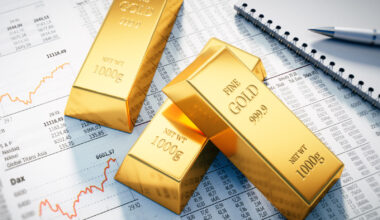
1 Gram Gold Price in different African Countries Today (2026)
The price of 1 gram of gold in Africa varies by country, gold purity (24K, 22K, 18K, and 14K), local currency exchange rates, taxes, dealer premiums, and the live international gold spot price. On this page, you’ll find today’s updated 1 gram gold prices across more than 20 African countries, compare prices in both local currencies and US dollars, and learn where investors, jewelers, and bullion buyers can legally purchase gold from verified suppliers.
If you’re looking to buy 1 gram of gold in Africa, Gold Dealers Africa Limited helps local and international buyers source genuine gold from verified dealers across leading gold-producing countries, including Uganda, Ghana, Tanzania, Kenya, South Africa, the Democratic Republic of Congo (DRC), Zimbabwe, Mali, and Sudan. We assist with supplier verification, pricing, export documentation, secure logistics, and compliance to help buyers purchase gold safely and confidently.
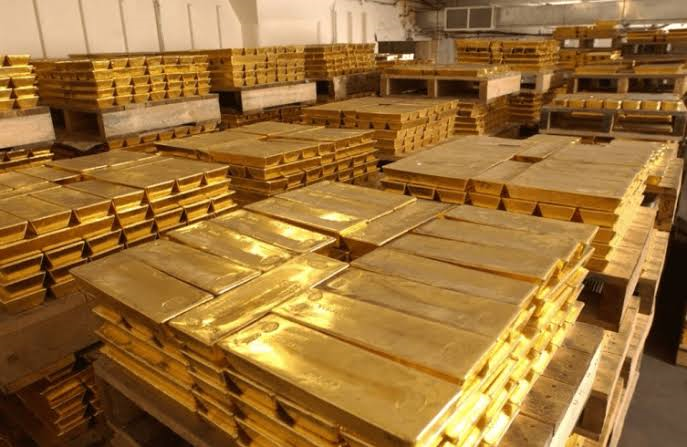
Live 1 Gram Gold Price in Africa Today
The table below shows the estimated live price of 1 gram of gold across major African countries based on the international spot gold price. Prices are provided for 24K, 22K, and 18K gold in both local currency and US dollars to help investors, gold buyers, jewelers, and traders compare markets before making a purchase. Actual retail prices may vary depending on dealer premiums, taxes, refining costs, and local market demand.
| Country | Currency | 24K (Local / USD) | 22K (Local / USD) | 18K (Local / USD) |
| Ghana | GHS | GHS 1,527 / $130.50 | GHS 1,400 / $119.60 | GHS 1,145 / $97.80 |
| Uganda | UGX | UGX 490,019 / $130.50 | UGX 449,184 / $119.60 | UGX 367,514 / $97.80 |
| Kenya | KES | KES 16,913 / $130.50 | KES 15,504 / $119.60 | KES 12,685 / $97.80 |
| Tanzania | TZS | TZS 355,600 / $130.50 | TZS 325,950 / $119.60 | TZS 266,700 / $97.80 |
| South Africa | ZAR | ZAR 2,360 / $130.50 | ZAR 2,163 / $119.60 | ZAR 1,770 / $97.80 |
| Nigeria | NGN | NGN 208,800 / $130.50 | NGN 191,360 / $119.60 | NGN 156,480 / $97.80 |
| Rwanda | RWF | RWF 179,400 / $130.50 | RWF 164,450 / $119.60 | RWF 134,475 / $97.80 |
| Zambia | ZMW | ZMW 3,523 / $130.50 | ZMW 3,229 / $119.60 | ZMW 2,640 / $97.80 |
| Zimbabwe | ZiG | ZiG 1,795 / $130.50 | ZiG 1,645 / $119.60 | ZiG 1,345 / $97.80 |
| Ethiopia | ETB | ETB 16,312 / $130.50 | ETB 14,950 / $119.60 | ETB 12,225 / $97.80 |
Note: Prices are estimates based on the international spot price of gold and prevailing exchange rates. Physical gold products, including bullion bars, coins, and jewelry, typically sell at a 3%–12% premium above spot due to refining, fabrication, logistics, insurance, taxes, and dealer margins.
Looking to Buy 1 Gram of Gold in Africa?
Gold Dealers Africa Limited connects local and international buyers with verified gold suppliers across Africa. Whether you are purchasing 1 gram for investment, jewelry manufacturing, resale, or sample testing, our team assists with supplier verification, competitive pricing, export documentation, secure shipping, and regulatory compliance to help ensure a safe and transparent buying process.
Cheapest African Countries to Buy 1 Gram Gold
The cheapest African country to buy 1 gram of gold depends on several factors, including the international spot price, local taxes, refining costs, dealer premiums, exchange rates, and government regulations. Countries with active gold mining industries and well-established bullion markets often offer more competitive prices than countries that rely heavily on imported gold.
For international investors and bullion buyers, comparing prices alone is not enough. You should also consider the supplier’s reputation, export requirements, assay certification, and shipping costs before making a purchase.
| Country | Gold Production | Typical Premium | Best For |
| Ghana | Very High | Low–Moderate | Bullion investors and wholesale buyers |
| Uganda | High | Low | Regional traders and export buyers |
| Tanzania | High | Low–Moderate | Gold bars and mining-sourced gold |
| South Africa | Very High | Moderate | Investment-grade bullion and coins |
| DR Congo (DRC) | Very High | Low (verified sources only) | Wholesale buyers with compliance support |
| Mali | High | Low | Bulk gold purchases |
| Zimbabwe | High | Moderate | Licensed bullion transactions |
What Makes Gold Cheaper in Some African Countries?
Several factors influence the final price of 1 gram of gold:
- Strong domestic gold production and supply
- Lower dealer markups and trading premiums
- Favorable exchange rates
- Reduced refining and transportation costs
- Government taxes, royalties, and export fees
- Local demand for investment gold and jewelry
Most Expensive African Countries to Buy Gold
Some African countries have higher retail gold prices because they import a significant portion of their gold or apply additional costs such as taxes, value-added tax (VAT), refining charges, and dealer markups. While the international spot price of gold is the same worldwide, the final price paid by consumers can vary considerably from one country to another.
Import Taxes
Countries that rely on imported gold may impose customs duties, import taxes, or regulatory fees on bullion and jewelry. These costs are typically passed on to buyers, making 1 gram of gold more expensive than in major gold-producing nations.
Value-Added Tax (VAT)
The treatment of VAT differs across African countries and depends on the type of gold being purchased. While investment-grade bullion may qualify for tax exemptions in some jurisdictions, gold jewelry and certain fabricated products are often subject to VAT, increasing the total purchase price.
Jewelry Premiums
Gold jewelry is generally more expensive than raw bullion because the price includes manufacturing, craftsmanship, design, branding, gemstone settings (if applicable), and retailer profit margins. As a result, the cost of 1 gram of gold in jewelry can be significantly higher than the underlying bullion value.
Retail Markups
Jewelry stores and bullion dealers typically add a retail markup to cover operating costs such as refining, transportation, insurance, security, storage, and business expenses. These markups vary by country, dealer reputation, product type, and local market demand, meaning the final selling price can exceed the international spot price by several percentage points.
Tip: If your goal is to maximize value, compare the live spot price with the dealer’s quoted price, ask about all applicable taxes and fees, and purchase from licensed, reputable gold dealers who provide assay certificates and transparent pricing.
Why Gold Prices Differ Across African Countries
Although gold is traded globally based on the international spot market, the final price of 1 gram of gold varies across African countries due to local economic conditions, government policies, and supply chain costs.
International Gold Spot Price
The international gold spot price is the primary benchmark for gold prices worldwide. It is determined by global trading on major commodity exchanges and fluctuates continuously based on investor demand, central bank purchases, inflation, interest rates, and geopolitical events. Every African gold market uses the spot price as the starting point for pricing.
Exchange Rates
Gold is internationally priced in US dollars. As exchange rates change, the local currency value of gold also changes. A weaker local currency generally results in higher domestic gold prices, while a stronger currency can make gold more affordable.
Mining Production
Countries with large gold mining industries, such as Ghana, South Africa, Tanzania, Mali, Uganda, and the Democratic Republic of the Congo (DRC), often have greater local gold supplies. Higher production can reduce supply chain costs and help keep dealer premiums more competitive.
Taxes
Government taxes, royalties, and other regulatory charges can increase the final cost of purchasing gold. The tax treatment of investment bullion, raw gold, and jewelry varies between countries, affecting retail prices.
Import Duties
Countries that import most of their gold may impose customs duties and import-related fees. These additional costs are generally passed on to buyers, making imported gold more expensive than locally sourced bullion.
Dealer Premiums
Gold dealers add premiums above the international spot price to cover business expenses such as security, storage, insurance, financing, and operating costs. Premiums vary depending on product type, order size, and local market competition.
Refining Costs
Raw gold must often be refined before it reaches investment-grade purity. Refining costs include processing, assaying, quality control, and certification. These expenses are reflected in the final selling price of gold bars and coins.
Transportation Costs
Transporting gold securely requires specialized logistics, insurance, and secure storage. International shipments, armored transport, customs clearance, and airport handling charges can all increase the price paid by buyers.
Jewelry Manufacturing Costs
The price of gold jewelry includes more than the value of the gold itself. Design, craftsmanship, labor, polishing, gemstone setting, branding, packaging, and retailer margins all contribute to higher prices compared with investment bullion or raw gold.
Gold Price Per Gram by Purity
The value of 1 gram of gold depends largely on its purity. Higher-purity gold contains a greater percentage of pure gold and therefore commands a higher market price. The tables below provide estimated prices for the most common gold purities traded across Africa.
24K Gold Price in Africa
24K gold (99.9% pure) is the highest purity commonly available and is widely used for investment-grade bullion bars, coins, and international gold trading.
| Country | Estimated 24K Price (Per Gram) |
| Ghana | GHS 1,527 / $130.50 |
| Uganda | UGX 490,019 / $130.50 |
| Kenya | KES 16,913 / $130.50 |
| Tanzania | TZS 355,600 / $130.50 |
| South Africa | ZAR 2,360 / $130.50 |
| Nigeria | NGN 208,800 / $130.50 |
| Rwanda | RWF 179,400 / $130.50 |
| Zambia | ZMW 3,523 / $130.50 |
| Zimbabwe | ZiG 1,795 / $130.50 |
| Ethiopia | ETB 16,312 / $130.50 |
22K Gold Price in Africa
22K gold (91.7% pure) is commonly used for premium jewelry and selected investment products. It offers a balance between high gold content and improved durability.
| Country | Estimated 22K Price (Per Gram) |
| Ghana | GHS 1,400 / $119.60 |
| Uganda | UGX 449,184 / $119.60 |
| Kenya | KES 15,504 / $119.60 |
| Tanzania | TZS 325,950 / $119.60 |
| South Africa | ZAR 2,163 / $119.60 |
| Nigeria | NGN 191,360 / $119.60 |
| Rwanda | RWF 164,450 / $119.60 |
| Zambia | ZMW 3,229 / $119.60 |
| Zimbabwe | ZiG 1,645 / $119.60 |
| Ethiopia | ETB 14,950 / $119.60 |
18K Gold Price in Africa
18K gold (75% pure) is one of the most popular choices for fine jewelry because it combines high gold content with greater strength and scratch resistance.
| Country | Estimated 18K Price (Per Gram) |
| Ghana | GHS 1,145 / $97.80 |
| Uganda | UGX 367,514 / $97.80 |
| Kenya | KES 12,685 / $97.80 |
| Tanzania | TZS 266,700 / $97.80 |
| South Africa | ZAR 1,770 / $97.80 |
| Nigeria | NGN 156,480 / $97.80 |
| Rwanda | RWF 134,475 / $97.80 |
| Zambia | ZMW 2,640 / $97.80 |
| Zimbabwe | ZiG 1,345 / $97.80 |
| Ethiopia | ETB 12,225 / $97.80 |
14K Gold Price in Africa
14K gold (58.5% pure) is widely used in affordable jewelry due to its durability and lower cost compared with higher-purity gold. Prices are generally lower because the alloy contains a smaller percentage of pure gold.
| Country | Estimated 14K Price (Per Gram) |
| Ghana | GHS 893 / $76.30 |
| Uganda | UGX 286,390 / $76.30 |
| Kenya | KES 9,894 / $76.30 |
| Tanzania | TZS 207,800 / $76.30 |
| South Africa | ZAR 1,379 / $76.30 |
| Nigeria | NGN 121,980 / $76.30 |
| Rwanda | RWF 104,790 / $76.30 |
| Zambia | ZMW 2,059 / $76.30 |
| Zimbabwe | ZiG 1,048 / $76.30 |
| Ethiopia | ETB 9,531 / $76.30 |
Note: These prices are estimates based on the international gold spot price and prevailing exchange rates. Physical gold products may sell above spot due to refining charges, dealer premiums, taxes, shipping, and local market conditions.
Gold Price by Weight
Whether you’re buying gold for personal investment, jewelry manufacturing, or wholesale trading, understanding the price by weight helps you estimate the total cost of your purchase. The tables below show estimated 24K gold prices based on a reference price of $130.50 per gram. Local currency values can be calculated using the current exchange rate for your country.
| Gold Weight | Approximate Price (USD) |
| 1 Gram | $130.50 |
| 5 Grams | $652.50 |
| 10 Grams | $1,305.00 |
| 20 Grams | $2,610.00 |
| 50 Grams | $6,525.00 |
| 100 Grams | $13,050.00 |
| 250 Grams | $32,625.00 |
| 500 Grams | $65,250.00 |
| 1 Kilogram (1,000g) | $130,500.00 |
1 Gram Gold Price
| Weight | Estimated Price (USD) |
| 1 Gram | $130.50 |
5 Grams Gold Price
| Weight | Estimated Price (USD) |
| 5 Grams | $652.50 |
10 Grams Gold Price
| Weight | Estimated Price (USD) |
| 10 Grams | $1,305.00 |
20 Grams Gold Price
| Weight | Estimated Price (USD) |
| 20 Grams | $2,610.00 |
50 Grams Gold Price
| Weight | Estimated Price (USD) |
| 50 Grams | $6,525.00 |
100 Grams Gold Price
| Weight | Estimated Price (USD) |
| 100 Grams | $13,050.00 |
250 Grams Gold Price
| Weight | Estimated Price (USD) |
| 250 Grams | $32,625.00 |
500 Grams Gold Price
| Weight | Estimated Price (USD) |
| 500 Grams | $65,250.00 |
1 Kilogram Gold Price
| Weight | Estimated Price (USD) |
| 1 Kilogram (1,000g) | $130,500.00 |
Note: Prices are estimates based on a 24K gold spot price of $130.50 per gram. Actual purchase prices may vary depending on gold purity, dealer premiums, taxes, shipping costs, insurance, and exchange rates. For large orders, buyers should request a live quotation from a verified gold dealer before completing a transaction.
Gold Prices in Africa vs Dubai
Many investors compare gold prices in Africa and Dubai when deciding where to purchase bullion. While both markets are influenced by the international spot price, the final cost of gold can differ due to dealer premiums, taxes, refining standards, logistics, and local regulations.
Dubai is recognized as one of the world’s leading precious metals trading hubs, offering a competitive and transparent bullion market. African countries, particularly major gold producers such as Ghana, Uganda, Tanzania, South Africa, Mali, and the Democratic Republic of the Congo (DRC), can also provide attractive pricing, especially for wholesale buyers purchasing directly from licensed suppliers.
| Factor | Africa | Dubai |
| Typical Gold Price | Based on international spot price plus local dealer premiums | Based on international spot price with competitive bullion market pricing |
| Dealer Premiums | Generally low to moderate, depending on the country, supplier, and order size | Typically low for investment-grade bullion due to strong market competition |
| Taxes | Vary by country and product type. Some jurisdictions apply VAT, export charges, or other regulatory fees, while investment bullion may receive different tax treatment. | Tax treatment depends on the product and applicable UAE regulations. Investment-grade gold is often traded under favorable tax conditions compared with many retail markets. |
| Product Availability | Raw gold, dore bars, bullion bars, nuggets, and locally refined products | LBMA-approved bullion bars, investment coins, jewelry, and refined bullion |
| Best For | Wholesale sourcing, mining-origin gold, exporters, and international buyers working with verified suppliers | Investment bullion, retail investors, and international precious metals trading |
Which Market Offers Better Value?
The better option depends on your purchasing goals. Buyers sourcing larger quantities of gold directly from licensed African suppliers may find competitive pricing, while Dubai offers a mature bullion market with extensive product availability and internationally recognized refining standards.
Gold Prices in Africa vs USA
Gold prices in both Africa and the United States are based on the international spot price. However, the final amount buyers pay can differ because of dealer premiums, taxes, refining costs, shipping expenses, and product availability. While African markets are known for mining-origin gold and wholesale opportunities, the United States offers a highly regulated bullion market with a wide selection of investment-grade products.
| Factor | Africa | United States (USA) |
| Base Gold Price | International spot price | International spot price |
| Dealer Premiums | Low to moderate, depending on the country, supplier, and order size | Moderate, depending on the dealer, brand, and product availability |
| Taxes | Vary by country and product type; some jurisdictions apply VAT, export charges, or other regulatory fees | Varies by state; sales tax rules differ, and many states exempt qualifying investment bullion |
| Import Costs | May include export permits, documentation, insurance, and international shipping | Import duties (where applicable), customs clearance, shipping, and insurance for imported bullion |
| Product Availability | Raw gold, dore bars, bullion bars, nuggets, and locally refined gold | Investment-grade bullion bars, coins, ETFs, and certified precious metals |
| Quality Standards | Assay-certified gold from licensed refiners and dealers | Widely available LBMA- and COMEX-recognized bullion from accredited refiners |
| Best For | Wholesale buyers, refiners, exporters, and international investors sourcing from mining regions | Retail investors, institutional investors, collectors, and long-term bullion investors |
Africa or USA: Which Is Better for Buying Gold?
The best market depends on your objectives. Buyers seeking wholesale quantities or mining-origin gold may find competitive opportunities in Africa when working with licensed suppliers. Investors looking for easily tradable investment bullion, recognized brands, and established retail infrastructure may prefer the United States.
Tip: Always compare the dealer’s final quote—not just the spot price. Include premiums, taxes, shipping, insurance, assay certification, and any import or export costs before making a purchase decision.
Gold Prices in Africa vs Europe
Gold prices in Africa and Europe are determined by the same international gold spot price, but the final purchase price can vary due to taxes, dealer premiums, refining standards, transportation costs, and market regulations. African countries with significant gold production can offer competitive sourcing opportunities, while European markets are known for strict quality standards, established bullion dealers, and strong investor demand.
| Factor | Africa | Europe |
| Base Gold Price | Linked to the international gold spot price in USD | Linked to the international gold spot price, commonly traded in USD and EUR |
| Dealer Premiums | Low to moderate depending on supplier, country, quantity, and verification requirements | Usually moderate due to established retail networks, storage, certification, and dealer operating costs |
| Taxes (VAT) | Vary by country. Raw gold, dore bars, and investment bullion may have different tax treatments depending on local regulations | Investment gold is often VAT-exempt in many European countries, while jewelry and other gold products may attract VAT |
| Import Costs | Export permits, customs documentation, secure logistics, insurance, and compliance checks may apply | Import declarations, customs procedures, transport insurance, and regulatory compliance may affect final costs |
| Gold Quality Standards | Quality depends on licensed miners, exporters, assayers, and refiners. Buyers should verify assay certificates and origin documentation | Strong emphasis on certified bullion, recognized refiners, LBMA standards, and transparent trading practices |
| Product Availability | Raw gold, gold dore bars, locally refined bars, nuggets, and investment gold | Investment bars, coins, jewelry, ETFs, and products from international refiners |
| Best For | Wholesale buyers, gold traders, exporters, and investors sourcing directly from gold-producing regions | Retail investors, institutional buyers, and investors seeking regulated bullion markets |
Is Gold Cheaper in Africa or Europe?
Gold is not automatically cheaper in Africa or Europe because both markets follow the global gold price. The difference usually comes from premiums, taxes, logistics, and supplier costs.
Buyers sourcing gold from Africa may access competitive prices when purchasing through verified suppliers close to mining regions. European buyers may benefit from highly regulated markets, trusted bullion dealers, and easier access to certified investment products.
Where to Buy Gold in Africa
Africa is one of the world’s most important gold-producing regions, with major gold markets in countries such as Ghana, Uganda, Tanzania, South Africa, Mali, Zimbabwe, and the Democratic Republic of Congo (DRC). Buyers can purchase gold through several channels, including verified dealers, licensed exporters, refineries, and mining companies. However, due diligence is essential to confirm legality, authenticity, and compliance before any transaction.
Verified Dealers
Verified gold dealers provide a direct channel for buyers looking to purchase gold bars, dore gold, nuggets, and other gold products. Reputable dealers should provide proper documentation, including assay certificates, proof of ownership, licenses, and export compliance records.
Before buying from a dealer, check:
- Valid gold trading license
- Company registration details
- Independent gold assay results
- Transparent pricing linked to the international gold market
- Verified payment and delivery procedures
Gold Refineries
Gold refineries process raw gold into higher-purity products such as refined bars that meet international standards. Buying refined gold from established refineries can provide additional confidence through professional assaying, quality control, and certification.
Major African refining centers include:
- Rand Refinery — South Africa
- Gold Coast Refinery — Ghana
- Licensed refineries in Uganda, Tanzania, and other producing countries
Mining Companies
Licensed mining companies are another source of gold supply, particularly for wholesale buyers and institutional investors. Mining companies may sell gold through approved channels after completing government requirements, refining, and export procedures.
Buyers should confirm:
- Mining license validity
- Production records
- Government approvals
- Gold origin documentation
- Responsible sourcing compliance
Licensed Exporters
Licensed gold exporters help international buyers purchase and transport gold legally across borders. They manage important processes such as export permits, customs documentation, assay verification, insurance, and secure logistics.
A legitimate exporter should be able to provide:
- Export license
- Certificate of origin
- Assay certificate
- Customs documentation
- Shipping and insurance records
Gold Dealers Africa Limited
Gold Dealers Africa Limited helps local and international buyers source gold from verified suppliers across Africa. We support buyers looking for gold bars, raw gold, dore gold, and investment gold products by assisting with supplier verification, pricing information, documentation requirements, and secure transaction processes.
Our goal is to help buyers connect with reliable gold sources while promoting transparent, compliant, and responsible gold trading across Africa.
Buy 1 Gram Gold from Verified African Suppliers
Buying 1 gram of gold from African suppliers requires careful verification to ensure authenticity, legal compliance, and secure delivery. Whether you are purchasing gold for investment, jewelry production, resale, or testing purposes, working with verified suppliers helps reduce risks associated with counterfeit products, unclear ownership, and illegal transactions.
Assay Verification
Before purchasing gold, buyers should confirm the gold’s purity and quality through an independent assay process. An assay certificate verifies the gold content, weight, purity level (such as 24K, 22K, or 18K), and testing method used.
Common gold testing methods include:
- X-ray fluorescence (XRF) testing
- Fire assay testing
- Laboratory purity analysis
A genuine supplier should provide reliable assay documentation before completing a purchase.
Secure Gold Shipping
Gold shipping requires specialized handling because of the high value of the product. Professional logistics providers use secure transportation methods, insurance coverage, tracking procedures, and approved delivery channels.
Important shipping considerations include:
- Secure packaging
- Insured transportation
- Customs-approved routes
- Professional handling and tracking
- Delivery confirmation
Export Documentation
When buying gold from Africa for international delivery, the transaction must comply with export regulations. Licensed exporters normally handle the required documentation, which may include:
- Gold export permit
- Certificate of origin
- Assay certificate
- Commercial invoice
- Customs declarations
- Tax and royalty payment records where applicable
Proper documentation helps ensure smooth customs clearance in the destination country.
Gold Insurance
Insurance protects buyers against potential risks during transportation, including theft, loss, or damage. Reputable gold suppliers and logistics providers arrange appropriate coverage based on the shipment value and destination.
Buyers should confirm:
- Insurance provider details
- Coverage amount
- Shipping terms
- Responsibility during transit
Secure Payment
Safe payment procedures are an important part of buying gold internationally. Buyers should use transparent payment methods and work with established companies that provide clear contracts, invoices, and transaction records.
Best practices include:
- Verify supplier ownership and licenses
- Use written purchase agreements
- Confirm gold documentation before payment
- Avoid unverified personal payment requests
- Use secure banking channels where possible
Buy Gold from Verified African Suppliers
Gold Dealers Africa Limited helps buyers connect with verified African gold suppliers and supports the purchasing process through supplier verification, assay documentation, export guidance, secure logistics coordination, and compliance assistance.
Contact Gold Dealers Africa Limited today to discuss your gold sourcing requirements and receive guidance on buying genuine gold from trusted African suppliers.
Gold Investment Outlook in Africa
Africa’s gold investment market continues to attract interest from investors, traders, and institutions due to the continent’s large mineral reserves, growing mining sector, and increasing global demand for precious metals. The future outlook for gold in Africa is influenced by central bank policies, mining production, investor demand, and international gold price trends.
Central Banks and Gold Reserves
Central banks around the world have increased their focus on gold as a strategic reserve asset. Rising gold purchases by central banks can support global demand and strengthen investor confidence in gold as a store of value.
For African economies, gold can play an important role in:
- Strengthening foreign exchange reserves
- Supporting financial stability
- Increasing government revenue from mining
- Encouraging formal gold trading systems
Countries with significant gold production are also improving regulations, refining capacity, and traceability systems to increase transparency in the gold supply chain.
Mining Growth in Africa
Africa remains one of the world’s leading gold-producing regions, with major producers including Ghana, South Africa, Mali, Sudan, Tanzania, Zimbabwe, and the Democratic Republic of Congo (DRC).
Future mining growth is expected to be influenced by:
- New exploration projects
- Investment in mining technology
- Development of local refineries
- Improved responsible sourcing standards
- Government efforts to formalize artisanal and small-scale mining
As production expands, Africa is expected to remain an important source of gold supply for international markets.
Gold Demand in Africa and Globally
Gold demand is supported by several key sectors:
- Investment demand: Investors buy gold bars and coins as protection against inflation, currency weakness, and economic uncertainty.
- Jewelry demand: Africa and global markets continue to have strong demand for gold jewelry.
- Industrial demand: Gold is used in electronics and advanced technology applications.
- Central bank demand: Official sector purchases remain an important driver of global gold demand.
Growing middle-class wealth and increased access to digital investment platforms may also encourage more African investors to participate in the gold market.
Gold Price Forecasts
Gold prices are influenced by global economic conditions, including inflation, interest rates, currency movements, geopolitical risks, and central bank buying.
Factors that may support gold prices include:
- Continued central bank purchases
- Global economic uncertainty
- Currency depreciation concerns
- Increased investor demand for safe-haven assets
However, gold prices can also experience volatility due to changes in interest rates, market sentiment, and global economic growth.
Long-Term Opportunity for African Gold Buyers and Investors
Africa’s position as a major gold-producing continent creates opportunities for investors who understand the market and work with verified, compliant suppliers. Successful gold investment requires proper due diligence, quality verification, legal documentation, and secure transaction processes.
Gold Price History in Africa (2022–2026)
Gold prices in African markets generally follow the international gold spot price, with local prices influenced by currency exchange rates, inflation, taxes, dealer premiums, and market demand. The table below shows the approximate average 24K gold price per gram in US dollars over recent years.
| Year | Average Gold Price (USD per Gram) | Market Factors Affecting Gold Prices |
| 2022 | Approximately $58–$60 per gram | Inflation concerns, rising interest rates, geopolitical uncertainty, and strong safe-haven demand influenced gold markets. |
| 2023 | Approximately $62–$65 per gram | Central bank gold purchases, banking sector concerns, and global economic uncertainty supported higher gold demand. |
| 2024 | Approximately $75–$85 per gram | Record gold demand, central bank buying, inflation protection, and geopolitical tensions pushed prices higher. |
| 2025 | Approximately $95–$110 per gram | Continued investor demand, currency pressures, and expectations of monetary policy changes supported gold prices. |
| 2026 | Approximately $120–$135+ per gram | Strong central bank demand, supply constraints, mining costs, and global economic uncertainty continued influencing gold markets. |
Note: These figures represent approximate historical averages based on international gold prices converted to a per-gram value. Actual gold prices in African countries may differ due to exchange rates, local taxes, refining costs, dealer premiums, and market conditions.
Factors Affecting Gold Prices
Gold prices are influenced by a combination of global economic conditions, financial markets, geopolitical events, and investor behavior. Although gold prices in Africa are based on the international gold market, local factors such as currency movements, taxes, and supply conditions can affect the final price buyers pay.
Inflation
Inflation is one of the major factors that influences gold demand. When the cost of goods and services rises, investors often turn to gold as a store of value and a way to protect purchasing power. Increased demand for gold during periods of high inflation can contribute to higher gold prices.
Interest Rates
Interest rates have a strong impact on gold prices because gold does not generate interest income. When interest rates are low, investors may increase their allocation to gold because the opportunity cost of holding gold is reduced. Higher interest rates can sometimes reduce demand for gold as interest-bearing assets become more attractive.
USD Strength
Gold is traded internationally in US dollars, meaning changes in the value of the dollar affect gold prices. A stronger US dollar can make gold more expensive for buyers using other currencies, while a weaker dollar often supports higher gold demand and prices.
Wars and Geopolitical Conflicts
Periods of war, political instability, and global uncertainty often increase demand for gold as a safe-haven asset. Investors and institutions may buy more gold during uncertain times to protect wealth from financial and economic risks.
Central Bank Buying
Central banks are among the largest gold buyers worldwide. When central banks increase their gold reserves, it can create additional demand and support higher gold prices. Strong central bank purchases are often viewed as a sign of confidence in gold as a long-term reserve asset.
Other Factors Affecting African Gold Prices
Gold prices in African countries may also be affected by:
- Local currency exchange rates
- Mining production levels
- Export regulations
- Refining capacity
- Transportation and insurance costs
- Dealer premiums and market demand
Gold Buying Checklist in Africa
✓ Verify Supplier
- Confirm company registration and gold trading license
- Check supplier reputation and business history
- Verify physical location and contact details
- Confirm legal authorization to sell gold
✓ Confirm Gold Assay
- Obtain an official assay certificate
- Verify gold purity (24K, 22K, 18K, or other)
- Confirm weight and test results
- Use an independent laboratory where possible
✓ Check Export Permit
- Verify gold export license or permit
- Confirm certificate of origin
- Check customs documentation
- Ensure taxes, royalties, and regulatory fees are cleared
✓ Arrange Secure Logistics
- Use professional gold transportation services
- Confirm secure handling and tracking
- Prepare customs clearance documents
- Agree on delivery terms before shipment
✓ Confirm Insurance Coverage
- Ensure gold shipment is fully insured
- Verify insurance provider details
- Confirm coverage amount and transit protection
- Understand claims procedures
✓ Use Secure Payment Methods
- Sign a written purchase agreement
- Verify all documents before payment
- Use secure banking channels
- Keep complete transaction records
- Avoid unverified payment requests
✓ Work With Verified Gold Dealers Africa Limited
- Connect with trusted African gold suppliers
- Receive support with verification, documentation, logistics, and compliance
- Source gold through a transparent and secure process
Frequently Asked Questions
How much is 1 gram of gold in Africa today?
The price of 1 gram of gold in Africa today depends on the international gold spot price, gold purity (24K, 22K, 18K, or 14K), local currency exchange rates, taxes, and dealer premiums. Prices can vary between countries such as Ghana, Uganda, Kenya, Tanzania, South Africa, and other major African gold markets.
Which African country has the cheapest gold?
The cheapest country to buy gold in Africa depends on supply, mining production, regulations, taxes, and dealer competition. Major gold-producing countries such as Ghana, Uganda, Tanzania, Mali, and South Africa may offer competitive prices, especially for buyers working with verified suppliers and purchasing larger quantities.
Is gold cheaper in Ghana?
Gold prices in Ghana can be competitive because Ghana is one of Africa’s largest gold producers with an established mining and trading industry. However, the final price depends on purity, supplier legitimacy, export requirements, taxes, refining costs, and current market conditions.
Can foreigners buy gold in Africa?
Yes, foreigners can buy gold in Africa, but they must follow the legal requirements of the country where they purchase. International buyers typically need to work with licensed gold dealers or exporters and ensure proper documentation, including assay certificates, export permits, customs documents, and secure shipping arrangements.
Is African gold real?
Yes, African gold is real and Africa is one of the world’s largest gold-producing regions. Countries including Ghana, South Africa, Tanzania, Mali, Uganda, and the Democratic Republic of Congo produce significant amounts of gold. Buyers should always verify authenticity through independent assays, certified documentation, and reputable suppliers.
How do I verify African gold?
To verify African gold, buyers should conduct professional testing through recognized assayers or laboratories, review assay certificates, confirm supplier licenses, check export documentation, and verify the gold’s weight, purity, and origin before completing any transaction.