
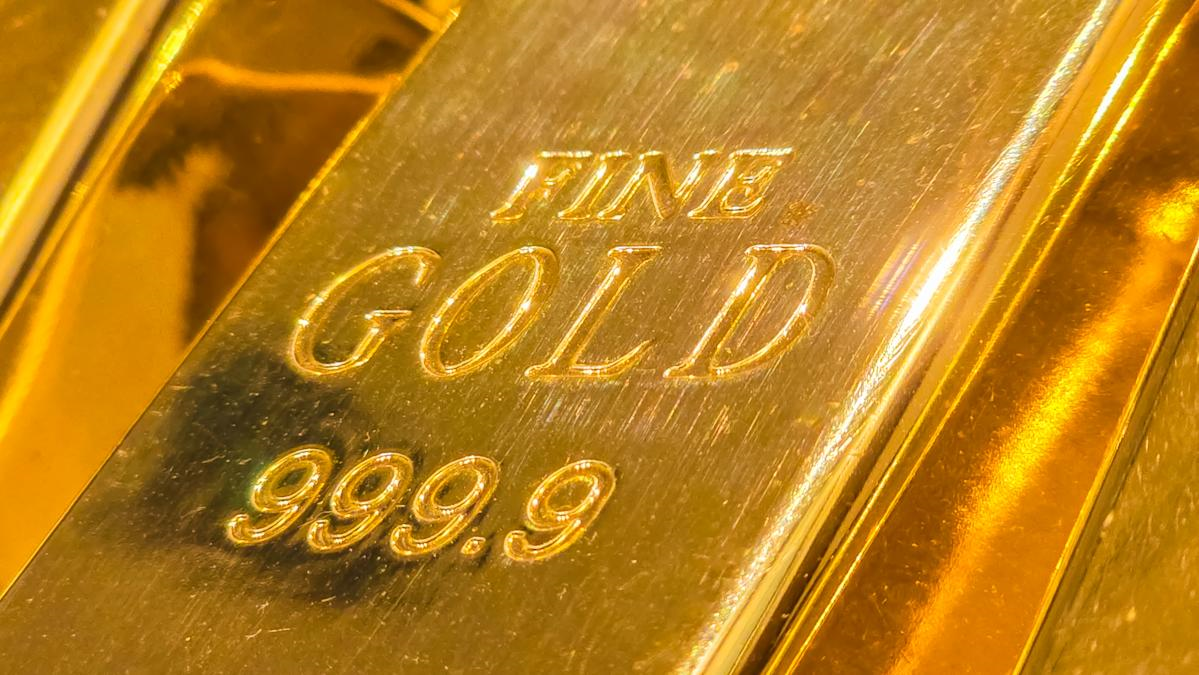
Is Gold Cheaper in Other Countries? | 2026 Tax & Duty Guide
Gold is a globally traded commodity, so the base price of investment-grade gold is generally similar worldwide because it follows the international LBMA gold spot price. However, the final price buyers pay can vary significantly depending on local taxes, import duties, VAT rules, dealer premiums, refinery costs, currency exchange rates, and government regulations. Countries such as Singapore, Switzerland, the UAE (Dubai), Hong Kong, and some U.S. states are often considered attractive gold markets because of lower taxes, strong bullion infrastructure, and competitive dealer premiums. However, the cheapest place to buy gold is not always the safest; buyers should consider purity verification, legal compliance, reputation of dealers, and total costs after transportation and import requirements.
Gold has been valued as a store of wealth for thousands of years, but many investors today ask an important question: “Is gold cheaper to buy in another country?” With gold prices reaching global record levels and investors seeking physical protection against inflation, currency uncertainty, and economic volatility, comparing international gold markets has become increasingly important.
The reality is that gold itself does not have dramatically different prices from one country to another because the global market is connected through international benchmarks such as the London Bullion Market Association (LBMA) gold price. Whether you buy a 1-ounce gold bar in Dubai, a 1-kilogram gold bar in Switzerland, or a 24K gold bar from an African supplier, the underlying metal value is based largely on the same global spot price.
However, the final purchase price can differ depending on additional costs added by each market. These include Value Added Tax (VAT), sales taxes, import duties, customs charges, refining fees, dealer premiums, storage costs, and currency exchange rates. For example, some countries offer tax advantages for investment gold, while others apply significant taxes that increase the cost for buyers.
For international investors, the best gold market is not necessarily the country with the lowest advertised price. A secure purchase requires buying from licensed gold dealers, accredited refineries, and reputable bullion companies that provide authenticity certificates, transparent pricing, and proper documentation.
In this global guide, we compare the cost of buying gold in major markets including Dubai, Switzerland, Singapore, the United States, Europe, Ghana, South Africa, and other gold-producing countries. You will learn where gold may be cheaper, how taxes and duties affect the final price, what hidden costs to consider, and how to safely buy gold internationally.
Whether you are an individual investor purchasing your first gold bar, a jeweler sourcing bullion, or an international trader comparing gold markets, understanding the difference between gold price, taxes, and total ownership costs is essential before making a purchase decision.
This guide was prepared by Gold Dealers Africa Limited, a gold sourcing company specializing in verified African gold suppliers, bullion trading information, export procedures, and international gold purchasing guidance.
The Short Answer: Does Gold Really Cost Less Abroad?
The short answer is yes but only in certain countries and under specific circumstances. The price of investment-grade gold is based on the international LBMA gold spot price, meaning the value of the gold itself is largely the same whether you buy it in Dubai, Switzerland, Singapore, the United States, Ghana, South Africa, or the United Kingdom. However, the total amount you pay can vary because each country applies different taxes, dealer premiums, import duties, refining costs, and currency exchange rates.
Countries with low or zero taxes on investment gold, such as Dubai (UAE), Singapore, and Switzerland, are often considered among the most cost-effective places to buy physical gold. In contrast, countries that impose Value Added Tax (VAT), sales tax, import duties, or higher dealer premiums may have a noticeably higher final purchase price, even though the underlying gold price is the same.
For buyers considering gold-producing countries such as Ghana, South Africa, Tanzania, or Uganda, purchasing closer to the source may reduce certain dealer markups and supply-chain costs. However, international buyers must also account for assay fees, export documentation, insurance, secure shipping, customs clearance, and import taxes in their home country. These additional expenses can offset any apparent savings.
It is also important to remember that extremely low-priced gold is usually a warning sign rather than a bargain. Genuine investment-grade gold rarely sells significantly below the international spot price. Any seller advertising discounts of 10% to 30% below market value should be approached with caution, as such offers are commonly associated with counterfeit products or fraudulent schemes.
Ultimately, the cheapest country to buy gold is not simply the one with the lowest advertised price it is the country where you can purchase authentic, investment-grade gold from a reputable dealer with transparent pricing, proper documentation, and manageable taxes and import costs. Before making a purchase, buyers should compare the total landed cost, including the gold price, dealer premium, taxes, shipping, insurance, and customs fees, rather than focusing only on the initial selling price. This approach provides a more accurate comparison and helps ensure a safe and cost-effective investment.
Global 24K Gold Price Comparison (Illustrative Retail Estimates – 2026)
Estimated using an international spot gold price of approximately US$131.50 per gram. Actual retail prices vary by dealer premiums, exchange rates, fabrication costs, taxes, and local market conditions.
| Rank | Country / Region | Local Currency (Approx. 24K/Gram) | Approx. Retail Price (USD/Gram) | Investment Gold Tax Treatment | Tourist Refund | Overall Price |
| 1 | UAE (Dubai) | ~484 AED | ~$131.75 | 5% VAT framework with exemptions/zero-rating for qualifying investment precious metals in certain cases | May apply to eligible retail purchases; bullion rules vary | 🟢 Very Competitive |
| 2 | Switzerland | ~114 CHF | ~$131.90 | Investment gold exempt from VAT | Not applicable | 🟢 Very Competitive |
| 3 | Singapore | 168 SGD | ~$131.80 | Investment Precious Metals (IPM) exempt from GST | Not applicable | 🟢 Very Competitive |
| 4 | United States | ~$131.90 USD | ~$131.90 | No federal VAT; state sales taxes vary by jurisdiction and product | N/A | 🟢 Competitive |
| 5 | Australia | 187 AUD | ~$132.00 | Investment-grade bullion generally GST-free | N/A | 🟢 Competitive |
| 6 | Germany | 114 EUR | ~$132.30 | Investment gold exempt from VAT under EU rules | N/A | 🟢 Competitive |
| 7 | United Kingdom | 98 GBP | ~$132.40 | Investment gold exempt from VAT | N/A | 🟢 Competitive |
| 8 | Turkey | 4,350 TRY | ~$132.10 | Tax treatment depends on product and transaction; active domestic bullion market | N/A | 🟡 Moderate |
| 9 | China | 955 CNY | ~$133.20 | Import controls and local dealer premiums may increase retail prices | No | 🟡 Moderate |
| 10 | India | 11,600 INR | ~$139.50 | Import duty, Agriculture Infrastructure & Development Cess, and GST contribute to higher retail prices | No | 🔴 Highest |
Note
- Switzerland, Singapore, and the UAE are widely regarded as among the most competitive markets for purchasing investment-grade gold because of favorable tax treatment and active bullion markets.
- Germany and the UK offer VAT exemptions on qualifying investment gold, making them attractive markets despite normal dealer premiums.
- The United States can be competitive, but the final price depends on state sales tax rules and dealer premiums.
- India typically has the highest retail prices due to import duties and taxes that increase costs above the international spot price.
- Regardless of the country, the global spot price of gold is largely the same. Differences in what buyers pay are driven by dealer premiums, taxes, import duties, fabrication costs, and currency exchange rates, rather than the value of the gold itself.
Spot Price vs. Retail Markup: How the Global Gold Market Works
The distinction between the gold spot price and the retail price is one of the most misunderstood concepts in precious metals investing. Many first-time buyers assume that if gold is quoted at a specific market rate on financial news websites, they can purchase a physical one-ounce gold bar or coin for that exact amount.
In reality, the spot price is an institutional wholesale benchmark—not the price consumers pay for physical bullion. Retail gold products include additional costs for refining, fabrication, certification, transportation, insurance, and dealer operations. Understanding how the spot price is established and why retail markups exist is essential for comparing offers accurately and making informed purchasing decisions.
1. What Is the Gold Spot Price?
The gold spot price is the current market price at which wholesale gold can be bought or sold for immediate settlement on international precious metals markets. It serves as the global benchmark used by refineries, bullion dealers, banks, and institutional investors.
The Wholesale Benchmark
The spot price reflects transactions involving large quantities of investment-grade gold, such as:
- 400 troy-ounce London Good Delivery bars traded through the London Bullion Market Association (LBMA).
- 100-ounce COMEX gold futures contracts traded on the CME Group.
- Institutional over-the-counter (OTC) bullion transactions between banks and professional market participants.
Global Price Discovery
Gold trades almost continuously during the business week as financial markets open across different time zones. Price discovery occurs through trading activity in major financial centers, including:
- Singapore and Hong Kong
- Shanghai
- London (LBMA)
- New York (COMEX)
As supply and demand change, the spot price moves in real time throughout the trading day.
Paper Gold vs. Physical Gold
The live gold price displayed on financial platforms primarily reflects trading in paper gold markets, including futures contracts and unallocated bullion accounts. These markets facilitate price discovery without requiring physical movement of gold for every transaction.
Physical gold purchases, however, involve refining, fabrication, secure storage, shipping, insurance, and verification, which is why retail prices exceed the spot price.
2. What Is Retail Markup (Premium Over Spot)?
When wholesale gold is transformed into investment products such as gold bars or bullion coins, additional costs are incurred. The amount added above the live spot price is known as the retail premium or premium over spot.
Retail Gold Price = Live Spot Price + Premium
The premium covers the complete supply chain required to deliver investment-grade physical gold to the buyer.
Why Dealers Charge a Premium
Retail premiums help cover:
- Refining and Fabrication
Gold doré from mines must be refined to investment-grade purity (typically 99.9% or 99.99%), cast into bars or minted into coins, stamped with identifying marks, tested, and packaged.
- Minting and Distribution
Government mints and accredited private refineries charge manufacturing fees before products reach wholesale distributors and bullion dealers.
- Transportation and Insurance
High-value bullion requires secure armored transport, insured logistics, and professional vault storage throughout the distribution process.
- Dealer Operating Costs
Authorized bullion dealers include a reasonable margin to cover business expenses such as compliance, licensing, security, staff, storage, and inventory management.
Retail Premium Comparison by Gold Product
Different gold products carry different premiums because manufacturing costs, market demand, and production complexity vary.
| Gold Product | Typical Premium Over Spot | Reason |
| 1 kg Gold Bars | 0.5%–2% | Lowest production cost per gram; preferred by institutional and wholesale investors. |
| 1 oz Gold Bars | 1.5%–3% | Standard investment product with relatively low fabrication costs. |
| 1 oz Gold Coins (e.g., American Eagle, Canadian Maple Leaf, Krugerrand) | 3%–6% | Government-backed, legal tender status, advanced security features, and higher demand. |
| Fractional Gold Coins (1/10 oz, 1/4 oz) | 8%–15%+ | Fixed manufacturing costs spread across smaller weights increase the premium percentage. |
| Gold Jewelry | 20%–50%+ | Includes craftsmanship, branding, retail overhead, and applicable taxes. |
Understanding Dealer Bid and Ask Prices
Bullion dealers quote two prices for physical gold:
- Ask Price: The price you pay to purchase gold (Spot Price + Premium).
- Bid Price: The price a dealer offers when buying gold from you.
- Dealer Spread: The difference between the ask price and the bid price.
A narrower spread generally indicates a more competitive bullion market.
Investor Insight: When selling investment-grade bullion back to a reputable dealer, the buyback price is typically close to the prevailing spot price, depending on market conditions and the product’s condition. The full retail premium paid at purchase is not always recovered unless demand for that specific product has increased.
What Causes Retail Premiums to Increase?
Retail premiums are dynamic and can rise or fall independently of the gold spot price.
Several factors influence premiums:
Increased Physical Demand
Periods of financial uncertainty, inflation, or geopolitical instability often drive investors toward physical gold. Strong demand can push premiums higher even if the spot price remains relatively stable.
Supply Chain Constraints
Limited mint production, refinery capacity, shipping disruptions, or shortages of investment-grade bullion products can increase retail premiums.
Product Availability
Popular products such as government-issued bullion coins may command higher premiums during periods of limited supply due to strong investor demand.
Regional Market Conditions
Premiums also vary by country. Gold-producing nations with established refining industries may experience lower local fabrication and distribution costs than countries that rely heavily on imported bullion. However, buyers should also consider taxes, import duties, transportation costs, and regulatory requirements when comparing prices internationally.
Bullion Bars vs. Gold Jewelry: Where the Real Savings Live
When deciding between gold bullion bars and gold jewelry, it is important to understand that they are designed for different purposes and are priced differently. Although both contain gold, bullion bars are manufactured primarily for investment and wealth preservation, while jewelry is created for personal wear, craftsmanship, and aesthetic appeal. As a result, the amount you pay above the actual value of the gold can vary significantly.
Gold bullion bars typically offer the best value for investors because they are sold close to the international gold spot price, with relatively low premiums that cover refining, fabrication, certification, transportation, and dealer costs. Larger bullion bars, such as 100-gram or 1-kilogram bars, generally have even lower premiums per gram, making them one of the most cost-effective ways to own physical gold.
Gold jewelry, on the other hand, is usually sold at a much higher price than its gold content alone would justify. In addition to the value of the gold, the purchase price includes craftsmanship, design, manufacturing, branding, retail overhead, packaging, and, in many countries, taxes such as VAT or sales tax. These added costs mean that buyers often pay substantially more for jewelry than for an equivalent amount of investment-grade bullion.
Another important difference is resale value. Investment-grade bullion bars are widely recognized and traded by bullion dealers, banks, and precious metals exchanges, making them easier to value and resell based on the current market price of gold. Gold jewelry is commonly purchased back for its melt value unless it has collectible, antique, or luxury brand significance, meaning much of the original retail markup may not be recovered.
For buyers whose primary goal is preserving wealth, diversifying an investment portfolio, or maximizing the amount of physical gold purchased, bullion bars generally provide the greatest savings and the highest value over time. Jewelry remains an excellent choice for personal enjoyment, gifting, or cultural purposes, but it is typically less efficient as a pure gold investment due to its significantly higher premiums.
The Main Factors That Make Gold Cheaper in Specific Countries
The price of gold is not determined solely by the international spot price. While the global spot price provides a benchmark for the value of gold, the final amount buyers pay varies from one country to another due to local taxes, import policies, market competition, and manufacturing costs. Understanding these factors can help investors identify markets where physical gold is available at a lower overall cost and avoid paying unnecessary premiums.
1. Value-Added Tax (VAT) and Sales Tax Exemptions
One of the biggest reasons gold may be cheaper in certain countries is the absence of Value-Added Tax (VAT) or sales tax on investment-grade bullion. In many jurisdictions, investment-quality gold bars and certain bullion coins are exempt from VAT because they are treated as financial assets rather than consumer goods. Countries such as Singapore and the United Kingdom (for qualifying investment gold) have tax policies that make bullion purchases more attractive. By contrast, countries that impose VAT or sales tax on gold can significantly increase the total purchase price, making the same gold product more expensive even when the international spot price is identical.
2. Import Duties and Government Tariffs
Import duties, customs fees, and government tariffs can have a major impact on the retail price of gold. Countries that produce or refine large quantities of gold domestically often have lower import costs because much of their supply is sourced locally. In contrast, nations that depend heavily on imported bullion may impose customs duties, import taxes, or regulatory fees that increase the final selling price. Before purchasing gold internationally, buyers should also consider destination-country import regulations, customs clearance charges, and any applicable taxes that may affect the total landed cost.
3. Dealer Premiums and Market Competition
The level of competition among bullion dealers also influences how much buyers pay above the gold spot price. In countries with well-developed precious metals markets—such as Dubai, Switzerland, and Singapore numerous dealers compete for customers, often resulting in lower premiums and more competitive pricing. Markets with limited competition or lower trading volumes may have higher dealer markups to cover operating costs. Comparing premiums from multiple reputable dealers can help investors secure better value when purchasing physical gold.
4. Lower Making Charges (Labor Costs for Jewelry)
For buyers interested in gold jewelry rather than investment bullion, making charges are an important part of the final price. These charges cover the labor required to design, manufacture, polish, and finish jewelry. Countries with lower labor costs and established jewelry manufacturing industries may offer significantly lower making charges, making gold jewelry more affordable than in regions where labor and retail expenses are higher. However, while lower making charges can reduce the price of jewelry, investment-grade bullion bars generally remain the more cost-effective choice for buyers focused on maximizing the value of their gold holdings.
Top Cheapest Countries to Buy Gold (and Why)
While the international gold spot price is largely consistent around the world, the total cost of buying physical gold can vary significantly from one country to another. Differences in taxes, import duties, dealer competition, refining infrastructure, and government policies all influence the final retail price. The following countries are widely recognized for offering competitive prices on investment-grade gold bullion.
1. United Arab Emirates (Dubai) — The Zero-Tax Retail Hub
Dubai has earned a global reputation as one of the cheapest places to buy gold due to its highly competitive bullion market and favorable tax environment. The city is home to hundreds of licensed gold dealers, refineries, and wholesalers, particularly within the famous Dubai Gold Souk and the Dubai Multi Commodities Centre (DMCC). Strong competition among dealers helps keep premiums low, while the absence of VAT on many qualifying investment-grade gold products makes Dubai an attractive destination for investors. Buyers can also choose from a wide range of internationally recognized gold bars and coins produced by leading refineries.
2. Hong Kong — Zero Tariff and Sales-Tax-Free Gold Market
Hong Kong is one of Asia’s premier precious metals trading hubs, offering a tax-efficient environment for buying physical gold. The territory does not impose sales tax or VAT on gold, and its status as a free port allows bullion to move with minimal import restrictions. A highly competitive network of bullion dealers, banks, and jewelry retailers contributes to relatively low premiums, making Hong Kong an appealing market for both retail investors and international gold buyers.
3. Singapore — GST Exemption for Investment-Grade Precious Metals
Singapore is widely regarded as one of the world’s leading destinations for purchasing investment-grade bullion. Under Singapore’s Investment Precious Metals (IPM) scheme, qualifying gold bars and bullion coins are exempt from Goods and Services Tax (GST), reducing the overall cost of investment-grade gold. Combined with world-class vaulting facilities, internationally accredited refineries, and a transparent regulatory framework, Singapore provides a secure and cost-effective environment for purchasing and storing physical gold.
4. Switzerland — Global Refining Dominance and VAT Exemption on Investment Bullion
Switzerland plays a central role in the global gold industry and is home to several of the world’s largest precious metals refineries, including Valcambi, PAMP Suisse, Argor-Heraeus, and Metalor. A significant portion of the world’s newly mined gold is refined in Switzerland before entering international markets. The country’s advanced refining industry, strong competition, and VAT exemption for qualifying investment gold help keep premiums relatively low while ensuring exceptional product quality and global recognition.
5. Thailand and Indonesia — Competitive Jewelry Markets with Lower Manufacturing Costs
Thailand and Indonesia are well known for their extensive gold jewelry industries, where comparatively lower labor costs help reduce manufacturing expenses. As a result, high-purity gold jewelry often carries lower making charges than similar products in many Western countries. While investment-grade bullion premiums may vary by dealer, buyers interested in gold jewelry can often find excellent value due to efficient local production, skilled craftsmanship, and competitive retail markets. Investors should verify purity, weight, and certification before making a purchase.
6. Ghana — Africa’s Largest Gold Producer with Strong Local Supply
Ghana is one of the best countries in Africa to buy gold due to its position as one of the continent’s leading gold producers. The country’s extensive mining industry ensures a steady supply of gold to licensed refineries and bullion dealers, helping keep local premiums competitive. Buyers purchasing through authorized dealers can access investment-grade gold bars and bullion at prices that closely follow international market rates. However, anyone intending to export gold should ensure that all licensing, documentation, and customs requirements are fully met.
7. South Africa — World-Class Refineries and Competitive Bullion Market
South Africa has a long-established reputation in the global gold industry and is home to internationally recognized refiners such as Rand Refinery, one of the world’s largest precious metals refineries. The country offers a mature bullion market with high-quality investment-grade gold bars and internationally accepted products, including the famous Krugerrand gold coin. Strong refining infrastructure and a competitive precious metals industry often help keep dealer premiums relatively low compared to many other markets.
8. Uganda — Growing Gold Trading and Regional Refining Hub
Uganda has rapidly emerged as one of East Africa’s leading gold trading and refining centers. Gold from Uganda and neighboring countries is refined locally before being supplied to regional and international markets. This growing refining capacity, combined with increasing competition among licensed bullion dealers, can result in competitive pricing for investment-grade gold. Buyers should conduct due diligence by working only with licensed exporters and dealers, verifying assay certificates, and ensuring that all export permits and regulatory requirements are satisfied before completing a transaction.
Looking to Buy Verified Gold From Africa?
Gold prices may be similar globally, but sourcing gold directly from licensed African gold dealers can provide competitive premiums, verified documentation, and access to internationally traded 24K gold bars.
Gold Dealers Africa Limited helps international buyers source legally exported gold from trusted African suppliers with:
✓ Verified gold suppliers
✓ Assay certificates
✓ Export documentation assistance
✓ Secure logistics support
✓ 24K gold bars and bullion products
Request Current Gold Prices & Availability
Africa Gold Buying Comparison Table: Countries, Advantages, and Best Uses
When comparing where to buy gold, investors should consider more than just the advertised price. The best gold markets are determined by factors such as local production, refining capacity, dealer competition, regulatory environment, and access to international bullion markets. The following comparison highlights key gold markets and what each location is best known for.
| Country | Gold Advantage | Best For |
| Ghana | Africa’s leading gold producer with a well-established mining sector, licensed gold trading network, and strong export infrastructure. | Gold sourcing, commercial buyers, and international gold traders |
| Uganda | Growing regional gold trading and refining hub with access to gold supplies from East and Central Africa and increasing international buyer activity. | International buyers, regional sourcing, and bullion supply partnerships |
| South Africa | Home to world-renowned refining infrastructure, including Rand Refinery, and a globally recognized bullion market featuring products such as the Krugerrand gold coin. | Investment bullion buyers and certified gold products |
| Tanzania | One of Africa’s major gold producers with large-scale mining operations, established mineral export systems, and significant gold reserves. | Commercial gold buyers and mining-sector investors |
| Democratic Republic of Congo (DRC) | Rich gold-producing regions with significant artisanal and industrial mining activity, particularly in eastern provinces. | Responsible sourcing partnerships and verified supply chains |
| United Arab Emirates (Dubai) | Global gold trading center with competitive dealer premiums, strong retail competition, and favorable tax treatment for qualifying gold products. | Retail investors and international gold shoppers |
| Switzerland | Global refining powerhouse with major refineries such as PAMP Suisse, Valcambi, and Metalor, producing internationally recognized bullion products. | Institutional investors, banks, and high-value bullion buyers |
Note. Africa offers several competitive gold markets, but each country provides different advantages. Ghana and Tanzania are strong choices for mining-linked gold sourcing, Uganda is becoming an important regional trading and refining center, and South Africa remains one of the continent’s most trusted destinations for investment-grade bullion. For international investors, the safest approach is to compare not only price but also refinery standards, licensing, documentation, export compliance, and the total cost of acquiring and transporting gold.
Is Gold Cheaper in Dubai Than the US, UK, or India? (Comparison)
Dubai is often considered one of the most competitive gold markets in the world because of its large trading volume, strong dealer competition, and favorable tax environment for qualifying gold products. However, whether Dubai is actually cheaper than the United States, United Kingdom, or India depends on factors such as gold type, dealer premiums, taxes, currency exchange costs, and import regulations.
| Country | Gold Pricing Advantage | Taxes & Charges | Dealer Premiums | Overall Cost Comparison |
| Dubai, UAE | Strong gold trading hub with access to international bullion markets and competitive retail pricing. | 5% VAT may apply to some purchases, but eligible tourists can claim a VAT refund. Investment gold may receive favorable treatment under UAE regulations. | Generally low due to intense competition among gold dealers. | Often among the cheapest markets for gold jewelry and competitive for bullion purchases. |
| United States (US) | Mature bullion market with many online dealers offering competitive pricing. | Many states exempt investment-grade gold from sales tax, while others may apply taxes depending on purchase value and location. | Typically low for large bullion products, especially from major online dealers. | Can be equal to or cheaper than Dubai for bullion after considering shipping, taxes, and currency costs. |
| United Kingdom (UK) | Strong bullion market with recognized dealers and tax advantages for qualifying investment gold. | Investment gold that meets HMRC requirements is generally VAT exempt. | Competitive premiums due to established bullion dealers. | Often competitive with Dubai for investment bars and coins, especially for local buyers. |
| India | One of the world’s largest gold markets with strong consumer demand and extensive jewelry manufacturing. | Import duties, GST, and other charges can increase the price of imported gold. | Jewelry premiums vary; making charges may be lower than Western countries. | Often cheaper for gold jewelry craftsmanship but not always cheaper for investment bullion. |
Example: Factors That Influence the Final Price
| Cost Factor | Dubai | US | UK | India |
| Gold Spot Price | Global benchmark | Global benchmark | Global benchmark | Global benchmark |
| VAT/Sales Tax | Low or refundable for eligible buyers | Depends on state | Investment gold VAT exempt | GST and import-related charges apply |
| Dealer Competition | Very high | Very high | High | High |
| Jewelry Making Charges | Low to moderate | Higher | Higher | Often low |
| Bullion Availability | Excellent | Excellent | Excellent | Strong but import costs matter |
How Much Gold Can You Legally Bring on a Plane?
There is no universal worldwide limit on how much gold a traveler can carry on a plane. The amount of gold you can legally bring across an international border depends on the country you are entering, the type of gold you are carrying, its value, your residency status, and whether the gold is for personal use or commercial purposes.
Unlike cash, gold is not always subject to the same reporting rules in every country. However, many customs authorities require travelers to declare high-value gold items, especially when the total value exceeds specific thresholds. Failure to declare gold can result in penalties, confiscation, delays, or legal investigations.
Before traveling with gold, buyers should check the import regulations of both:
- The country where the gold is purchased
- The country where the traveler is arriving
Gold Declaration Rules by Major Countries
| Country | Gold Import Rules for Travelers |
| United States | Investment-grade gold bullion is generally not subject to import duty, but travelers may need to declare high-value shipments. Gold-related reporting requirements may apply depending on value and circumstances. |
| United Kingdom | Investment gold meeting HMRC requirements is generally VAT exempt. Travelers should declare high-value gold when required by customs rules. |
| European Union | Travelers entering or leaving the EU with significant-value goods may have declaration obligations. Investment gold may receive favorable tax treatment if it meets requirements. |
| India | India has strict gold import regulations. Travelers are allowed limited duty-free allowances depending on eligibility, while excess gold may attract customs duty. |
| UAE (Dubai) | Dubai allows legal gold purchases, but travelers must comply with export and destination-country import requirements when carrying gold abroad. |
| Africa Countries | Requirements vary by country. Commercial gold exports usually require export permits, assay certificates, invoices, and approved documentation. |
How Much Gold Can You Carry Without Declaring It?
The answer depends on the destination country.
For example:
- Some countries focus on the monetary value of gold rather than weight.
- Others apply specific rules for jewelry, coins, and bullion bars.
- Commercial quantities usually require additional licensing and export documentation.
A small personal gold item may have different treatment from carrying several kilograms of gold bars.
A traveler carrying:
- Gold jewelry
- Gold coins
- 1 oz gold bars
- 100g gold bars
- 1kg gold bars
may face different customs requirements depending on the destination.
Carrying Gold Bars on an International Flight
Gold bars are treated differently from ordinary personal belongings because they represent a high-value financial asset.
Travelers carrying bullion should have:
✓ Purchase invoices
✓ Assay certificates showing purity
✓ Refinery certificates
✓ Proof of payment
✓ Export permits where required
✓ Import documentation if required
For larger transactions, professional precious metals logistics companies are usually safer than personal transportation.
What Happens If You Do Not Declare Gold?
Failing to declare gold when required can lead to:
- Temporary seizure of gold
- Customs investigations
- Fines and penalties
- Payment of unpaid taxes or duties
- Possible criminal investigation in serious cases
Even legally purchased gold can create problems if customs authorities cannot verify its origin and documentation.
Best Practice Before Flying With Gold
Before boarding an international flight with gold:
- Check customs rules for your destination country.
- Confirm whether declaration is required.
- Carry all purchase and purity documents.
- Use licensed gold dealers.
- Avoid carrying large commercial quantities personally.
- Arrange secure insured transport for high-value shipments.
For International Gold Buyers
Buying gold abroad can offer competitive prices, but the final cost depends on more than the purchase price. Customs rules, import duties, documentation requirements, and secure transportation all affect the true cost of owning internationally purchased gold.
Gold Dealers Africa Limited helps international buyers understand gold sourcing procedures, documentation requirements, and compliant purchasing processes when dealing with African gold suppliers.
Get Verified Gold Supply Information
The International Gold Arbitrage Math (Worked Example)
To determine whether buying gold abroad actually saves money, investors must perform an international arbitrage calculation. A lower sticker price at a foreign gold market does not automatically translate to net savings. The true financial outcome depends on factoring in VAT refunds, making charges, foreign exchange fees, and home customs import duties.
1. The Core Arbitrage Formula
To calculate your actual savings (or loss) when purchasing physical gold overseas, use the following equation:
Estimated Savings = Price at Home − (Overseas Purchase Price + Fees + Taxes − VAT Refund + Import Costs)
If Net Arbitrage > $0: The overseas purchase is cheaper and yields real savings.
If Net Arbitrage < $0: Foreign taxes, customs duties, or transport costs negated the upfront discount.
2. Worked Example: Buying 100g of 24K Gold (US Resident Buying in Dubai)
In this scenario, an international traveler from the United States purchases a 100-gram 24K gold cast bar at the Dubai Gold Souk in the UAE and returns home to the US.
Baseline Parameters
LBMA World Spot Price: ~$130.00 USD / gram
Weight Purchased: 100 grams
Base Metal Value: $13,000 USD
Step A: Domestic Purchase Cost (Control Group)
If the investor purchased the exact same 100g 24K bar from a reputable US online bullion dealer:
| Line Item | Price / Rate | Amount (USD) |
| 100g 24K Gold Spot Base | $130.00 / gram | $13,000.00 |
| US Dealer Premium Over Spot | ~2.5% | $325.00 |
| State Sales Tax | 0% (Most US states exempt investment bullion) | $0.00 |
| Insured Domestic Shipping | Flat rate | $25.00 |
| TOTAL DOMESTIC COST | $13,350.00 |
Step B: Overseas Purchase Cost (Dubai, UAE)
The traveler buys the 100g 24K gold bar in Dubai.
| Line Item | Price / Rate | Amount (USD) | Notes |
| 100g 24K Gold Base | Spot price benchmark | $13,000.00 | Converted at fixed AED peg (3.6725) |
| Local Making Charge / Premium | ~1.2% | $156.00 | Negotiated at the Gold Souk |
| UAE Value Added Tax (VAT) | 5% | $657.80 | Levied on retail purchases |
| Subtotal at Cash Register | $13,813.80 | ||
| Less: Tourist VAT Refund | 87% of VAT minus admin tag fee | -$571.30 | Processed via Planet Tax Free kiosk at Dubai Airport (DXB) |
| Foreign Exchange (FX) Spread | 1.0% | $132.42 | Credit card or bank currency conversion fee |
| TOTAL OVERSEAS OUT-OF-POCKET | $13,374.92 |
Step C: Returning Home (US Customs Duty & Declarations)
Upon arrival back in the United States:
| Line Item | Rate / Policy | Amount (USD) |
| US Duty-Free Personal Exemption | $800 allowance | Deducted from total shipment value |
| US Customs Tariff (HTS Code 7108.12) | 0% on 99.9% pure investment gold bullion | $0.00 (Duty-free) |
| CBP Customs Declaration | Mandatory FinCEN Form 105 (Over $10,000) | $0.00 (Administrative paperwork only) |
| TOTAL IMPORT DUTY PAID | $0.00 |
Step D: The Final Financial Reconciliation
$$\text{Domestic Cost } ($13,350.00) – \text{Net Overseas Cost } ($13,374.92) = \mathbf{-$24.92}$$
The Verdict for this Example:
In this specific case, buying the 100g gold bar in Dubai resulted in a net loss of $24.92 compared to ordering it online at home. Even though Dubai offered a lower initial dealer markup (1.2% vs. 2.5%), the foreign exchange conversion fees and non-refunded portion of the UAE VAT processing fee wiped out the savings.
When Does the Math Pivot to Big Savings?
The international gold arbitrage equation becomes highly profitable under specific conditions:
Buying Gold Jewelry Instead of Bullion: In Western countries, 22K/18K gold jewelry carries making charges of 30%–80% over spot. In markets like Dubai, Turkey, or India, making charges range from 6%–15%. On a $10,000 jewelry purchase, savings often exceed $2,000 to $3,500.
Eliminating FX Spreads: Paying via multi-currency bank accounts or zero-FX-fee credit cards preserves the 1.5% margin.
High-Duty Destinations (e.g., Travelers Returning to High-Tariff Countries): If an investor lives in a country with high import duties on physical gold (such as India’s statutory import tariffs), maximizing legitimate personal passenger allowances yields massive net savings.
Local Purchase Price + Airport VAT Refund vs. Domestic Import Duty
When comparing the cost of buying gold abroad, investors must look beyond the advertised foreign price. The real financial advantage depends on whether the savings from a lower local purchase price and available VAT refunds outweigh the import duties, taxes, and fees imposed when bringing gold back into the home country.
The correct comparison is not simply “foreign gold price vs. domestic gold price.” Instead, buyers should calculate the complete landed cost after all refunds, taxes, and compliance costs are included.
The Core Comparison Formula
{Final Gold Cost} ={Gold Price} + {Fees} + {Taxes} – {VAT Refund}
Or slightly more detailed: {Final Gold Cost} = {Purchase Price} + {Travel/Shipping} + {Currency Exchange Fees} + {Import Taxes} – {VAT Refund}}
If the final international cost is lower than the domestic purchase price, buying abroad creates genuine savings.
If import duties and additional expenses eliminate the price difference, purchasing locally may be the better financial decision.
1. Local Purchase Price After VAT Refund
Many gold-buying destinations attract international investors because they offer tax advantages, competitive dealer pricing, and strong bullion markets.
For example, countries such as the UAE, Singapore, and Switzerland may offer favorable conditions for qualifying investment gold purchases.
The effective foreign purchase price is calculated as:
Foreign Gold Price = Gold Spot Price + Dealer Premium + Local Taxes − Eligible VAT Refund
A VAT refund can significantly reduce the cost for eligible tourists, but buyers should understand that:
- Refunds are usually not 100% of the VAT paid.
- Administrative fees may be deducted.
- Eligibility depends on the product type and local regulations.
- Refund procedures must be completed before leaving the country.
For example, if a gold bar includes a 5% VAT charge and the traveler receives most of that VAT back, the final purchase price may move closer to the international spot price.
2. Domestic Import Duty and Tax Considerations
The savings from buying gold abroad can disappear if the destination country charges high import duties or taxes on returning gold.
Import costs may include:
- Customs duty
- Value-added tax
- Goods and services tax
- Clearance fees
- Declaration requirements
- Brokerage charges
Each country applies different rules depending on:
- Gold purity
- Gold form (bars, coins, jewelry)
- Quantity imported
- Traveler status
- Whether the gold is for personal use or commercial purposes
For example, a country with high import tariffs on gold may reduce or eliminate the advantage of purchasing abroad, even if the foreign market price appears lower.
3. Worked Comparison Example
Assume an investor compares buying a 100g 24K gold bar abroad versus purchasing from a domestic dealer.
Option A: Domestic Purchase
| Cost Component | Amount |
| Gold Spot Value | $13,000 |
| Dealer Premium (2.5%) | $325 |
| Shipping | $25 |
| Total Domestic Cost | $13,350 |
Option B: Foreign Purchase
| Cost Component | Amount |
| Foreign Gold Price | $13,000 |
| Dealer Premium (1.2%) | $156 |
| Local VAT | $657.80 |
| VAT Refund | -$571.30 |
| Foreign Exchange Fees | $132.42 |
| Import Duty | $0 |
| Final International Cost | $13,374.92 |
Result:
Domestic Purchase: $13,350
Foreign Purchase: $13,374.92
Although the foreign market offered a lower dealer premium, the additional currency conversion cost and unrecovered VAT reduced the expected savings.
Net Difference: -$24.92
In this example, buying locally was slightly cheaper.
4. When Buying Abroad Creates Real Savings
International gold purchases become more attractive when several advantages combine:
- The foreign market has very low dealer premiums.
- VAT or sales taxes are fully exempt or refundable.
- The buyer avoids expensive currency conversion fees.
- The home country has low or zero import duties.
- The purchase involves larger quantities where savings exceed transaction costs.
- The buyer is purchasing gold jewelry where making charges vary significantly between countries.
Key note. The cheapest advertised gold price is not always the cheapest final price. The real calculation is:
Local Purchase Price + VAT Refund − Import Costs = True International Gold Cost
Smart investors compare the final landed cost after all taxes, refunds, exchange fees, and duties. A country may offer cheaper gold at the counter, but domestic import rules ultimately determine whether international gold buying creates real savings or simply shifts costs from one stage of the transaction to another.
The Hidden Trap: Customs Laws, Allowances, and Taxes Back Home
Many investors focus only on the lower gold prices available in foreign markets and overlook one of the most important factors that determines the true cost of international gold purchases: customs laws, personal allowances, and taxes in their home country. A gold bar or jewelry item that appears cheaper abroad can become significantly more expensive after import duties, declarations, taxes, and compliance requirements are applied when returning home.
Every country has different regulations regarding the importation of gold, and travelers must understand the rules before purchasing precious metals internationally. Some countries allow travelers to bring back certain amounts of gold duty-free, while others impose customs duties, value-added taxes, or reporting requirements based on the value, weight, and type of gold being imported.
Personal allowances can play an important role in determining whether buying gold abroad is financially beneficial. Some jurisdictions provide duty-free exemptions for limited-value personal purchases, while larger quantities may require formal customs declarations and additional payments. Investors who exceed these limits may be required to pay import taxes or provide documentation proving the legal origin and purchase history of the gold.
Customs authorities may also require travelers to declare gold when crossing international borders, especially when carrying high-value bullion. Failure to declare gold properly can result in penalties, confiscation, fines, or delays during customs inspections. Proper documentation, including purchase invoices, assay certificates, refinery certificates, and export permits where applicable, helps demonstrate the authenticity and legality of the gold.
Taxes imposed after returning home can significantly reduce or eliminate any savings achieved from buying gold abroad. A buyer may benefit from lower dealer premiums or tax advantages in the country of purchase, but those savings can disappear if the destination country applies import duties, VAT, or other charges.
The biggest mistake international gold buyers make is comparing only the foreign purchase price with the local market price. The correct calculation must include the complete landed cost: foreign purchase price, VAT refunds, currency exchange fees, transportation costs, insurance, customs duties, and any applicable taxes in the buyer’s home country.
Understanding customs laws and tax obligations before purchasing gold internationally allows investors to avoid unexpected costs and determine whether buying abroad provides genuine savings or simply creates additional financial and regulatory complications.
Duty-Free Limits by Country (US, India, UK, EU)
When purchasing gold internationally, understanding duty-free allowances and import regulations is essential because the amount of gold a traveler can bring home without paying additional taxes or duties varies significantly by country. A gold purchase that appears cheaper abroad may become more expensive after customs charges are applied. Travelers should always verify the latest regulations with their country’s customs authority before importing gold.
United States (US)
The United States generally does not impose customs duty on qualifying investment-grade gold bullion, including certain gold bars and coins that meet purity and classification requirements. However, travelers must still comply with declaration rules when carrying significant amounts of gold across the border.
Gold and monetary instruments exceeding $10,000 in value must be declared when entering or leaving the United States, and travelers may need to complete FinCEN Form 105 for applicable monetary instruments. Although qualifying investment gold may enter duty-free, customs officials may request documentation such as purchase receipts, invoices, and proof of origin to verify the transaction.
India
India is one of the world’s largest gold markets, but it applies stricter import controls because of the country’s significant demand for imported gold. Travelers entering India are subject to specific duty-free allowances based on factors such as residency status, length of stay abroad, and gender categories under customs rules.
Gold above the permitted allowance may attract customs duty and additional charges. Indian authorities require travelers to declare gold imports exceeding allowable limits and provide proper documentation. Because import duties can be substantial, the final cost of buying gold abroad depends heavily on whether the purchase remains within the permitted allowance or becomes subject to taxation.
United Kingdom (UK)
The United Kingdom allows qualifying investment gold, including certain gold bars and bullion coins, to benefit from favorable tax treatment. Investment gold that meets HM Revenue & Customs (HMRC) requirements is generally exempt from VAT.
However, travelers bringing gold into the UK must comply with customs declaration requirements, particularly for high-value transactions. Gold jewelry and non-qualifying gold products may be treated differently and could be subject to applicable taxes depending on circumstances.
European Union (EU)
European Union countries follow customs rules that require travelers to declare high-value goods when entering or leaving the EU. Investment-grade gold may receive favorable treatment because many forms of investment gold are exempt from VAT within the EU when they meet specific purity and product requirements.
However, travelers carrying significant quantities of gold may need to declare the value to customs authorities, and individual member states may apply additional reporting procedures. Buyers should consider both EU import rules and the regulations of their specific destination country before purchasing gold abroad.
Key Considerations Before Importing Gold
Before buying gold internationally, investors should calculate the complete cost after considering:
- Duty-free personal allowances
- Import duties and customs taxes
- VAT or sales tax obligations
- Declaration requirements
- Documentation requirements
- Currency conversion fees
- Transportation and insurance costs
The cheapest place to buy gold is not always the country with the lowest advertised price. The final cost depends on how customs laws, tax policies, and import limits affect the gold once it reaches the buyer’s home country. Always purchase from reputable dealers and maintain complete documentation to ensure smooth customs clearance.
What Happens If You Fail to Declare Gold at Airport Customs?
Failing to declare gold at airport customs can create serious legal and financial consequences, even if the gold was purchased legally. Many countries require travelers to declare high-value gold purchases when crossing international borders, especially when the value exceeds permitted reporting thresholds or duty-free allowances. Customs authorities use these declarations to verify the source, value, and legality of precious metals entering or leaving the country.
When a traveler fails to declare gold, customs officers may consider it an attempt to avoid import duties, taxes, or reporting requirements. The consequences can vary depending on the country, the amount of gold involved, and whether authorities determine that the failure was accidental or intentional.
Possible consequences include:
Gold Seizure or Temporary Detention:
Customs authorities may confiscate or hold undeclared gold until ownership, purchase documents, and compliance with import regulations are verified. In some cases, the gold may be returned after duties and penalties are paid, while serious violations can result in permanent forfeiture.
Financial Penalties and Fines:
Travelers who fail to declare gold may face monetary penalties, which can include fines based on the value of the undeclared gold or the amount of unpaid duties and taxes. Penalties are often higher when authorities believe the traveler intentionally attempted to conceal the gold.
Payment of Import Duties and Taxes:
Even if the gold is eventually allowed into the country, the traveler may still be required to pay applicable customs duties, VAT, sales taxes, or administrative fees. Any savings from purchasing gold abroad can quickly disappear once these additional costs are applied.
Legal Investigation and Compliance Checks:
Large undeclared gold shipments may trigger additional scrutiny, including questions about the source of funds, ownership, and the origin of the gold. Authorities may request supporting documents such as purchase invoices, assay certificates, export permits, and proof of payment.
Possible Criminal Charges in Serious Cases:
If customs authorities believe the gold was deliberately concealed, illegally sourced, linked to money laundering, or imported in violation of regulations, the matter may escalate into a criminal investigation.
Why Gold Buyers Should Always Declare Properly
Declaring gold does not necessarily mean that the traveler will automatically pay taxes or duties. In many countries, properly declared investment-grade gold may qualify for favorable treatment, duty exemptions, or simplified processing. Declaration simply ensures that the import is transparent and compliant with the law.
Before traveling with gold, buyers should:
- Check the customs rules of the destination country before departure.
- Carry official purchase receipts and invoices.
- Keep refinery certificates and assay documents.
- Understand declaration thresholds and duty-free allowances.
- Use licensed and reputable gold dealers.
- Declare gold honestly when required.
The safest approach for international gold buyers is to calculate all costs and comply with customs requirements before traveling. A lower purchase price abroad is only valuable if the gold can be legally imported without unexpected penalties, delays, or financial losses.
How to Safely Buy Gold Abroad: A Buyer’s Security Checklist
Buying gold in another country can provide access to competitive prices, unique products, and established international bullion markets. However, international gold purchases also carry risks, including counterfeit products, unclear documentation, unlicensed sellers, and transportation challenges. A safe purchase requires careful verification of the gold’s authenticity, the seller’s credibility, and the legal requirements for moving gold across borders.
Before completing any international gold transaction, buyers should follow a strict due diligence process to confirm that the gold is genuine, properly documented, and purchased through a legitimate channel.
Verifying Hallmarks and Purity Assay Certificates (24K vs 22K)
One of the most important steps when buying gold abroad is confirming the purity, weight, and authenticity of the product. Genuine gold bars and jewelry should carry official hallmarks, refinery stamps, and identification marks that verify the gold’s quality.
24K gold (999 or 999.9 purity) represents investment-grade gold with approximately 99.9% or higher pure gold content. It is the standard purity commonly used for bullion bars because it provides maximum gold content and is widely accepted internationally.
22K gold (916 purity) contains approximately 91.6% pure gold mixed with other metals to increase strength and durability. It is commonly used for jewelry, especially in markets such as India, the Middle East, and parts of Africa.
Buyers should request an official assay certificate from the seller, especially for larger gold purchases. A professional assay certificate confirms:
- Gold purity level
- Exact weight
- Refinery or manufacturer details
- Unique identification numbers
- Testing method used
Reputable dealers may also provide additional verification through recognized methods such as X-ray fluorescence (XRF) testing or independent laboratory analysis. Avoid sellers who refuse testing, documentation, or verification before payment.
Choosing Verified Retailers over Informal Sellers
The seller you choose is just as important as the gold product itself. While informal markets may advertise attractive prices, they often carry higher risks involving counterfeit gold, stolen goods, false purity claims, and incomplete documentation.
A reliable gold dealer should have:
- A registered business presence
- Government-issued trading licenses where required
- A verifiable physical office or store location
- Transparent pricing linked to the international gold spot price
- Proper invoices and purchase agreements
- Clear return or verification policies
- Experience handling international buyers
Buyers should be cautious of individuals offering gold at prices significantly below market value, especially when they request upfront payments, cash-only transactions, or fees before showing verified gold documents.
Working with established bullion dealers, licensed exporters, recognized refineries, or accredited gold trading companies provides greater protection and reduces the risk of fraud.
Safe Transit: Insured Transport vs. Physical Travel
Transporting gold internationally requires careful planning because gold is a high-value asset subject to strict customs and security requirements. Carrying large amounts of gold personally while traveling may create additional risks, including theft, loss, delays, and customs complications.
For larger transactions, professional secure logistics providers are often the safer option. These services provide:
- Fully insured transportation
- Secure handling procedures
- Tracking and documentation
- Customs assistance
- Professional vault-to-vault delivery
Companies specializing in precious metals logistics use secure transportation networks designed specifically for high-value shipments.
For smaller personal purchases, travelers should:
- Keep gold purchase receipts
- Carry assay certificates and invoices
- Declare gold when required by customs authorities
- Avoid placing gold in checked luggage
- Understand airline and destination-country regulations
Key Takeaway
Safely buying gold abroad requires more than finding the lowest price. Buyers should verify purity through recognized assay documentation, purchase only from licensed and reputable sellers, and use secure transportation methods appropriate for the value of the transaction. By following proper verification and compliance procedures, investors can reduce risks and ensure that their international gold purchase remains a secure and valuable investment.
How International Buyers Can Purchase Gold From Africa
Purchasing gold from Africa requires a structured process that prioritizes supplier verification, legal compliance, and secure logistics. International buyers should avoid informal transactions and work through licensed gold dealers, exporters, refineries, or authorized trading companies that can provide proper documentation and follow government export regulations.
The gold purchasing process typically involves the following steps:
1. Submit an Inquiry
The first step for an international buyer is to submit a detailed inquiry explaining the type of gold required, including the product form, purity, quantity, destination country, and preferred transaction terms. Buyers should specify whether they are interested in gold bars, dore gold, nuggets, or other investment-grade products.
A professional inquiry allows verified suppliers to understand the buyer’s requirements and prepare suitable offers based on current gold market conditions.
2. Verify the Supplier
Before entering into any gold transaction, buyers should conduct thorough due diligence on the supplier. Verification helps reduce the risk of counterfeit gold, fraudulent sellers, and illegal supply chains.
Buyers should confirm:
- Company registration details
- Gold trading or export licenses
- Physical business location
- Refinery or supplier relationships
- Previous transaction experience
- Assay and certification capabilities
- Compliance with responsible sourcing standards
Working with established and licensed suppliers provides greater confidence that the gold is genuine and legally sourced.
3. Receive Quotation
After the supplier has reviewed the buyer’s requirements, they provide a formal quotation based on the current international gold price, purity, quantity, and transaction terms.
A professional gold quotation should clearly outline:
- Gold purity and weight
- Price basis (such as percentage of LBMA spot price)
- Premium or discount structure
- Payment terms
- Delivery terms (FOB, CIF, or other arrangements)
- Documentation included
Buyers should compare quotations carefully and focus on the total transaction cost rather than unrealistic discounts that may indicate potential fraud.
4. Complete Compliance Checks
Gold transactions involve strict regulatory requirements because precious metals are considered high-value commodities. Both buyers and sellers may need to complete compliance procedures before the transaction can proceed.
Compliance checks may include:
- Know Your Customer (KYC) verification
- Anti-Money Laundering (AML) screening
- Proof of funds requirements
- Beneficial ownership verification
- Responsible sourcing checks
These procedures protect both parties and ensure the transaction complies with international financial and trade regulations.
5. Arrange Export Documentation
Before gold can leave an African country, the exporter must prepare the required legal documentation. Export requirements vary by country, but commonly include:
- Gold export license
- Assay certificate confirming purity
- Commercial invoice
- Certificate of origin
- Customs export declaration
- Insurance documentation
- Shipping documents
Proper documentation ensures smooth customs clearance and demonstrates that the gold has been legally exported.
6. Secure Shipment
The final stage is arranging secure transportation from the exporter to the buyer’s chosen destination. Due to the high value of gold, shipments should be handled through specialized precious metals logistics providers.
Secure shipment may include:
- Insured air freight
- Armored transportation
- Secure vault handling
- Tracking and documentation
- Customs coordination at destination
Professional logistics providers help protect the shipment from loss, theft, and regulatory delays.
Note. International buyers can safely purchase gold from Africa by following a structured process: submit an inquiry, verify the supplier, receive a transparent quotation, complete compliance checks, arrange export documentation, and use secure shipment solutions. Working with licensed gold dealers and maintaining proper documentation throughout the transaction is essential for ensuring a legitimate, secure, and successful gold purchase.
Frequently Asked Questions: Is It Cheaper to Buy Gold in Other Countries?
1. Is gold always cheaper in other countries compared to my home country?
Gold is not automatically cheaper in another country because the international gold spot price is largely the same worldwide. The final price depends on additional factors such as dealer premiums, local taxes, VAT exemptions, import duties, refining costs, currency exchange rates, and transportation expenses. A country may advertise lower gold prices, but after adding travel costs, customs fees, and taxes at home, the total cost may be the same or even higher than buying locally.
2. Which countries are known for having cheaper gold prices?
Countries such as the United Arab Emirates (Dubai), Switzerland, Singapore, Hong Kong, Ghana, South Africa, and Uganda are often considered competitive gold markets because of their strong bullion infrastructure, refining capacity, lower premiums, or favorable tax policies. Dubai benefits from a highly competitive gold trading environment, Switzerland has world-class refining facilities, and gold-producing African countries can offer advantages through local supply and established mining networks. However, buyers must still compare the complete purchase cost rather than relying only on the country’s reputation as a cheap gold market.
3. Why can gold jewelry be much cheaper in some countries?
Gold jewelry prices vary significantly between countries because the final cost includes more than just the value of the gold. Labor costs, craftsmanship charges, retail markups, brand premiums, and local competition all influence jewelry prices. Countries with large jewelry industries and lower manufacturing costs, such as India, Thailand, Indonesia, and some Middle Eastern markets, may offer lower making charges compared with Western countries, allowing buyers to purchase high-purity jewelry at a more competitive price.
4. Can I save money by buying gold abroad and bringing it back home?
Buying gold abroad can create savings in certain situations, but the advantage depends on the total landed cost after considering VAT refunds, currency conversion fees, shipping or travel expenses, insurance, and home-country customs requirements. Some countries allow duty-free import of qualifying investment gold, while others impose significant taxes or duties that can eliminate any price advantage. A smart buyer should calculate the complete cost before purchasing to determine whether international buying actually provides financial benefits.
5. What is the safest way to buy gold in another country?
The safest way to buy gold internationally is to purchase only from licensed and verified dealers who provide official invoices, authenticity documentation, and independent assay certificates confirming purity and weight. Buyers should verify hallmarks, ensure the gold meets recognized standards such as 999 or 999.9 purity for investment bars, and avoid informal sellers offering unrealistic discounts. Proper documentation, secure payment methods, and compliance with export and import regulations are essential for protecting the investment and avoiding legal or financial problems.