
How to Sell Your Gold in Africa 2026| Best Price Step by Step Guide
Selling gold in Africa can be safe, legal, and highly profitable when you work with a licensed gold buyer, understand the current gold market price, verify your gold’s purity, and complete the required documentation. Whether you want to sell gold bars, gold nuggets, gold dore bars, gold jewelry, or raw gold, choosing a reputable African gold buyer such as Gold Dealers Africa Limited, a trusted company serving miners, investors, and international gold buyers across Africa, and understanding how gold is valued can help you receive the best possible price while avoiding scams and unnecessary fees.
Africa is one of the world’s largest gold-producing regions, with major trading hubs in Uganda, Ghana, Kenya, Tanzania, South Africa, and the Democratic Republic of Congo (DRC). Every day, miners, investors, refineries, and gold dealers search for trusted companies to buy gold in Africa at competitive prices. Companies like Gold Dealers Africa Limited have built a reputation for transparent gold purchasing, professional gold testing, competitive pricing based on international spot market rates, secure payment methods, and compliance with local mining and export regulations. However, many sellers still lose money by accepting low offers, dealing with unlicensed buyers, or failing to understand how international gold spot prices, assay results, and export regulations affect the value of their gold.
This comprehensive 2026 guide explains how to sell gold in Africa step by step, how to determine the true value of your gold, where to find verified gold buyers in Africa, which documents you need for legal transactions, and how to negotiate the highest possible price. You’ll also learn how professional gold testing, secure payment methods, transparent buying procedures, and working with reputable companies such as Gold Dealers Africa Limited help protect your investment and ensure a smooth transaction from inspection to final payment.
Whether you are selling 1 kilogram of gold, multiple gold bars, gold bullion, or a large commercial shipment for export, this guide provides the practical information you need to sell confidently, maximize your returns, and work with trusted gold buyers across Africa, including established companies like Gold Dealers Africa Limited that prioritize legal compliance, fair pricing, and customer satisfaction.
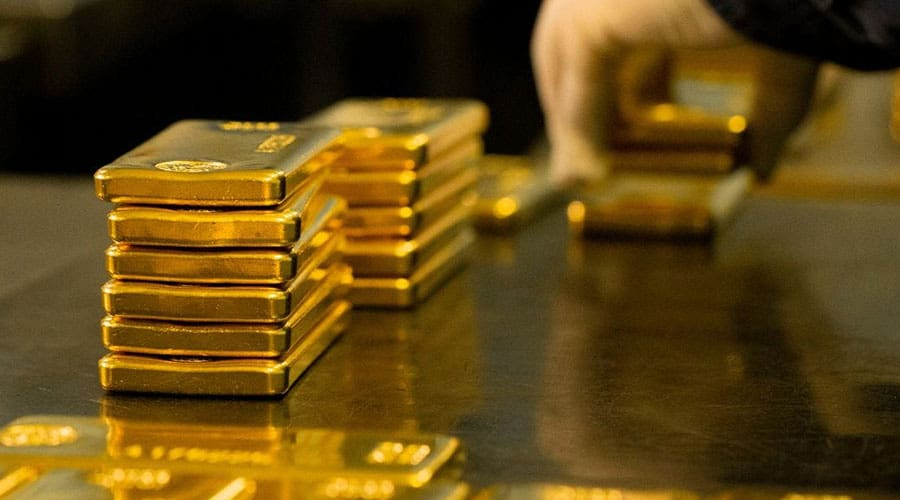
Understanding the Real Value of Your Gold Before You Sell
Before you sell your gold, it is essential to understand its true market value so you can negotiate confidently and avoid accepting an unfair offer. The price a buyer pays depends on several factors, including the current gold spot price, the purity of the gold (karat or fineness), the weight, assay test results, refining costs, and local market demand. Whether you are selling gold bars, gold nuggets, gold dore bars, scrap gold, or gold jewelry, knowing these factors helps you estimate a fair selling price before meeting a buyer.
Professional gold buyers determine value by first verifying the gold’s purity using methods such as XRF testing or a fire assay for larger commercial transactions. They then weigh the gold using certified scales and calculate its value based on the international gold market price, usually quoted by the ounce or kilogram. From this amount, buyers may deduct reasonable costs for refining, transportation, insurance, taxes, or export compliance, depending on the type of transaction.
To receive the best price for your gold in Africa, compare offers from licensed gold buyers, request a clear pricing breakdown, and ensure your gold is tested transparently in your presence whenever possible. Reputable gold dealers explain how they calculate their offer and provide documentation for the transaction, giving sellers confidence that they are receiving a competitive and fair market price.
How to Find the Current Spot Price of Gold in Africa
The current gold spot price in Africa is based on the global market price of gold and changes continuously as international trading takes place. Whether you are selling gold bars, gold nuggets, gold bullion, or gold dore bars, checking the live gold price before negotiating with a buyer helps you understand your gold’s approximate value and avoid accepting offers below market rates.
The international spot price of gold is typically quoted in U.S. dollars per troy ounce, but it can also be converted into price per gram or price per kilogram for commercial transactions. Gold buyers across Uganda, Ghana, Kenya, Tanzania, South Africa, and the Democratic Republic of Congo (DRC) generally use this benchmark when calculating purchase offers, while also considering gold purity, assay results, refining costs, and local market conditions.
To find the live gold price in Africa, use reliable market sources that update prices throughout the trading day, compare prices from reputable precious metals exchanges, and check trusted regional gold price platforms. Since gold prices fluctuate with global economic conditions, central bank policies, currency exchange rates, inflation, and investor demand, reviewing the latest gold spot price in Africa before selling allows you to negotiate from an informed position and maximize the value of your gold.
Demystifying Karats: How Purity Affects Your Payout
The purity of your gold is one of the biggest factors that determines how much you will be paid. If you’re wondering how much 18 K gold is worth or searching for a gold karat purity calculator, the answer depends on three key factors: the current gold spot price, the weight of your gold, and its karat rating. In general, the higher the purity, the higher the value, because purer gold contains a greater percentage of fine gold.
Gold purity is measured in karats (K) or fineness. 24K gold is commonly considered 99.9% or 99.99% pure depending on the refining standard. Investment bars often use 999.9 fineness.22K gold (91.6% pure) is commonly used for investment-grade jewelry and bullion, while 18K gold (75% pure) contains 75% pure gold mixed with other metals for added strength. 14K gold (58.5% pure) and 10K gold (41.7% pure) have lower gold content, so they are generally worth less per gram than higher-karat gold.
Professional gold buyers calculate your payout by verifying your gold’s purity using XRF analysis, acid testing, or a fire assay for commercial quantities. They then multiply the weight of the pure gold content by the live gold price and adjust for any refining or transaction costs. Using a gold karat purity calculator before selling can help you estimate the intrinsic value of your gold and compare offers from different buyers with confidence.
Gold Purity Chart
| Gold Purity | Fine Gold Content | Common Uses |
| 24K | 99.9% | Investment bars, bullion, coins |
| 22K | 91.6% | High-value jewelry, investment jewelry |
| 18K | 75.0% | Premium jewelry, luxury watches |
| 14K | 58.5% | Everyday jewelry |
| 10K | 41.7% | Budget jewelry |
Before accepting an offer, ask the buyer to explain how your gold was tested and how the final price was calculated. Reputable gold buyers in Africa use transparent testing methods, certified scales, and internationally recognized pricing standards to ensure sellers receive a fair market value based on the actual purity of their gold.
Calculating the Weight: Grams vs. Pennyweights vs. Troy Ounces
Accurately weighing your gold is essential if you want to receive a fair price. If you’re searching for how to weigh gold to sell, the most important step is to use a calibrated digital scale and understand the units used in the gold trade. Professional gold buyers calculate your payment based on the weight, purity, and the current gold spot price, so even a small weighing error can affect your final payout.
Gold is commonly weighed in grams, troy ounces, and pennyweights (dwt). In most African countries, including Uganda, Ghana, Kenya, Tanzania, and the DRC, commercial gold transactions are usually conducted in grams or kilograms, while international precious metals markets quote prices in troy ounces. Jewelry buyers may also use pennyweights, especially in some international markets.
Before selling your gold, ensure it is weighed on a certified and calibrated digital scale in your presence. Reputable gold buyers will display the weight openly, explain the measurement used, and provide a written breakdown of how the weight contributes to the final purchase price. If you are selling a large quantity of gold bars, gold bullion, gold dore bars, or raw gold, independent verification of the weight can provide additional confidence during the transaction.
Common Gold Weight Conversions
| Unit | Equivalent Weight |
| 1 Gram (g) | Standard unit used for most gold transactions |
| 1 Troy Ounce (oz t) | 31.1035 grams |
| 1 Pennyweight (dwt) | 1.555 grams |
| 1 Kilogram (kg) | 1,000 grams or 32.1507 troy ounces |
Tips for Weighing Gold Before You Sell
- Use a high-precision digital scale designed for precious metals.
- Remove any packaging, stones, or non-gold components before weighing, where applicable.
- Confirm whether the buyer is quoting the price per gram, per troy ounce, or per kilogram.
- Compare the measured weight with the buyer’s scale to ensure accuracy.
- Request a printed or written weight record for commercial transactions.
Understanding how gold is weighed allows you to verify the buyer’s calculations, compare offers accurately, and negotiate with confidence. When combined with verified purity testing and the live gold price, accurate weight measurement helps ensure you receive the best possible price for your gold in Africa.
A Step-by-Step Guide to Selling Gold in Africa Safely
Selling gold in Africa can be a secure and profitable process when you follow the right procedures and work only with licensed gold buyers. Whether you are selling gold bars, gold nuggets, gold dore bars, bullion, scrap gold, or gold jewelry, taking the proper steps helps you receive the best price for your gold, comply with local regulations, and avoid common scams. The following step-by-step guide explains how to sell gold safely while protecting both your investment and your payment.
Step 1: Determine the Current Market Value of Your Gold
Before contacting any buyer, check the current gold spot price in Africa and calculate the estimated value of your gold based on its weight and purity. Understanding the live market price gives you a strong negotiating position and helps you recognize fair offers from reputable buyers.
Step 2: Verify Your Gold’s Purity
Have your gold tested by a trusted laboratory, refinery, or licensed gold dealer using XRF analysis, fire assay, or other recognized testing methods. Professional purity verification ensures that buyers accurately assess your gold and reduces disputes during the transaction.
Step 3: Gather Your Documentation
Prepare all available documents related to your gold, including purchase receipts, ownership records, assay certificates, export permits (if applicable), and identification documents. Commercial sellers should also ensure they comply with mining, taxation, and export regulations in their country.
Step 4: Find a Licensed Gold Buyer
Research and compare verified gold buyers in Africa with a strong reputation for transparent pricing and legal compliance. Choose companies that hold the appropriate licenses, operate from established business premises, and provide written purchase agreements and payment records.
Step 5: Request Multiple Purchase Offers
Obtain quotations from several reputable buyers before making a decision. Compare each offer based on the live gold price, testing methods, deductions, payment terms, and overall transparency rather than choosing solely based on the highest advertised price.
Step 6: Confirm the Weight and Pricing Calculation
Ensure your gold is weighed using a certified digital scale in your presence and ask the buyer to explain exactly how the purchase price was calculated. The final offer should clearly show the weight, purity, current market price, and any applicable refining or service charges.
Step 7: Complete the Sale Securely
Once you accept the offer, sign a purchase agreement that outlines the transaction details, payment amount, and responsibilities of both parties. Always retain copies of invoices, receipts, assay reports, and any supporting documentation for your records.
Step 8: Receive Payment Through a Secure Method
Professional gold buyers typically pay through secure bank transfers or other traceable payment methods. Avoid cash transactions involving large amounts and never release your gold until the agreed payment process has been confirmed according to the terms of the sale.
Step 9: Comply with Export Requirements for International Sales
If your gold is being sold to an overseas buyer, ensure all required export documents are obtained before shipment. Depending on the country, these may include export permits, assay certificates, commercial invoices, customs declarations, certificates of origin, and other regulatory approvals required by both the exporting and importing countries.
Step 10: Keep Complete Records of the Transaction
Maintain copies of all documents, including contracts, payment confirmations, shipping records, laboratory reports, and correspondence with the buyer. Proper recordkeeping protects your interests, supports future transactions, and helps demonstrate compliance with applicable laws.
Following these steps allows you to sell gold in Africa safely, receive a fair market price, and avoid fraudulent buyers or illegal transactions. Working with licensed gold dealers, verifying the current gold spot price, and ensuring transparent testing and payment procedures will help you maximize the value of your gold while completing a secure and legally compliant sale.
Where to Sell Gold in Africa: Evaluating Your Best Options
Choosing the right buyer is one of the most important decisions you’ll make when selling gold. If you’re wondering where to sell gold in Africa, the best option depends on the type of gold you own, the quantity you’re selling, and whether you are selling locally or internationally. Working with a licensed gold buyer or reputable gold dealer can help you receive a competitive price, secure payment, and a legally compliant transaction.
Licensed Gold Dealers
Licensed gold dealers are among the safest and most reliable buyers in Africa. They purchase gold bars, gold nuggets, gold dore bars, bullion, and raw gold using transparent pricing based on the current gold spot price. Reputable dealers conduct professional purity testing, provide written purchase agreements, and use secure payment methods, making them an excellent choice for both individual sellers and commercial exporters.
Gold Refineries
Selling directly to a gold refinery may result in higher returns, especially for large quantities of gold or dore bars. Refineries perform detailed laboratory testing, determine the exact gold purity through fire assay or XRF analysis, and pay according to the recoverable fine gold content. This option is often preferred by mining companies, licensed exporters, and large-scale gold suppliers.
Jewelry Stores and Local Gold Buyers
Many jewelry stores and local gold buyers purchase gold jewelry, scrap gold, and small quantities of bullion. While this option can be convenient, offers may vary significantly depending on the buyer’s pricing policy, refining costs, and local demand. Comparing several offers before selling can help you obtain a better price.
Pawn Shops
Local gold shops, jewelry buyers, and informal markets may buy gold quickly, but they often offer lower prices than licensed gold dealers or refineries because they focus on resale value rather than the international gold market price. They are generally better suited for small personal items than investment-grade gold bars or commercial quantities.
Online Gold Buyers
Some reputable companies allow sellers to initiate transactions online by requesting quotations and arranging secure shipping. Before choosing an online gold buyer, verify the company’s licenses, customer reviews, business registration, payment procedures, and insurance coverage to ensure your gold is protected throughout the process.
Direct Sales to Investors
Private investors and investment companies may purchase investment-grade gold bars or bullion directly from sellers. While this can sometimes result in competitive pricing, both parties should use formal contracts, independent gold testing, and secure payment methods to reduce risk.
Compare Your Selling Options
| Buyer Type | Best For | Advantages | Things to Consider |
| Licensed Gold Dealers | Gold bars, bullion, nuggets, dore bars | Competitive pricing, legal compliance, secure payments | Verify licenses and reputation |
| Gold Refineries | Large quantities, commercial gold | Accurate purity testing, market-based pricing | May require minimum quantities |
| Jewelry Stores | Gold jewelry and scrap gold | Convenient local sales | Prices vary between stores |
| Pawn Shops | Quick cash for small items | Fast transactions | Often lower payouts |
| Online Gold Buyers | Remote sellers | Convenient quotations and wider market access | Verify legitimacy and shipping insurance |
| Private Investors | Investment-grade bullion | Potentially competitive offers | Use legal agreements and independent verification |
How to Choose the Best Gold Buyer
Before selling your gold, compare several buyers based on their licensing, experience, reputation, pricing transparency, testing methods, payment security, and customer reviews. A trustworthy buyer should explain how your gold is valued, use certified weighing equipment, provide assay results when necessary, and offer a clear breakdown of the final purchase price.
By selecting a verified gold buyer in Africa and comparing multiple offers, you can maximize your return, minimize risk, and complete your transaction with confidence. Whether you are selling a single gold bar or a large commercial shipment, choosing the right buyer is essential to getting the best price for your gold in Africa while ensuring a secure and legally compliant sale.
Local Licensed Gold Dealers and Artisanal Buyers
If you’re looking for licensed gold buyers in Africa, local licensed gold dealers are often the safest and most reliable option. These buyers are authorized by the relevant mining or mineral authorities to purchase gold bars, gold nuggets, gold dore bars, raw gold, and bullion from individuals, artisanal miners, and commercial suppliers. Licensed dealers typically use certified weighing equipment, conduct professional purity testing using XRF analysis or fire assay, and base their offers on the current gold spot price, ensuring transparent and competitive pricing.
Artisanal miners frequently sell their gold through licensed buying centers or registered dealers who understand local mining regulations and market conditions. Before completing a transaction, always verify the buyer’s business registration, operating license, reputation, payment terms, and physical business location. Working with a licensed gold buyer not only helps you obtain a fair price but also ensures your transaction complies with national mining and anti-money laundering regulations.
Reputable Commercial Banks and Government Mints
In some African countries, it is possible to sell gold to a bank or a government-approved mint, particularly if the gold meets specific purity, weight, and documentation requirements. Certain commercial banks, central bank purchasing programs, and government mints purchase investment-grade gold or locally produced bullion to strengthen national gold reserves or support formal gold markets.
These institutions generally require sellers to provide proof of ownership, identification, assay certificates, and, for commercial quantities, export or mining documentation where applicable. Because banks and government mints follow strict compliance procedures, sellers benefit from transparent pricing, secure payment methods, and legally recognized transactions. Before visiting a bank, confirm whether it operates a gold purchasing program and review its eligibility requirements, accepted gold products, and payment process.
International Gold Refineries and Exporters
For miners, exporters, and businesses selling larger quantities of gold, gold refineries in Africa provide one of the most competitive selling options. Internationally recognized refineries purchase gold dore bars, bullion, raw gold, and high-volume gold shipments, perform laboratory testing to determine the exact gold content, and calculate payments based on the recoverable fine gold and the live international gold price.
Many refineries also provide additional services such as gold refining, assaying, secure storage, export documentation, customs support, and international shipping. Sellers working with reputable refineries benefit from accurate purity analysis, transparent settlement procedures, and access to global precious metals markets. Before selecting a refinery or exporter, verify its licensing, industry certifications, export experience, and compliance with responsible sourcing standards to ensure a secure, legal, and professional transaction.
Common Gold Selling Scams in Africa (And How to Avoid Them)
Gold trading in Africa offers legitimate opportunities, but it also attracts fraudsters who target miners, investors, and first-time sellers. Understanding the most common gold selling scams in Africa can help you protect your gold, avoid financial losses, and ensure you work only with licensed gold buyers and reputable gold dealers. Before completing any transaction, verify the buyer’s credentials, insist on transparent testing, and never hand over your gold without a secure agreement.
Fake Gold Buyers and Unlicensed Dealers
One of the most common scams involves individuals or companies claiming to be licensed gold buyers when they have no legal authority to purchase or export gold. They may advertise attractive prices, use fake business addresses, or present forged licenses to gain your trust.
How to avoid it:
- Verify the buyer’s business registration and mining license with the relevant government authority.
- Visit the buyer’s physical office before conducting business.
- Check independent reviews, references, and transaction history.
- Request a written purchase agreement before transferring your gold.
Buyers Offering Prices Far Above the Market
Fraudsters often promise prices well above the current gold spot price to persuade sellers to commit quickly. After receiving the gold, they may reduce the price dramatically by claiming unexpected impurities, hidden fees, or fabricated testing results.
How to avoid it:
- Check the live gold price before negotiating.
- Compare quotations from several licensed buyers.
- Be cautious of offers that are significantly higher than prevailing market prices.
- Ask for a detailed breakdown of the pricing calculation.
Fake Assay Reports and Manipulated Gold Testing
Some dishonest buyers manipulate purity tests or present fake laboratory reports to claim that your gold contains less pure gold than it actually does. This tactic is used to justify paying much less than the gold is worth.
How to avoid it:
- Request testing in your presence using certified equipment.
- Obtain an independent XRF analysis or fire assay for valuable shipments.
- Work only with reputable laboratories and recognized refineries.
Advance Fee and Processing Fee Scams
A common fraud involves buyers requesting upfront payments for taxes, insurance, customs clearance, export permits, assay certificates, or processing fees before they purchase your gold. After receiving the money, they disappear or continue requesting additional payments.
How to avoid it:
- Be cautious of buyers demanding advance payments before completing the purchase.
- Verify any government fees directly with the relevant authority.
- Use written contracts that clearly explain all legitimate transaction costs.
Payment Fraud
Some scammers provide fake bank transfer confirmations, forged payment receipts, or counterfeit checks to convince sellers that payment has been made before collecting the gold.
How to avoid it:
- Confirm that funds have cleared in your bank account before releasing the gold.
- Use secure, traceable payment methods.
- Avoid accepting unofficial payment confirmations or screenshots as proof of payment.
Identity Theft and Document Fraud
Fraudsters may request copies of passports, mining licenses, export permits, or company documents and later misuse them for fraudulent activities.
How to avoid it:
- Share sensitive documents only with verified buyers and authorized institutions.
- Remove unnecessary personal information from copied documents where appropriate.
- Confirm the buyer’s identity before providing confidential information.
Pressure Tactics and Rushed Transactions
Scammers often create false urgency by claiming that prices will drop immediately or that a special buyer is waiting, pressuring sellers to make quick decisions without proper verification.
How to avoid it:
- Take time to verify every buyer.
- Compare multiple offers before agreeing to a sale.
- Never let pressure replace due diligence.
Red Flags to Watch For
- No business registration or mining license.
- No physical office or verifiable business address.
- Prices far above the international market rate.
- Requests for upfront fees before purchasing your gold.
- Refusal to perform transparent gold testing.
- Pressure to complete the transaction immediately.
- Unwillingness to provide written agreements or receipts.
- Payment methods that cannot be independently verified.
By understanding these common gold selling scams in Africa, you can protect your investment and complete your transaction with confidence. The safest approach is to work only with licensed gold buyers, verify the current gold spot price, insist on professional purity testing, use secure payment methods, and keep complete documentation throughout the selling process. Following these best practices significantly reduces the risk of fraud while helping you receive the best possible price for your gold.
The “Under-Weighing” Trick: Watch the Scales Carefully
One of the most common gold buyer scams is the under-weighing trick, where dishonest buyers manipulate weighing equipment or use uncalibrated scales to make your gold appear lighter than its actual weight. Since gold is purchased based on its weight and purity, even a small difference can significantly reduce your payout, especially when selling gold bars, gold nuggets, bullion, or gold jewelry.
To protect yourself, always insist that your gold is weighed on a certified, calibrated digital scale in your presence. Ask the buyer to reset the scale before weighing and verify whether the measurement is in grams, troy ounces, or kilograms. If you are selling a high-value shipment, consider having the gold weighed by an independent refinery or laboratory before meeting the buyer. Reputable licensed gold buyers will openly explain the weighing process and provide a written record of the weight used to calculate your payment.
The “Acid Test” Damage: Protect Your Jewelry’s Integrity
While acid testing is a traditional method of checking gold purity, it involves applying chemicals that may leave small marks or damage the surface of valuable jewelry. If you’re researching gold acid test risks, it’s important to know that modern testing methods are often more accurate and far less invasive.
For high-value jewelry, investment-grade gold, or collectible pieces, ask the buyer to use X-ray fluorescence (XRF) testing, which is fast, highly accurate, and non-destructive. In commercial transactions involving large quantities of gold, a fire assay may be used to determine purity with a high degree of accuracy, although it requires a small sample. Before any testing is performed, ask the buyer to explain the method being used and obtain your permission. Working with professional buyers who use modern testing equipment helps preserve the condition and value of your gold while ensuring accurate results.
Unlicensed “Black Market” Buyers: Knowing the Legal Risks
Selling gold to unlicensed or black market buyers may seem convenient, but it can expose you to significant financial and legal risks. Many countries in Africa regulate gold trading through mining authorities, requiring buyers and exporters to obtain licenses and comply with taxation, anti-money laundering (AML), and responsible sourcing laws. Participating in illegal gold trading may lead to the confiscation of your gold, financial penalties, or criminal investigations, depending on the laws of the country involved.
To avoid these risks, always verify that the buyer is properly licensed and operates in accordance with local mining regulations. Request proof of business registration, keep copies of contracts and receipts, and ensure all payments are made through secure and traceable methods. If your gold is intended for export, confirm that the transaction includes all required permits, customs documentation, and export approvals. Choosing a licensed gold buyer not only protects your legal interests but also increases the likelihood of receiving a fair market price in a transparent and compliant transaction.
Verified Gold Buyers in Africa: Where Sellers Can Get Competitive Offers
Finding the right gold buyer is one of the most important steps when selling gold in Africa because the buyer you choose directly affects the price, security, and legality of your transaction. Gold Buyers Africa helps connect miners, artisanal producers, individual gold owners, jewelry sellers, and commercial suppliers with verified gold buyers operating in major African gold markets, including Uganda, Kenya, Ghana, Tanzania, the Democratic Republic of Congo (DRC), and other gold-producing regions. Trusted buyers follow professional purchasing standards by verifying gold origin, conducting accurate weight measurements, performing purity testing through methods such as XRF analysis or certified assay procedures, and offering prices based on current international gold market rates.
Working with a verified gold buyer helps sellers avoid common risks such as fake buyers, inaccurate weighing, hidden deductions, delayed payments, and illegal trading arrangements. Professional buyers provide transparent offers that consider gold purity, weight, market conditions, refining costs, and export requirements while ensuring transactions follow local mining laws and regulatory standards. Whether you are selling raw gold, gold nuggets, dore bars, gold jewelry, or investment bullion, choosing an established buyer with international market access can help you achieve competitive offers and complete secure transactions.
Gold Buyers Africa provides access to trusted gold purchasing networks, market information, and guidance on documentation required for legal gold sales. Sellers can explore verified buying opportunities and learn more about the gold trade through these resources:
Selling Gold in Uganda: Licensed Buyers, Prices & Export Requirements
Uganda has become one of East Africa’s important gold trading hubs, making it essential for sellers to understand how to find licensed buyers, verify gold prices, and follow legal selling procedures. Whether you are an artisanal miner, gold trader, jewelry owner, or commercial supplier, selling gold in Uganda requires working with authorized buyers who comply with government regulations and provide transparent valuation based on gold purity, weight, and international market prices. Gold sellers searching for where to sell gold in Uganda or gold buyers in Kampala should choose licensed dealers who can provide professional testing, proper documentation, and secure payment procedures.
DGSM Licensing and Legal Requirements for Selling Gold in Uganda
The Directorate of Geological Survey and Mines (DGSM) under Uganda’s Ministry of Energy and Mineral Development oversees the regulation of mineral activities, including gold trading and licensing. Gold buyers and traders involved in commercial purchasing must operate under valid mineral dealer licenses or other approved permits issued by the relevant authorities. Sellers should confirm that buyers are legally registered before completing transactions to avoid risks associated with unlicensed trading, fraud, or illegal gold supply chains.
Licensed Gold Buyers and Kampala Gold Markets
Kampala is the main center for gold trading in Uganda, with many licensed dealers, exporters, and gold processing companies operating within the city. Areas connected to gold trading activities attract local miners, regional suppliers, and international buyers looking for Uganda-sourced gold. Reputable gold buyers in Kampala typically offer services such as gold weighing, purity testing, price evaluation, and assistance with transaction documentation. Sellers should compare offers from multiple verified buyers and avoid individuals who offer unusually high prices without proper testing or paperwork.
Gold Prices in Uganda: How Buyers Determine Your Offer
Gold prices in Uganda are mainly influenced by the international gold spot price, USD exchange rates, gold purity, and local market conditions. Buyers calculate the value of gold by testing its karat level, confirming the weight, and applying the current market rate for refined gold. For example, 24K gold receives the highest valuation because it contains the highest percentage of pure gold, while lower-karat jewelry receives adjusted prices based on its actual gold content. Professional buyers provide transparent calculations showing the weight, purity, and final purchase price.
Gold Assay Requirements Before Selling Gold in Uganda
Before purchasing gold, licensed buyers normally conduct an assay to confirm the quality and authenticity of the material. Modern gold testing methods may include XRF analysis for quick purity verification and fire assay for official confirmation when required for larger commercial transactions. Proper testing protects both buyers and sellers by ensuring accurate pricing and reducing disputes over gold quality.
Uganda Gold Export Permits and Documentation
Gold exports from Uganda require compliance with government regulations and proper export documentation. Commercial exporters must obtain the necessary approvals, including export permits, mineral documentation, proof of legal gold origin, invoices, assay reports, and other required customs paperwork. Following the correct export process helps ensure that Uganda gold can be legally shipped to international markets such as Dubai, Europe, India, and other major gold trading centers.
Selling Gold in Kenya: Gold Buyers, Licenses & Payment Process
Kenya has a growing gold trading sector supported by local miners, regional suppliers, and international buyers, especially in areas such as Nairobi and western Kenya’s gold-producing regions. For anyone searching “sell gold in Kenya” or looking for gold buyers in Nairobi, understanding the legal requirements, licensing procedures, and payment process is essential to avoid fraud and ensure a secure transaction. Sellers should work with verified gold buyers who follow Kenya’s mining regulations, conduct professional gold testing, and provide transparent pricing based on gold purity, weight, and international market prices.
Kenya Mining Act 2016 and Gold Selling Regulations
Gold trading in Kenya is regulated under the Mining Act 2016, which provides the legal framework for mineral exploration, mining, trading, and export activities. The Ministry of Mining, Blue Economy and Maritime Affairs oversees the administration of mineral activities and ensures that gold dealers operate according to national regulations. Individuals and companies involved in commercial gold buying, trading, or exporting must comply with licensing requirements to legally participate in Kenya’s gold market.
Licensed Gold Buyers and Gold Dealers in Nairobi
Nairobi is one of Kenya’s main centers for gold trading, connecting local sellers with domestic buyers, exporters, and international markets. Reputable gold buyers in Nairobi provide services such as gold weighing, purity verification, market valuation, and transaction documentation. Sellers should choose dealers who can demonstrate valid registration, transparent testing procedures, and a clear payment process. Avoiding unlicensed buyers is important because illegal gold trading can result in financial losses, counterfeit transactions, or legal complications.
Gold Trading Licenses in Kenya
Businesses involved in buying and selling gold commercially may require approved mineral dealer licenses or permits issued under Kenya’s mining regulations. Licensed dealers are expected to maintain proper records, verify the source of gold, and follow government requirements for mineral trading. Before selling gold, suppliers should confirm that a buyer has the necessary authorization to purchase and handle gold legally within Kenya.
How Gold Buyers in Kenya Calculate Prices
Gold buyers in Kenya determine prices by evaluating the gold’s weight, purity level, and current international gold market value. Professional buyers typically test gold using methods such as XRF analysis or other approved assay techniques to confirm the percentage of pure gold contained in the material. The final offer may also consider refining costs, transportation expenses, market conditions, and transaction requirements. A trustworthy buyer should explain how the price was calculated instead of offering unclear deductions.
Gold Export Documentation and Requirements in Kenya
For gold intended for international export, sellers and exporters must complete the required documentation to prove legal ownership, origin, and compliance with Kenyan regulations. Export documentation may include mineral dealer information, invoices, assay certificates, customs documents, permits, and other supporting records required by government authorities. Proper documentation helps gold shipments move smoothly to international markets while reducing delays, compliance issues, and shipment risks.
Selling Gold in Ghana: Licensed Buyers & Gold Trading Rules
Ghana is one of Africa’s largest gold-producing countries, with a well-established gold trading industry supported by large-scale mining companies, licensed gold buyers, small-scale miners, and international exporters. For individuals, miners, and businesses searching “sell gold Ghana” or looking for Ghana gold buyers, understanding the country’s gold trading rules, licensing requirements, and buyer verification process is essential. Working with authorized buyers helps sellers receive fair market prices, avoid illegal trading risks, and ensure that gold transactions comply with Ghana’s mineral laws and export regulations.
Ghana GoldBod and Gold Trading Regulations
The Ghana Gold Board (GoldBod) plays a central role in regulating and organizing Ghana’s gold trading sector by overseeing gold purchasing, aggregation, and responsible market participation. Gold sellers should understand the role of authorized gold purchasing channels and ensure that they work with approved buyers who operate within Ghana’s legal framework. The GoldBod system aims to improve transparency in gold trading, strengthen government oversight, support responsible sourcing, and create a more structured marketplace for Ghanaian gold producers and sellers.
PMMC and Gold Verification Services in Ghana
The Precious Minerals Marketing Company (PMMC) has historically played an important role in Ghana’s gold industry by providing precious mineral verification, assaying, and export-related services. PMMC’s expertise in gold testing helps confirm the quality, purity, and value of gold before it enters international markets. Sellers benefit from working with buyers who use recognized assay procedures because accurate testing ensures that gold is priced correctly based on its actual content and market value.
Licensed Gold Buyers and Gold Trading Companies in Ghana
Licensed gold buyers in Ghana provide a connection between miners, local sellers, and international gold markets. These companies are required to follow government regulations, maintain proper records, and comply with responsible sourcing standards. Before selling gold, individuals and mining operators should verify that a buyer has valid authorization, professional testing equipment, transparent pricing procedures, and a proven reputation in the industry. Working with licensed buyers reduces the risk of fraud, underpayment, and illegal gold transactions.
Small-Scale Mining Regulations and Gold Selling Requirements
Small-scale mining is an important part of Ghana’s gold production sector and is regulated through government licensing and environmental requirements. Small-scale miners must operate under approved mining permits and follow regulations related to responsible mining practices, gold ownership, and mineral trading. When selling gold, miners should ensure their production comes from legal operations and maintain records that demonstrate the origin of the gold. This documentation is increasingly important for buyers, refineries, and international markets requiring responsible gold sourcing.
How Ghana Gold Buyers Determine Prices
Gold buyers in Ghana calculate purchase prices based on several factors, including the international gold spot price, gold purity, weight, assay results, and current market conditions. Professional buyers test gold using reliable methods such as XRF analysis or certified assay procedures to determine the exact gold content. The final offer may include adjustments for refining, logistics, and transaction costs, but reputable buyers provide clear explanations of how prices are calculated.
Selling Gold in Tanzania: Buyers, Licenses & Export Rules
Tanzania is one of Africa’s leading gold-producing countries, with major mining regions such as Geita, Shinyanga, Mara, and Mwanza supplying gold to local traders, refineries, and international markets. For individuals, artisanal miners, and commercial suppliers searching “sell gold Tanzania” or looking for reliable Tanzania gold buyers, understanding the country’s licensing system, gold trading rules, and export procedures is essential. Working with verified buyers helps sellers receive accurate valuations, avoid illegal trading risks, and complete transactions according to Tanzania’s mineral regulations.
Ministry of Minerals and Gold Trading Regulations in Tanzania
The Ministry of Minerals oversees Tanzania’s mining sector and regulates activities related to gold exploration, production, trading, and export. Gold buyers and traders must operate under approved licenses issued through Tanzania’s mineral regulatory framework, ensuring that gold transactions follow government requirements. Sellers should verify that buyers are legally authorized to purchase gold and maintain proper documentation showing the lawful origin of the gold before completing any transaction.
Gold Buyers and the Geita Gold Market
Geita is one of Tanzania’s most important gold-producing regions and a major center for gold trading activities. The region attracts artisanal miners, small-scale producers, licensed dealers, and larger commercial buyers who purchase gold from local suppliers. Reputable buyers in Geita provide professional weighing, purity testing, valuation services, and transparent payment processes. Sellers should compare offers from verified buyers and avoid unlicensed individuals who may provide inaccurate testing or unfair prices.
Mwanza Gold Dealers and Trading Hub
Mwanza serves as a key commercial center for gold trading in northern Tanzania due to its connection with major mining areas and regional transportation networks. Gold dealers in Mwanza work with miners, traders, and exporters involved in the domestic and international gold supply chain. Trusted Mwanza gold buyers use professional testing methods, provide clear purchase agreements, and ensure transactions comply with Tanzania’s mineral trading requirements.
Gold Trading Licenses in Tanzania
Commercial gold buyers, mineral dealers, and exporters in Tanzania are required to obtain the appropriate licenses from government authorities. These licenses help regulate the gold market, ensure responsible sourcing, and prevent illegal mineral trading. Before selling gold, suppliers should confirm that a buyer has valid authorization and can provide proper documentation for the transaction. Licensed buyers are more likely to offer transparent pricing and reliable payment arrangements.
Gold Export Procedures in Tanzania
Exporting gold from Tanzania requires compliance with government regulations, including obtaining the necessary export permits, mineral documentation, and customs approvals. Exporters must provide documents that verify gold ownership, legal origin, purity, and transaction records. Depending on the shipment, requirements may include assay reports, invoices, export declarations, and other regulatory documents required by Tanzanian authorities.
How Tanzania Gold Buyers Calculate Prices
Gold buyers in Tanzania determine offers based on the international gold spot price, gold purity, weight, and current market conditions. Professional buyers typically use methods such as XRF testing or certified assay analysis to confirm gold content before calculating the final purchase price. Sellers should choose buyers who provide transparent calculations and clearly explain any deductions related to refining, transportation, or processing costs.
For anyone searching “sell gold Tanzania,” “gold buyers Tanzania,” “Geita gold buyers,” or “Mwanza gold dealers,” working with licensed and verified buyers provides the safest way to receive competitive market-based prices while complying with Tanzania’s Ministry of Minerals regulations and gold export requirements.
Selling Raw Gold, Gold Dore Bars, or Refined Gold: Which Gets the Best Price?
When selling gold in Africa, the form of gold you own has a major impact on the price you can receive, the type of buyer interested in purchasing it, and the documentation required for the transaction. Raw gold, gold dore bars, refined bullion, and jewelry are valued differently because each product requires different levels of testing, refining, certification, and processing before reaching the international market. Understanding the difference helps miners, traders, and gold owners choose the right buyer and maximize their returns when searching for “sell raw gold Africa,” “sell gold dore bars,” or “gold nugget buyers.”
| Gold Type | Typical Buyer | Price Advantage |
| LBMA Gold Bars | Banks, institutional investors, international bullion dealers | Highest – Certified bars from recognized refiners receive premium pricing due to guaranteed purity, global acceptance, and easy resale. |
| Refined Gold Bullion | Professional gold dealers, refineries, investors | High – Refined gold with verified purity, accurate weight, and assay documentation attracts strong market prices close to international spot rates. |
| Gold Dore Bars | Refineries, exporters, international gold processors | Medium-High – Dore bars contain gold mixed with other metals and require further refining, so buyers deduct refining and processing costs before payment. |
| Raw Gold Nuggets | Gold dealers, refineries, specialized nugget buyers | Depends on Purity – Natural nuggets can receive competitive offers, but prices depend on gold content, size, appearance, and testing results. |
| Gold Jewelry | Jewelry buyers, gold shops, recycling companies | Lower – Buyers often value jewelry based on meltable gold content and deduct costs for testing, melting, gemstones, and refining. |
Selling Raw Gold in Africa: What Buyers Look For
Raw gold, including gold dust, flakes, and nuggets, is commonly purchased from artisanal miners and local suppliers across African gold-producing countries such as Uganda, Kenya, Tanzania, Ghana, and the Democratic Republic of Congo. Buyers evaluate raw gold based on purity, weight, origin documentation, and assay results before making an offer. Because raw gold requires additional refining and verification, sellers should work with licensed buyers who provide accurate testing and transparent pricing.
Selling Gold Dore Bars to Refineries and Exporters
Gold dore bars are semi-refined products that contain gold mixed with silver and other metals. They are commonly sold by mining companies and gold producers to refineries that perform further purification before the gold enters international markets. The price of a dore bar depends on its gold percentage, assay report, weight, refining charges, and current market conditions. Sellers with properly documented dore bars can access professional refinery buyers and international gold markets.
Selling Refined Gold Bars for Maximum Value
Refined gold bars with certified purity, accurate weight, and recognized refinery documentation generally achieve the highest prices because they can be directly traded by investors, banks, and bullion dealers. Gold bars produced by accredited refineries, especially those meeting international standards such as LBMA requirements, are easier to sell and typically receive smaller discounts compared with raw gold or dore products.
Safe Payment Methods When Selling Gold: How to Protect Your Money
One of the most important considerations when selling gold is choosing a secure payment method that protects both the seller and buyer during high-value transactions. Because gold sales often involve significant amounts of money, sellers should use trusted gold payment methods that provide transaction records, financial protection, and verification. Whether selling raw gold, gold dore bars, bullion, or jewelry, using safe payment procedures reduces the risk of fraud, delayed payments, fake confirmations, and financial losses.
Preferred Payment Methods for Gold Transactions
1 Bank Transfer
A bank transfer is one of the most widely accepted payment methods for professional gold transactions because it provides a clear financial record between the buyer and seller. Licensed gold buyers, refineries, exporters, and international dealers commonly use bank transfers for large transactions because payments can be verified through official banking channels. Sellers should confirm that funds have fully cleared into their account before releasing gold or ownership documents.
2 Escrow Payment
Escrow services provide an additional layer of security by holding payment funds with a trusted third party until agreed transaction conditions are completed. This method is useful for international gold sales where buyers and sellers may be located in different countries. Once the gold is verified, inspected, and the terms of the agreement are fulfilled, the escrow provider releases payment to the seller.
3 Verified International Payment Methods
For cross-border gold transactions, verified international payment systems can help facilitate secure payments between buyers and sellers in different markets. Professional buyers often use established financial institutions and regulated payment channels to complete transactions involving gold exports. Sellers should verify the buyer’s company details, banking information, and payment instructions before accepting any international transfer.
4 Refinery Settlement
Gold refineries often use structured settlement processes where payment is made after receiving, testing, and confirming the final gold content through an assay report. This method is common for gold dore bars, raw gold shipments, and large commercial transactions. Refinery settlements provide transparency because the final payment is usually based on verified weight, purity, and the agreed gold market price.
Payment Methods Sellers Should Avoid
1 Large Cash Payments
While cash may be used for small local gold purchases, large cash transactions create unnecessary risks, including theft, counterfeit currency, lack of transaction records, and compliance issues. Professional gold buyers usually prefer traceable payment methods such as bank transfers to ensure transparency and security.
2 Cryptocurrency-Only Payments
Cryptocurrency payments can carry risks because prices may fluctuate significantly, transactions can be difficult to reverse, and some gold scams use cryptocurrency as a way to avoid traditional verification procedures. Sellers should be cautious when buyers insist on cryptocurrency-only payments without providing proper business documentation.
3 Unverified Payment Screenshots
A payment screenshot, email confirmation, or mobile notification is not proof that funds have been received. Fraudulent buyers may provide fake transfer confirmations to convince sellers to release gold before payment is completed. Always verify payments directly through your bank or official payment provider before transferring ownership of gold.
Best Practices for Safe Gold Transactions
To improve gold transaction safety, sellers should:
- Verify the buyer’s license, company registration, and reputation before accepting an offer.
- Use written purchase agreements outlining gold quantity, purity, price, and payment terms.
- Confirm payment has cleared before shipping or handing over gold.
- Keep copies of invoices, assay reports, and transaction records.
- Work with established buyers, refineries, or exporters with proven gold trading experience.
For sellers searching “gold payment methods” or “gold transaction safety,” choosing secure and traceable payment channels is essential for protecting the value of your gold and ensuring a successful transaction.
Exporting Gold After Sale: Required Documents and Procedures
After completing a gold sale, exporters must follow a strict legal and documentation process to move gold from Africa to international markets. Whether exporting raw gold, gold dore bars, or refined bullion, compliance with government regulations, customs requirements, and responsible sourcing standards is essential. Buyers, refineries, banks, and international authorities require proper documentation to verify the gold’s origin, purity, ownership, and legality before accepting shipments. Understanding the gold export process from Africa helps miners, traders, and exporters avoid shipment delays, customs issues, and compliance problems.
Required Documents for Exporting Gold from Africa
Commercial Invoice
A commercial invoice is one of the most important documents in a gold export transaction. It provides details about the seller, buyer, gold quantity, value, product description, and agreed price. Customs authorities and financial institutions use the invoice to verify the commercial value of the shipment and confirm that the transaction is properly recorded.
Assay Certificate
An assay certificate confirms the quality, purity, and weight of the gold being exported. Professional assay results are usually issued after testing methods such as XRF analysis or fire assay, depending on the transaction requirements. The certificate allows buyers, refineries, and customs authorities to determine the exact gold content and calculate the final value of the shipment.
Certificate of Origin
A certificate of origin proves the country where the gold was mined, processed, or legally sourced. This document helps international buyers confirm the supply chain and ensures that the gold complies with responsible sourcing requirements. Many international markets require origin verification before accepting African gold shipments.
Gold Export Permit
A gold export permit is an official authorization issued by the relevant government authority allowing gold to leave the country legally. Export requirements vary by country, but exporters typically need to demonstrate that the gold was obtained from approved sources and that all taxes, royalties, and regulatory obligations have been addressed.
Customs Declaration
Customs declarations provide shipment details required by border authorities, including the type of gold, weight, value, exporter information, destination country, and supporting documents. Accurate customs declarations help prevent delays, penalties, seizure risks, and compliance problems during international transportation.
Insurance Documents
Because gold shipments involve high-value assets, insurance documentation is essential for protecting against risks such as theft, loss, damage, or transportation incidents. Professional exporters often use specialized secure logistics providers and insurance coverage designed for precious metals shipments.
Responsible Sourcing Documents
International buyers increasingly require responsible sourcing documentation to confirm that gold has been obtained legally and ethically. These documents may include proof of mine origin, supplier verification records, due diligence reports, and compliance documents aligned with international standards. Responsible sourcing helps exporters access major markets and build trust with refineries, banks, and institutional buyers.
Exporting Gold from Africa Safely
For companies and miners searching “export gold from Africa” or “gold export documents Africa,” following the correct legal process is essential for accessing international markets. Working with licensed exporters, verified buyers, accredited refineries, and experienced logistics providers helps ensure secure transactions, faster customs clearance, and compliance with international gold trading standards.
Gold Export Process from Africa: Step-by-Step Guide
1. Verify Legal Gold Ownership and Source
Before export, the seller must confirm that the gold was legally obtained from an approved source and that ownership records are available.
2. Conduct Gold Testing and Assay
The gold is tested to determine purity, weight, and market value. The assay report becomes a key document for pricing and export approval.
3. Obtain Export Licenses and Government Approvals
The exporter applies for the required permits and approvals from the country’s mineral and customs authorities.
4. Prepare Export Documentation
The exporter prepares the commercial invoice, certificate of origin, assay certificate, export permit, customs declaration, insurance documents, and responsible sourcing records.
5. Secure Transportation and Insurance
Gold is transported through approved secure logistics providers specializing in precious metals shipments.
6. Customs Clearance and International Delivery
Authorities review documentation, inspect the shipment if required, and approve export before the gold is delivered to the international buyer, refinery, or financial institution.
Frequently Asked Questions About Selling Gold in Africa
Do I need a license to sell my personal gold in Africa?
Selling personal gold in Africa does not always require an individual license, especially when selling personal jewelry, inherited gold, or small quantities to an authorized gold dealer. However, regulations vary by country, and anyone involved in regular gold trading, buying from miners, or exporting gold internationally is usually required to have official permits, dealer licenses, and government approvals. Sellers should always confirm local laws and choose licensed buyers to avoid illegal transactions, fraud risks, or problems with gold ownership documentation.
How do gold buyers calculate their profit margin (the “discount”)?
Gold buyers determine their discount by calculating the difference between the international gold market price and the final value they can recover after testing, refining, transportation, security, and operational costs. The discount depends on factors such as gold purity, quantity, assay results, market conditions, and whether the gold requires additional processing before resale. Professional buyers usually explain their pricing formula clearly, showing the gold weight, karat value, current spot price, and any applicable fees before completing the purchase.
Is it better to sell gold jewelry or gold bullion?
Gold bullion is generally easier to sell at competitive prices because it comes in standardized forms such as bars and coins with recognized purity, weight, and certification. Gold jewelry may receive a lower offer because buyers often calculate only the metal value and deduct costs for melting, refining, gemstone removal, and purity testing. However, high-quality designer jewelry, antique gold pieces, or rare collectibles can sometimes sell for more than their raw gold value when purchased by specialized buyers.
How can I find a trusted gold buyer in Africa?
Finding a reliable gold buyer requires checking whether the company is legally registered, licensed by the relevant mining authority, and experienced in handling gold transactions. A trustworthy buyer should provide transparent weighing, professional purity testing methods such as XRF analysis or fire assay, clear payment terms, and proper documentation. Sellers should avoid buyers who promise unrealistic prices, request upfront fees, or refuse to provide proof of licensing.
What documents are needed when selling gold in Africa?
The documents required when selling gold depend on the country, the amount of gold involved, and whether the transaction is domestic or for export. Small personal gold sales may require basic identification and proof of ownership, while commercial transactions may require purchase agreements, mineral origin documents, assay reports, export permits, and tax records. Keeping proper documentation helps verify the legality of the gold, protects the seller from disputes, and makes the transaction acceptable to banks, refineries, and international buyers.