
How to Buy Gold From Local Miners in Africa Safely (2026 Guide)
Africa remains one of the world’s most important gold-producing regions, offering investors, jewelers, refineries, and international buyers access to high-quality gold from established mining communities. Buying gold directly from local miners can provide competitive pricing, stronger supply relationships, and opportunities to source responsibly from regions where artisanal and small-scale miners contribute significantly to the gold supply chain. However, these opportunities come with serious risks, including fraudulent sellers, illegal mining operations, fake gold samples, undisclosed ownership issues, and non-compliant export procedures.
Successfully buying gold from local miners in Africa requires more than finding a seller with attractive prices. A safe transaction depends on proper due diligence, supplier verification, laboratory testing, legal documentation, and compliance with national mining and export regulations. Experienced buyers work with licensed mining cooperatives, registered gold dealers, accredited refineries, and trusted logistics partners to ensure every transaction follows international standards.
This guide explains how to buy gold from local miners in Africa safely, covering the potential rewards of direct sourcing, the common risks buyers face, and the professional steps required to verify gold authenticity, confirm legal ownership, complete export procedures, and build reliable long-term supply partnerships. Whether you are a first-time investor or an experienced bullion buyer, understanding the difference between a legitimate opportunity and a high-risk offer is essential before committing capital in Africa’s gold market.
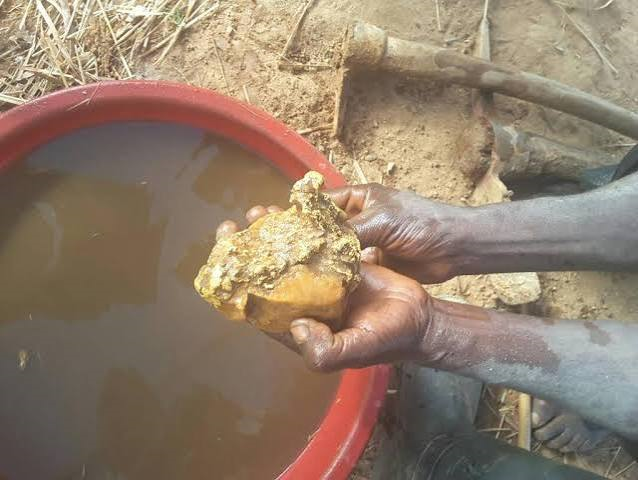
The Reality of Buying Gold Direct from Artisanal Miners (ASGM)
Artisanal and Small-Scale Gold Mining (ASGM) plays a major role in Africa’s gold production, supporting millions of miners, traders, and local communities across countries such as Uganda, Ghana, Tanzania, Kenya, Zimbabwe, and the Democratic Republic of Congo. For international buyers, sourcing gold directly from artisanal miners can appear attractive because it may offer access to newly mined gold, competitive purchase prices, and direct relationships with producers at the origin of the supply chain.
However, the reality of buying gold directly from ASGM operations is far more complex than simply finding a mining site and agreeing on a price. Many artisanal miners operate with limited financial resources, informal structures, and varying levels of regulatory compliance. While some mining groups are legally registered and work responsibly, others may lack proper licenses, environmental approvals, traceability systems, or documentation required for international trade.
The greatest challenge for buyers is separating legitimate artisanal gold producers from high-risk sellers. Fraud schemes often involve fake gold samples, stolen gold, unrealistic below-market prices, forged export documents, and intermediaries falsely claiming to represent mining communities. In addition, buyers must consider responsible sourcing requirements, including verifying the origin of the gold, ensuring compliance with local mining laws, and avoiding transactions linked to illegal mining or conflict-related activities.
A professional approach to ASGM gold sourcing involves working through licensed mining cooperatives, authorized gold dealers, government-registered exporters, and accredited refineries. Independent verification through methods such as X-ray fluorescence (XRF) testing, fire assay analysis, supplier background checks, and legal documentation reviews helps reduce risks and creates a transparent supply chain.
For serious gold buyers, artisanal mining can represent a valuable opportunity when approached correctly. The reward is access to genuine African gold supply networks and potential long-term partnerships with miners. The risk is financial loss, legal exposure, and reputational damage when due diligence is ignored. Understanding how ASGM works is therefore the first step toward making secure, compliant, and profitable gold purchasing decisions in Africa.
What Is Artisanal and Small-Scale Gold Mining?
Artisanal and Small-Scale Gold Mining (ASGM) refers to gold extraction activities carried out by individuals, families, or small mining groups using basic tools, traditional methods, and small-scale equipment rather than the large industrial systems used by multinational mining companies. Across Africa, ASGM represents a significant part of the gold supply chain, with millions of miners producing gold from deposits found in regions such as Uganda, Ghana, Tanzania, Kenya, Mali, Zimbabwe, and the Democratic Republic of Congo. While some artisanal miners operate legally through registered mining cooperatives and licensed permits, others work informally due to limited access to financing, technology, and regulatory support. For international buyers, understanding the structure, location, legal status, and production practices of ASGM operations is essential because the gold may offer valuable sourcing opportunities but also requires strict verification to ensure authenticity, responsible sourcing, and compliance with export regulations.
Why B2B Buyers Are Sourcing Direct (The Financial Rewards)
Many B2B gold buyers, including refineries, jewelry manufacturers, bullion traders, and investment companies, explore direct sourcing from artisanal mining networks because it can create access to gold closer to its original production point and reduce unnecessary layers of intermediaries. By establishing relationships with verified miners, licensed cooperatives, and authorized local suppliers, buyers may achieve more competitive purchasing terms, better supply visibility, and stronger control over the sourcing process. Direct sourcing can also provide opportunities to build long-term partnerships with mining communities, secure consistent gold supply, and participate in responsible sourcing programs that improve transparency throughout the supply chain. However, the financial advantages are only achievable when buyers combine direct access with proper due diligence, legal compliance, and independent verification.
The Hidden Costs: Beyond the Discounted Spot Price
Although some sellers promote artisanal gold as being available at prices below international market rates, experienced buyers understand that the true cost of acquiring gold extends far beyond the initial purchase price. Additional expenses may include supplier verification, laboratory testing, legal documentation, government royalties, export permits, customs procedures, insurance, secure transportation, refining fees, and compliance checks required by international financial institutions. Buyers must also account for the potential costs associated with fraudulent transactions, delayed shipments, confiscation of undocumented gold, or purchasing from sources that fail responsible sourcing requirements. A legitimate gold transaction is not measured only by the discount offered but by the security, traceability, and legal certainty of the entire supply chain from the mine site to the final buyer.
Major Risks When Buying Gold Directly From African Miners
Buying gold directly from artisanal and small-scale miners in Africa can create valuable sourcing opportunities, but it also exposes buyers to financial, legal, and supply chain risks that require professional due diligence. Unlike established refineries and regulated exporters, many small-scale mining operations may have limited documentation, informal trading structures, or inconsistent compliance procedures. A successful transaction depends on verifying the supplier, confirming the gold’s origin, testing authenticity, and ensuring compliance with national and international gold trading standards.
Fraudulent Sellers, Fake Gold, and Advance Fee Scams
One of the most common risks in direct gold sourcing is dealing with fraudulent sellers who falsely claim to represent miners, mining cooperatives, or licensed exporters. These scams often target international buyers through online platforms, social media, and messaging applications by offering large quantities of gold at prices that appear significantly below global market rates.
Fraudsters may use fake company registrations, forged mining licenses, counterfeit assay certificates, and stolen identities of legitimate businesses to appear credible. Some sellers request upfront payments for supposed expenses such as export permits, customs clearance, government approvals, security arrangements, or transportation before any verified gold has been delivered. Once payment is made, buyers may face repeated fee requests, shipment delays, or complete loss of funds.
Professional buyers should never rely only on seller claims, photographs, or documents provided by the supplier. Supplier verification should include checking company registration records, confirming mineral trading or export licenses, verifying physical business locations, and ensuring payment details match the registered business entity.
Gold Authenticity and Purity Risks
Gold purchased directly from mining communities requires independent verification because appearance alone cannot determine value. Raw gold, nuggets, and dore bars may contain other metals or impurities that significantly affect the final payable amount.
Reliable buyers use recognized testing procedures, including:
- X-Ray Fluorescence (XRF) analysis for rapid screening of gold composition and purity.
- Fire assay testing as an internationally recognized method for determining accurate gold content.
The final purchase price should always be calculated based on independently verified weight and fineness rather than seller-provided estimates. Working with accredited laboratories, government-approved assayers, or established refineries reduces the risk of overpayment or receiving gold that does not meet agreed specifications.
Illegal Mining, Smuggled Gold, and Unverified Origins
A major compliance challenge in artisanal gold markets is confirming that the gold was legally produced and entered the supply chain through approved channels. Gold from unlicensed mining operations, illegal trading networks, or smuggling routes can expose buyers to serious legal and financial consequences.
Responsible buyers must verify the origin of the gold through documentation such as:
- Mining licenses or artisanal mining permits
- Mineral dealer licenses
- Certificates of origin
- Purchase records from miners or cooperatives
- Chain-of-custody documentation
- Export authorization records
For gold originating from high-risk areas, including parts of the Democratic Republic of Congo (DRC) and other conflict-affected regions, buyers may need additional due diligence measures aligned with frameworks such as the OECD Due Diligence Guidance, LBMA Responsible Gold Guidance, and where applicable, ICGLR certification requirements.
Documentation and Export Compliance Risks
Many failed gold transactions occur because buyers focus on the metal itself but ignore the legal requirements needed to move it internationally. A legitimate gold shipment requires a complete documentation package proving ownership, authenticity, taxation, and export approval.
Depending on the country of origin, buyers may require:
- Government-issued gold export permits
- Mineral dealer or exporter licenses
- Assay certificates
- Certificate of origin
- Commercial invoice
- Customs declaration
- Tax and royalty payment records
- Insurance documentation
- Clean Bill of Lading or approved air cargo documentation
Missing or inaccurate documents can result in customs delays, shipment rejection, financial losses, or regulatory investigations.
Security and Logistics Risks
Artisanal gold mining communities are often located in remote areas where transportation infrastructure and security systems may be limited. Moving gold from mining locations to refineries or export points requires careful management of storage, insurance, transportation, and chain-of-custody controls.
Professional buyers typically work with secure logistics providers, licensed exporters, and recognized refineries to reduce risks related to theft, loss, substitution, or unauthorized handling.
How Professional Buyers Reduce Gold Sourcing Risks
Experienced gold buyers do not rely on price alone when evaluating an opportunity. They build secure supply chains by combining:
- Verified suppliers and licensed mining partners
- Independent laboratory testing
- Legal ownership verification
- Responsible sourcing procedures
- Secure payment structures
- Professional logistics arrangements
- Complete export documentation
Direct sourcing from African miners can be profitable, but only when transparency and compliance are prioritized. The safest buyers understand that the true value of gold comes not only from its purity but also from its legal origin, traceability, and acceptance in international markets.
Legal and Regulatory Compliance (OECD & Conflict-Free Gold)
Legal and regulatory compliance is one of the most important factors when buying gold from local miners in Africa, as international buyers are increasingly required to prove that their gold supply chains are transparent, responsible, and free from illegal activities. Gold sourced from artisanal and small-scale mining operations must meet both national mining laws and international responsible sourcing standards to reduce risks related to money laundering, human rights violations, environmental damage, and conflict financing.
The OECD Due Diligence Guidance for Responsible Supply Chains of Minerals from Conflict-Affected and High-Risk Areas provides a globally recognized framework for companies involved in gold trading. The guidance requires buyers to identify and assess risks within their supply chains, verify the origin of minerals, maintain proper records, and take corrective action when potential risks are discovered. For gold buyers, this means understanding who produced the gold, where it was mined, who handled it before export, and whether each participant in the supply chain operates legally.
The concept of conflict-free gold focuses on ensuring that gold does not contribute to armed conflict, illegal armed groups, corruption, or serious human rights abuses. Buyers, refineries, and financial institutions increasingly demand evidence that gold has been responsibly sourced through legitimate channels. This is particularly important when purchasing from regions where informal mining activities, political instability, or weak regulatory enforcement may create additional risks.
For artisanal and small-scale gold mining (ASGM), compliance often begins with confirming that miners or mining cooperatives hold valid licenses, operate within approved mining areas, and follow local regulations regarding mineral extraction and trading. Buyers should also verify that gold passes through authorized purchasing channels, licensed dealers, government-approved exporters, and recognized refineries before entering international markets.
A compliant gold transaction typically requires detailed documentation, including proof of origin, mining or trading permits, export licenses, tax records, customs documentation, chain-of-custody records, and independent laboratory verification. These records help demonstrate that the gold was legally produced, accurately valued, and responsibly transferred from the mine to the final buyer.
International buyers who ignore compliance requirements face significant risks, including shipment rejection, banking restrictions, regulatory investigations, financial losses, and damage to their reputation. Modern gold trading is no longer based only on purity and price; buyers must also demonstrate responsible sourcing practices that meet the expectations of regulators, refiners, investors, and global markets.
By following OECD due diligence principles and conflict-free gold standards, buyers can build secure supply chains that protect their investments while supporting legitimate mining communities across Africa.
Logistics, Refining, and Smuggling Risks
Moving gold from local mining areas to international markets involves multiple stages where security, compliance, and operational risks must be carefully managed. Unlike other commodities, gold has a high value-to-weight ratio, making it attractive to criminals, illegal traders, and unverified intermediaries. A successful gold transaction requires a secure supply chain that covers transportation, storage, refining, documentation, and export procedures from the mining location to the final buyer.
Logistics and Transportation Challenges
Gold sourced from artisanal and small-scale miners is often produced in remote regions where infrastructure, security, and access to formal trading networks may be limited. Transporting gold from mining communities to authorized buying centers or refineries requires careful planning, secure handling procedures, and reliable logistics partners. Buyers must consider secure transportation, insurance coverage, chain-of-custody documentation, and compliance with local regulations to reduce the risk of theft, loss, or unauthorized substitution during transit.
Professional gold traders and exporters typically work with specialized security logistics companies that understand precious metal transportation requirements. Secure vaulting facilities, insured shipments, armored transportation, and regulated air cargo services help protect the gold while maintaining a documented movement history.
Refining and Purity Verification Risks
Refining is a critical stage where the true value and quality of gold are confirmed. Raw gold from local miners may contain silver, copper, other minerals, or impurities that affect its final market value. Buyers who rely only on visual inspection or seller-provided claims risk paying more than the actual gold content.
Working with accredited refineries and independent laboratories allows buyers to confirm purity through professional testing methods such as fire assay and X-ray fluorescence (XRF) analysis. A reputable refinery also provides documentation detailing the gold’s weight, fineness, and processing history, helping to build confidence among international buyers, banks, and downstream customers.
Smuggling and Illegal Export Risks
Gold smuggling remains a major challenge in some African markets, where illegally traded gold may bypass government controls, taxes, export requirements, and responsible sourcing procedures. Smuggled gold is often moved through unofficial routes to avoid royalties, licensing requirements, or restrictions on mineral exports. Although such channels may appear to offer lower prices, they expose buyers to serious legal and financial consequences.
Purchasing smuggled gold can result in customs seizure, criminal investigations, loss of funds, and difficulties accessing international financial services. Banks, refineries, and institutional buyers increasingly require evidence that gold has passed through approved regulatory channels before accepting transactions.
Building a Secure Gold Supply Chain
Reducing logistics, refining, and smuggling risks requires a structured approach that includes supplier verification, legal documentation, independent testing, secure transportation, and cooperation with licensed exporters and recognized refineries. Buyers should avoid informal shortcuts and focus on traceable transactions where every stage of the gold journey can be verified.
The safest gold supply chains are built on transparency, compliance, and professional partnerships. While direct sourcing from African mining communities can create valuable opportunities, protecting the investment requires ensuring that the gold moves legally and securely from the mine site to the international market.
How to Buy Gold From Local Miners in Uganda, Ghana, Kenya & South Africa Safely
Buying gold directly from local miners in Africa can provide access to high-quality gold supplies, but buyers must follow proper legal, verification, and safety procedures. Uganda, Ghana, Kenya, and South Africa all have different mining regulations, licensing requirements, and export processes. The following steps explain how to purchase gold safely and responsibly.
Step 1: Research the Gold Mining Region and Local Regulations
Before buying gold from local miners, research the country’s gold-producing regions and understand the legal requirements for gold trading. In Uganda, buyers should understand the role of the Directorate of Geological Survey and Mines (DGSM), while Ghana, Kenya, and South Africa have their own mining authorities that regulate gold production and sales.
Step 2: Work With Licensed Miners or Authorized Gold Traders
Always purchase gold from miners, cooperatives, or dealers who operate legally and can provide proof of authorization. Licensed suppliers are more likely to follow government regulations, maintain proper records, and provide documentation required for domestic or international transactions.
Step 3: Verify the Supplier’s Identity and Mining Credentials
Before entering into any agreement, verify the miner’s identity, business registration, mining license, trading permit, and ownership documents. A legitimate supplier should be transparent about where the gold was produced and how it moved through the supply chain.
Step 4: Inspect and Test the Gold Before Payment
Never purchase gold based only on appearance or seller claims. Use professional testing methods such as X-ray fluorescence (XRF) testing or fire assay analysis to confirm the gold’s purity, weight, and authenticity before making payment.
Step 5: Confirm the Gold Price Based on the International Market
Gold prices should be calculated using the current international spot price, adjusted for purity, refining costs, transportation expenses, and applicable local charges. Avoid suppliers offering prices significantly below market value, as unusually low prices are often a warning sign.
Step 6: Request Complete Gold Documentation
A safe gold transaction requires proper documentation, including purchase agreements, assay reports, invoices, proof of origin, and any required government permits. International buyers should also confirm export requirements before arranging shipment.
Step 7: Use Secure Payment Methods and Written Agreements
Avoid informal cash transactions without records. Use secure payment channels and ensure all agreements clearly state the gold quantity, purity, price, delivery terms, and responsibilities of each party.
Step 8: Arrange Legal Export and Secure Transportation
If the gold will be exported, work with licensed exporters and approved logistics providers. Gold shipments usually require customs documentation, export permits, insurance, and secure transportation arrangements to comply with international regulations.
Step 9: Understand Country-Specific Requirements
Buying Gold From Local Miners in Uganda
Uganda has a growing gold sector with mining activities in regions such as Busia, Mubende, and Karamoja. Buyers should verify suppliers through the appropriate government authorities and ensure all gold follows legal trading and export procedures.
Buying Gold From Local Miners in Ghana
Ghana is one of Africa’s largest gold producers. Buyers should work with legally approved miners, licensed gold buyers, and exporters who comply with Ghana’s gold trading regulations and documentation requirements.
Buying Gold From Local Miners in Kenya
Kenya’s gold production is concentrated in regions such as Kakamega, Migori, and Western Kenya. Buyers should confirm that miners and traders have the necessary approvals and follow Kenya’s mineral trading laws.
Buying Gold From Local Miners in South Africa
South Africa has a highly developed gold industry with strict regulations. Buyers should source gold through legitimate mining companies, refineries, or authorized dealers who can provide verified documentation.
Step 10: Avoid Common Gold Buying Scams
Buyers should be cautious of fake gold bars, forged export documents, unrealistic prices, advance-fee scams, and sellers who refuse independent testing. Proper due diligence is essential before committing funds to any gold purchase.
Step 11: Work With Experienced Gold Professionals
International buyers can reduce risks by working with experienced gold consultants, licensed exporters, refineries, and logistics companies that understand compliance, documentation, and secure delivery requirements.
Following these steps helps buyers source African gold more safely while reducing the risks associated with illegal trading, fraud, and non-compliant transactions.
Top African Countries for Sourcing Artisanal Gold
Africa is home to some of the world’s most important gold-producing regions, with artisanal and small-scale gold mining (ASGM) contributing significantly to local economies and the global gold supply chain. Millions of miners across the continent extract gold from deposits located in established mining regions, creating opportunities for international buyers seeking direct sourcing relationships. However, each country has unique mining regulations, supply chain structures, security considerations, and compliance requirements that buyers must understand before purchasing gold.
Successful sourcing from African artisanal mining communities requires more than identifying a gold-producing country. Buyers must evaluate the availability of licensed mining operations, government oversight, export procedures, refining capacity, and responsible sourcing standards. The following countries are among Africa’s most significant artisanal gold markets for verified buyers.
Ghana: West Africa’s Leading Gold Producer
Ghana has one of Africa’s most developed gold industries and is recognized as a major hub for both industrial mining and artisanal gold production. Small-scale miners operate across regions such as Ashanti, Western, Eastern, and Northern Ghana, contributing substantially to national gold output. The country has established regulatory structures through institutions such as the Ghana Gold Board (GoldBod) and other government agencies responsible for monitoring gold purchasing, licensing, and exports. For buyers, Ghana offers strong market infrastructure, experienced gold traders, and access to established refining and export networks when transactions are conducted through legally authorized channels.
Uganda: Emerging Gold Trading and Refining Hub
Uganda has become an increasingly important gold trading center in East Africa due to its growing refining capacity, strategic location, and access to regional mining networks. Artisanal and small-scale miners operate in areas such as Mubende, Karamoja, Busia, and Buhweju, producing gold that enters the formal supply chain through licensed buyers and exporters. Uganda’s gold sector requires careful due diligence because buyers must verify mining licenses, mineral dealer permits, export documentation, and responsible sourcing requirements. When sourced through compliant channels, Uganda provides opportunities for buyers seeking access to East African gold markets.
Tanzania: A Major East African Gold Producer
Tanzania has one of the largest gold industries in Africa, with significant production from regions including Geita, Shinyanga, Mwanza, and Mara. Artisanal and small-scale miners play an important role in the sector, supported by government initiatives designed to formalize small-scale mining activities and improve transparency. Tanzania’s established mining regulations, mineral trading centers, and export controls provide a structured environment for legitimate gold buyers. Buyers should ensure that suppliers hold valid licenses and that all gold follows approved purchasing and export procedures.
Democratic Republic of Congo (DRC): High Potential With Greater Compliance Risks
The Democratic Republic of Congo contains some of Africa’s richest mineral resources, including significant gold deposits in regions such as Ituri, South Kivu, North Kivu, Maniema, and Haut-Uele. Artisanal gold mining provides livelihoods for many communities, but the market also presents higher risks related to illegal mining, smuggling, security challenges, and traceability concerns in certain areas. Buyers interested in DRC gold must apply strict due diligence by working with verified cooperatives, licensed exporters, accredited refineries, and responsible sourcing programs.
Mali: A Historic Gold Mining Center in West Africa
Mali has a long history of gold production and remains one of Africa’s leading gold-producing countries. Artisanal mining communities operate alongside large-scale mining projects, particularly in regions with established gold deposits. The country offers significant sourcing opportunities, but buyers must carefully evaluate regulatory compliance, export documentation, and security conditions. Working with registered suppliers and approved trading channels is essential for safe and legal transactions.
Zimbabwe: Formalizing Artisanal Gold Production
Zimbabwe has a well-established gold sector supported by extensive mineral resources and a network of small-scale miners. Artisanal and small-scale gold production contributes significantly to national output, with formal purchasing structures designed to bring miners into the regulated market. Buyers should verify that gold is sold through authorized channels and meets government export requirements before considering international transactions.
Burkina Faso: Strong Production With Higher Due Diligence Requirements
Burkina Faso is one of West Africa’s important gold-producing countries, with a large artisanal mining sector supporting rural communities. While the country offers considerable gold supply opportunities, buyers must pay close attention to security conditions, legal sourcing requirements, and supply chain transparency. Responsible buyers should prioritize licensed operators and ensure complete documentation before purchasing.
Choosing the Right African Gold Market
The best country for sourcing artisanal gold depends on a buyer’s priorities, including supply availability, regulatory environment, refining infrastructure, security, and compliance requirements. Countries with stronger formal trading systems may provide easier international transactions, while emerging markets may offer valuable opportunities but require deeper due diligence.
For international buyers, the safest approach is not simply choosing the country with the lowest gold price but selecting verified suppliers operating within a transparent and legally compliant supply chain. Proper supplier verification, independent gold testing, export compliance, and responsible sourcing practices remain essential when purchasing artisanal gold anywhere in Africa.
Ghana: The Standard for Licensed Export Channels
Ghana has developed one of Africa’s most recognized gold trading systems, making it a preferred destination for buyers seeking access to legally sourced artisanal and small-scale gold. As one of the continent’s largest gold producers, Ghana has a long-established mining culture supported by thousands of small-scale miners operating across regions such as Ashanti, Western, Eastern, and Northern Ghana. The country’s gold sector provides significant opportunities for international buyers, but successful transactions depend on working through approved and regulated channels.
The Ghanaian government has strengthened oversight of the gold supply chain through institutions responsible for licensing miners, regulating gold purchasing, and managing exports. Licensed gold buyers, mining cooperatives, and authorized exporters are required to follow national regulations, maintain proper documentation, and ensure that gold entering the international market has a verifiable origin. For B2B buyers, Ghana’s formalized trading environment provides greater confidence compared with markets where informal gold movement is more common.
However, buyers should still conduct independent due diligence before entering agreements with Ghanaian suppliers. Verification of company registration, gold trading licenses, export authorization, assay reports, and proof of legal ownership remains essential. Professional buyers often work with licensed exporters and accredited refineries to confirm gold purity, maintain chain-of-custody records, and ensure compliance with international responsible sourcing standards.
Tanzania and Kenya: East African Mining Hubs
Tanzania and Kenya represent important gold sourcing markets in East Africa, each offering unique opportunities for buyers seeking responsibly sourced African gold. Tanzania has one of the region’s largest gold industries, with major mining activity concentrated in areas such as Geita, Mwanza, Shinyanga, Mara, and other mineral-rich regions. The country has established mineral trading centers and regulatory systems designed to bring artisanal and small-scale miners into the formal economy, creating more transparent pathways for gold purchases.
For international buyers, Tanzania offers access to established mining communities and a growing network of licensed dealers, exporters, and refining facilities. However, buyers must confirm that suppliers hold valid mineral trading licenses, comply with export regulations, and provide complete documentation showing the gold’s legal origin before completing any transaction.
Kenya, although not as large a gold producer as Tanzania, has growing interest from investors due to emerging mining areas such as Migori, Kakamega, Turkana, and parts of western Kenya. The country’s mining sector operates under government regulation, requiring dealers and exporters to follow licensing procedures and comply with mineral export requirements. Kenya’s strategic location, financial infrastructure, and access to regional markets make it an important East African trading hub for verified gold businesses.
Navigating High-Risk Regions (DRC, Sudan, Mali)
Some African countries possess significant gold resources but require a much higher level of due diligence due to challenges related to security, informal mining networks, smuggling, and limited supply chain transparency. The Democratic Republic of Congo (DRC), Sudan, and Mali are examples of markets where gold sourcing opportunities can be substantial, but buyers must carefully evaluate legal, operational, and reputational risks.
The DRC contains some of Africa’s most valuable gold deposits, particularly in regions such as Ituri, South Kivu, North Kivu, Maniema, and Haut-Uele. While many artisanal miners depend on gold production for their livelihoods, certain areas face challenges involving illegal mining, armed group influence, cross-border smuggling, and weak traceability systems. Buyers interested in DRC gold should prioritize verified mining cooperatives, licensed exporters, responsible sourcing programs, and independent documentation checks.
Sudan has historically been one of Africa’s significant gold producers, with extensive artisanal mining activity across several regions. However, political instability, security concerns, and informal trading networks create additional risks for international buyers. Any transaction involving Sudanese gold requires enhanced due diligence, strict verification of supply chain partners, and careful review of applicable international regulations.
Mali remains one of West Africa’s leading gold producers, with a strong artisanal mining tradition and significant mineral potential. While the country offers valuable sourcing opportunities, buyers must consider security conditions, regulatory requirements, and responsible sourcing obligations. Working only with legally registered suppliers, authorized exporters, and recognized refining partners is essential to reducing exposure to illegal gold channels.
For buyers exploring high-risk gold markets, the key principle is that opportunity must always be balanced with compliance. The safest transactions are built on verified suppliers, transparent documentation, independent testing, and adherence to international responsible sourcing standards.

Checklist: Red Flags to Watch For When Buying Gold from African Suppliers
Identifying warning signs before committing to a gold transaction can prevent significant financial losses, legal problems, and reputational damage. Professional gold buyers understand that legitimate suppliers operate through transparent processes, provide verifiable documentation, and follow regulated trading procedures. The following red flags should be carefully reviewed before purchasing gold from local miners, traders, or exporters.
Gold Prices Far Below the International Market Rate
A supplier offering gold at a price significantly below the global spot price is one of the strongest warning signs of a potential scam or illegal transaction. Gold is a globally traded commodity with transparent pricing, and genuine sellers normally calculate prices based on purity, weight, market conditions, refining costs, and applicable fees. Extremely discounted offers often indicate fake gold, hidden charges, stolen minerals, or attempts to attract buyers into fraudulent deals.
Requests for Large Advance Payments Before Verification
Be cautious when a seller demands upfront payments for supposed expenses such as government approvals, customs clearance, security fees, transportation, insurance, or release charges before the gold has been independently verified. Legitimate gold transactions typically follow structured procedures involving supplier verification, documentation review, testing, and clearly defined payment terms. Repeated requests for additional fees are a common characteristic of advance fee scams.
Lack of Valid Mining, Trading, or Export Licenses
A legitimate gold supplier should be able to provide evidence of legal authorization to mine, trade, or export gold. Missing licenses, expired permits, unverifiable certificates, or excuses for not sharing regulatory documents are major warning signs. Buyers should confirm licenses through relevant government authorities and ensure the supplier is legally permitted to participate in the gold supply chain.
Pressure to Complete the Deal Immediately
Fraudulent sellers often create urgency by claiming limited availability, special pricing, government deadlines, or other reasons why the buyer must transfer money quickly. Professional gold transactions require time for due diligence, laboratory testing, contract review, and compliance checks. Any attempt to rush the buyer into payment before verification should be treated as a serious concern.
Refusal to Allow Independent Gold Testing
A trustworthy seller should accept independent verification of gold quality and quantity. Refusing X-ray fluorescence (XRF) testing, fire assay analysis, or inspection by an accredited refinery may indicate that the seller is hiding the true purity or authenticity of the gold. Buyers should never rely only on photographs, seller-provided reports, or visual appearance when purchasing high-value gold.
Fake or Inconsistent Documentation
Gold transactions require accurate and consistent paperwork, including company registration records, purchase agreements, assay reports, certificates of origin, export documents, and tax records where applicable. Documents with spelling errors, mismatched company details, altered stamps, unclear signatures, or inconsistent information should be investigated before proceeding.
Unverified Online-Only Suppliers
A supplier who operates only through email, WhatsApp, or social media without a verifiable physical office, registered company profile, or established business history presents a higher risk. Buyers should confirm the supplier’s location, ownership details, reputation, and previous trading experience before discussing large transactions.
Payment to Personal Bank Accounts or Unrelated Third Parties
Professional gold businesses normally use registered company accounts that match their legal business identity. Requests to send payments to personal accounts, unrelated companies, cryptocurrency wallets, or third-party intermediaries without clear justification may indicate fraud or money laundering risks.
No Clear Proof of Gold Origin
Responsible buyers need confidence that gold comes from a legal and traceable source. Suppliers who cannot explain where the gold was mined, who produced it, how it was purchased, or how it moved through the supply chain create serious compliance risks. Lack of origin documentation may expose buyers to illegal mining, smuggling, or conflict-gold concerns.
Unprofessional Communication and Unusual Transaction Procedures
Warning signs include inconsistent information, changing payment instructions, refusal to provide contracts, avoidance of direct meetings, and unclear explanations about the export process. Professional gold suppliers follow structured procedures and understand the importance of transparency, compliance, and documentation.
Final Buyer Safety Checklist
Before purchasing gold from any African supplier, confirm that you have:
✓ Verified the supplier’s company registration and physical location.
✓ Confirmed valid mining, trading, or export licenses.
✓ Checked the legal origin and traceability of the gold.
✓ Completed independent purity testing through XRF or fire assay.
✓ Reviewed all contracts and transaction documents.
✓ Confirmed secure payment and logistics arrangements.
✓ Ensured compliance with local laws and international responsible sourcing standards.
A successful gold purchase is based on verification, not promises. Buyers who recognize these red flags early can avoid scams, protect their investment, and build reliable long-term relationships with legitimate gold suppliers across Africa.
Legal Requirements for Buying African Gold
Buying African gold legally requires more than agreeing on a price and receiving the metal. International buyers must ensure that every stage of the transaction, from the mining source to the final export destination, complies with national mining laws, export regulations, and international responsible sourcing standards. A legally compliant gold purchase protects buyers from fraud, confiscation, financial losses, and reputational risks while ensuring that miners and suppliers operate within recognized frameworks.
The exact requirements vary by country, but legitimate gold transactions across Africa generally involve supplier verification, proof of legal ownership, mineral documentation, export authorization, customs compliance, and responsible sourcing checks.
Verify the Seller’s Legal Status
Before purchasing gold, buyers should confirm that the supplier is legally authorized to sell precious metals. This includes verifying company registration documents, physical business information, mining licenses, mineral dealer permits, or exporter licenses depending on the supplier’s role in the supply chain. Buyers should avoid dealing with individuals or companies that cannot provide official documentation proving their authority to trade gold.
A legitimate supplier should have a clear identity, registered business records, and the ability to demonstrate how the gold was legally acquired from miners or mining organizations.
Confirm Mining Licenses and Mineral Ownership
Gold must originate from a legally recognized mining operation or approved source. Buyers should confirm that miners, mining cooperatives, or companies hold valid licenses issued by the relevant government mining authority. These licenses confirm that the operation has legal rights to extract minerals from a specific area.
Verifying ownership and production rights helps prevent transactions involving stolen gold, illegal mining operations, or minerals sourced from unauthorized locations.
Obtain Proof of Gold Origin and Traceability
Responsible gold buyers require documentation showing where the gold was produced and how it moved through the supply chain. Traceability records may include mining records, purchase agreements, chain-of-custody documents, certificates of origin, and supplier declarations.
International markets increasingly require evidence that gold is responsibly sourced and not connected to illegal activities, conflict financing, or serious human rights concerns.
Complete Gold Testing and Assay Verification
Before finalizing a purchase, buyers should confirm the gold’s weight and purity through independent testing. Professional verification commonly involves methods such as X-ray fluorescence (XRF) analysis for initial assessment and fire assay testing for accurate gold content determination.
A recognized assay report protects buyers by ensuring payment is based on verified gold quality rather than unconfirmed claims from sellers.
Secure Required Export Documents
When purchasing gold for international shipment, exporters must obtain the necessary government approvals and customs documentation. Depending on the country, required documents may include:
- Gold export permit or mineral export license
- Certificate of origin
- Commercial invoice
- Packing list
- Assay certificate
- Tax and royalty payment records
- Customs declaration documents
- Insurance and shipping documentation
Buyers should confirm that the exporter has legal authority to ship gold internationally before arranging transportation or payment.
Follow Responsible Sourcing Standards
Many international buyers, refineries, and financial institutions follow responsible sourcing frameworks such as the OECD Due Diligence Guidance for Responsible Supply Chains of Minerals from Conflict-Affected and High-Risk Areas. These standards encourage companies to identify supply chain risks, verify gold origins, maintain records, and avoid sourcing linked to conflict or illegal activities.
For buyers working with artisanal and small-scale miners, responsible sourcing practices are especially important because informal mining networks may require additional verification.
Comply With Anti-Money Laundering (AML) and Know Your Customer (KYC) Rules
Gold is a high-value commodity and is closely monitored by financial institutions and regulators. Buyers and sellers may be required to complete KYC procedures, verify identities, confirm business ownership, and maintain transaction records.
Large transactions should always be conducted through transparent financial channels that create an auditable record of payment and ownership transfer.
Use Licensed Exporters and Secure Logistics Providers
International gold movement should be handled through approved exporters and experienced precious metal logistics companies. Secure transportation, insurance coverage, customs compliance, and proper documentation reduce the risk of theft, delays, or regulatory problems.
Working with professional logistics partners also helps ensure that gold reaches the destination market legally and securely.
Final Legal Compliance Checklist for Gold Buyers
Before completing any African gold purchase, buyers should confirm:
✓ The supplier is legally registered and verified.
✓ The gold comes from an approved and traceable source.
✓ Mining or trading licenses are valid.
✓ Gold purity has been independently tested.
✓ Export permits and customs documents are complete.
✓ The transaction meets AML, KYC, and responsible sourcing requirements.
✓ Transportation and insurance arrangements are legally compliant.
A legally compliant gold purchase is built on verification, documentation, and transparency. Buyers who follow these requirements can access Africa’s gold markets while reducing exposure to fraud, regulatory penalties, and supply chain risks.
How to Buy Gold from Local Miners in Africa Online
Buying gold from local miners in Africa online has become increasingly common among international investors, jewelers, refineries, and bullion traders looking to connect with gold-producing regions. Online platforms can make it easier to identify potential suppliers, compare offers, and establish relationships with mining communities. However, purchasing gold remotely requires a strict verification process because the internet also attracts fraudulent sellers, fake exporters, and advance-fee scams.
A successful online gold purchase does not begin with sending money to a seller; it begins with verifying the supplier, confirming the legal origin of the gold, and ensuring the transaction follows the exporting country’s regulations.
Step 1: Research Gold-Producing Countries and Mining Communities
The first step is identifying legitimate gold-producing regions where artisanal and small-scale mining (ASGM) activities are established. Major African gold sourcing markets include Ghana, Uganda, Tanzania, Kenya, Mali, Zimbabwe, and the Democratic Republic of Congo. Each country has different mining laws, licensing systems, export procedures, and levels of supply chain risk.
Understanding the local market helps buyers identify whether a supplier operates in a genuine mining region or is simply using online claims to appear legitimate.
Step 2: Find Potential Suppliers Through Verified Channels
Online buyers should focus on finding suppliers through professional channels rather than random social media advertisements or unsolicited messages. Potential sources may include licensed gold exporters, registered mining cooperatives, government-recognized dealers, established refineries, and industry networks.
A legitimate supplier should have a verifiable company identity, physical location, business history, and the ability to provide official documentation proving their authority to trade gold.
Step 3: Verify the Gold Supplier Before Any Payment
Supplier verification is the most important stage of an online gold purchase. Buyers should request and verify:
- Company registration documents
- Mining license or gold trading permit
- Export authorization
- Physical office address
- Tax registration details
- Ownership information
- Bank account matching the registered company name
- Previous transaction references where possible
Professional buyers should independently confirm these details through relevant government agencies or trusted industry sources.
Step 4: Request Proof of Gold Origin and Legal Ownership
Before purchasing gold, buyers should understand where the gold came from and how it entered the supplier’s possession. Responsible suppliers should provide information about the mining source, purchasing records, chain-of-custody documentation, and proof that the gold was acquired legally.
This step is essential for avoiding gold linked to illegal mining, smuggling, or non-compliant supply chains.
Step 5: Arrange Independent Gold Testing
Never purchase gold online based only on photos, videos, or seller-provided certificates. Images can be manipulated, and documents can be forged. Professional buyers should arrange independent verification through an accredited laboratory, refinery, or trusted assayer.
Common testing methods include:
- X-Ray Fluorescence (XRF): A fast method used to estimate gold purity and identify other metals.
- Fire Assay: A highly accurate laboratory method used to determine the actual gold content.
The final purchase value should be based on verified weight and purity.
Step 6: Sign a Formal Purchase Agreement
A legitimate online gold transaction should include a written agreement defining the terms of the purchase. The contract should clearly state:
- Gold quantity and specifications
- Purity requirements
- Pricing method based on market conditions
- Delivery terms
- Payment structure
- Responsibilities of buyer and seller
- Required documentation
Avoid suppliers who refuse written agreements or insist on informal communication only.
Step 7: Use Secure Payment Methods
Buyers should avoid sending large advance payments to unknown individuals. Secure payment structures may include staged payments after verification, escrow arrangements, or payments through regulated banking channels.
A professional seller should understand the importance of financial transparency and provide payment instructions that match the registered business entity.
Step 8: Confirm Export and Shipping Compliance
After completing the purchase, gold must be legally exported according to the laws of the source country. Depending on the jurisdiction, the shipment may require:
- Gold export permit
- Certificate of origin
- Commercial invoice
- Assay certificate
- Customs documentation
- Insurance documents
- Secure logistics arrangements
Working with experienced precious metal logistics providers helps reduce risks during international transportation.
Step 9: Work With Trusted Refineries or Import Partners
Many international buyers prefer gold to be delivered through recognized refineries or approved import channels where final verification can be completed. Refineries provide additional confidence by confirming purity, issuing documentation, and ensuring the gold meets market requirements.
Common Mistakes to Avoid When Buying Gold Online From Africa
Buyers should avoid:
- Paying upfront fees for “government clearance” before verification
- Accepting prices far below international market rates
- Purchasing from sellers without licenses
- Trusting online photos as proof of gold ownership
- Sending money to personal accounts
- Skipping independent assay testing
- Ignoring export and import regulations
Final Advice for Online Gold Buyers
Buying gold from local miners in Africa online can create valuable sourcing opportunities, but success depends on careful verification and professional procedures. The safest approach is to combine online communication with supplier due diligence, independent gold testing, legal documentation, secure payments, and compliant export channels.
A reliable gold supplier should welcome verification because transparency is the foundation of every successful international gold transaction.
Buying Gold from Local Miners vs. Licensed Gold Exporters
When entering the African gold market, buyers often face an important decision: whether to purchase gold directly from local artisanal and small-scale miners or work with licensed gold exporters. Both sourcing methods can provide access to valuable gold supplies, but they differ significantly in terms of pricing, documentation, compliance, security, and transaction risks.
Direct sourcing from local miners may provide closer access to the origin of production and the possibility of building long-term relationships with mining communities. However, it often requires greater involvement in verification, transportation, legal procedures, and supply chain management. Licensed gold exporters, on the other hand, provide a more structured purchasing process by handling regulatory requirements, documentation, and export procedures, although their prices may include additional service costs.
Understanding the differences between these two approaches helps buyers choose the sourcing model that matches their experience, risk tolerance, and business objectives.
| Factor | Buying Directly from Local Miners | Buying from Licensed Gold Exporters |
| Purchase Price | May offer competitive prices because buyers are closer to the source and may reduce intermediary costs. However, additional expenses for testing, documentation, logistics, and compliance must be considered. | Prices may be slightly higher due to exporter margins, regulatory costs, and service fees, but buyers receive a more structured and predictable transaction process. |
| Access to Gold Supply | Provides direct relationships with mining communities and potential access to newly produced gold from artisanal and small-scale mining operations. | Provides access to aggregated gold supply collected from multiple verified miners, cooperatives, and trading networks. |
| Supplier Verification | Requires buyers to personally verify miners, mining rights, ownership, licenses, and production records. This process can be challenging in remote mining areas. | Exporters are generally easier to verify through company registration, export licenses, business records, and established commercial history. |
| Documentation | Local miners may have limited documentation, requiring buyers to help organize permits, purchase records, and compliance paperwork before export. | Licensed exporters typically manage export permits, certificates, customs documentation, and regulatory requirements as part of the transaction process. |
| Gold Testing and Quality Control | Buyers must arrange independent assay testing to confirm purity, weight, and value before payment. | Professional exporters often provide assay certificates and work with accredited laboratories or refineries for quality verification. |
| Legal Compliance | Higher responsibility falls on the buyer to ensure the gold is legally mined, traceable, and eligible for export. | Exporters are responsible for following national export laws and maintaining compliance documentation required for international trade. |
| Fraud Risk | Higher risk of encountering fake sellers, counterfeit gold, false claims of ownership, or illegal mining operations without proper due diligence. | Lower risk when dealing with reputable exporters, although buyers must still verify licenses, reputation, and company legitimacy. |
| Logistics Management | Buyers may need to arrange transportation from mining locations, secure storage, insurance, customs clearance, and export processes. | Exporters usually coordinate logistics, secure transportation, insurance, and international shipment procedures. |
| Transparency and Traceability | Can provide strong visibility into the mining source but requires systems to document the supply chain properly. | Offers a more organized supply chain with established records, though buyers should still request proof of origin. |
| Best Suited For | Experienced buyers, refineries, and businesses with local expertise, compliance teams, and trusted mining relationships. | International investors, jewelers, bullion buyers, and companies seeking a simpler and more secure purchasing process. |
Which Option Is Better for International Gold Buyers?
The best sourcing approach depends on the buyer’s experience, resources, and ability to manage risk. Direct purchasing from local miners can create valuable opportunities for businesses that have strong local partnerships and the expertise to manage compliance, testing, and logistics. However, it requires significant due diligence and a deep understanding of local mining regulations.
For many international buyers, working with licensed gold exporters provides a safer and more efficient pathway because exporters already understand government procedures, documentation requirements, and international shipping standards. While the purchase price may include additional costs, the reduced risk and improved transaction security often provide greater value.
The most successful gold buyers focus on building transparent supply chains rather than simply searching for the lowest price. Whether sourcing directly from miners or through licensed exporters, verification, legal compliance, independent testing, and responsible sourcing remain essential for a secure gold transaction.
Required Documents and Regulatory Compliance When Buying African Gold
Buying gold from local miners in Africa requires more than a purchase agreement; international buyers must verify a complete chain of legal ownership, authenticity, and export compliance. The exact requirements vary by country, but professional gold transactions typically involve government-issued licenses, assay documentation, export approvals, customs records, and responsible sourcing certificates.
Gold Verification and Assay Documentation
Before payment or export, buyers should confirm the gold’s purity and value through an independent assay process. Depending on the country, this may involve official assay certificates issued by recognized government agencies, accredited laboratories, or approved refineries.
Examples include:
- PMMC Assay Certificates (Ghana): Ghana’s Precious Minerals Marketing Company (PMMC) has historically played an important role in gold assaying, verification, and precious mineral services. Buyers should confirm that assay results accurately reflect the gold’s weight, fineness, and market value.
- Government-Assayed Gold Certificates: Many African jurisdictions require gold to be tested and certified by approved authorities before export. These documents confirm the declared purity and quantity of the shipment.
- Fire Assay Reports: Used internationally as a highly accurate method for determining gold content, especially for dore bars and raw gold shipments.
- X-Ray Fluorescence (XRF) Analysis Reports: Commonly used for preliminary purity verification before final laboratory confirmation.
Mining and Trading Licenses
A legitimate gold purchase requires verification that every participant in the supply chain has legal authorization to handle gold.
Buyers should confirm:
- Valid artisanal mining licenses or small-scale mining permits
- Mineral dealer licenses
- Gold trading permits
- Export licenses issued by the relevant mining authority
- Company registration certificates
- Tax registration documents
For example:
- Uganda: Buyers should verify mineral dealer licenses, mining licenses issued under Uganda’s mining regulations, and export approvals from relevant authorities.
- Tanzania: Buyers should confirm mineral trading licenses, approved trading channels, and export authorization under Tanzania’s mineral regulations.
- Ghana: Buyers should verify licensed gold buying channels and export authorization through approved regulatory structures.
- Kenya: Buyers should confirm mineral dealer licenses and export permissions under Kenya’s mining framework.
Responsible Sourcing and Conflict-Free Gold Documentation
International buyers, refineries, and financial institutions increasingly require evidence that gold was responsibly sourced. Buyers working with artisanal and small-scale miners should apply due diligence principles based on the:
- OECD Due Diligence Guidance for Responsible Supply Chains of Minerals from Conflict-Affected and High-Risk Areas
- LBMA Responsible Gold Guidance for refiners and bullion supply chains
- ICGLR Regional Certification Mechanism (RCM) for minerals originating from the Great Lakes Region
For gold from high-risk areas such as parts of the Democratic Republic of Congo (DRC), the buyer may require:
- ICGLR Certificates
- Chain-of-custody records
- Mine site validation reports
- Responsible sourcing declarations
These documents help demonstrate that the gold is not linked to conflict financing, illegal armed groups, or unlawful mining activities.
Export Documentation and Customs Clearance
A legal international gold shipment requires a complete export documentation package. Common documents include:
| Document | Purpose |
| Gold Export Permit | Authorizes the legal export of gold from the country of origin |
| Certificate of Origin | Confirms where the gold was produced or legally acquired |
| Assay Certificate | Confirms gold purity, weight, and valuation |
| Commercial Invoice | Records the buyer, seller, transaction value, and product details |
| Packing List | Describes shipment contents and packaging information |
| Customs Declaration | Required for official border clearance |
| Tax and Royalty Receipts | Demonstrates payment of government charges |
| Insurance Certificate | Provides protection against loss or damage during transport |
| Clean Bill of Lading / Air Waybill | Confirms lawful shipment movement through an approved carrier |
Secure International Gold Transportation
Because gold is a high-value commodity, international shipments should use professional precious metal logistics providers and secure transport procedures. Buyers commonly require:
- Insured precious metal transportation
- Secure vault handling
- Approved air cargo routes
- Customs-cleared shipment records
- Complete chain-of-custody documentation
A Clean Bill of Lading or approved air cargo documentation provides evidence that the shipment was accepted by the carrier without unresolved claims or irregularities.
Why Regulatory Verification Matters
The difference between a legitimate gold transaction and a high-risk purchase is the quality of documentation behind the gold. Professional buyers do not evaluate gold only by price or appearance; they verify the entire supply chain, including the miner, trader, exporter, assay results, government approvals, and international shipping records.
By requiring documents such as PMMC Assay Certificates, ICGLR Certificates, export permits, responsible sourcing records, and clean shipping documentation, buyers can reduce fraud risks and build a legally compliant African gold supply chain.
Conclusion: Is Sourcing Direct Right for Your Business?
Sourcing gold directly from local miners in Africa can provide valuable opportunities for businesses seeking competitive pricing, closer relationships with producers, and access to one of the world’s most important gold supply regions. For refineries, jewelry manufacturers, bullion traders, and institutional buyers, direct sourcing can create advantages by reducing unnecessary intermediaries, improving supply visibility, and supporting long-term partnerships with legitimate mining communities.
However, direct sourcing is not simply about finding the lowest purchase price. The success of any gold transaction depends on the buyer’s ability to manage risks related to supplier verification, legal compliance, gold authenticity, responsible sourcing, logistics, and international export requirements. Without proper due diligence, an attractive gold offer can quickly become a costly mistake through fraud, illegal sourcing issues, shipment delays, or regulatory complications.
For businesses with the right expertise, compliance systems, and trusted local partners, buying directly from verified artisanal miners can become a profitable and sustainable sourcing strategy. Working with licensed mining cooperatives, registered gold dealers, accredited refineries, and professional logistics providers helps create a transparent supply chain where every stage of the gold journey can be verified.
For new or inexperienced buyers, partnering with established gold exporters or trusted industry professionals may provide a safer entry point while building market knowledge. The most successful gold buyers understand that reliability, documentation, and compliance are just as important as price and availability.
Ultimately, direct gold sourcing in Africa offers significant rewards for businesses that approach the market with patience, research, and professional standards. The opportunity is real, but success belongs to buyers who prioritize trust, verification, and responsible sourcing over quick profits.
Common Questions About Buying Gold from African Miners (FAQ)
Is it legal to buy gold directly from African miners?
Yes, buying gold directly from African miners can be legal when the transaction follows the mining laws, trading regulations, and export requirements of the specific country. However, buyers must ensure that the miners or mining cooperatives are legally authorized to produce and sell gold, and that the gold has a verifiable origin. In most African countries, raw gold from artisanal and small-scale miners must pass through licensed gold dealers, approved buying centers, registered exporters, or government-authorized channels before it can be legally exported. Purchasing gold from unlicensed miners or informal traders may expose buyers to risks such as confiscation, legal penalties, and supply chain compliance issues.
Can foreigners buy gold from local miners in Africa?
Foreign buyers can purchase gold from African mining communities, but they are generally required to follow local laws and complete the necessary regulatory procedures. In many countries, foreign individuals and companies cannot simply visit a mining area and purchase gold directly without authorization. They typically need to work with licensed local partners, registered gold dealers, authorized exporters, or legally established mining companies. International buyers should also comply with import regulations in their destination country, including customs requirements, anti-money laundering rules, and responsible sourcing obligations.
How do I verify an African gold supplier?
Verifying an African gold supplier requires checking both the company’s legal status and its position within the gold supply chain. Buyers should confirm company registration, mining or trading licenses, export permits, physical office location, ownership details, and previous trading history. It is also important to request independent gold testing through recognized methods such as X-ray fluorescence (XRF) analysis or fire assay to confirm purity and value. Professional buyers should verify bank account details, review contracts carefully, and confirm that the supplier can provide complete documentation proving the gold’s legal origin.
Is gold cheaper directly from miners?
Gold purchased directly from miners may appear cheaper because buyers can reduce the number of intermediaries involved in the supply chain. However, the final cost depends on many factors, including gold purity, refining charges, government taxes, export fees, transportation, insurance, compliance checks, and documentation requirements. A significantly lower price than the international market rate is often a warning sign of fraud, illegal sourcing, or hidden costs. Experienced buyers evaluate the complete transaction cost rather than focusing only on the initial purchase price.
What documents are required to export African gold?
The documents required to export gold vary by country, but legitimate international shipments generally require official records proving ownership, authenticity, and legal authorization. Common documents may include a gold export permit, mineral dealer or exporter license, certificate of origin, commercial invoice, packing list, assay certificate, customs declaration, tax or royalty payment records, and shipping insurance documentation. Buyers should confirm that the exporter is authorized by the relevant government mining and customs authorities before arranging international shipment.
How can I avoid gold scams when buying from African miners?
Avoiding gold scams requires strict due diligence before making any payment or signing agreements. Buyers should be cautious of unrealistic prices, advance fee requests, sellers who refuse independent testing, fake documentation, and suppliers who cannot provide proof of legal ownership. Working with licensed exporters, accredited refineries, verified mining cooperatives, and professional logistics providers significantly reduces the risk of fraud.
Should I visit the mining site before buying gold?
A site visit can provide valuable insight into the mining operation, production capacity, and supplier legitimacy, but it should not replace formal verification procedures. Buyers should still confirm licenses, conduct independent testing, review documentation, and ensure compliance with export regulations. A professional transaction requires both physical verification and legal due diligence.
What is the safest way to buy gold from African miners?
The safest approach is to purchase through a transparent supply chain involving verified miners, licensed gold dealers, accredited refineries, and authorized exporters. Buyers should confirm gold authenticity through independent assay testing, maintain complete transaction records, use secure payment methods, and ensure compliance with responsible sourcing standards such as OECD due diligence principles.
Does buying directly from miners reduce gold fraud risks?
Buying directly from miners does not automatically eliminate fraud risks. While direct sourcing can improve visibility into the origin of gold, it can also expose buyers to challenges such as undocumented production, illegal mining activities, limited infrastructure, and inexperienced sellers. The safest transactions combine direct relationships with professional verification, legal documentation, and regulated export processes.